Finishing Notes
Home / Notes

Finishing Notes

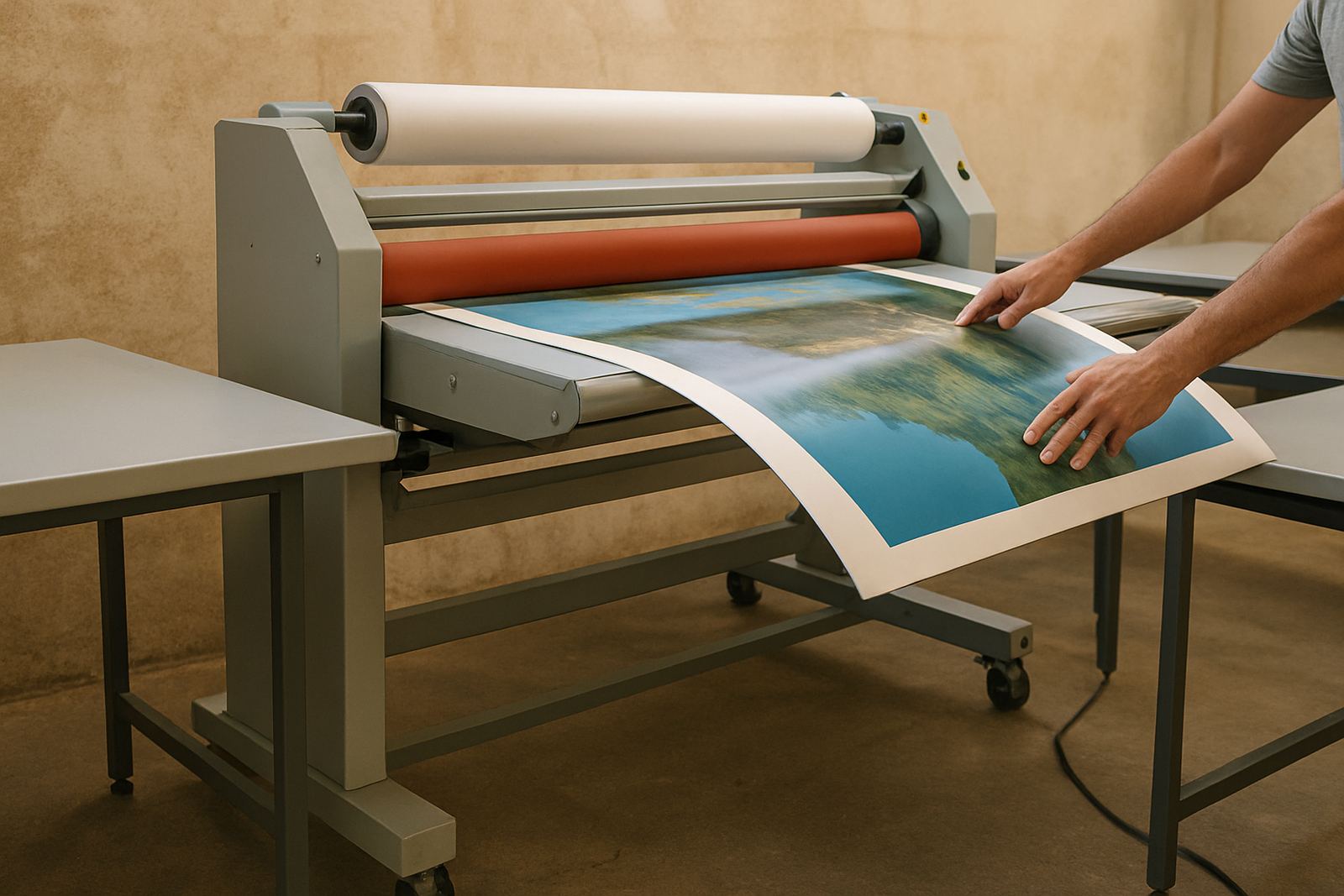
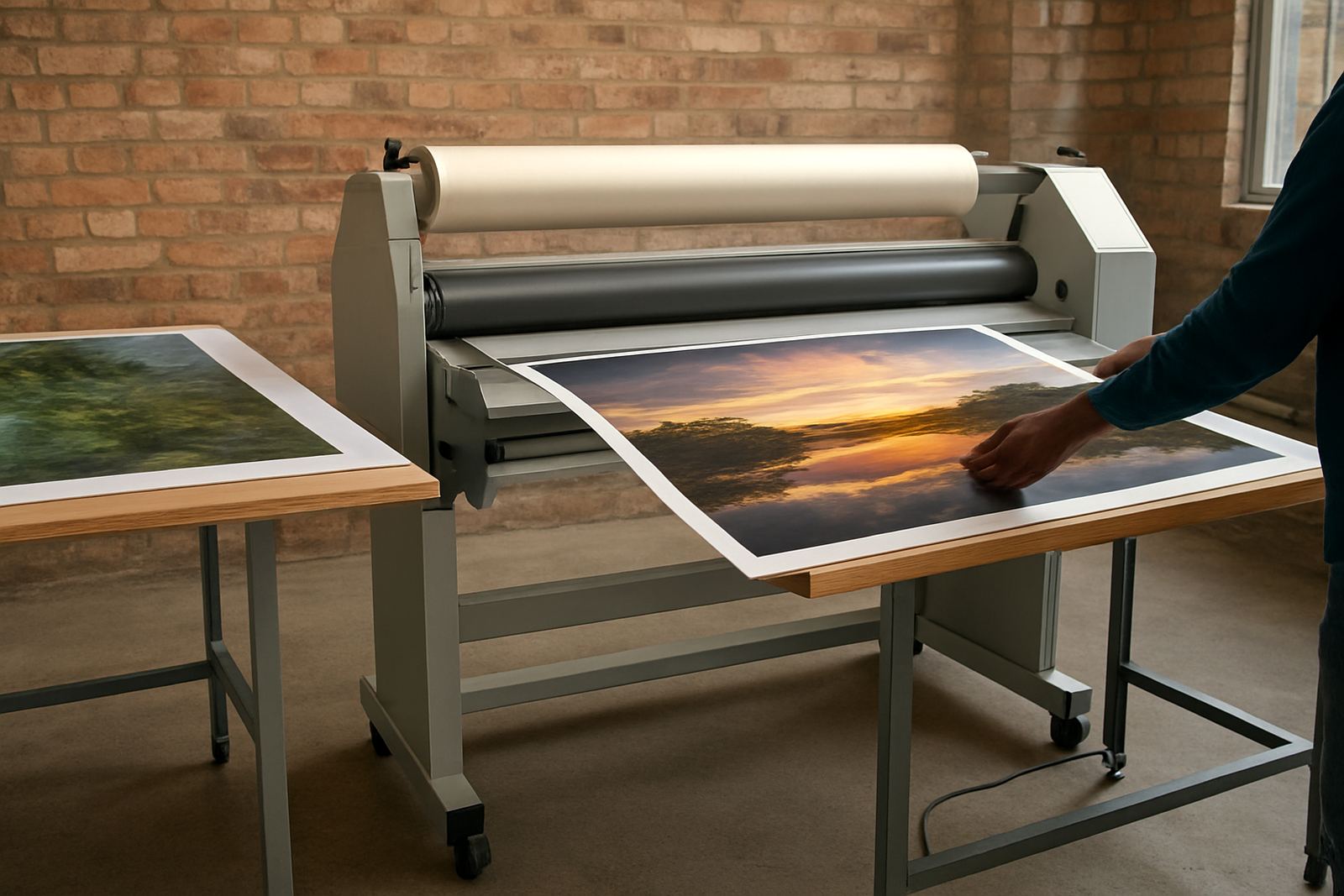
Read useful articles on laminating, print finishing and presentation quality. Finishing Notes help businesses make better production decisions and avoid common finishing problems.

Cold vs Hot

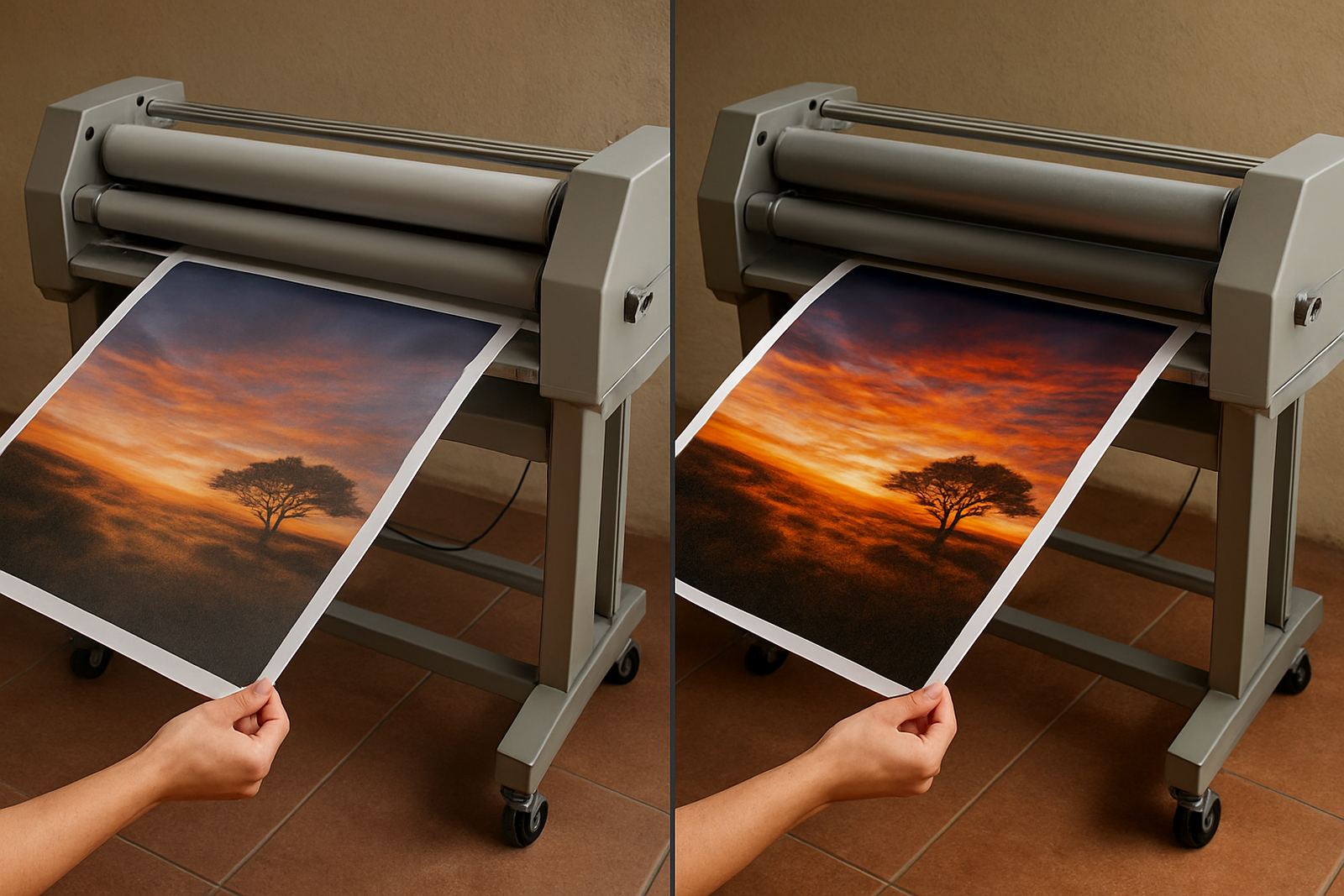
Cold vs Hot

A clear look at when cold or hot lamination makes the most sense.

Matte or Gloss

Matte or Gloss

Compare finish styles for readability, colour depth and presentation effect.

Silvering on Prints

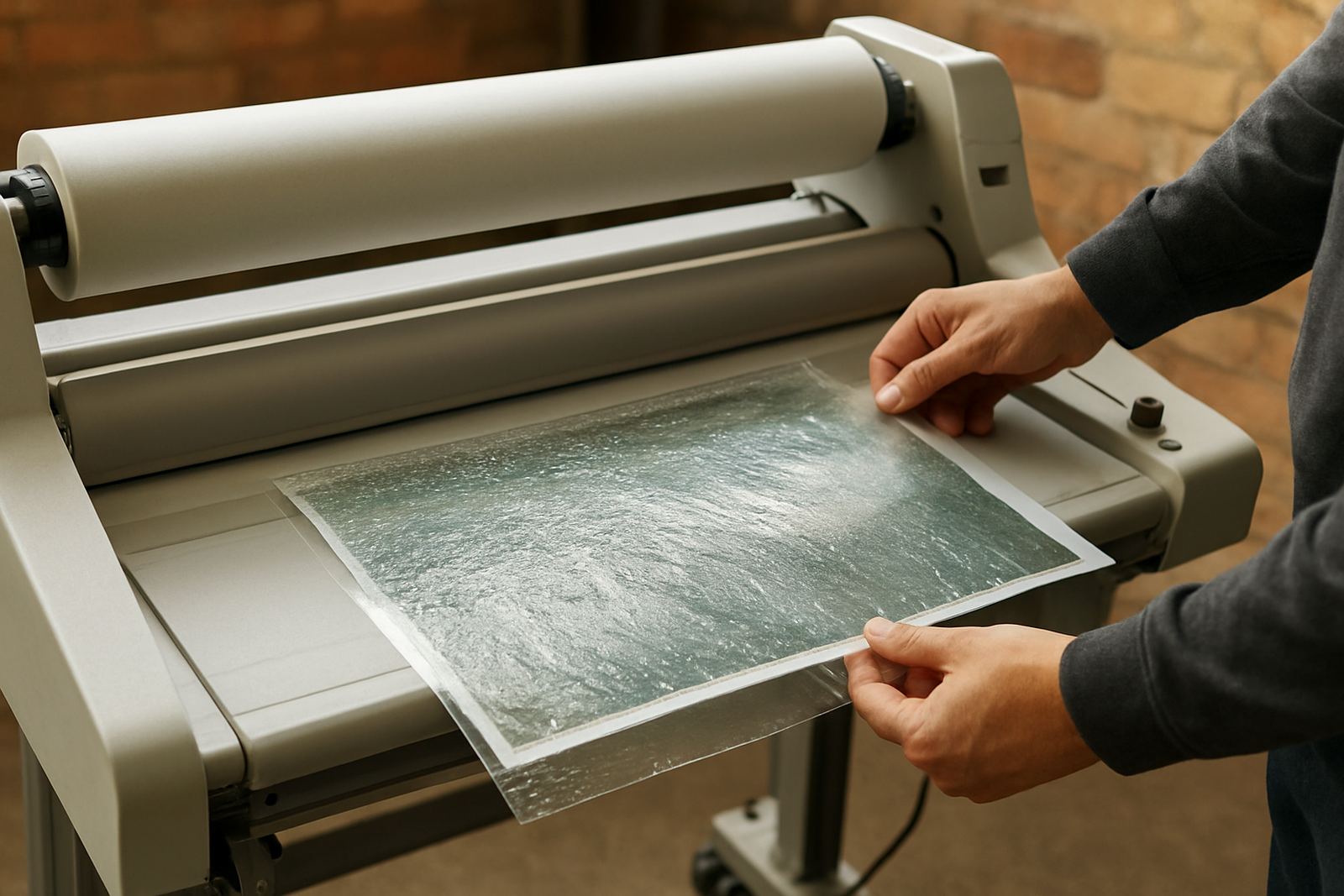
Silvering on Prints

What causes silvering and how to reduce it on finished graphics.

Avoiding Air Bubbles

Avoiding Air Bubbles

Simple setup habits that prevent bubbles during lamination and mounting.

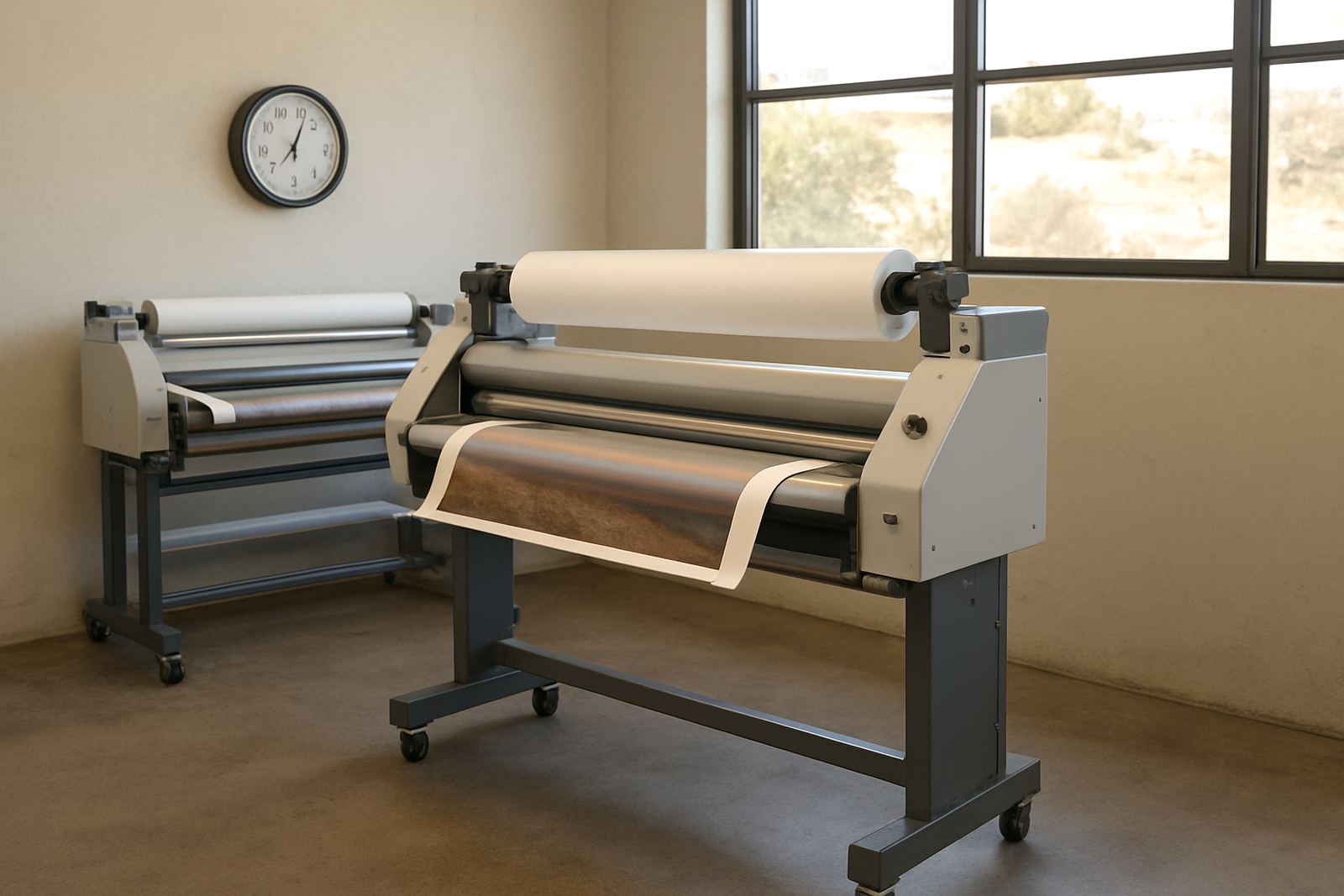
Roller Pressure Basics

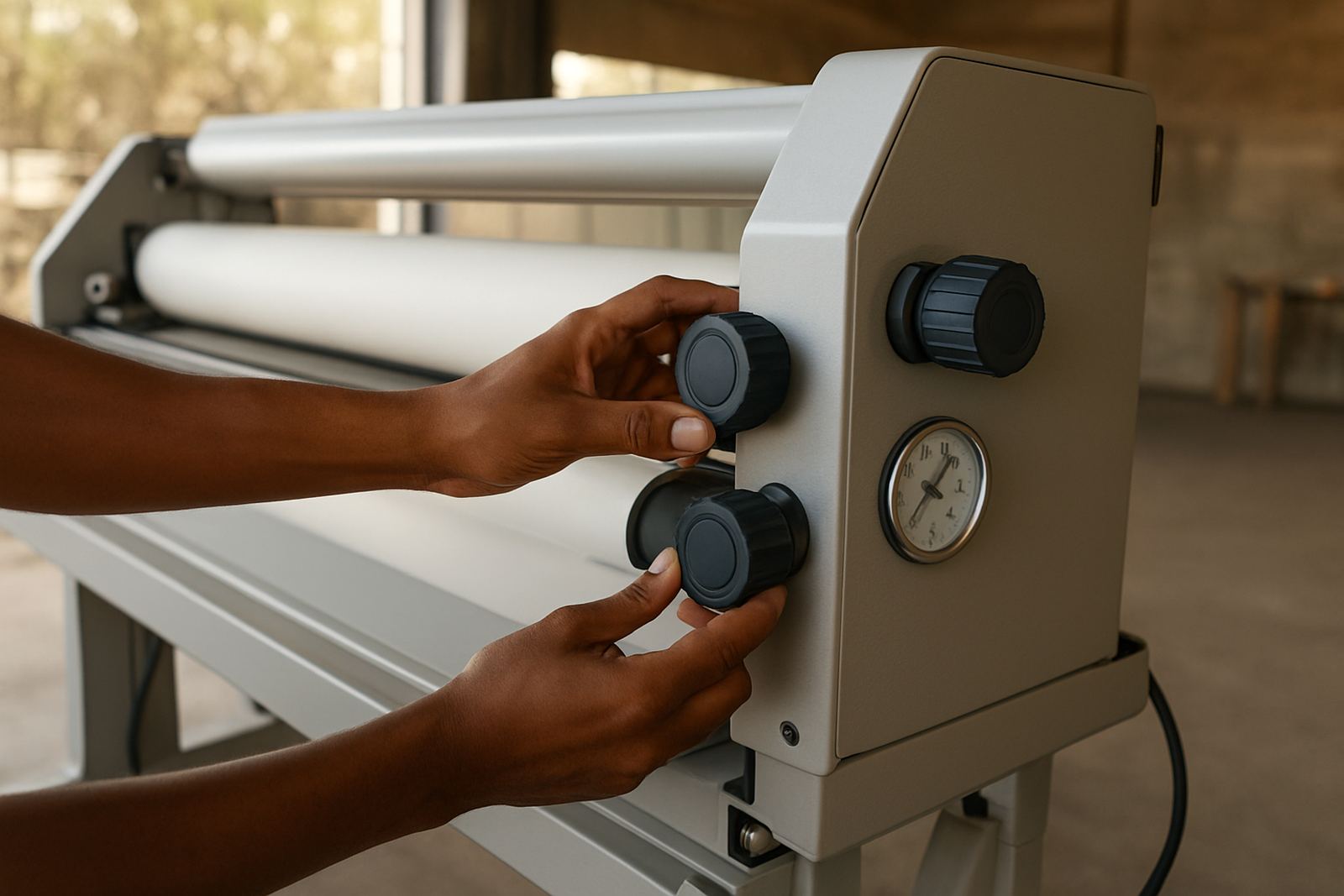
Roller Pressure Basics

Why correct pressure matters for bonding, finish quality and media handling.

Heat and Bonding

Heat and Bonding

How heat affects adhesive flow and final laminating performance.

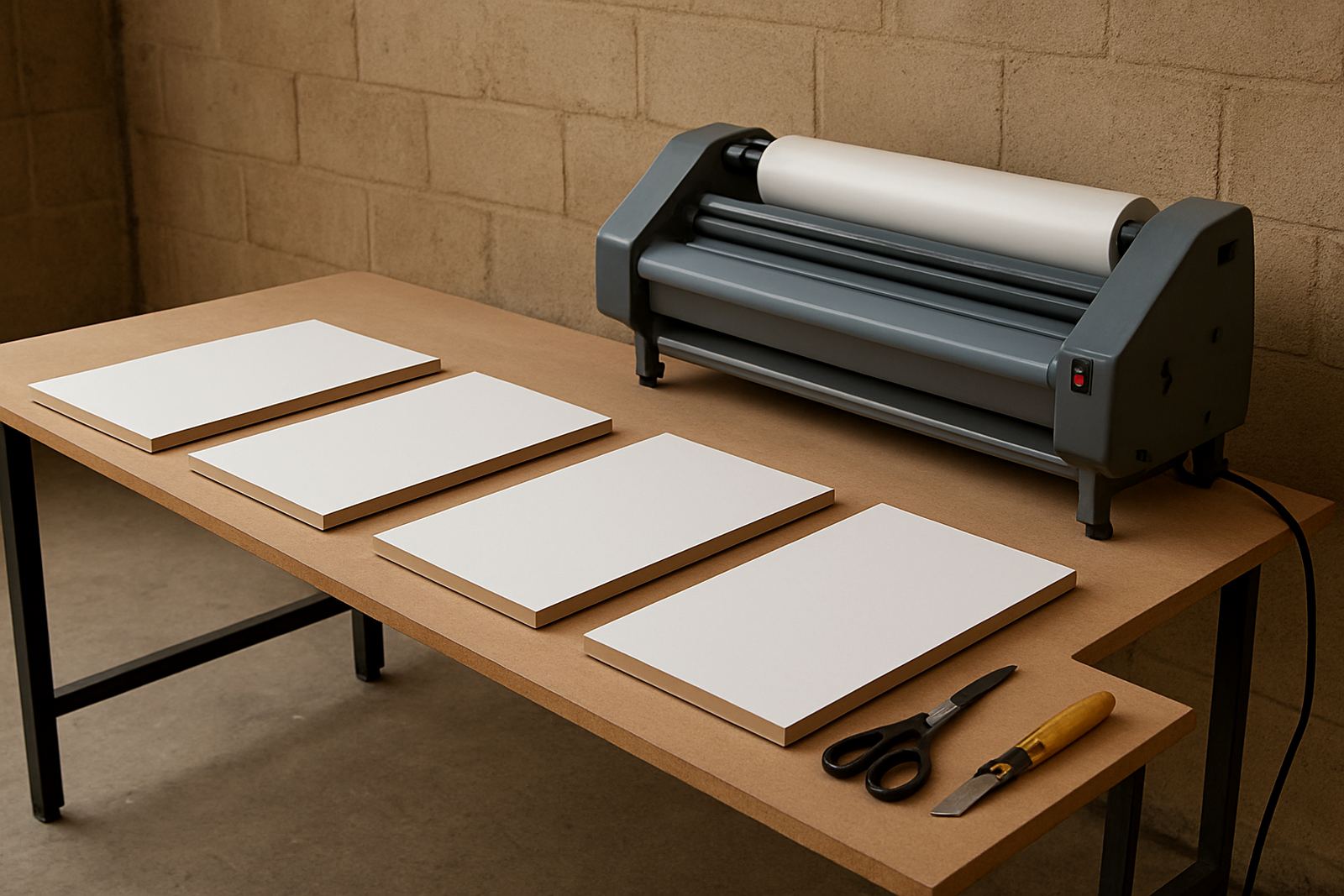
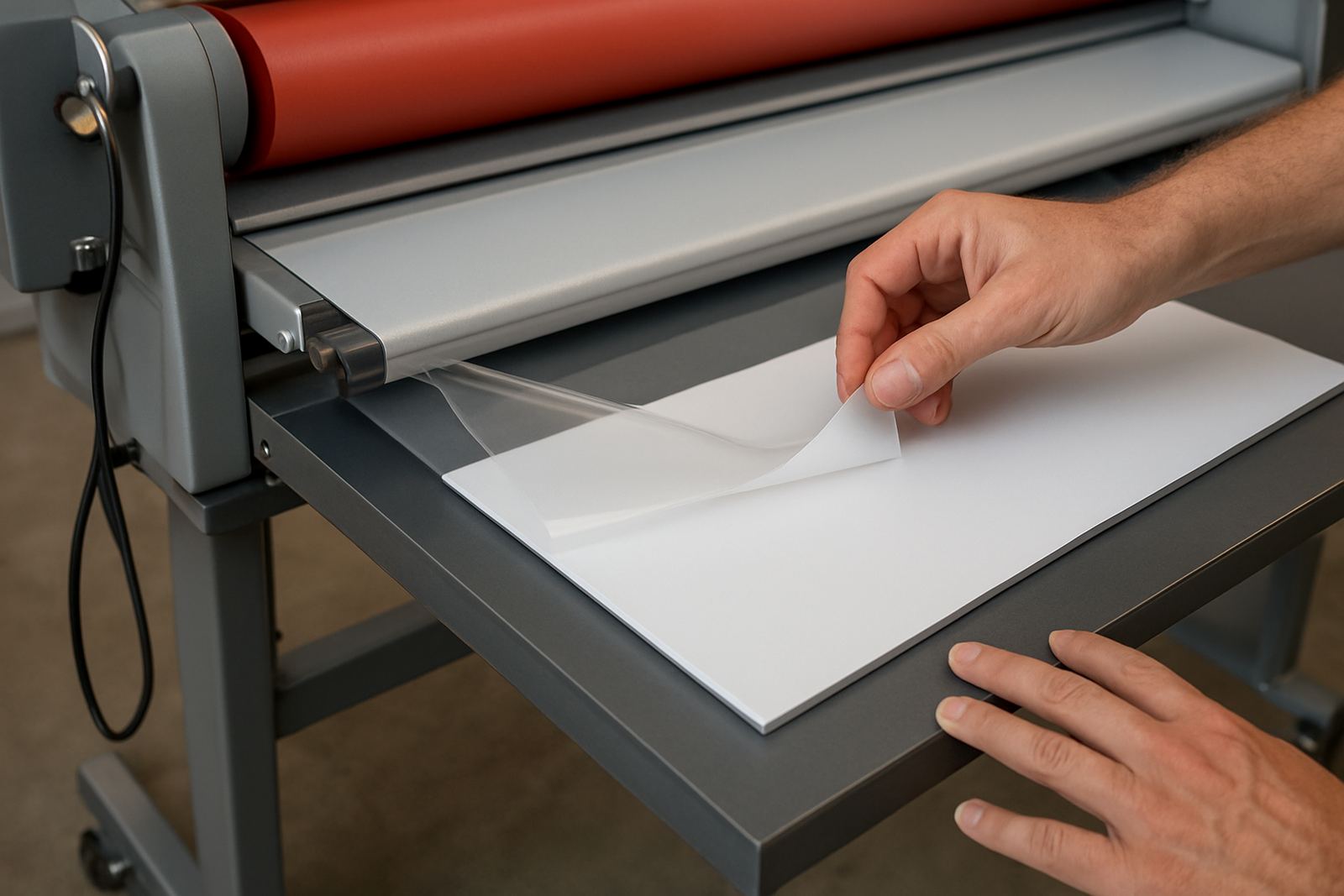
Mounting Board Tips

Mounting Board Tips

Better mounting results on foam boards and presentation substrates.

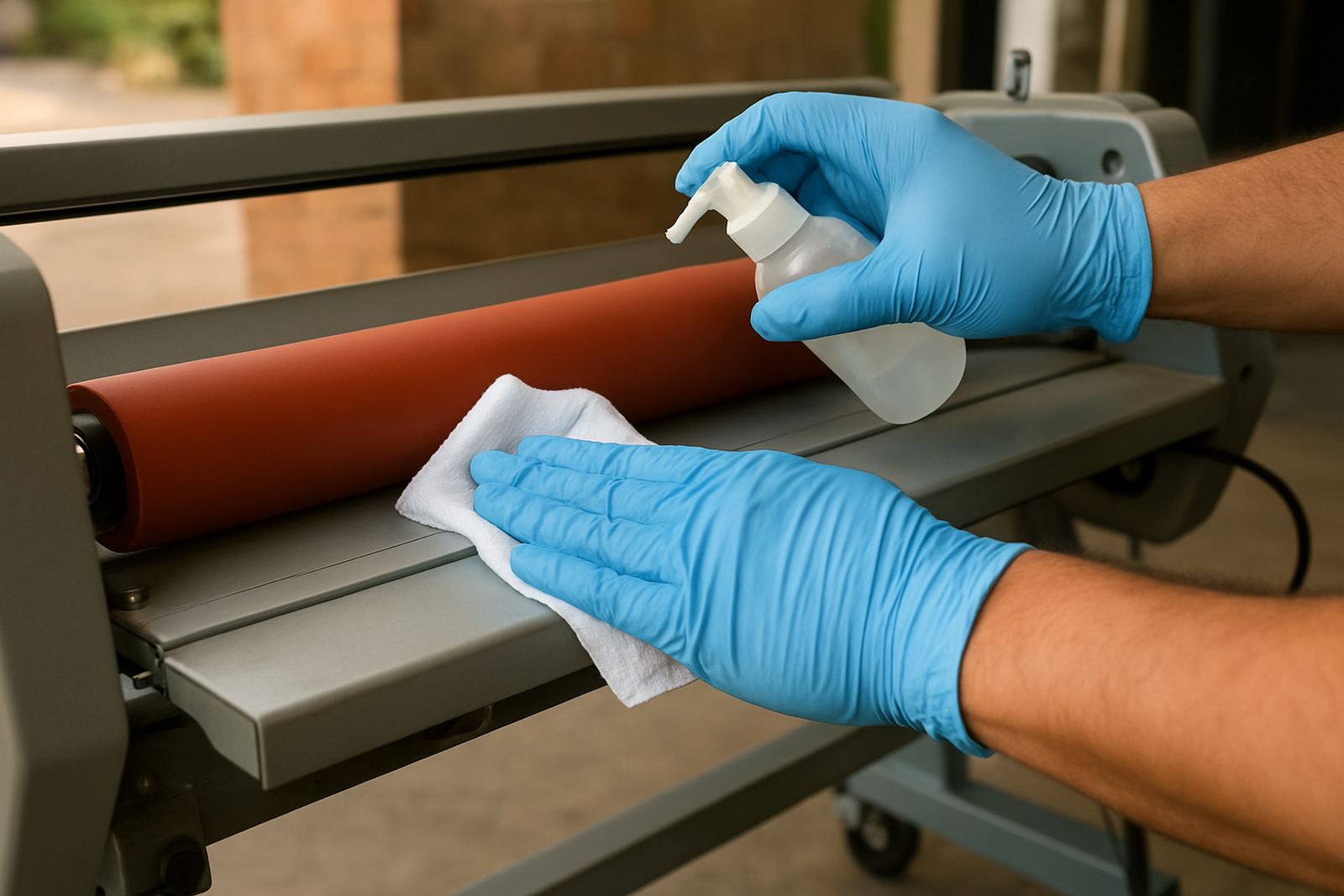
Cleaning Rollers Safely

Cleaning Rollers Safely

Safe cleaning methods that protect roller surfaces and operator safety.

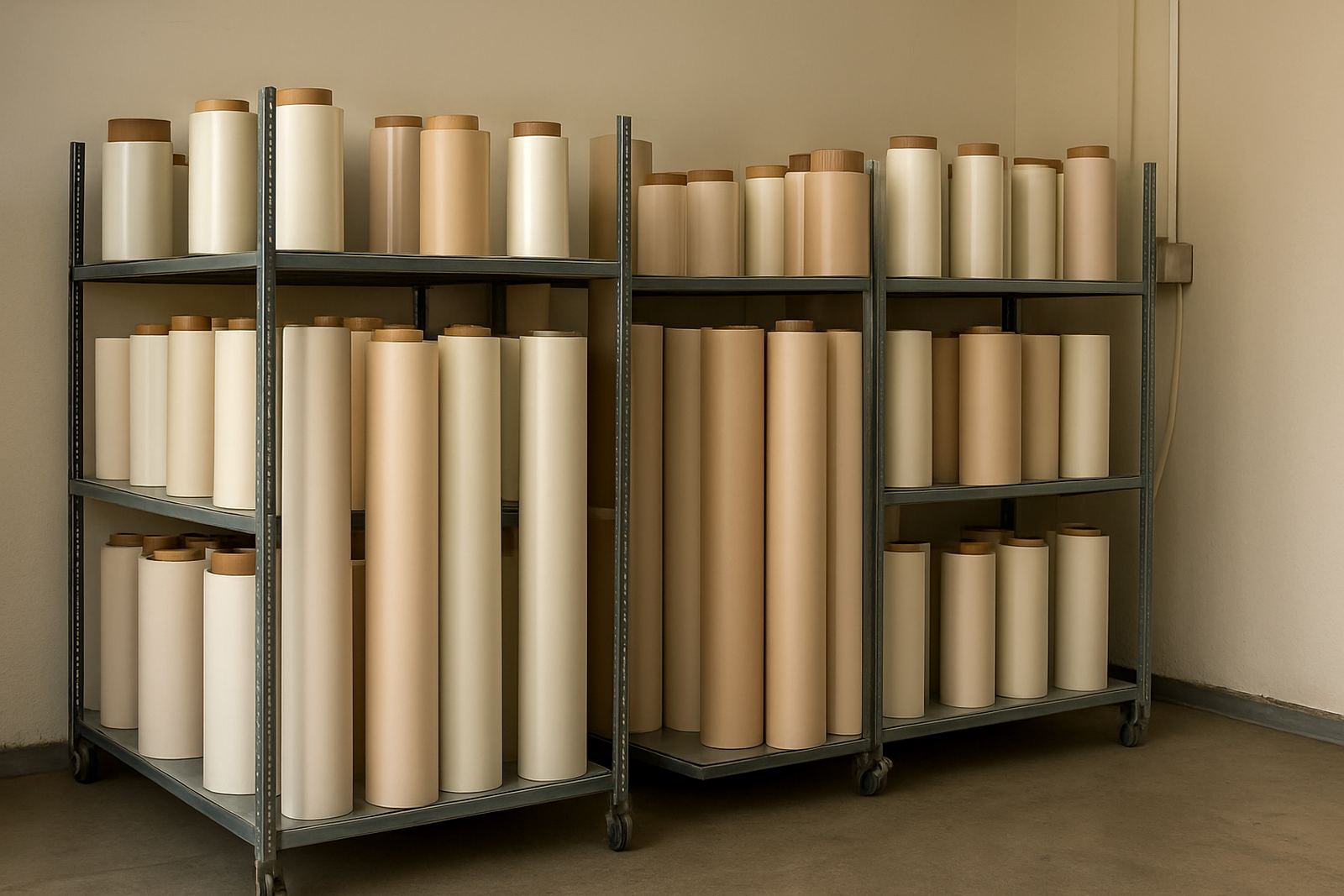
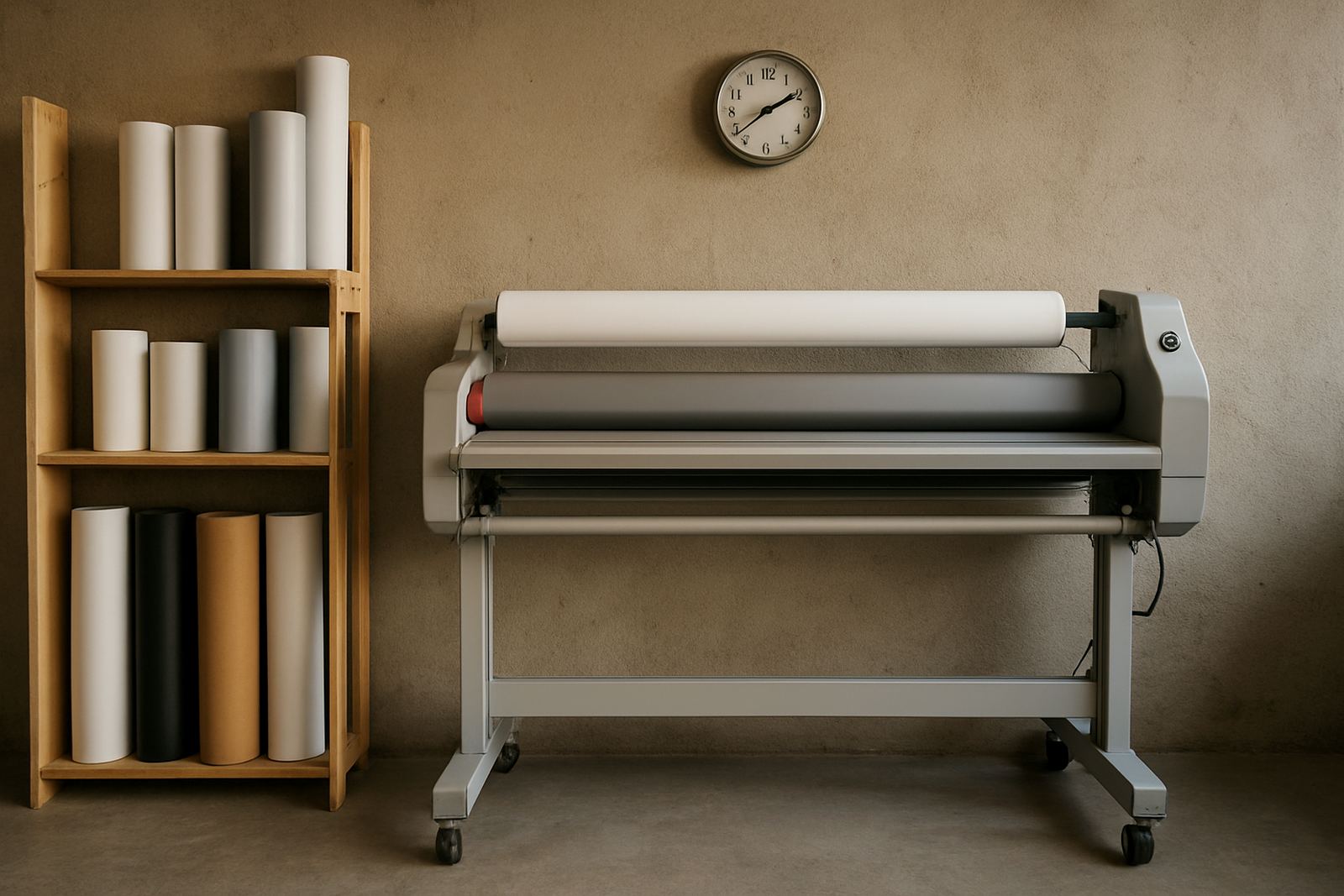
Storing Laminate Rolls

Storing Laminate Rolls

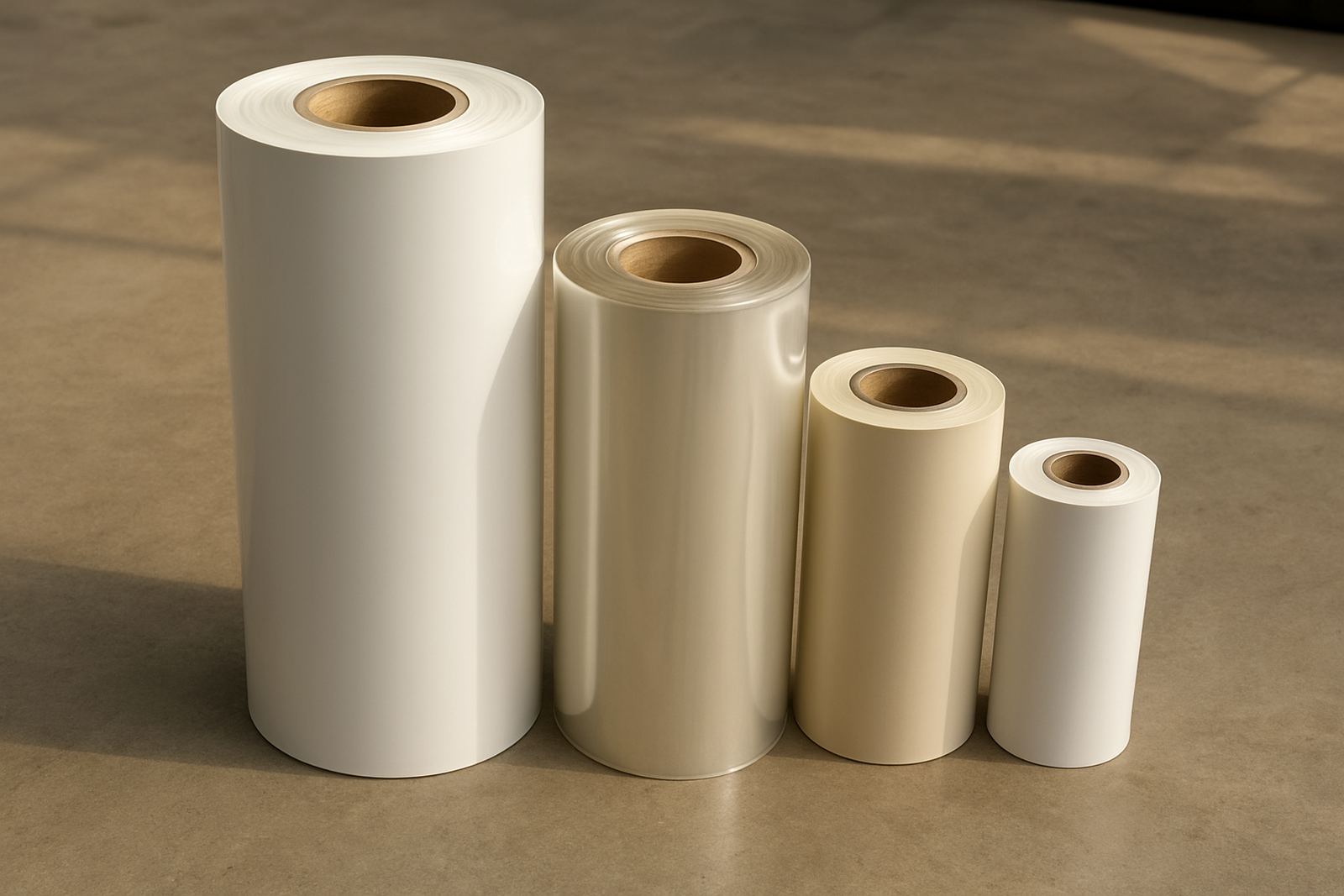
Storage practices that preserve film quality and reduce waste.

Print Cure Times

Print Cure Times

Why waiting before laminating can improve adhesion and appearance.

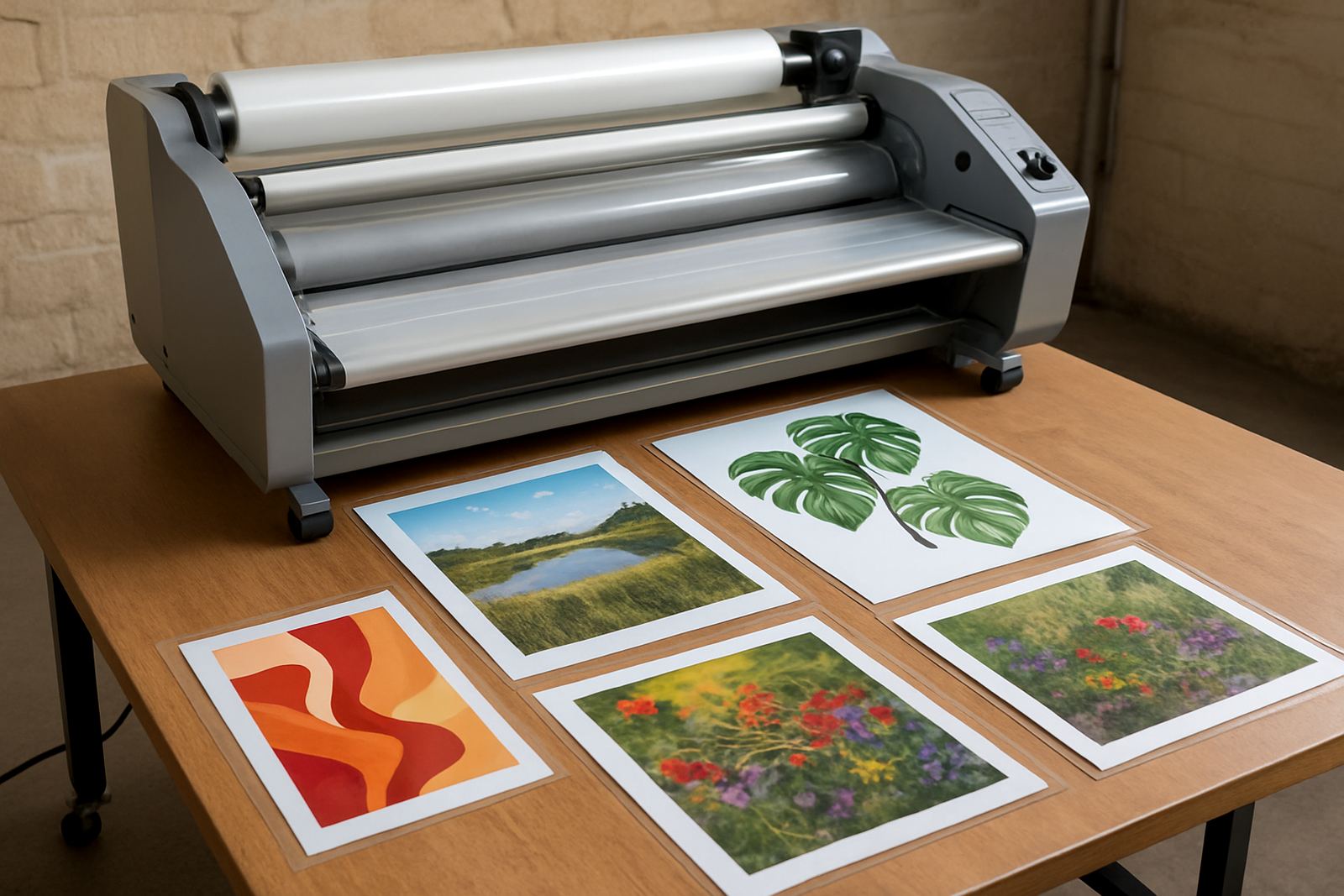
Laminating Photo Prints

Laminating Photo Prints

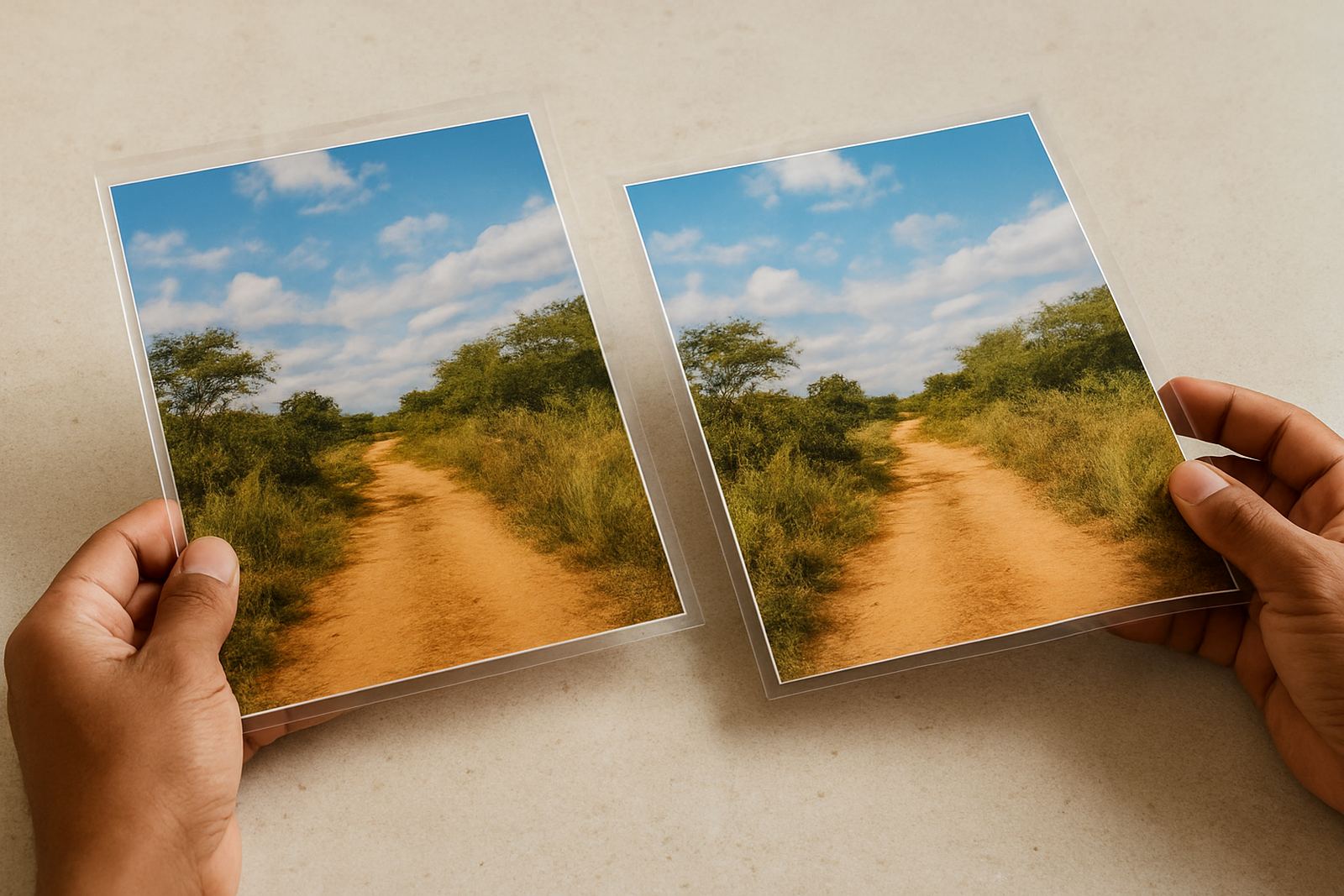
Considerations for protecting photographs without losing visual impact.

Poster Finishing Basics

Poster Finishing Basics

A practical introduction to stronger, cleaner poster presentation.

Reducing Film Waste

Reducing Film Waste

Workflow changes that limit offcuts and improve consumable efficiency.

Film Thickness Choices

Film Thickness Choices

How to match film thickness to application and handling needs.

Retail Finish Choices

Retail Finish Choices

Selecting finishes for point-of-sale graphics, promotions and in-store displays.

Artwork Finish Choices

Artwork Finish Choices

Balancing protection and appearance for reproductions and display prints.

Signage Finish Choices

Signage Finish Choices

Choosing protective films for indoor signage and display boards.

Common Feed Problems

Common Feed Problems

Typical causes of skewing, wandering and uneven media feed.

Edge Lift Causes

Edge Lift Causes

Why laminated edges sometimes lift and how to reduce the risk.

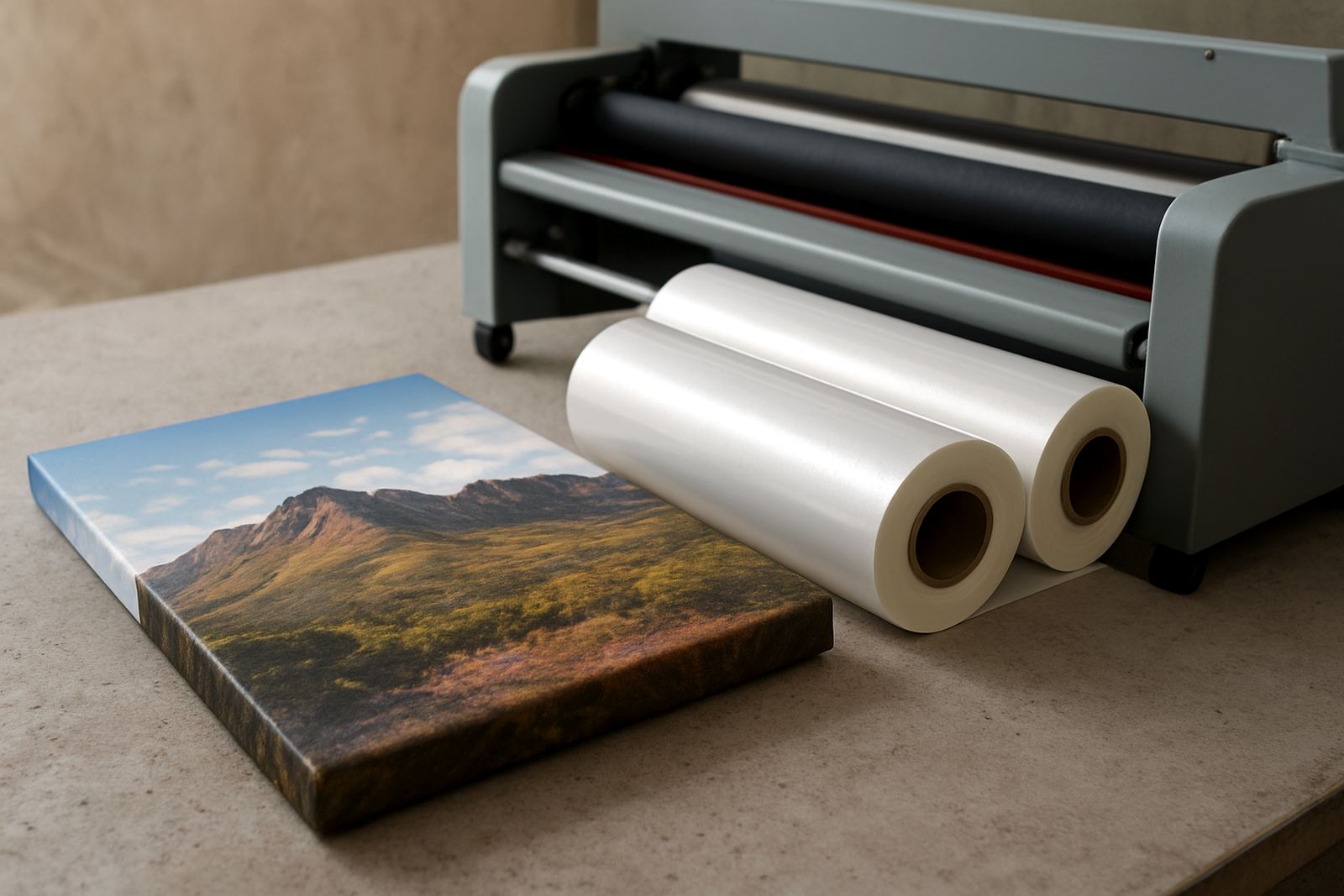
Canvas Print Protection

Canvas Print Protection

Considerations when applying protective films to printed canvas surfaces.

Window Graphic Protection

Window Graphic Protection

Finishing options for clear and printed display graphics for glass areas.

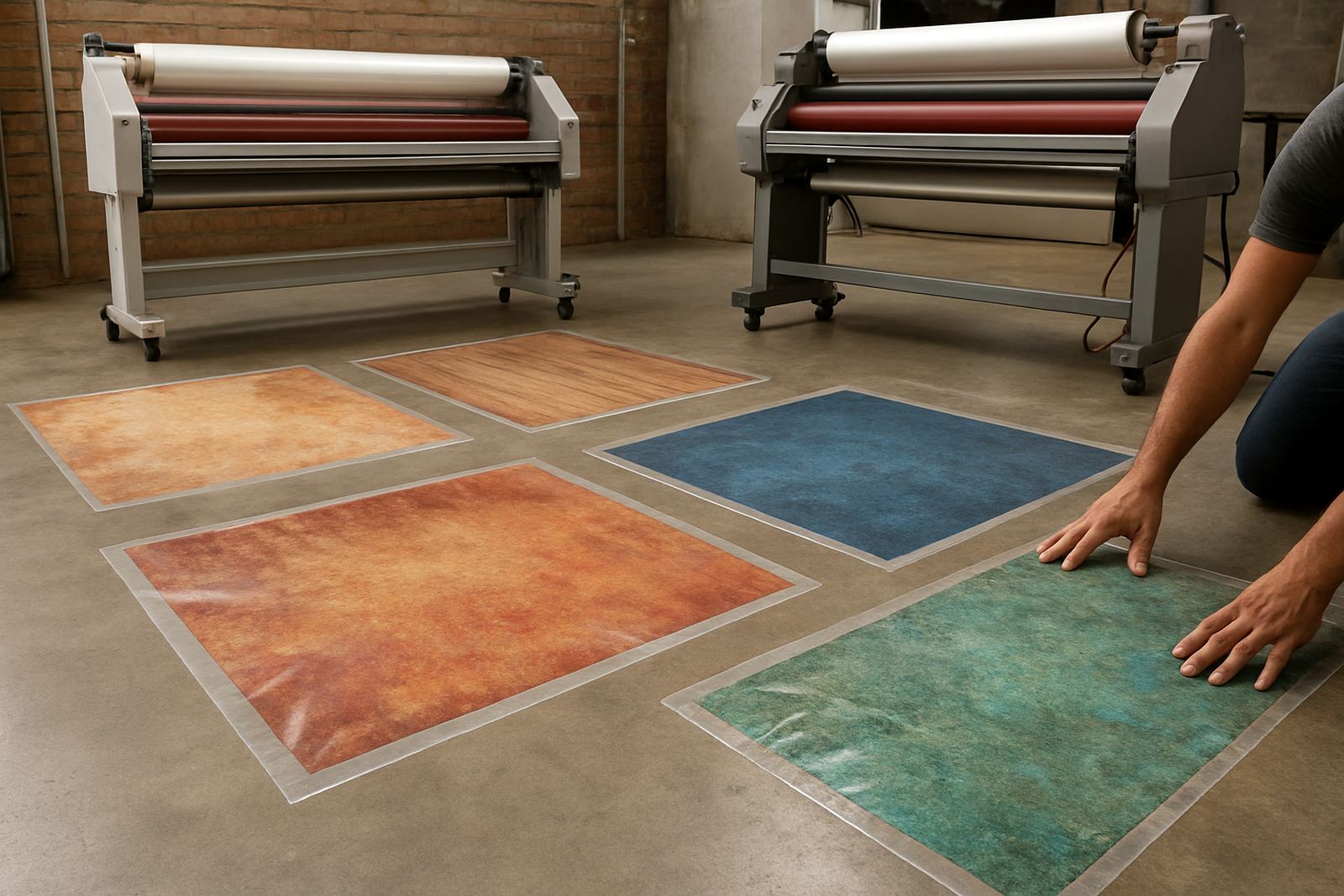
Floor Graphic Durability

Floor Graphic Durability

How protective layers affect wear resistance on printed floor media.

Presentation Board Finish

Presentation Board Finish

Tips for smarter-looking mounted boards used in pitches and reviews.

Humidity and Lamination

Humidity and Lamination

How local climate conditions can affect film handling and results.

Workshop Temperature Effects

Workshop Temperature Effects

Why room temperature can influence film behaviour and machine settings.

Operator Safety Basics

Operator Safety Basics

Important safety habits around rollers, heat and moving parts.

Daily Startup Checks

Daily Startup Checks

A practical morning routine before production begins.

End of Day Care

End of Day Care

Shutdown habits that support consistent performance and cleaner rollers.

Laminating Short Runs

Laminating Short Runs

Ways to stay efficient when finishing smaller jobs throughout the day.

Laminating Long Runs

Laminating Long Runs

Planning and setup ideas for smoother high-volume production sessions.

Matching Media Widths

Matching Media Widths

How correct width matching reduces waste and handling trouble.

Support Tables Matter

Support Tables Matter

Why infeed and outfeed support improves finish quality and speed.

Satin Finish Benefits

Satin Finish Benefits

Where satin surfaces offer a useful middle ground between matte and gloss.

Anti-Glare Display Prints

Anti-Glare Display Prints

Reducing reflections for posters and presentation boards under lights.

When to Remount

When to Remount

Signs that a mounted board should be redone for better presentation.

Adhesive Build-Up Signs

Adhesive Build-Up Signs

Early warning indicators that rollers need cleaning or service attention.

Choosing Output Speed

Choosing Output Speed

Why machine speed affects finish quality, consistency and operator control.

Mounting Large Panels

Mounting Large Panels

Planning large board jobs to reduce skewing and trapped contamination.

Protecting Sample Books

Protecting Sample Books

Ideas for preserving printed sample pieces that get frequent handling.

Lamination for Transport

Lamination for Transport

How protective finishing helps prints survive packing, handling and delivery.

Choosing the Right Laminating Method

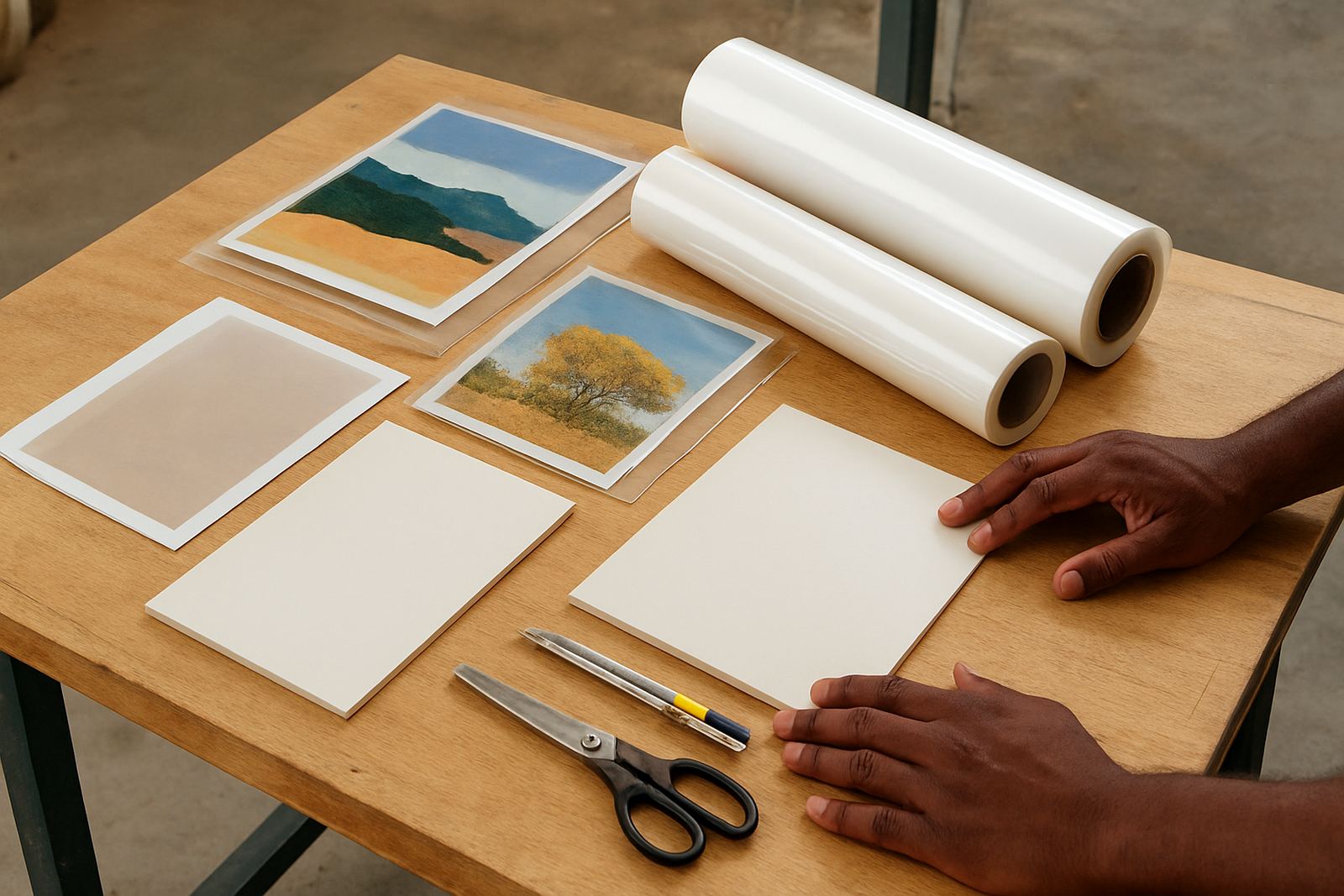
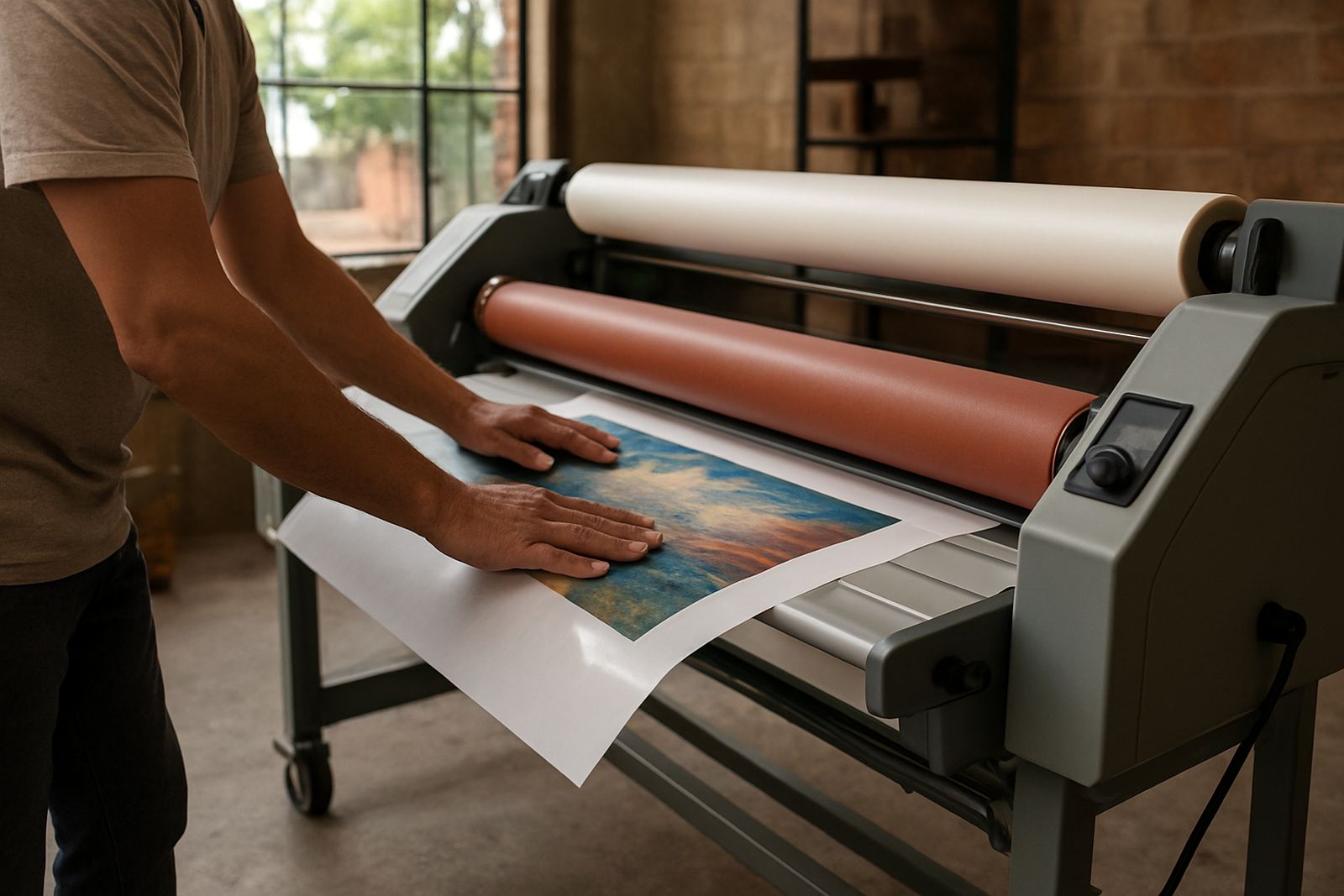
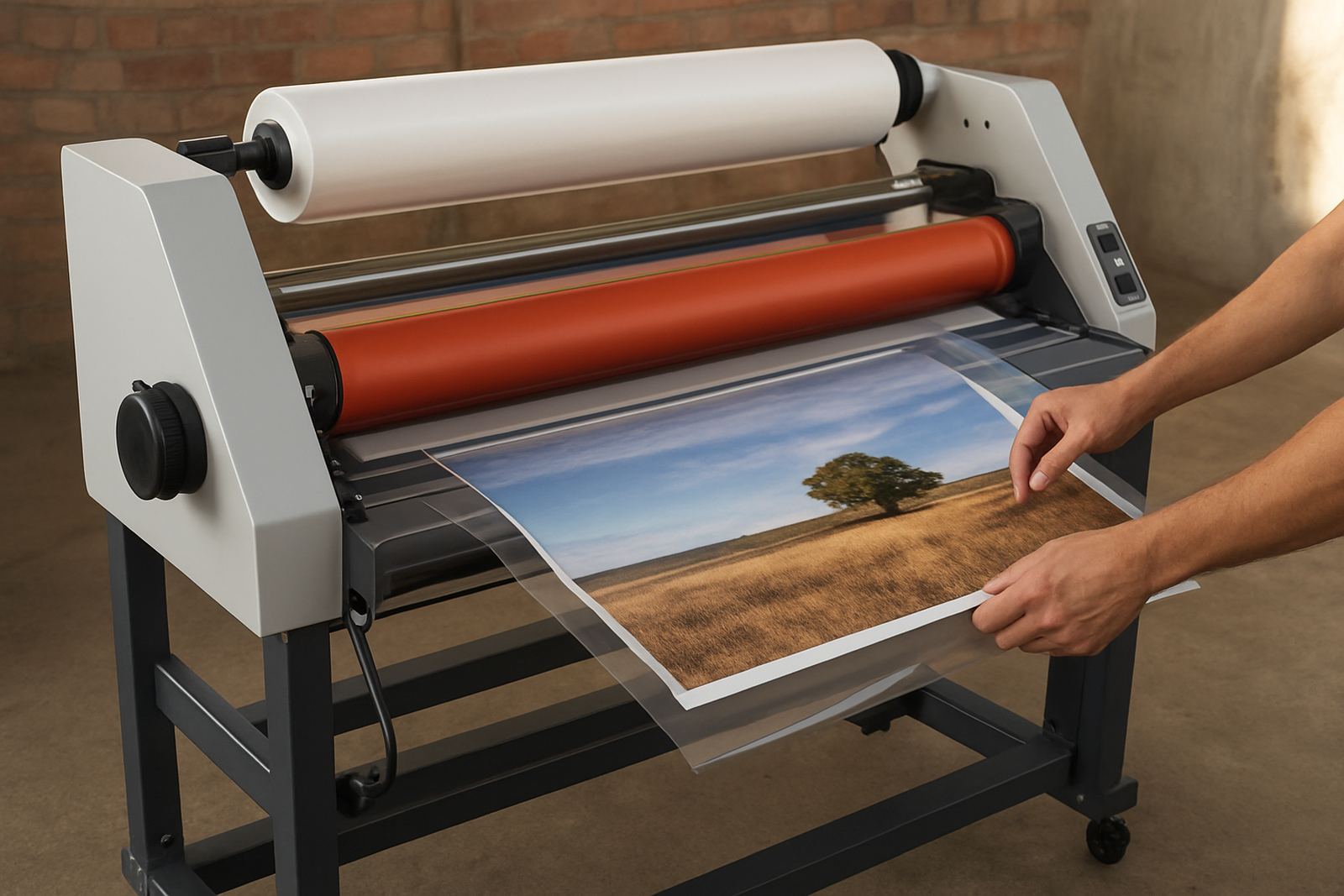
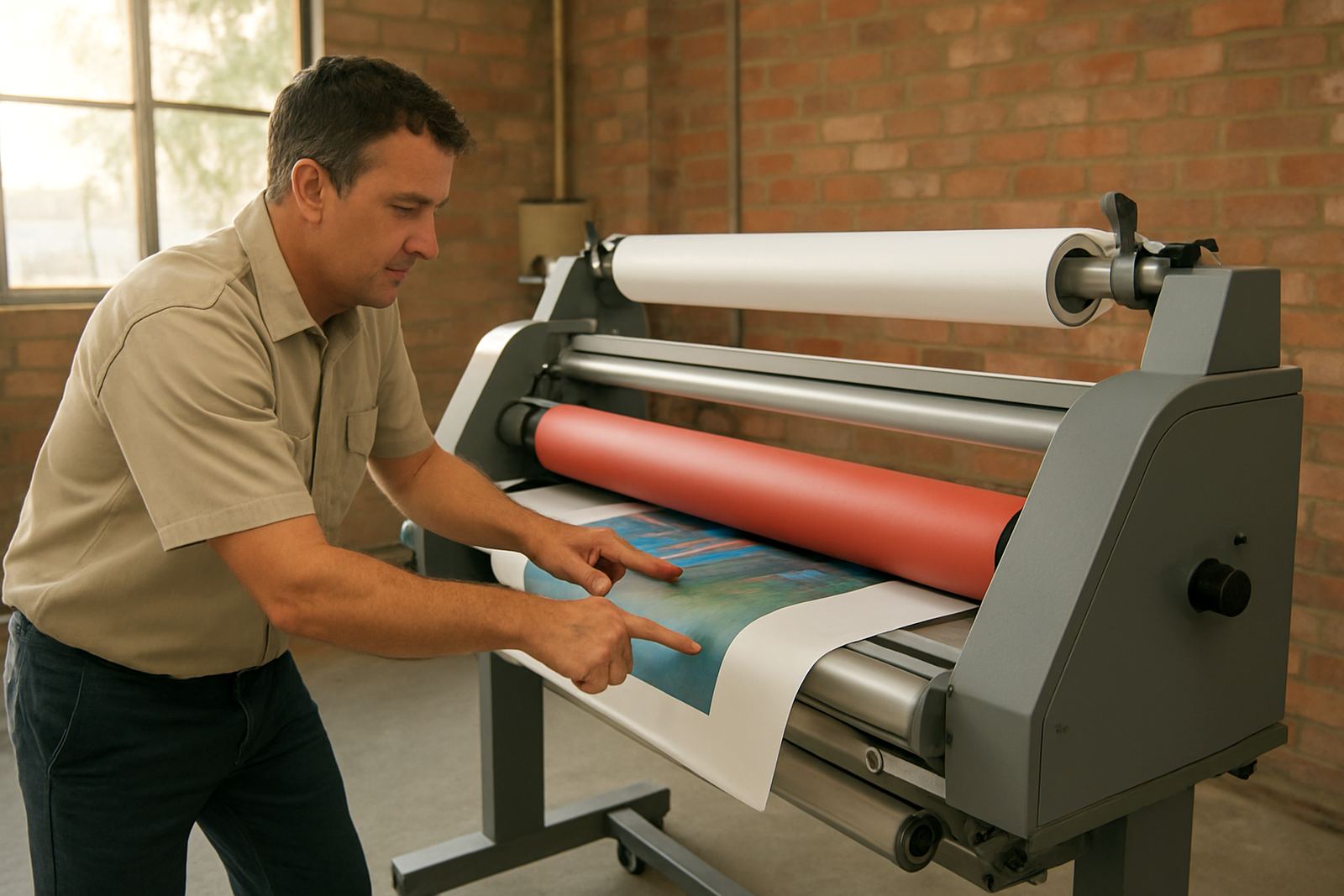
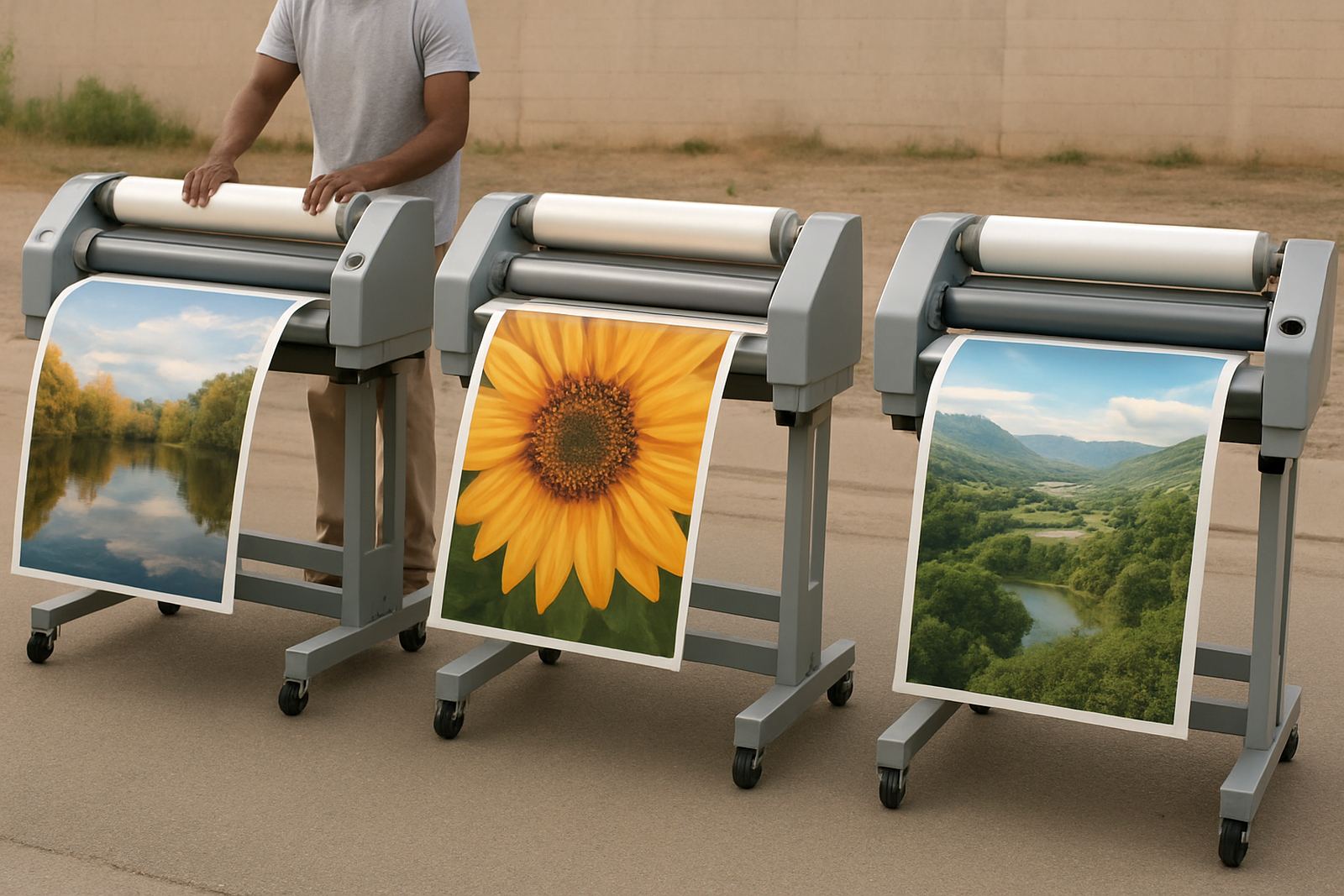
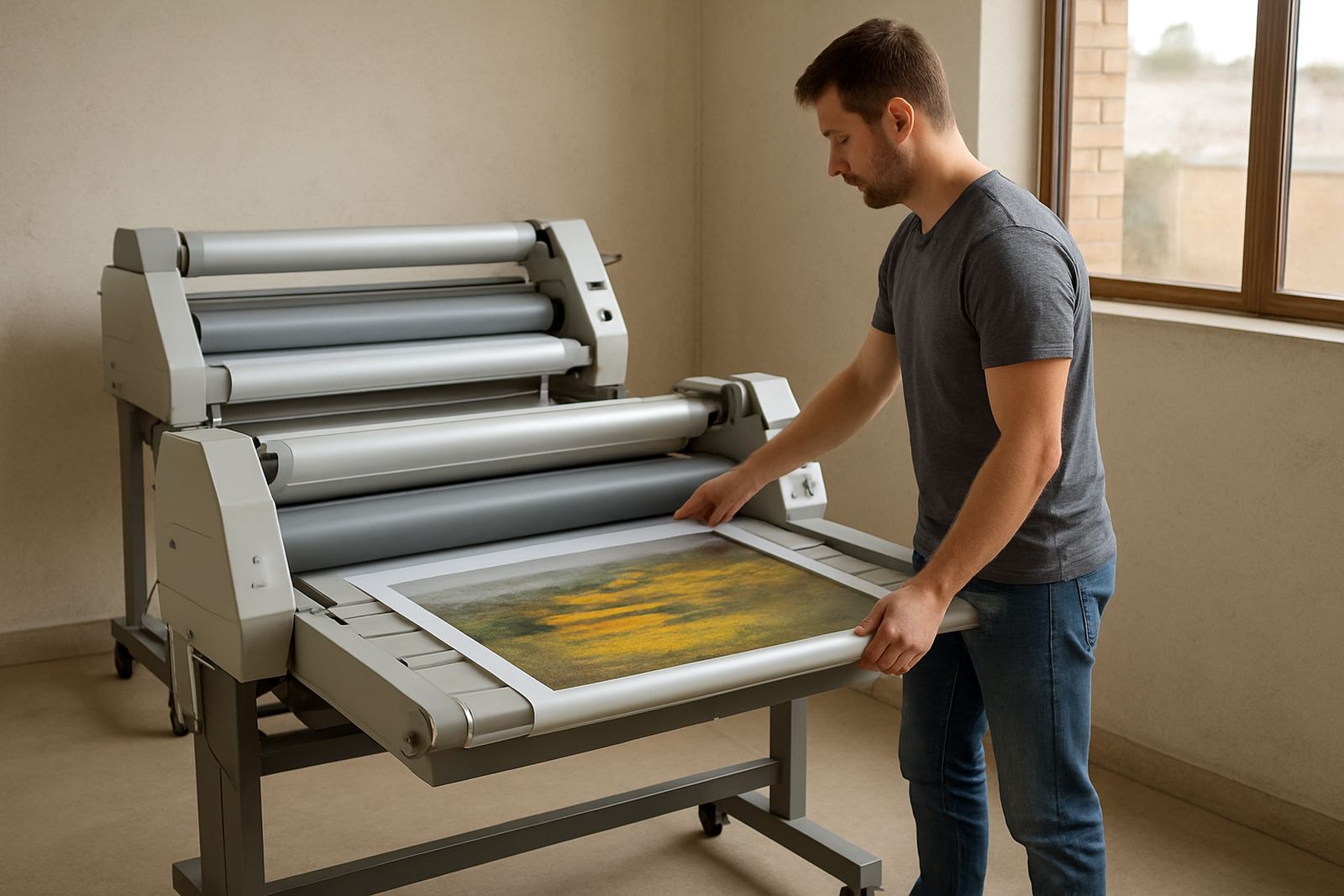
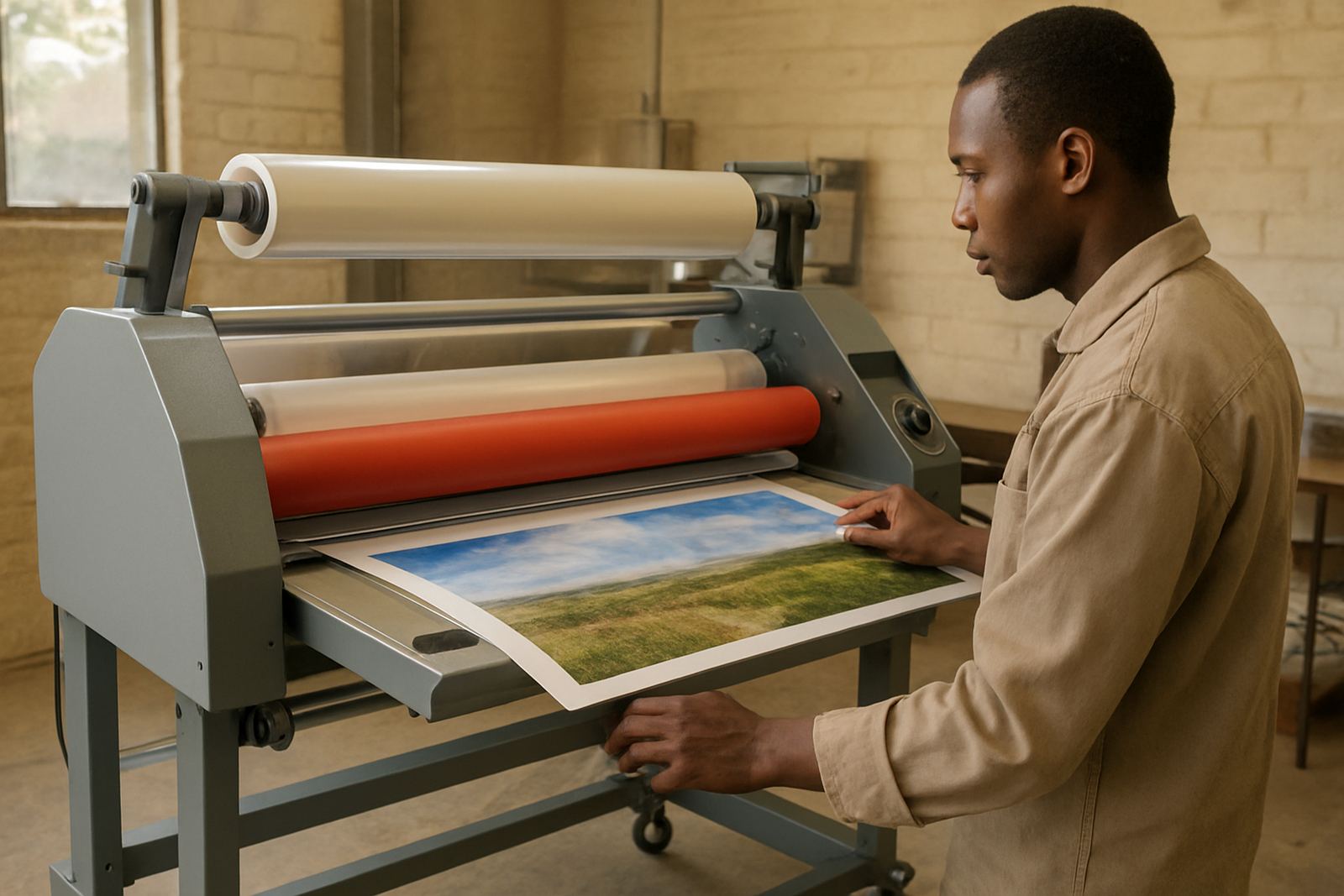
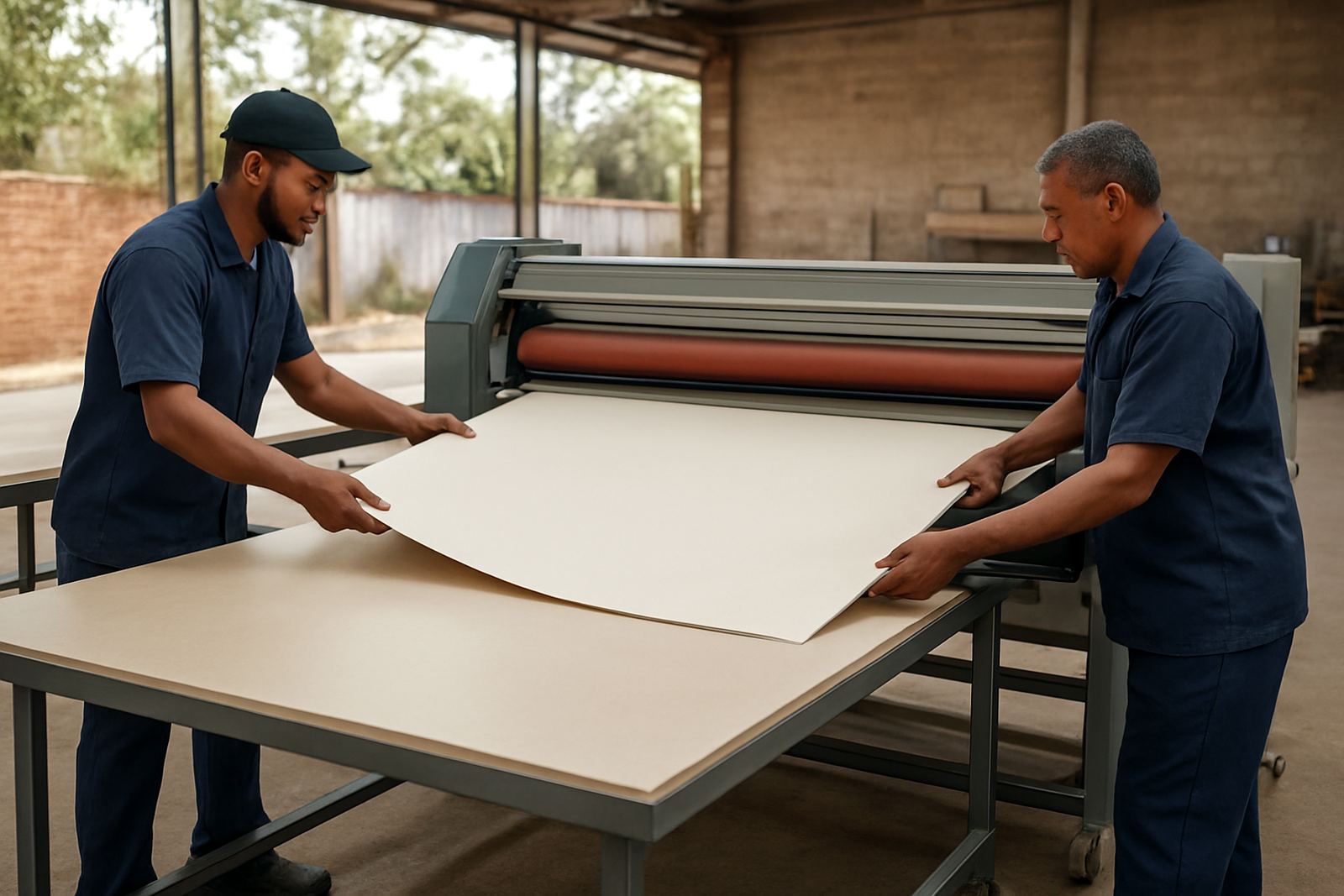
Not every job needs the same finish. A cold roll unit suits heat-sensitive prints, photographic work and many adhesive films, while a hot roll machine is better for heavier media and work that needs more bond and body. If you are finishing posters, signage panels, menus or presentation boards, the right method depends on substrate, ink type, run size and how the finished piece will be handled.

For Johannesburg print rooms and smaller studios in places like Kya Sand, Sandton and Midrand, space and power supply matter too. A machine that matches your daily volume can save time, reduce waste and keep operators from fighting with set-up on busy days. On sites where load-shedding is part of the routine, steady heat recovery and predictable speed make a real difference.

Signs a Job Needs More Than Basic Protection

Some prints only need a light protective layer, but others need stronger finishing to stay flat and presentable. Humidity near coastal routes can make paper cockle, while indoor displays in air-conditioned offices may still curl if the board is not prepped properly. The aim is not only to protect the print, but to keep it looking sharp on delivery and after handling.

  • Use laminating where a print will be touched often, moved between sites or cleaned regularly.
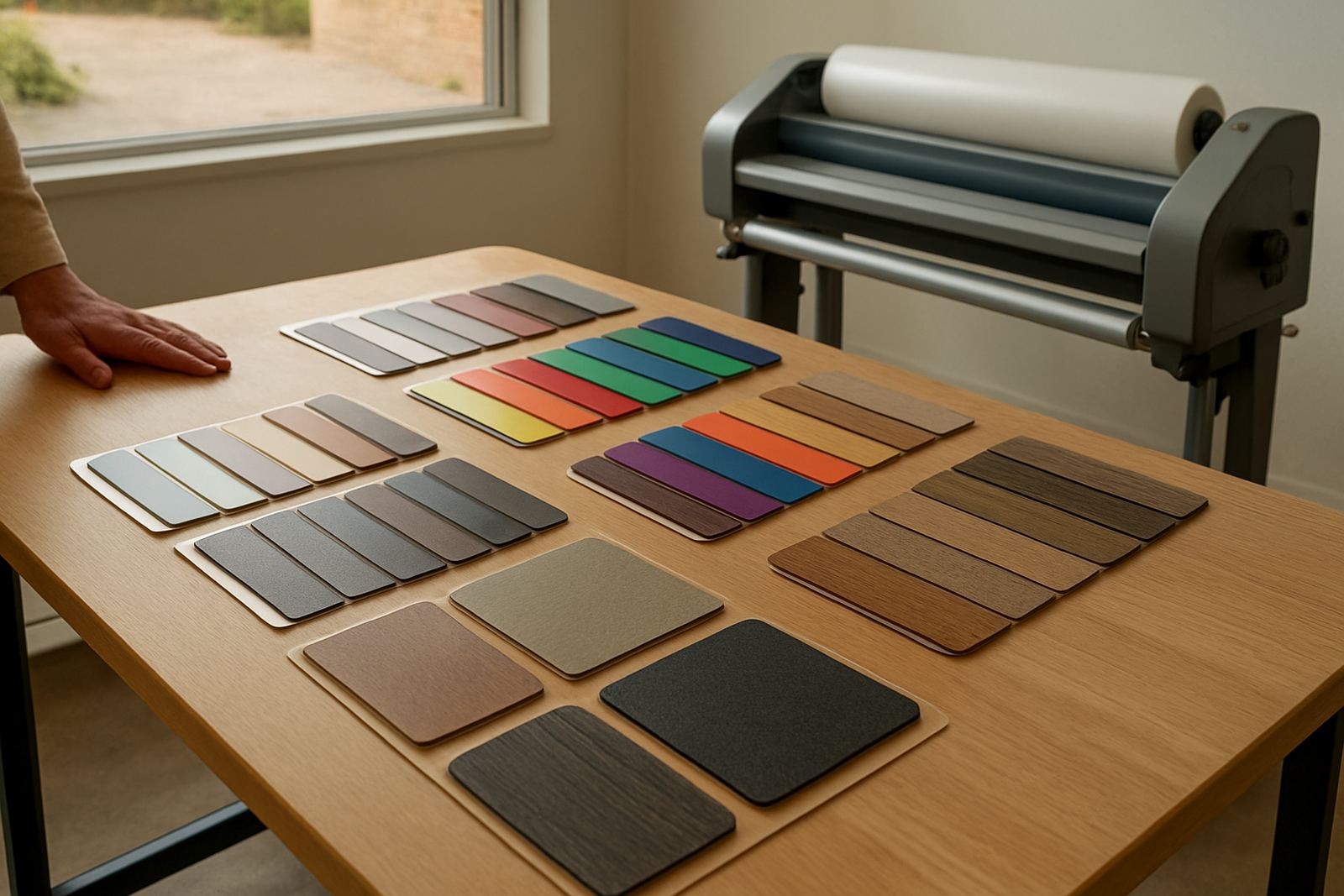
  • Choose a gloss, matt or satin finish based on light levels and the viewing angle.
  • Allow for mounting, trimming and edge sealing where moisture or dust is a concern.
  • Check whether the artwork will be framed, wall mounted or used outdoors before deciding on the film type.

Common Finishing Problems and What Causes Them

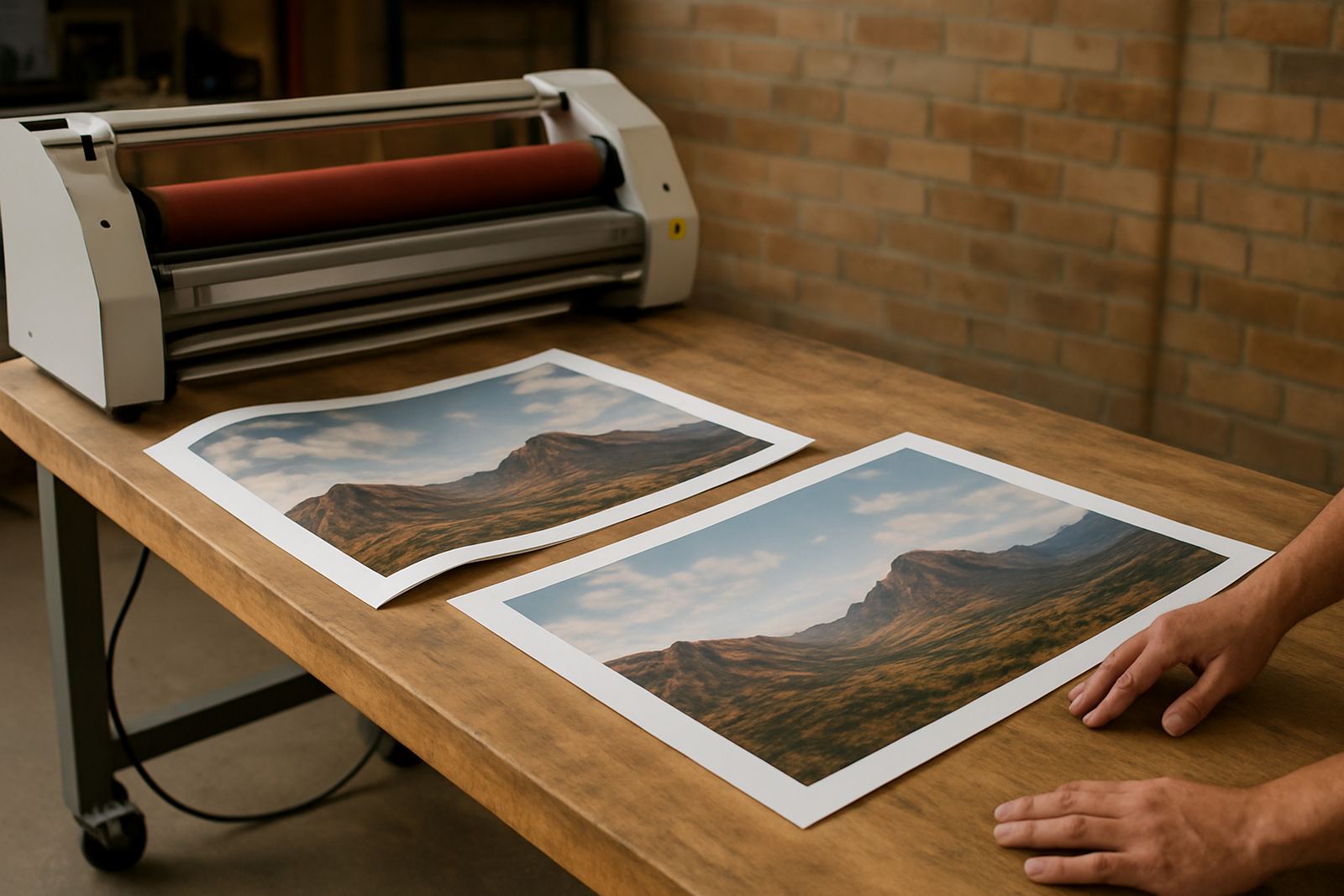
Many finishing faults come from setup rather than the film itself. Slippage can point to pressure issues, while bubbles often mean trapped air, dirty rollers or a speed setting that is too fast. Wrinkling may come from uneven tension, and silvering usually shows up when the adhesive has not fully settled under the right pressure and temperature.

In busy shops across Randburg, Pretoria and the East Rand, these problems often appear when operators rush a job after a changeover. A short check before every run helps more than most people think, especially on long sheets or mixed batches. It is quicker to pause for a proper set-up than to rework a full stack of prints later.

What to Check Before You Start a Run

A proper start-up routine keeps production steady and reduces wear on the machine. It also helps when a new operator is covering a shift or a site is under pressure to finish a same-day order. A few minutes spent on checks can prevent a callout later in the week.

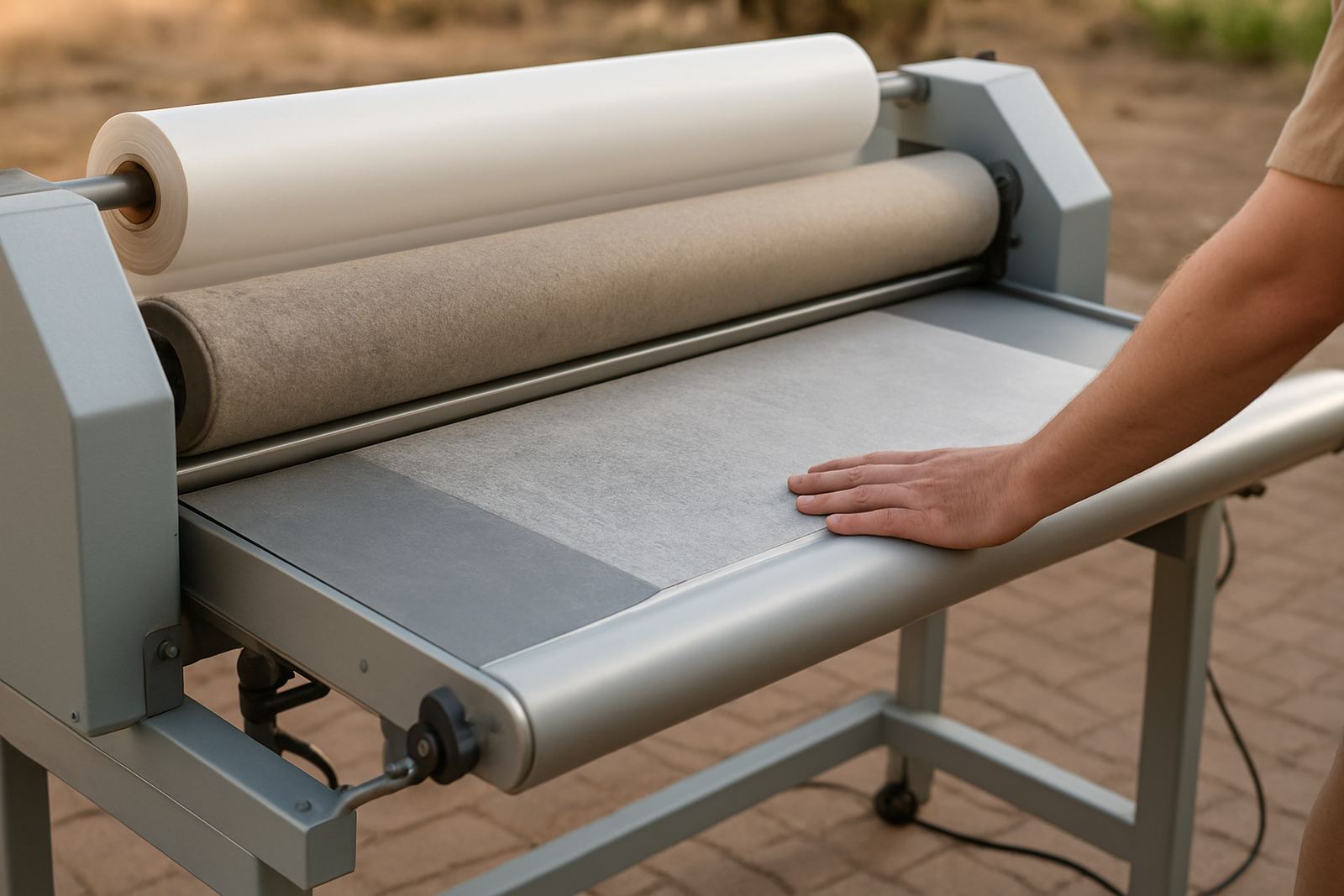
  • Inspect rollers for dirt, adhesive build-up and uneven wear.
  • Confirm pressure calibration and look for side-to-side alignment issues.
  • Check heat system readings before loading the first sheet.
  • Test the drive system for smooth feeding and consistent take-up.
  • Make sure the work area is clear of dust and trimming offcuts.

Servicing That Supports Consistent Output

Regular servicing is not just about fixing faults after they show up. It keeps rollers clean, heat controls accurate and moving parts working the way they should. That matters for shops that run wide-format jobs every day, plus studios that only switch the unit on for larger releases or exhibition work.

Our team in Kya Sand supports businesses with routine servicing, roller cleaning, pressure calibration, heat system checks, drive system repairs, electrical fault finding and on-site breakdown assistance. We also assist with spare parts support, operator refresher training and pre-purchase inspections, which is useful if you are adding a machine to an existing setup or replacing older equipment.

A Simple Way to Choose the Right Article for Your Team

If you are deciding where to start, choose the note that matches the problem you face most often. A production manager may need a checklist for fault prevention, while a designer may want guidance on finish selection and presentation quality. The best articles are the ones that help you reduce rework, protect deadlines and improve the final look of the job.

From our base in Johannesburg, we work with print shops, graphic designers and artists across Gauteng and beyond. If a machine needs attention or you want to compare options before buying, contact our team for practical advice and support that fits the way South African businesses actually work.

Questions we get asked

What is the main purpose of this Finishing Notes page?

It groups practical articles on laminating, print finishing and presentation quality so businesses can make better production choices.

Who should use these articles?

Print shops, graphic designers, artists and production teams who work with wide-format prints and finished display work.

Can Laminator help with machine setup and servicing too?

Yes. We support routine servicing, breakdowns, inspections, training and technical checks from Kya Sand and on-site nationwide.

Discuss your laminating or finishing job.

Contact form