
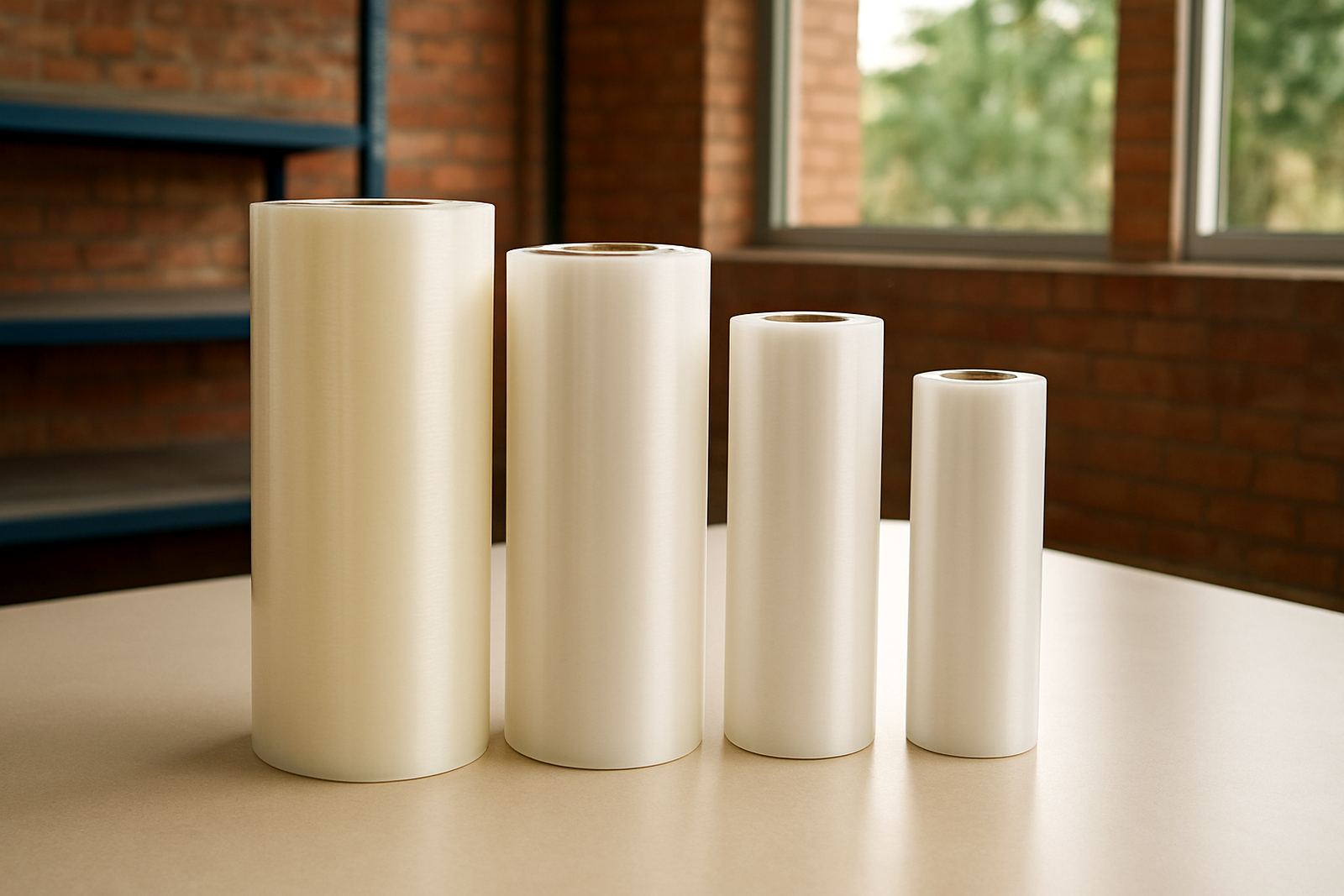
Why film thickness matters before you start laminating
Film thickness is usually measured in microns, and the number you choose changes the final result in a very practical way. A lighter film is easier to fold, trim and bind into books or manuals, while a heavier film gives more body and better protection for items that will be handled often.
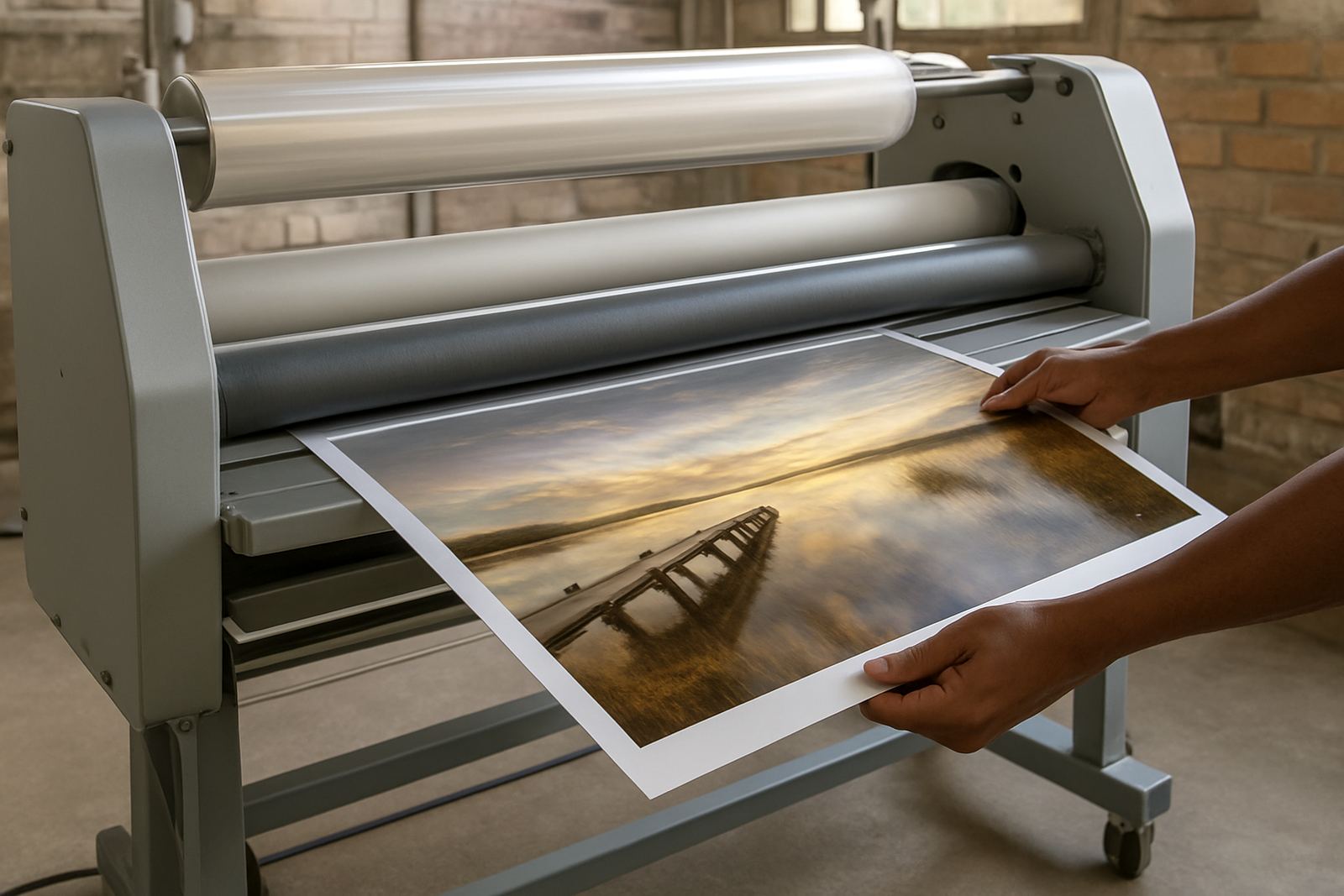
In a busy print shop, thickness also affects machine settings and run speed. Thicker film needs more care with heat, pressure and tension, especially when the job includes long sheets, coated stock or artwork with solid black areas. Get the thickness wrong and you can end up with bubbles, curling, poor adhesion or a finish that looks heavier than the print needs.
For South African users, there is another point to keep in mind. Heat, dust and load shedding can all interrupt a clean production flow. If the film is too thin for the application, prints may wear quickly in offices, schools or retail spaces where they are touched every day.
Light films for schedules, inserts and items handled with care
Thin laminating film is a good fit where you want protection without adding much stiffness. It works well for notices, instruction sheets, menus that are changed often, presentation inserts and artworks that must still feel light and flexible. For wall pieces or display items that will be framed, a lighter film can keep the original feel of the print intact.
Many businesses prefer a lighter film for short-term communication because it trims neatly and stores flat. It is also easier to punch, stitch or bind if the finished item needs finishing after lamination. On smaller runs, this can save time and reduce waste.
- Best for menus, notices, event cards and inserts
- Good when prints must remain flexible
- Useful where pages need binding after lamination
- Lower stiffness means easier cutting and stacking
That said, thin film is not the best answer for documents that will be wiped down regularly or passed from hand to hand all day. If the item is for a reception counter in Sandton or a school office in Midrand, the extra wear can show sooner than expected.
Mid-range thickness for everyday business use
Mid-range film is the practical middle ground for many print shops and offices. It adds enough support for better handling, but it still leaves the print usable for most everyday applications. This is often the right option for signage, training sheets, price lists, manuals and customer information that needs a cleaner, more durable finish.
For many jobs, this thickness gives the best balance between clarity and protection. It usually feeds well through both cold and hot roll laminators, and it is less likely to feel too floppy or too rigid. If your work includes different jobs in the same week, this is often the safest stock to keep on hand.
A shop in Kya Sand that serves corporate clients and local schools may use mid-range film for most day-to-day work. It can handle repeated use without making the print look heavy, and it is generally forgiving when sheets are trimmed, stacked or filed. In our experience, that is the range where many South African businesses get the best value.
- Common choice for manuals, price lists and training packs
- Balanced feel for handling and storage
- Suitable for mixed job types in a busy shop
- Works well when appearance and durability both matter
Thicker film when the item gets handled all day
When the finished item must take more punishment, thicker film is worth considering. This is the better choice for frequently used signage, membership cards, equipment labels, outdoor notices under cover and reference sheets that are pulled out every day. It gives stronger body, better corner protection and a more substantial feel in the hand.
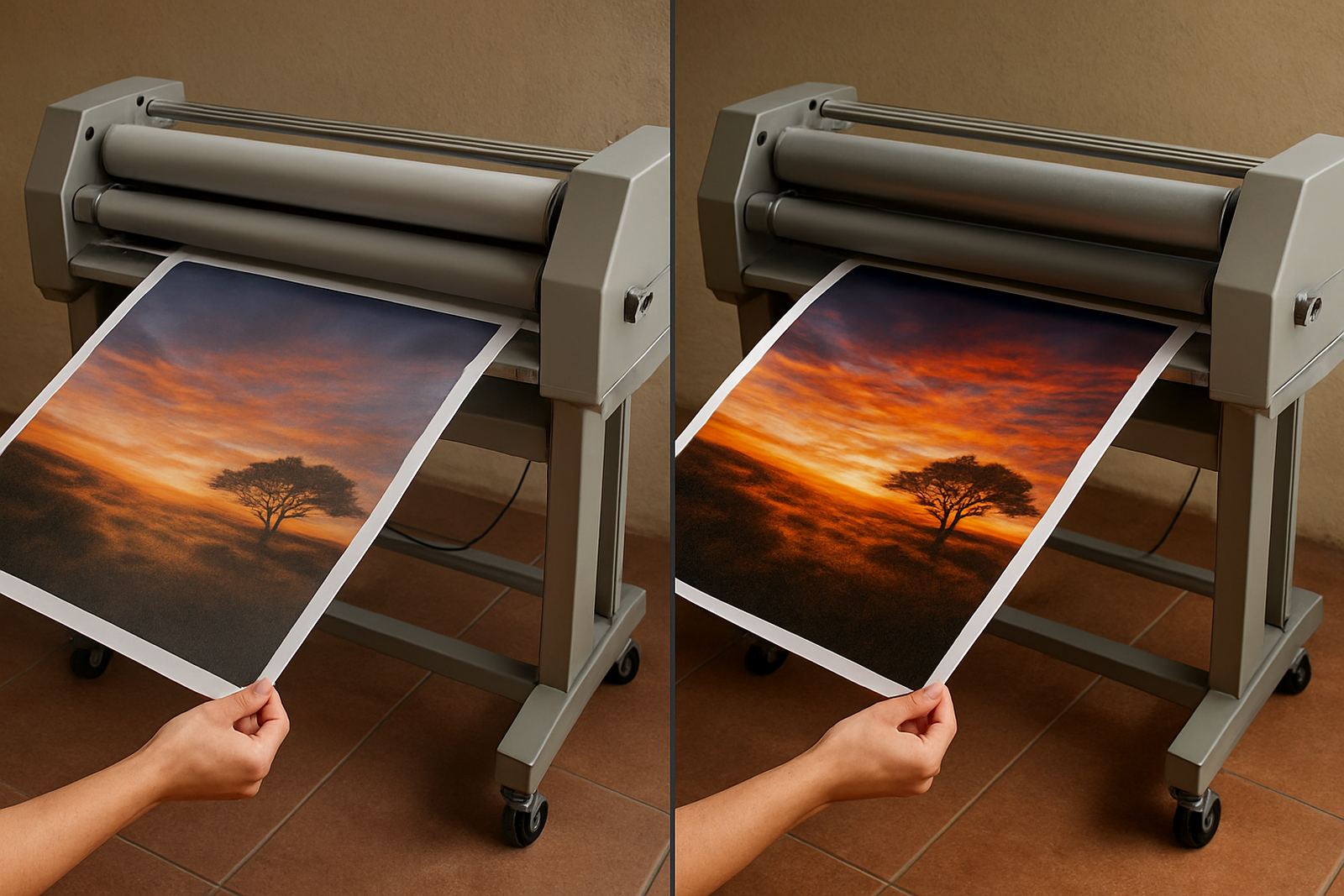
Thicker film is especially useful where the print must resist scuffing, moisture and repeated cleaning. In coastal areas, humidity can also play a part, so the extra protection helps when items are stored near doors, counters or staff areas that get a lot of traffic. For retail or hospitality use, thicker film often makes the difference between a job that lasts and one that looks tired after a few weeks.
Do keep in mind that thicker film can make some items less flexible. If you need the finished piece to fold tightly or sit neatly in a file, it may be too heavy. The best result comes from matching the film to how the item will actually be used, not just how it looks on the day it leaves the machine.
Hot and cold lamination need different handling choices
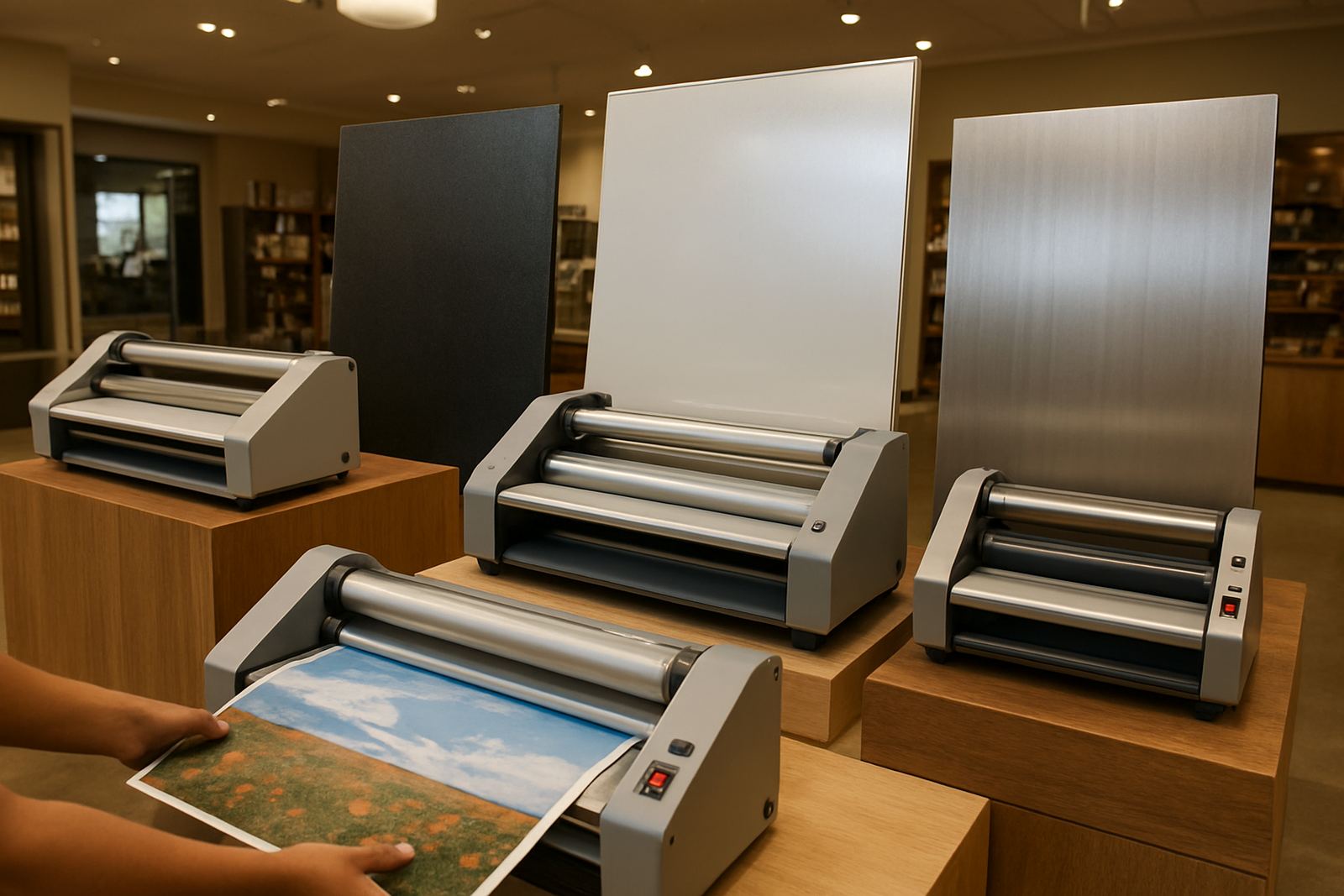
The thickness you choose should also match the type of laminator in use. Hot roll systems generally give strong adhesion for a wide range of jobs, but thicker film may need more careful temperature control and slower feeding. Cold roll systems are useful for heat-sensitive material and certain artwork finishes, although pressure calibration becomes especially important.
If the machine is not set correctly, thicker film may show silvering, tunnelling or edge lift. That is why regular servicing matters. Roller cleaning, pressure calibration and heat system checks help keep the finish even, especially on wider sheets and longer runs. Electrical faults or worn drive components can also affect consistency, so it is worth dealing with those early.
A simple rule helps: the heavier the film, the more important your setup becomes. If you are switching between light menu work and thicker presentation sheets in the same week, make sure operators know the correct settings for each job.
- Check heat and pressure before moving to thicker film
- Keep rollers clean to avoid marks and poor bonding
- Watch for curling on large sheets or long runs
- Refresher training helps reduce wastage during changeovers
How to choose the right thickness for a real job
The easiest way to decide is to start with the end use. Ask where the item will live, how many hands will touch it and whether it needs to stay flat, flex or fold. A print for a boardroom pack is not the same as a notice on a warehouse wall in Pretoria, and a gallery piece needs a different finish from a canteen menu.
If the item will be stored, filed or posted, lighter film may be enough. If it will be cleaned, carried or displayed for long periods, move up a thickness. For outdoor use under cover, or for busy public areas, the extra stiffness and protection of a thicker option often pays for itself. In some cases, a pre-purchase inspection of the laminator can also help you decide whether the machine is suited to the film weights you plan to use.
It is usually better to keep two or three standard thicknesses in stock rather than trying to use one film for everything. That gives you more control over finish, handling and turnaround, and it helps operators choose the right option quickly when orders come in from Randburg, Sandton, Midrand or further afield.
A practical stock list for South African print rooms
For most print rooms, a focused stock range is easier to manage than a long list of sizes and thicknesses. Start with the options you use every week, then add specialist rolls only when client demand justifies them. That keeps cash tied up in the right places and reduces confusion at the machine.
- One light film for inserts, notices and flexible items
- One mid-range film for general business use
- One heavier film for high-touch or long-life applications
- Spare rolls for your most common widths and lengths
If you are not sure which thickness suits your work, compare the sample job by how it will be handled, not just by appearance. The right film should protect the print without getting in the way of use. That is what keeps jobs looking tidy and professional from the first day to the last.