

Print Shops Needing Better Finish Control
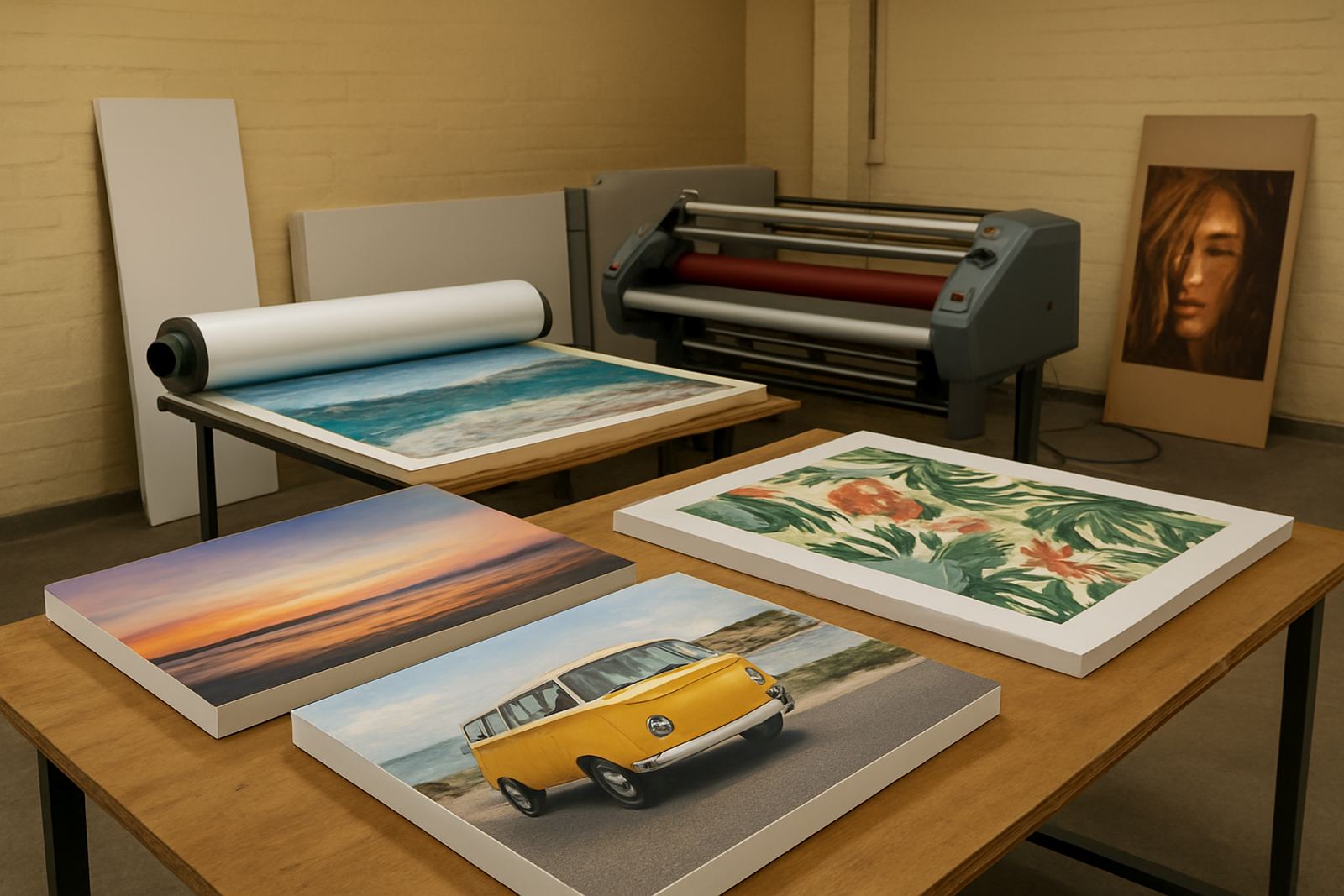
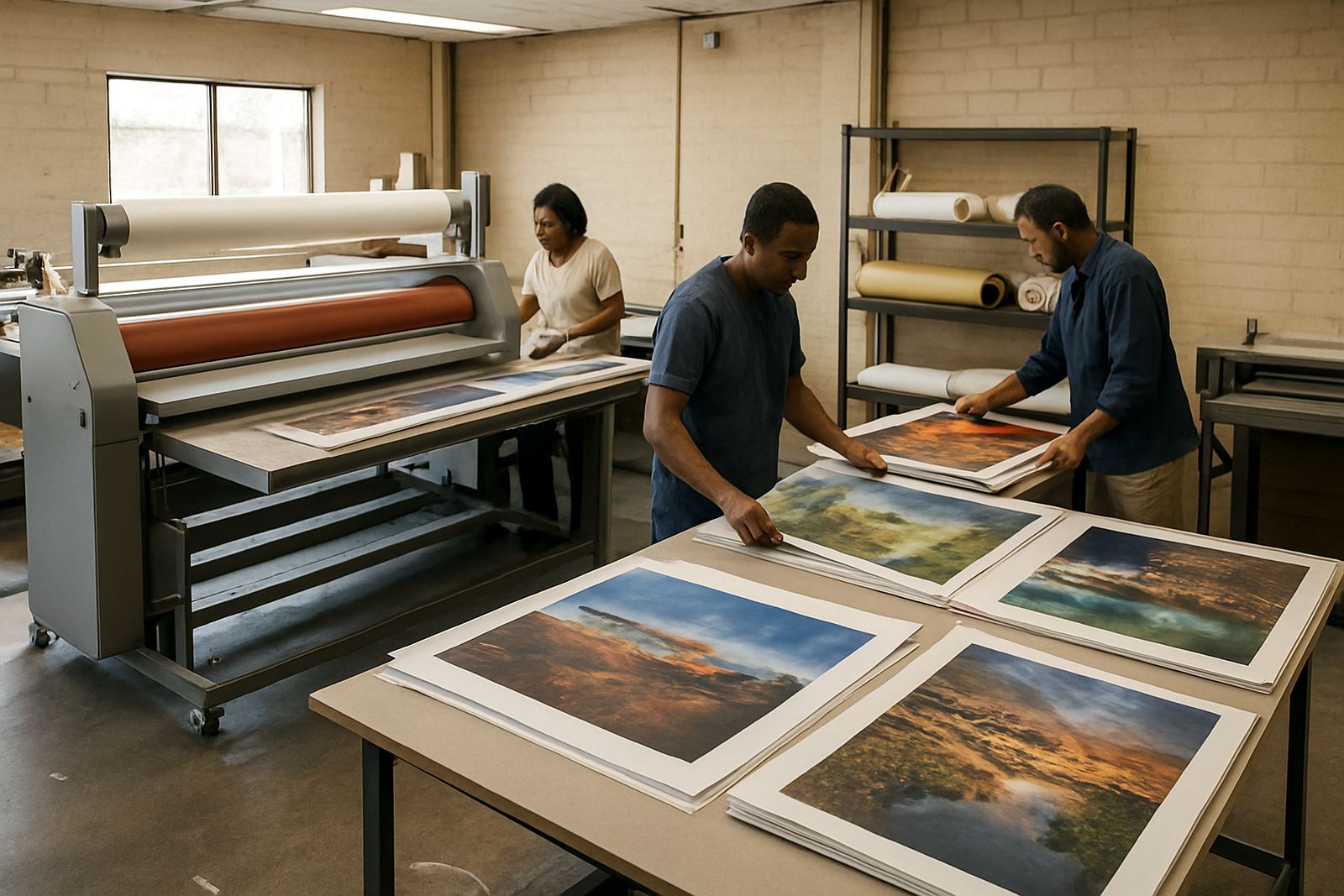
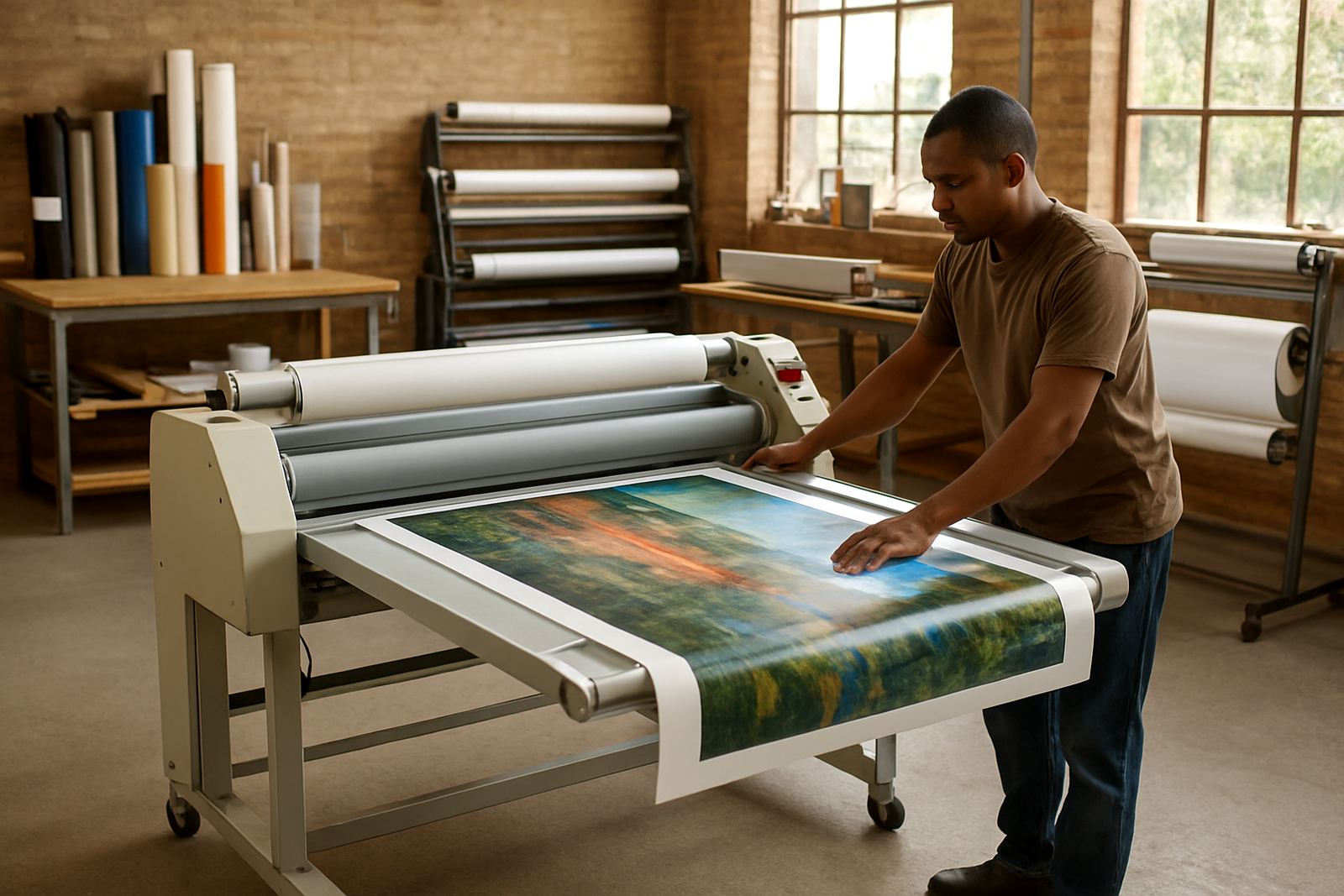
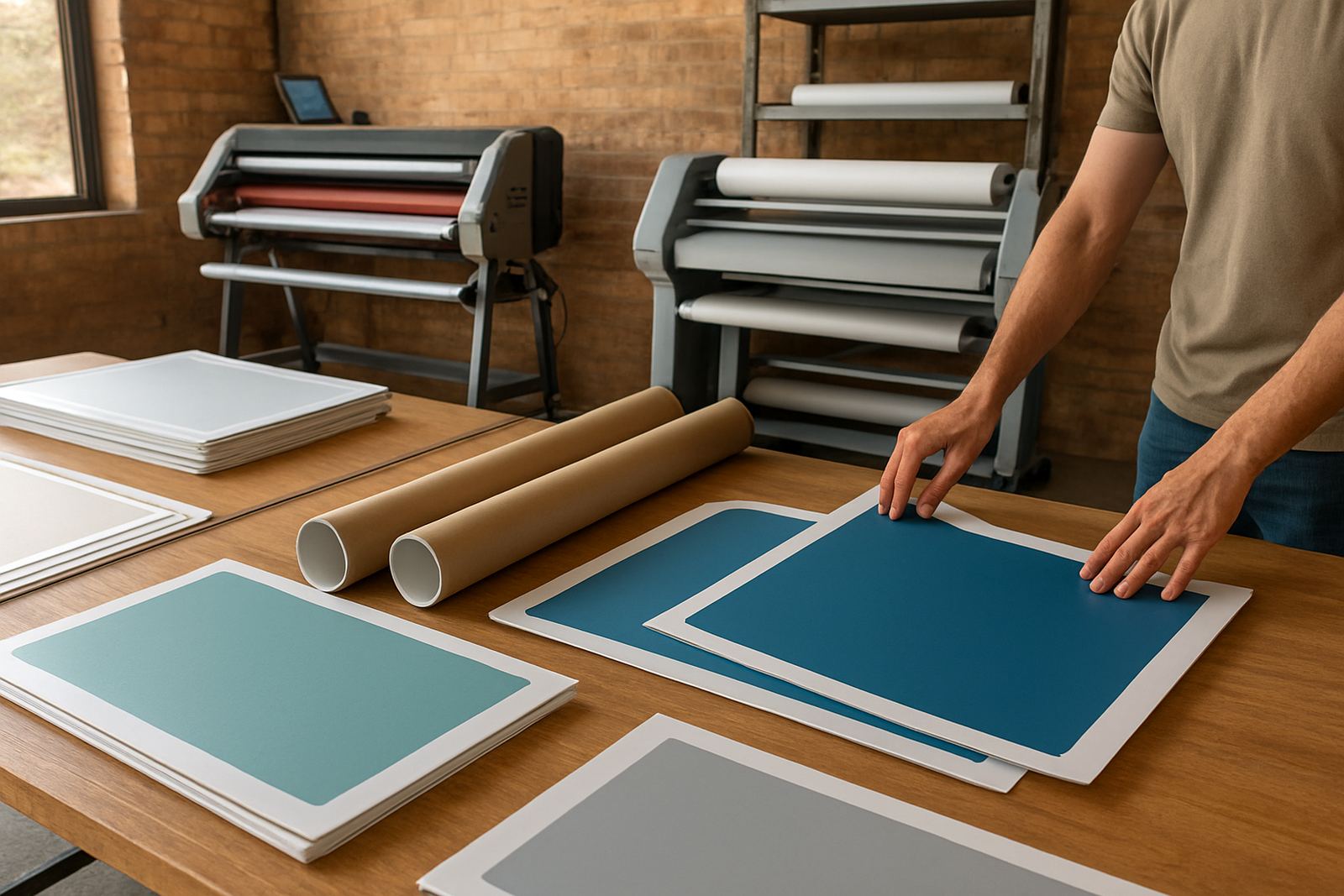
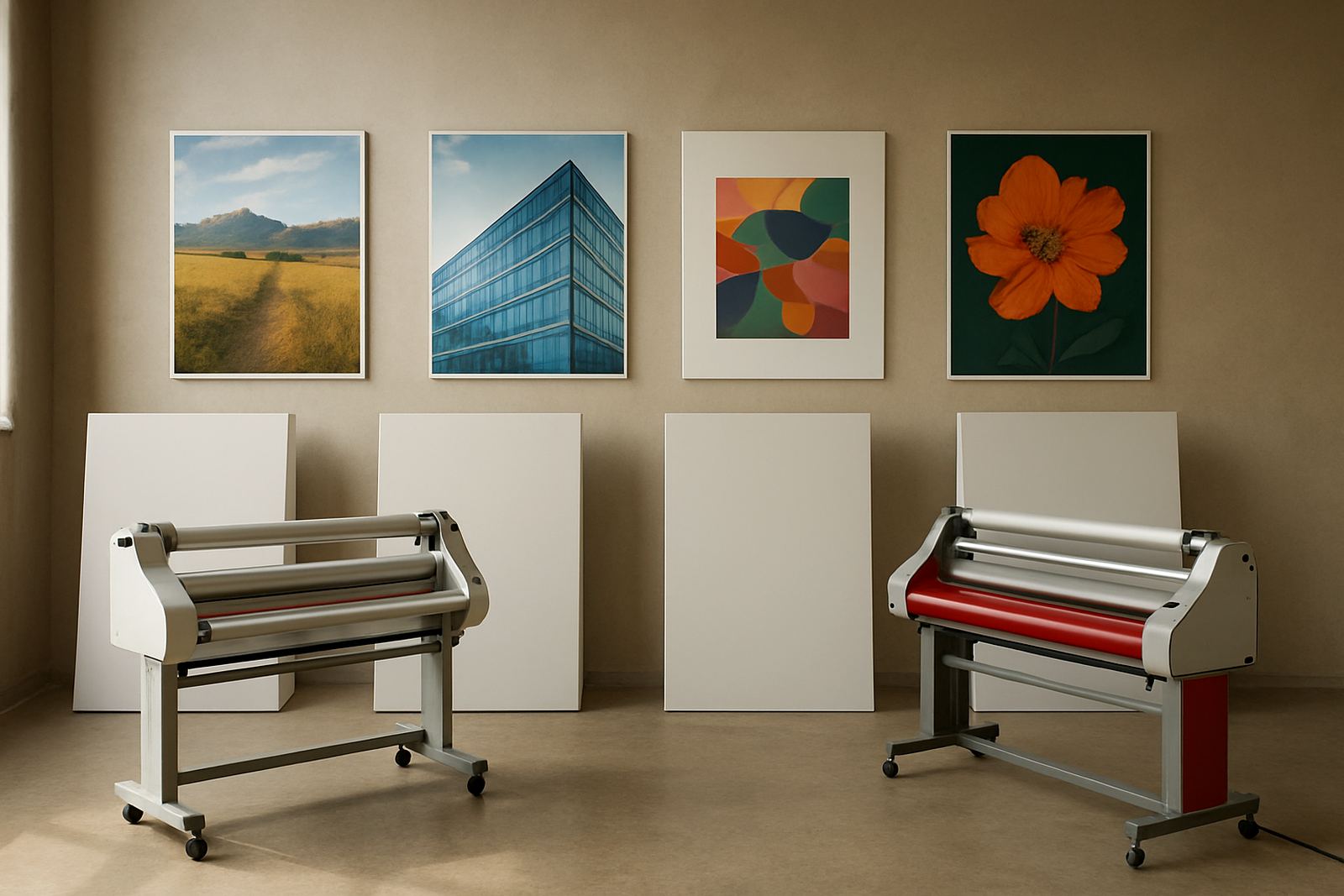
In print shops, laminating is often the last step before a job goes out the door. It helps posters, menus, maps, signs and short-run promotional work hold their shape and stay presentable when they are handled often. In Johannesburg and Pretoria, where jobs move quickly between client approvals and dispatch, a dependable laminator saves time on reprints and complaints.
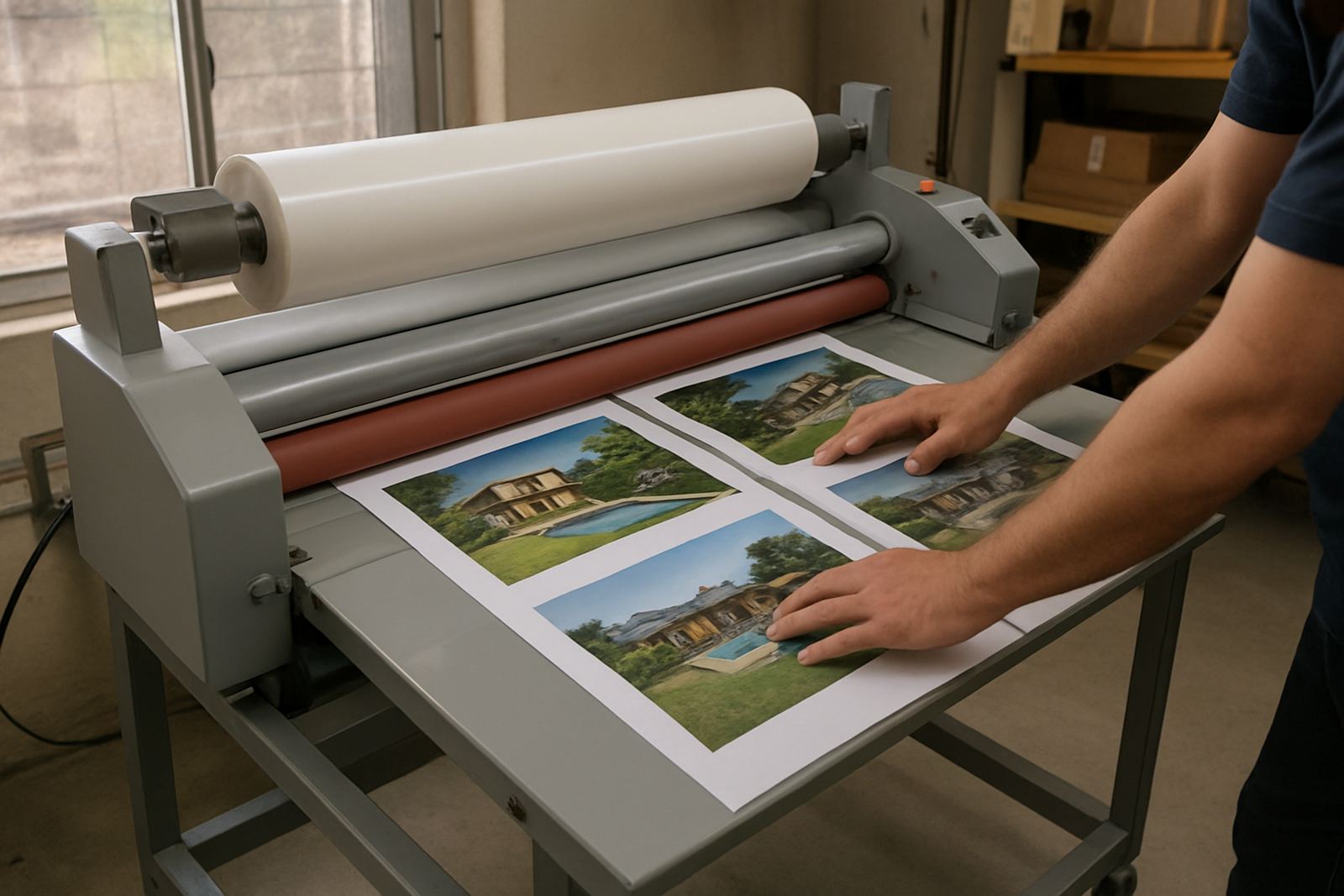
Cold roll units are often used for pressure-sensitive films and heat-sensitive prints, while hot roll machines suit work that benefits from more bonding support. If your shop handles a mix of coated prints, vinyl graphics and mounted pieces, the right setup reduces wrinkles, silvering and edge lift. That means fewer returns and a cleaner handover to the client.
- Posters and point-of-sale boards
- Menus, price lists and retail notices
- Short-run promotional signage
- Mounted print protection for pickup and delivery
Graphic Design Studios Protecting Presentation Work
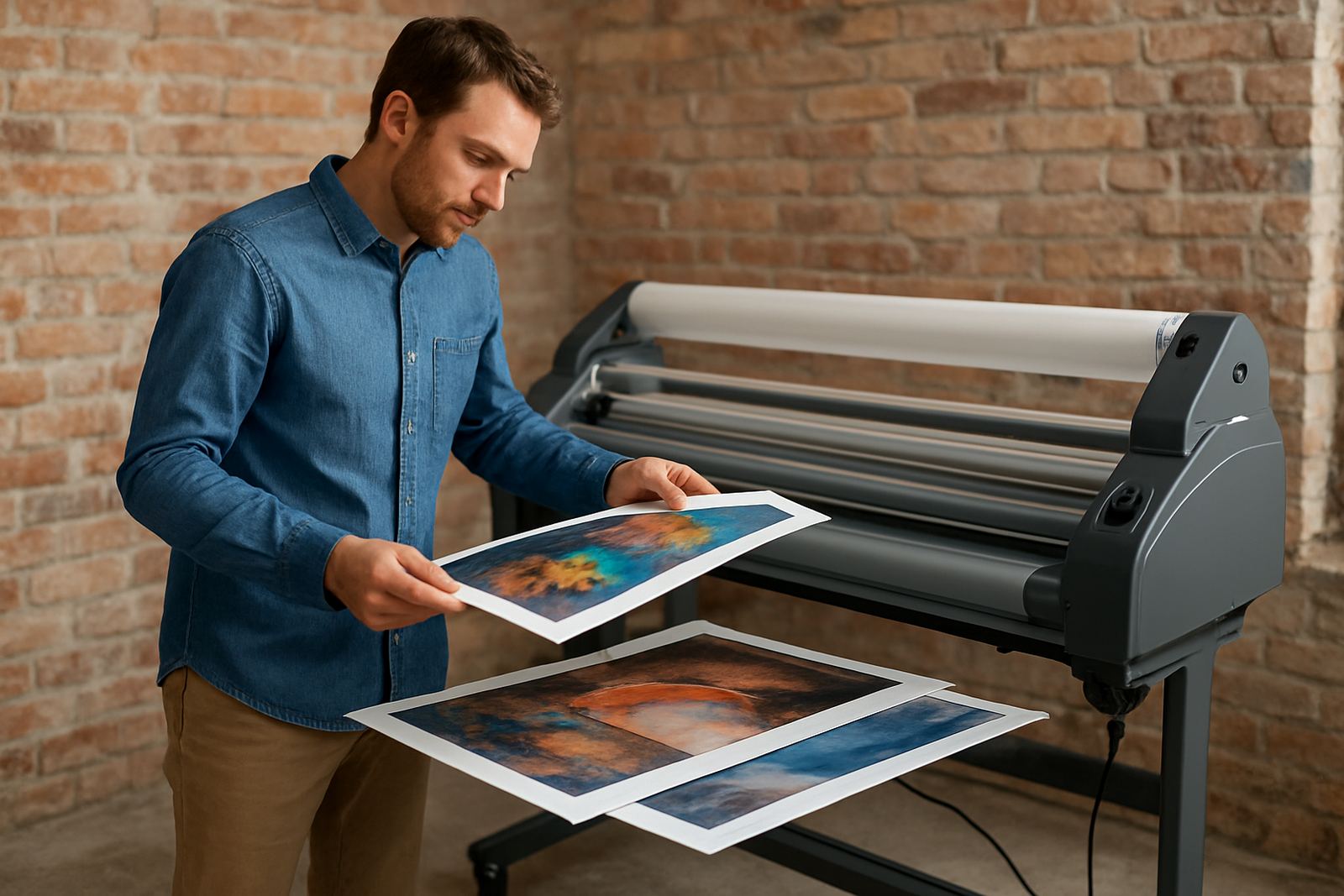
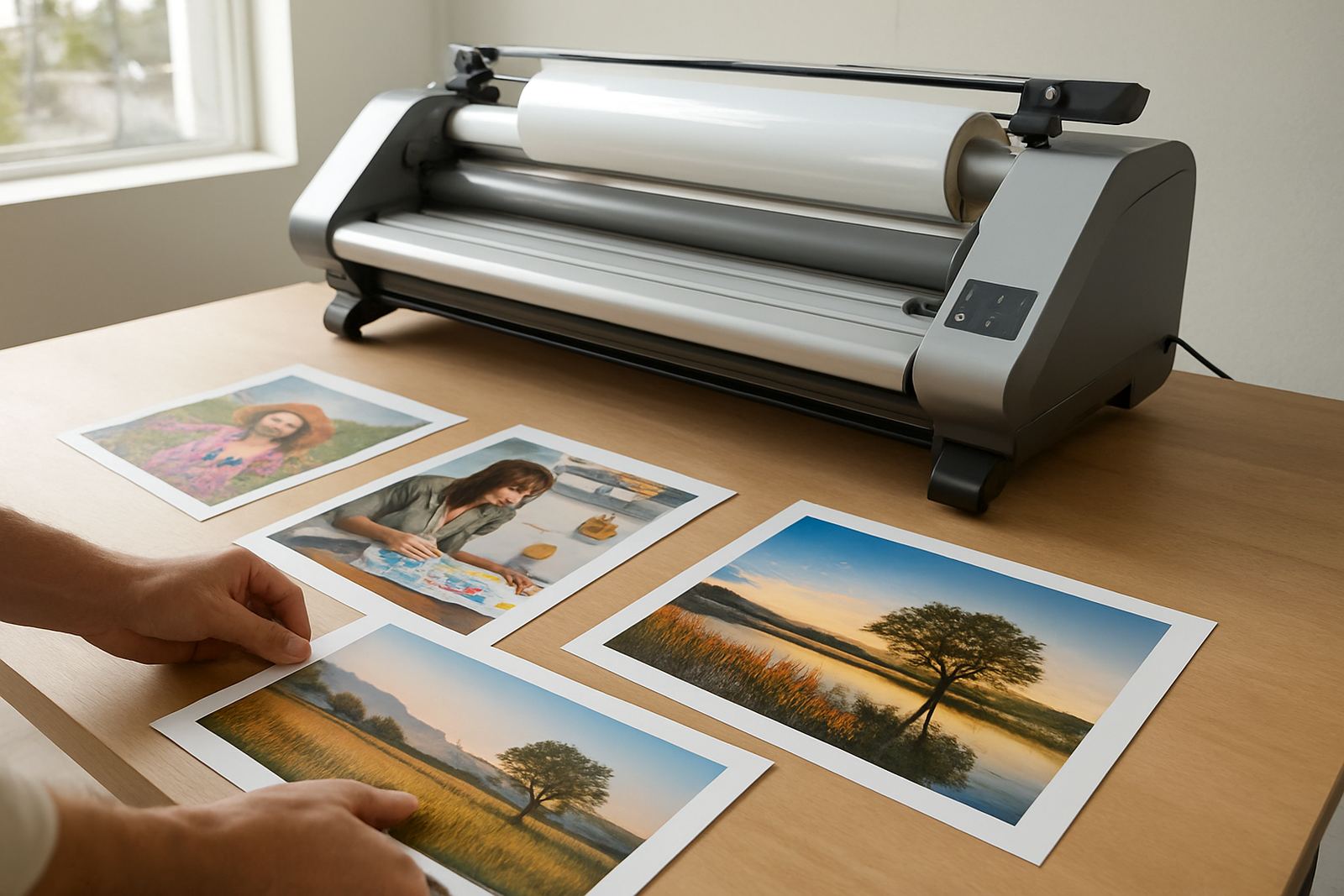
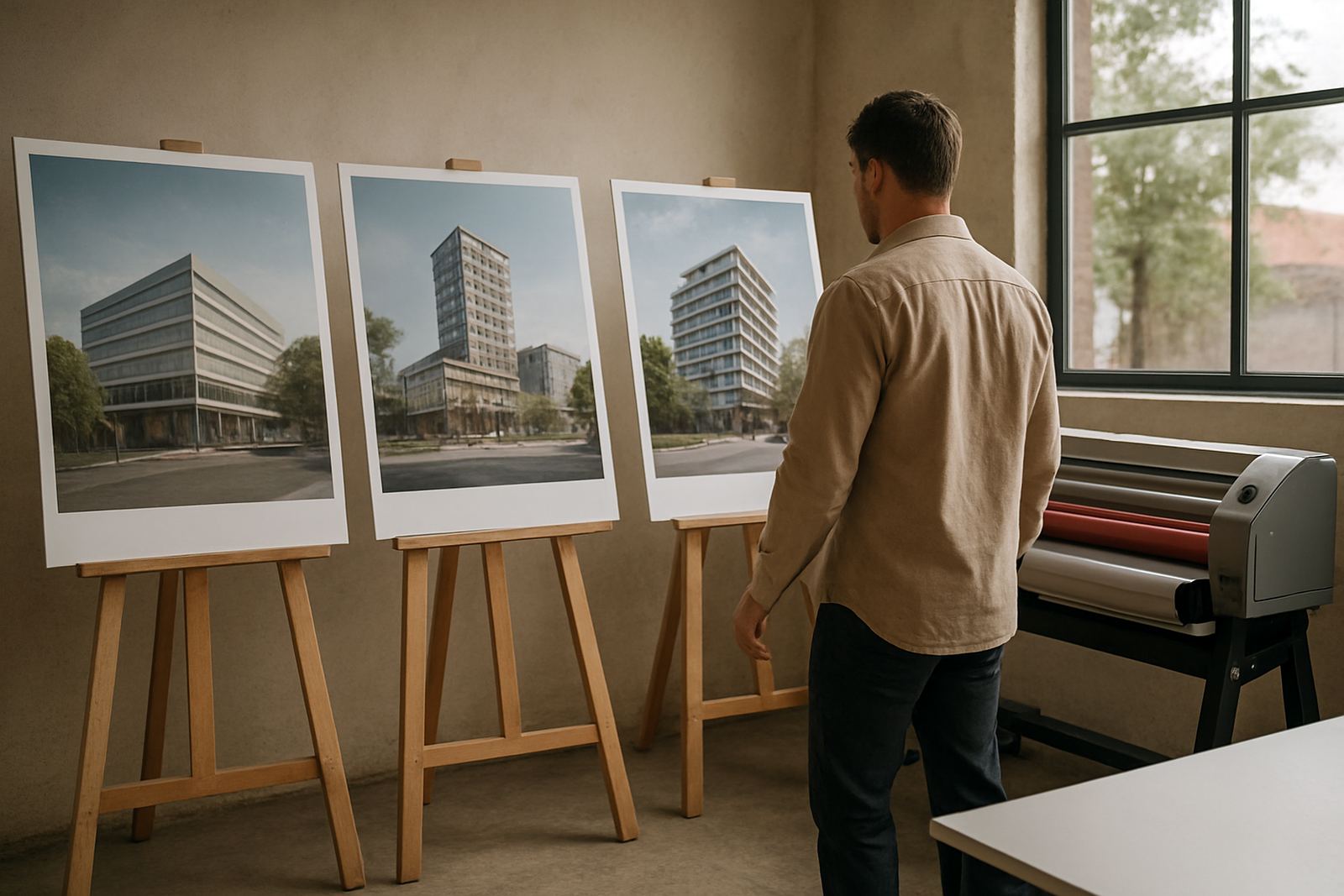
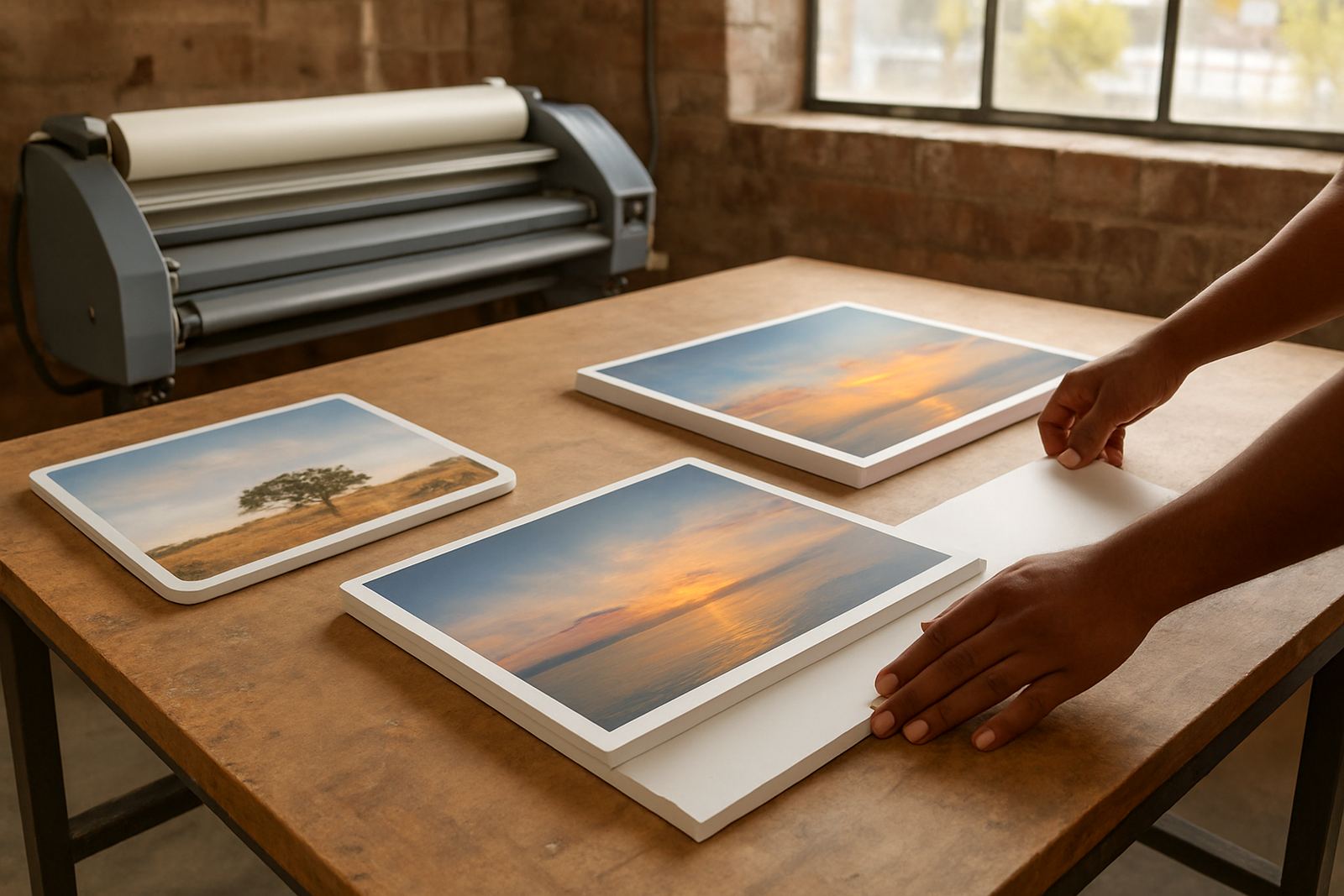
Design studios use laminators to present concepts and finished visuals in a way that looks neat in meetings and studio reviews. A laminated mock-up is easier to handle, especially when several people need to mark up the same sample. It also helps with boards that travel between Sandton, Randburg and Midrand for client approvals.
For designers, the key is surface quality. Gloss, matt and satin finishes all change how a print reads under office lighting and natural light. A good laminator supports consistent pressure and temperature control, so colours stay even and the image keeps its detail. That matters when you are preparing artwork for retail, corporate and exhibition work.
- Concept boards and presentation panels
- Client samples for product approval
- Portfolio pages and exhibition graphics
- Artwork protection for repeated handling
Artists Framing and Protecting Finished Pieces
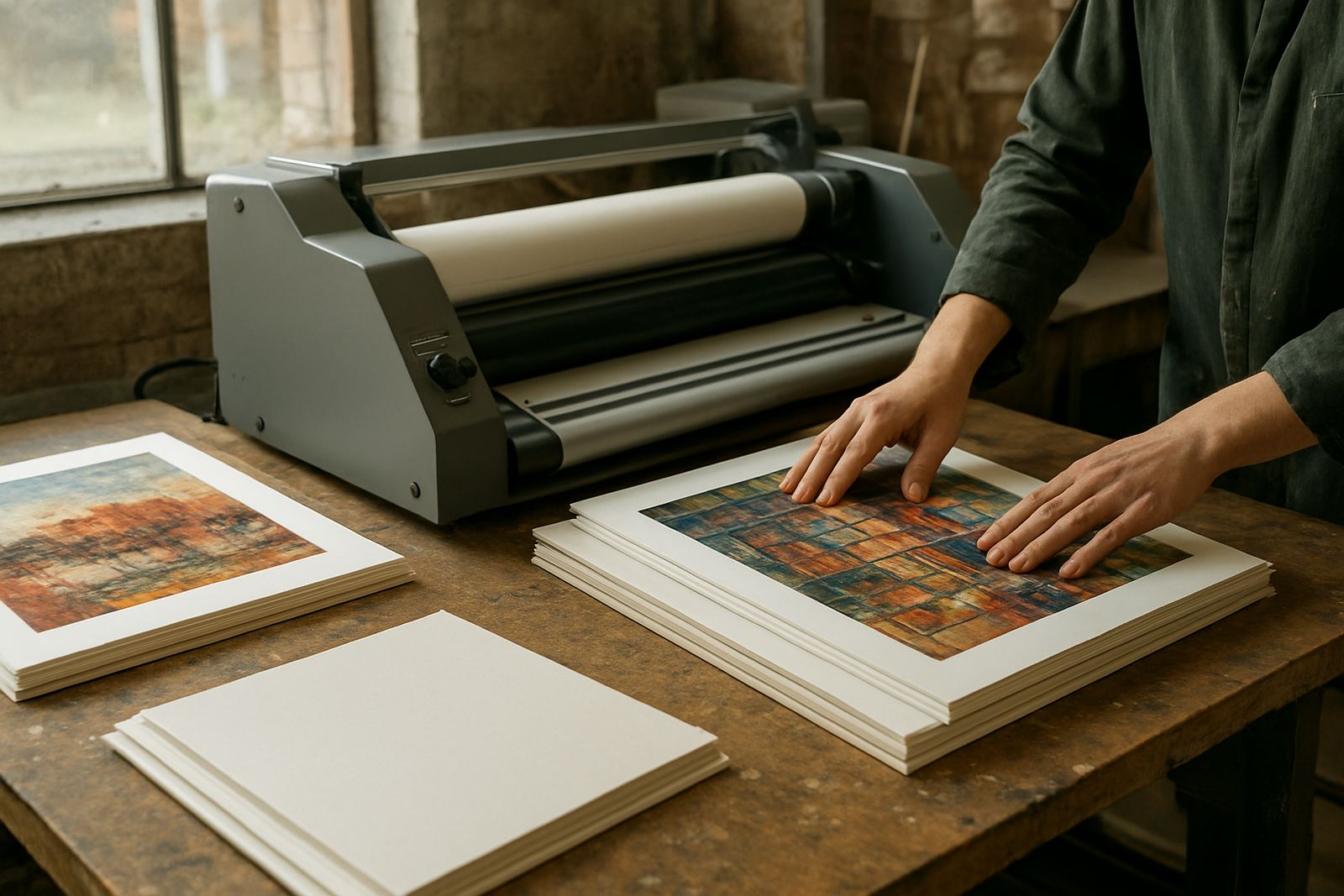
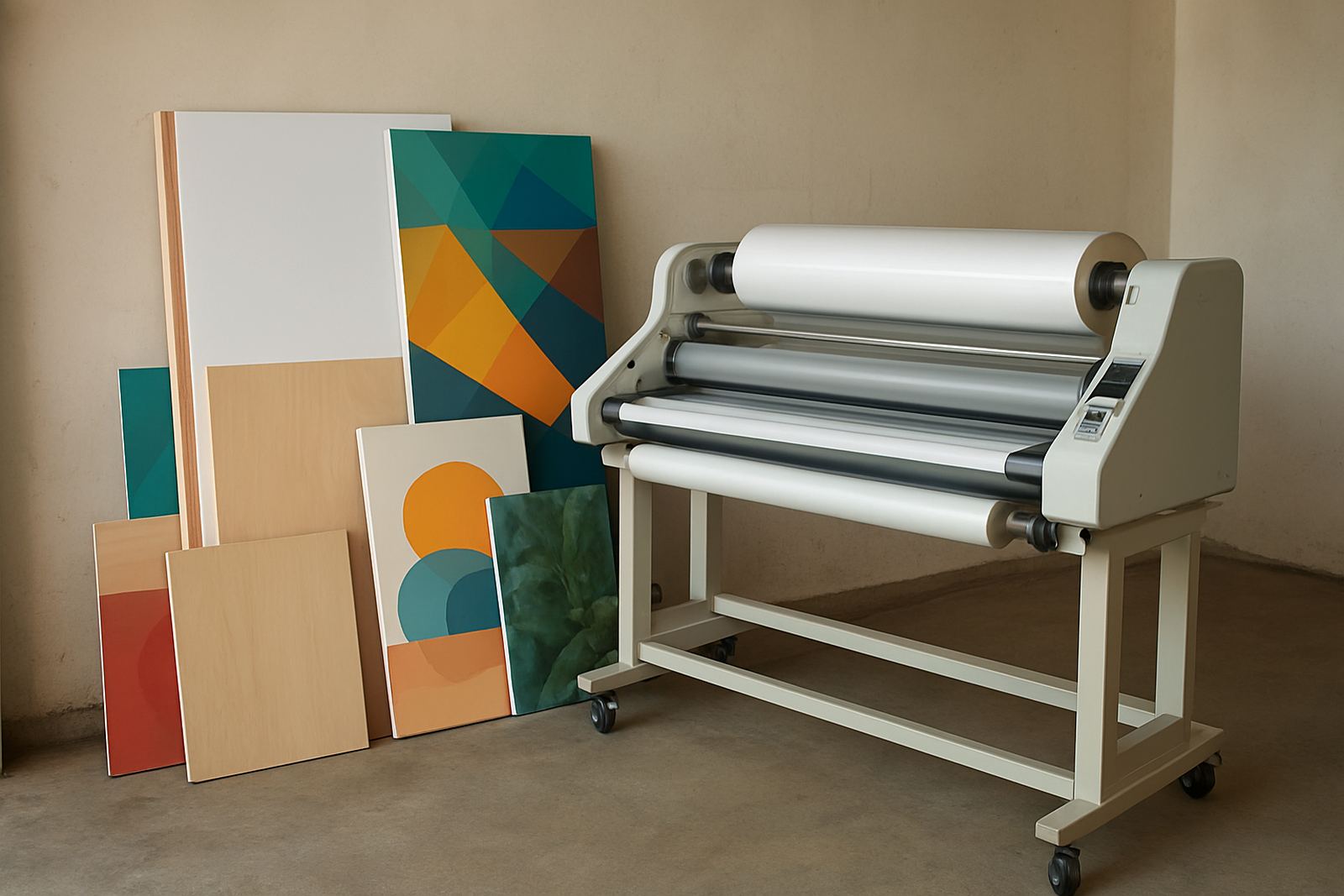
Artists and printmakers use laminating equipment to protect prints that will be sold, transported or displayed in busy spaces. Coastal humidity in places like Durban and Gqeberha can affect paper over time, while dusty inland conditions around Gauteng can leave work looking tired if it is not protected properly. A controlled laminating process helps preserve the finish and make cleaning easier.
For fine art reproduction, the goal is usually protection without losing the character of the original. That can mean choosing the correct film thickness, heat setting and feed speed for the substrate. If the machine is set properly, you get better edge control and less risk of distortion on delicate stock. It also helps when work is being prepared for galleries, craft markets or direct sale.
- Limited edition prints
- Gallery reproductions
- Mounted artworks for sale or display
- Pieces that need handling during transport
Display and Signage Work for Retail and Events
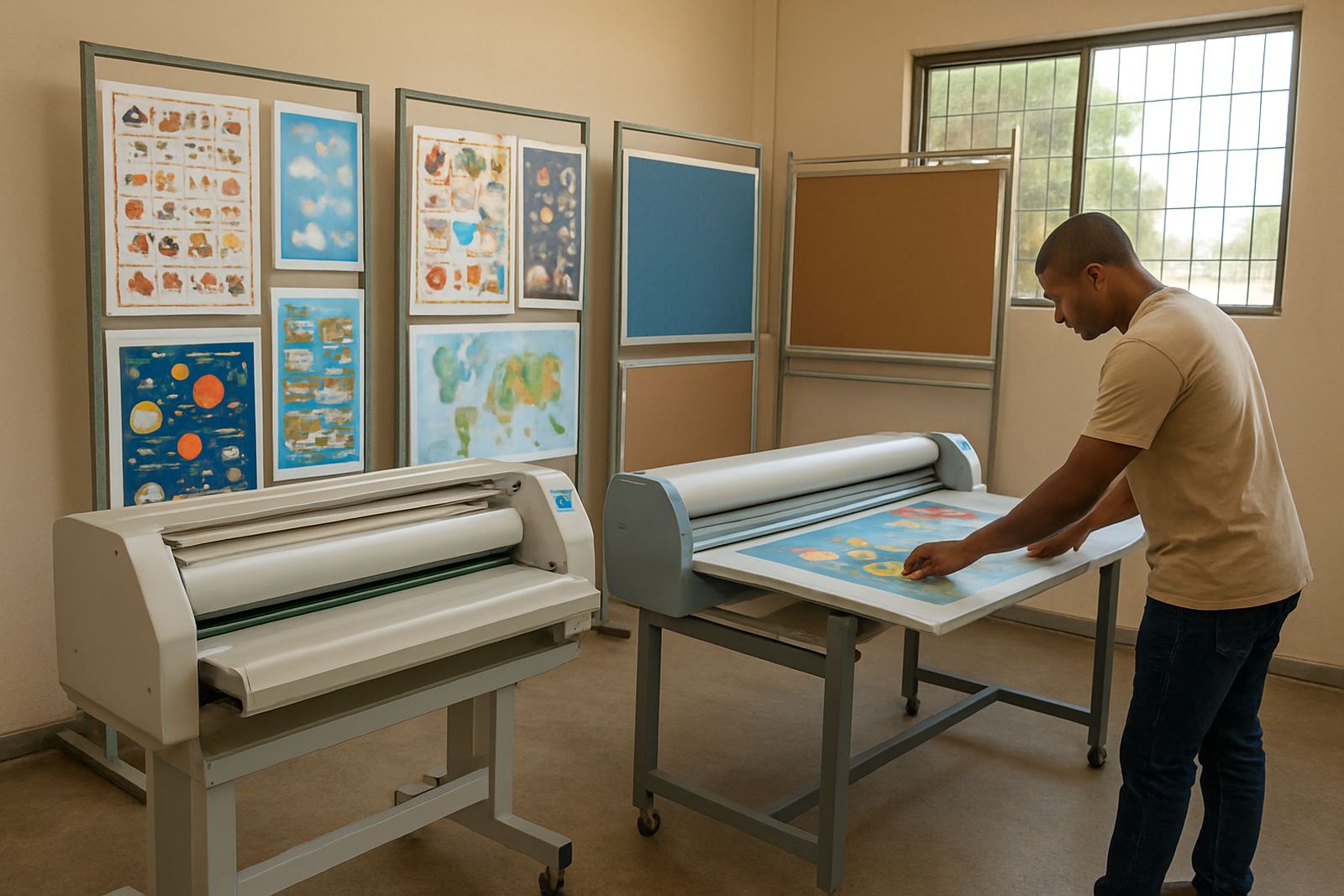
Display producers rely on laminators for retail graphics, exhibition panels and event signage that needs to look sharp under lights. When a job is going into a shopfront in East Rand or a show stand in Sandton, the finish must hold up to fingerprints, cleaning and regular viewing. Laminating adds a practical layer of protection without changing the job into something bulky.
It also gives production teams more confidence with outdoor-facing or semi-exposed pieces. While lamination is not a fix for every application, it can improve durability where handling, cleaning and transport are part of the job. For event work, that matters because turnaround times are tight and there is usually little room for errors.
- Retail displays and shelf talkers
- Pop-up exhibition panels
- Directional signage and wayfinding
- Event graphics and sponsorship boards
Choosing Between Cold Roll and Hot Roll Machines
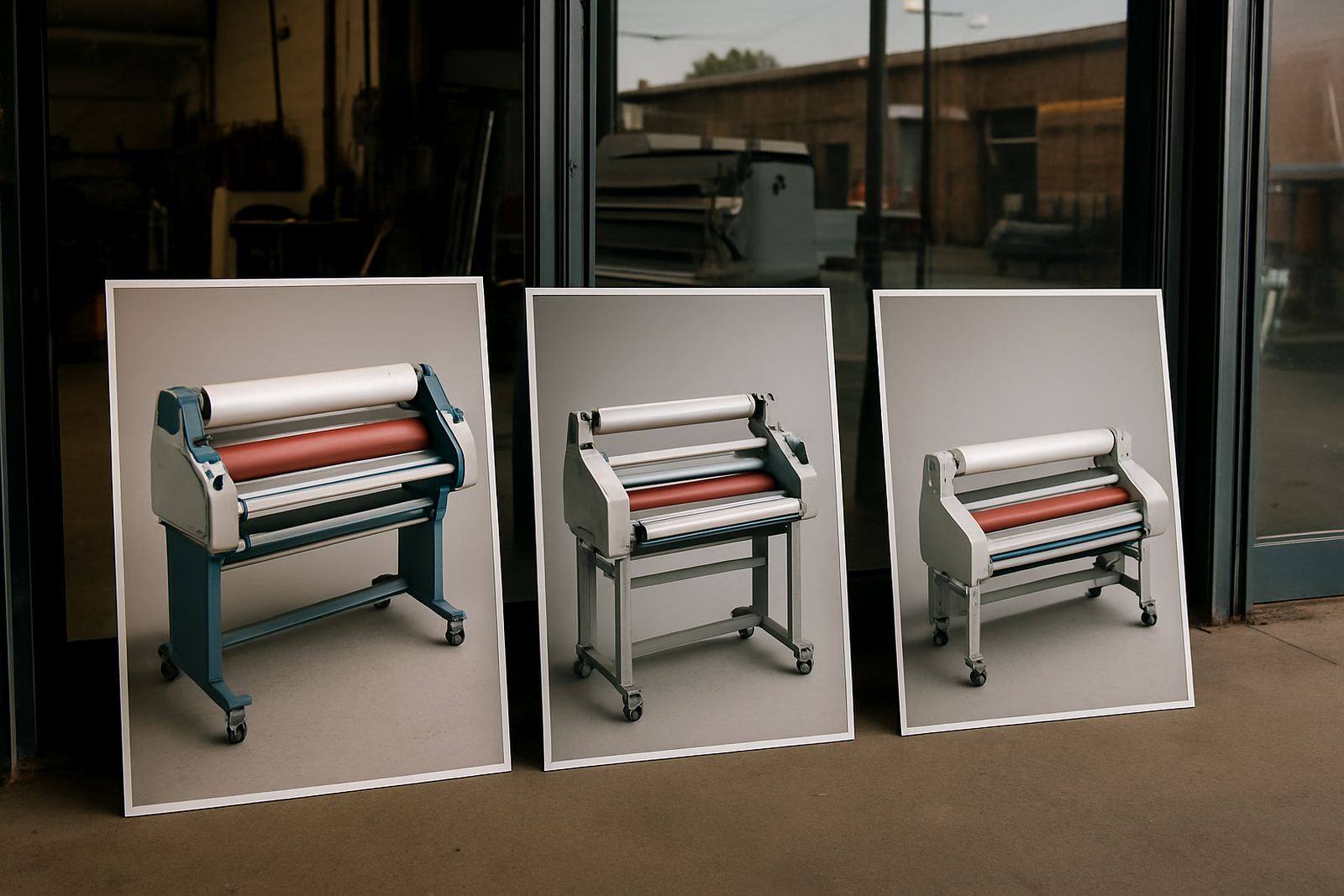
The right laminator depends on what your team produces most often. Cold roll machines are useful for many print and display jobs because they avoid heat, which is important for sensitive media and pressure-based films. Hot roll machines suit operators who need more control for a broader range of finishes and production styles.
Think about the width of your common jobs, the volume per day and whether you need on-site support in Kya Sand, Randburg or further afield. A busy shop running repeated A1, A0 and wide-format panels may need a different setup to a small studio that only laminates a few boards each week. Power stability also matters, especially during load-shedding when equipment should recover cleanly after interruptions.
- Common print sizes and maximum media width
- Daily output and operator experience
- Type of film, board or print media used
- Space available for feeding, trimming and finishing
Aftercare That Keeps Production Moving
Good lamination results depend on more than the machine itself. Routine servicing, roller cleaning, pressure calibration and heat system checks all help keep output steady. If rollers are worn or the drive system is out, you can end up with bubbles, skew or uneven finish, which slows the whole production line.
For businesses that cannot afford downtime, on-site breakdown support and spare parts help keep jobs moving. We also assist with operator refresher training, pre-purchase inspections and electrical fault finding so teams can work with more confidence. If your workshop handles print, signage or artwork daily, that practical support makes a real difference.
- Routine servicing for long-term reliability
- Pressure and heat checks for consistent results
- On-site help when production stops unexpectedly
- Training for new staff and changing workloads