Finishing for galleries, museums and travelling exhibits
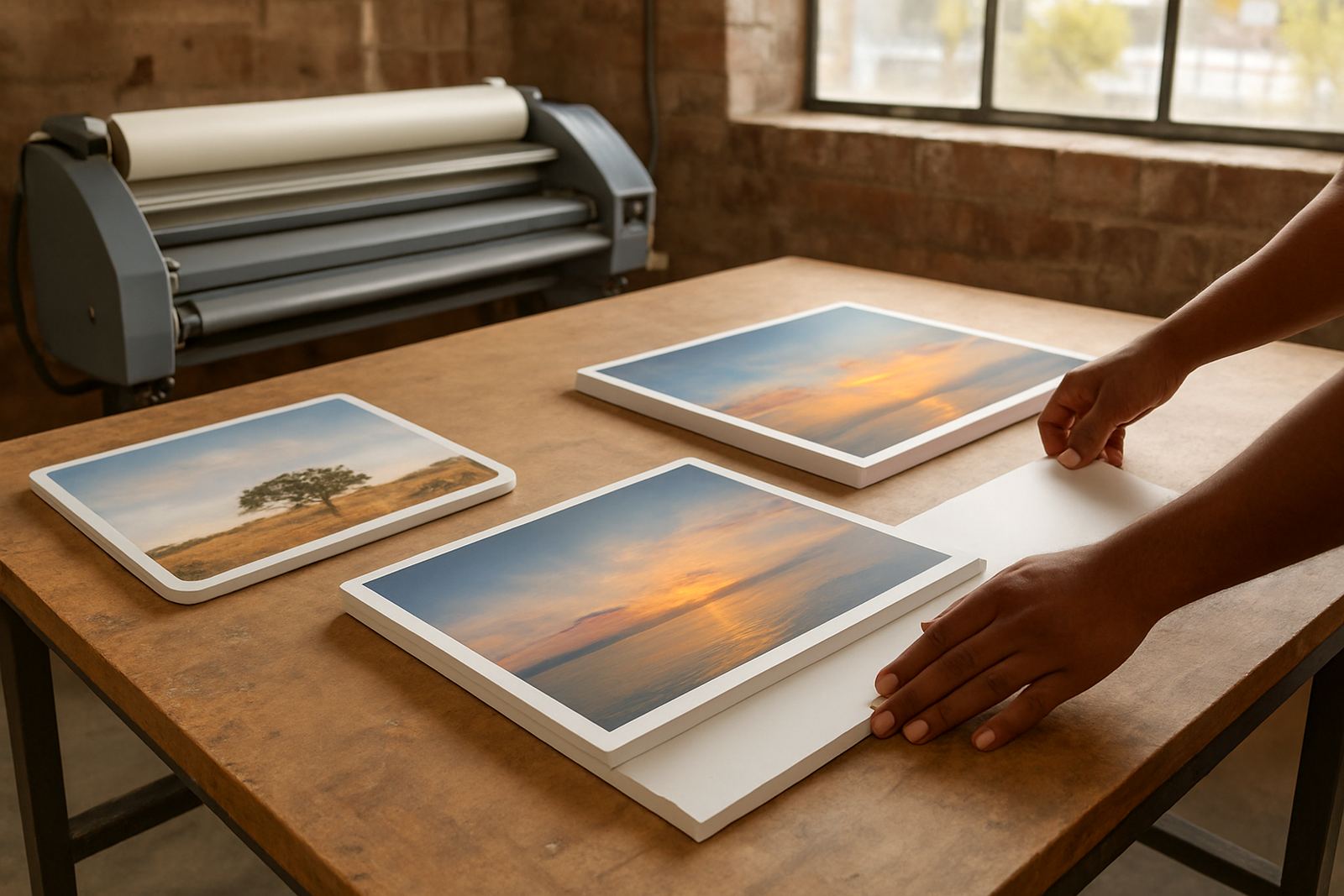
In a museum setting, the finish matters as much as the print. Labels, story boards and reproduction artwork must stay flat, clean and readable while visitors move close to them and staff shift panels between stores, display areas and courier crates. A good lamination setup helps reduce scuffing, finger marks and edge lift, which is common on boards that are handled daily.
We work with print shops, exhibition fabricators and in house museum teams that need consistent results for short runs and repeat jobs. Based in Kya Sand, Johannesburg, we support installs nationwide, including Randburg, Sandton, Midrand, Pretoria and the East Rand. For coastal museums and venues with open loading areas, we also guide clients on moisture control, because humidity can affect adhesion and board flatness more than people expect.
Typical equipment for interpretive boards and print reproduction
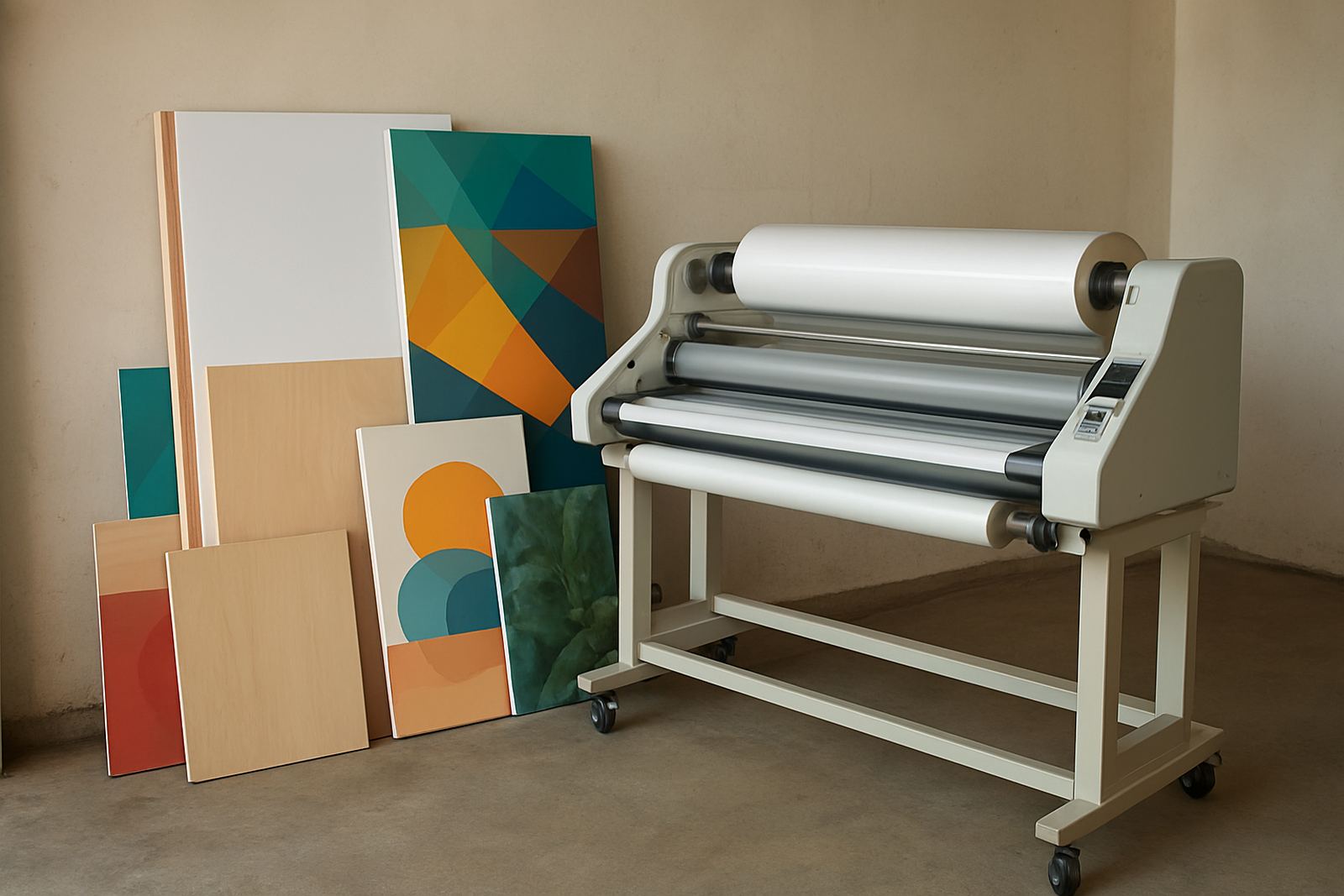
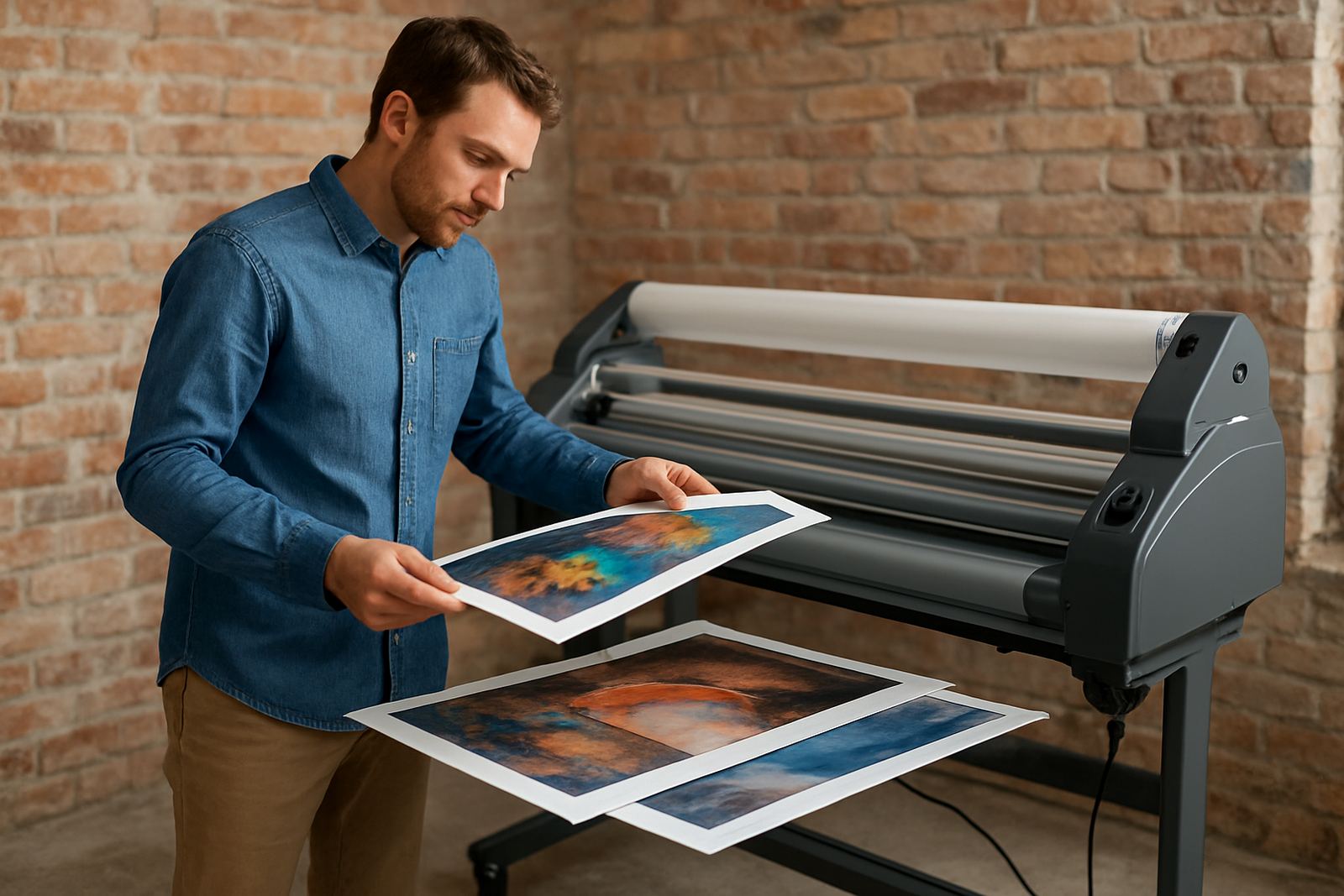
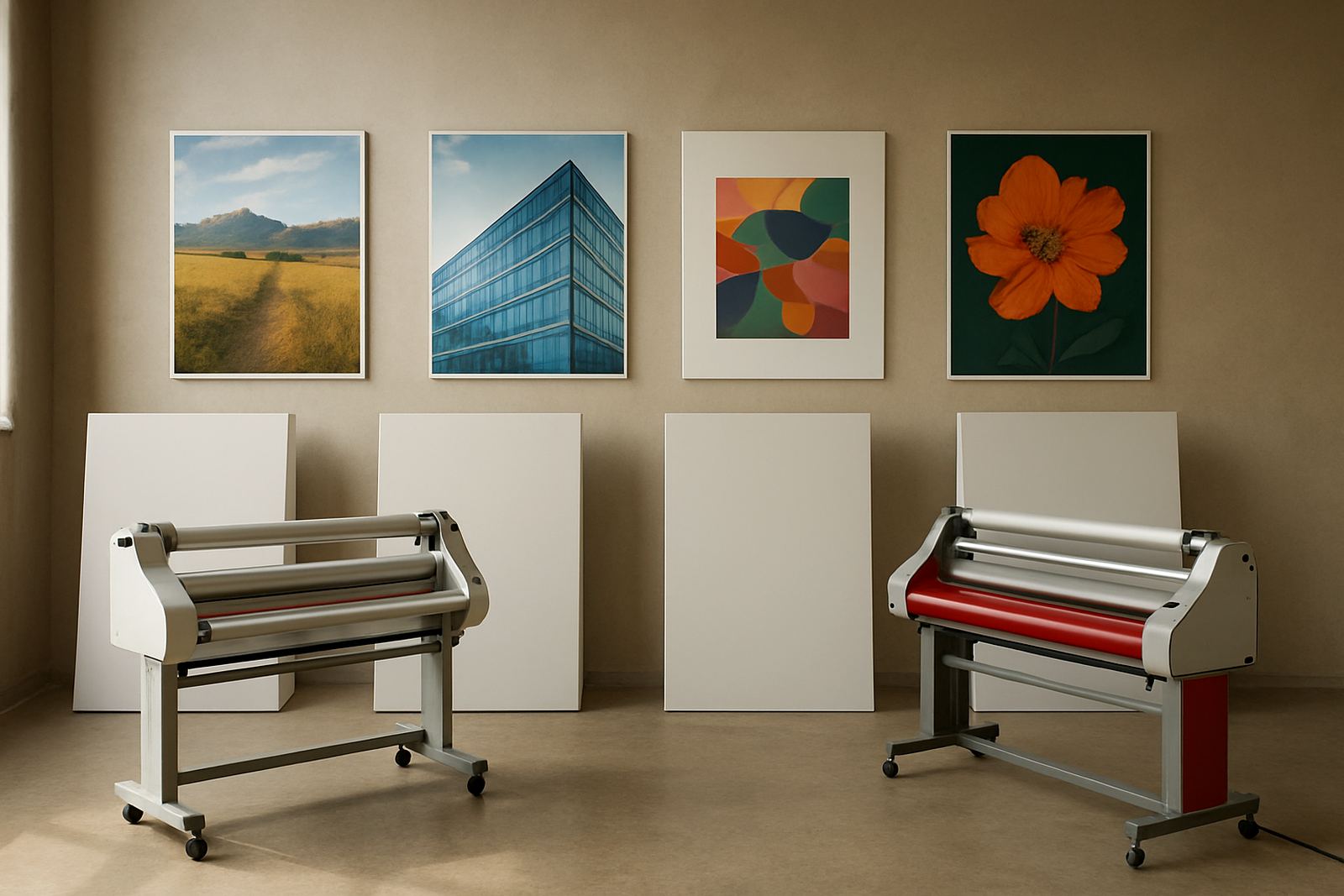
The right machine depends on the size of the panels, the print media and how often the team changes exhibits. For many museum applications, a wide-format roll laminator between 1.2 m and 1.6 m works well for standard boards, while larger exhibition production rooms may need wider units for murals, timeline walls and oversized reproductions. Cold lamination is common for heat-sensitive prints, while hot roll systems suit jobs that need a tougher bonded finish.
- Wide-format cold roll laminator for printed boards, archival graphics and mounted panels
- Hot roll laminator for tougher protection on larger runs and heavier handling
- Pressure control for even finish across the full width of the board
- Heat system checks for stable temperature on repeated production jobs
- Drive system support for smooth feed on longer panels and back to back work
For museums, the main goal is not just shine or matt appearance, but even pressure and no rippling. That matters on dark graphics and photography where any tunnel or silvering becomes obvious under spot lights.
Planning the layout before you buy
Before choosing a laminator, measure the largest panel size, the usual run length and the space needed for infeed and outfeed. Many teams forget that a 1.5 m machine needs clear floor space in front and behind it, plus room for trimming, packing and drying. If the equipment will sit in a print room with limited power supply, ask about electrical load and where the machine will sit during load-shedding periods so production does not stall mid job.
We often advise clients to plan the workflow around one person feeding and one person trimming, especially where temporary exhibitions need quick turnaround. A straight path from print area to lamination to finishing table reduces handling marks and keeps larger boards from bending. If the site has tiled floors or uneven surfaces, level positioning is worth checking during installation, it saves wear on rollers and keeps pressure consistent.
- Allow clear space for panels longer than the machine width
- Keep the laminator close to trimming and packing points
- Check power supply, plug positions and backup options early
- Store films and boards in a dry room away from direct sun
- Plan for staff training if different people will use the machine
Common mistakes that affect museum presentation
One common problem is choosing the wrong film finish for the lighting in the gallery. High gloss can throw reflections on text heavy boards, while the wrong matt film can make photographs look flat. Another mistake is rushing the feed speed. That often causes bubbles at the leading edge or a slight bow in the board, which shows up badly once the panel is mounted on a wall.
We also see teams skip routine cleaning, then wonder why dust lines show through on repeat jobs. Rollers need regular cleaning and pressure calibration to keep output consistent. On older machines, drive or electrical faults can creep in slowly, so small issues are worth dealing with early before they interrupt a show opening. In one or two busy production rooms, a missed setting can waste a full board before anyone notices.
Budget ranges in Rand for museum display work
Budget depends on width, finish, whether the machine is cold or hot roll, and how much support the site needs after installation. For smaller teams handling interpretive boards and reproduction prints, entry level solutions can start around R45 000 to R95 000. Mid range wide-format units for regular museum and exhibition production usually sit between R95 000 and R180 000.
For higher volume rooms, wider machines with stronger drive systems, better pressure control and more advanced heat management can run from about R180 000 to R350 000 plus, depending on configuration. It is also sensible to budget for spare parts support, operator refresher training and routine servicing. That keeps downtime down when a show is due to open and there is no time for delays.
- Lower budget: basic output, smaller teams, less frequent use
- Mid budget: regular museum production, wider boards and repeat jobs
- Higher budget: heavy use, larger panels and tighter finish control
- Ongoing costs: film, cleaning, servicing, training and callouts
Support, servicing and installs across South Africa
Laminator is based in Kya Sand, Johannesburg and supports museum clients in Sandton, Randburg, Midrand, Pretoria and the East Rand, with installs nationwide. Our team includes Lunga Tshabangu, Lethabo Hlungwani, Herman Snyman, Naledi Moeketsi, Yusuf Ismail and Leshni Dookhi, so clients get sales guidance, technical support and after-sales follow through from people who know the equipment. We handle routine servicing, roller cleaning, pressure calibration, heat system checks, drive system repairs, electrical fault finding, on-site breakdowns, spare parts support, operator refresher training and pre-purchase inspections.
For museums, that practical backing is often the difference between a machine that sits idle and one that keeps a programme moving. If you are fitting out a new exhibition workshop or replacing an older unit, we can help you match the machine to your board sizes, working pace and budget. Send your requirements through our contact form and we will talk through the best fit for your site.