When Menu Boards Need More Than a Print
Menu board graphics take more punishment than most people expect. Staff touch them, wipe them down, move them between sites, and in many locations they sit near heat, steam, sunlight or aircon vents. In Johannesburg and coastal towns alike, a plain print can curl, fade or scuff quickly, which means the finish matters as much as the artwork.
For hospitality clients, the goal is usually a clean face for menus, specials, wall boards and counter displays. That can mean a rigid board for a takeaway counter in Sandton, a hanging menu in Midrand, or promotional graphics for a hotel foyer in Pretoria. The right laminating method helps the print stay flat, easy to clean and presentable for months, not weeks.
We often work with owners who want something that looks neat on day one and still holds its shape after regular wiping with cleaning spray. In a busy service area, that small detail can save a lot of reprinting and down time.
Typical Equipment Set for Menu Board Work
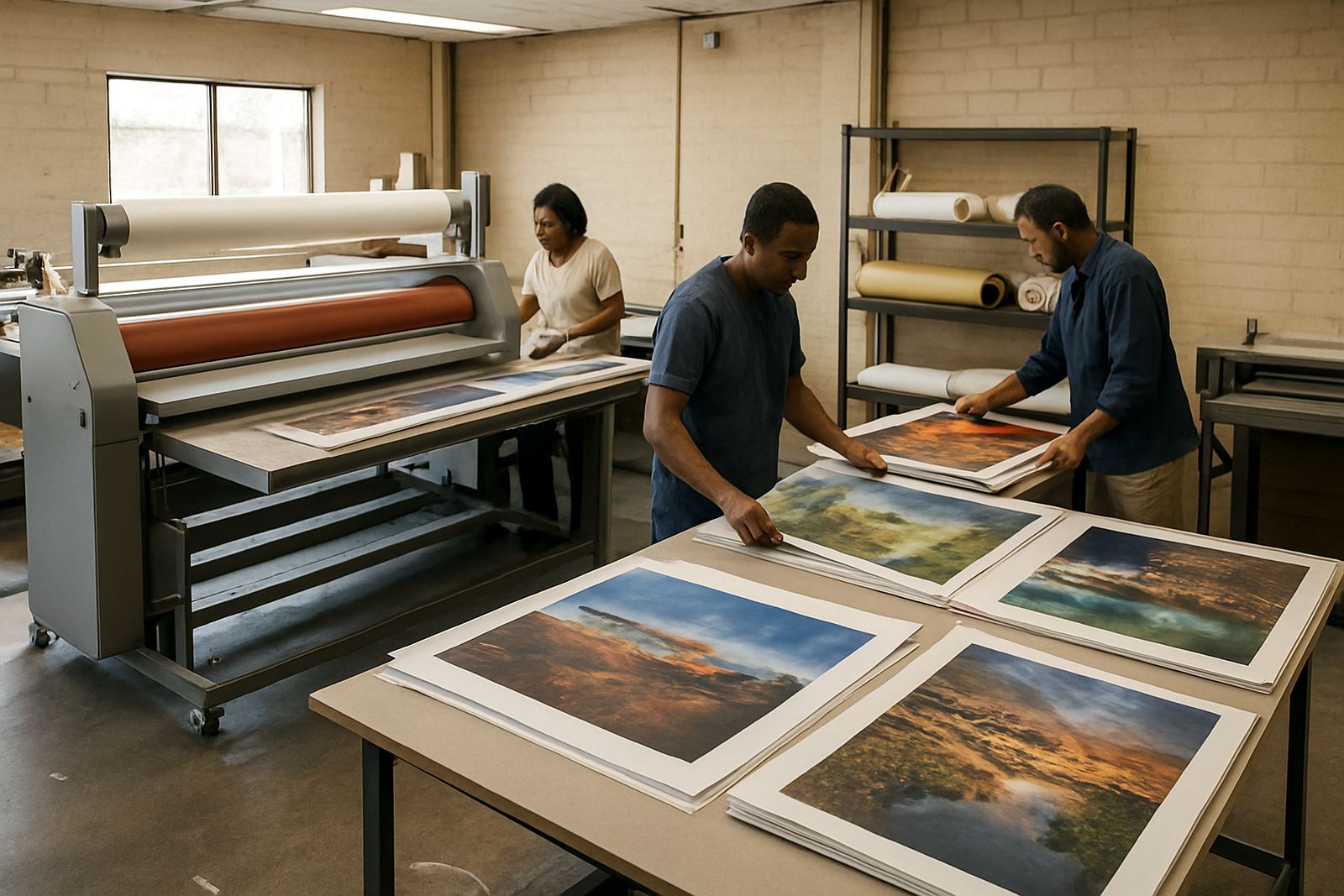
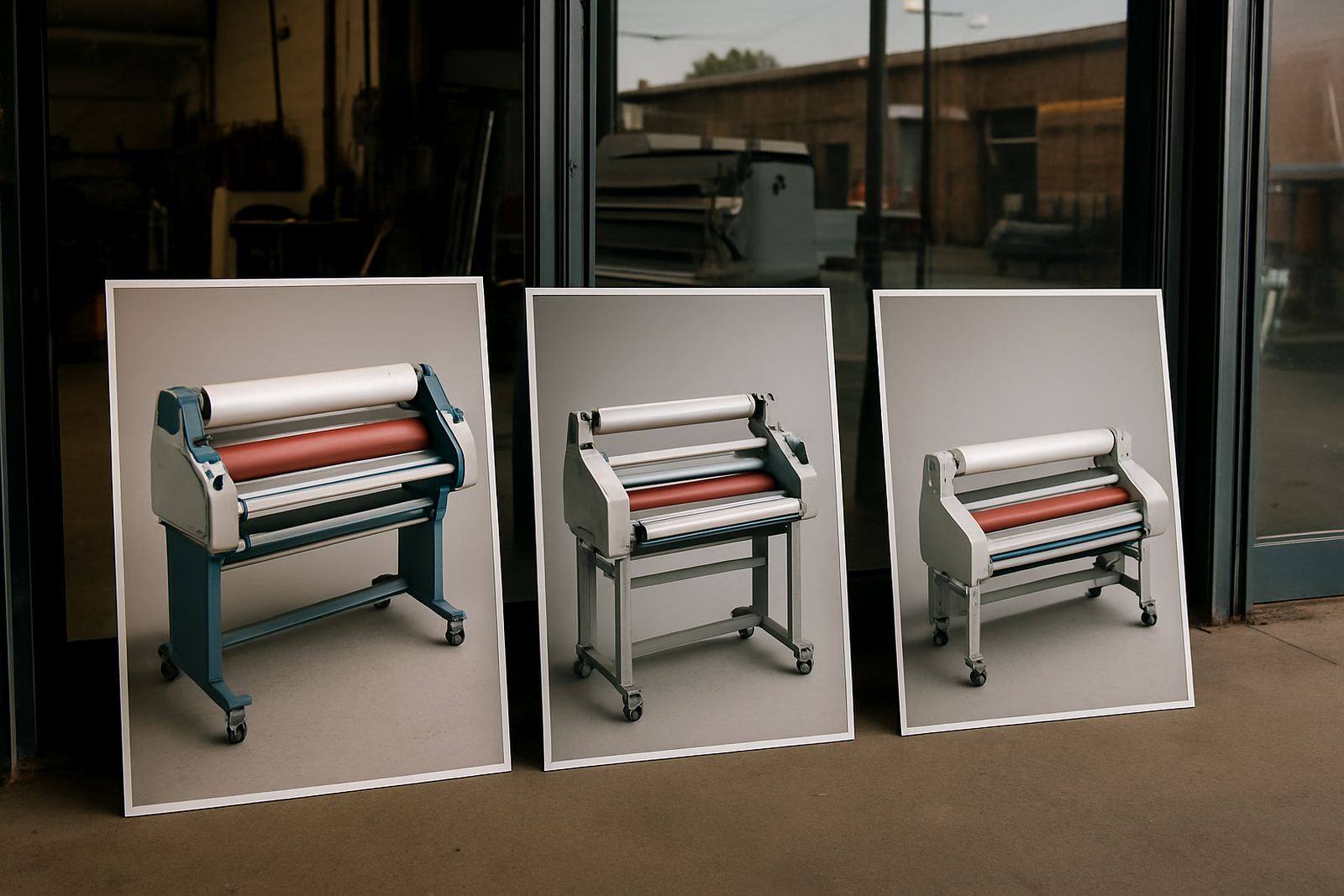
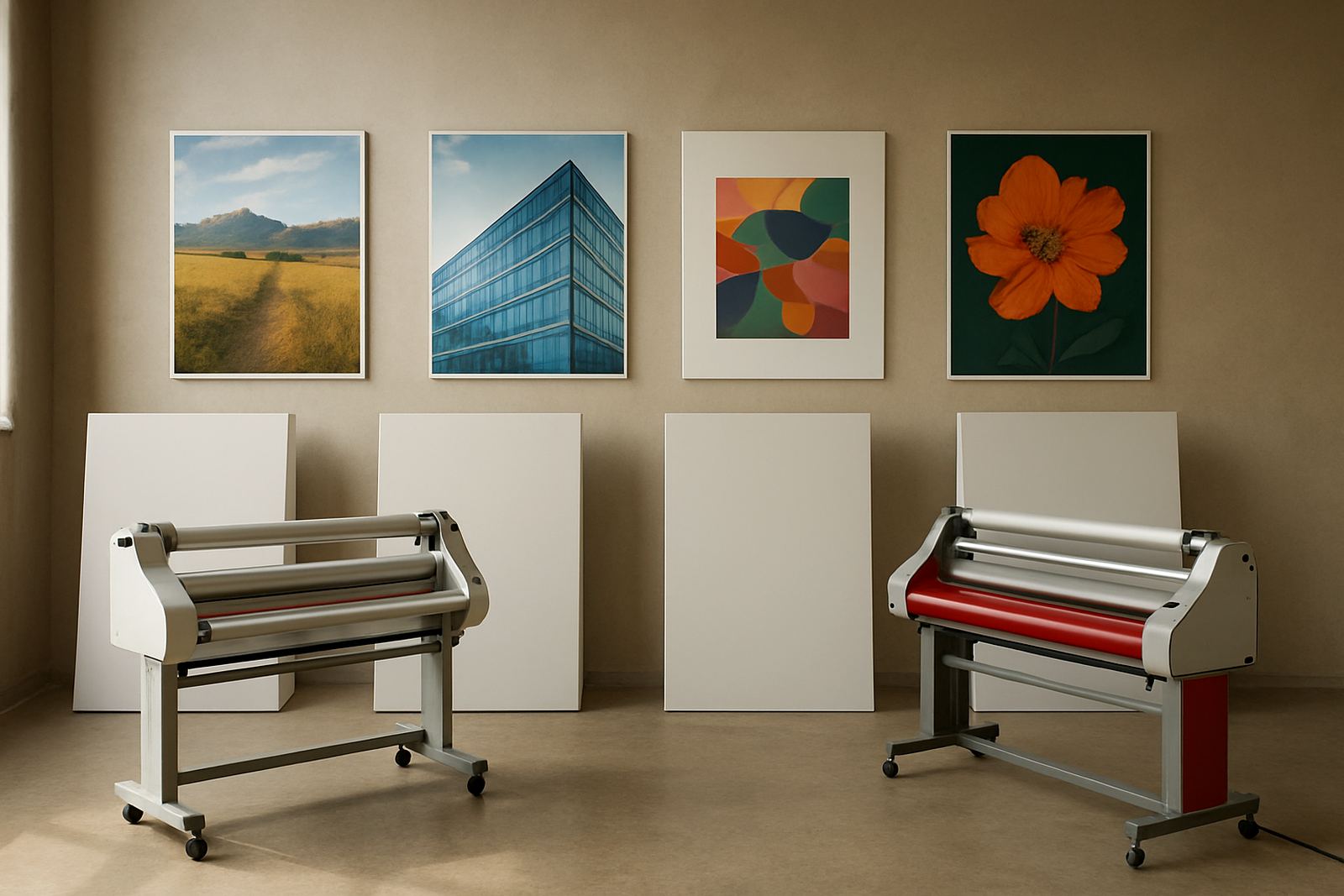
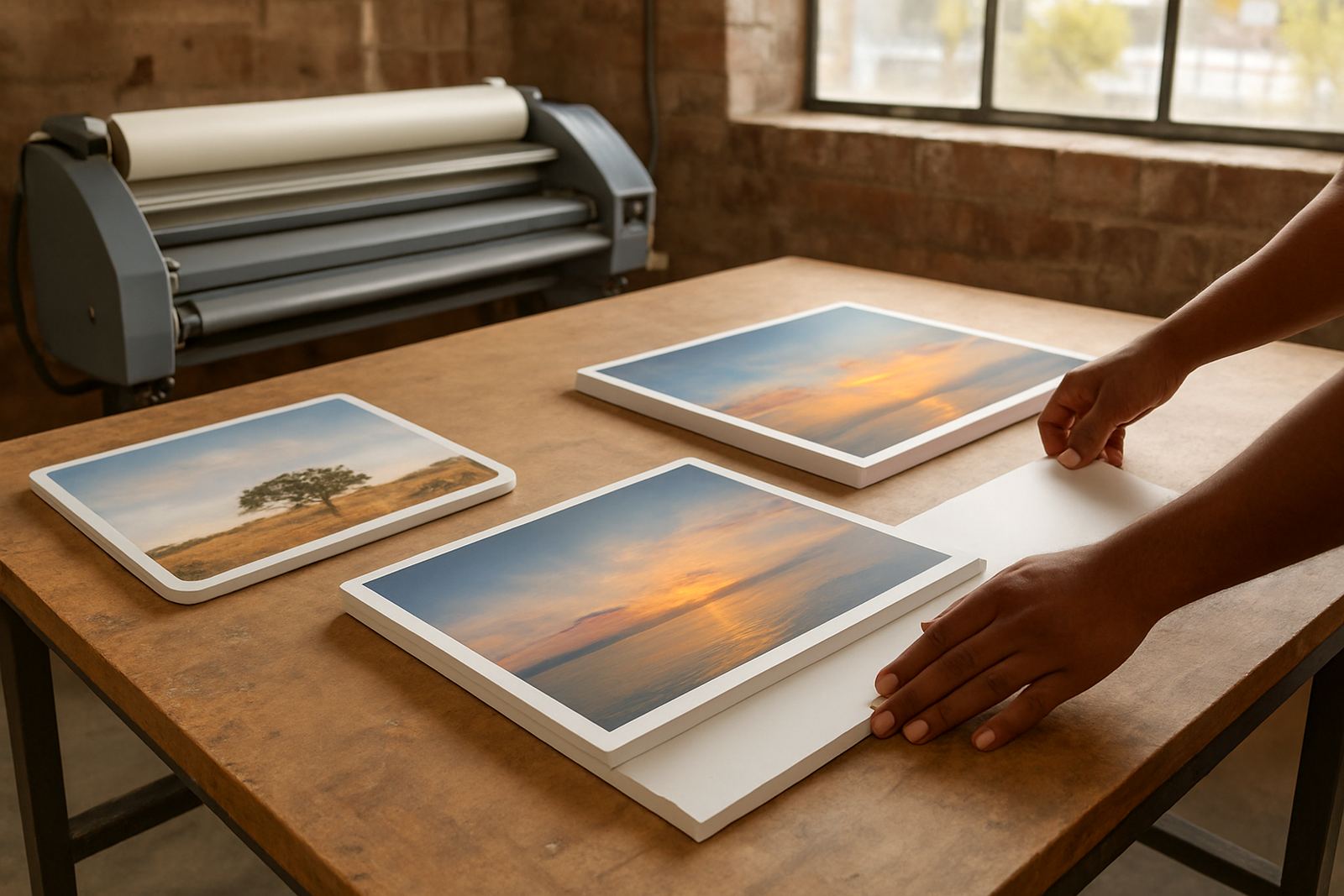
For menu board graphics, most shops use wide-format cold or hot roll laminators matched to the board size and print type. Cold units are common for pressure-sensitive films and heat-sensitive artwork, while hot roll machines suit jobs where extra bonding or a sealed finish is needed. The usual choice depends on the substrate, the adhesive film, and how often the board will be updated.
A typical set-up may include a wide-format printer, trimming tools, a laminator sized to the widest board you produce, and a flat work area for cutting and mounting. For shops producing a mix of restaurant menus, table boards and retail signage, a 1,300 mm to 1,600 mm laminator is often the practical middle ground. Larger premises or print operations may step up to 1,800 mm or more for bigger panels.
- Cold roll laminator for printed menus, decals and mixed media graphics
- Hot roll laminator for tougher finishes and consistent bonding on board work
- Trimming table or cutter for clean edges and repeatable sizing
- Mounting accessories for foam board, PVC board or display board applications
If your team handles both short-run specials and longer-term menu boards, it helps to keep the machine set up for quick changeovers. That reduces labour and keeps mistakes down when a lunch rush is coming in and the board must go out before opening.
Layout Planning That Saves Reprints
Menu board graphics should be planned with viewing distance, lighting and update frequency in mind. A board read at the counter needs larger type and stronger contrast than a wall board viewed from across the room. If the design is too busy, the lamination will not fix it, it will just seal in the confusion.
Before printing, confirm the final size, bleed, mounting method and whether the board will be changed weekly or seasonally. This is especially important for franchise sites and hospitality groups that send updates to multiple branches. A good layout template makes it easier to swap prices or product names without reworking the whole design. It also keeps cut lines and safe zones consistent, which matters when boards are trimmed after laminating.
- Use large, readable headings for quick ordering
- Keep price columns aligned so updates are simple
- Leave enough margin for trimming and mounting
- Match the finish to the lighting, gloss can glare under spotlights
If the board will sit near a coffee machine or kitchen pass, ask for a finish that wipes clean without haze. That small choice can make the menu look newer for longer and avoid complaints from front-of-house staff.
Common Mistakes We See on Hospitality Boards
One common mistake is choosing the wrong film thickness. Too light and the finish can pick up marks easily, too heavy and the board may look bulky or start to lift at the edges. Another problem is ignoring humidity. In coastal areas like Durban or Port Elizabeth, boards stored in damp rooms can bow or trap moisture if the substrate is not suited to the job.
We also see plenty of rush jobs where the print is laminated before the ink has cured properly. That can cause bubbles, silvering or poor adhesion. On some jobs the operator pushes the feed too fast, and the result is a slight skew that is obvious once the board is hung. It sounds small, but once a menu board is on display, those faults stand out.
Electrical supply is another practical issue. Load-shedding and voltage dips can interrupt heat settings or slow production, so shops that rely on hot systems should plan the workflow around stable power or backup supply. A machine fault at 5 pm on a Friday is a real problem when the weekend menu needs to go out same day.
Budget Ranges for Menu Board Production
Budget depends on board size, finish, print volume and whether you are starting from scratch or upgrading an existing shop. For smaller hospitality runs, a capable cold laminating setup may sit in the R45 000 to R90 000 range, depending on width and features. Mid-size production units are often between R95 000 and R180 000. Larger wide-format machines with stronger drive systems, better heat control and higher output can move beyond R200 000.
It is also wise to budget for installation, operator training and the first round of consumables. Many businesses forget those items and then wonder why the real cost feels higher than the brochure figure. Spare parts support, roller cleaning and pressure calibration matter too, because a machine that is not maintained properly starts costing money in wasted boards and reprints.
For shops that only handle a few menu boards each month, pre-purchase inspections can help avoid buying a unit that is oversized or difficult to service locally. For higher-volume print rooms, it can be better to spend more upfront and reduce downtime over the long term.
Support Across Johannesburg and Nationwide
From our base in Kya Sand, Johannesburg, we support businesses across Randburg, Sandton, Midrand, Pretoria and the East Rand, with installs nationwide. That includes routine servicing, roller cleaning, pressure calibration, heat system checks, drive system repairs, electrical fault finding, on-site breakdowns, spare parts support, operator refresher training and pre-purchase inspections.
For menu board work, good support matters because turnaround times are tight. If a print shop in Pretoria needs a machine checked before a restaurant opening, or a designer in Sandton has a last-minute board amendment, quick technical help can keep the schedule on track. Lunga Tshabangu and the team work with print operators, designers and hospitality suppliers who need practical answers, not guesswork.
If you are planning new menu board graphics or replacing an older laminator, we can help you match the machine to your output, board sizes and budget. That way the finish stays neat, the boards last longer, and your team is not fighting the equipment on every job.