
Start With the Job You Need to Finish
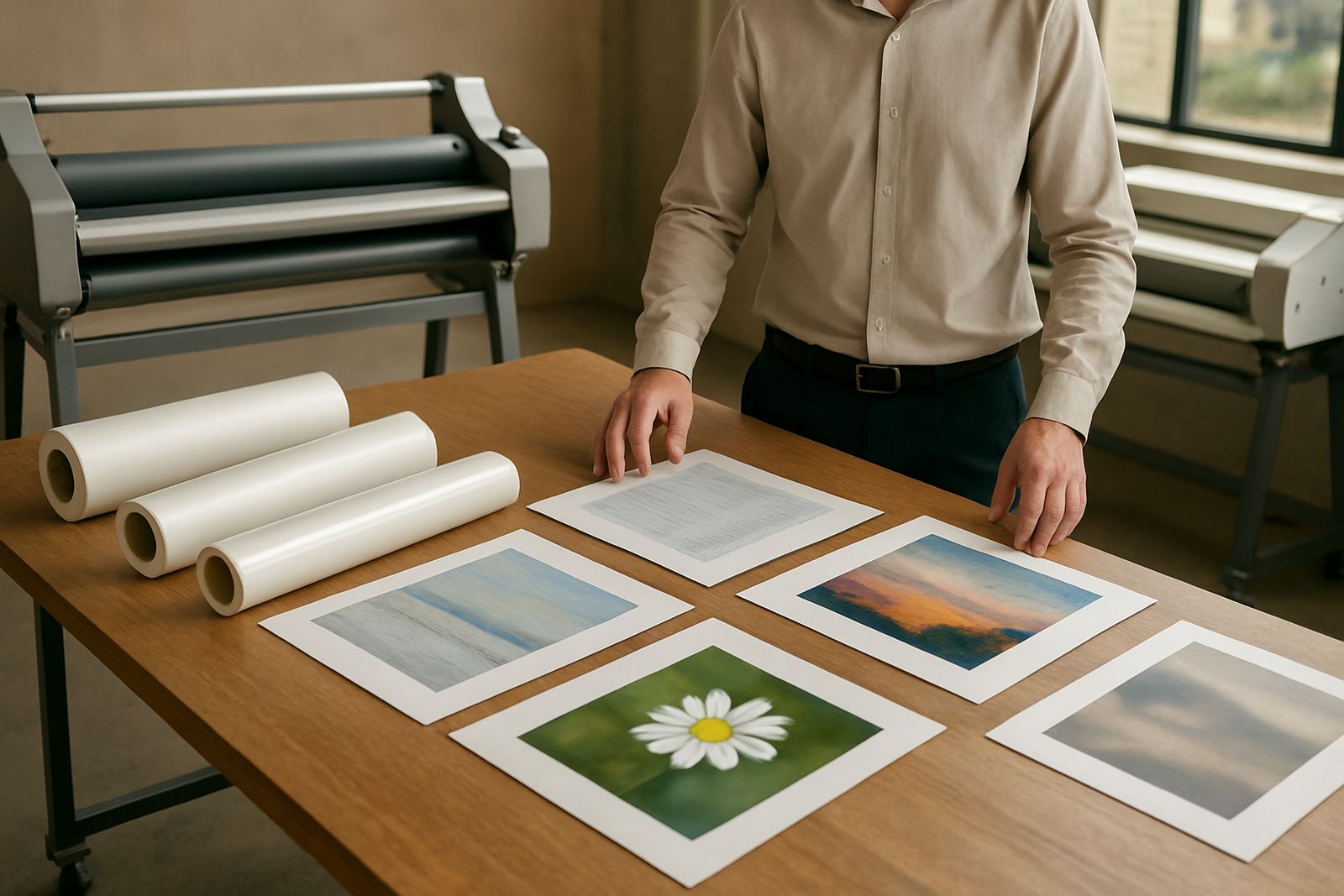
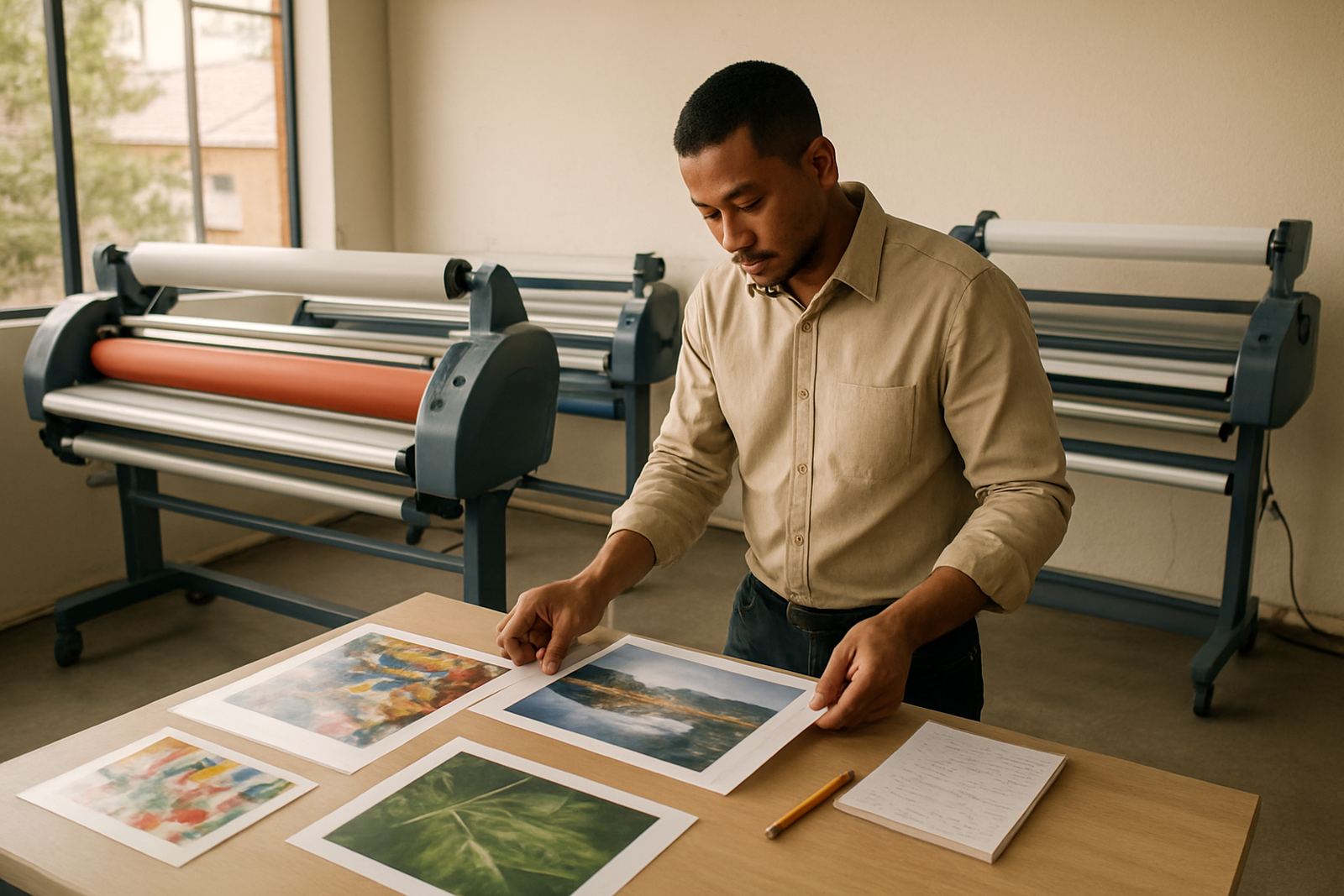
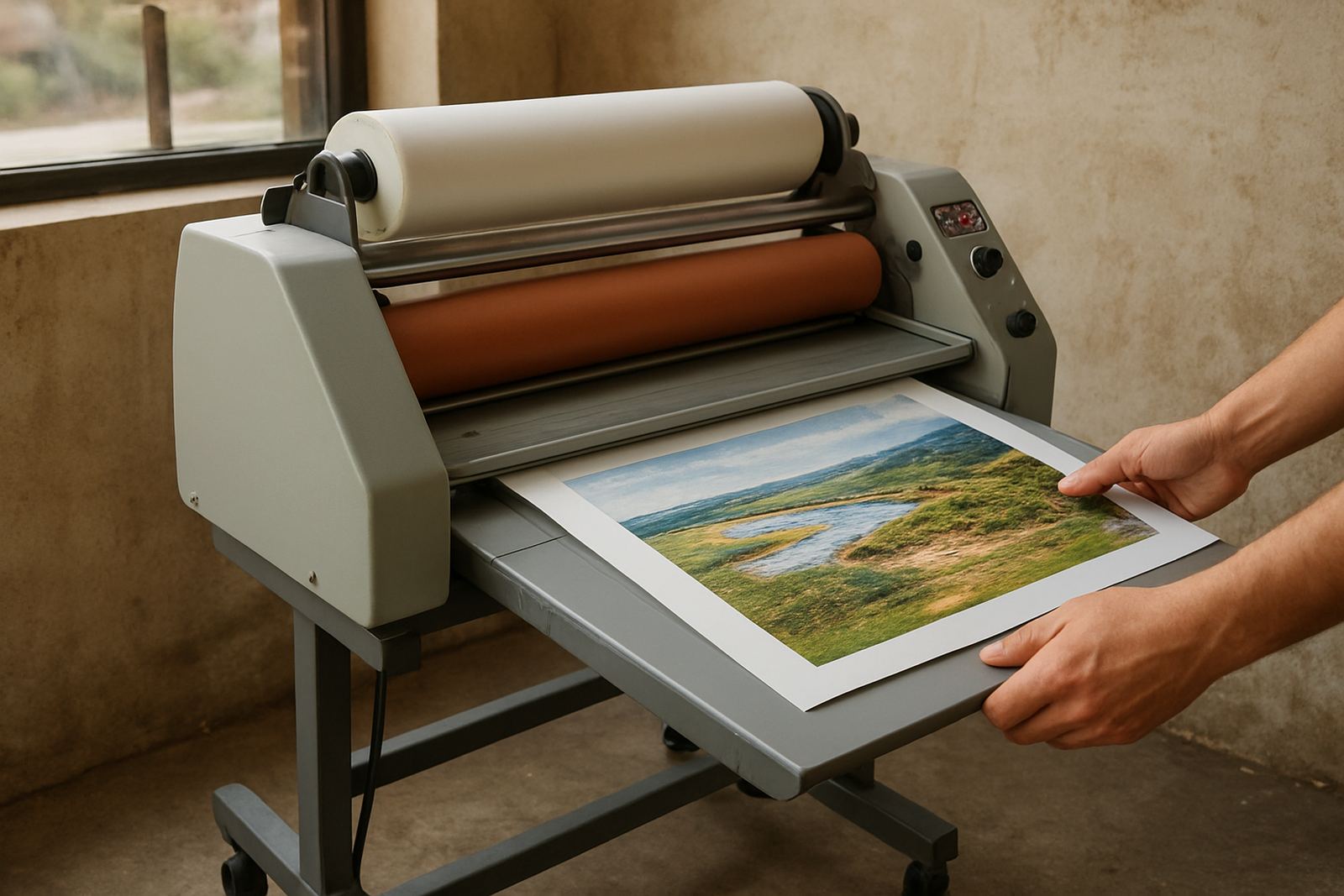
The right laminator depends on what you run most often. Short-run print shops in Johannesburg may need fast changeovers and reliable heat control, while a studio in Sandton may care more about clean finishing for artwork and presentation pieces. If you work with posters, photos, menus, maps or indoor signage, think first about sheet size, film thickness and daily volume rather than just machine price.
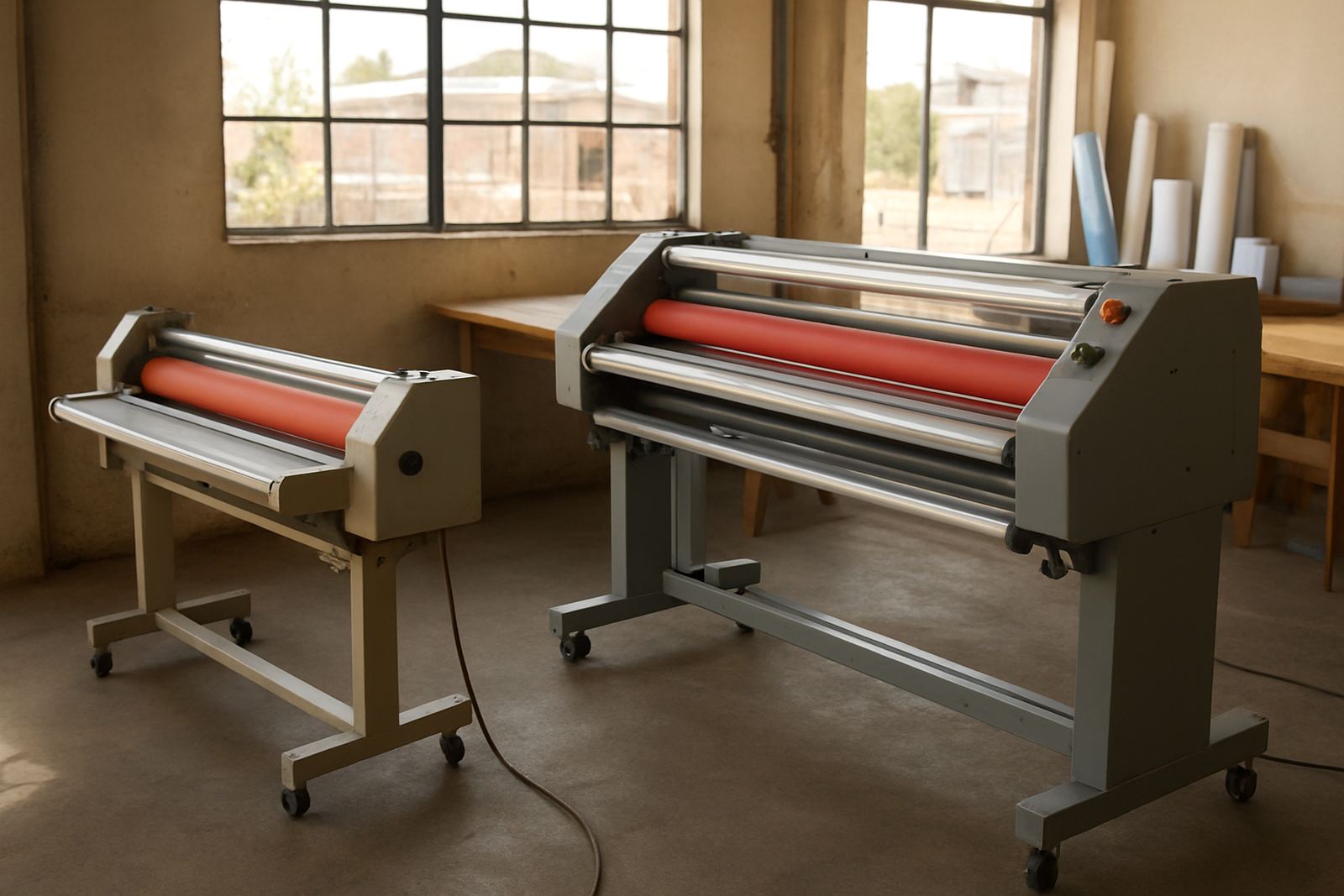
A wide-format machine should match the work you actually produce. A 1,100 mm unit can suit smaller batches, while larger widths are useful for bigger graphics and busy production floors. Also check whether you need cold lamination for heat-sensitive media, or hot lamination for stronger bonding on regular print stocks.
Cold Or Hot Roll Lamination
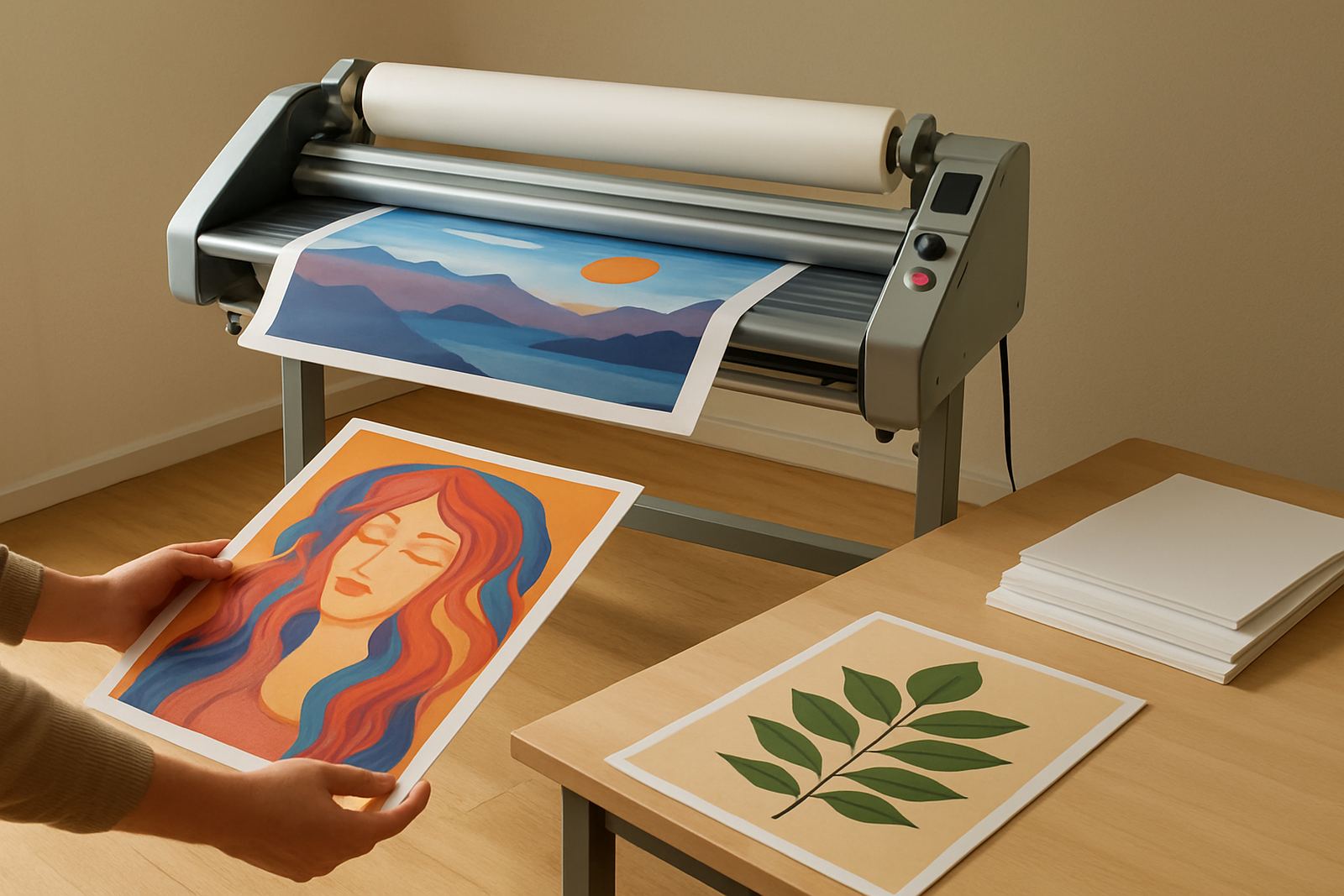
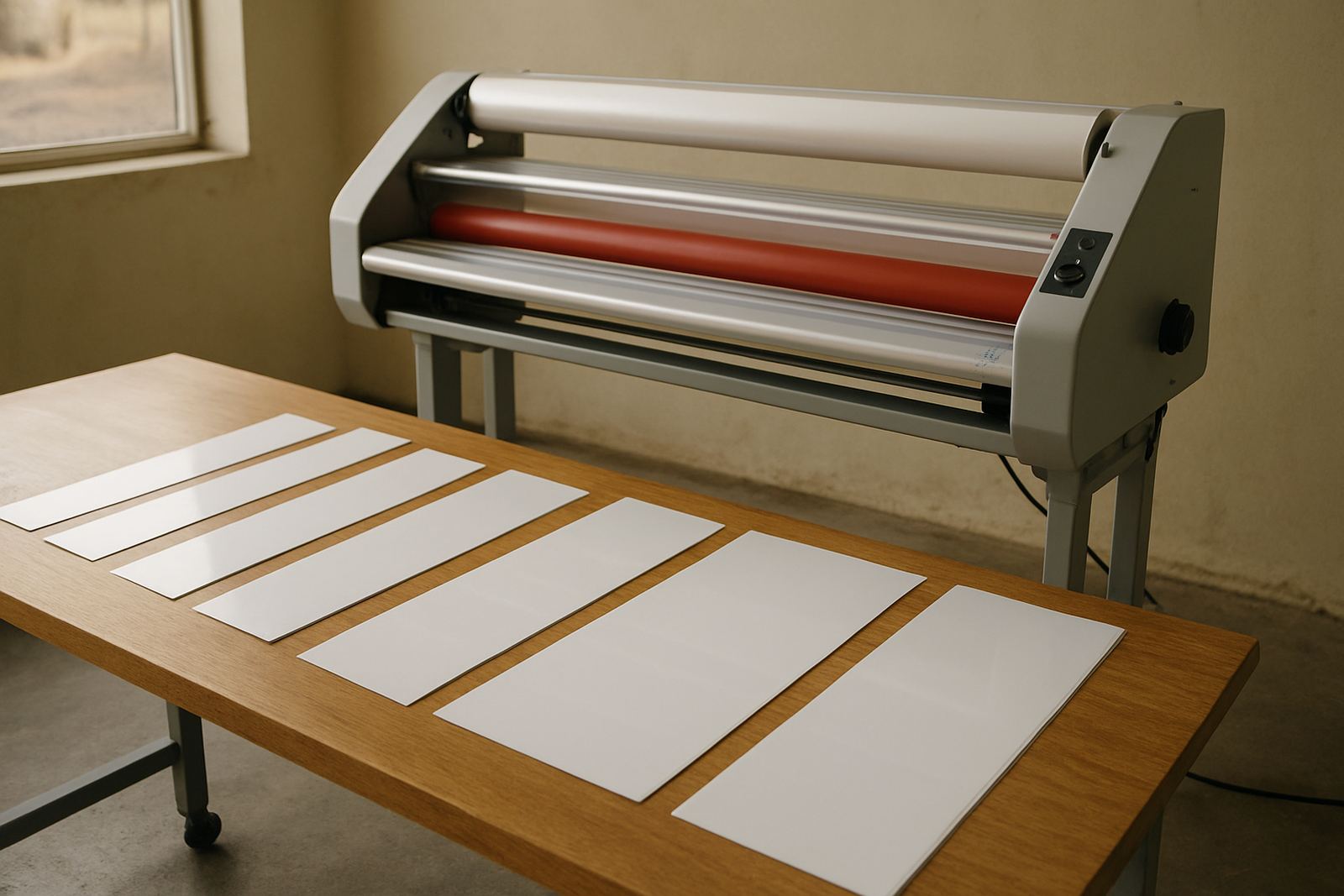
Cold laminators are often the better choice for vinyl graphics, adhesive films and material that can react badly to heat. They are also popular where the operator wants simple control and lower setup time. Hot roll laminators suit documents, posters and print work where heat helps the adhesive bond properly, giving a neat, durable finish.
For many businesses, the choice comes down to the finish required and the media being handled. A shop in Midrand doing mixed work may keep both options available, while a designer in Pretoria may only need one method for consistent artwork protection.
- Choose cold when the media is heat-sensitive or pressure bonding is preferred.
- Choose hot when stronger adhesion is needed on standard print materials.
- Check warm-up time if you deal with urgent jobs and load-shedding interruptions.
Set Your Workflow Before The Machine Arrives
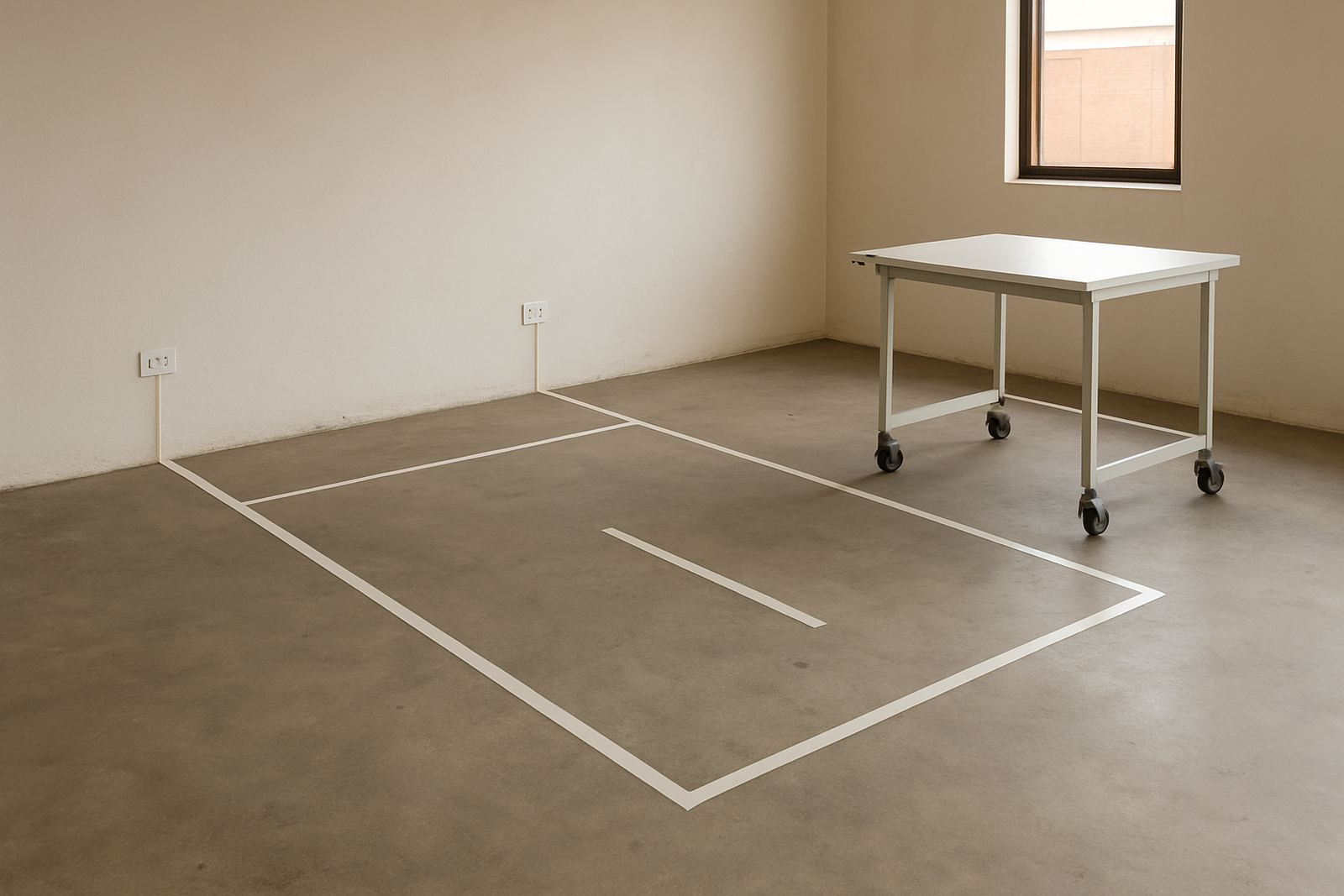
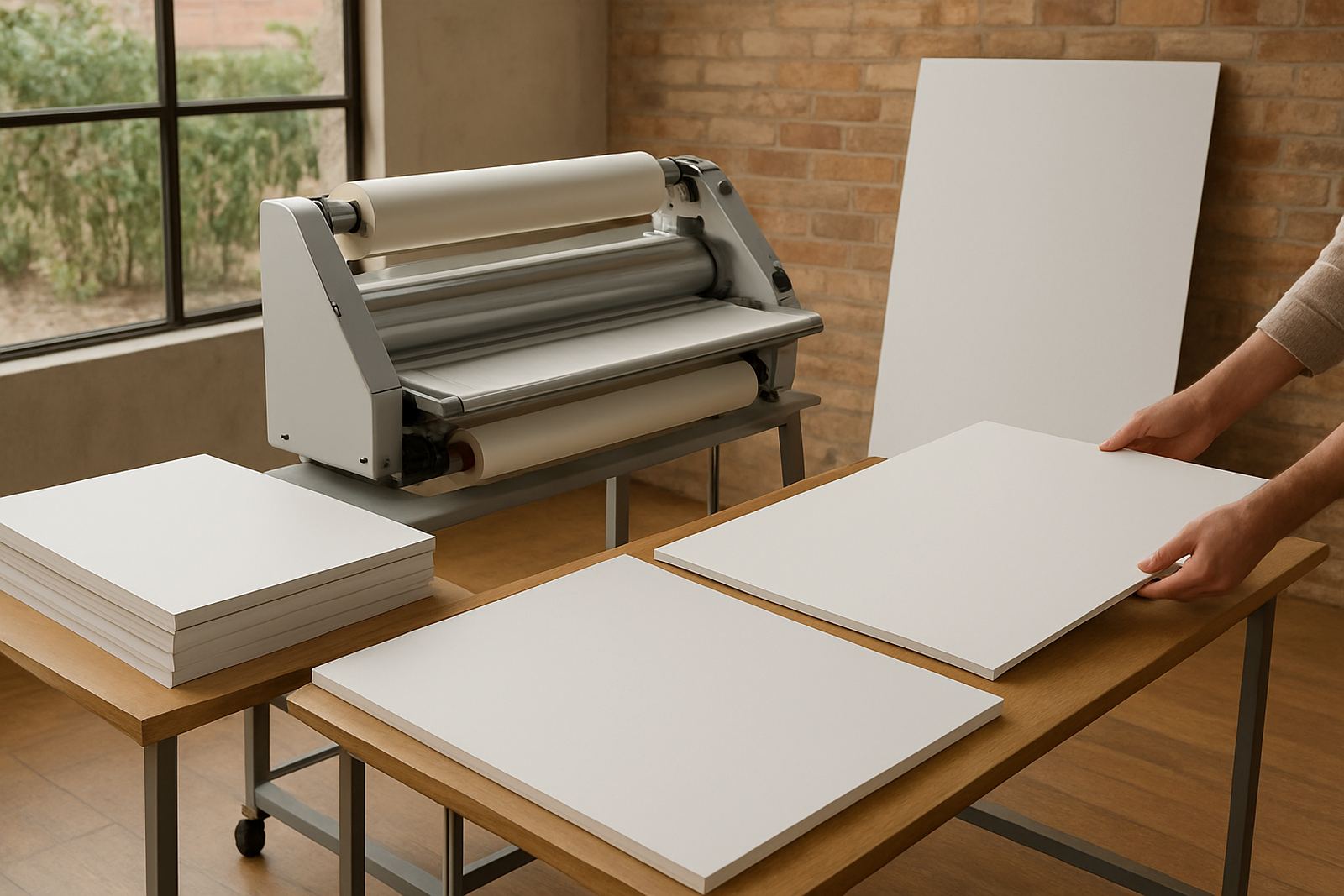
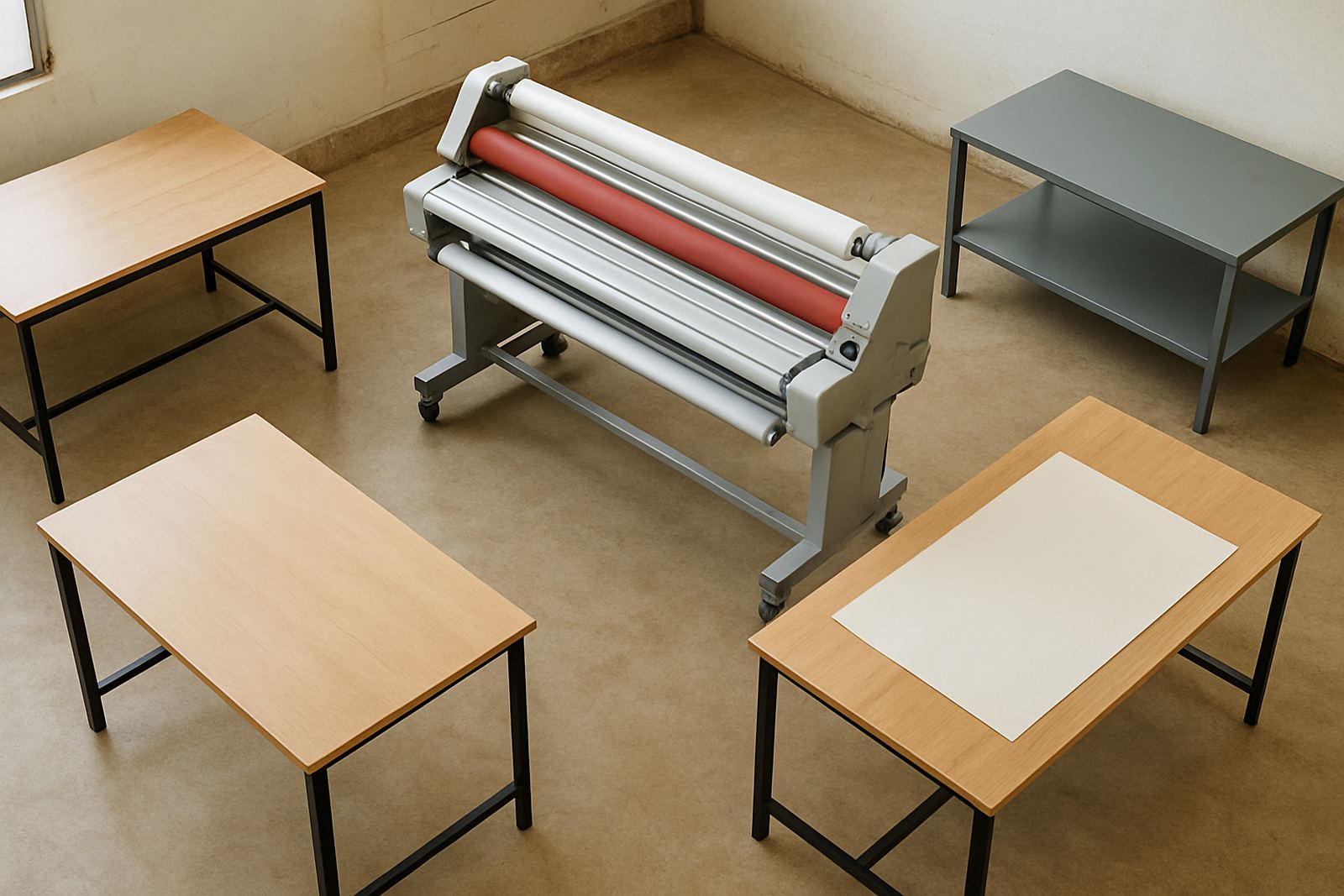
Good output starts with a tidy workflow. Leave space for unrolling, trimming, alignment and cooling so the operator is not working in a cramped area. In smaller premises around Kya Sand or Randburg, this can mean planning bench space very carefully and keeping rolls, cores and tools within reach.
If your team handles frequent jobs, create a simple process for film selection, test runs and finished stacking. That reduces waste and helps keep the same standard across different operators. It also makes training easier when staff rotate or when a new person joins the floor.
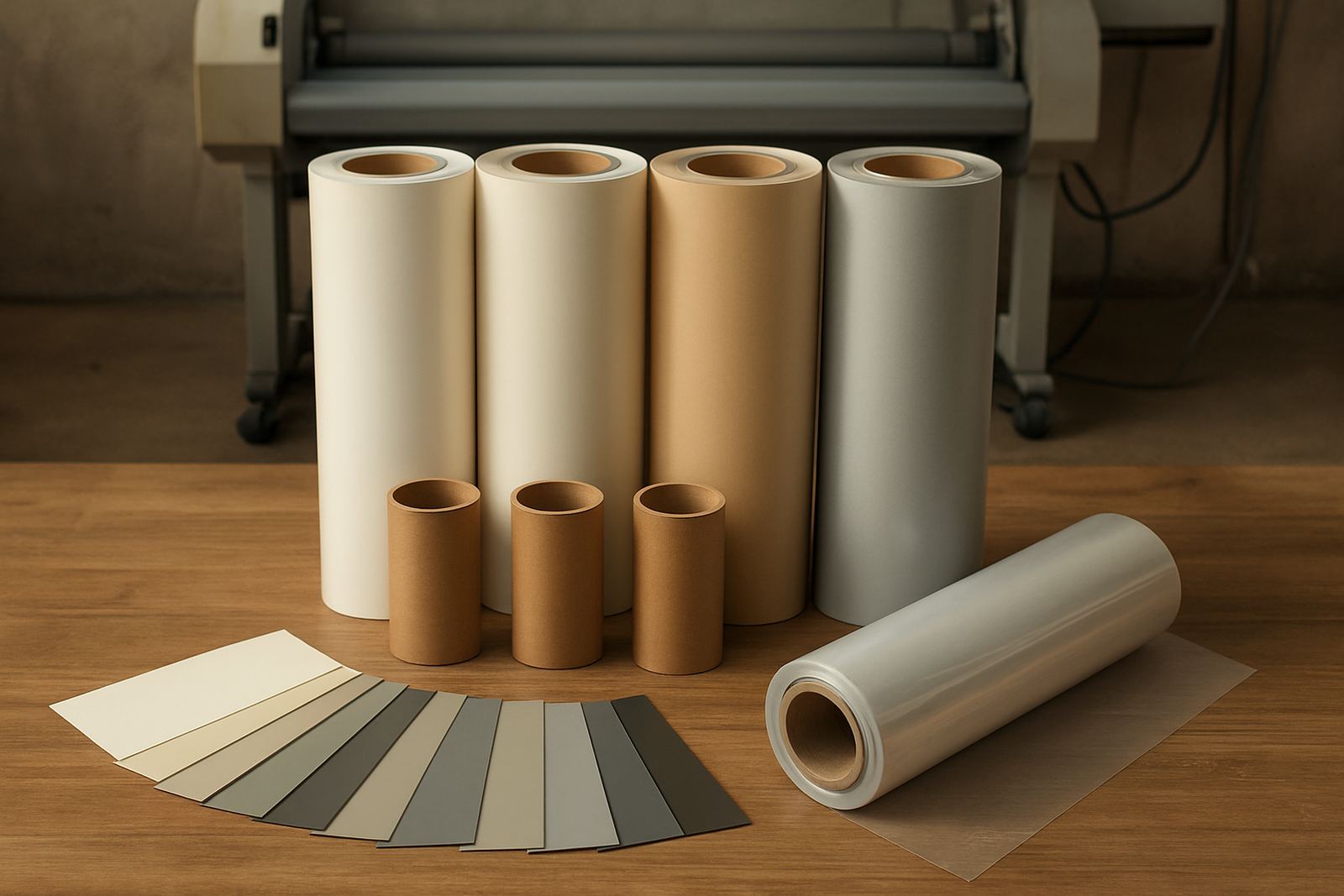
- Store films flat or upright in a dry area away from dust.
- Mark common settings for pressure, speed and temperature.
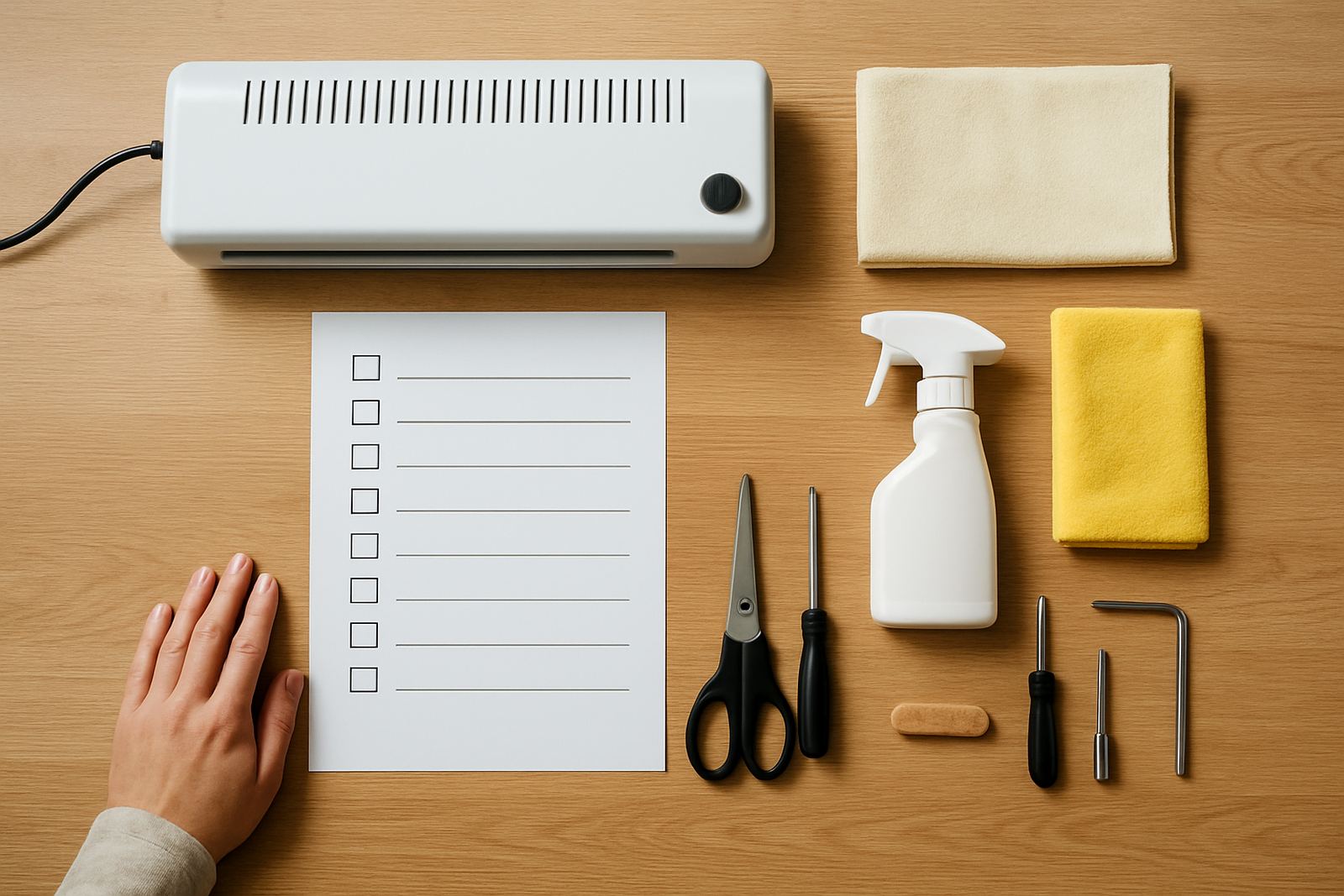
- Keep trimming tools, cleaning cloths and spare cores in one place.
- Allow a short cooling period before stacking finished work.
What Affects Finish Quality
Many finish problems come from setup, not the machine itself. Roller condition, pressure calibration, heat consistency and film quality all play a part. If the rollers are dirty or the pressure is uneven, you may see bubbles, silvering, curling or patchy adhesion. That becomes more noticeable on large-format work, where any fault repeats across the whole sheet.
In humid coastal conditions the material may need extra care, but even inland areas can cause issues if stock is stored badly. Dust, static and uneven room temperature can all spoil the result. A quick test run on offcuts can save a full batch from being reworked.
Maintenance That Keeps Output Consistent
Regular servicing helps prevent stoppages and protects the finish you promise customers. Routine roller cleaning removes residue before it builds up. Heat system checks help keep temperatures steady, while drive system repairs and electrical fault finding are important when a unit starts running unevenly or trips unexpectedly. That matters during busy weeks when load-shedding already interrupts production.
Simple habits help a lot. Wipe down rollers as part of the closing routine, listen for changes in motor noise, and check the machine before a big run. If something feels off, arrange an inspection before the fault becomes a costly breakdown.
- Clean rollers on a set schedule, not only when problems appear.
- Watch for uneven feed, slips or drift during operation.
- Replace worn parts before they damage the finished sheet.
When Training Makes A Real Difference
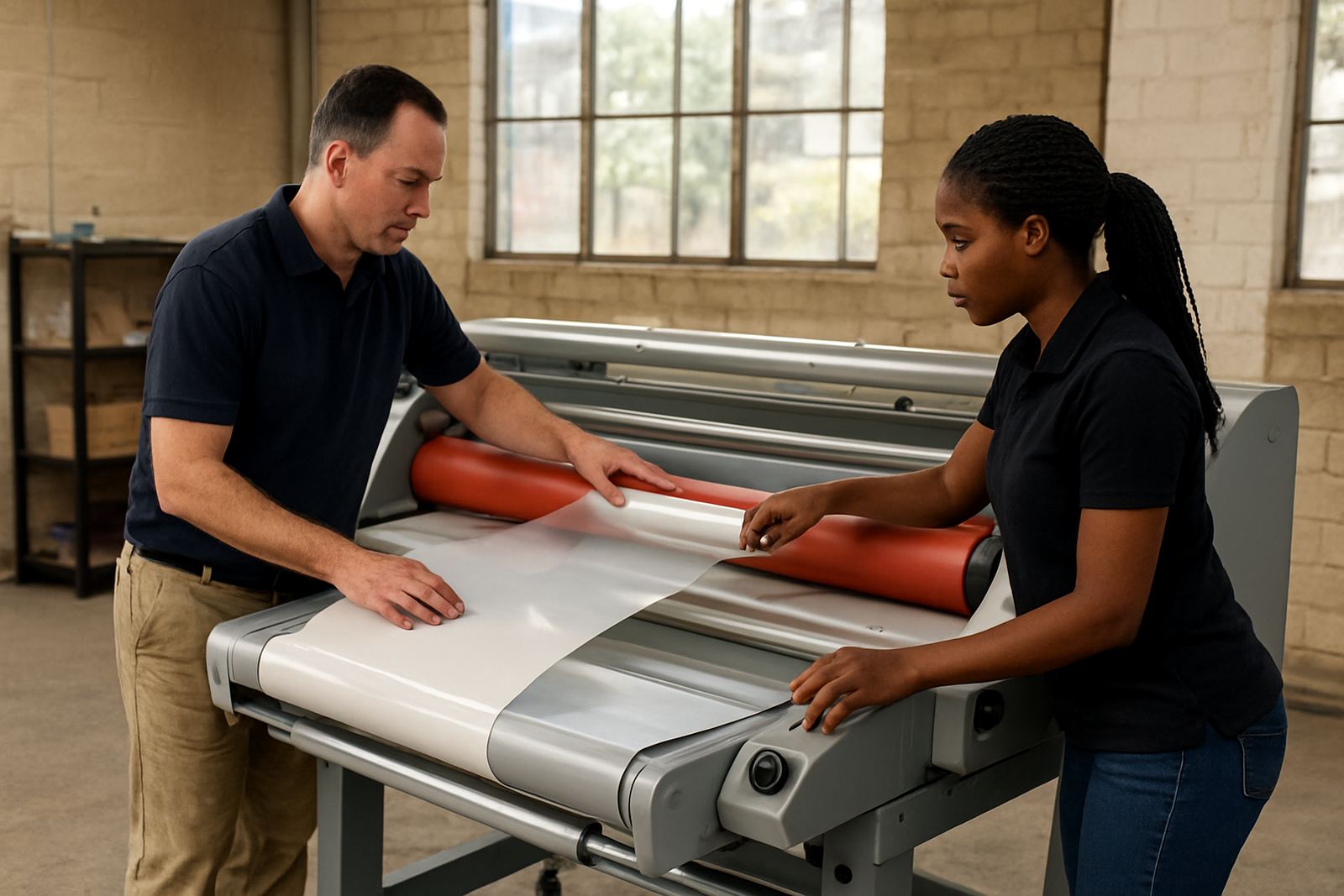
Even a good machine underperforms if the operator is unsure about settings or handling. Refresher training helps teams understand pressure calibration, film alignment, safety steps and what to do when a job starts lifting at the edges. That is especially useful where several people share the same machine over a week.
Training also helps reduce waste. An operator who knows how to set the machine for different substrates will waste fewer sheets and use less film. For businesses serving Pretoria, the East Rand and surrounding areas, this can make a clear difference to turnaround times and cost control.
Buying Advice For South African Businesses
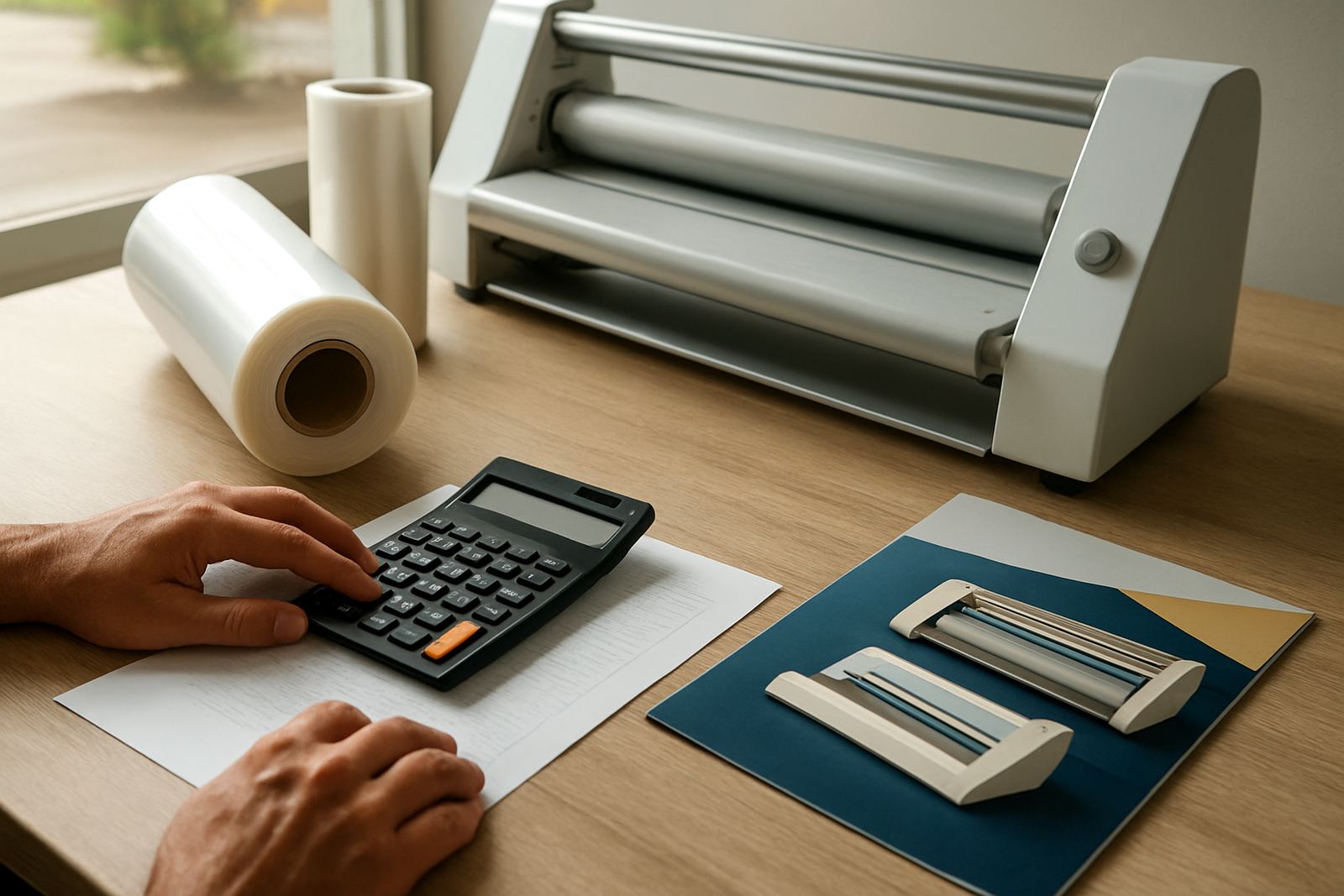
Before you buy, ask for a proper pre-purchase inspection and check the machine under working conditions if possible. Look at service access, spare parts support, electrical requirements and how easy it is to keep the unit running locally. A machine that looks fine on paper may be a poor fit if it cannot handle your daily output or if support is difficult to get.
It also helps to think about where the machine will live. If your premises are in a hot, dusty or humid space, or if your power supply is unstable, choose a unit that can be maintained and adjusted without trouble. The right fit is not just about size, it is about long term use and uptime.