Start with the end use, not the price tag
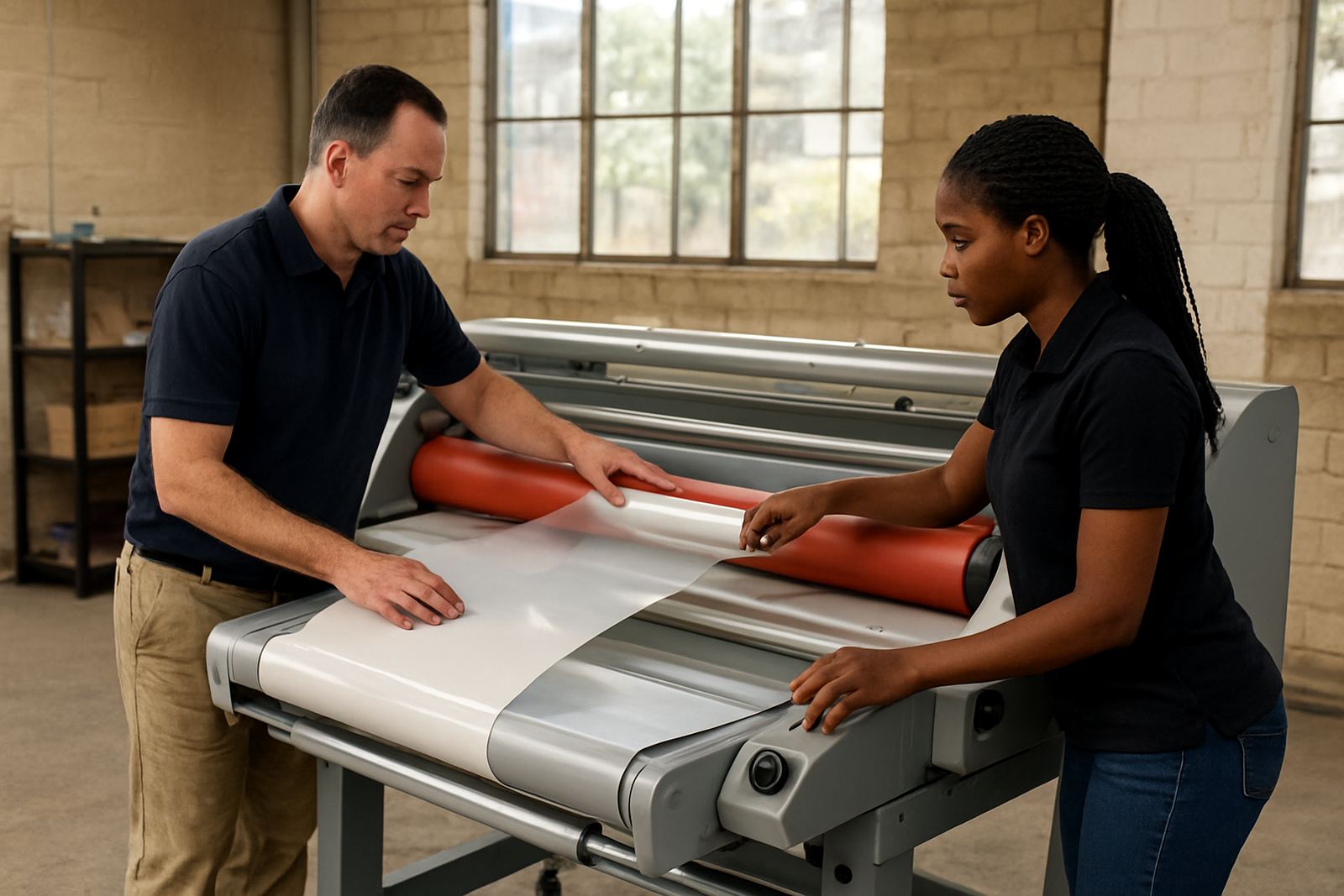
Cold laminating films suit heat sensitive prints, vinyl graphics and jobs that must move fast. They are a practical choice for many print shops because there is no warm up time and less risk of curl on thinner media. Hot laminating films are better where you need a tighter bond, a more polished finish or extra resistance on heavier boards and frequent handling.
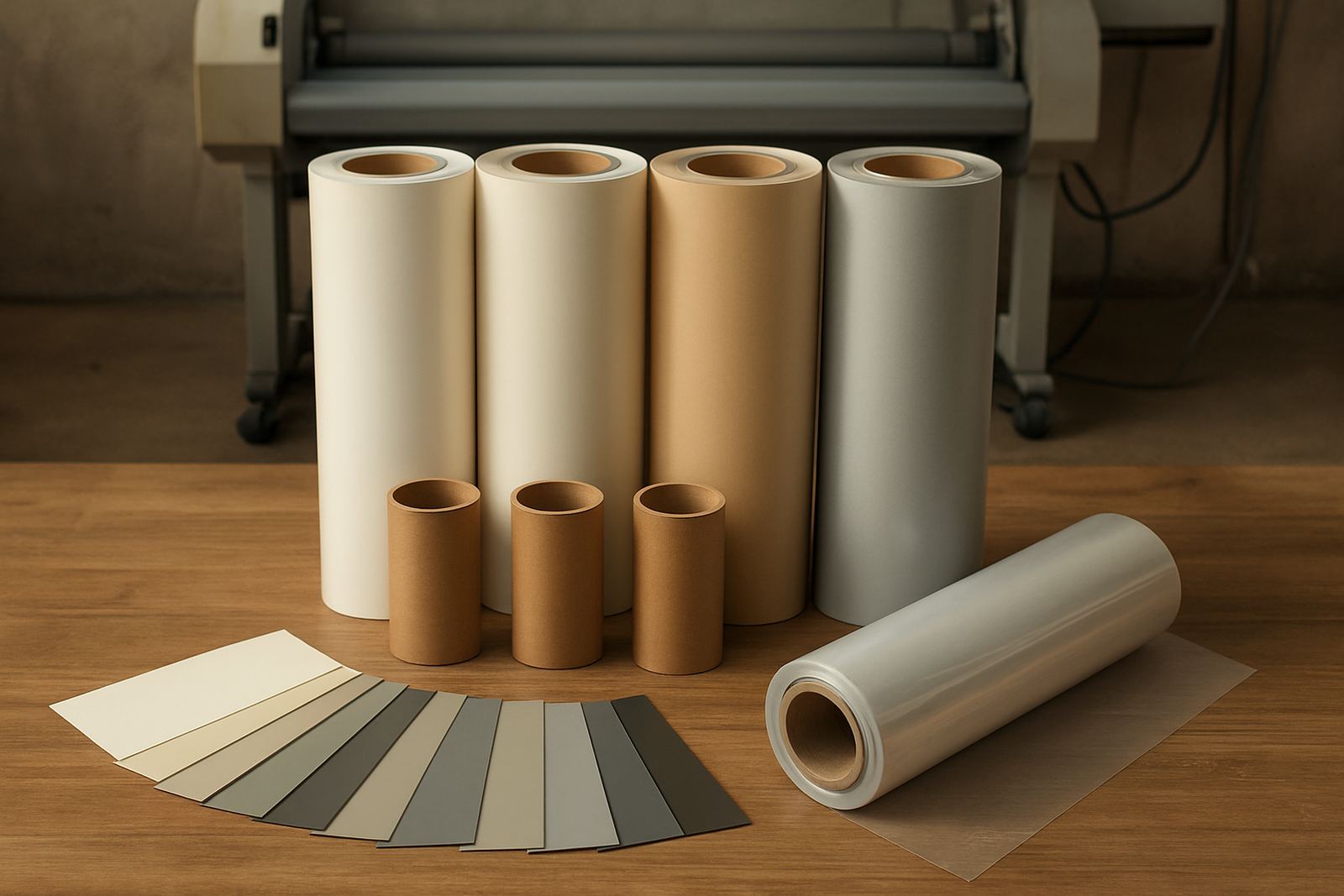
When comparing films, look at clarity, adhesion, and the feel of the finished work. Some jobs need a soft matte surface to reduce glare under office lights, while others look better in gloss. If you handle wide format work in places like Kya Sand or Midrand, where a lot of jobs move through quickly, keep the common widths and finishes in stock so you are not waiting on urgent orders.
- Cold film for heat sensitive prints, self adhesive application and quick turnaround work
- Hot film for stronger bonding and a smoother final surface
- Gloss for colour impact and matte for reduced reflection
- Confirm roll width matches the machine and the print size
Choose thickness for protection and handling
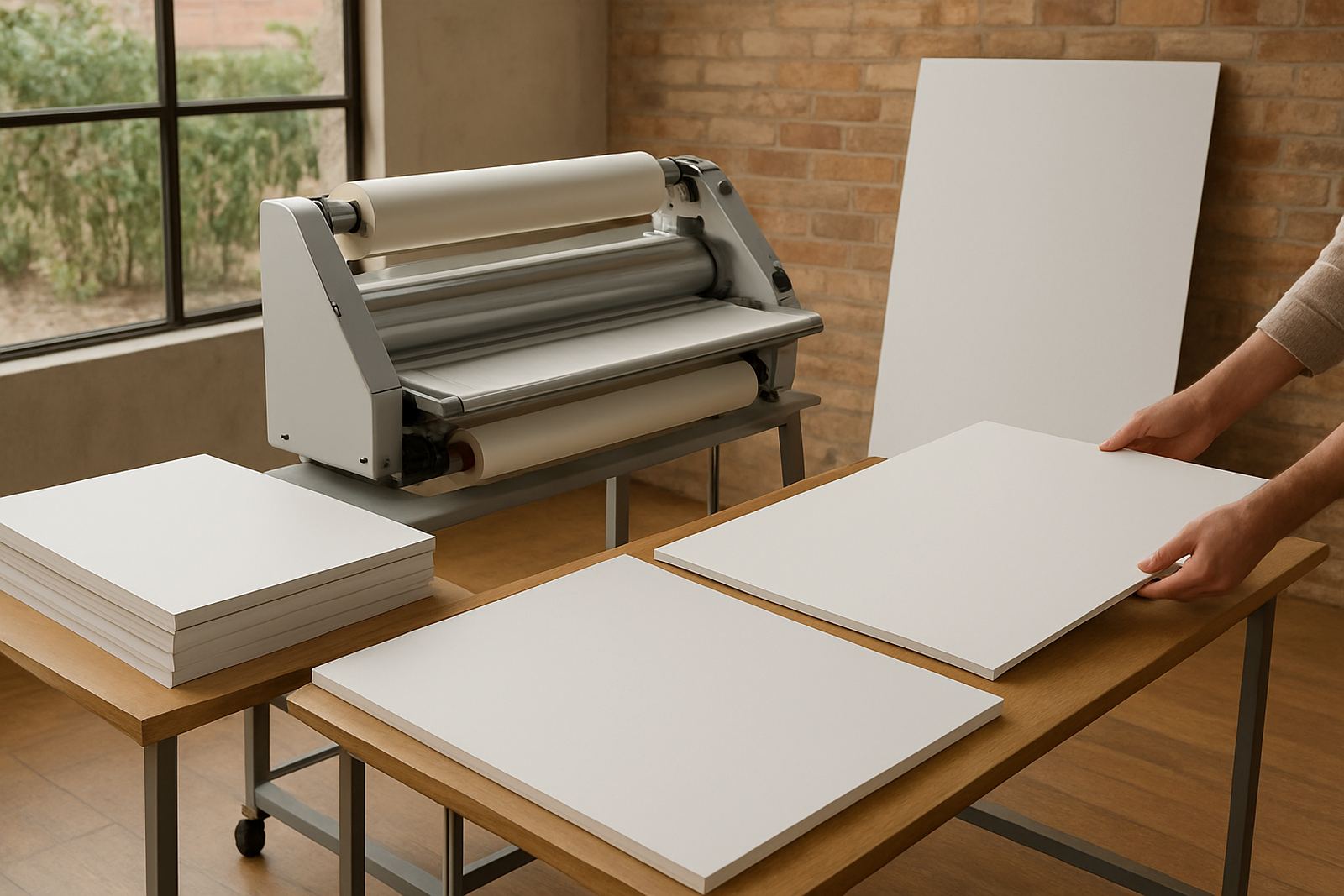
Film thickness is usually one of the first numbers buyers compare, but thicker is not always better. A light office print that only needs presentation protection can work well with a thinner film, while signage, maps and artwork that will be handled or transported should move up to a heavier option. Thick film can add stiffness, which helps with mounting, though it may also need more care during feeding and trimming.
As a rule, do not over specify material if the job does not need it. Extra thickness adds cost and can slow production. The smart approach is to keep a few standard options for everyday work, then add heavier stock for menus, teaching material and pieces going into busy public areas. It also helps to note what performs best on your most common papers, because some coated stocks accept film better than others.
- Thin film for presentation pieces and short run work
- Medium film for general print shop use and everyday signage
- Heavier film for frequent handling, mounting and long term display
- Record which thickness works best for each common substrate
Check compatibility with your machine and media
Before ordering consumables, confirm the core size, roll width and maximum heat range your machine can handle. A roll that is too wide or too heavy can create feed issues, pressure problems or uneven tension. If your team is running mixed jobs from Johannesburg to Pretoria, it helps to keep a simple machine sheet showing supported widths, temperatures and pressure settings for each common film type.
Media compatibility matters just as much. Paper with a rough surface may trap small air pockets if the adhesive system is not suited to it. Glossy photographic prints may show rollers marks if pressure is not set correctly. On older equipment, a pressure check and roller cleaning can make a bigger difference than changing film brand or grade. If you are unsure, ask for a test run before buying a full batch.
- Confirm roll width, core size and winding direction
- Match film type to the print surface and ink system
- Check temperature range for hot applications
- Keep a test strip for new papers and new jobs
Plan stock around volume, storage and cost control
Consumables should support your turnover, not tie up cash on the shelf. If you only do a few wide format jobs a week, it makes sense to hold smaller quantities of the films you use most often. Busy shops in Randburg or Sandton may prefer deeper stock for common widths and finishes so the machine never sits idle waiting for a roll. The right balance depends on your job mix, supplier lead times and storage space.
Store rolls in a clean area away from direct sun, dust and moisture. In Gauteng, changing temperatures can affect roll behaviour, so let cold stock settle in the room before use. Keep older rolls marked by date, and use a simple first in, first out system. That way, no film sits on a shelf for months while newer stock is opened first, which can lead to curled edges or uneven feeding.
- Keep your top three consumables on hand at all times
- Label each roll with purchase date and intended use
- Rotate stock so older rolls are used first
- Review consumption every month against actual jobs
Run a short checklist before every order
A quick pre order check avoids waste and rushed buying. Start with the job list for the next two weeks, then check the machine settings and the finishes that clients keep asking for. If you often receive urgent work after hours or just before delivery, keep one backup roll of your most used film on the premises. That is especially useful when a breakdown or electrical fault slows production and you still need to finish the pending order.
It also helps to train operators on the small signs of trouble, such as edge lift, cloudy finish, roller marks or poor adhesion. These usually point to a setup issue, not a bad roll. A refresher once in a while saves both material and labour, and it keeps production steady when different staff members are using the same machine.
- Confirm upcoming job sizes and finishes
- Check current machine condition and settings
- Keep one spare roll of each fast moving type
- Log any recurring finish issue for follow up
Use a supplier that can help you match the job
Good consumables selection is easier when the supplier knows the machine, the work and the conditions you are working in. That matters for print shops, designers and artists who need advice on finish, durability and cost. If you are running wide format work in Kya Sand, East Rand or Pretoria, choose a partner who can help with film choice, installation questions and after sales support when something does not behave as expected. A wrong roll can waste a day, while the right one keeps output moving and the finished piece looks right first time.
When you build a stable consumables range, your team spends less time experimenting and more time producing work that leaves the shop ready for delivery. Keep notes on what works, what fails and what clients ask for most. Over time, that makes buying simpler and pricing cleaner too.