

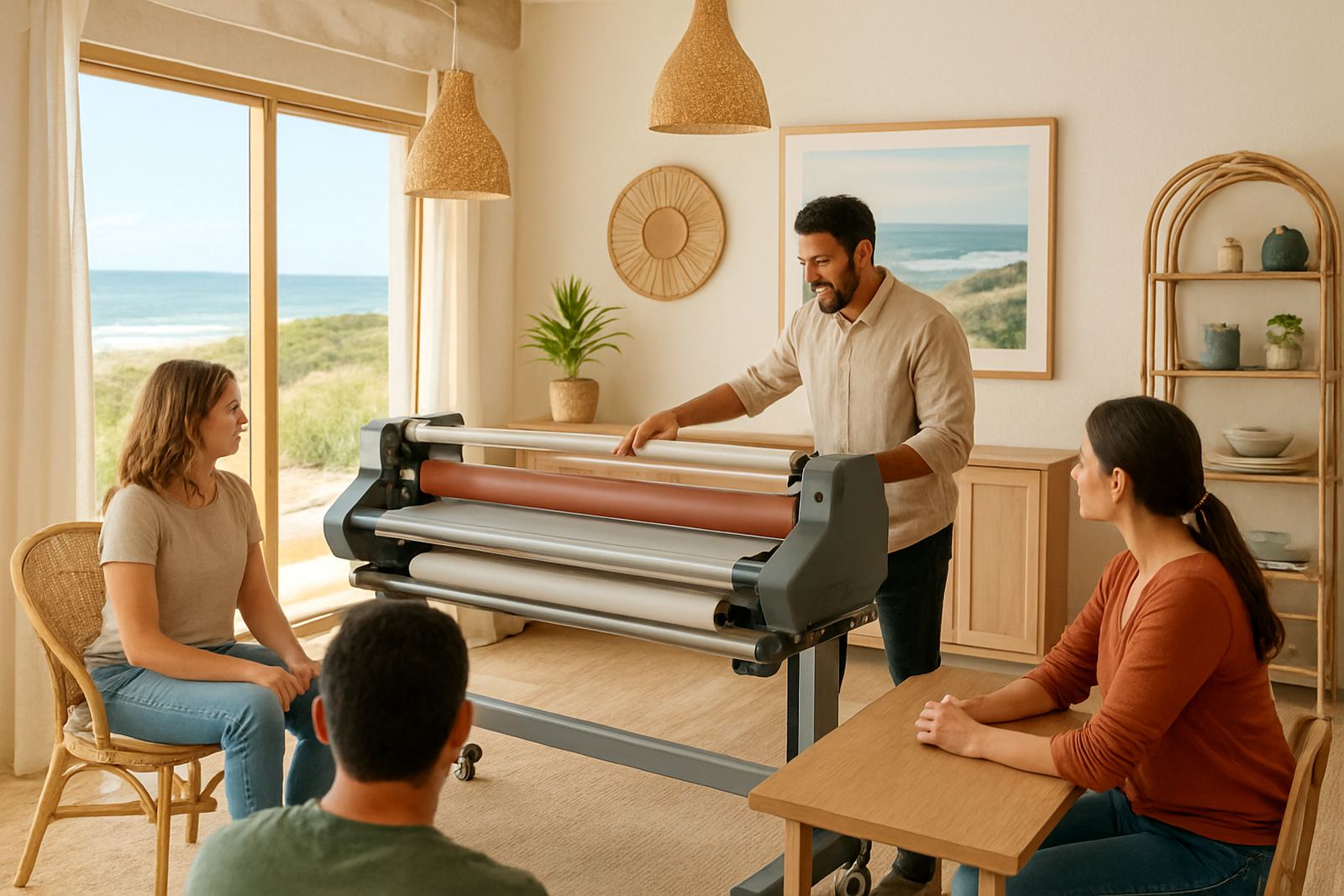
How to use these install examples
Each project gives a quick view of the job type, the space available, the kind of output needed and the machine format that was chosen. If you are comparing options, start with your daily volume, the widest sheet or roll you handle, and whether you need cold lamination, heat assisted work or both.
That makes it easier to match the right unit to your workflow instead of buying too small and overworking the machine, or too large and tying up cash and floor space. In Gauteng, where many shops run through load shedding and tight production windows, the practical side matters just as much as the spec sheet.
- Check the finished width you need, not only the paper size.
- Think about heat, pressure and roller condition for the films you use.
- Allow space for feeding, trimming and safe operator movement.
- Consider service access if the unit will be used daily.
What kinds of projects we install for
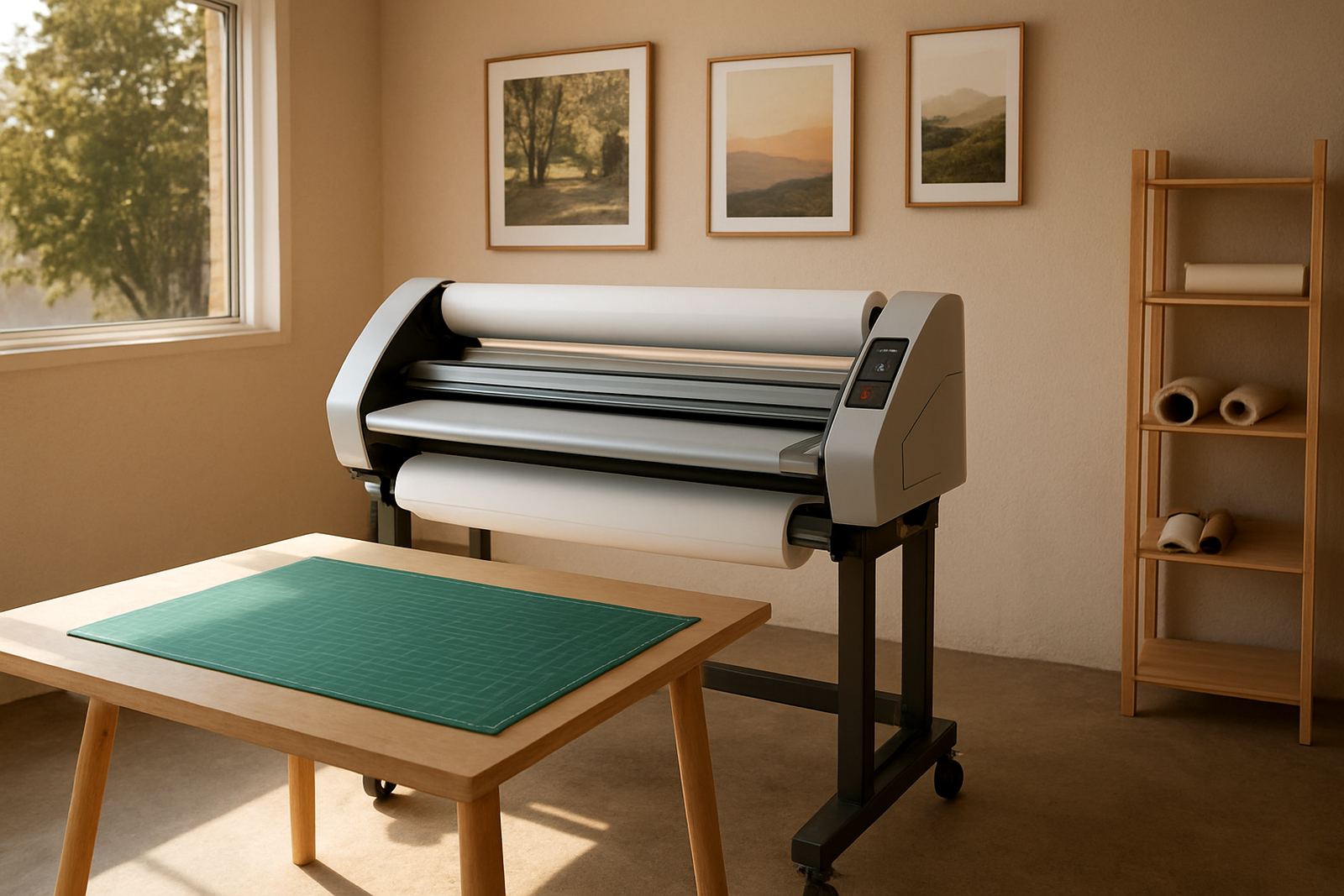
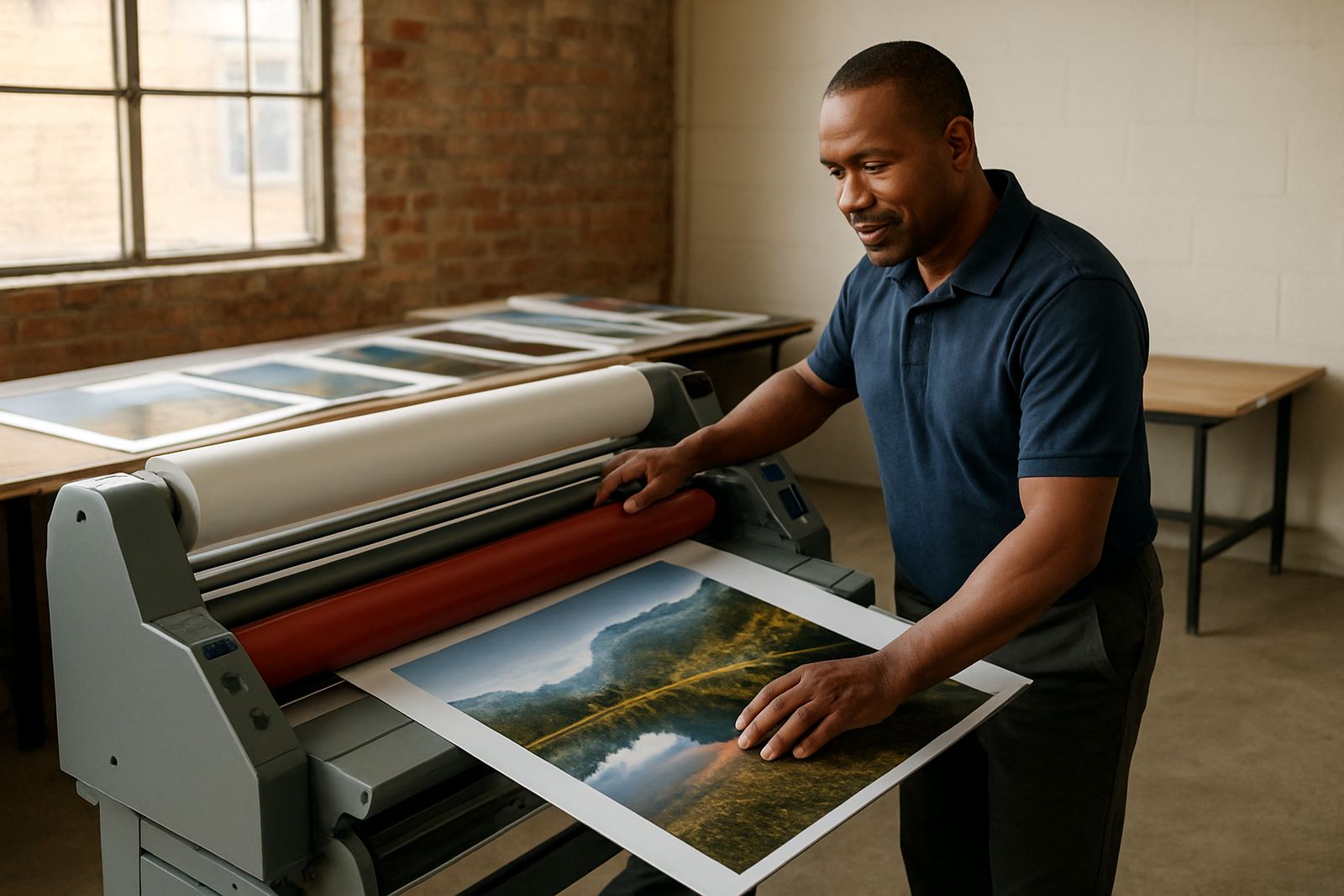
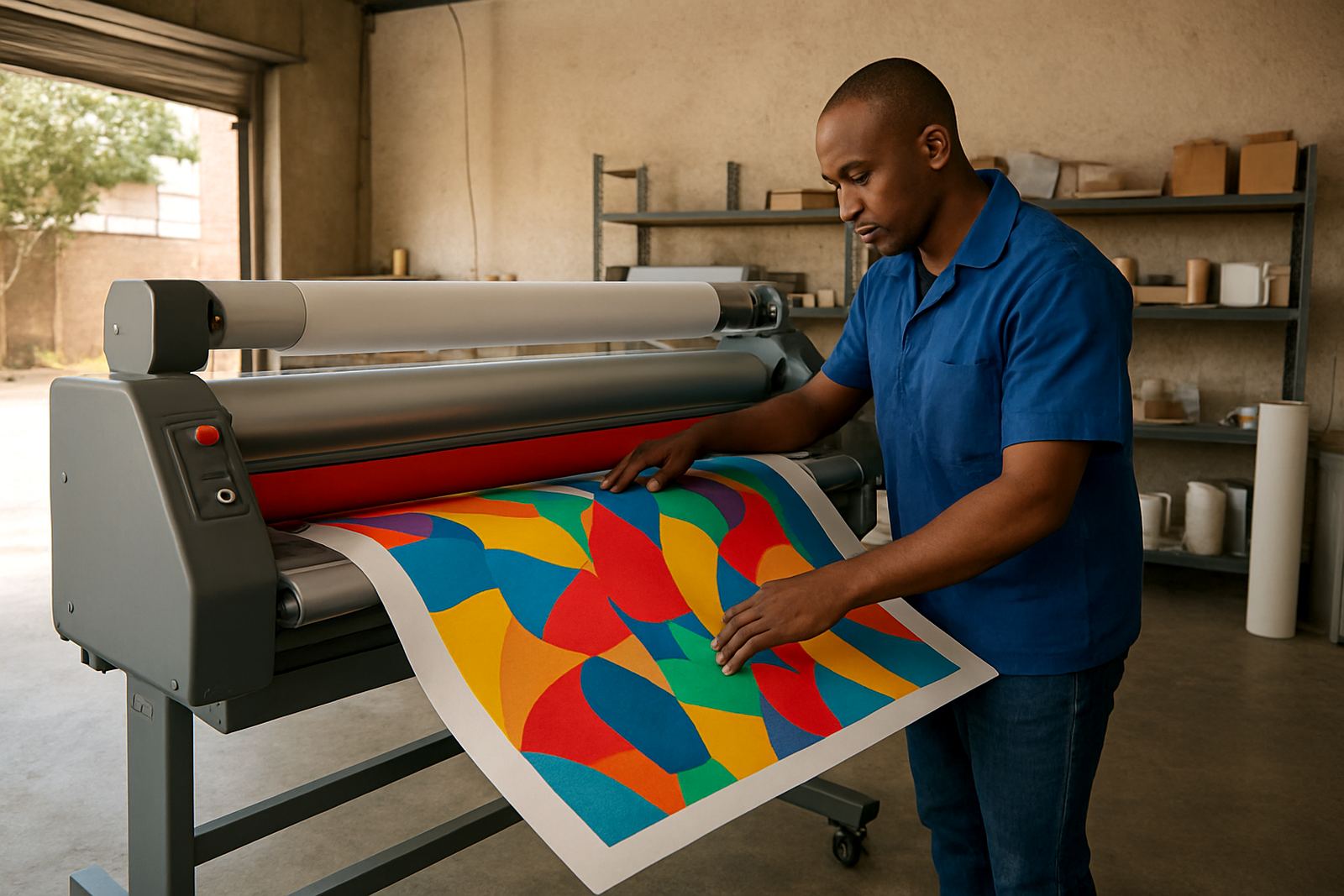
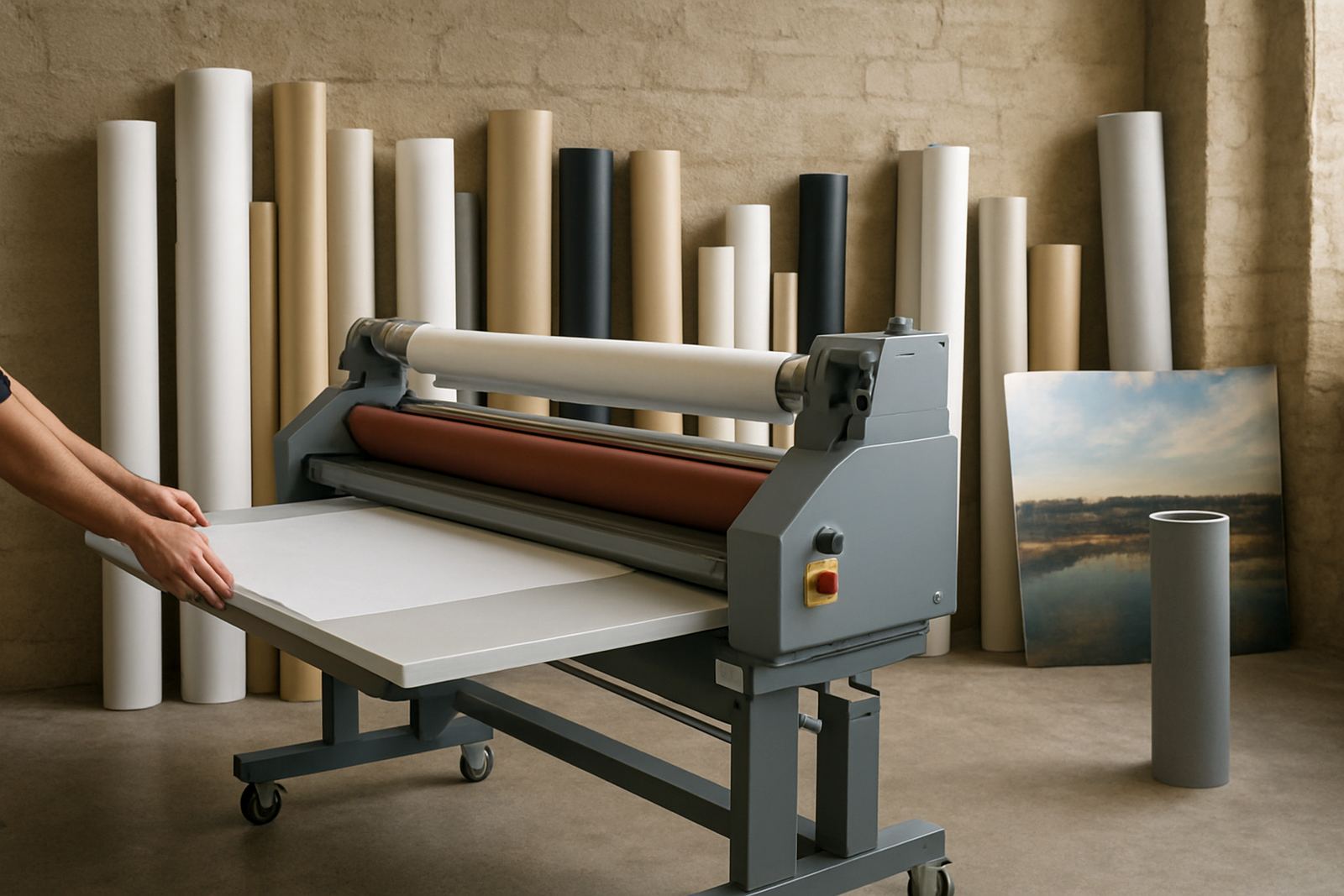
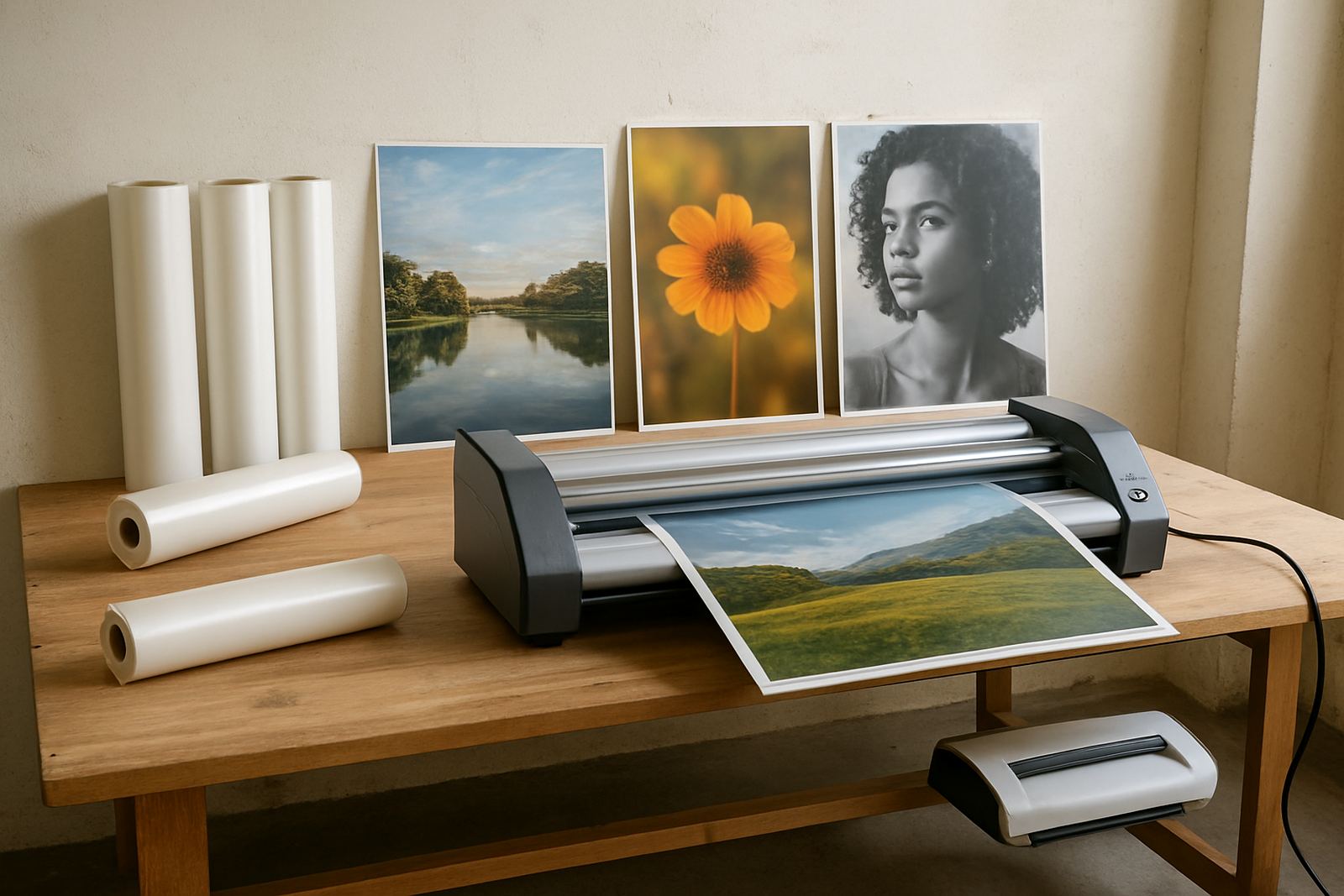
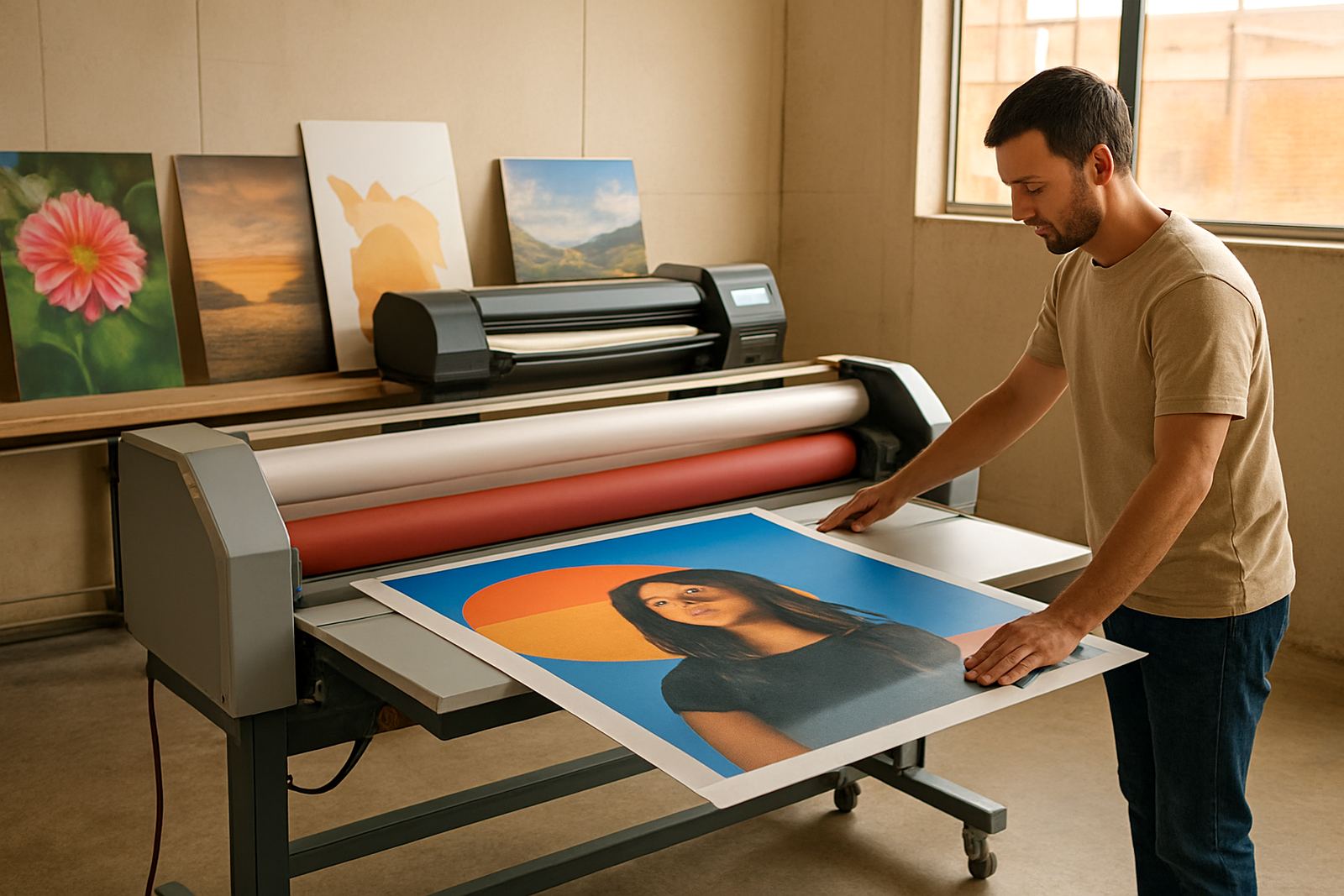
Our recent installs cover print shops, graphic studios, sign businesses, schools, artists and in-house production rooms that need dependable finishing. Some clients want a wide-format roll laminator for posters, menus and display work, while others need a smaller unit for controlled batch jobs and artwork protection.
Across Johannesburg, Pretoria, the East Rand and coastal areas like Durban and Gqeberha, the project brief often changes with the environment. Coastal humidity can affect film handling and storage, while inland heat and dust can influence maintenance schedules and roller cleaning.
- Print shops finishing short runs and repeat work.
- Graphic designers producing presentation boards and mounted output.
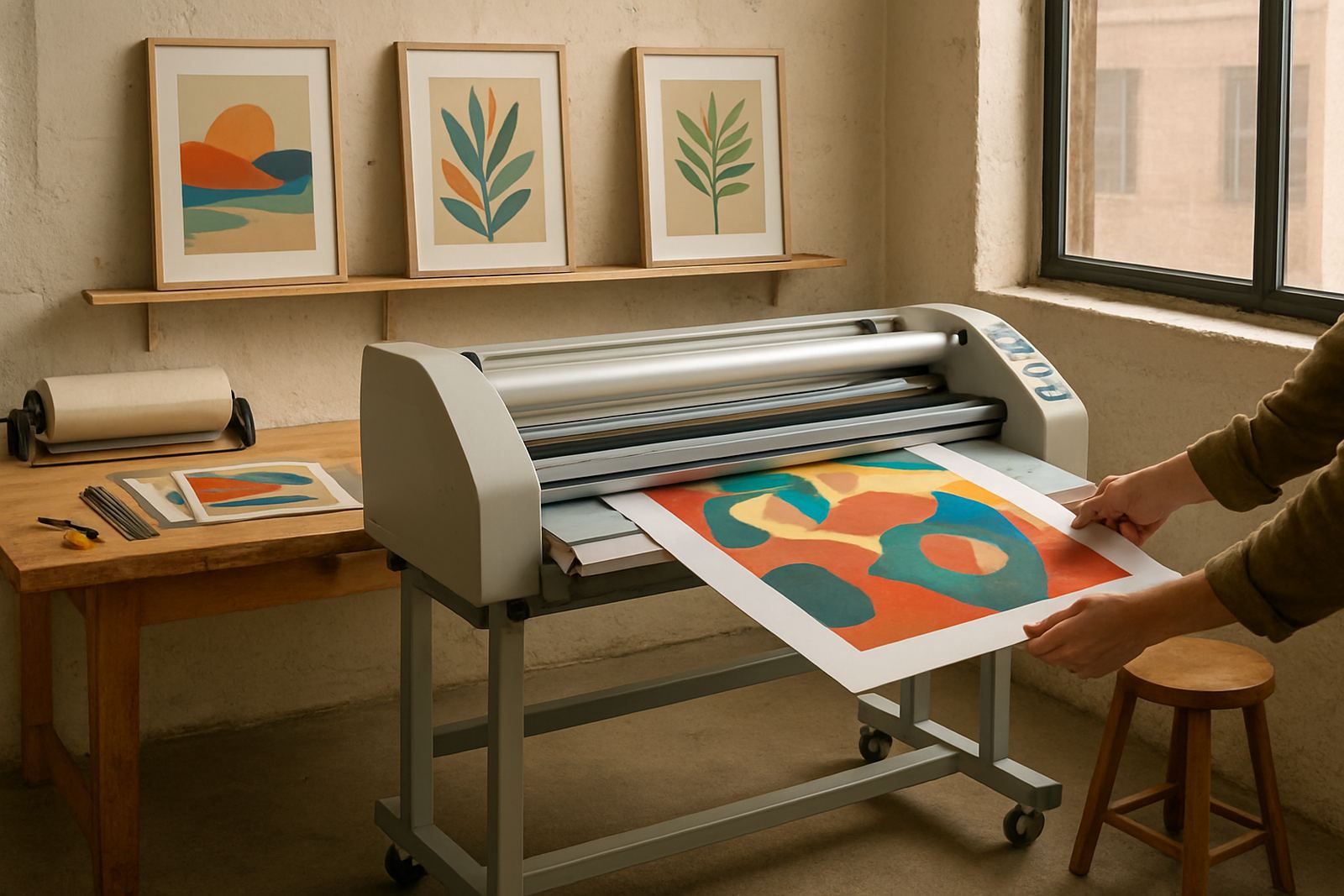
- Artists protecting prints, drawings and exhibition pieces.
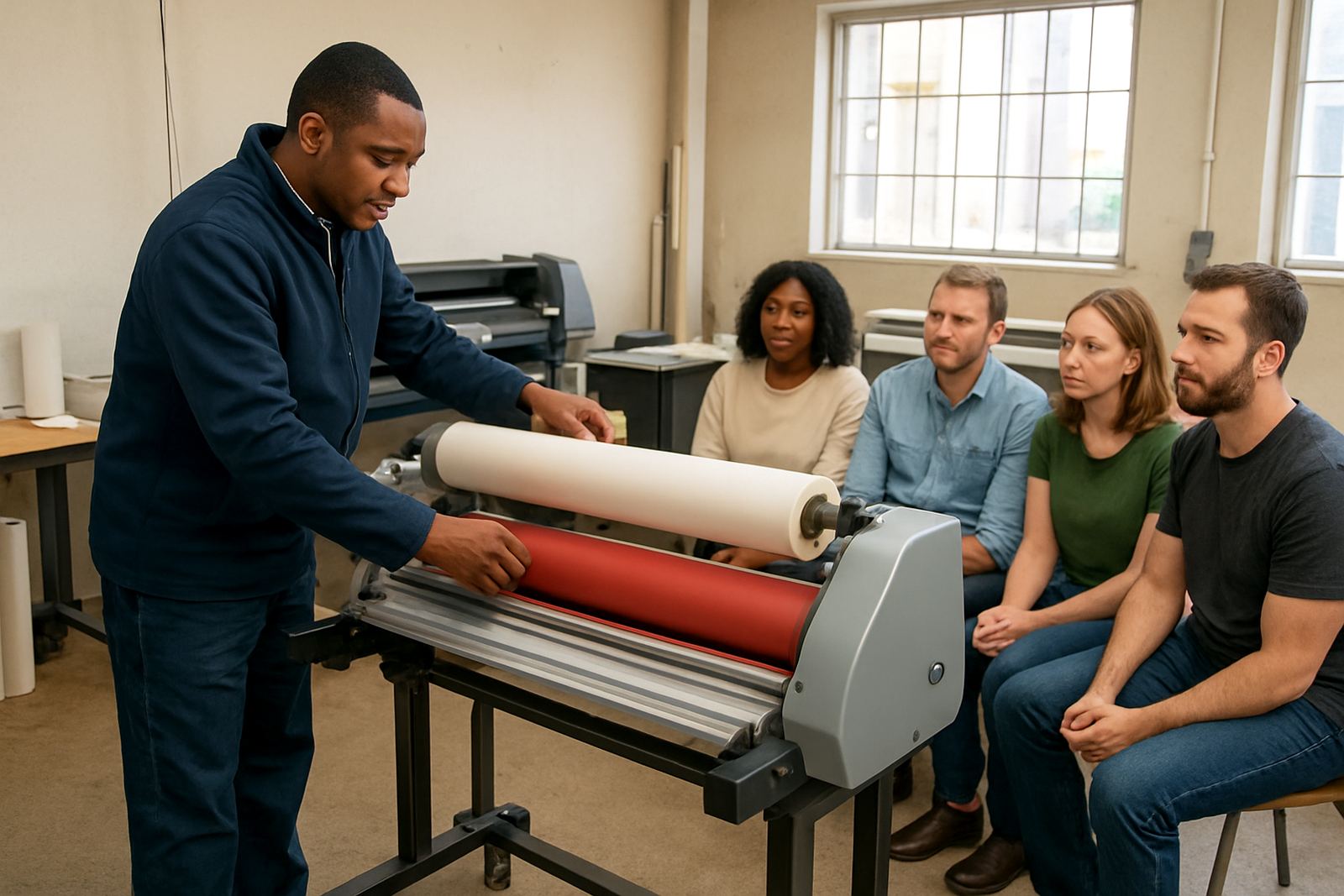
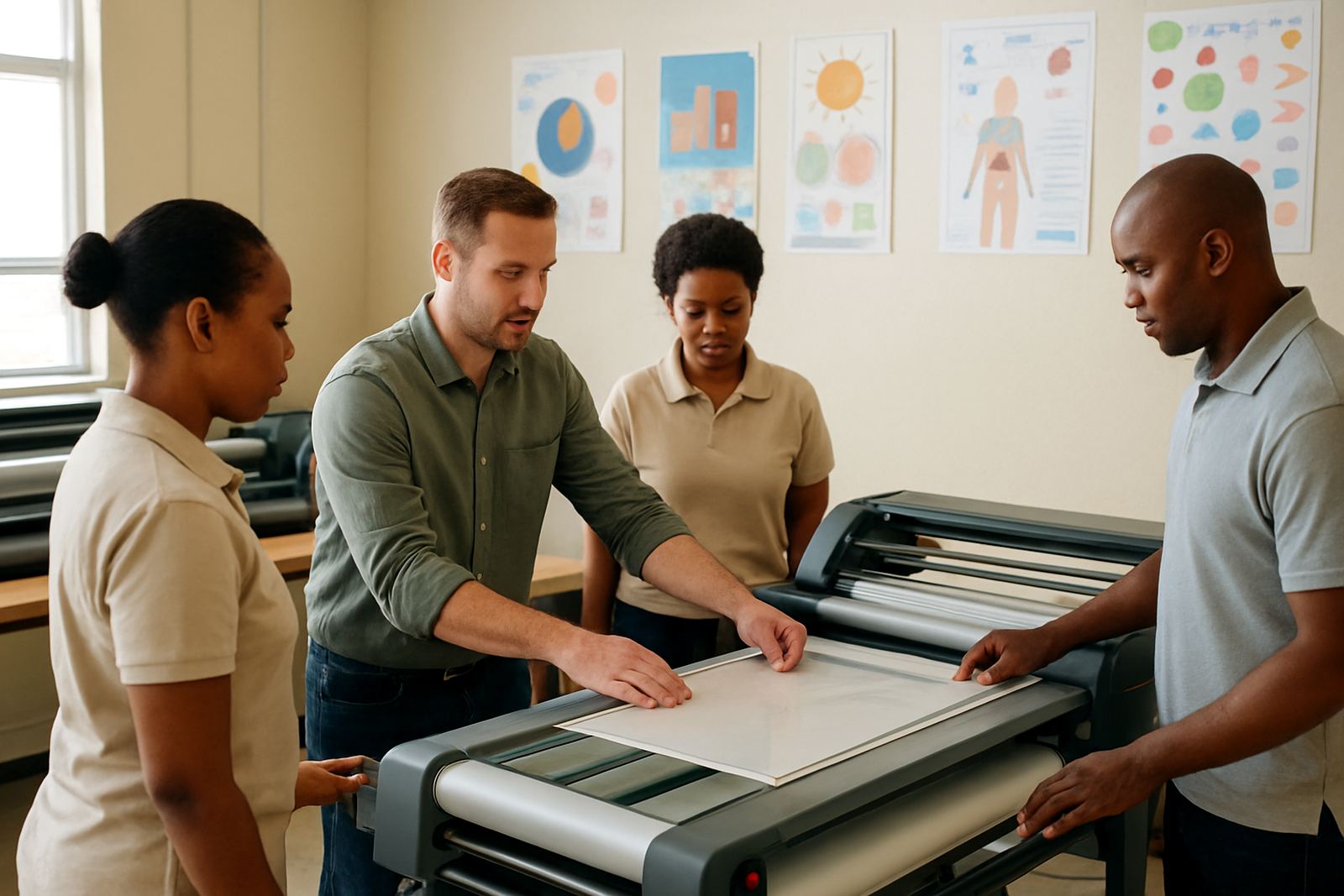
- Schools and training centres laminating notices, charts and teaching material.
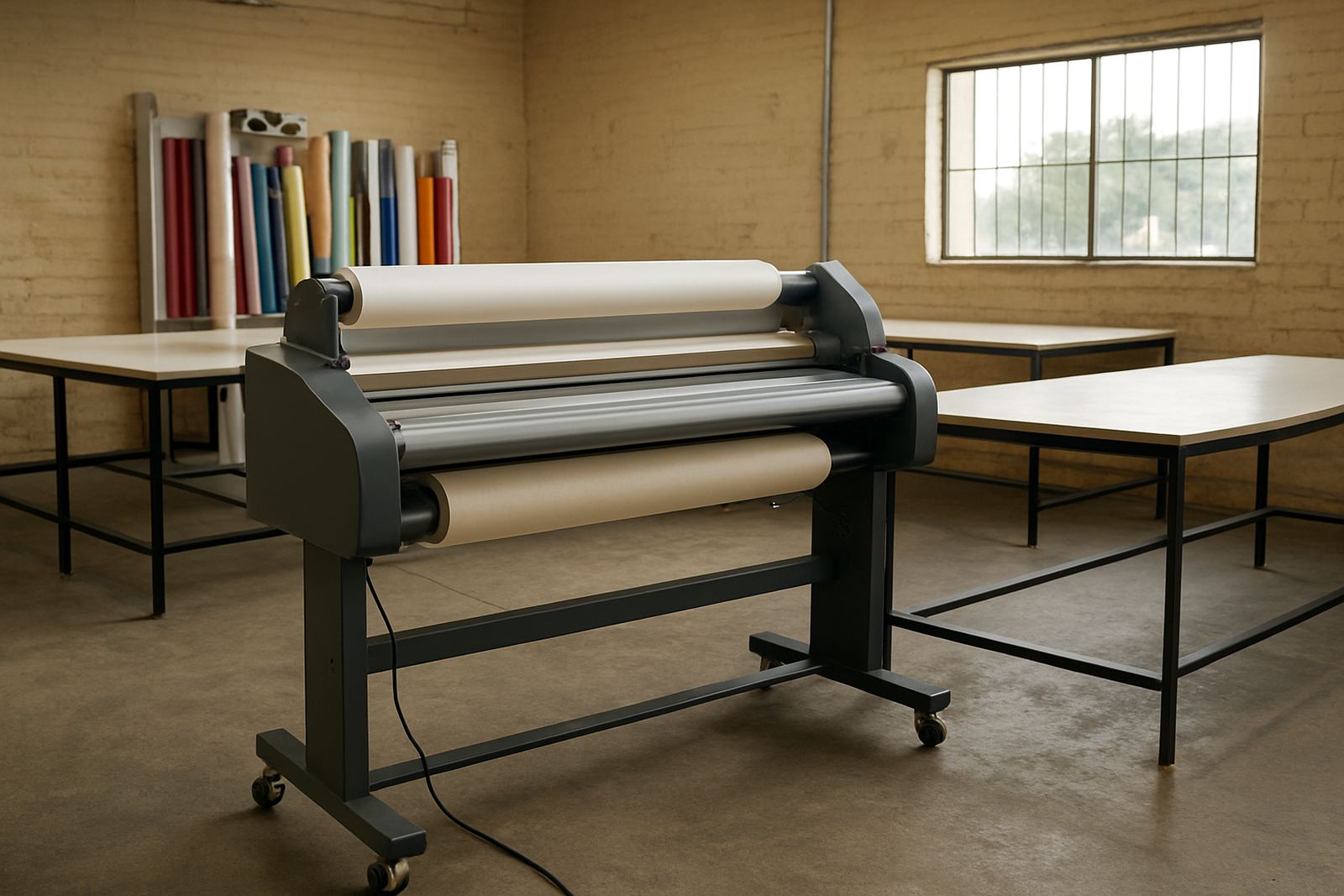
- Sign and display teams handling wide-format graphics.
Typical machine choices seen on recent jobs
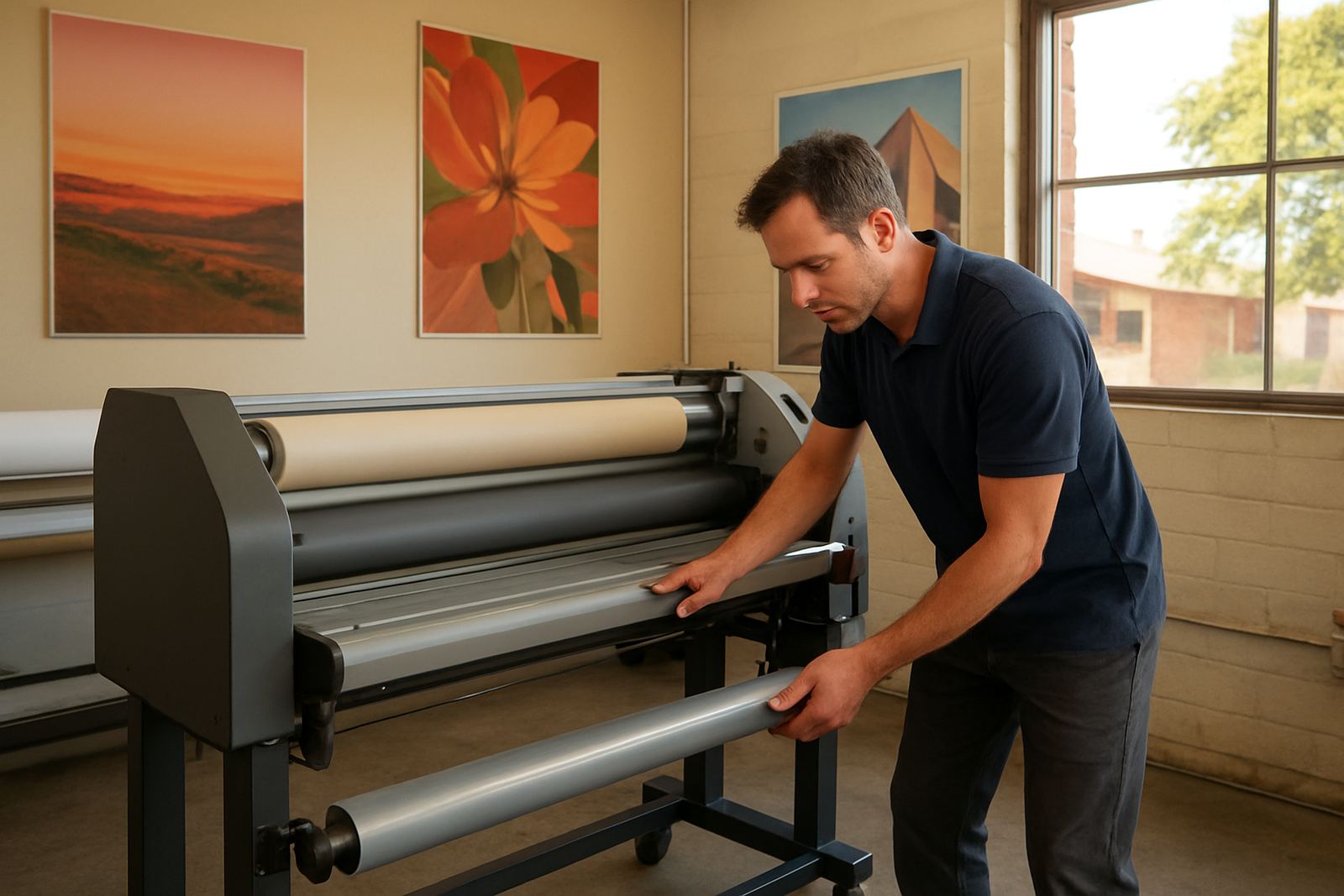
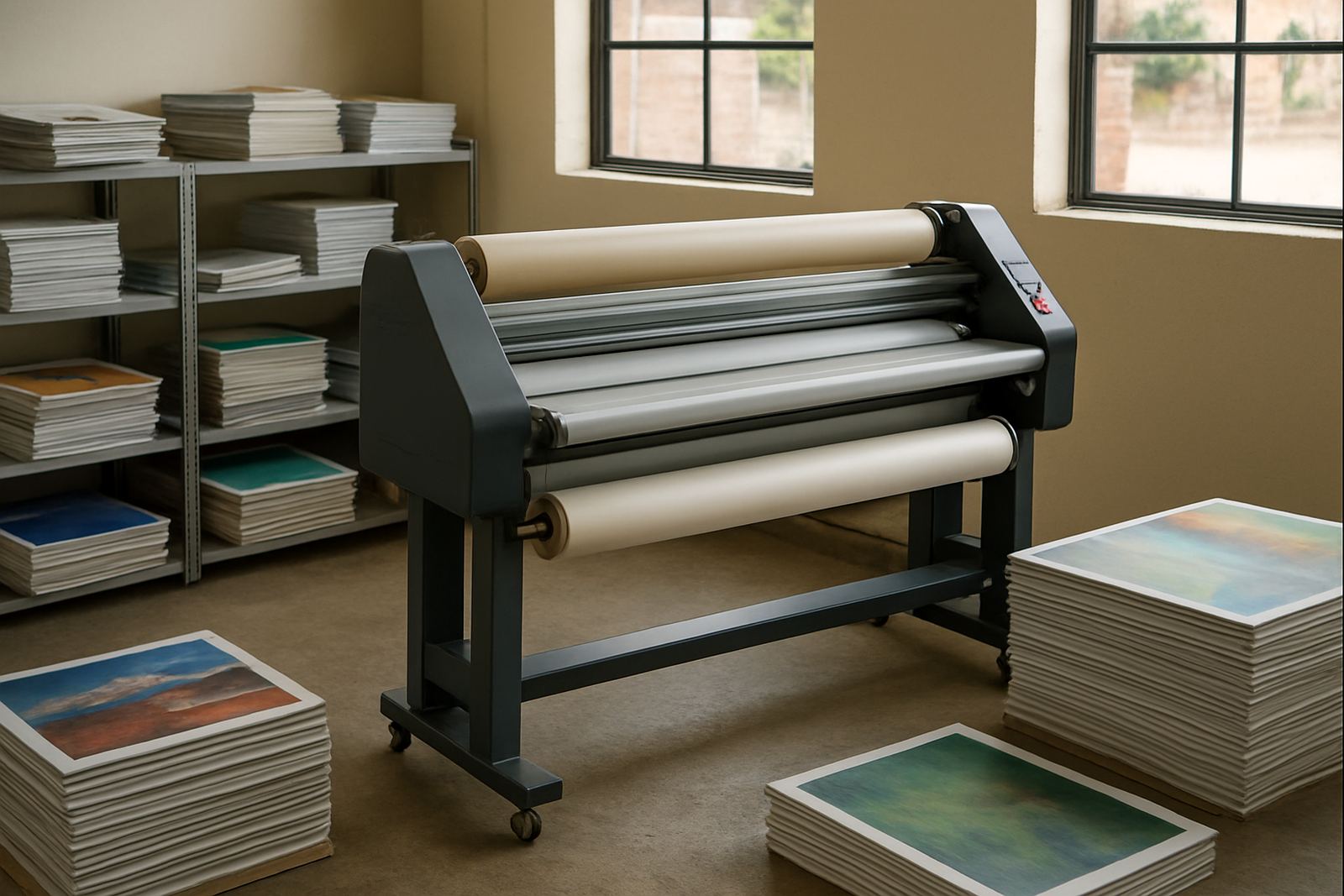
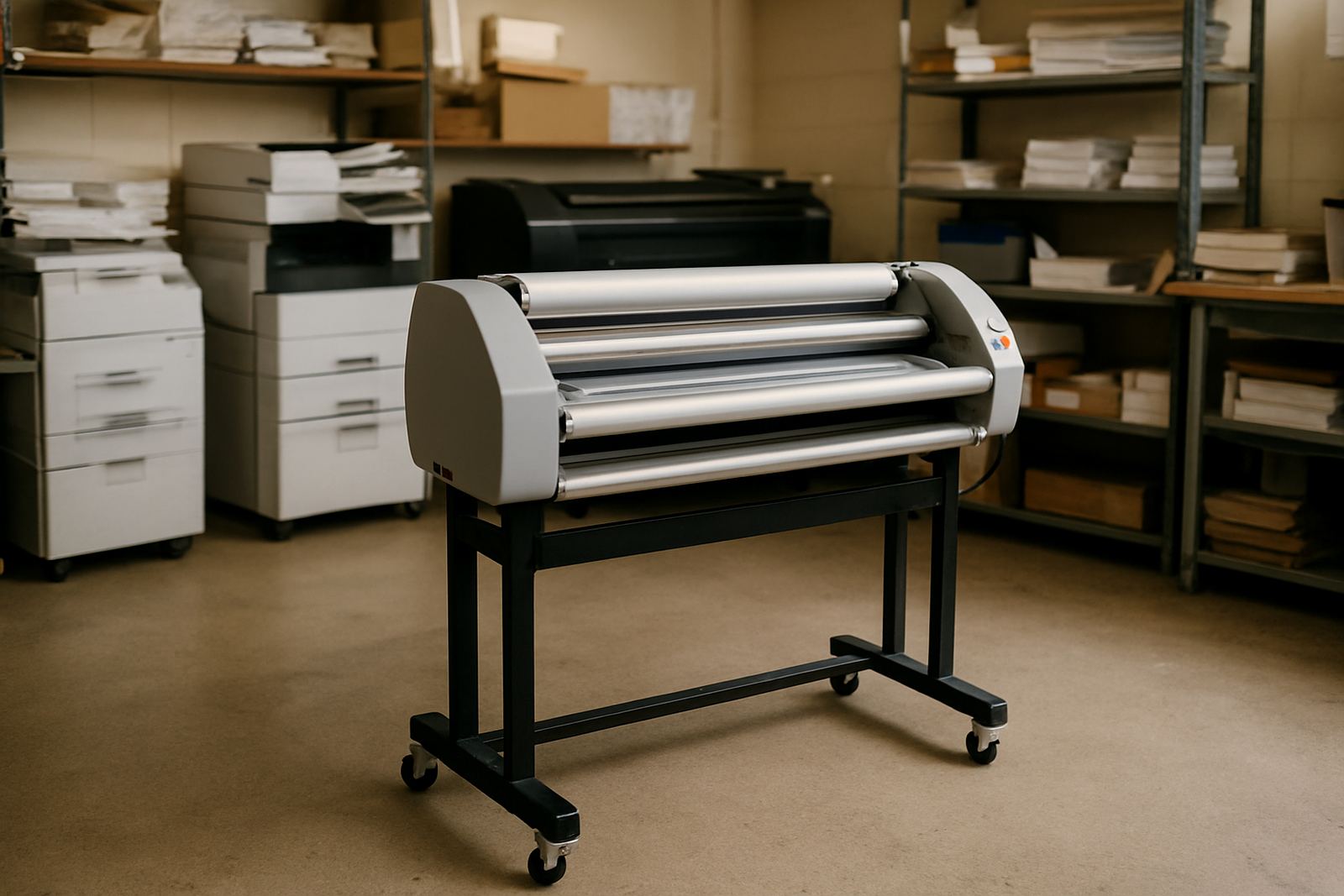
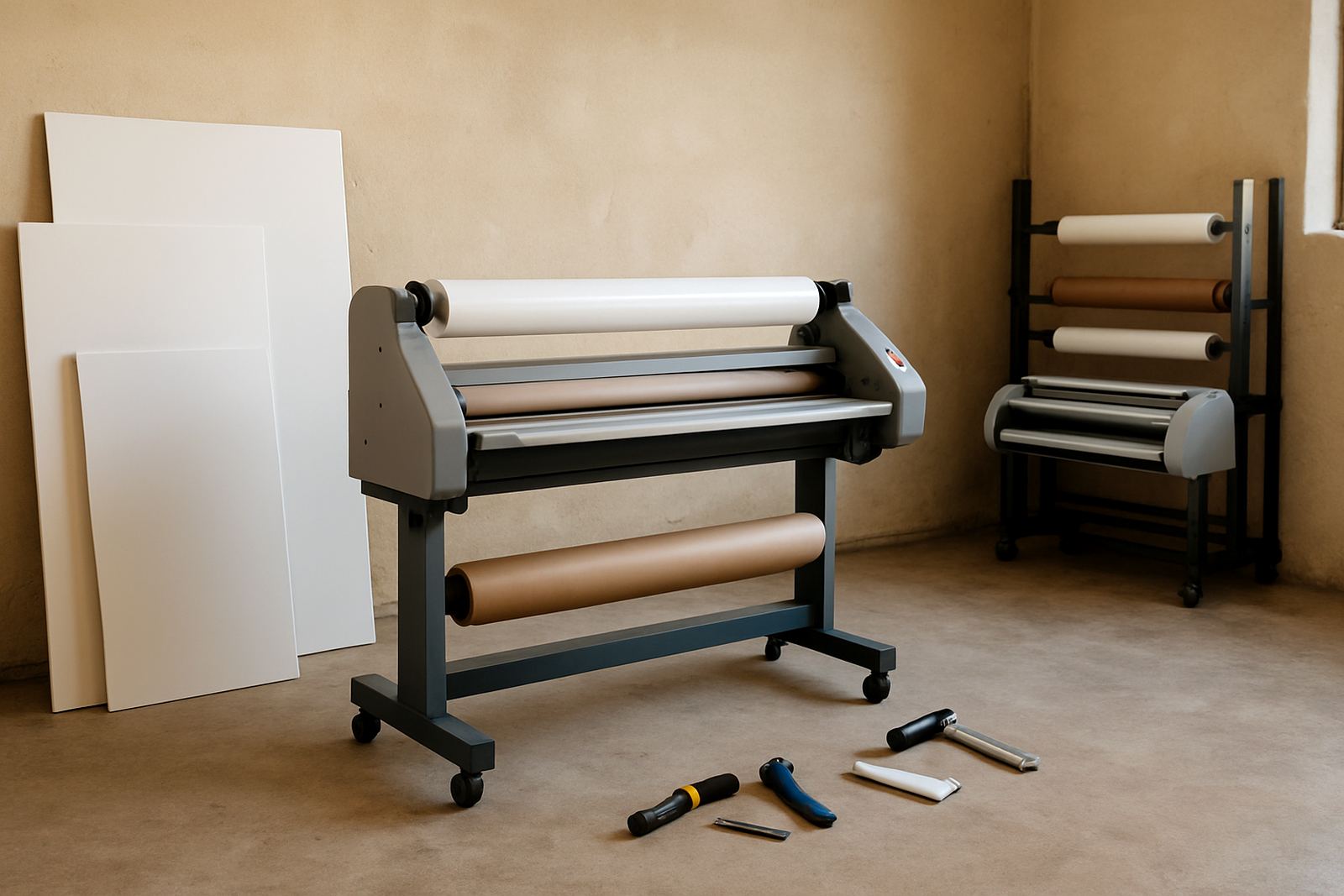
Recent installations have included cold roll laminators for pressure-sensitive films, hot roll laminators for jobs that need added heat and surface bonding, and larger wide-format machines for sign and display production. The right choice depends on your media, your finish requirement and how often the machine will run through the day.
We also look at feed accuracy, roller width, heat system performance and maintenance access before recommending a unit. If a business in Midrand or Sandton is running mixed artwork and print jobs, the setup may need more flexibility than a single-purpose machine, especially when turnaround times are tight.
For some customers, pre-purchase inspections have helped avoid buying equipment with worn rollers, weak drive systems or unreliable heat control. That saves time later and gives a clearer idea of future servicing needs.
Support after installation
Getting the laminator on site is only the start of the work. Once a machine is on site, our team can assist with routine servicing, roller cleaning, pressure calibration, heat system checks, drive system repairs and electrical fault finding. We also support on-site breakdowns where production cannot stop for long.
This is especially useful for busy businesses in Randburg, Kya Sand and Pretoria that need quick turnaround on maintenance. Our installation and service work is planned around real production conditions, including power interruptions, staff handovers and shared workshop spaces.
- Spare parts support for day to day wear items.
- Operator refresher training for new staff or changed workflows.
- Pressure calibration after roller replacement or service.
- Heat and drive checks for machines working under heavy load.
What to look for in a completed project
When you open a recent install page, compare the machine width, the business type and the type of output shown. A good match is not only about size, it is about whether the unit can handle the film, board or print stock you actually use every week. Look at access space too, especially if the machine is going into a narrow store room or an upper floor production area.
If you are based in a municipal area with strict safety checks or shared premises, think about operator training and electrical loading before the unit arrives. In some cases, a cleaner power supply, better extraction or a simple layout change can make the difference between a machine that performs well and one that keeps slowing the team down.
Nationwide installs from Kya Sand
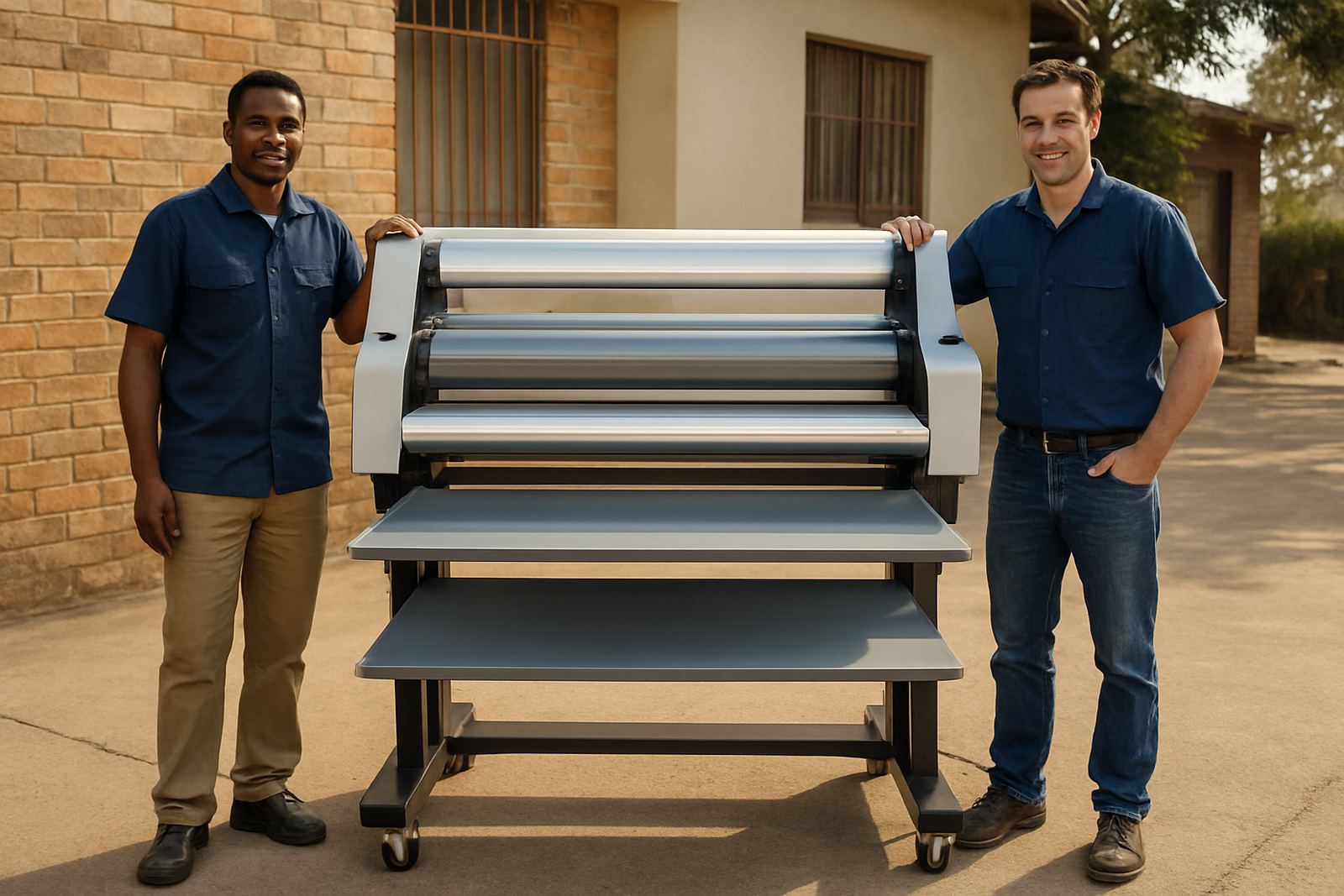
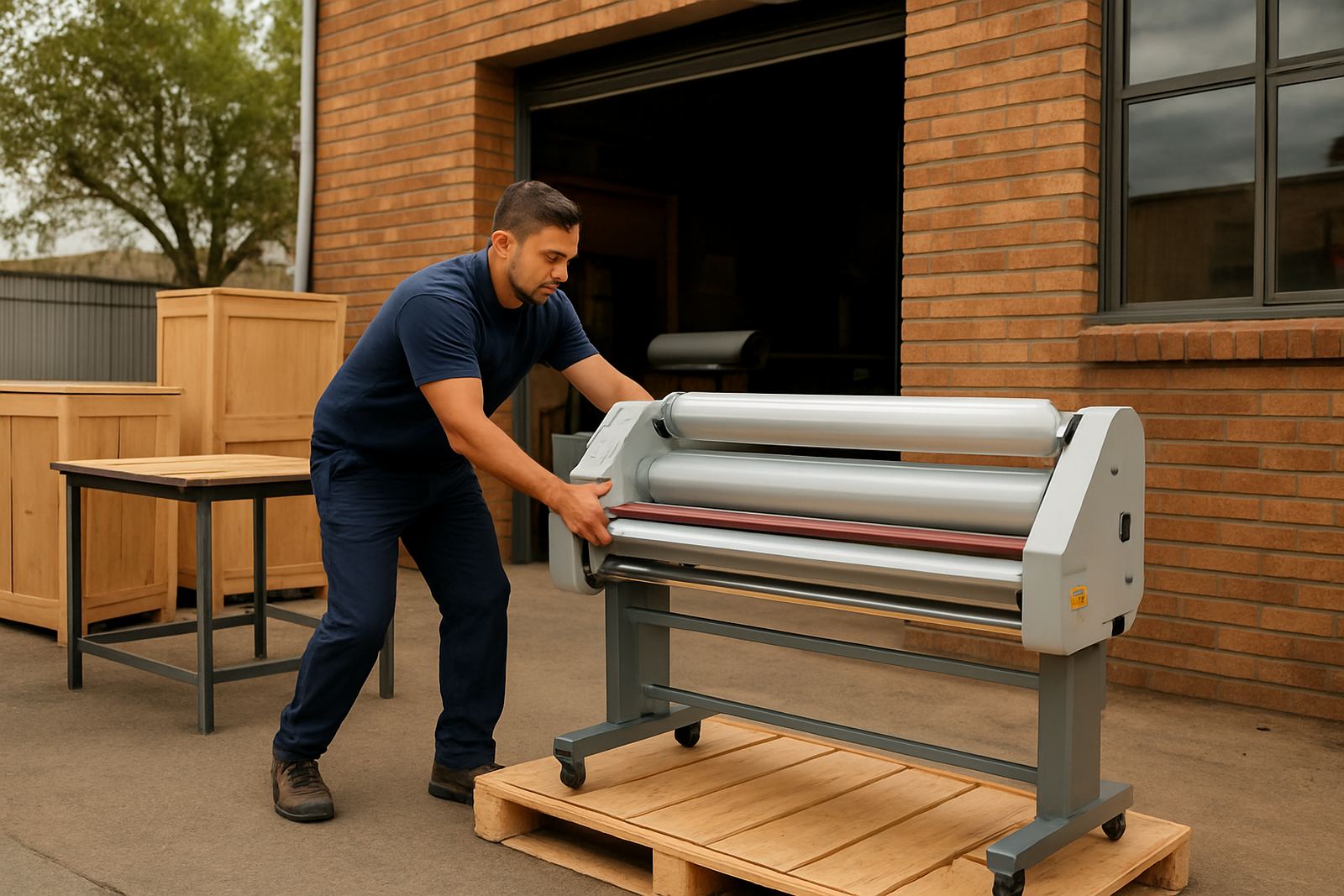
Laminator operates from Kya Sand, Johannesburg and installs nationwide, with regular support across Randburg, Sandton, Midrand, Pretoria and the East Rand. The same practical approach is used on local jobs and out of town projects, with clear planning around delivery, access and handover.
If you are comparing options, use these recent installs as a guide to what similar businesses are running now. Then speak to our team about your width, volume, film type and service needs so we can help you choose a laminator that fits the way you work, not just the way it looks on paper.