What the Durban team needed
The client was a busy design and print studio in Durban working on retail displays, school material, event graphics and short-run artwork finishing. Their old laminating setup was slowing down output, and they wanted cleaner edges, better pressure control, and a steadier result on long runs. Coastal moisture was also affecting consistency, especially on larger prints that sat for a few hours before finishing.
The brief was straightforward: supply a machine that could handle wide-format work, support both cold and hot roll laminating, and cope with daily use in a warm, humid workshop. They also asked for practical training for the staff who would be loading film, checking tension and handling sheets after finishing. Power interruptions were part of the normal day in Durban, so the setup had to be simple to restart after load-shedding and not need constant fiddling.
Site conditions and constraints
The workshop had limited floor space, shared finishing benches and regular movement between print, cutting and packing areas. That meant the machine needed a sensible footprint and enough clearance for wide boards without blocking the path to other stations. The team also wanted fast turnaround, because several jobs a day were collected for same-day delivery across Durban and nearby areas.
- Coastal humidity causing curl on printed material
- Mixed jobs ranging from posters to mounted presentation boards
- Regular load-shedding and short power returns
- Need for operator training that would stick, not just a handover sheet
We also checked the available power feed and made sure the installation worked within the shop's existing electrical layout. On a coastal site, little things matter, like keeping the rollers clean and making sure the room is not too hot before a long run. That helps stop edge lift and reduces wrinkling on tougher stocks.
What we supplied and installed
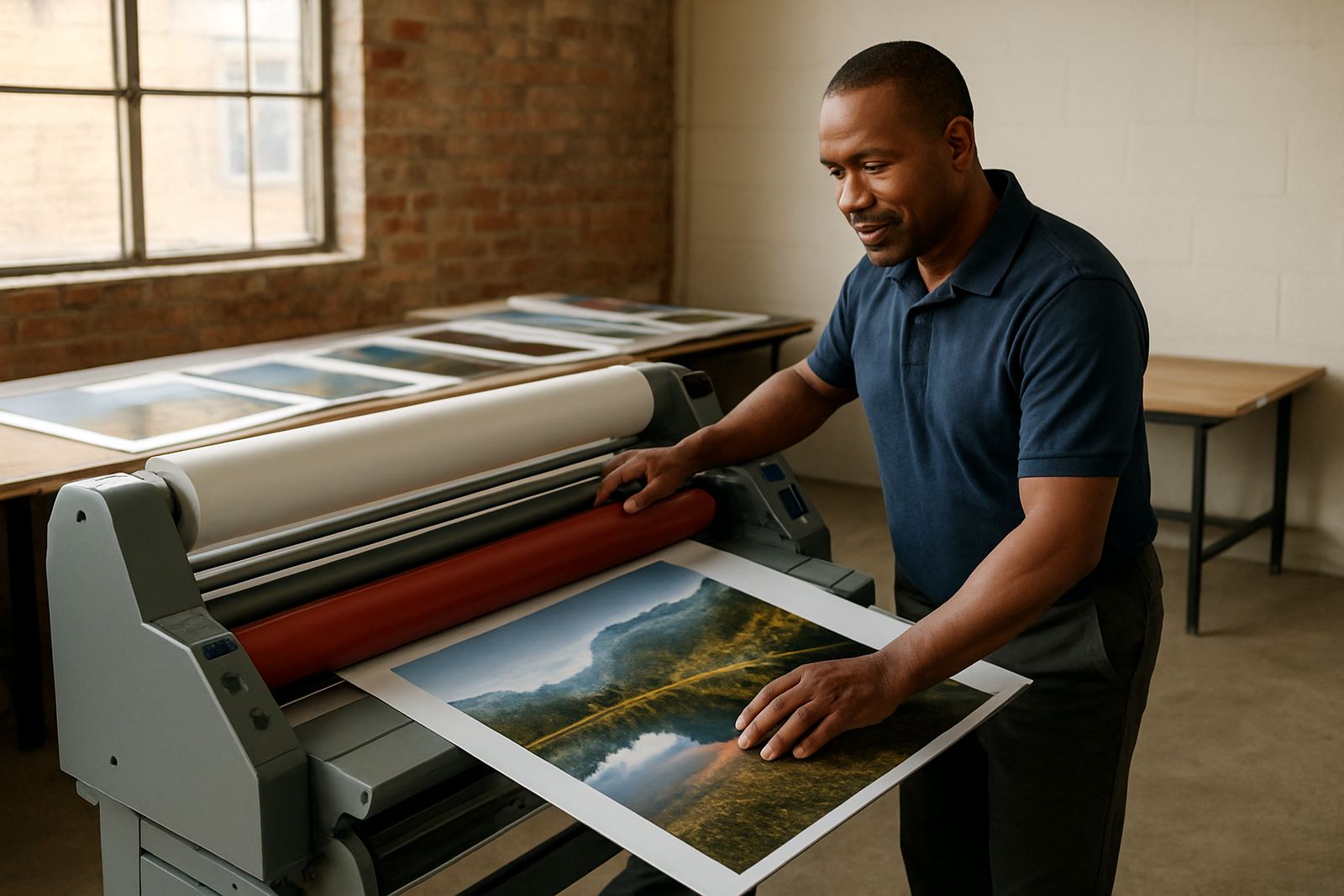
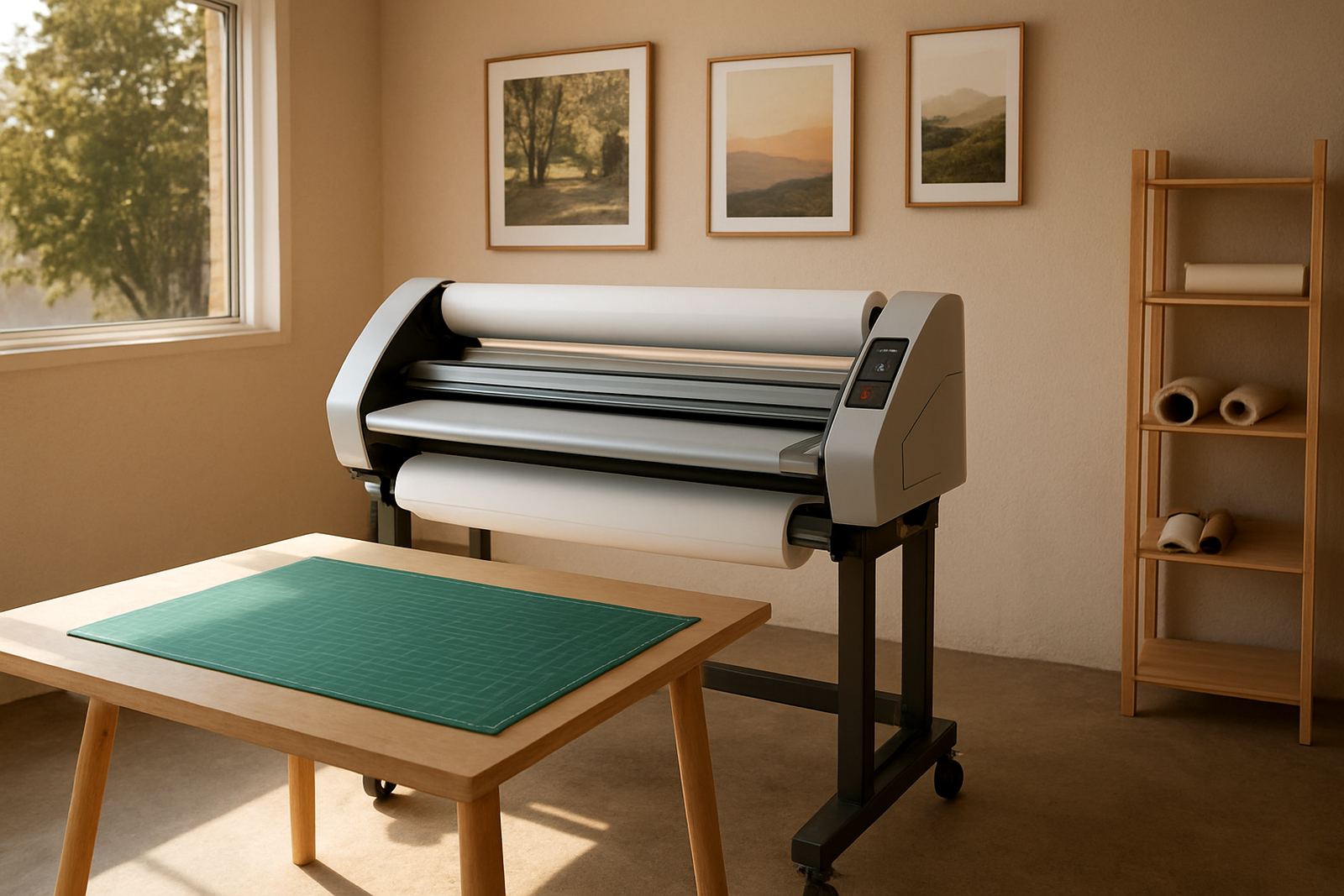
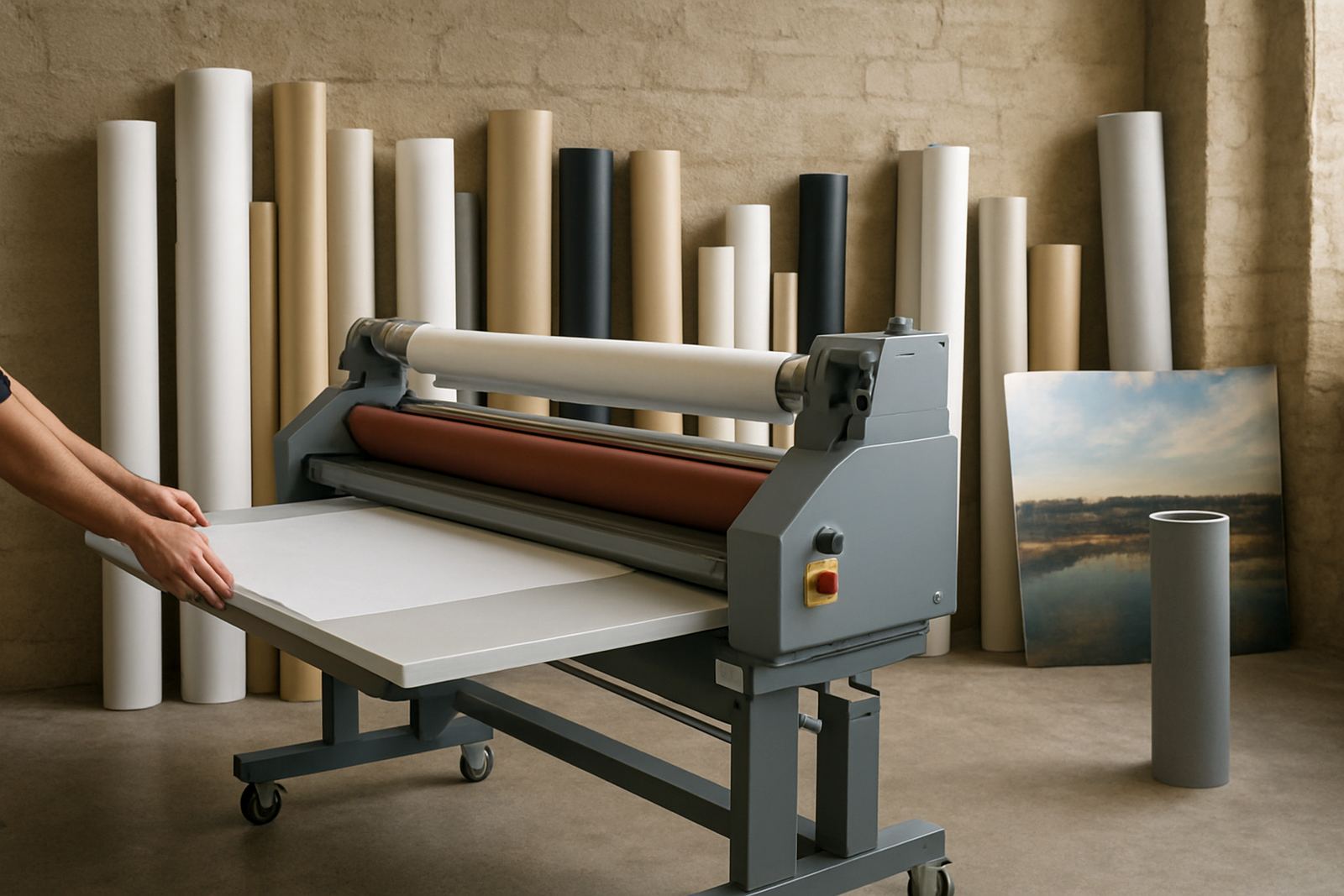
We supplied a wide-format roll laminator set up for both cold and hot work, chosen for presentation finishing, protective film application and artwork display use. The unit was commissioned on site, aligned, tested and prepared for the team’s common sheet sizes. We also checked roller pressure, heating response and drive consistency before sign-off.
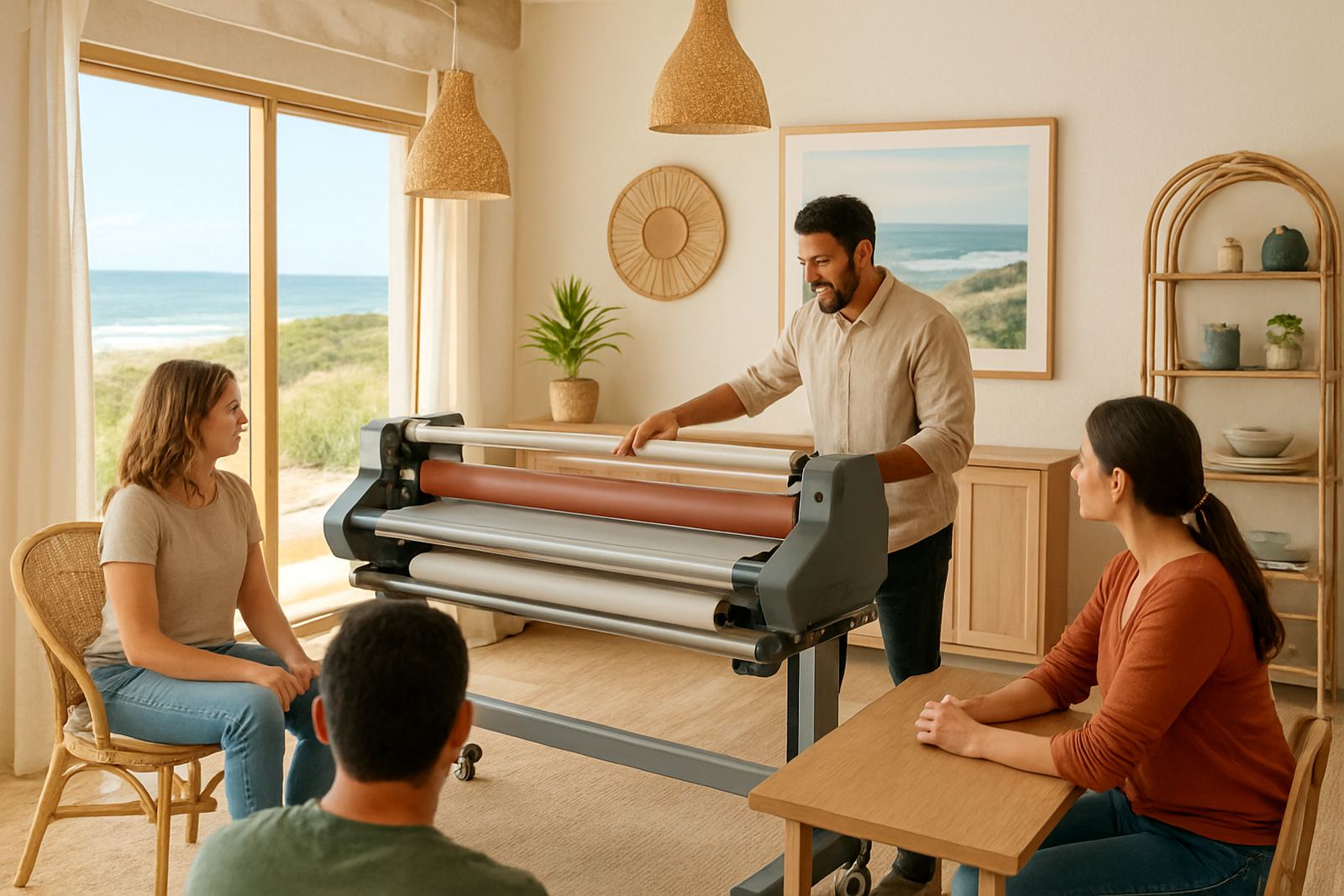
The install included a practical run-through on loading film, setting feed speed, checking temperature where needed, and keeping tension even on larger pieces. The team wanted a machine that would not waste film on test pieces, so we spent time on setup with real jobs, not just sample scraps. That made a clear difference by the end of the first day.
- Wide-format roll laminator for cold and hot applications
- On-site alignment and operational testing
- Pressure calibration and roller inspection
- Operator refresher training for everyday use
- Basic fault response guidance for restart after outages
Project timeline and installation flow
The project ran over two weeks from first site assessment to handover. In week one, we confirmed the job mix, space available and finishing priorities. In week two, we completed delivery, installation, machine checks and training. The client wanted minimal interruption to live work, so the machine was brought in after peak collection time and set up with the least possible downtime.
Because the team was already working on active orders, we staged the handover in a way that let them keep going while learning the new setup. We first covered the common jobs, then moved on to the more awkward pieces such as larger display sheets and prints with uneven margins. That kept confidence up and avoided confusion when the queue started building again.
Results on display and presentation work
By the end of the first week after handover, the studio was producing cleaner, flatter finishes with less rework. The laminator held pressure evenly across wider pieces, which helped with consistent edge adhesion and a neater final look. The team also reported less time spent correcting bubbles and uneven feed on repeat jobs.
The bigger benefit was control. Staff could now match the laminating method to the job rather than forcing every piece through the same process. For presentation boards, that meant better clarity and a tidier edge. For artwork and display prints, it meant the surface finish looked more even and handled better during delivery and installation.
- Cleaner finish on presentation boards and display prints
- Less waste from incorrect feed or poor pressure setup
- Quicker turnaround on repeat jobs
- Better handling in humid coastal conditions
A practical install method for Durban
We would do the same thing again: assess the real job mix, check the room conditions, install the machine properly and train the people who use it every day. That approach works well in Durban because humidity, power interruptions and fast turnaround all affect finishing quality. A machine alone is not enough if the operator is left guessing on film loading or temperature control.
The other thing we would repeat is using live jobs during training. It gives the team confidence quicker and shows where small adjustments are needed before the first busy week becomes a problem. The client left with a practical setup and support contact details, so they knew who to call if a roller, heater or drive issue came up later.
Key facts
| Project location | Durban, KwaZulu-Natal |
|---|---|
| Client type | Print and presentation finishing studio |
| Machine type | Wide-format roll laminator |
| Application | Cold and hot roll laminating |
| Install timeline | 2 weeks |
| Support included | Training, setup checks and operating guidance |