
What the Roodepoort studio needed
The studio works on client presentations, layout proofs and short-run display boards, so the laminator had to be easy to run, neat on finish and small enough to fit into a busy production area. Their team was handling mixed print sizes through the day, from A3 and A2 proofs to larger presentation boards, and they wanted one machine that could manage that work without slowing the room down.
The brief was practical. They needed a machine that would give a clean finish on prints, protect artwork during handling, and cut down on reprints caused by scuffing or fingerprints. The studio also asked for something that would be straightforward for more than one operator to use, with clear temperature control, stable roller pressure and a setup that would suit daily work rather than occasional use. In Roodepoort, where teams often work with short turnaround times and limited floor space, that matters quite a bit.
- Type of work: presentation boards, proofs and short-run artwork finishing
- Typical use: daily studio production with frequent job changeovers
- Main need: compact footprint with steady pressure and consistent heat
- Priority: simple operation for multiple users, no fuss
Why the installation site needed careful planning
The production area had limited table space and the laminator needed to sit where operators could feed boards comfortably without blocking other finishing work. We also had to take load-shedding into account, because the studio could not afford repeated warm-up delays or sudden power interruptions during busy periods. For that reason, we checked the electrical point, the available surface, and the route for moving the unit into position before delivery day.
Roodepoort can also bring dust into working spaces, especially in print and design areas near loading access doors. That meant we paid attention to roller cleanliness, storage of consumables and a sensible shutdown routine so the machine would hold up well over time. The client wanted a tidy result, not just a machine dropped off at the door. So we planned the install to avoid extra movement in the studio and to leave the equipment ready for use straight after handover.
- Space check completed before delivery
- Power point and start-up requirements confirmed
- Operator access planned for both left and right handed feeding
- Shutdown and cleaning routine explained on site
The laminator we supplied
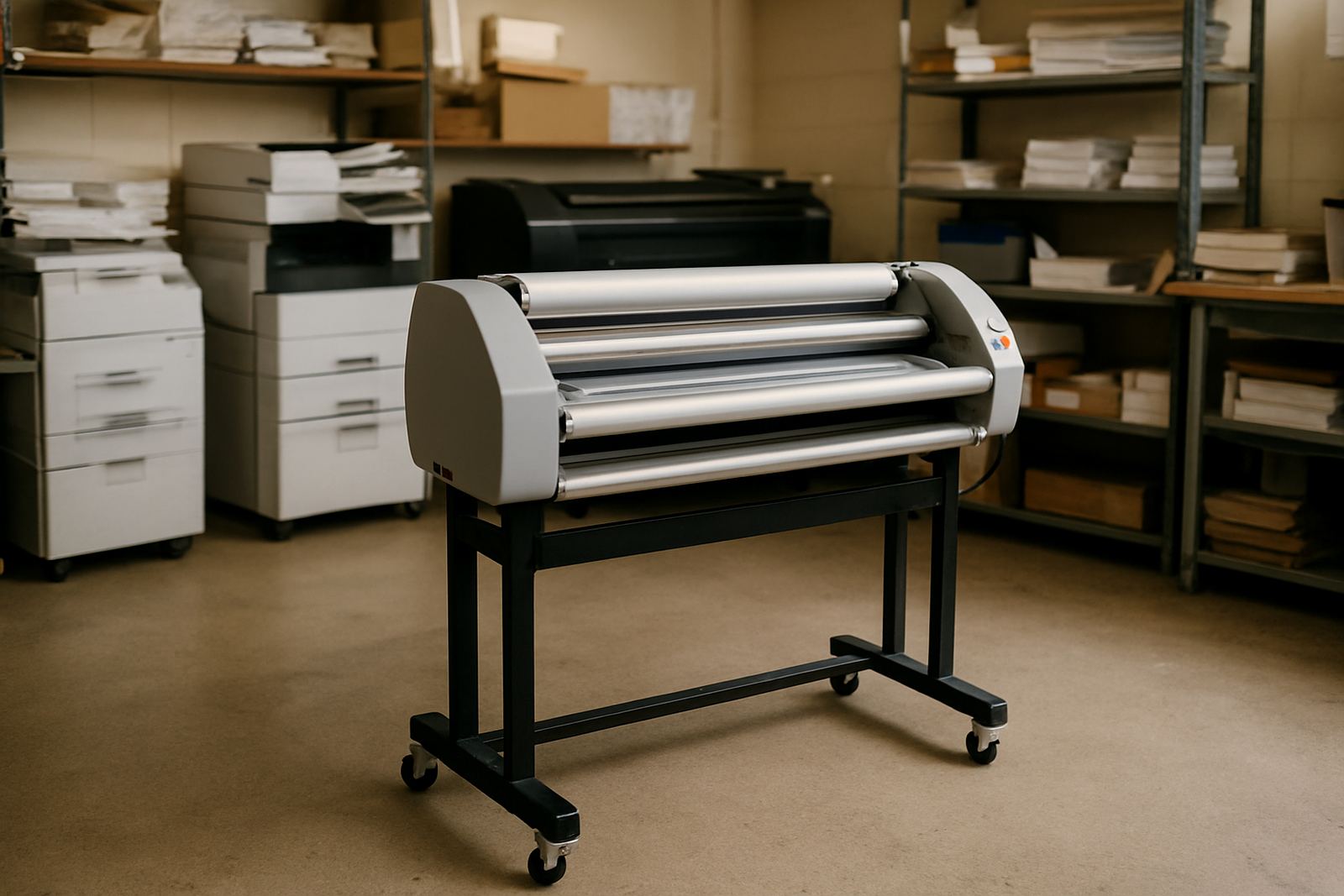
We supplied a compact wide-format cold and hot roll laminator suited to studio presentation work. The machine accepts up to 650 mm media width, which makes it practical for A2 boards and smaller layouts, while still giving enough working width for many common design jobs. It uses adjustable roller pressure and digital heat control, so the team can match the setting to the print stock and film being used.
The unit is fitted with forward and reverse operation for better control during setup and correction, plus a foot control for smoother feeding on larger boards. Roller speed is steady rather than aggressive, which helps when handling delicate proofs or mounted artwork. For a studio environment, that slower controlled approach is often better than a machine that tries to move too fast and creates marks along the edge. It is a simple setup, but it does the job properly.
- Working width: up to 650 mm
- Operation: cold and hot roll capability
- Controls: digital temperature setting and adjustable pressure
- Handling: forward/reverse control with foot switch support
Install, setup and handover in 2 weeks
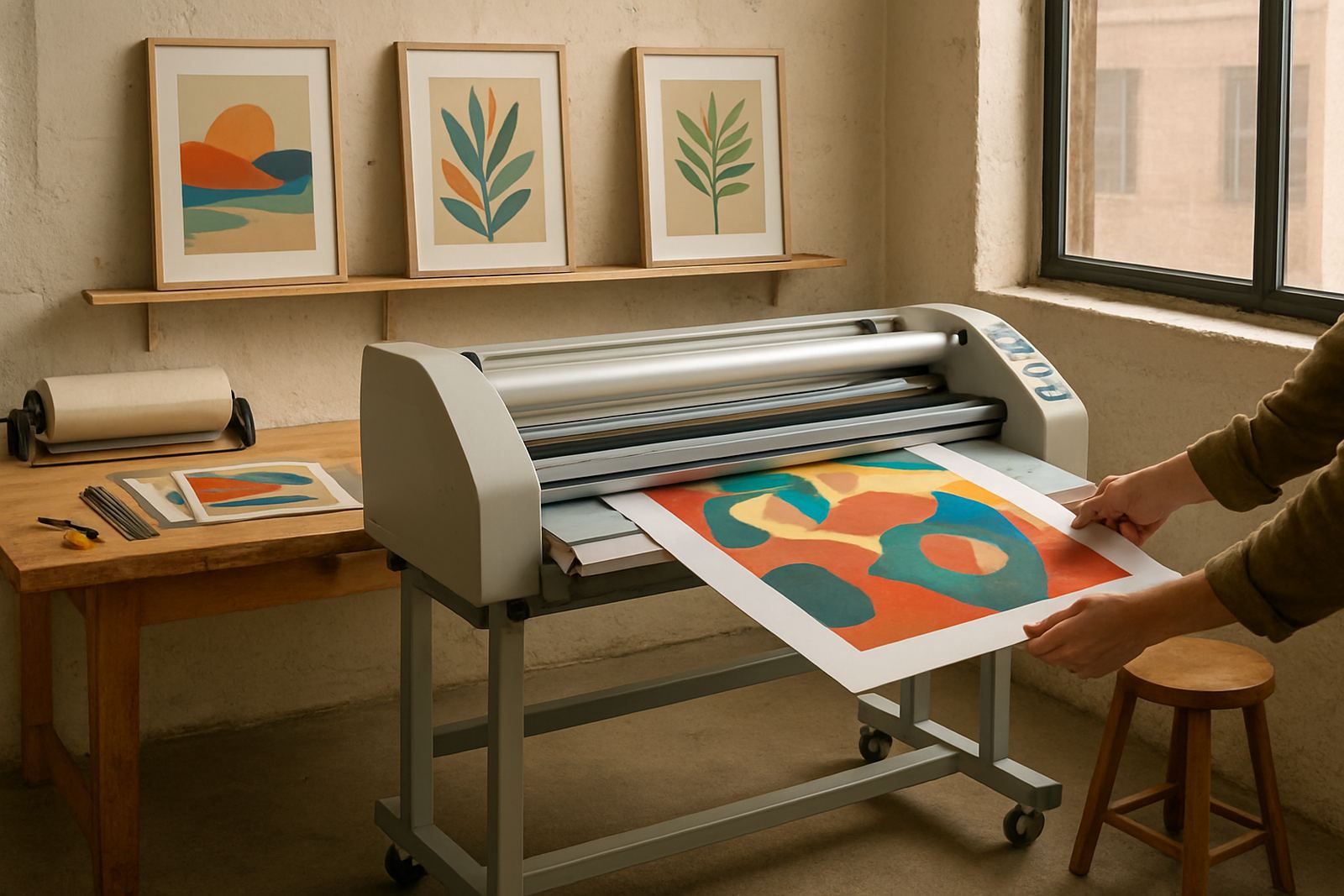
Once the order was confirmed, we scheduled the delivery and setup within 2 weeks. The machine was positioned, levelled and tested on site, then we ran a series of sample sheets through it using the studio’s own print stock. That gave the team a proper feel for heat, pressure and feed speed on the type of work they actually produce, not just on test material.
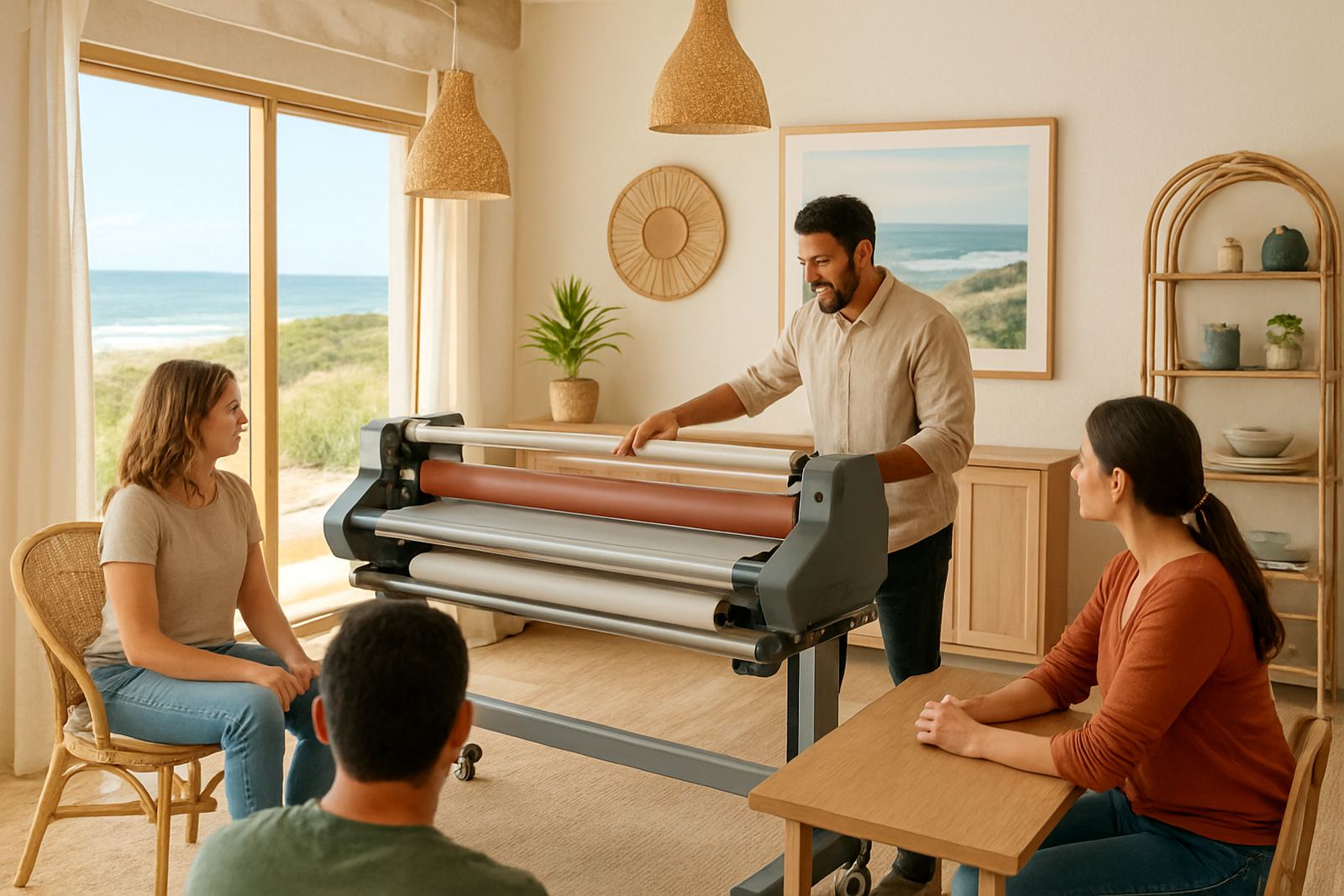
We also checked the roller alignment and made small adjustments to suit the studio's preferred workflow. Where needed, we explained how to prevent edge curl and how to avoid trapping dust under film on lighter papers. The handover included a walk through of startup, shut down, cleaning and safe film loading. There was no long wait, and the staff were able to use the unit the same day.
- Delivery and commissioning completed in 2 weeks
- On-site testing done with the client’s own boards and proofs
- Settings adjusted for common studio paper weights
- Training covered loading, pressure, heat and cleaning
The result for the design team
The studio now has a reliable finishing unit for presentation boards and proofs, which makes it easier to send work out looking sharp and consistent. The team reported quicker turnaround on client review packs, and less handling damage before jobs leave the studio. That is a real benefit when a board is going between designer, account manager and client over the course of a day.
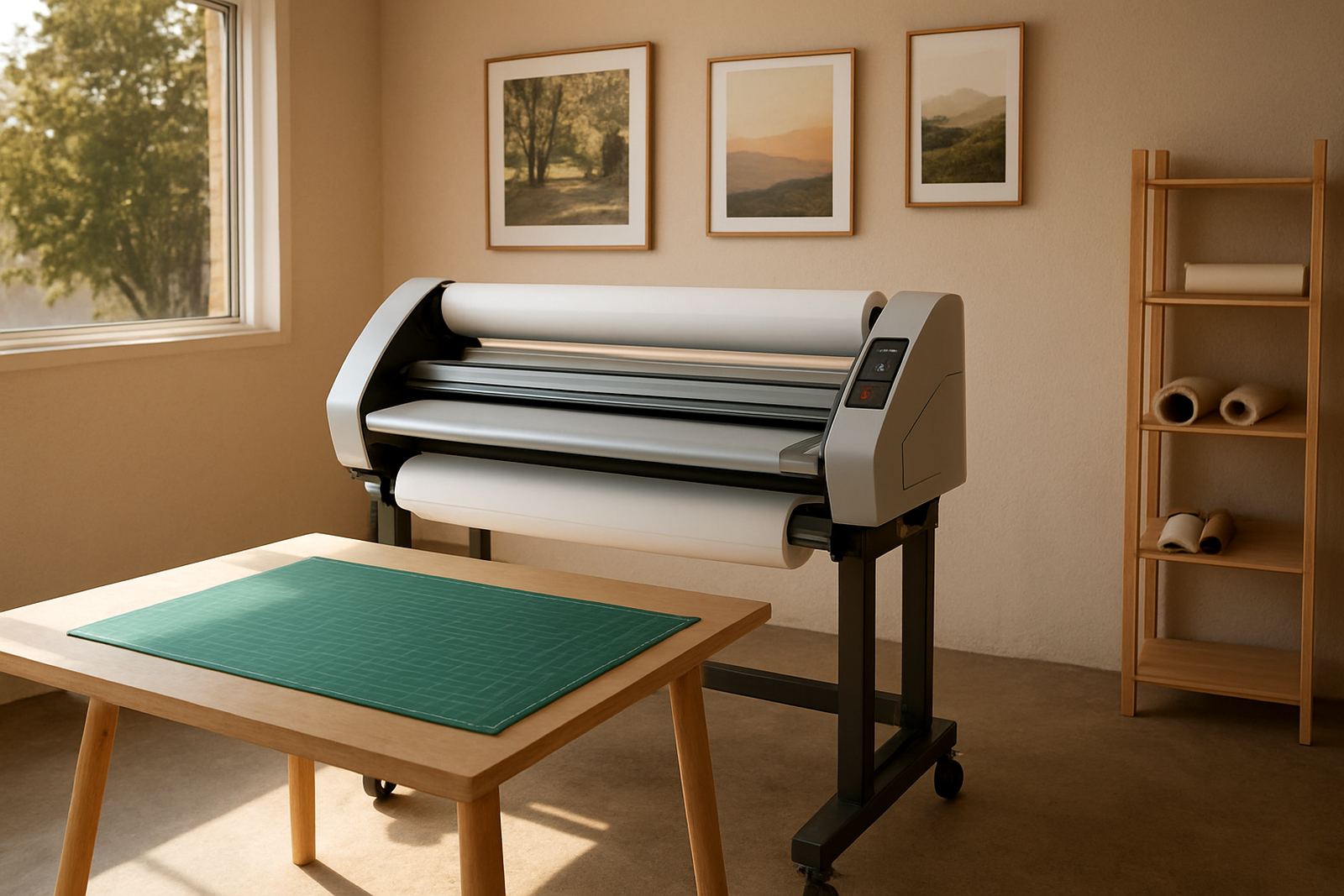
They also found that the compact footprint helped keep the room organised. The laminator sits in a production-friendly spot without crowding cutters, trimming tables or print storage. For a busy studio, that kind of layout matters because it keeps people moving and reduces the small delays that build up across a week. It may sound minor, but it saves time every day.
- Cleaner presentation boards for client meetings
- Less rework from handling marks and corner lift
- Better workflow in a tight production space
- More confidence when producing proof packs under deadline
What we would repeat on the next Roodepoort project
For a studio like this, we would follow the same approach again. First, confirm the working width from the actual board sizes being used. Second, check the available floor and bench space before delivery. Third, test the machine with the client’s own print stock during commissioning. That sequence keeps surprises down and makes sure the machine fits the job rather than forcing the job to fit the machine.
We would also keep the handover short but thorough, with one person from the studio taking notes on temperature settings, pressure preferences and cleaning intervals. In our experience, that is what helps a team keep the laminator running properly after the first week, especially when different people are using it. If the machine is maintained and used correctly, it will keep giving the same finish day after day.
- Confirm media size before choosing the unit
- Test with real print samples on site
- Keep one simple cleaning routine for all operators
- Plan around load-shedding and power recovery times
Key facts
| Client type | Design studio in Roodepoort |
|---|---|
| Project scope | Supply, installation and handover |
| Machine type | Compact wide-format cold and hot roll laminator |
| Working width | Up to 650 mm |
| Timeline | 2 weeks from order to commissioning |
| Primary use | Presentation boards, proofs and short-run artwork finishing |