
What The Studio Needed In Benoni
The client was an art studio in Benoni handling limited edition prints, exhibition work, and presentation pieces for local buyers and galleries in Gauteng. Their main requirement was simple: consistent lamination that would protect artwork without flattening detail, marking the surface, or slowing production when orders came in back to back.
The studio also wanted a unit that could cope with mixed media sizes, from smaller print runs to wider presentation pieces. Because the workshop runs in a busy part of the East Rand, the machine had to be easy to use by more than one operator and reliable enough for day to day work, even when power supply was not ideal.
The Brief And Site Constraints
The brief focused on protection, presentation, and speed. The studio had been sending some work out for finishing, which added cost and turned small jobs into a longer process. They wanted in house control over the final finish, especially for exhibition deadlines where a miss by even a day can throw the whole schedule out.
- Space was tight, so the unit had to fit into a compact prep area.
- The studio works with coated papers, photo prints, and fine art reproductions.
- Consistency mattered more than sheer volume, with careful attention to rollers and heat control.
- Load-shedding meant the machine needed a sensible warm-up and shutdown routine.
- Benoni humidity after summer storms can affect stored prints and finished pieces, so surface protection was part of the brief.
There was also a practical issue around operator training. The team wanted a machine that could be used confidently without constant supervision, with clear temperature settings and feed control. A small mistake on a valuable print is expensive, so the setup needed to be straightforward, not fiddly.
What We Supplied And Set Up
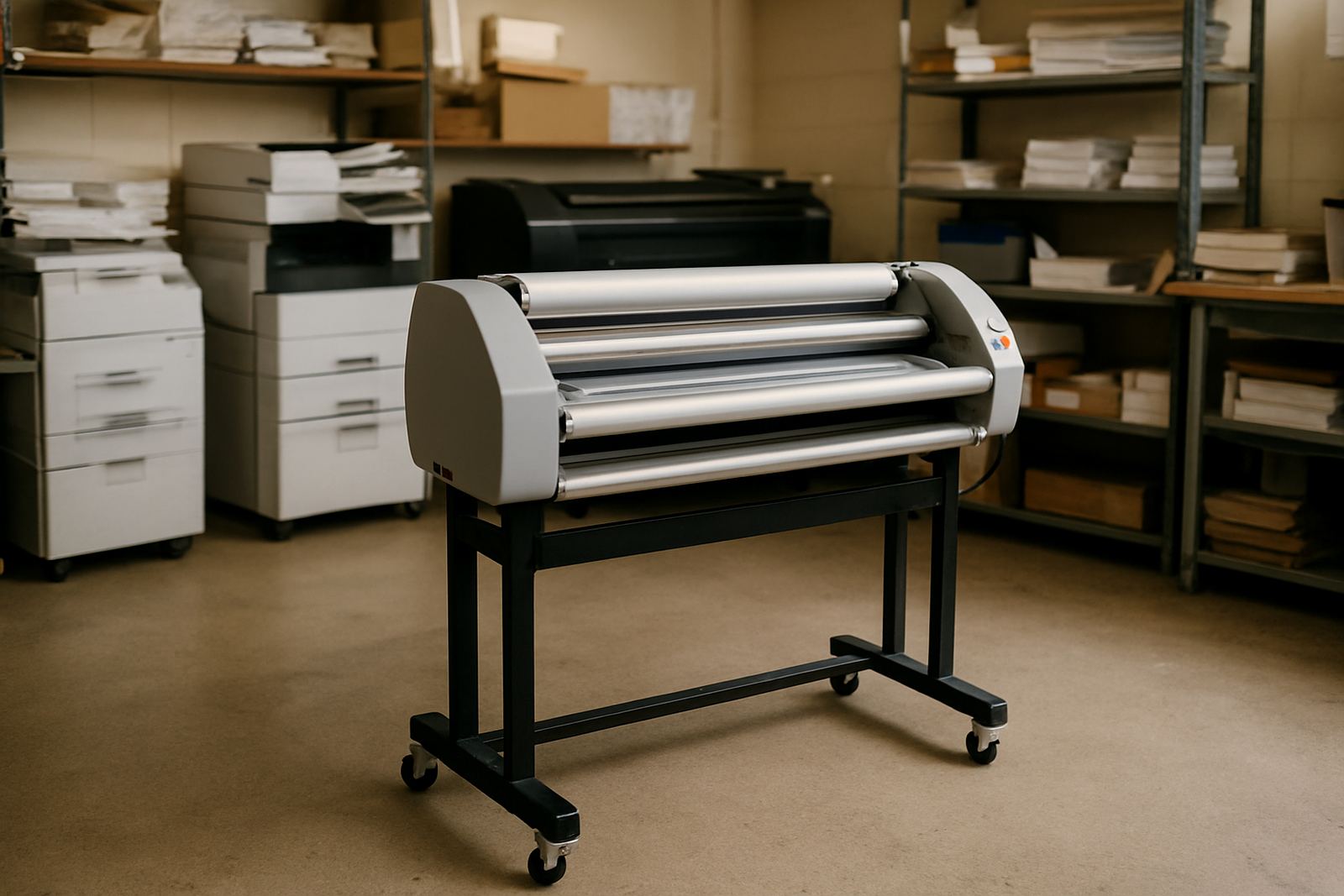
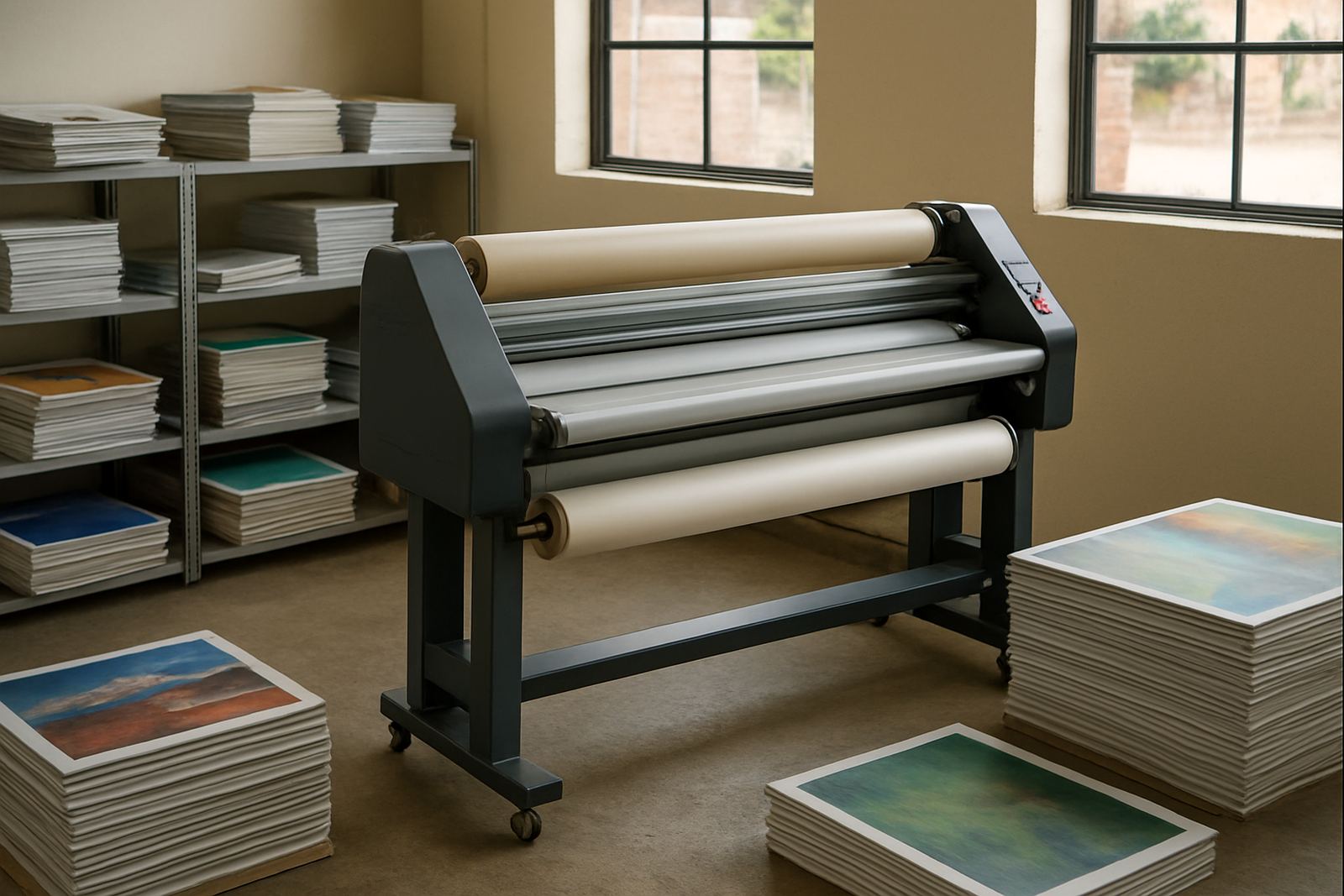
We supplied a wide-format cold and hot roll laminator suited to studio finishing, print protection, and gallery preparation. The unit was configured for stable feed, even pressure, and clean edge control. It was installed with practical working clearances so rolls could be loaded safely and finished pieces could be handled without scuffing.
The key specification points for the project were a wide-format feed path, adjustable roller pressure, variable heat settings for compatible materials, and reliable drive control for consistent movement across longer sheets. We also checked the electrical supply, confirmed safe start-up steps, and explained how to manage warm-up after a power interruption. That saved the team a lot of guesswork, and a few early setup errors too.
- Wide-format roll laminator for art prints and presentation work
- Cold and hot application options for different media types
- Adjustable pressure for flat, even finishes
- Temperature control for compatible film and material combinations
- Safe operator loading for single and paired roll work
- Suitable for studio use in Benoni, with support available from our Johannesburg base
Installation Timeline And Handover
The project ran over two weeks from first site discussion to handover. In week one we confirmed the studio’s workflow, measured the available space, and checked the type of prints they handle most often. That helped us match the machine to their actual use instead of guessing from a brochure spec sheet.
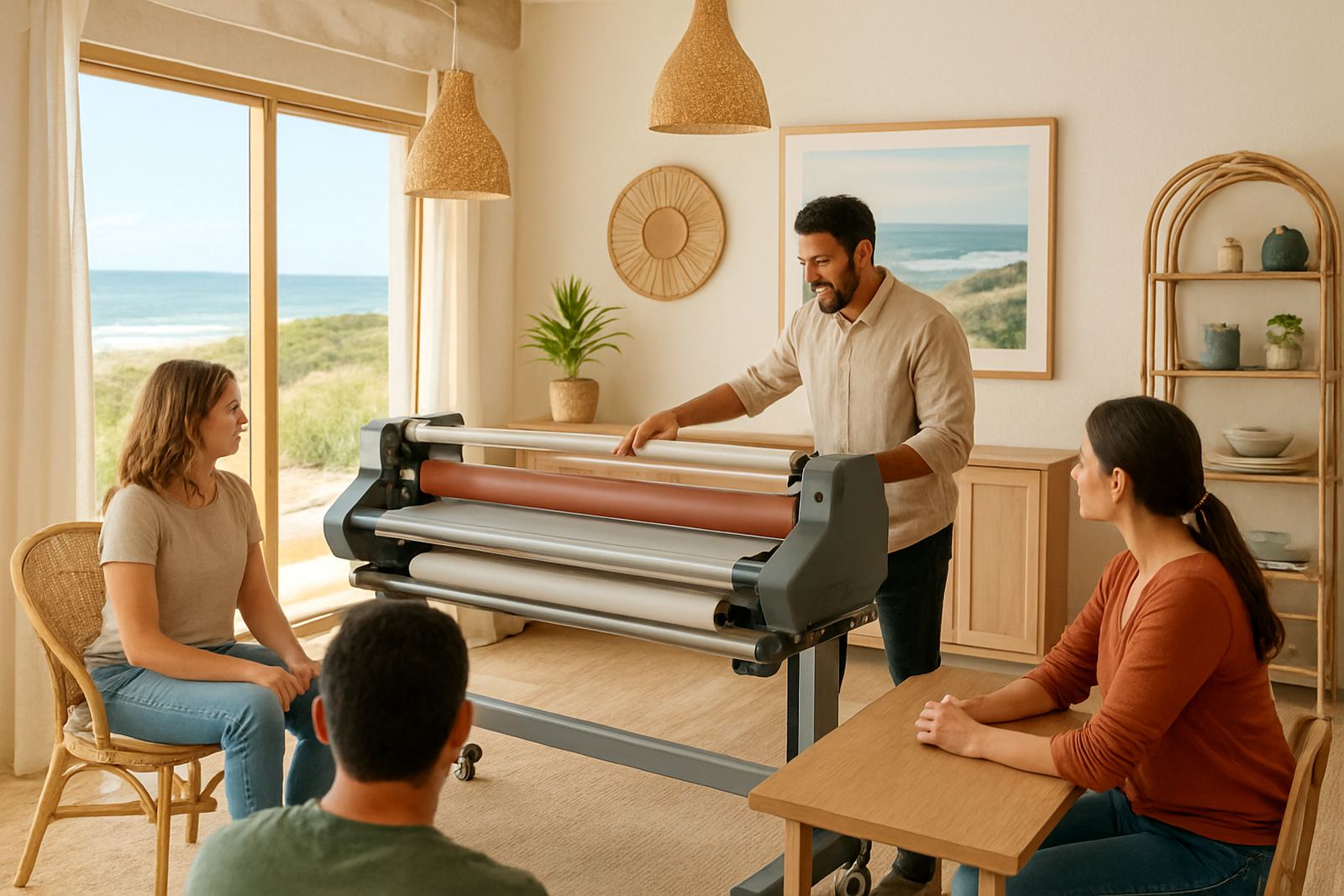
In week two we completed delivery, placed the unit, tested the roller action, and ran sample sheets through with the team on site. We also went through pressure calibration, feed alignment, and basic maintenance points such as roller cleaning and pre-start checks. The handover was quick but thorough, and the staff were able to start using the laminator on the same day.
The installation went smoothly because the studio had a clear prep area ready and the power point was already positioned sensibly. We still checked load-shedding procedures and showed the operators how to recover the unit after an interruption. Small things like that save time later, especially when the pressure is on before an exhibition opening.
Results For Prints, Artwork, And Gallery Prep
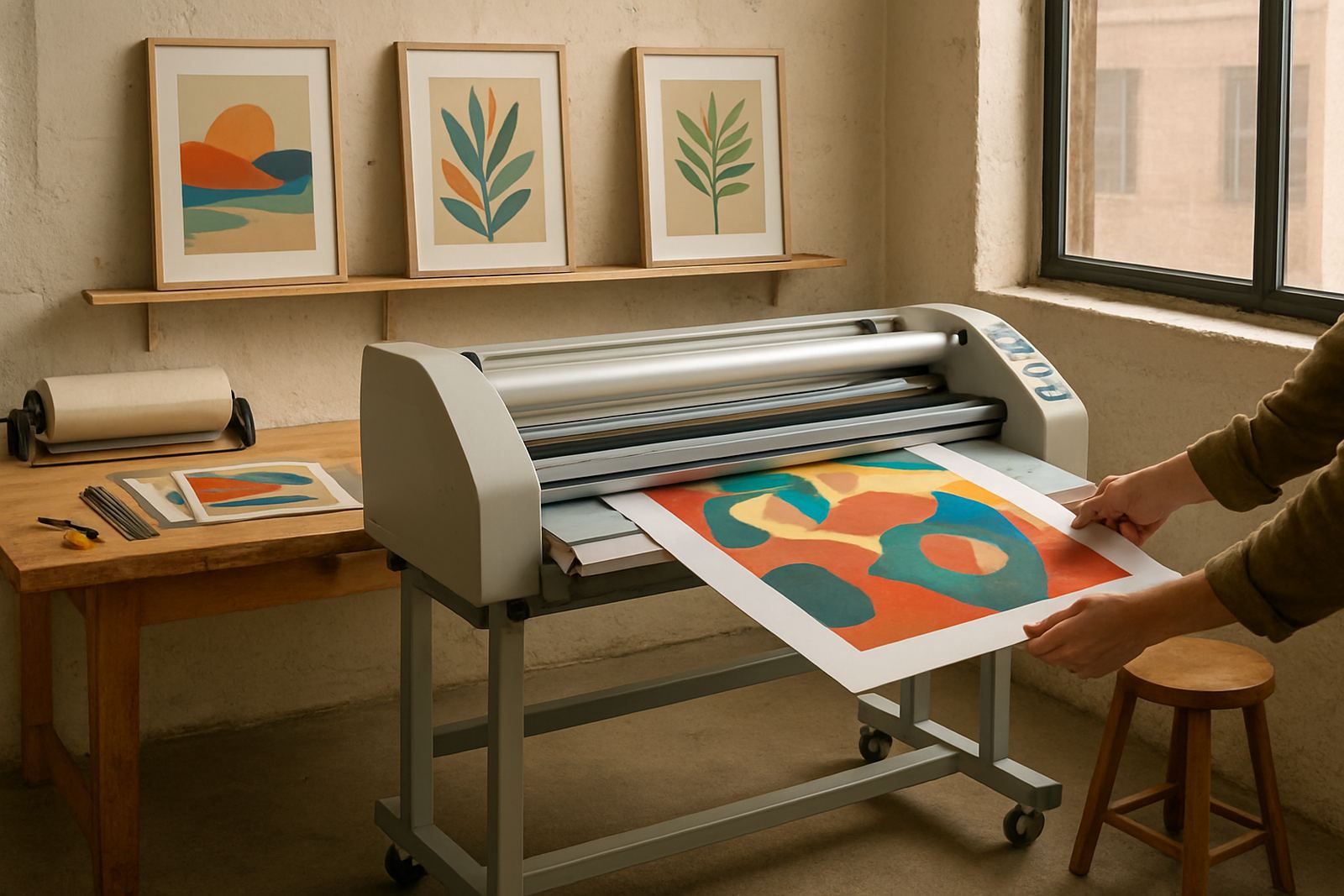
The immediate result was better control over finishing. The studio could now protect prints in house, reduce turnaround times, and prepare artwork for display without waiting on outside suppliers. The finish looked cleaner, handling marks were reduced, and the team had far better control over each job from start to finish.
- Shorter turnaround on exhibition and retail print work
- More consistent finish quality across repeat runs
- Lower risk of handling damage before framing or hanging
- Less reliance on outside finishing services
- Better workflow for busy periods and last minute gallery prep
For a studio working with visual work, that kind of control matters. The team could check each piece, make quick adjustments if needed, and keep production inside the building rather than farming out a critical step. That made the whole process more predictable and saved time every week.
What Mattered Most On Another Studio Install
For another studio install like this, we would use the same sequence: confirm the artwork mix, measure the working area, test the electrical supply, and train the operators on the exact materials they use most. That sequence keeps the setup practical and avoids overspecifying a machine for a job that does not need it.
For studios in Benoni, Sandton, Pretoria, or Midrand, the best outcome usually comes from matching the laminator to the real daily workload, not the biggest sheet size on paper. We would also keep the servicing schedule simple, with routine roller cleaning, pressure checks, and heat system inspections to keep the unit performing properly over time.
With regular support from our Kya Sand team and on-site help when needed, the studio now has a finishing setup that fits the way it actually works. That is the part that matters most, a machine that earns its keep without becoming another headache.
Key facts
| Project | Benoni Art Studio, East Rand |
|---|---|
| Client type | Independent art studio |
| Location | Benoni, Gauteng |
| Supply | Wide-format cold and hot roll laminator |
| Timeline | 2 weeks from site assessment to handover |
| Use case | Print protection, gallery preparation, and artwork finishing |