Why event graphics need more than a good print
At an event, printed material is rarely static. A registration sign gets touched by hundreds of hands, a sponsor board is moved between venues, and directional graphics can sit in sun, wind or light rain for most of the day. For that reason, many print shops and event suppliers in Johannesburg choose laminating as part of the finishing step, not as an afterthought.
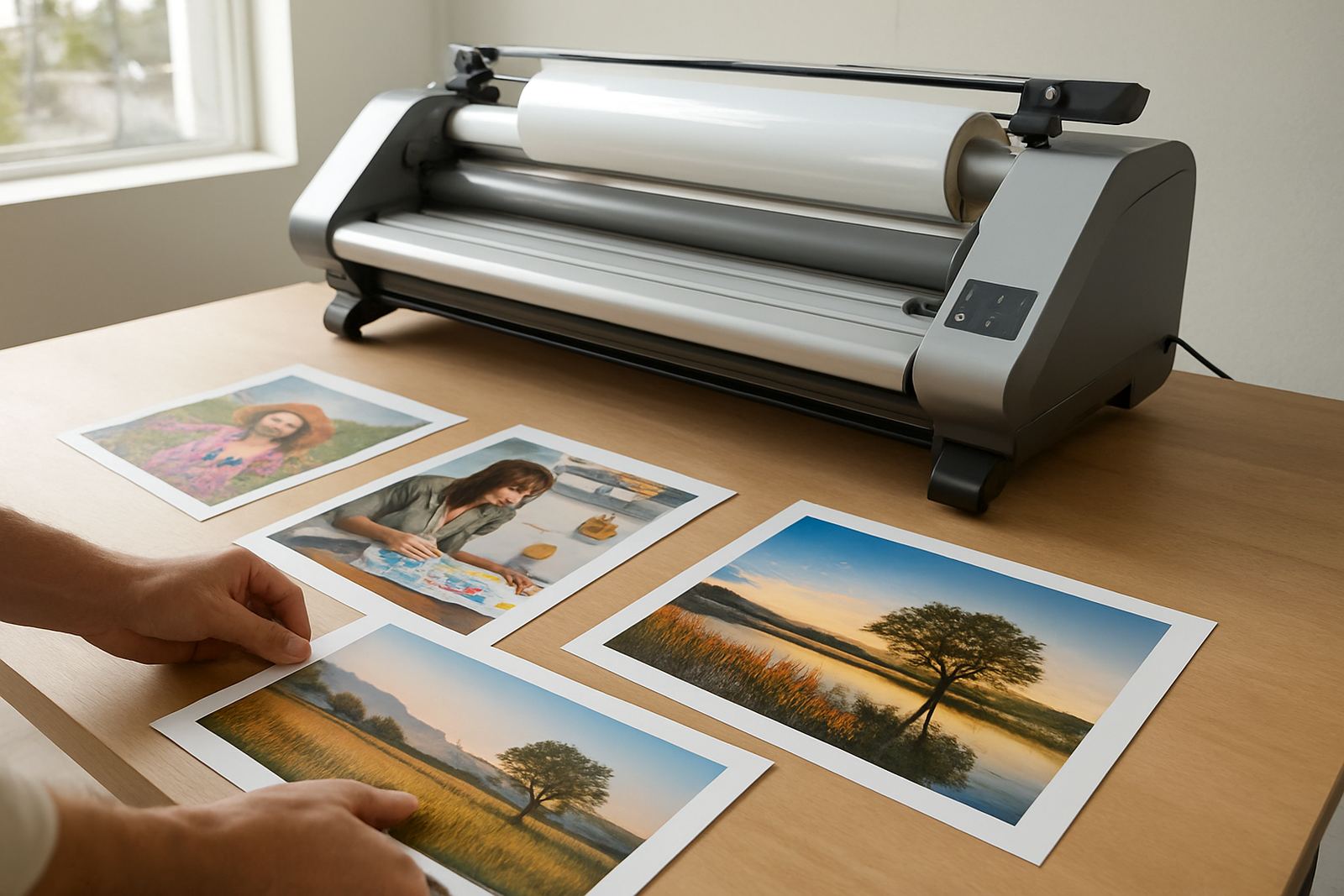
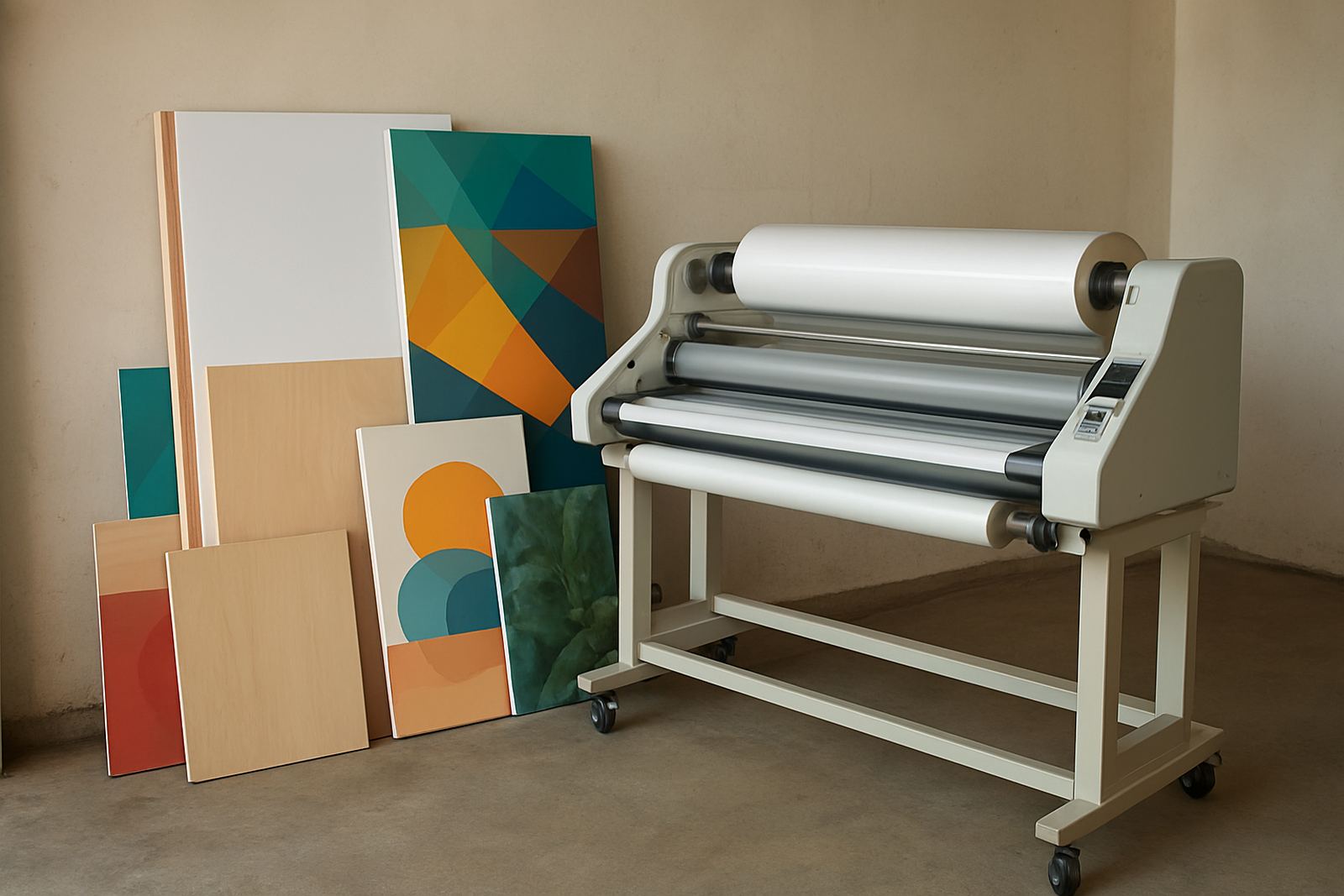
For indoor launches, expos and conferences, cold roll laminating is often used on mounted boards, foam board panels and printed vinyl that needs a clean protective layer. For outdoor promotions, hot roll systems are often selected when the print must take more handling or when a smoother, more durable finish is required. The right choice depends on the substrate, the size of the job and how the event team will move the pieces around. A 1.6 metre sign is a different job from a stack of A3 directional panels, and the machine setup should suit the way you work.
Typical event equipment and finishes
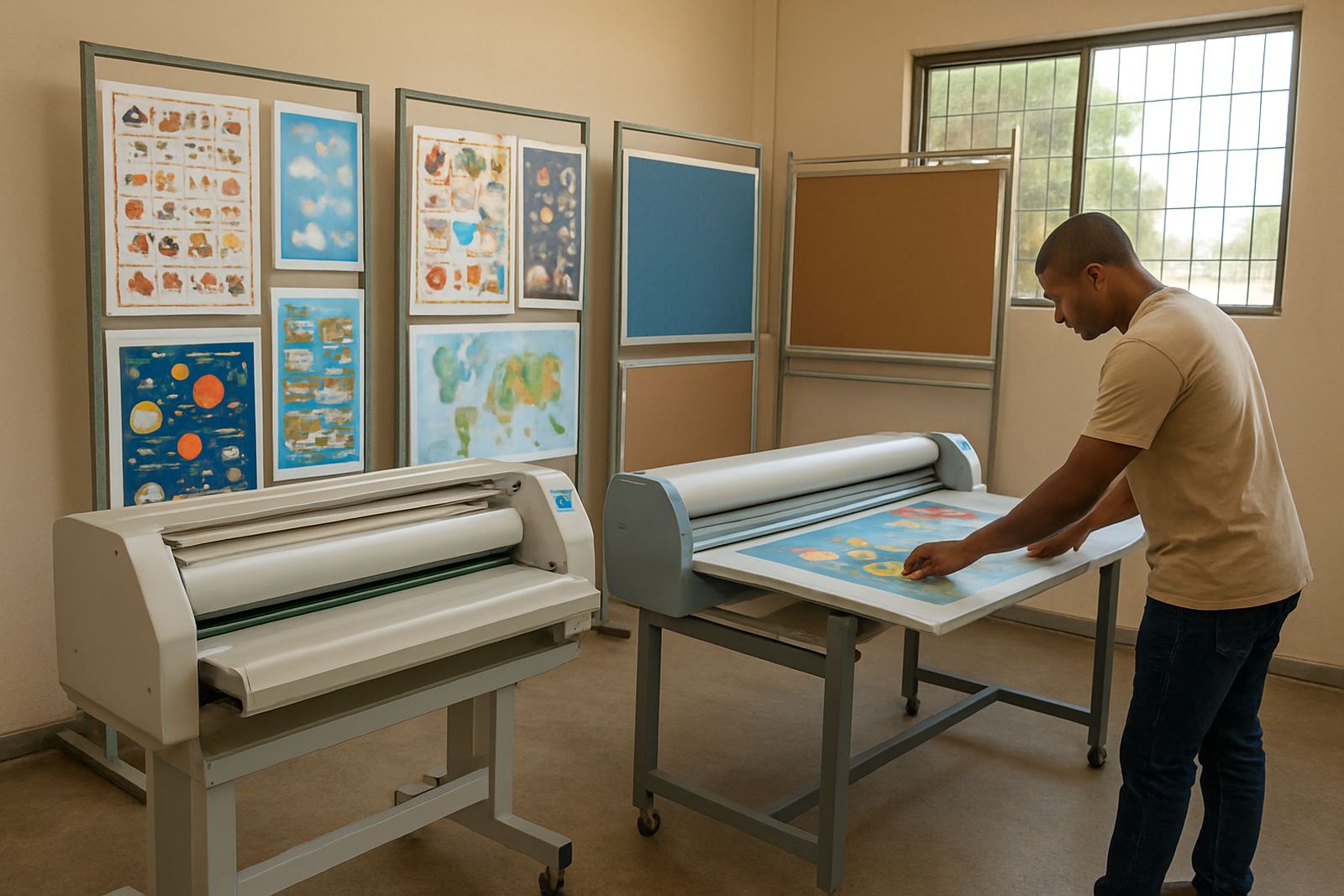
Event work usually calls for wide-format roll laminators that can handle banners, exhibition panels and long directional runs without kinking the media. In Kya Sand and other busy production areas, shops often look for machines that can keep pace with same-day work and still give a neat edge on every piece. Dust control matters too, because event graphics show imperfections fast, especially under hall lighting.
Common laminating jobs for event work include:
- Foamex or rigid board signs for entrances and sponsor walls
- Directional arrows and wayfinding boards for venues and parking areas
- Table menus, welcome boards and schedule panels
- Backdrops for stages, photo walls and media areas
- Floor graphics and short-term safety notices for crowd control
For many of these, a machine with steady pressure control and accurate heat control makes a clear difference. If the rollers are uneven or the temperature drifts, you can end up with bubbles, silvering or curl at the edges. That means more rework and more scrap, which is the last thing you want when setup time is tight.
Planning the layout before the event rush
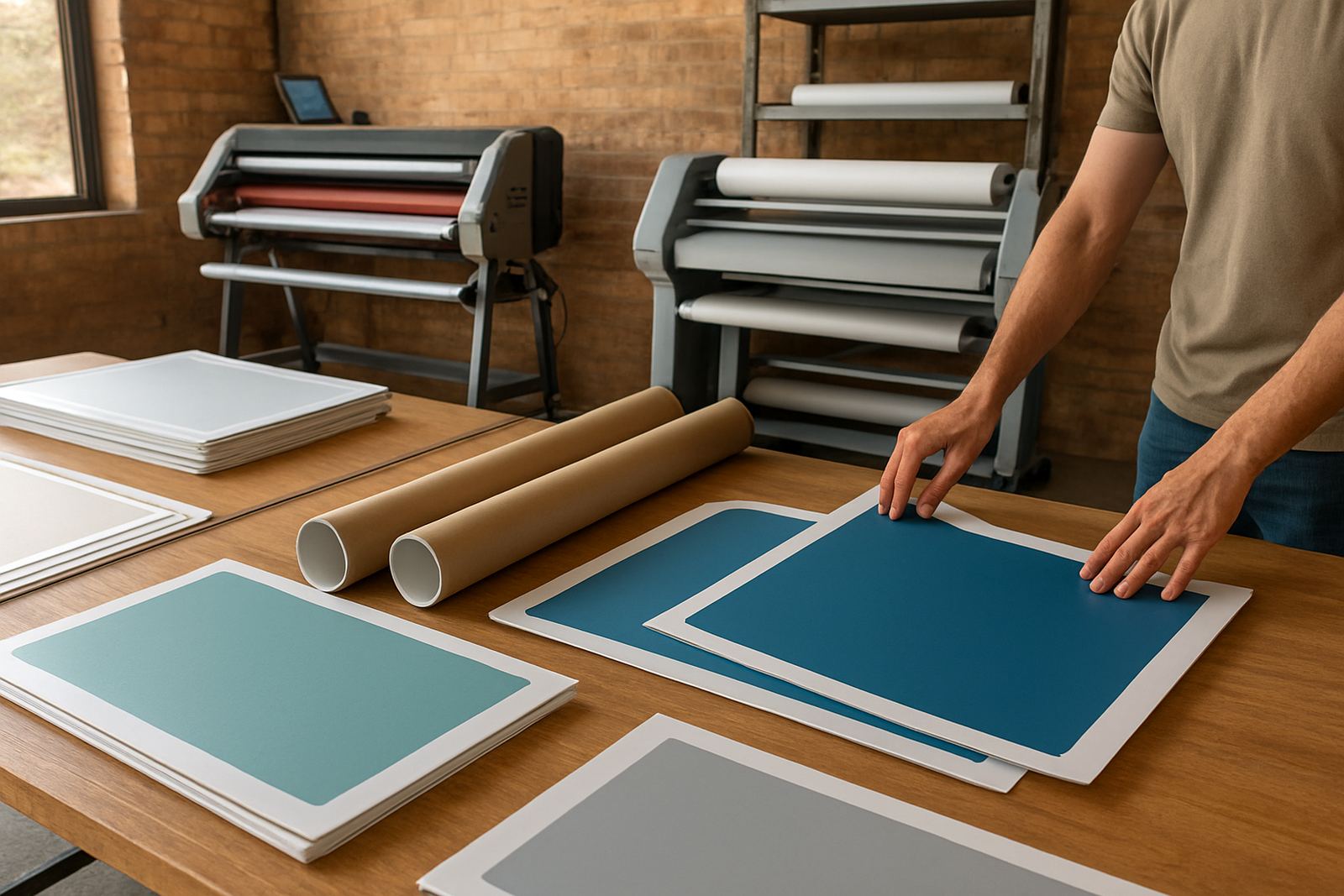
The best event finishing starts before the job hits the laminator. A clean layout plan saves time, especially when you are producing multiple sizes for one venue. We usually advise shops to group jobs by substrate thickness, finish type and final trimming method. That helps the operator avoid constant machine changes and keeps the output more consistent.
If the work is going to Sandton, Pretoria or the East Rand, factor in transport and final install. Panels that are too soft, too glossy or too heavy can be awkward on site. For outdoor events near the coast, humidity and salt air can affect the print before it even reaches the venue so packaging and storage need attention. Keep the finished pieces flat, dry and out of direct sun, otherwise the laminate can pick up a bend before installation.
- Confirm the final size before printing, not after trimming
- Leave safe margins for screws, frames or tape on site
- Match the laminate finish to the lighting in the venue
- Plan for packing, stacking and vehicle space during collection
Common mistakes that cost time on event jobs
One common mistake is choosing a laminate finish that looks good in the sample room but reflects too much under event lighting. Gloss can work well, but under strong spotlights it may throw glare across sponsor logos and make directional text harder to read. Matte is often safer for photography backdrops and stage signs, though the final choice should match the print and the venue.
Another issue is rushing through pressure setting. If the pressure is too light, the film may not bond properly and edges can lift after a few hours. Too much pressure can distort the print or mark softer boards. Roller cleaning is also overlooked more often than it should be. Adhesive build-up causes streaks, and those marks always show up on the most visible piece in the order, naturally. Staff training matters here, because a small setting change can affect a whole run.
During load-shedding, some operators also forget to check how their heat system returns to temperature after an interruption. If the laminator is restarted too quickly, the first sheets may come out unevenly bonded. A simple pre-run check saves a lot of waste.
What to budget for event signage finishing
Budgets vary according to width, speed, pressure system and whether the machine will be used for light promotional work or heavier daily production. In South Africa, a smaller setup for short-run event graphics may start around R85 000 to R140 000, while wider or higher-output machines can sit between R160 000 and R320 000 or more. Installation, operator training and basic spare parts support should be included in your planning, because the machine is only useful if it stays productive.
For busy print houses in Johannesburg, the real cost is often downtime. If a roller needs cleaning, a drive system needs attention or a heat control starts drifting, event deadlines can slip very quickly. That is why many buyers ask for pre-purchase inspections and service support from the start. It is easier to match the equipment to your actual event workload than to buy a bigger machine and hope it solves every problem.
- Entry-level event finishing: about R85 000 to R140 000
- Mid-range production use: about R160 000 to R220 000
- High-output wide-format work: about R220 000 to R320 000+
Support for installs, servicing and urgent breakdowns
From Kya Sand, Johannesburg, we support event suppliers, print shops and creative teams across Randburg, Sandton, Midrand, Pretoria and the East Rand, with installs nationwide. The work does not stop after delivery, because event production needs practical support when schedules are tight and the venue booking is already fixed.
Routine servicing, pressure calibration, electrical fault finding and spare parts support all help keep event jobs moving. If a machine goes down just before a trade show or conference, on-site breakdown assistance can make the difference between a completed order and a costly delay. We also assist with operator refresher training, which is useful when staff change or when an old machine is being brought back into regular use after sitting for a while. The aim is simple: reliable output, less waste and cleaner finishes on every event piece.
For teams that produce event graphics week after week, the laminator should feel like a dependable part of the production line, not a problem waiting to happen. Lunga Tshabangu and the team at Laminator work with practical requirements, from first enquiry to installation and follow-up support.