Finishing that keeps the artwork looking right
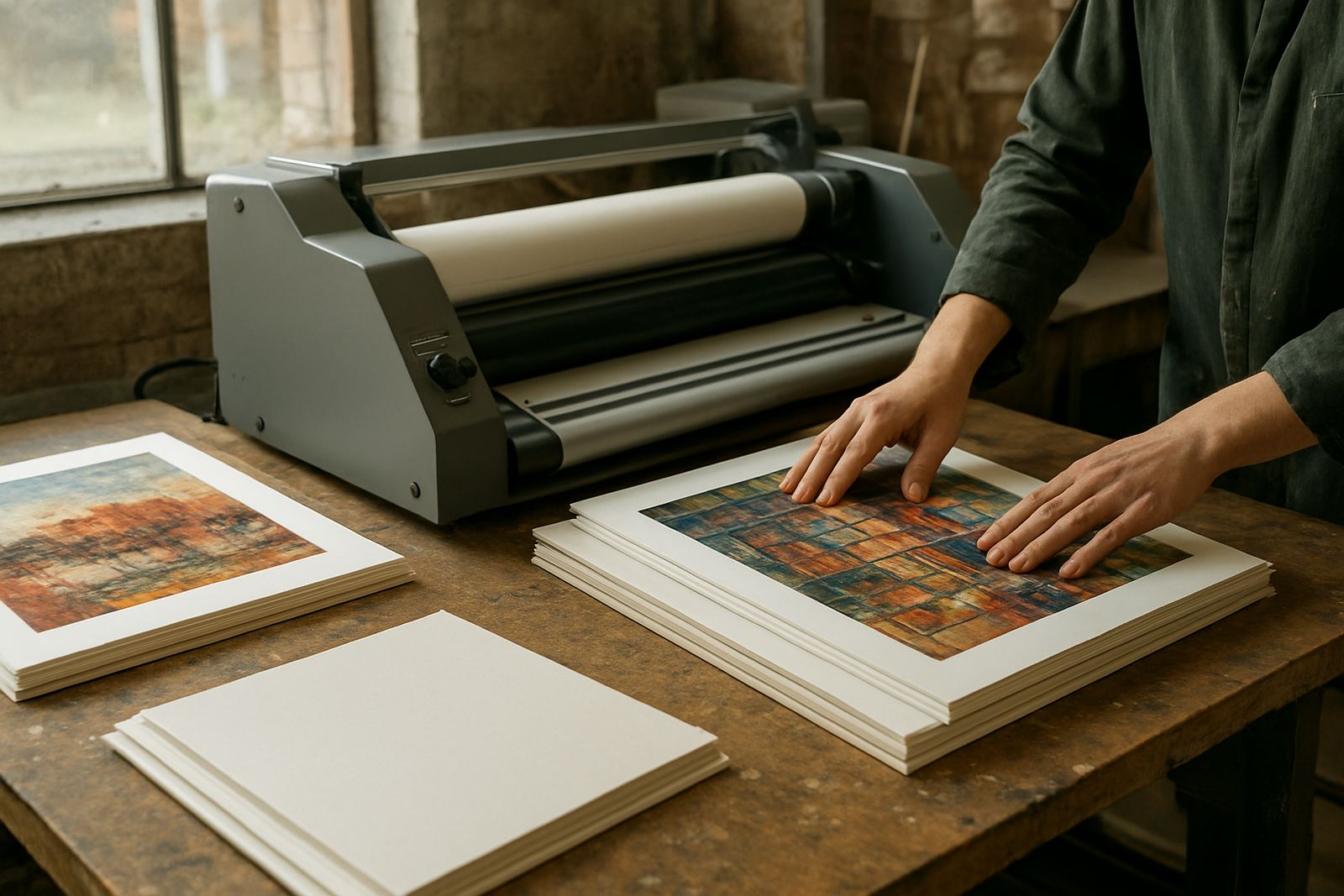
When you are producing editions, exhibition pieces or print sales for clients, the finish has to do more than protect the surface. It must keep the colours crisp, stop scuffing during handling, and avoid bubbles or silvering around darker areas. For artists working with photographic prints, fine art paper, canvas wraps or mounted graphics, the laminator becomes part of the production line not an afterthought.
In Johannesburg, many studios handle mixed work in small runs, then courier pieces to Cape Town, Durban, Gqeberha and smaller towns. That means the final surface needs to hold up through packing, transport and install. A good laminating setup helps with that, whether you are doing gallery sales, retail work or corporate art pieces for offices and hospitality spaces.
Typical artist setups and the right machine size
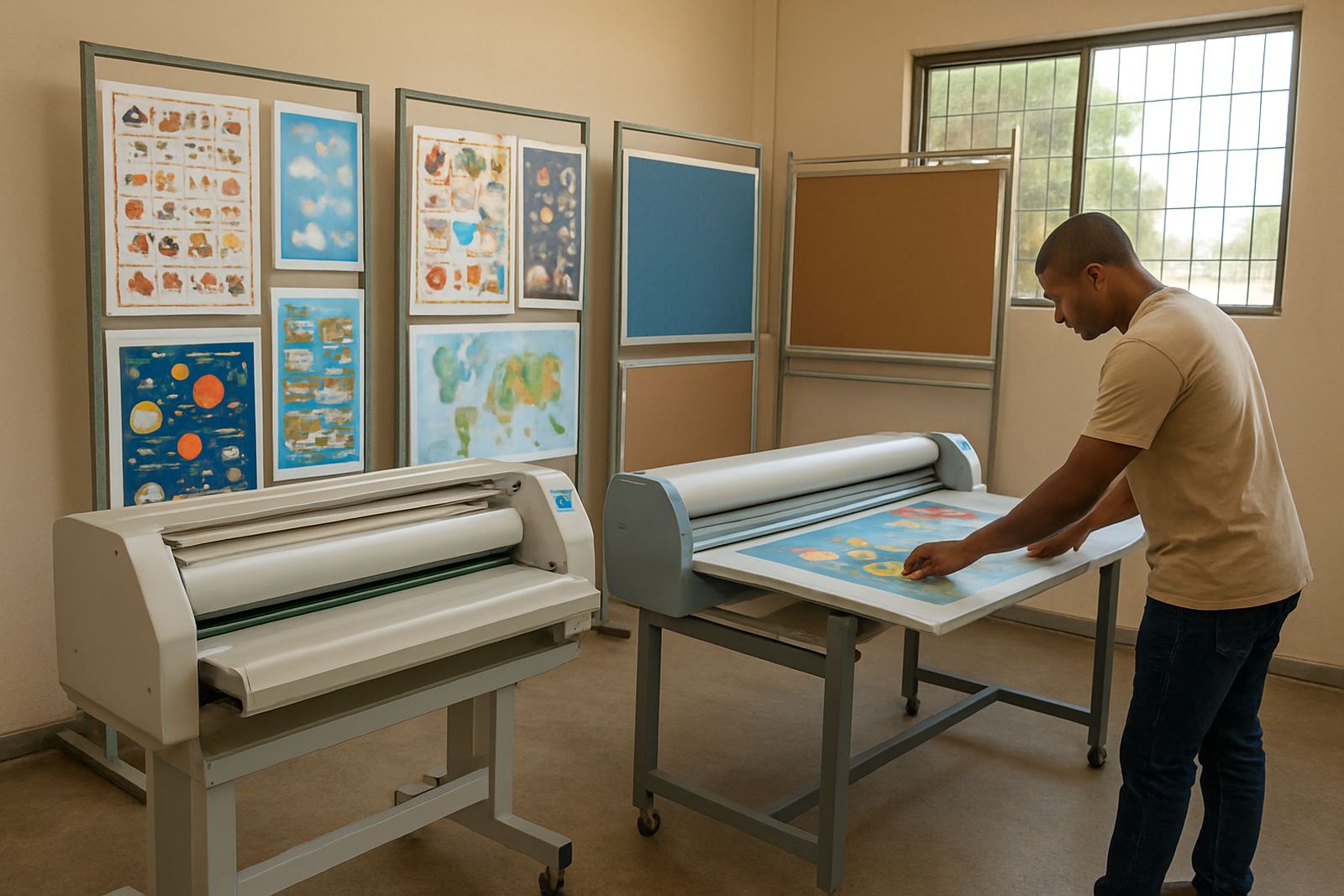
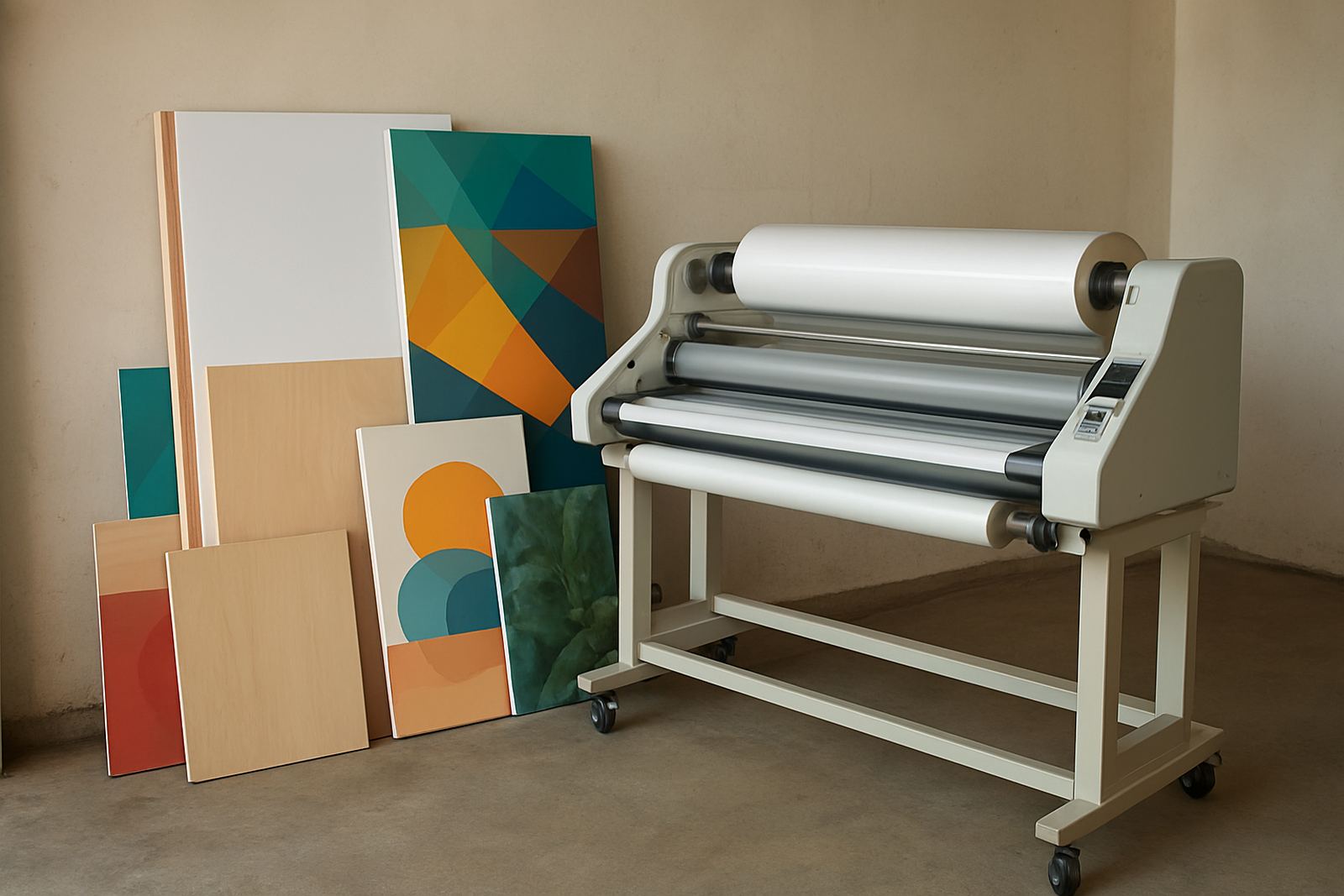
Artists usually do not need an oversized industrial unit just for the sake of it. The better choice depends on the widest print you make, the thickness of your media, and how much work you finish per week. A small studio may only need a compact cold roll machine for A1 and A0 prints. A busy print studio or framed art supplier may need a wider hot or cold roll laminator that can take 1 300 mm, 1 600 mm or more.
- Cold roll laminators for pressure-sensitive films on posters, digital art and photographic prints
- Hot roll laminators for heavier protective films and certain mounted work
- Wide-format feed tables for safer handling of large pieces
- Take-up and rewind control for cleaner runs on longer jobs
- Adjustable pressure settings for delicate papers and textured stock
If you sell editions in standard sizes, it is worth matching the machine to your largest common format. Buying too small slows production, while buying too large can tie up cash and floor space. In Kya Sand, where many studios work in shared industrial units, space planning matters just as much as the machine spec.
Layout and planning for a working studio
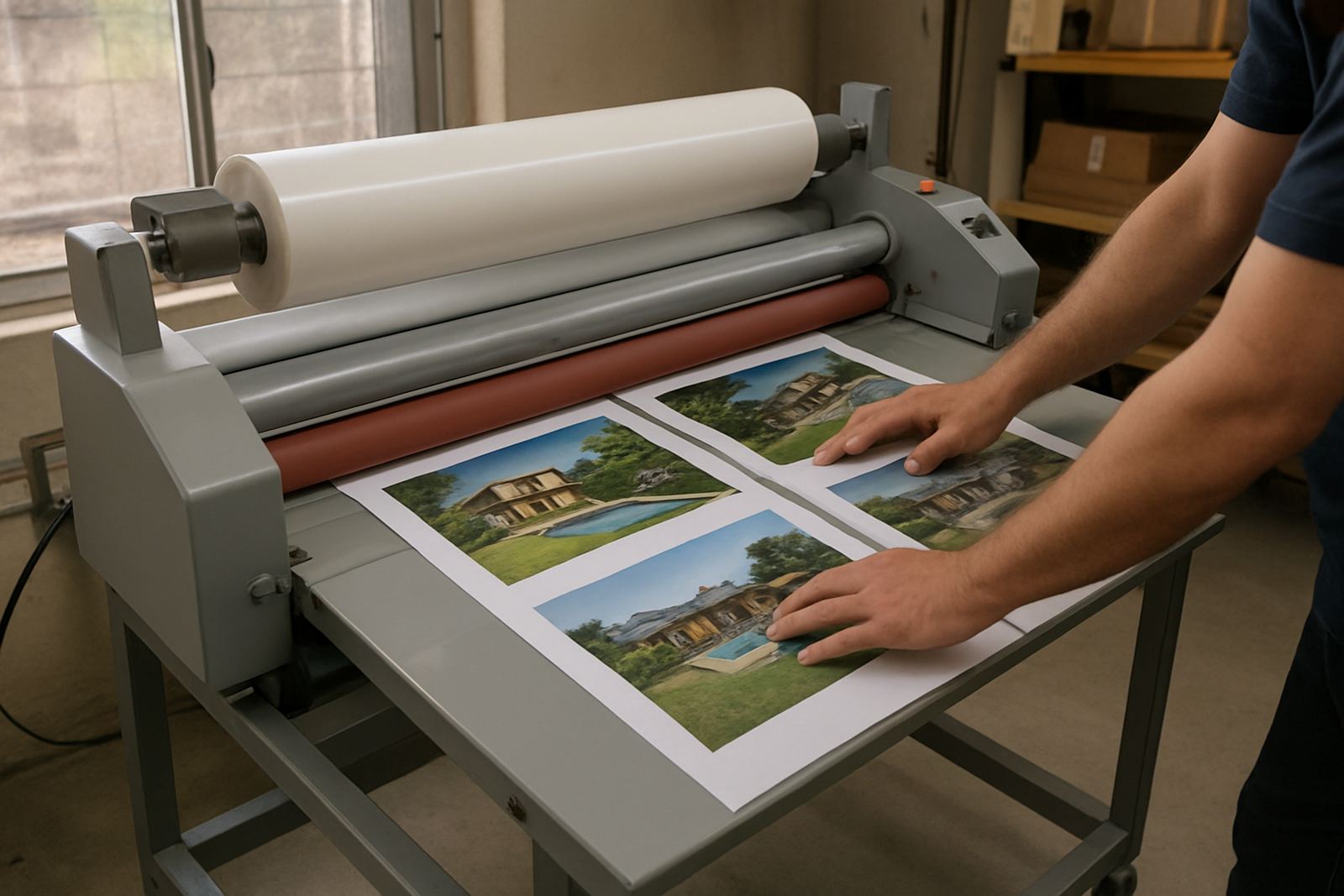
A laminator needs room at the front and back for feeding, receiving and trimming. For artist studios, we usually recommend a straight workflow: print area, drying or curing space, laminating station, then cutting and packing. Keep artwork moving in one direction. It cuts down on handling marks and stops people crossing paths with large sheets.
Think about power points, extractor flow if you run a heated unit, and where your rolls of film will be stored. In Gauteng, dust is a real issue in light industrial areas, so sealed storage for films and clean surfaces around the machine help a lot. If you are near the coast or sending work to Durban and surrounds, humidity control also matters because film edges and paper can react badly if stored in a damp room.
- Allow clear space for the full length of the longest artwork
- Store films upright, away from direct sun and heat
- Keep a trimming area with a clean cutting mat and straight edge
- Separate wet cleaning materials from finished work
- Plan for load-shedding with proper shutdown steps and safe restart checks
Common mistakes that damage saleable prints
Most problems on artist work come from rushing the setup. The wrong roller pressure can leave lines or pinch marks. Too much heat can distort paper or soften inks. If the film is not aligned properly, you get skew and waste expensive prints. And if the artwork is not fully flat before it enters the rollers, the result often shows trapped air or a wavy edge.
Another common issue is choosing a film just because it is available. Different pieces need different finishes. A gloss film may suit photographic art but can be too reflective for gallery walls. A matt finish is often better for display pieces, but it can change the appearance of black areas if the stock is not suited to it. We also see artists forget to factor in drying time after printing, especially with solvent and aqueous prints. That can lead to clouding under the film or poor adhesion.
One small oversight can cost you a full edition, so it is better to test on one piece first and confirm the result before you run ten or twenty.
Budget ranges for artists and small studios
Budgets vary a lot depending on output and finish quality. For a start-up artist studio or small print room, entry-level wide-format cold roll laminators often begin around R18 000 to R35 000. Mid-range machines with better pressure control, wider beds and stronger drive systems can sit between R40 000 and R85 000. Larger heated units, suited to heavier use or wider artwork, can move into the R90 000 to R180 000 range and beyond.
It is also wise to budget for setup, operator training, spare parts support and the correct film stock. A cheaper machine that needs frequent adjustment can end up costing more over a year than a unit that runs cleanly from the start. For artists who take on high-value commissions, the cost of one spoiled print can cover a serious part of the machine price, so the decision should be based on output quality and not just the purchase figure.
Support for studios in Johannesburg and nationwide
From our base in Kya Sand, Johannesburg, we support artists, print shops and design studios across South Africa with installs, inspections and service work. That includes routine servicing, roller cleaning, pressure calibration, heat system checks, drive system repairs, electrical fault finding and on-site breakdown support. If you are upgrading a machine or buying one for the first time, a pre-purchase inspection can save a lot of trouble later.
We work with customers in Randburg, Sandton, Midrand, Pretoria and the East Rand, and we also assist studios further afield when they need practical help with setup or maintenance. For artists, that support matters because your machine needs to be ready when a deadline lands or a gallery order comes in. If you want advice on a laminator for reproductions, display pieces or sellable prints, contact Lunga Tshabangu and the team at our contact form.