
Why finish matters on the shop floor
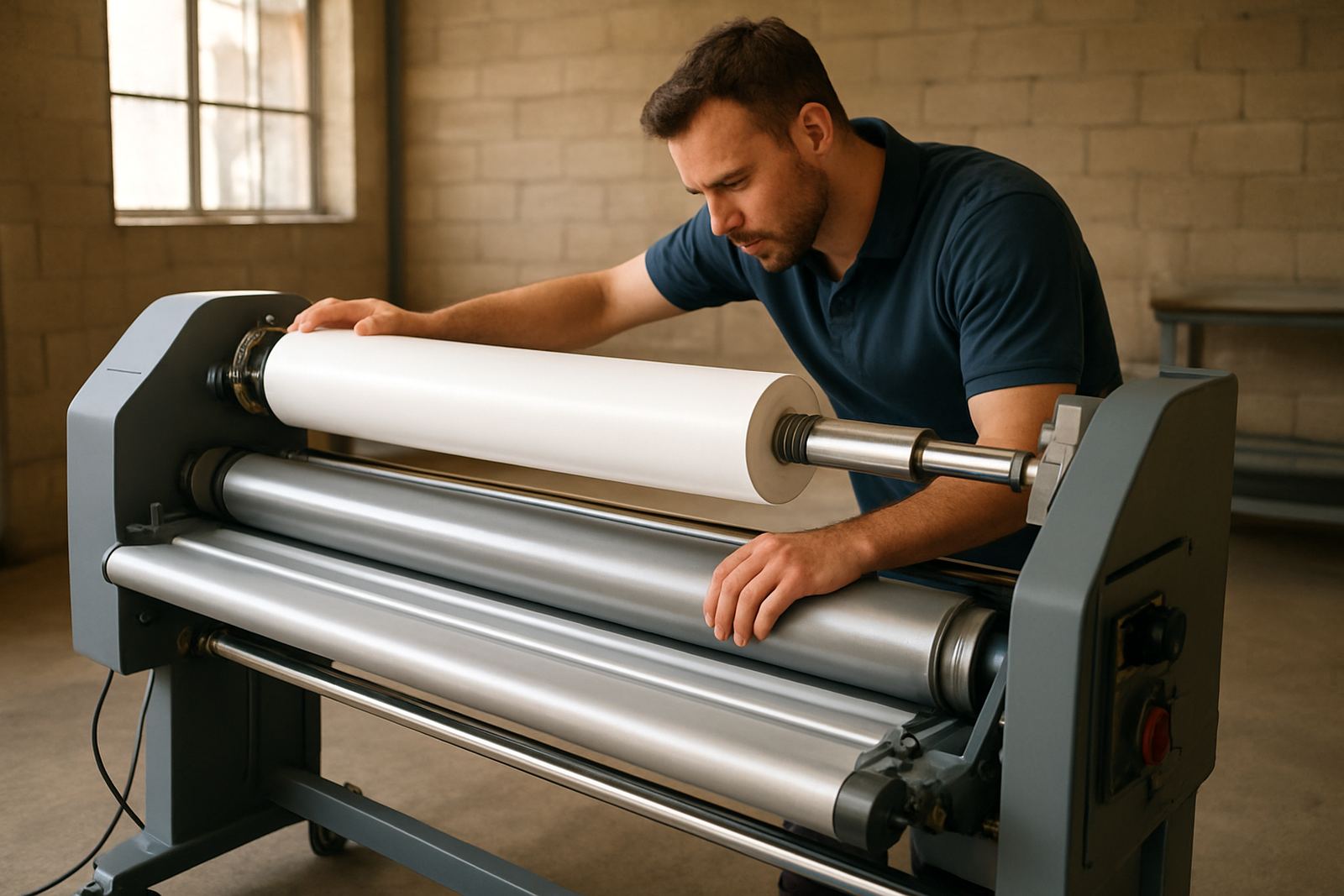
Retail graphics work harder than most printed pieces. They sit near tills, windows, fridges and entrance doors, where customers handle them, trolleys bump them and sunlight can fade them. In a busy store, the finish is not just about looks, it affects scuff resistance, glare and how well the colours hold up over time.
For short promotions, some businesses only need a basic protective layer. For longer campaigns, high-traffic aisle signs or branded panels, the finish should be selected with the location in mind. A laminated print that suits a Sandton mall entrance may not be the right choice for a humid Durban site or a dusty yard-facing showroom in Pretoria East. It makes sense to match the finish to the use, not only to the artwork.
- Reduce glare under spotlights and fluorescent fittings
- Improve scratch resistance in high-touch areas
- Support cleaning with a damp cloth or mild detergent
- Keep colours looking fresher for longer
Matt for premium reading and less glare
Matt finishes are a good fit where customers need to read pricing, product details or instructions at close range. They cut reflections from overhead lighting and photograph well, which helps in stores that update social media or run national promotions with the same artwork across several branches. In a clothing store or pharmacy, matt can look more controlled and less shiny than gloss.
Matt is also useful when the print contains fine type, barcodes or QR codes. There is less chance of a hot light washing out the copy. If the graphic will be viewed from different angles, matt can be easier on the eye. It does not shout, but it still gives a neat, professional finish that suits a more upmarket retail space.
- Best for price boards, shelf strips and instruction panels
- Useful where strong overhead lighting creates reflection
- Helps text stay readable from different angles
Gloss for colour pop and window-facing displays
Gloss finish gives prints a brighter, wetter look and can make colours stand out on promotional material. It is often chosen for seasonal campaigns, product launches and window graphics where the main job is to catch attention fast. In a shop window at Cresta or a roadside retail park in Midrand, gloss can help a promotion read from the pavement or parking bay.
The trade-off is reflection. Under bright downlights or near glass, gloss may show glare and fingerprints more easily. If the graphic will be touched often, it may need more frequent cleaning. For short-run specials and high-colour imagery, though, gloss can deliver strong visual impact and help the print look sharper. A lot depends on the light, and on how far away the customer stands.
Anti-scratch protection for high-touch retail work
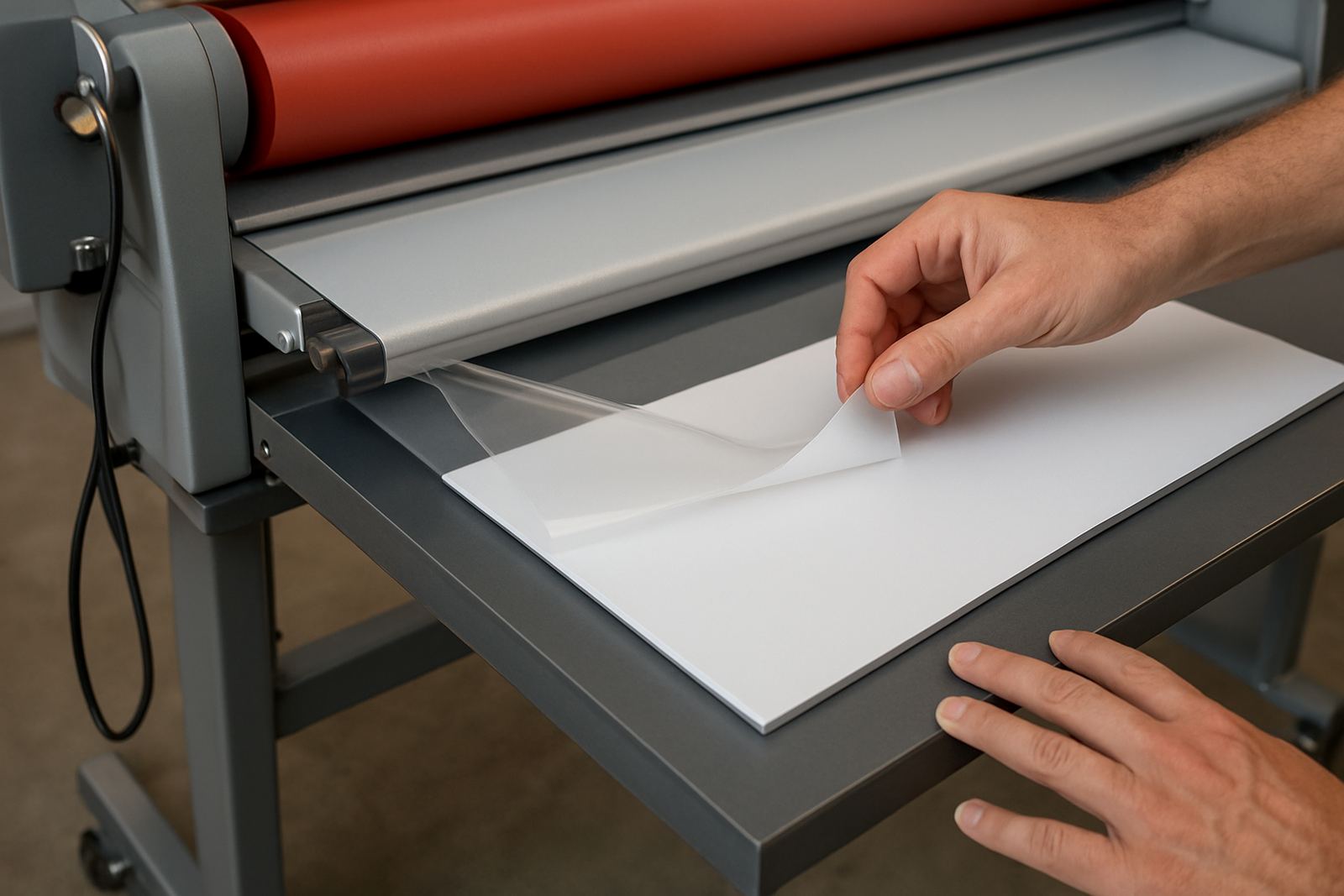
Some retail items need more than standard surface protection. Counter cards, floor markers, queue signs and promotional boards near entrances can take a beating. In these cases a tougher laminate or coating helps protect the print from abrasion, rubbing and daily handling. This is especially important where staff wipe down displays several times a day.
Stores that run long promotions often ask for a finish that can handle cleaning products used for hygiene. That matters in grocery, medical, and food-adjacent retail, where surfaces are wiped regularly. A protected print lasts longer and keeps the artwork from looking grey or worn at the edges. If the display is moved between branches, extra surface strength can also help during transport and installation.
- Queue markers near tills and service points
- Floor graphics in walkways and entrance areas
- Counter displays and handheld presentation boards
- Removable signs used across multiple branches
Coastal humidity, sunlight and cleaning routines
South African retail conditions vary a lot from one province to another. A finish that performs well in a dry Johannesburg mall may behave differently in a coastal store where humidity is high and salt air is present. In those areas, graphics can curl at the edges or lose their clean look sooner if they are not protected properly. Window-facing displays also need attention because UV exposure can change colours over time.
Load-shedding adds another practical issue. When stores rely on generators, temporary lighting can be harsher and heat build-up around windows may increase. That means the finish should cope with changing conditions, not only normal trading hours. A practical rule is to think about the worst spot in the store, not the easiest one. If the display survives there, it will usually hold up elsewhere too.
Picking the right finish for the job and budget
Retail buyers often want one answer for every graphic, but the right finish depends on use, life span and budget. A one-week promotion does not need the same treatment as a year-round branded wall panel. It helps to separate displays into short term, medium term and long term. That way you avoid overpaying on materials that will be replaced quickly, or under-protecting a sign that should stay up for months.
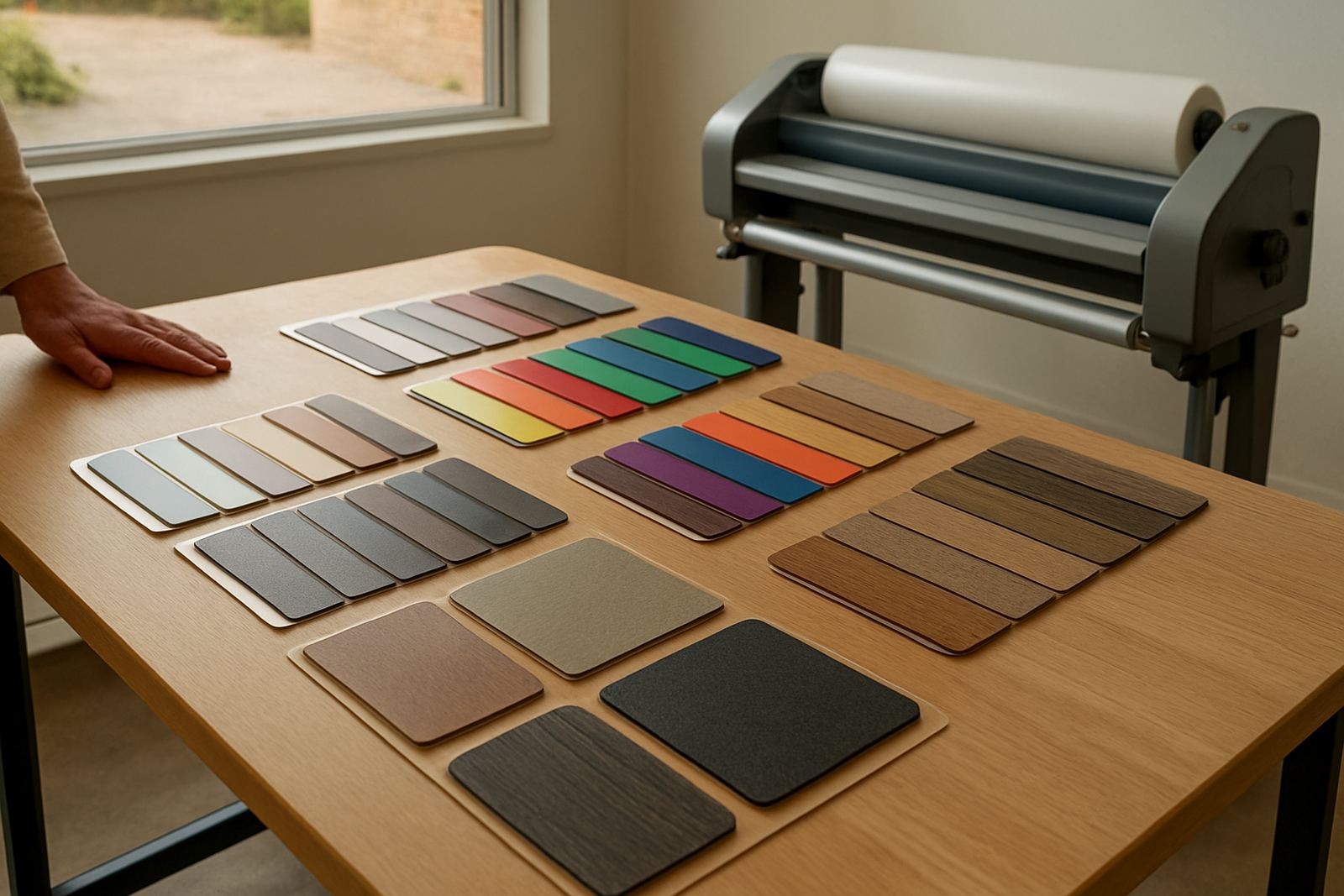
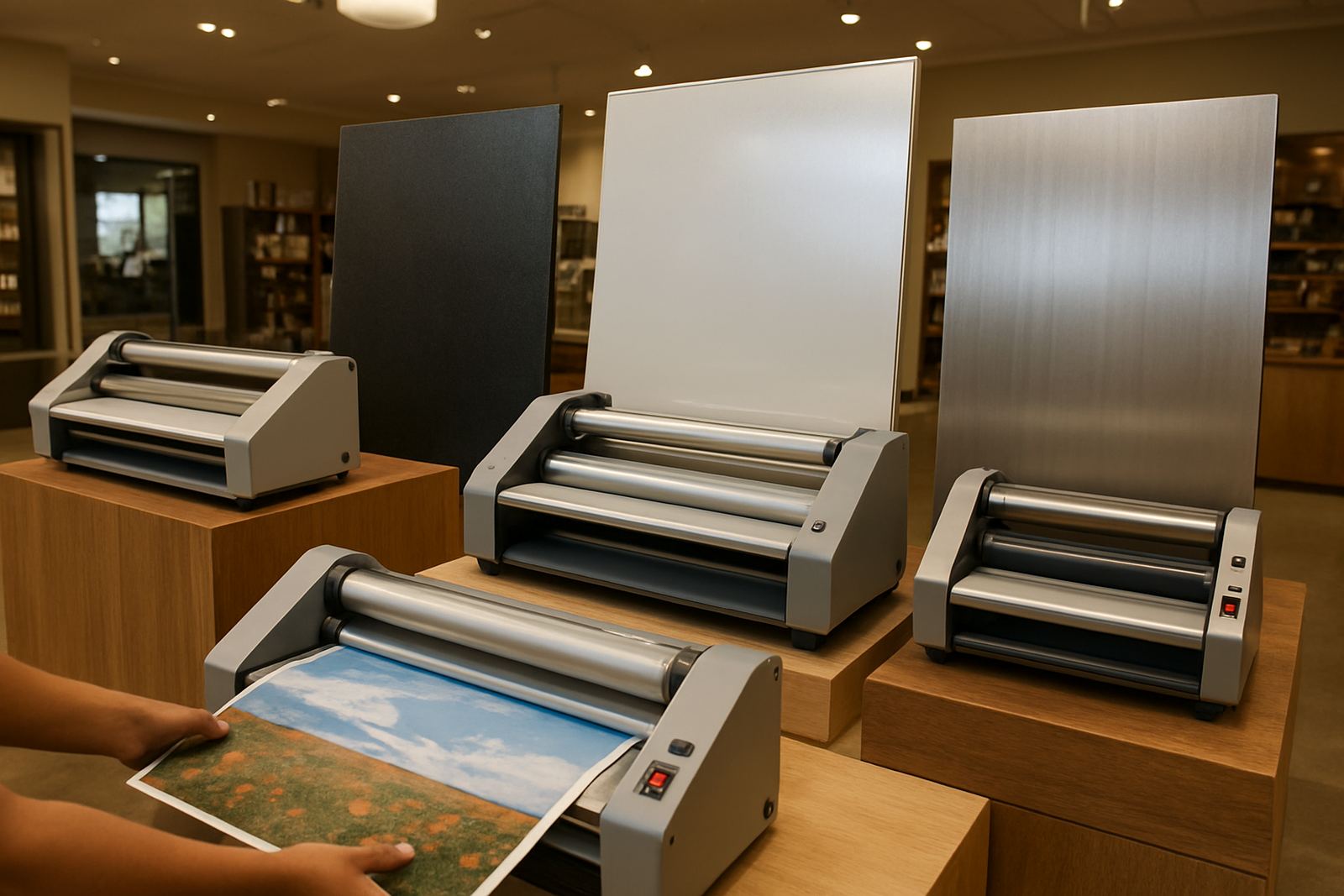
For stores with several branches, it is worth standardising the finish by category. For example, all price point signs can be matt, while window campaigns are gloss and all queue markers use stronger surface protection. This keeps ordering simpler and gives a more even look from branch to branch. It also helps when a regional team needs to replace damaged items quickly after a promotion changes.
- Short term: campaign posters, opening specials, one-month offers
- Medium term: category signage, promotional boards, shelf talkers
- Long term: branded walls, directional signs, high-touch panels
A Johannesburg example from a mixed retail site
A multi-tenant retail site in Kya Sand needed a mix of finishes for a new seasonal promotion. The window graphics had to stand out from the road, while interior price boards had to stay readable under bright lights near the till area. The team chose gloss for the window pieces and matt for the in-store panels so the store could keep a consistent colour palette without glare getting in the way.
Because the site had a lot of foot traffic and regular cleaning, the displays also needed better surface protection than plain prints. The result was cleaner edges, easier maintenance and fewer replacements during the promotion run. The store manager reported that the signs still looked sharp after the weekend rush and a few unexpected scuffs, which saved time and a fair amount of reprinting.
For retailers in Johannesburg, Sandton, Randburg, Midrand, Pretoria or the East Rand, choosing the finish properly can cut waste and reduce last-minute fixes. It also helps when a campaign needs to be installed across several sites at once. The right finish is a small choice that pays off every day.