Heavy handling shortens sample book life
A sample book is not like a finished presentation folder that sits in one place. It is opened repeatedly by different hands, moved between meetings, dropped into courier bags and sometimes left in a car between appointments in Sandton or Midrand. That constant handling is what causes the trouble, not just age.
The most common problems are scuffed covers, finger marks, lifted edges, colour fade from sunlight and pages that start to ripple after being exposed to humidity. In Johannesburg, a book can be dry and dusty one week then pick up moisture during a wet spell the next. If you are showing off print samples, artwork or finish options, the condition of the book becomes part of the sale.
- Dust from offices and vehicles settles on exposed edges.
- Repeated opening weakens the spine and binding.
- Sunlight near windows fades inks and yellows paper.
- High touch use leaves marks on matt and uncoated surfaces.
Choose a finish that can handle daily handling
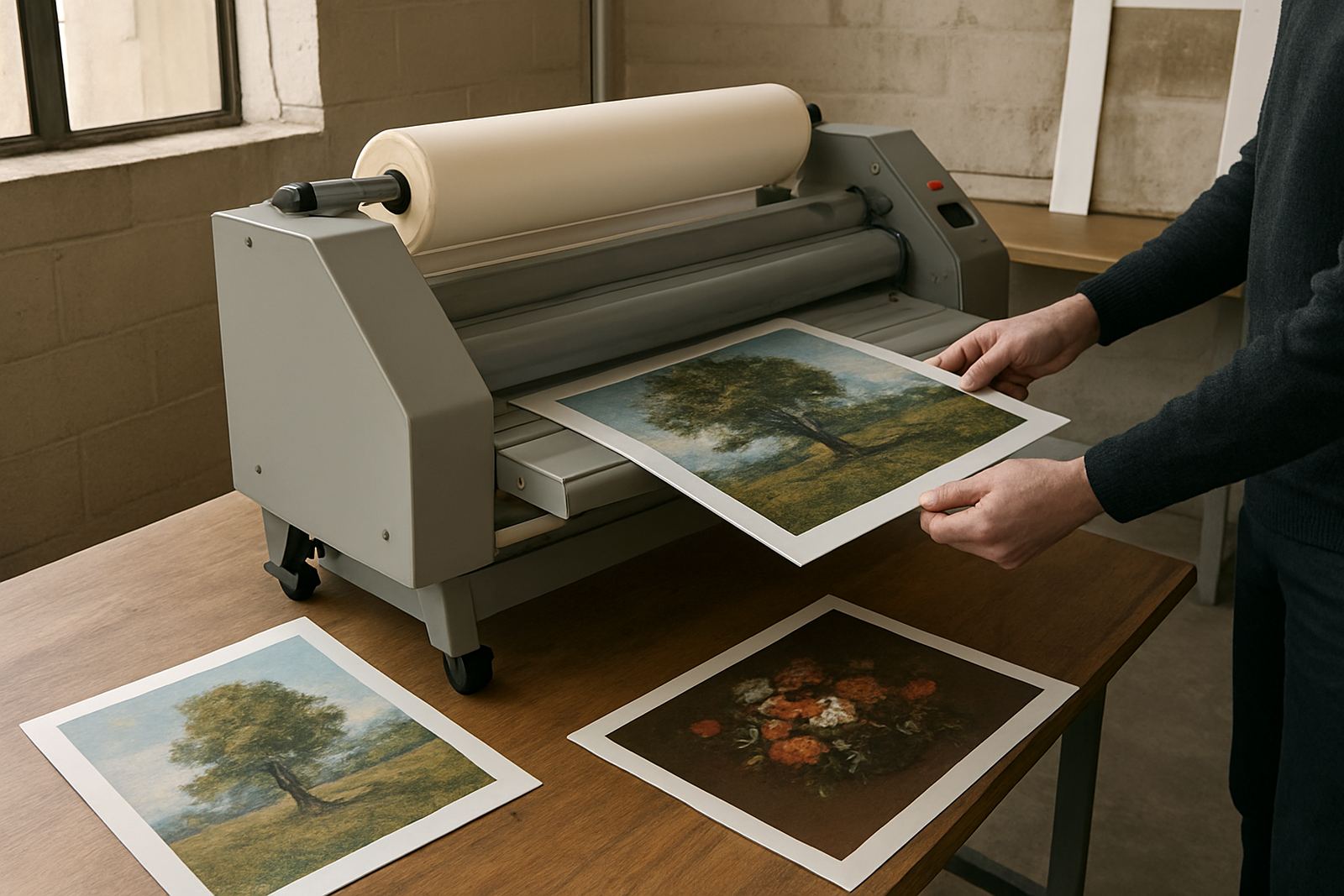
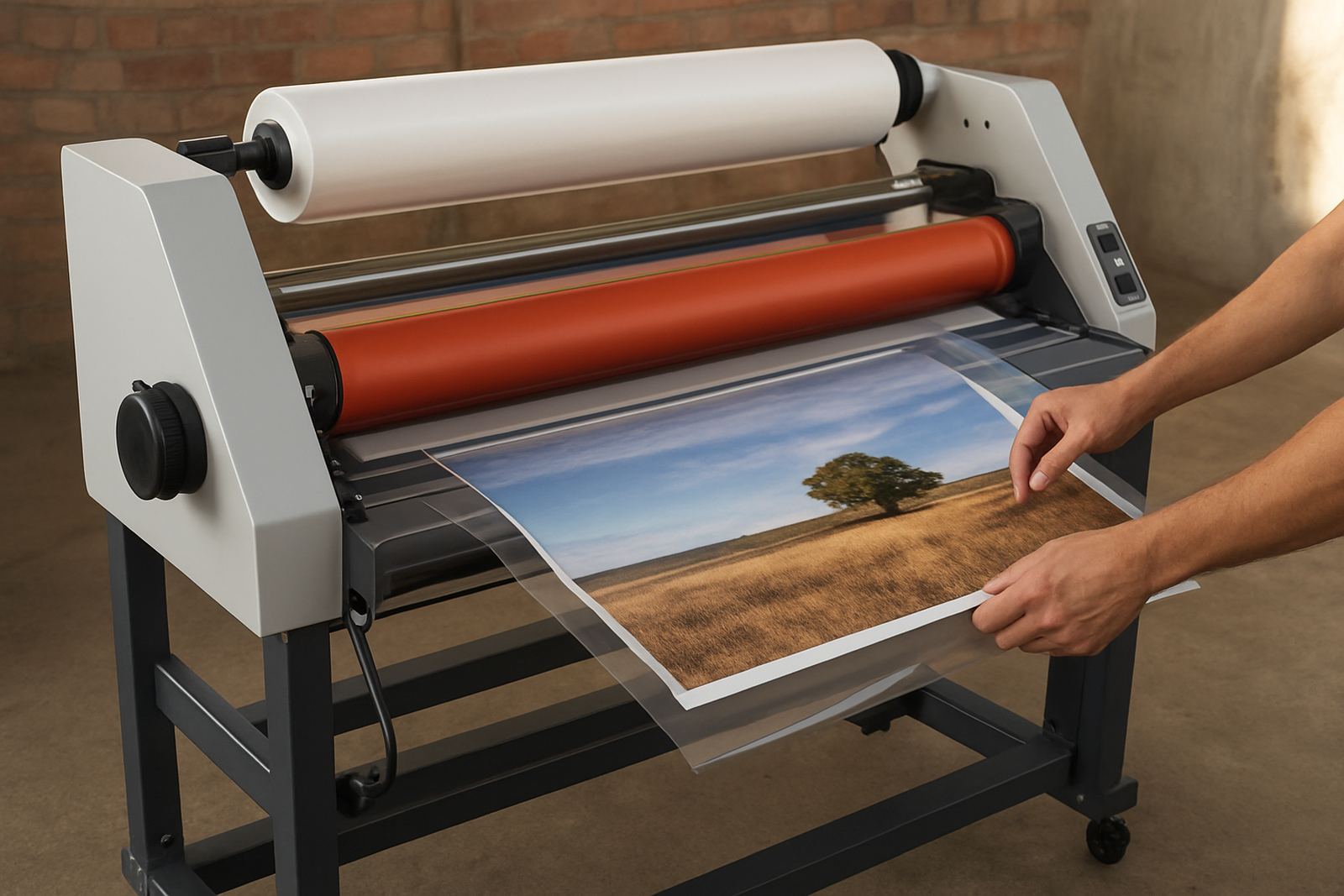
The first defence is the finish on the sample piece itself. A printed page that will be handled often needs more than a good image, it needs a surface that can take the abuse. For books that get shown to clients all day, cold lamination is often used for sensitive prints while hot lamination can give extra body and a tighter finish on suitable stock.
For pages that must remain flat and easy to wipe clean, a clear film helps guard against spills, thumb marks and light scratches. It also gives a more consistent look across a book that may include photos, swatches, price sheets and art reproductions. If the sample book includes textured stocks or heavy ink coverage, test a small batch first so you can see how the finish affects colour and sheen.
- Use a clear protective film on pages that will be handled often.
- Match the film thickness to the weight of the page.
- Test gloss, matte or satin before committing to a full run.
- Keep one master copy aside for reference and make working copies for daily use.
Bind and trim sample books for real-world use
The way the book is assembled matters just as much as the finish. A beautifully laminated page can still fail if the binding is weak or the edges are left exposed. For frequent use, the book should open easily without forcing the spine and the outer edges should be trimmed cleanly so they do not catch on bags or shelves.
Many print shops around Kya Sand and Randburg keep sample books on reception counters where they are handled by walk-in clients and sales staff. In that setting, rounded corners and a strong cover can make a real difference. Avoid overstuffing the book too. If the pages are too tight, people will bend them hard to get a look and that shortens the life of the whole set.
- Allow enough hinge movement so pages turn without stress.
- Round or soften sharp corners where possible.
- Use a cover that is thicker than the inner pages.
- Leave room for a few replacement leaves if the range changes.
Storage habits that stop damage before it starts
Good storage habits save more sample books than repairs do. If a book lives in a bright window or a hot boot of a car, expect curling and fading. If it is stacked under heavy catalogues, expect bent covers and spine strain. The best place for storage is a cool dry shelf away from direct sun and away from cleaning chemicals.
In coastal areas the issue is often moisture in the air, while inland humidity and dust can both cause trouble. In Pretoria, for example, books stored in a boardroom cupboard can last well if they are kept upright and closed with a simple wrap. In a busy print studio, it helps to keep a spare sleeve or box ready for transport so the sample set is not tossed around with other paperwork.
If load-shedding affects your workspace, keep sample books away from windows during the day because lighting can be uneven and staff may move them around more often than usual. A tidy routine sounds small but it prevents a lot of wear, and it keeps the books ready when a client asks for them at short notice.
How to clean and refresh sample books without damaging them
When a sample book starts looking tired, do not reach for strong chemicals. Harsh cleaners can cloud films, lift edges or leave patches that look worse than the original mark. A soft dry cloth is usually enough for dust. For fingerprints on suitable laminated pages, a lightly damp cloth can work, but the surface must be dried straight away.
If you are dealing with books used for exhibitions or site visits, build a simple cleaning routine into your weekly checks. Pages that pick up adhesive residue, toner dust or hand oil should be inspected before they go back out. Small repairs can often be caught early, which means you do not need to replace the whole book.
- Use a soft microfibre cloth for dust.
- Wipe from the centre to the edge, not hard across the corner.
- Never soak pages or use abrasive pads.
- Check spines, corners and binding after every few client visits.
When it pays to service your laminating equipment
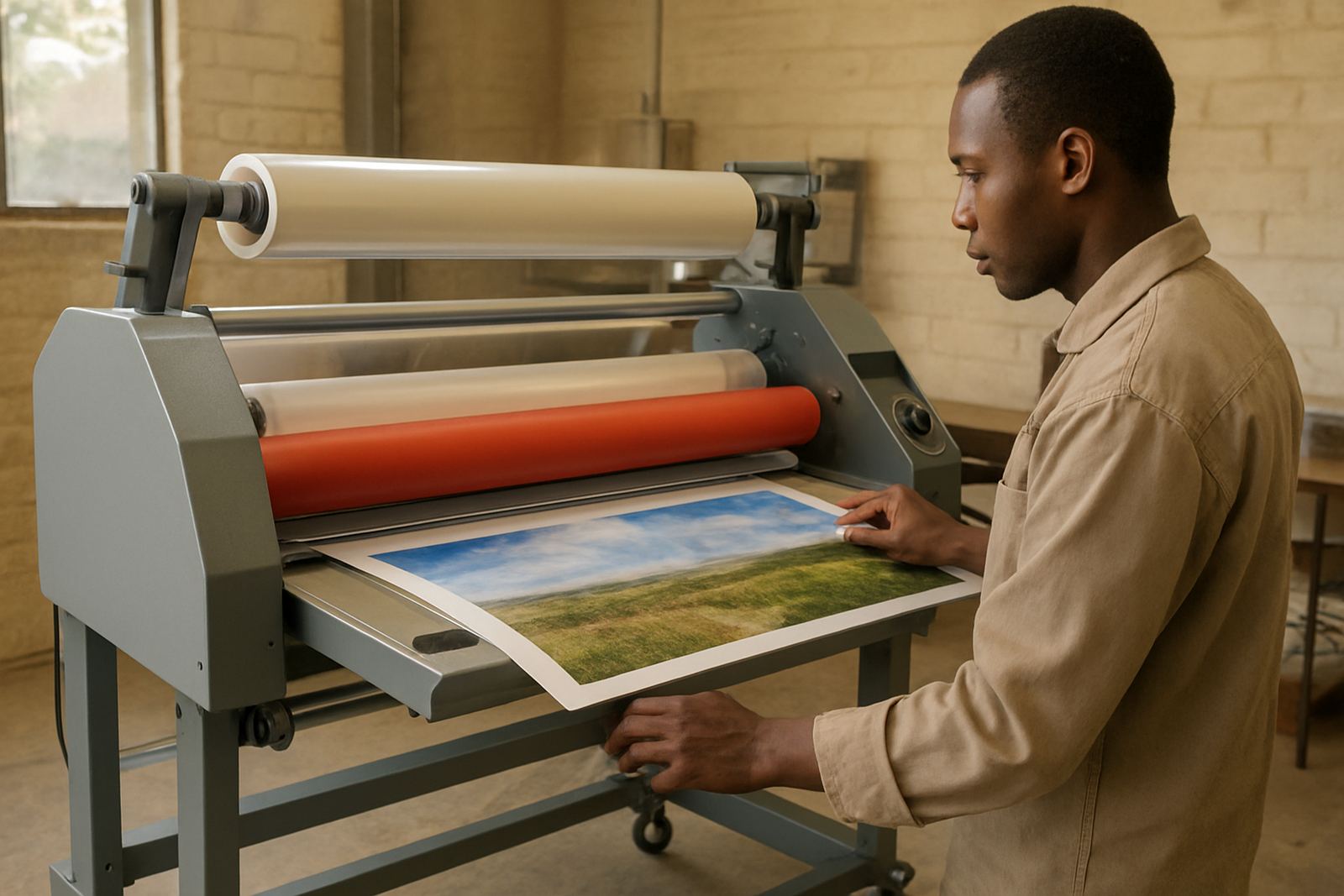
Protected sample books begin with properly set equipment. If the pressure is off, the rollers are dirty or the heat system is uneven, the finish will show it. You may see bubbles, silvering, weak adhesion or a slight curl that makes the book look untidy even before anyone has turned a page.
That is why routine servicing matters. Roller cleaning, pressure calibration, heat system checks and drive system repairs all help keep output consistent. If a machine starts pulling unevenly or leaves a line on every sheet, get it checked before the problem affects a full run. Our team in Kya Sand supports print shops and studios across Johannesburg, Pretoria, the East Rand and beyond, with on-site breakdowns, spare parts support and operator refresher training when staff change over. A pre-purchase inspection can also save a business from buying a unit that is not suited to the volume of sample work it must handle.
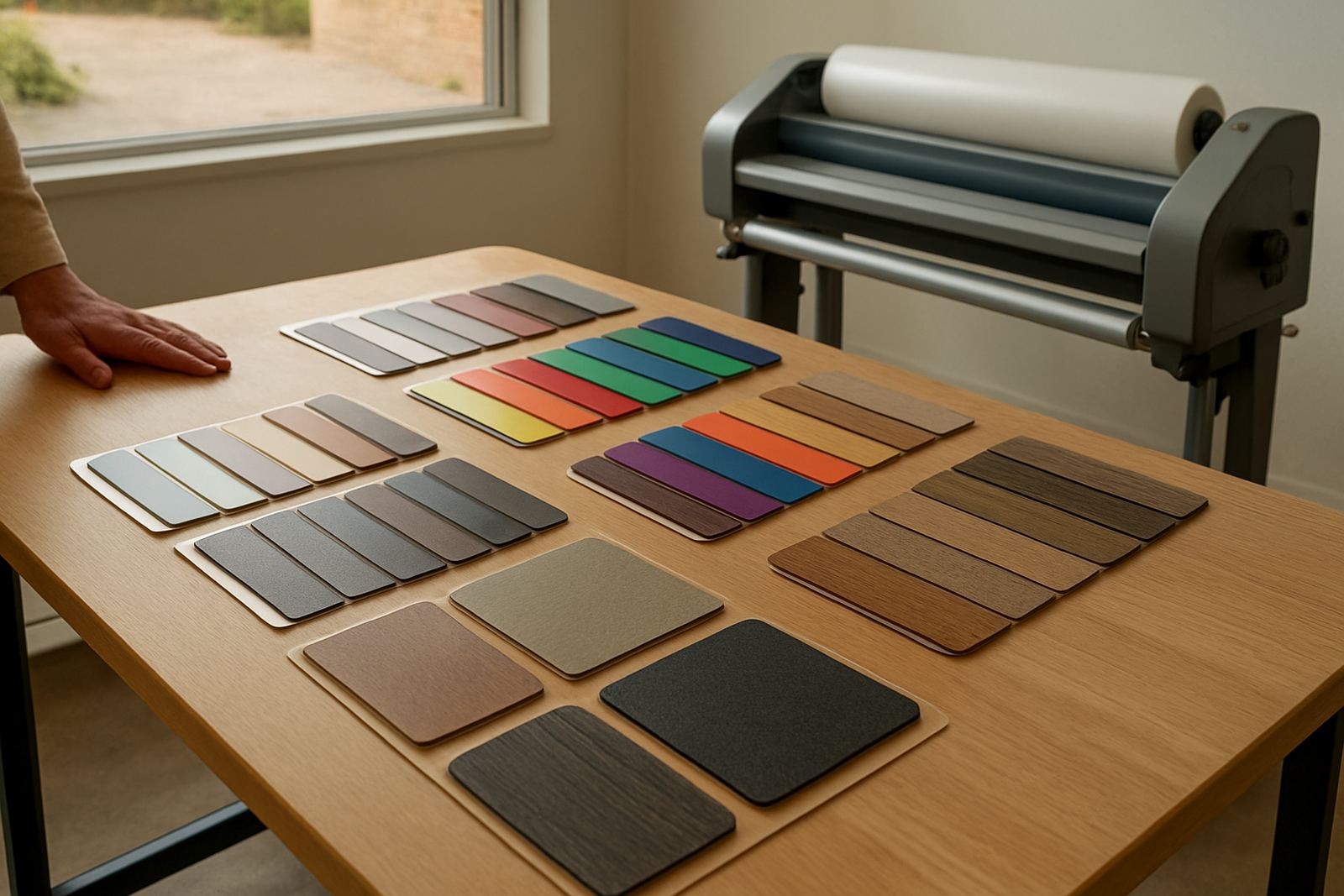
For a local example, a design studio in Sandton that updates its fabric and finish samples every quarter can keep the same book format for years if the pages are protected, the machine is maintained and the working copies are rotated. That is far better than replacing whole sets because the edges are frayed or the film has lifted at the corners.