Why heat changes the way adhesive behaves
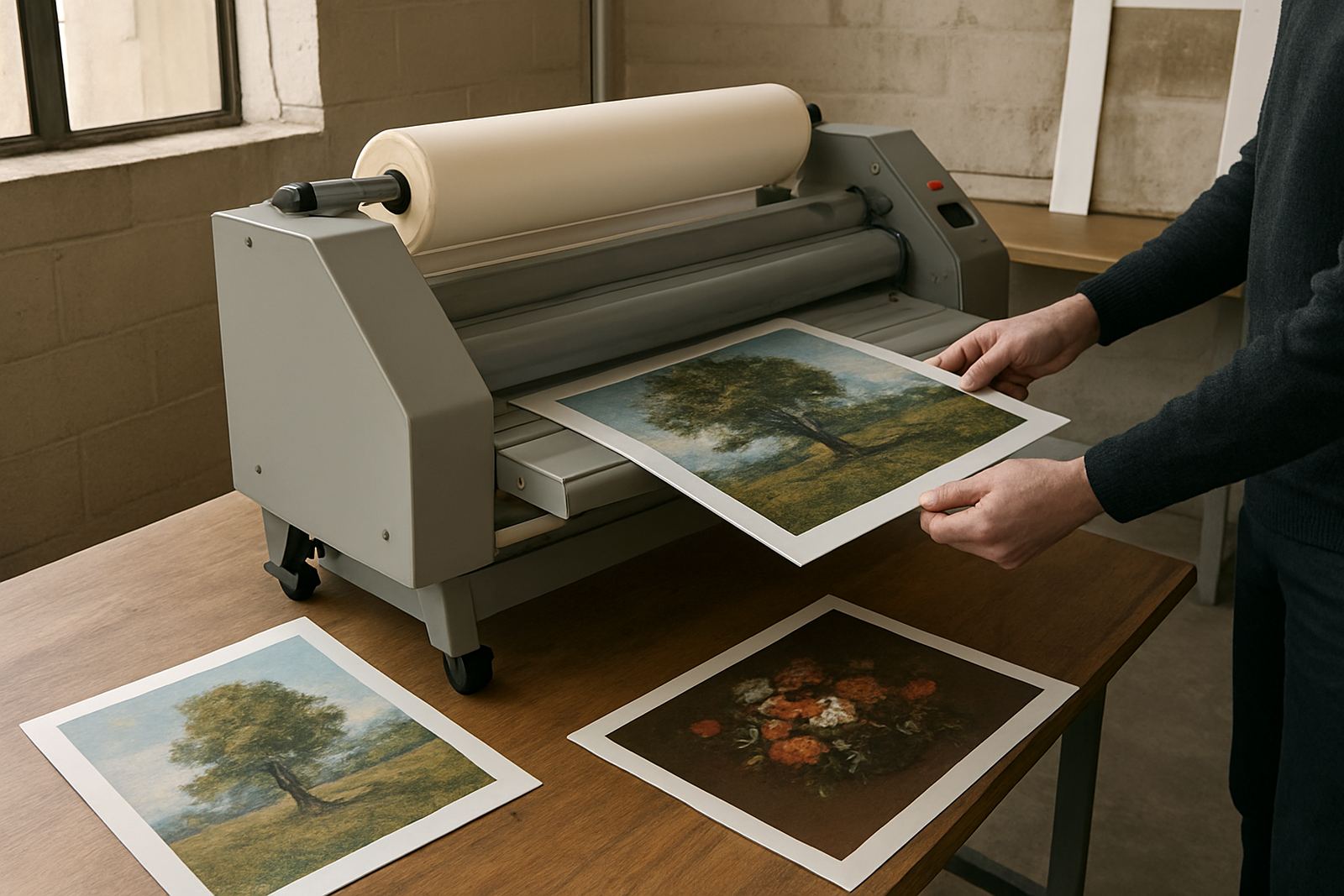
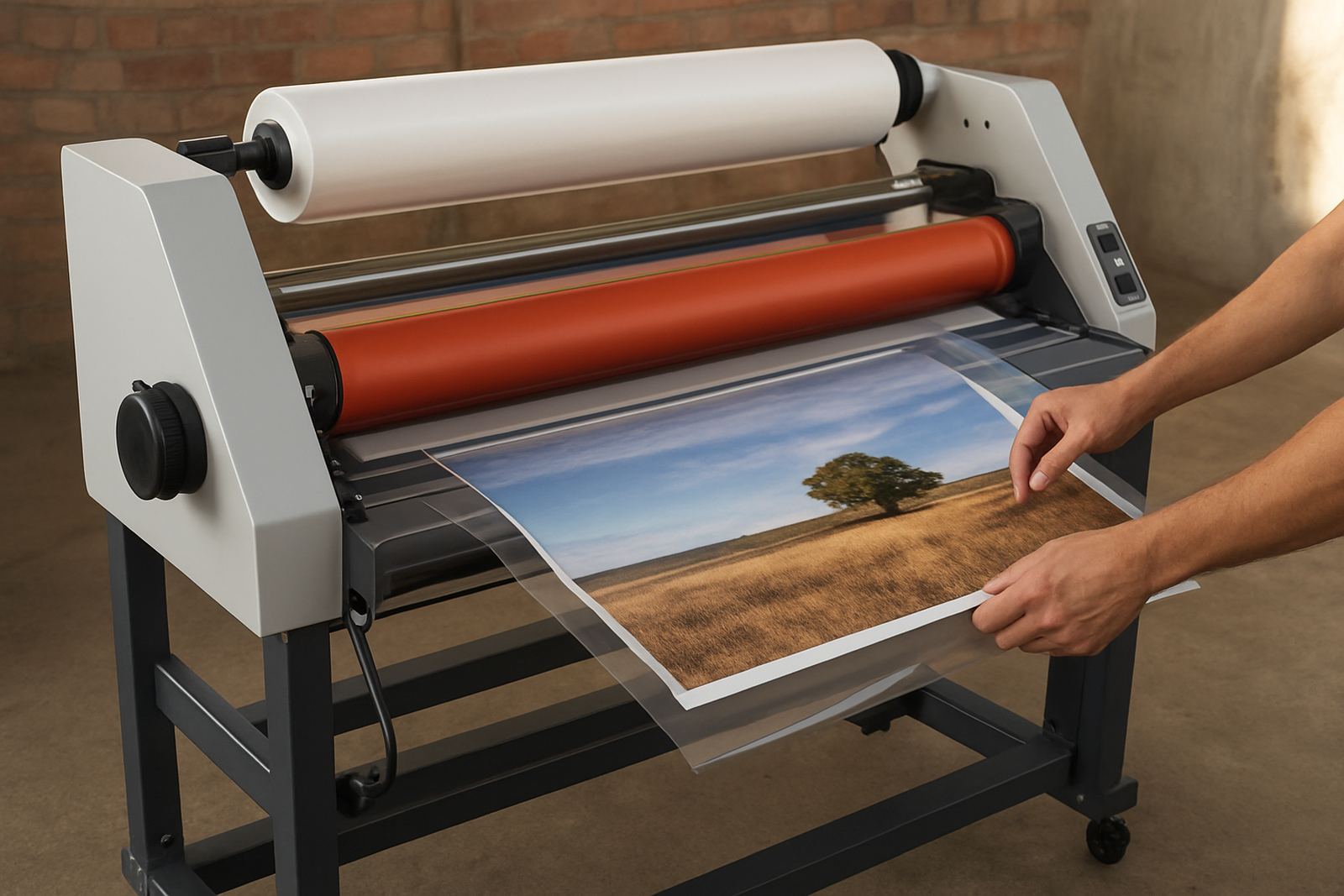
In a hot roll laminator, heat is not only about speed. It changes the adhesive from a stiff layer into a working film that can spread across the surface and grip evenly. Too little heat and the adhesive stays sluggish, which can leave silvering, weak edges or a cloudy look on printed work. Too much heat and the film can move too fast, causing waviness, distortion or marks on sensitive prints.
That balance matters whether you are laminating posters in Kya Sand, artwork in Sandton or school material in Pretoria. On short runs, operators sometimes notice that the first few metres look different from the rest, especially after a machine has been idle or after a long lunch break. The reason is usually temperature recovery, not the film itself. Heat has to be steady before the adhesive can bond the same way from sheet to sheet.
How temperature affects bond strength and finish
Bond strength depends on how fully the adhesive wets the print surface. If the heat is set correctly, the adhesive softens enough to flow into the fine texture of the paper or board and lock in place as it cools. This gives a flatter finish and better edge hold. If the temperatue is too low, the adhesive can sit on top rather than bite into the surface, which is a common cause of lifting corners on wider sheets.
- Low heat often shows as poor clarity, light bubbles or loose edges.
- Medium heat usually gives stable adhesion for most general print work.
- Higher heat is needed for thicker laminating films or heavier boards, but it must be controlled carefully.
- Gloss, matt and textured finishes all react a bit differently, so test strips save time.
For a print shop in Midrand handling mixed jobs, the best result comes from matching heat to the media, not using one setting for everything.
Cold and hot roll systems need different thinking
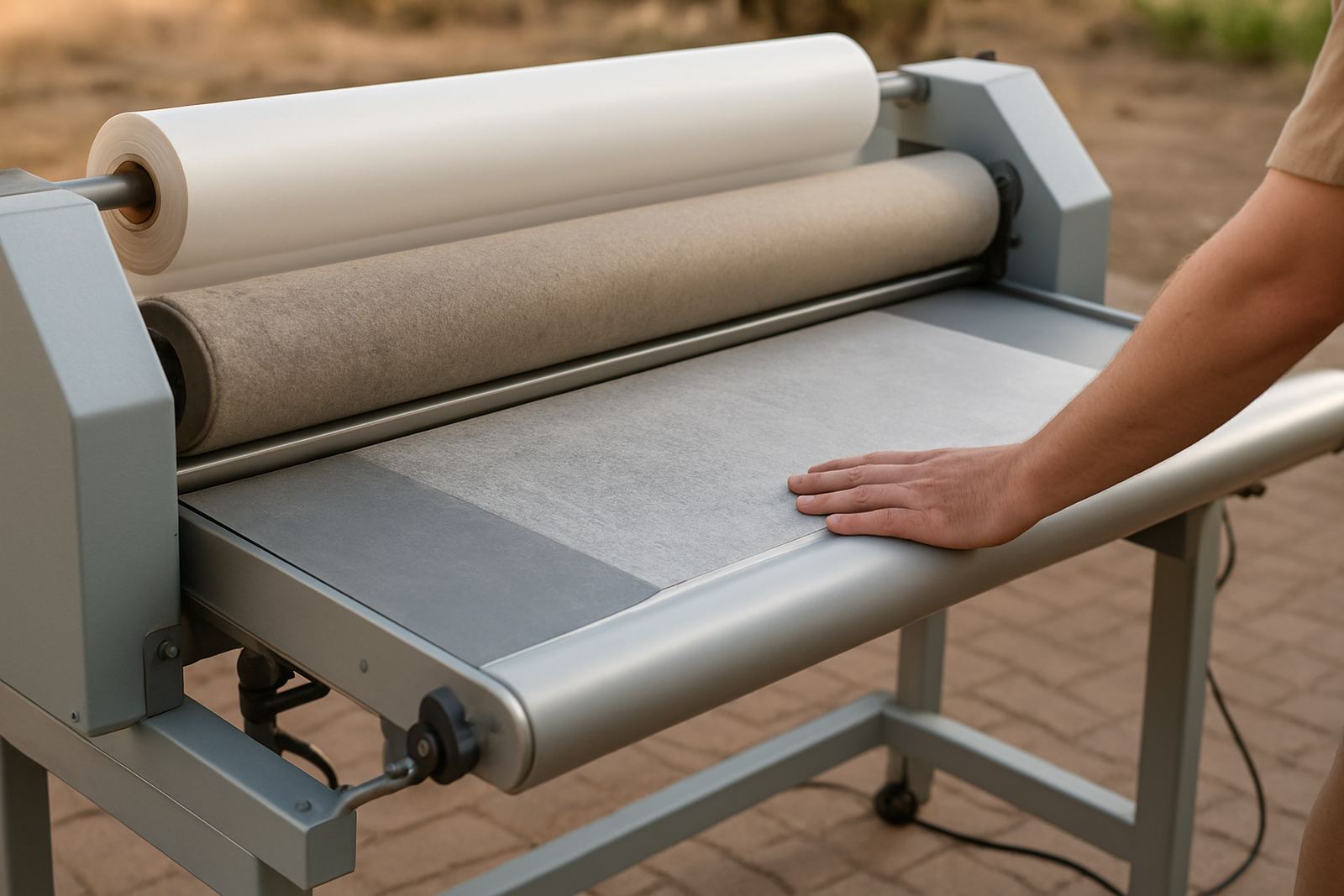
Cold roll laminators rely more on pressure than heat, but they still need attention to the environment and roller condition. In Johannesburg winter, a cold shop floor can change how adhesive behaves, especially early in the morning. Hot roll machines are more active, but they are not forgiving if the rollers are dirty, the heat zones are uneven or the feed is misaligned. Both systems depend on clean contact and correct pressure.
When servicing machines in Randburg and the East Rand, we often find that operators think they need more heat when the real issue is roller contamination or uneven pressure. A proper clean, pressure calibration and heat system check can restore the finish without pushing the settings too far. That helps protect the print and avoids unnecessary wear on the unit.
Signs the heat setting is wrong on site
Operators can usually spot a heat problem before it becomes a costly re-run. The clues are practical and often show up on the first metre of a job. If you know what to watch for, you can stop, adjust and test before wasting material.
- Edges start lifting after cooling.
- The film shows a rippled or stretched look.
- Prints look dull where they should be clear.
- Bubbles appear in the centre of wider sheets.
- Sheets come out too soft or slightly warped.
- Repeated marks show in the same place, which can point to a roller or drive fault.
In coastal humidity, especially when work is sent out from Durban or East London to inland clients, moisture in the paper can change the way heat behaves. Give the stock time to settle in the room before running the job, and keep wrapped material off cold concrete floors.
Practical settings for South African print rooms
There is no single temperature that suits every job, but there are sensible habits that improve results. Start with the material spec, then do a short test strip and inspect both sides of the finish. Keep notes on film type, room temperature and machine setting so you can repeat good results on the next order. That record is especially useful for shops in Sandton or Pretoria handling the same school or corporate work every month.
- Let the machine reach full operating temperature before feeding final stock.
- Run test sheets after any long pause or power interruption.
- Store film and prints in a dry room away from direct sun.
- Check the first and last output of every batch for edge lift or uneven gloss.
- Use the same operator notes each time so settings are easier to repeat.
Load-shedding also matters. After power returns, the rollers and heaters may need time to stabilise again. A quick test can prevent damage to a full order. That is a small delay compared with redoing a stack of artwork or retail graphics.
When servicing helps the heat do its job
If a laminator keeps giving mixed results, the issue may not be operator error. Worn rollers, poor calibration, electrical faults or weak heat elements can all upset adhesive flow. A machine that reads correctly on the panel may still be under-heating one zone or over-shooting another. That is why routine servicing matters for print shops, schools and in-house production teams across Johannesburg and beyond.
For example, a Kya Sand print room handling a rush of mounted graphics for a Sandton launch may notice one side of the output lifting while the other side looks fine. In many cases, that points to uneven heat or pressure rather than the film itself. A technician can check the heat system, drive system and roller condition, then reset the unit so the bonding stays even across the full width.
Good heat control keeps work looking clean, but it also reduces waste. That saves time, film and money on every run.
What to ask before buying or upgrading
Before you choose a laminator, think about the material range you handle and the size of jobs that come through the door. Wide-format work for banners, presentation boards and artwork needs steadier heat control than small office documents. If you are comparing units, ask about heat recovery speed, roller width, pressure adjustment and spare parts support. A machine that is easy to service will stay in use longer and give fewer surprises.
It also helps to ask about operator training and pre-purchase inspections. The right machine should suit your daily work, not only the biggest job you hope to land next month. For teams in Gauteng, a local installation and on-site support option can make a real difference when deadlines are tight.