
Choose the board based on how it will be used
The best finish starts with the right base. A presentation board that only needs to sit in a boardroom can use a lighter mount, while a board that travels between Randburg, Sandton and Midrand every week needs a tougher build. If the board will be carried often, ask for a substrate that resists corner damage and flexing. Foam board is neat and light, but it can mark easily. Rigid PVC or composite boards hold up better when the work is handled by different people.
For business pitches, many print shops in Johannesburg now prepare two versions of the same board. One is a clean display copy for meetings and the other is a working copy for approvals and notes. That small step saves time when a client wants to keep the presentation board after the meeting.
- Light display only: foam board or similar light mount
- Frequent transport: rigid PVC or composite board
- Longer review cycles: board with a wipeable laminated face
- Archival or artwork use: ask for low-glare protection
Keep the surface smooth before the print goes on
Even the best laminating film cannot hide dust, grit or a warped board. Before mounting, check that the surface is flat, dry and free from fingerprints. In Gauteng, changes in temperature can move materials slightly, so boards should be stored in a dry room and not left against a wall where they can pick up a bow. A panel with a slight curve will show it once the print is mounted, especially under office lighting.
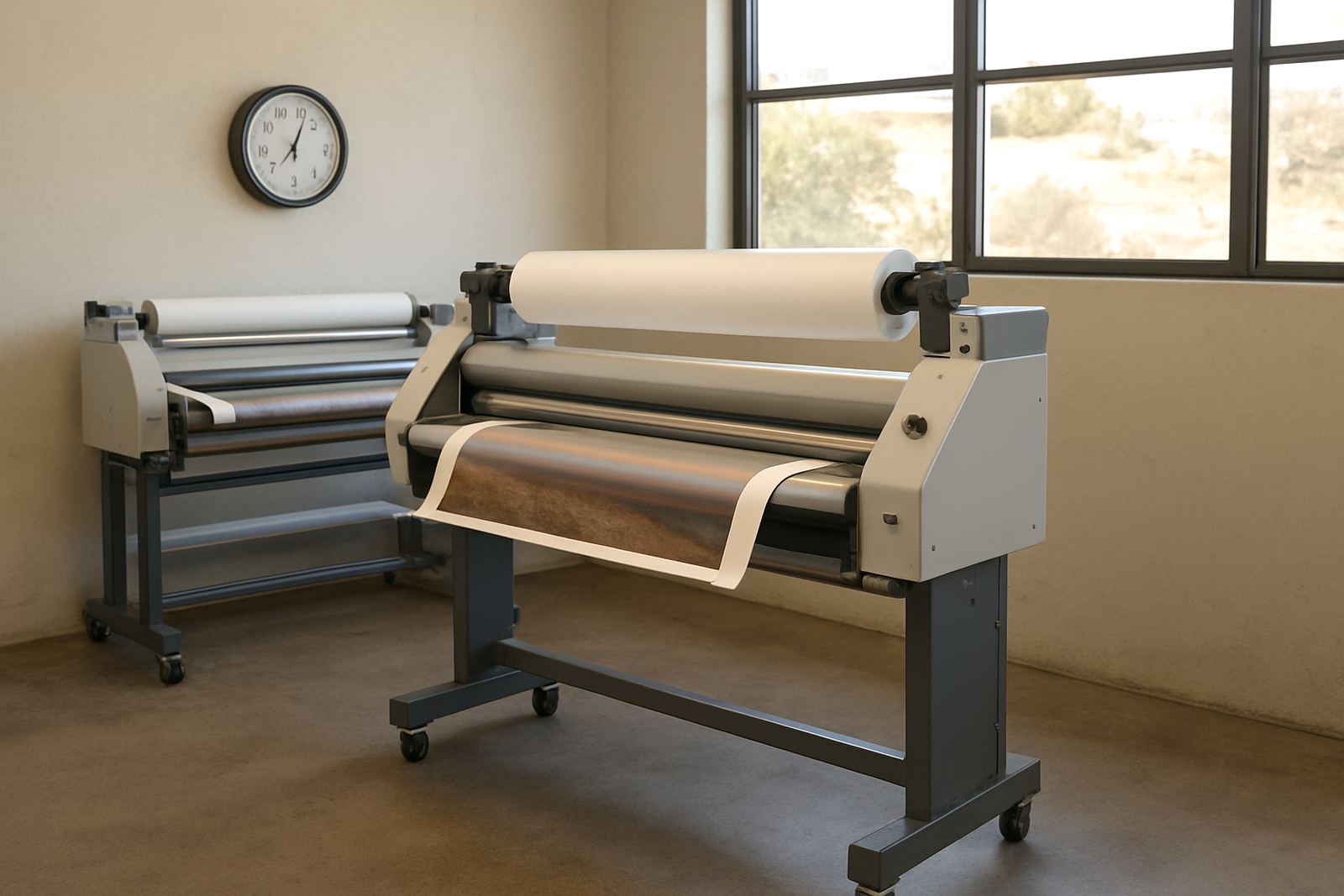
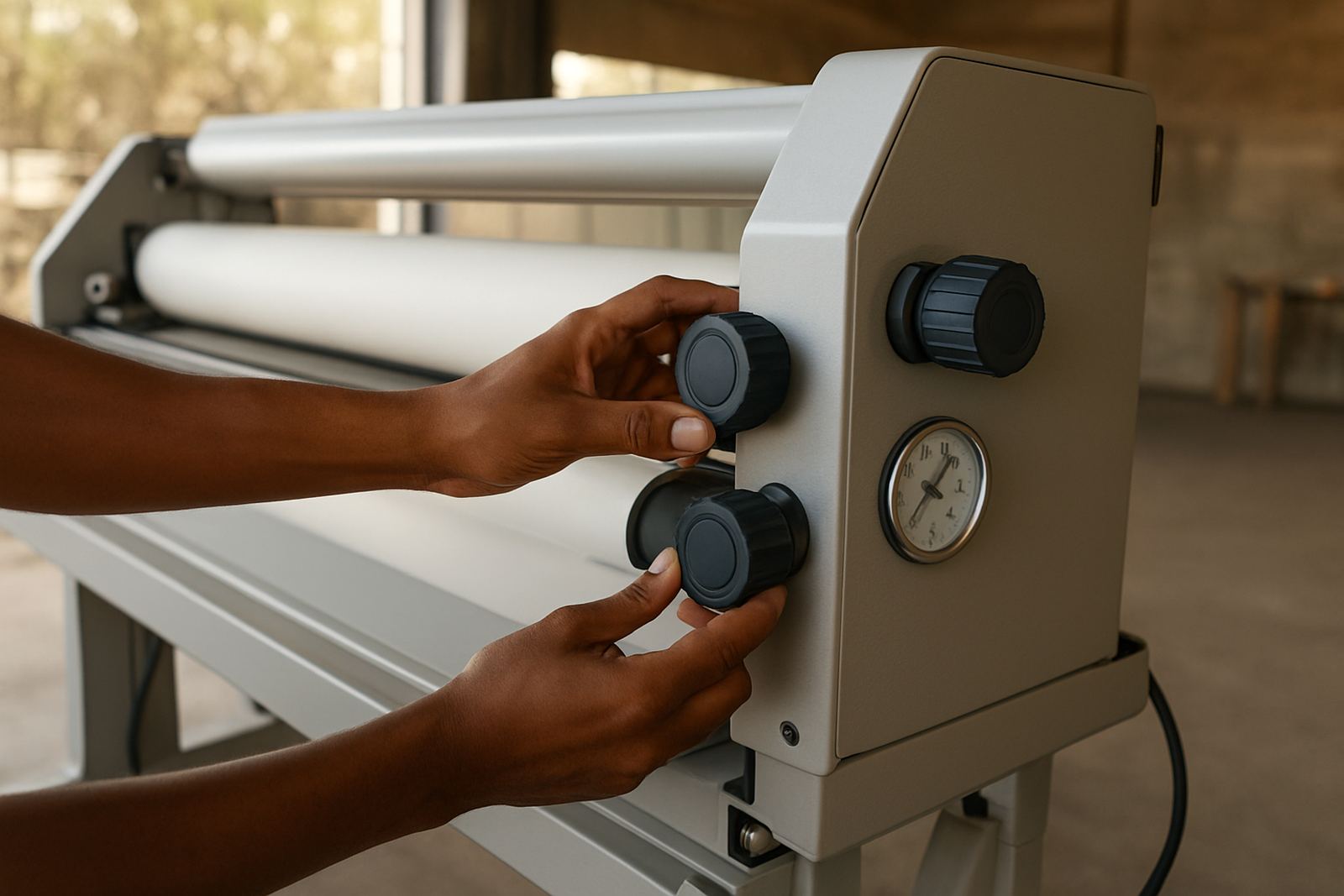
For artwork, diagrams and marketing boards, the image should be trimmed square and aligned carefully before pressure is applied. If the print is already set at an angle, the finish will look rushed no matter how clear the graphics are. This is where roller pressure and even heat matter, because a small fault at the edge can run right through the board.
- Dust and paper fibres show through clear films
- Humidity can cause edge lift on poorly prepared boards
- Warped boards become more visible after mounting
- Check corners before the board goes into final press
Use the right laminate sheen for the message
Gloss is not always the smartest choice. It can make colours pop, but it also reflects lights from a meeting room or a client site. Matt finish gives a calmer look and helps text stay readable when the board is tilted. Satin often sits in the middle and works well for sales boards, architectural presentations and training material. If the board will be handled often, a tougher surface can help reduce scuffs from carrying and stacking.
A simple rule is to match the finish to the viewing conditions. A glossy board might look sharp in a showroom, but the same board can be difficult to read under bright downlights in Sandton. For reviews and sign-off meetings, clarity is usually worth more than shine.
- Gloss: stronger colour, more reflection
- Matt: easier to read, softer look
- Satin: balanced finish for mixed light conditions
- Low-glare options: useful for boardrooms and site offices
Plan the edges and corners properly
The edge treatment often decides whether a presentation board looks finished or just printed. A neat cut with sealed edges gives a cleaner result and helps stop lifting. Rounded corners can be useful where boards are carried by hand, especially for site visits and client reviews in Pretoria or the East Rand. If the board is being mounted to a thicker base, the trim must be even on all sides so the border does not look off-centre.
Boards that travel in vehicles should also be protected from rubbing against straps, clips and tool bags. A small scuff on the corner can distract from the whole page, especially when the board is used in a formal pitch. That is why many businesses keep spare sleeves or simple carriers for finished boards.
Think about the room where the board will be seen
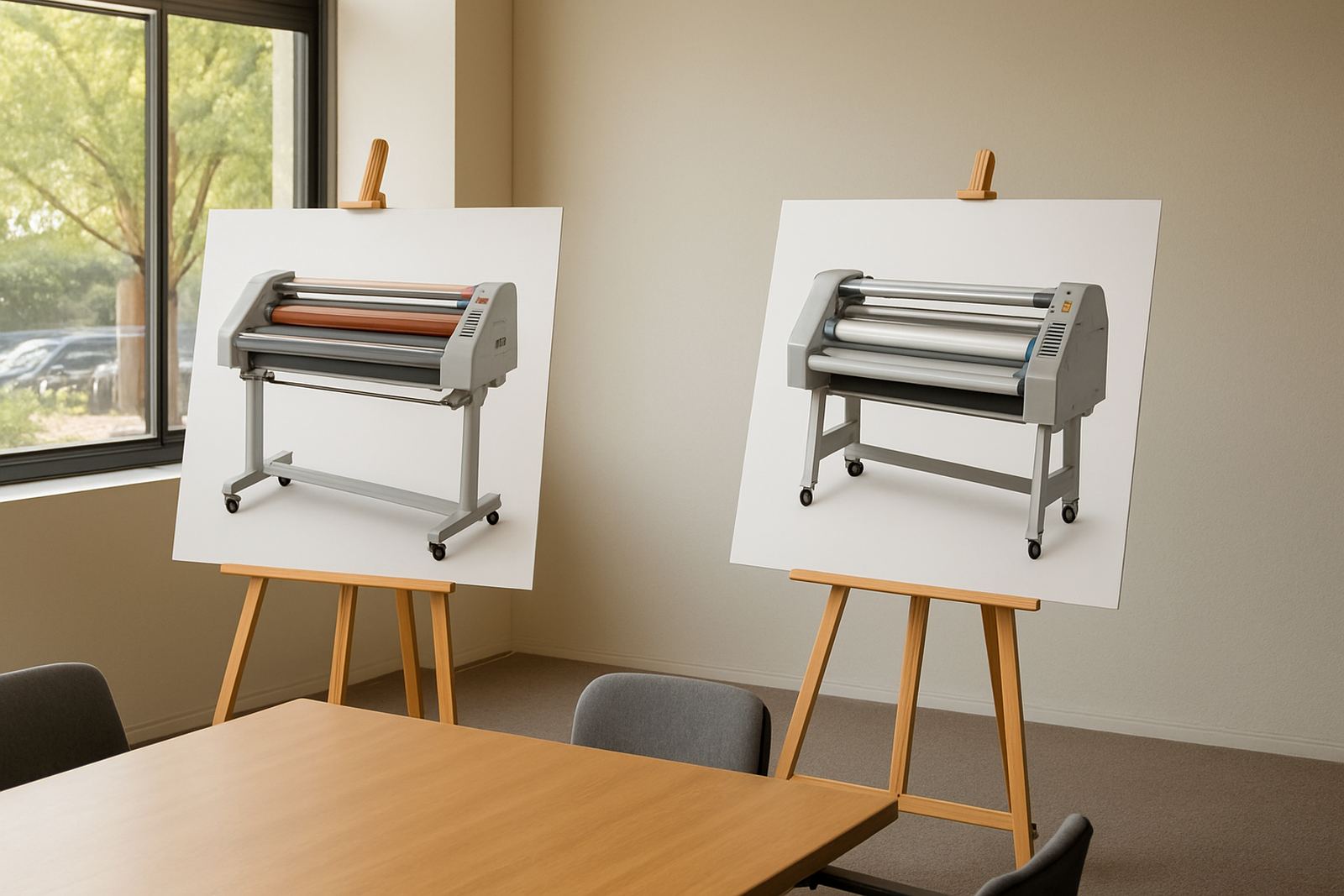
A board that looks good in a print shop may behave differently in a client office. Bright glass walls, white lights and sun from the side can all change how the surface reads. In Kya Sand and nearby business parks, many meetings happen in rooms with strong overhead lighting, so too much shine becomes a problem. If the board is for a formal review, ask where it will be displayed and whether it will sit on an easel, wall or table top mount.
Local conditions matter as well. On humid days, especially near the coast or after rain in Johannesburg, paper-based materials can react if they are not stored properly. The safer approach is to prepare the board, let it settle and inspect it again before delivery. If a board is being used for municipal submissions or tender meetings, a clean flat finish gives a more serious impression than a flashy one.
- Check the lighting in the actual meeting room
- Confirm if the board will be moved between sites
- Store finished boards flat in a dry place
- Allow time for the board to settle before final handover
A Kya Sand example: one board, two uses
A graphic studio in Kya Sand recently needed presentation boards for a client review and later for a showroom display. The first version had too much gloss, and when the board was placed under office lights the text became hard to read from the back of the room. The second version used a matt finish, tighter trimming and stronger backing. It travelled to the meeting in Midrand, was handled by three people and still came back looking clean.
That change did not require a complicated setup. It only needed better board selection, careful pressure calibration and a finish suited to the room. The result looked calmer and more professional, which is usually what clients remember after the meeting ends.
How to protect the finish after production
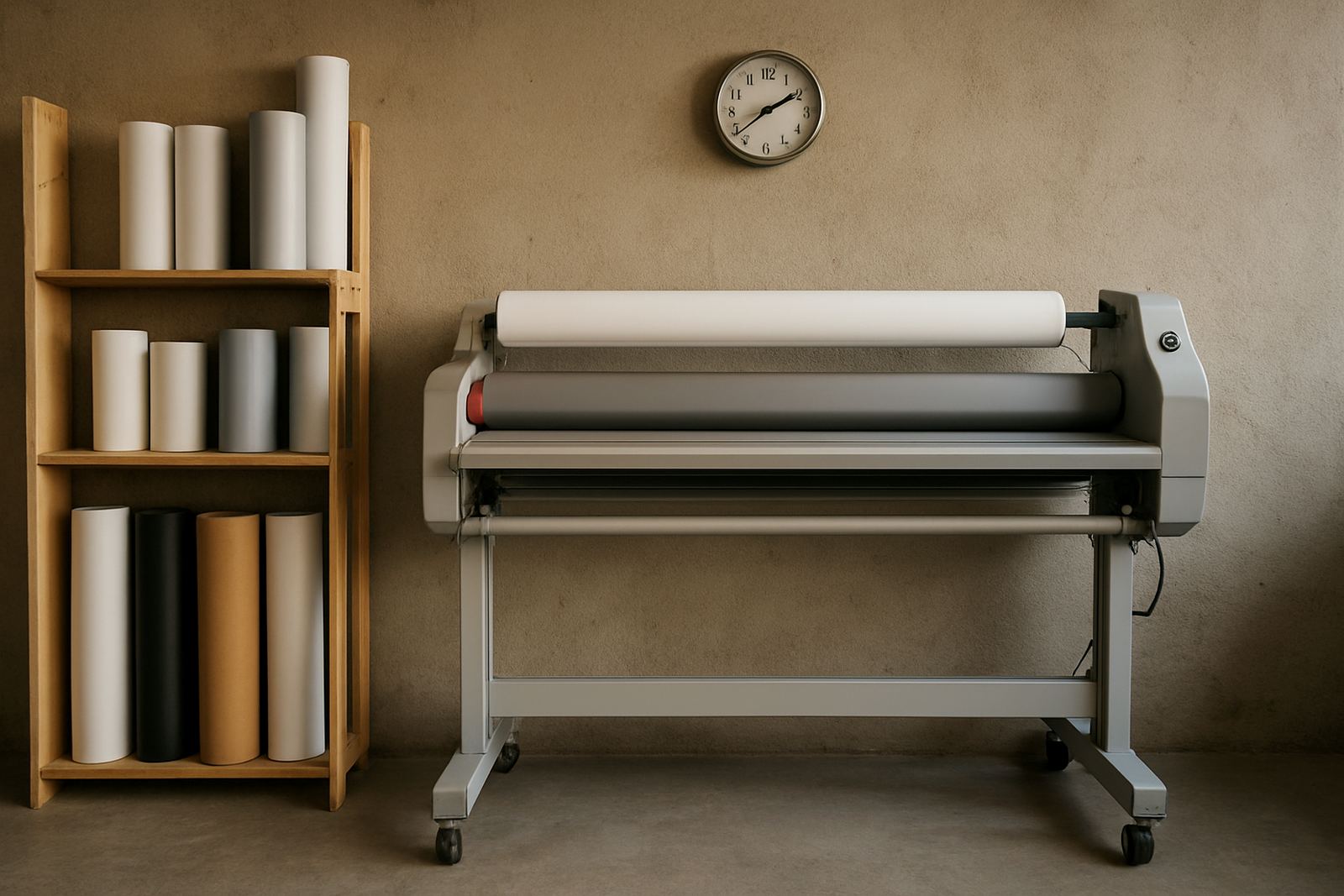
Once a board is finished, a lot can still go wrong before it reaches the client. Heat in a car boot, pressure from stacked files and rough packing can all leave marks. If boards are going to Sandton or Pretoria in the middle of summer, avoid leaving them in a hot vehicle for too long. Cold roll and hot roll systems both need proper operator control, but the board also needs sensible handling after the job is done.
For repeat work, keep a simple handling routine. It saves time and prevents reprints. A board with a good finish should still look good after the drive, the lift ride and the meeting room handover.
- Carry boards flat, not bent under the arm
- Use sleeves or clean sheets between stacked boards
- Avoid direct sun through vehicle windows
- Inspect corners and edges before delivery