Start with the print, not the machine
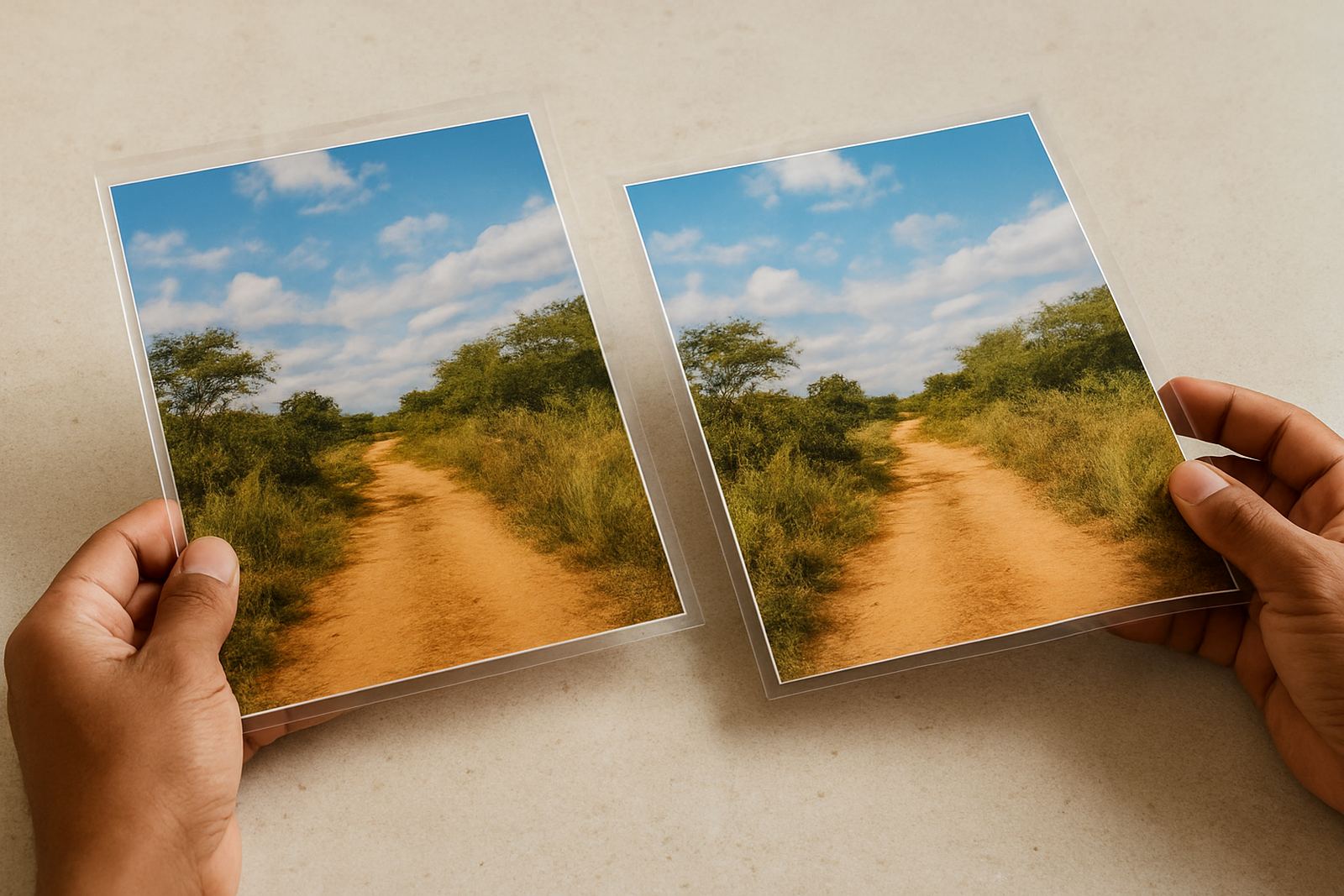
The right laminating method depends first on what you are protecting. A poster, photographic print, vinyl graphic, menu, technical drawing and school project do not all behave the same way under heat and pressure. If the print uses heat-sensitive ink, carries toner, or includes photos that must stay flat and bright, cold lamination is often the safer first choice.
Hot lamination works well for many everyday office and presentation jobs, but it is not ideal for every substrate. Some prints can wrinkle, silver, or curl when they meet heat. Cold lamination avoids that risk because the film bonds without a heated roller system. For print shops in Kya Sand, Randburg or Sandton, that can mean fewer reprints and less waste on short turnaround work.
- Choose based on ink type, paper thickness and final use
- Check whether the print can handle heat without distortion
- For coated photographic work, cold film often gives a cleaner result
- For frequent office documents, hot lamination can be fast and practical
It is worth matching the method to the job before you look at speed or price. That usually saves more money over time than buying the cheapest unit, and it reduces operator frustration too.
Where cold lamination makes more sense
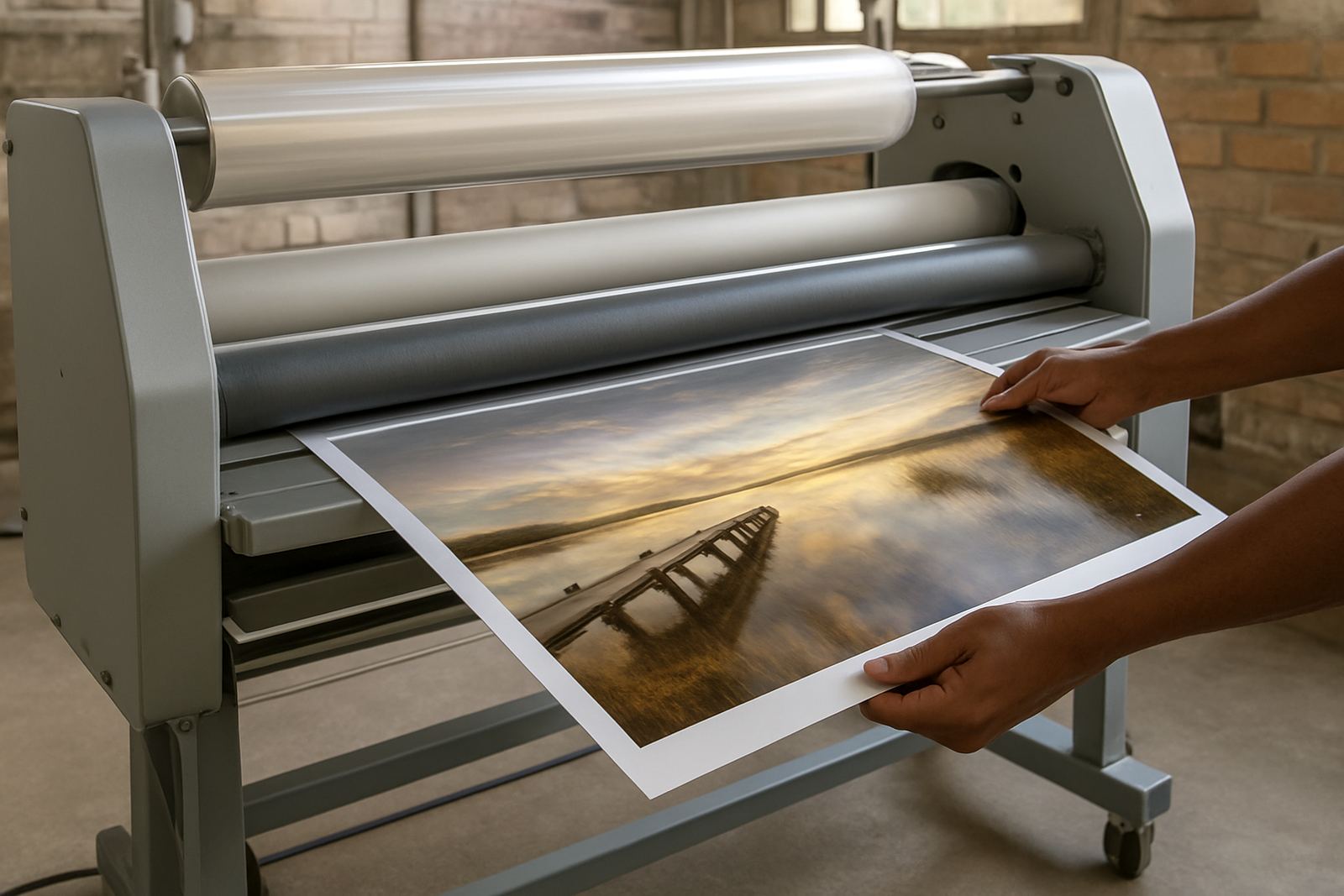
Cold lamination is the better fit when the print needs protection but not heat. It is commonly used for vehicle graphics, self-adhesive signage, exhibition panels, window graphics, and many artwork pieces. It also suits jobs where you want to avoid any risk of curling, bubbling or ink softening.
In Johannesburg offices and design studios, cold roll laminators are often chosen for larger format work because they can handle delicate media and give good clarity on colour-rich prints. They also help with materials that may already carry adhesive or special coatings. If you are producing presentation graphics for a client in Pretoria or installing promotional boards in the East Rand, the cooler process keeps the job more stable.
- Good for pressure-sensitive films and delicate prints
- Useful for large graphics that must stay flat
- Works well on artwork and photographic pieces
- Reduces the chance of heat damage on mixed media jobs
Cold lamination is also useful in spaces where load-shedding interrupts routines. If your workflow is often stopping and starting, a cold unit can be simpler to manage because there is no waiting for heat-up or cool-down cycles. That can make a real difference in a busy print shop, especially when you need a quick turnaround before courier collection.
When hot lamination is the practical choice
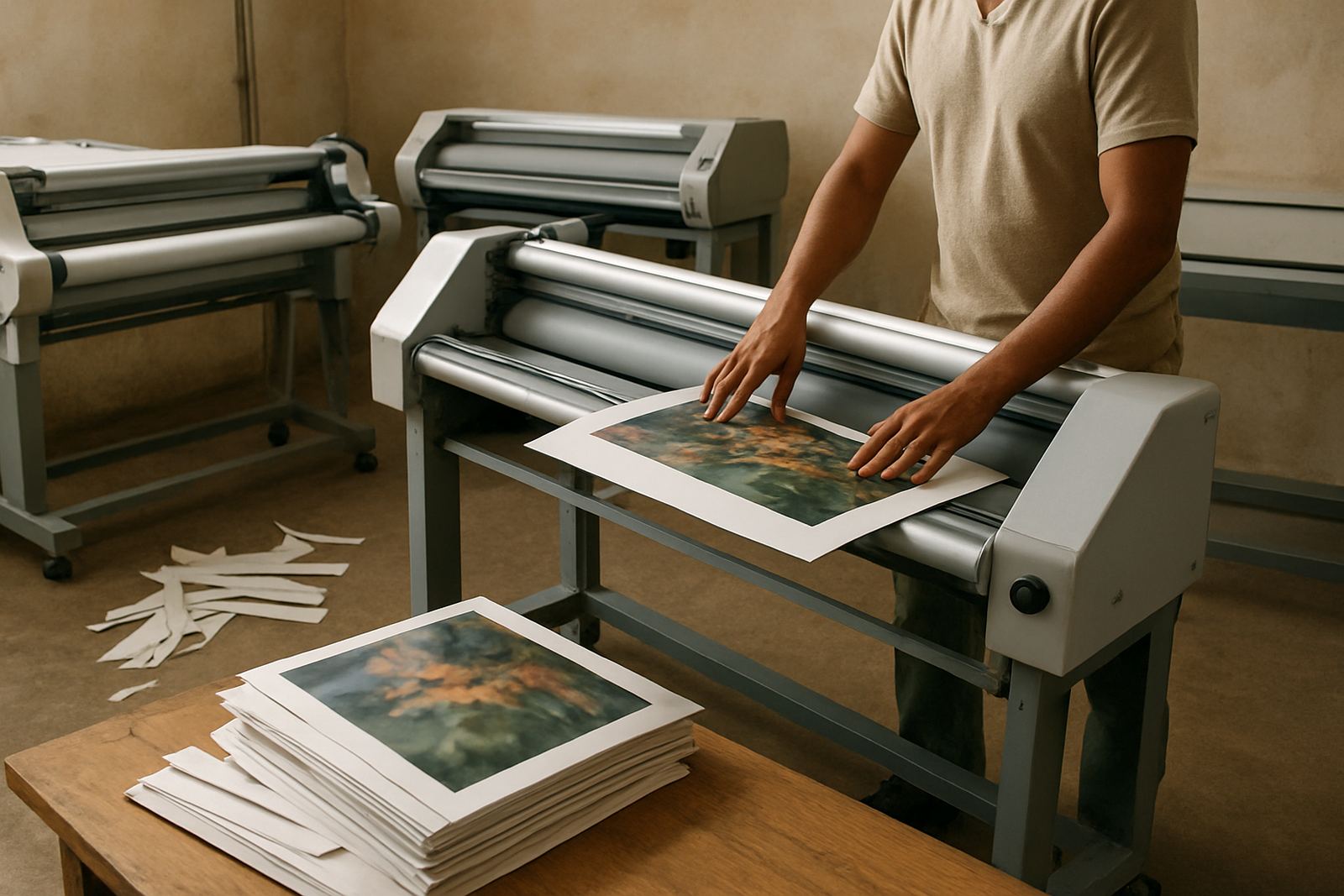
Hot lamination is still the right answer for many businesses. It is widely used for documents, menus, training material, notice boards and some short-run presentation items. The heated rollers activate the adhesive on the film, creating a sealed finish that is easy to clean and handle. For general office use, that can be ideal.
Hot lamination often makes sense when speed, cost per sheet and day-to-day convenience matter more than specialist handling. Schools, clinics, municipal offices and small businesses across Midrand and Pretoria often use hot laminators for laminated notices and reference sheets. The sealed edge and firmer finish can help items last longer in shared spaces.
- Suitable for routine document protection
- Often preferred for menus, signs and training material
- Can give a firm, smooth finish on the right substrate
- Works well where repeat jobs are part of daily operations
That said, hot lamination needs correct temperature and roller pressure. If the heat is too high, the film can distort or the print may shift. If it is too low, adhesion can be weak and the finish may peel at the edges. For this reason, regular pressure calibration and heat system checks are not a luxury, they are part of keeping output consistent.
What South African conditions do to laminating results
In South African print rooms, site conditions can change how lamination behaves. Coastal humidity can affect how films sit on a print, while dust in workshop spaces can show up quickly in the finish. In Gauteng, sudden temperature changes between early morning and midday can also affect how a job behaves once it leaves the machine.
For businesses in Johannesburg, especially around Kya Sand where many printers work in mixed production spaces, good handling is as important as machine choice. A clean roller set, correct tension and stable feed path all help avoid marks and wrinkles. If you are storing film near a loading bay or in a hot storeroom, the quality can shift before the job even reaches the laminator.
Power cuts add another practical point. When a hot machine is switched off during a job, the operator may face wasted material or uneven finish if the restart is rushed. Cold systems are less affected by warm-up cycles, but they still need steady feeding and clean rollers. Either way, routine servicing keeps the machine ready and reduces downtime.
How to compare cold and hot before you buy
Before choosing a laminator, think about the size of the work, the volume per day and who will run it. A small studio doing artwork and posters may need a very different setup from a print house handling school packs, retail signage and exhibition boards.
The main decision points are usually practical rather than technical. Ask what the machine will laminate most often, how wide the media is, and whether operators need a simple process or more control. Pre-purchase inspections are useful when you are comparing units because they can reveal issues with rollers, drive systems or electrical parts before money is committed.
- Check working width against your largest common job
- Consider film type, thickness and finishing style
- Match operator skill level to machine controls
- Factor in servicing access, spare parts and training
If you expect regular changes between job types, a machine that is easy to adjust may be worth more than a cheaper unit with limited control. That is especially true for print shops serving customers across Randburg, Sandton and Midrand, where job mixes can change quickly from one day to the next.
A Kya Sand example from a busy print shop
One common situation in the north of Johannesburg is a shop that prints both marketing material and durable signage. The team may have one client wanting mounted artwork for an office wall in Sandton, while another needs laminated direction boards for a site in Pretoria. In that case, cold lamination is often used for the graphics and artwork, while hot lamination may be reserved for document sets and lighter duty internal signage.
That split keeps the workflow practical. The operators do not force every job through the same process, and the finish matches the use. It also reduces complaints from customers who expect clear colour, flat sheets and clean edges. When a machine is serviced regularly, the difference shows in the output very quickly.
For businesses working from Kya Sand and servicing clients nationwide, support matters as much as the machine itself. Routine servicing, roller cleaning, drive system repairs and operator refresher training all help keep output consistent. If a unit breaks down on site, having a technician who can assist quickly makes the difference between a small delay and a missed delivery window.
Simple rule: protect the print and protect the workflow
The best choice is the one that suits the media, the environment and the production pace. Cold lamination is usually the safer path for delicate graphics and artwork. Hot lamination is often the easier route for standard documents and repeat office work. Neither is better in every case.
If you are unsure, look at the jobs you do most often and the conditions you work in. A machine that matches your daily output, supports your operators and holds up under local conditions will pay for itself more reliably than one bought only on price.
For advice on selecting the right system, comparing units or planning maintenance, the team in Kya Sand can help. A practical recommendation now can save a lot of waste later.