Why the last 10 minutes matter
Most laminator complaints start with small things left overnight. Adhesive build up, dust on rollers, heat left too high or film tension not fully relaxed can all show up as bubbles, dragging or cloudy patches on the next run. End of day care is not about polishing for show, it is about keeping the machine stable and predictable.
In a busy Kya Sand print room, the operator may run long banners in the morning, then switch to shorter jobs after lunch. If the laminator is switched off dirty and warm, the rollers can hold residue harder by the next shift. That is when you start seeing paper edge curl, hot spots or film tracking off line.
A simple shutdown habit also helps with power cuts. When load-shedding hits at the wrong time, a machine that has already been cleared, cooled and set down correctly is less likely to suffer unnecessary wear.
Clear the film path before power off
Before the final switch off, run the last piece of waste material through the machine where needed and check that no offcuts are hanging near the infeed or rewind area. Remove trimmed edges, backing paper and any tape that could stick to the rollers overnight. If adhesive has transferred, clean it while it is still manageable instead of leaving it to harden.
Give the film path a quick visual inspection. Look at guides, rollers and entry points for dust, label bits or cut vinyl fragments. In workshops near Randburg and Sandton, we often see tiny debris from cutting tables getting into the laminator at the end of the day. It only takes one small scrap to create a line on the next customer job.
- Remove all loose film and offcuts from the feed area
- Check both rollers for adhesive spots or dust
- Wipe external surfaces with a clean, dry cloth
- Make sure no tools or sample boards are left resting on the machine
Let the rollers cool down in a controlled way
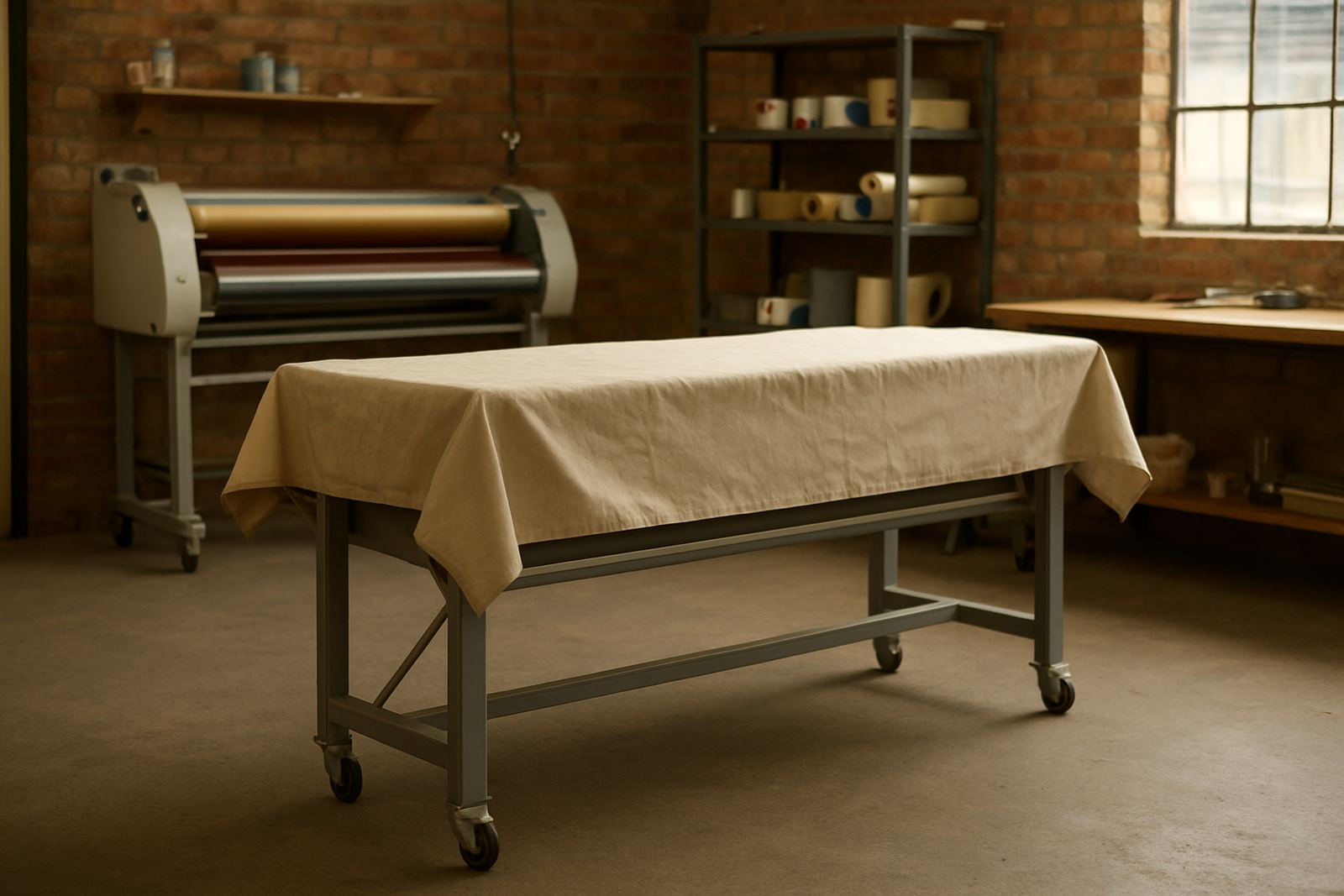
Hot and cold roll laminators need a proper cool down cycle. If the machine is switched off too quickly after heavy use, heat can sit unevenly across the rollers and tension parts. Let the unit return to a safe temperature according to the maker's procedure, then power down fully. Do not cover a warm machine with sheets or packing material, because trapped heat can affect the roller surface and nearby electrical parts.
On sites in Midrand and Pretoria, where afternoon temperatures can still be high, this step matters even more. A laminator packed away warm in a small room can struggle the next morning, especially if the room also carries dust from paper stock or board cutting. A few extra minutes for cooling is cheaper than a roller repair.
If your team runs a shift handover, make cool down part of the checklist. It helps the next operator know the machine was left in good order, not just turned off in a hurry.
Wipe rollers the right way
Clean rollers are key to clean output. Use the correct cleaning method for the roller surface and the type of residue on it. The goal is to remove adhesive or dust without scratching, drying out or polishing the roller in the wrong way. Aggressive cleaning can do more harm than the residue itself.
For routine end of day care, a light wipe is often enough if the machine has been used properly through the day. If there is visible adhesive build up or a greasy feel, that is a sign the machine needs more than a basic wipe and may need a proper service check. Coastal humidity can also make dust stick harder, even in inland towns when weather changes bring damp air.
- Use a clean cloth approved for the roller surface
- Do not use sharp blades or rough pads
- Check for glue lines on the edges of the rollers
- Keep cleaning liquids off electrical panels and switches
Set pressure and heat back to a safe starting point
At the end of the day, do not leave the machine set for the heaviest job you ran. Back pressure off to a neutral or storage setting where suitable, and reduce heat or switch it off as recommended for the model. This protects the drive system, helps the rollers rest evenly and gives the next operator a known starting point.
If your team handles different stock thicknesses through the day, the settings can drift from one job to the next. A shutdown check brings the machine back to a standard state. That is especially useful in shops that handle artwork, presentation boards and short-run signage with different film weights.
Keep a simple log beside the laminator. Record any unusual noise, uneven pull, temperature swings or pressure changes. A note made at 5 pm is often more useful than trying to remember it after the weekend.
A Johannesburg example that shows the value
One print team in the Kya Sand area was seeing a fine haze on the next morning's first batch, especially after long runs of mounted prints. The machine itself was not failing. The problem was the end of day habit. The operator would switch off immediately after the last order, leave the rollers warm, and close up with small adhesive marks still on the edge.
After tightening the shutdown routine, the shop began wiping the rollers, clearing the film path and cooling down before power off. The morning haze dropped off, and the first job of the day stopped needing repeat checks. The team also found fewer callouts for minor tracking issues. It was a small change, but it saved time on busy days and gave the press room more predictability.
This is common across Johannesburg, from Kya Sand to East Rand sites where teams are balancing deadlines, staff handovers and power interruptions. Good shutdown habits make the next shift easier.
When end of day care is not enough
If a laminator keeps leaving residue, slipping film or showing uneven finish even after proper shutdown care, it may need servicing rather than another quick wipe.
That is where scheduled maintenance helps. Routine servicing, roller cleaning, pressure calibration, heat system checks, drive system repairs and electrical fault finding all support better output. We also recommend operator refresher training after staff changes, because many laminator issues begin with small handling habits that can be corrected early.
- Persistent bubbles or silvering on the film
- Repeated edge curl on the same side
- Unusual noise on start up or shut down
- Rollers that look clean but still leave marks
If your machine is due for a check, or you want a pre-purchase inspection before bringing in another unit, it is worth sorting that before the next busy run. For support in Kya Sand, Randburg, Sandton, Midrand, Pretoria and the East Rand, our team can help with inspections, spare parts support and on-site breakdowns nationwide.