
Why floor graphics fail sooner than people expect
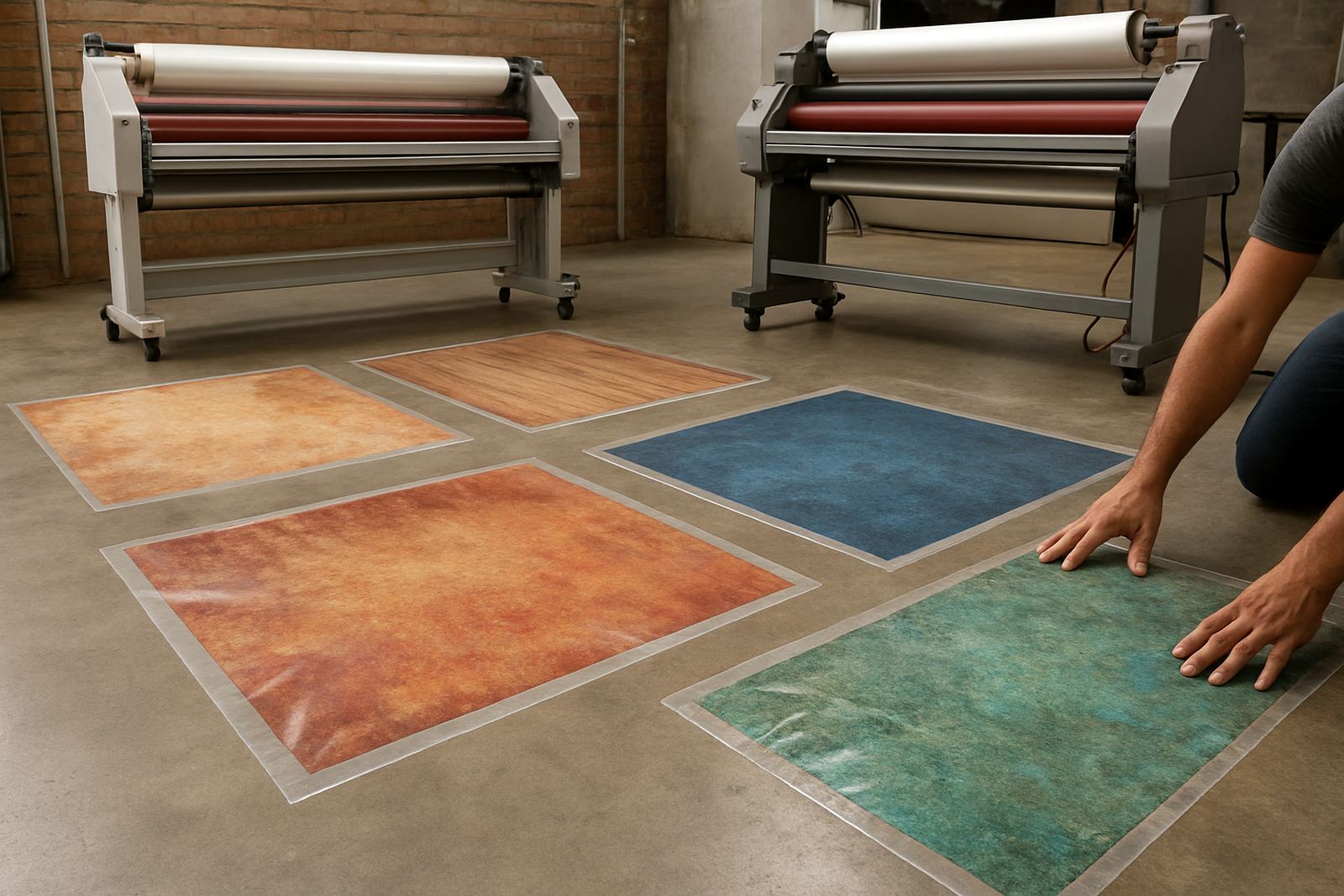
A floor graphic is exposed to shoes, trolley wheels, mop water, dust and constant turning movement. Even a well printed decal can start to look tired quickly if the surface layer is too soft or the laminate is not matched to the floor and traffic level.
In practice, wear usually shows first on edges and high contact zones. That means entrances, queue lines, lift lobbies and point of sale areas take the hardest hit. If the installer uses a light duty overlaminate on a site with heavy foot traffic, the print may still look good on day one but fail after a few weeks.
For South African businesses, there is also the issue of cleaning. Many sites use strong detergents, and some floors are damp for part of the day because of weather, washing schedules or coastal humidity. A protective layer has to cope with that real world use, not just a clean showroom floor.
What the protective layer actually does
The protective layer is there to take the abuse so the printed media does not. It helps resist scuffing from shoes, protects against surface scratches, and gives the print a better chance of staying legible under repeated cleaning.
It also affects grip. A good floor laminate should not be slick underfoot. On retail or public access sites, a textured or slip rated finish is often the safer choice because it keeps the graphic visible while still giving a more secure walking surface.
- Scuff resistance for shoe traffic and trolley movement
- Moisture resistance for wet mopping and spill clean-up
- Slip control for safer use in public areas
- Colour protection so the print does not dull too fast
- Edge support to reduce curling and lifting
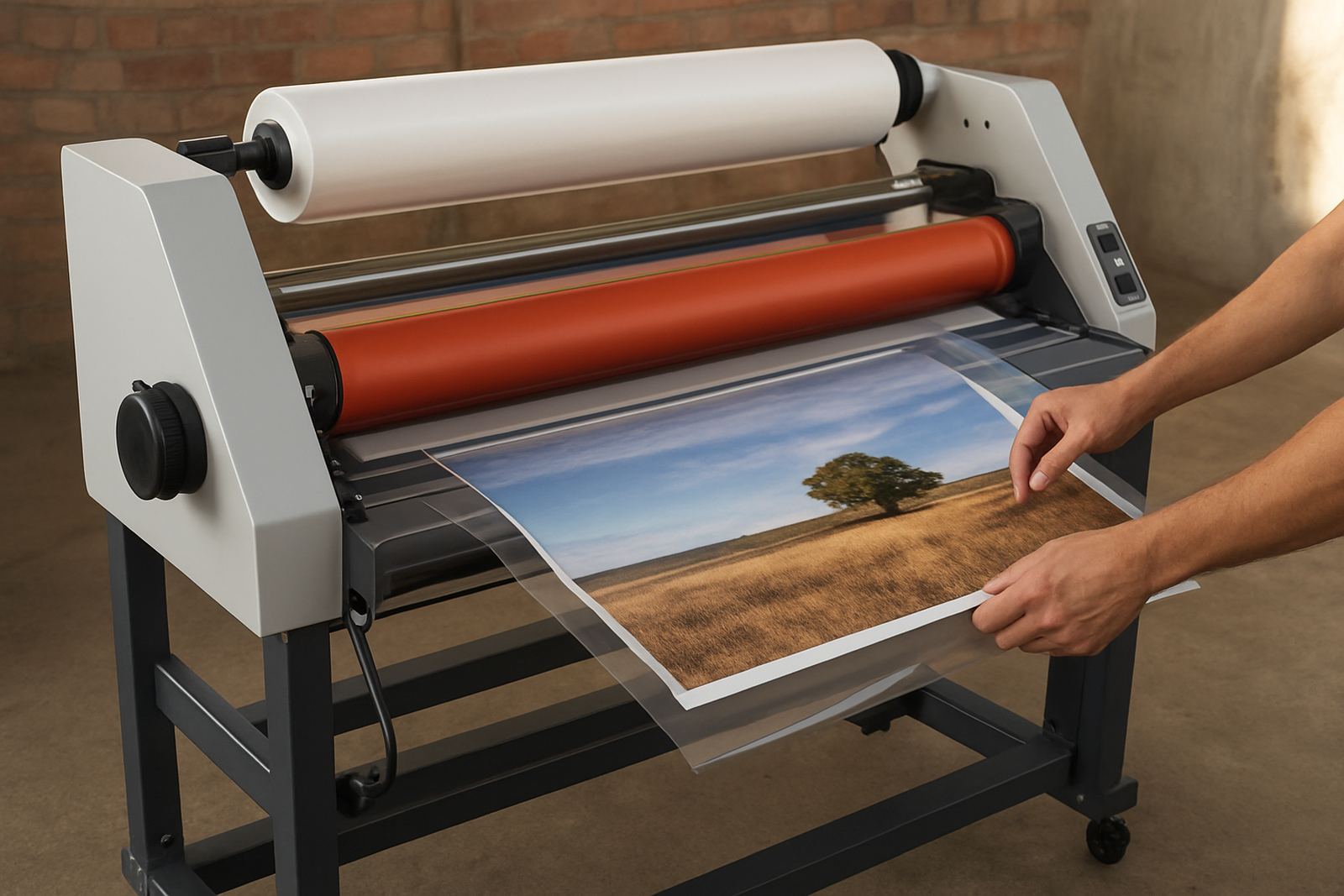
The print itself may be made with cold or hot roll lamination, but the wear layer on the floor is what determines how long the graphic stays neat. On a busy site, that layer can make the difference between a campaign lasting two weeks or two months.
Choosing the right finish for the traffic level
There is no single protective layer that suits every floor application. A light promotional graphic in a controlled indoor space does not need the same treatment as a pharmacy queue line or a hardware store aisle. Matching the finish to traffic level is what keeps costs under control.
For lower traffic indoor use, a smooth protective film may be enough. For higher traffic areas, a textured finish usually gives better wear resistance because it hides small scratches and helps maintain traction. In warehouses, showroom floors and shopping centre entrances, installers often look for a heavier duty layer with stronger adhesive performance.
- Short term promotions: lighter duty protection for controlled indoor use
- Retail queue areas: medium duty layer with better scuff resistance
- High traffic public spaces: heavier textured protection and careful edge sealing
- Wet or frequently cleaned areas: moisture resistant finish with reliable bonding
The floor itself matters too. Sealed concrete, polished tiles, epoxy coating and vinyl all behave differently. If the surface is dusty, uneven or poorly cleaned before fitting, even a good protective layer can fail early. Preparation is part of durability, not just the print stock.
The local problem: busy floors in Gauteng sites
A typical Johannesburg example is a small retail strip in Kya Sand or Randburg where deliveries happen early, staff mop the entrance before opening, and customers pass through all day. Add in dust from nearby roads and frequent trolley movement, and the graphic starts to wear from multiple angles.
In Midrand offices or Sandton reception areas, the issue may be cleaner foot traffic but more polished flooring and higher visual expectations. That means the top layer needs to stay flat, clear and properly bonded or the graphic starts to lift at the corners. In Pretoria and the East Rand, some sites also deal with strong cleaning routines and temperature swings between morning and afternoon, which can affect adhesion.
When we look at floor graphic durability, the question is not only how the print looks on installation day. It is whether the protective layer can hold up for the full campaign without needing early replacement. That affects budget, labour and down time for the site.
For example, a warehouse reception in Kya Sand that gets daily foot traffic from staff and visitors may need a different protection spec from a weekend promotion in a mall corridor. The first needs longer wear resistance and tighter edge control. The second may prioritise clean removal after the campaign ends.
Signs the laminate is too light for the job
Once a floor graphic is in place, early warning signs usually show up fast. The surface may start to haze, corners may lift, or the print can become patchy where shoes pass most often. If that happens within days it is usually a match issue between the media, laminate and site conditions.
- Edges lifting after cleaning or heavy foot traffic
- Surface becoming cloudy or scratched in walk paths
- Print colour looking dull before the campaign is finished
- Slip control feeling inconsistent from one area to the next
- Adhesive failure on dusty, uneven or damp flooring
These problems are often preventable. A proper pre-install check should include floor condition, expected foot traffic, cleaning chemicals, and whether the graphic needs to survive trolleys or only pedestrians. It sounds basic, but skipping that step costs more later.
What to check before placing a floor media order
Before ordering floor graphics, it helps to ask a few direct questions about the job. That keeps the protective layer aligned with the site rather than chosen on price alone. In many cases the cheapest option ends up costing more because it wears out early.
- How many people pass through the area each day?
- Will the floor be dry, damp or regularly wet cleaned?
- Is the surface tile, sealed concrete, epoxy or vinyl?
- Does the site need a slip resistant finish?
- How long must the graphic stay in place?
For print shops, designers and installers, this is also where technical support matters. The right advice can save time on reprints, complaints and call-backs. If the floor is in a high traffic site in Pretoria or Sandton, or near an entrance that catches grit, the spec should reflect that from the start.
Making floor graphics last longer in real South African conditions
Durability is not only about the laminate. It also depends on service, cleaning and installation quality. A floor graphic fitted on a clean, dry surface and allowed the correct curing time will usually perform better than one installed in a rush before store opening.
Routine checks matter too. If the edges begin to lift, the area can collect dirt and water, which speeds up failure. Quick attention from an installer or service technician can extend the life of the graphic and protect the rest of the campaign.
At Laminator in Kya Sand, Johannesburg, we see the same pattern across Gauteng and nationwide: when the protective layer matches the traffic and the floor preparation is done properly, the graphic lasts longer and looks better. That is true for a short retail promotion, a branded queue line or a permanent directional floor sign.
For businesses, the practical test is simple. If people can walk over it, mop it and still read it clearly after daily use, the protective layer is doing its job. If not, the spec needs adjusting before the next install.