Start with the poster’s end use, not the machine
Before you laminate a poster, ask where it will hang, how long it must last, and whether it will be handled often. A one-week promo in a shop window does not need the same finish as an exhibition print for Sandton, or a wayfinding poster for a clinic in Midrand. The job becomes easier when the finish matches the purpose.
For most businesses, the first choice is between protection and presentation. Some posters only need a clean surface and a little moisture resistance. Others need extra stiffness, better scratch protection, and a more polished look. The wrong finish can leave the print looking heavy or overly shiny, while the right one keeps the colours clear and the edges neat.
- Short-term posters often need light protection and quick turnaround.
- Retail and office posters need cleaner edges and better scuff resistance.
- High-touch displays may need stronger lamination and backing support.
- Outdoor-facing work needs careful attention to humidity and heat exposure.
Cold and hot roll lamination in plain terms
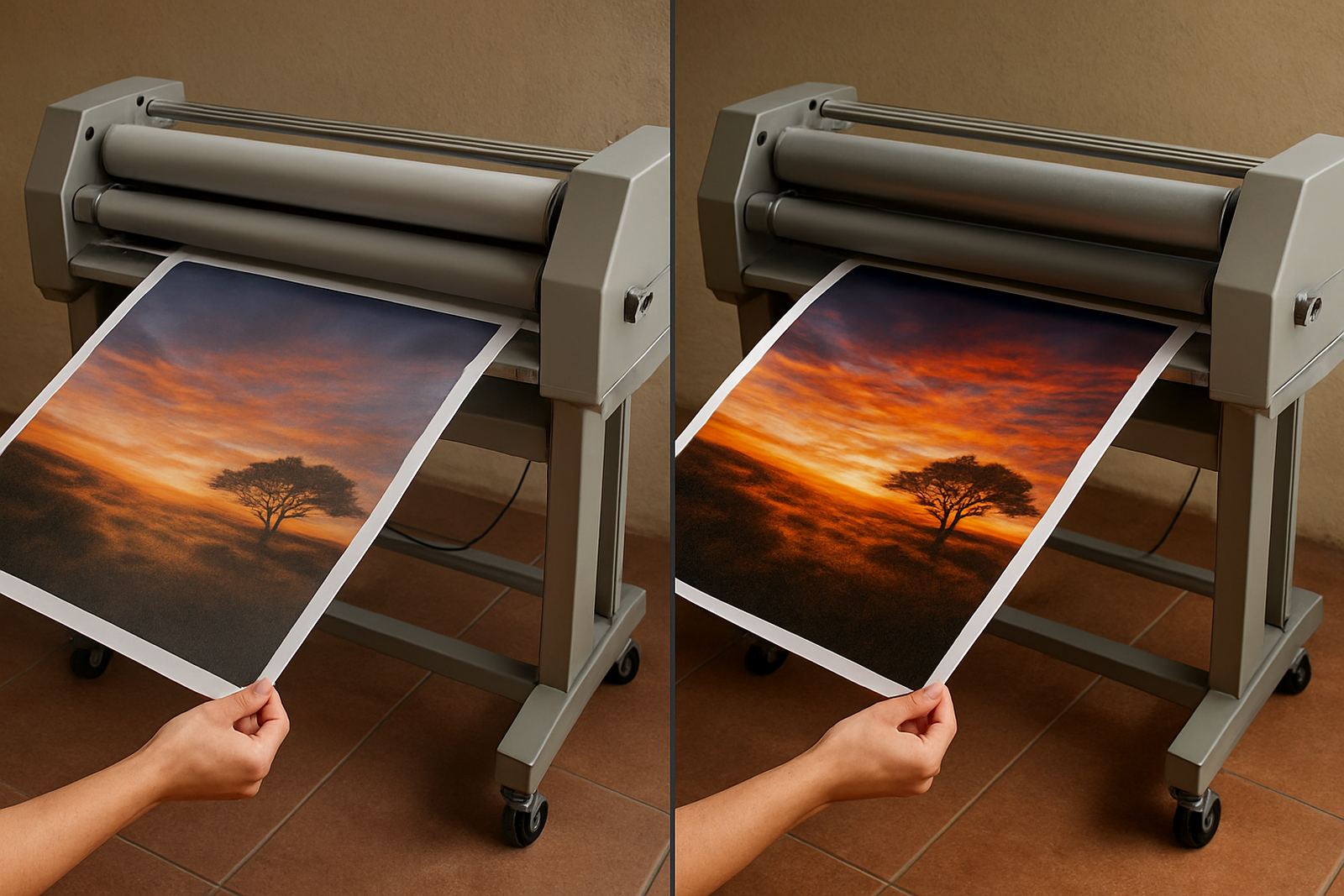
Cold roll lamination is commonly used for heat-sensitive prints, photographs and artwork. It applies pressure and adhesive without adding heat, which helps protect materials that may warp or react badly under warmth. It is a practical choice for many digital prints and larger posters.
Hot roll lamination uses heat together with pressure. It can give a firm, tidy finish, and it works well for jobs where the film must bond cleanly. The key is to match the heat settings to the media and keep the rollers in good condition. Too much heat can cause curling, while too little can leave an uneven bond and make the lamintation look cloudy.
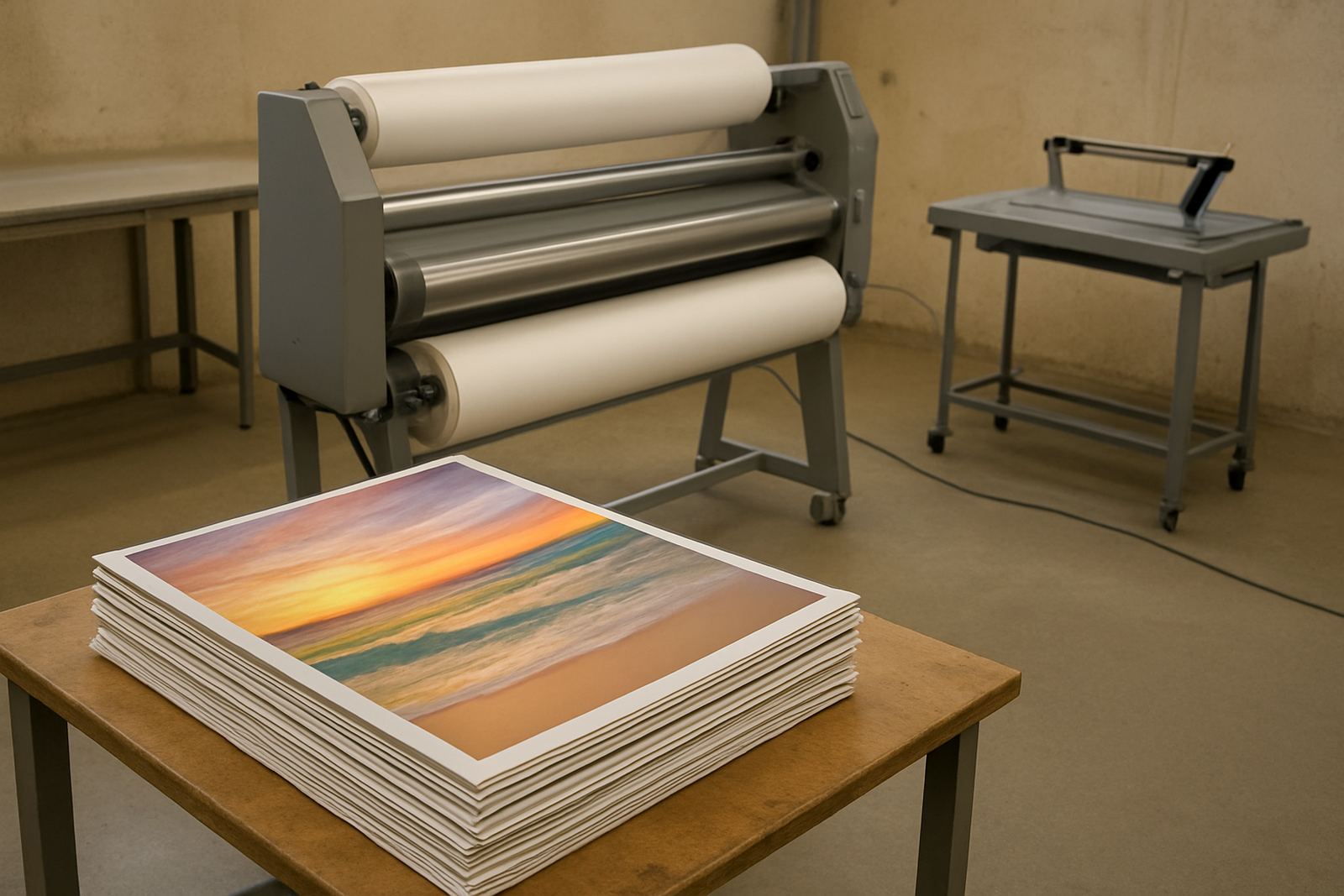
In Johannesburg, where many print shops run under tight deadlines, the best choice often depends on the mix of work leaving the floor that week. A shop handling architectural presentations in Kya Sand may keep both types available so it can switch between artwork, retail posters and training material without delays.
The small checks that save a reprint
Most finishing problems start with simple things. Dust, fingerprints, uneven trimming and poor alignment can spoil an otherwise good poster. A clean finishing table, a steady feed and a quick check before the final pass save time and paper. It also helps to keep the room as free from dust as possible, especially in dry Gauteng conditions.
Hot and cold roll machines need routine attention. Rollers should be clean, pressure should be set evenly across the width, and the film should track straight from one side to the other. If a poster is feeding skewed, the edge may seal fine on one side and lift on the other. That means the print can start pulling apart after only a few days.
- Check that the poster is dry before finishing.
- Remove loose ink, dust and paper fibres first.
- Test the first piece after any roll change.
- Watch for bubbles, silvering and edge lift.
- Keep spare blades and basic tools close to the machine.
Handling posters in humid or load-shedding conditions
South African conditions can be hard on finished prints. In coastal areas, humidity can soften paper and make rolls curl before finishing. In Gauteng, dust and dry air can affect static and alignment. During load-shedding, temperature changes and interrupted workflows can also leave laminating film sitting longer than planned, which may affect consistency.
The practical answer is to keep posters flat, sealed and away from direct sun until they are ready for finishing. If a print shop in Randburg loses power mid-run, it is better to let the media rest and recheck the first sheet after power returns than to push through and waste material. Small pauses matter because once a poster has creased or picked up moisture, the final finish will show it.
For businesses that deliver across Pretoria, the East Rand and Sandton, consistent handling is important because a poster that looks good in the shop must still arrive flat at site. A weak edge or a curl at the corner can make the whole job look rushed.
A better poster finish for shops, schools and events
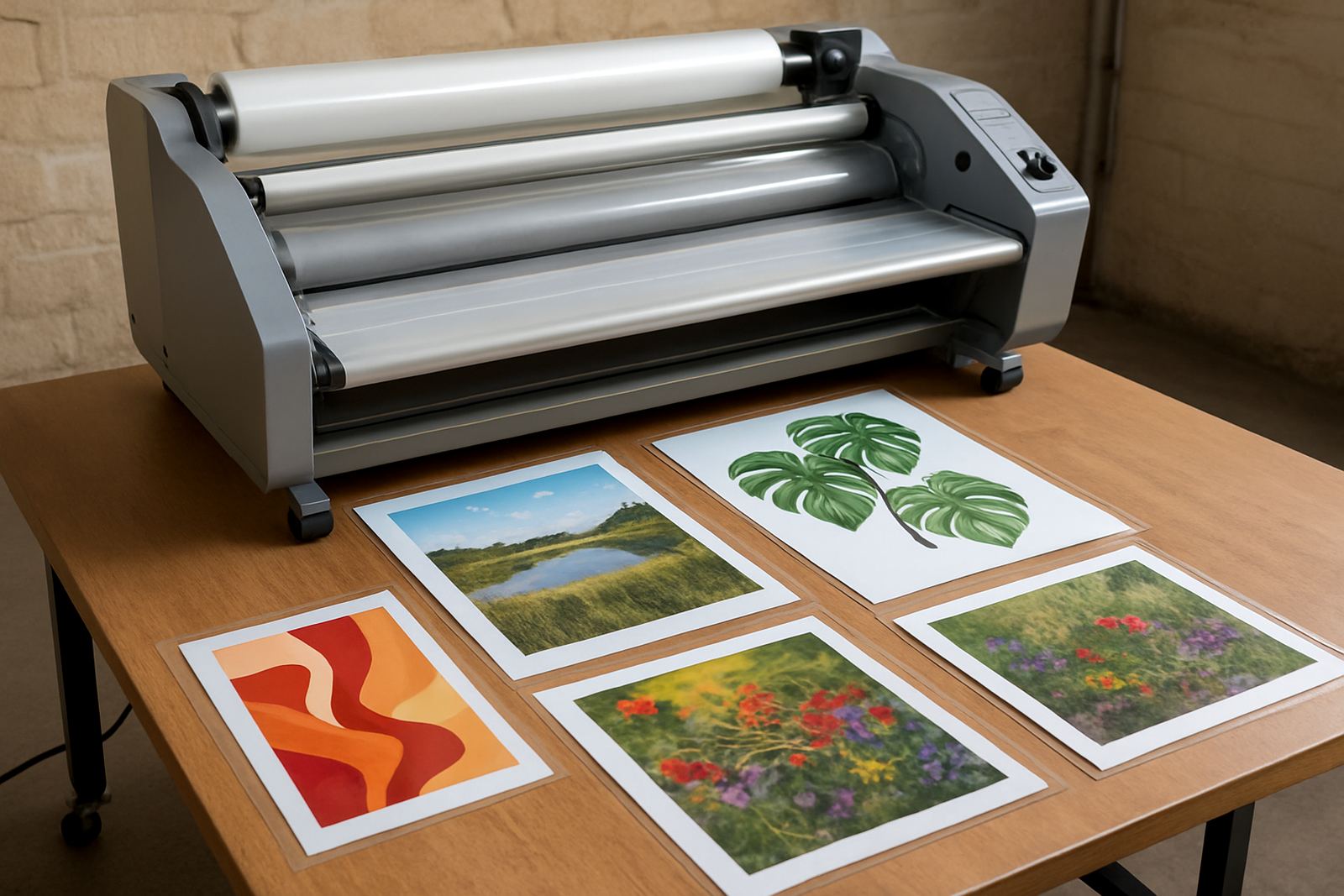
Not every poster needs the same finish style. A retail promo at a shopping centre may benefit from a gloss surface that brightens colour, while a school notice board poster may work better with a less reflective finish. Exhibition artwork often needs a cleaner edge and a firmer board support so it hangs straight.
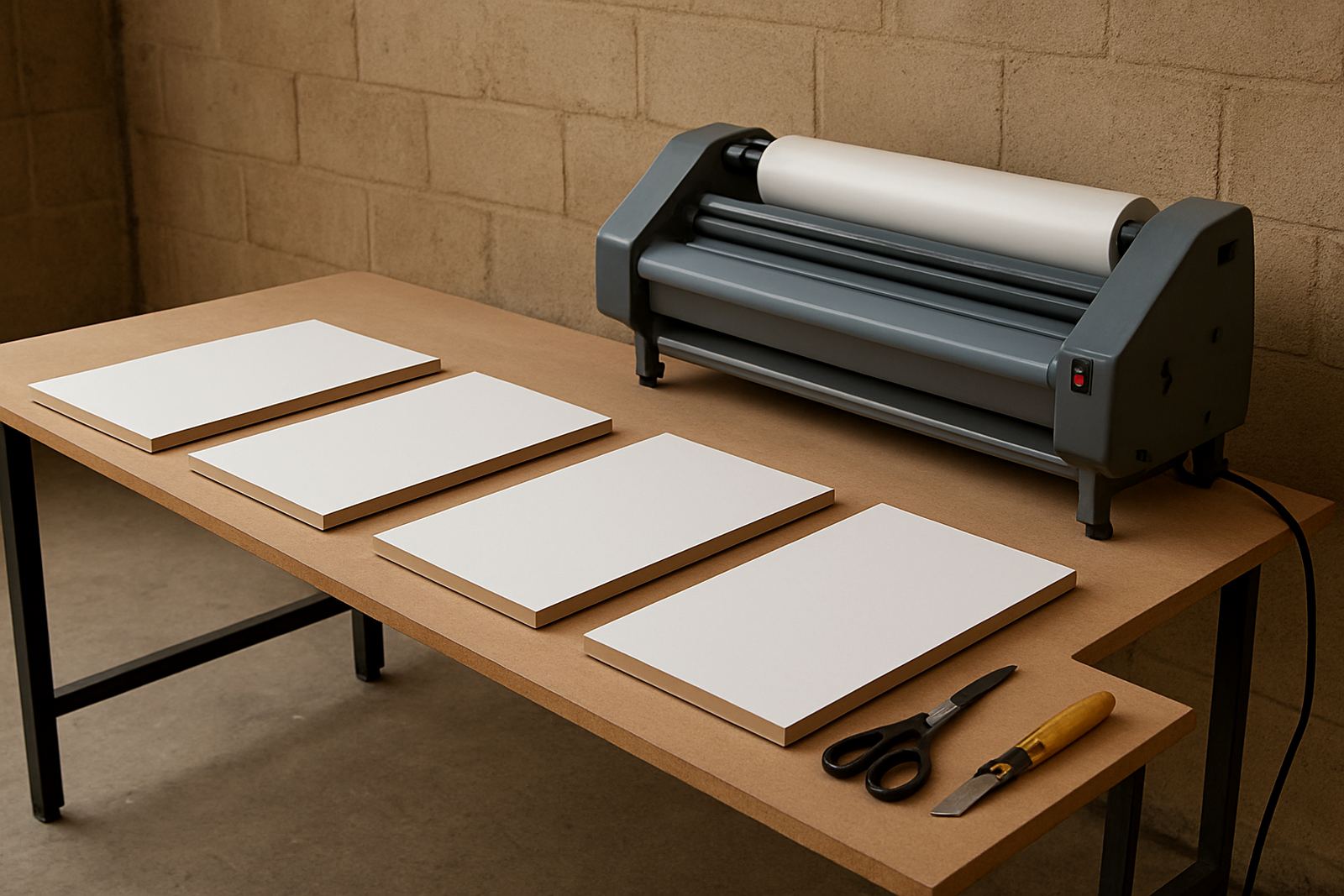
There is also the question of mounting. Some posters are best laminated first and then mounted to board for display. Others need a protective film only, with trimming as the last step. If the poster will be framed, measured mounting allows the edges to sit properly without pushing into the frame lip.
- Gloss can help colour pop under indoor lighting.
- Matt finishes reduce glare in offices and corridors.
- Mounted posters hold shape better on site boards.
- Trimmed edges improve the look of framed prints.
What to look for in a finishing partner in Johannesburg
A finishing partner should do more than run a machine. They should check film choice, advise on sizing, and help you avoid common faults before they become costly. A business in Kya Sand that services print shops, designers and artists needs to understand turnaround pressure, not just equipment specs. That practical support matters when a client wants a poster for tomorrow morning and the print must go out cleanly tonight.
Routine servicing also matters. Roller cleaning, pressure calibration, heat system checks and drive system repairs all play a part in consistent output. If a machine is misaligned or the rollers are dirty, the finish will show it straight away. On-site breakdown help, spare parts support and operator refresher training are useful when staff change or machines are running long shifts.
At Laminator, we work from Kya Sand in Johannesburg and install nationwide. That means a print shop in Midrand, a design studio in Sandton or a school supplier in Pretoria can get practical advice without guesswork. The aim is simple: fewer reprints, cleaner edges and posters that leave the shop looking ready for use.
Finish with a process you can repeat
Good poster finishing is not about one perfect job. It is about a process you can repeat every day with the same result. If the media is stored well, the rollers are clean, the pressure is even and the operator knows what to check, the output becomes dependable. That is what most customers notice first.
For shops that do regular poster work, a pre-purchase inspection can also help before buying new equipment. It is easier to choose a machine that fits your workload than to fix a mismatch later. And when the machine is already in place, operator refresher training and routine servicing keep it working the way it should, even during busy months when the jobs do not slow down.
Strong poster presentation does not need to be complicated. It just needs the right finish, the right checks, and a team that understands what the print must survive after it leaves the shop.