What Our Roller Cleaning Service Covers
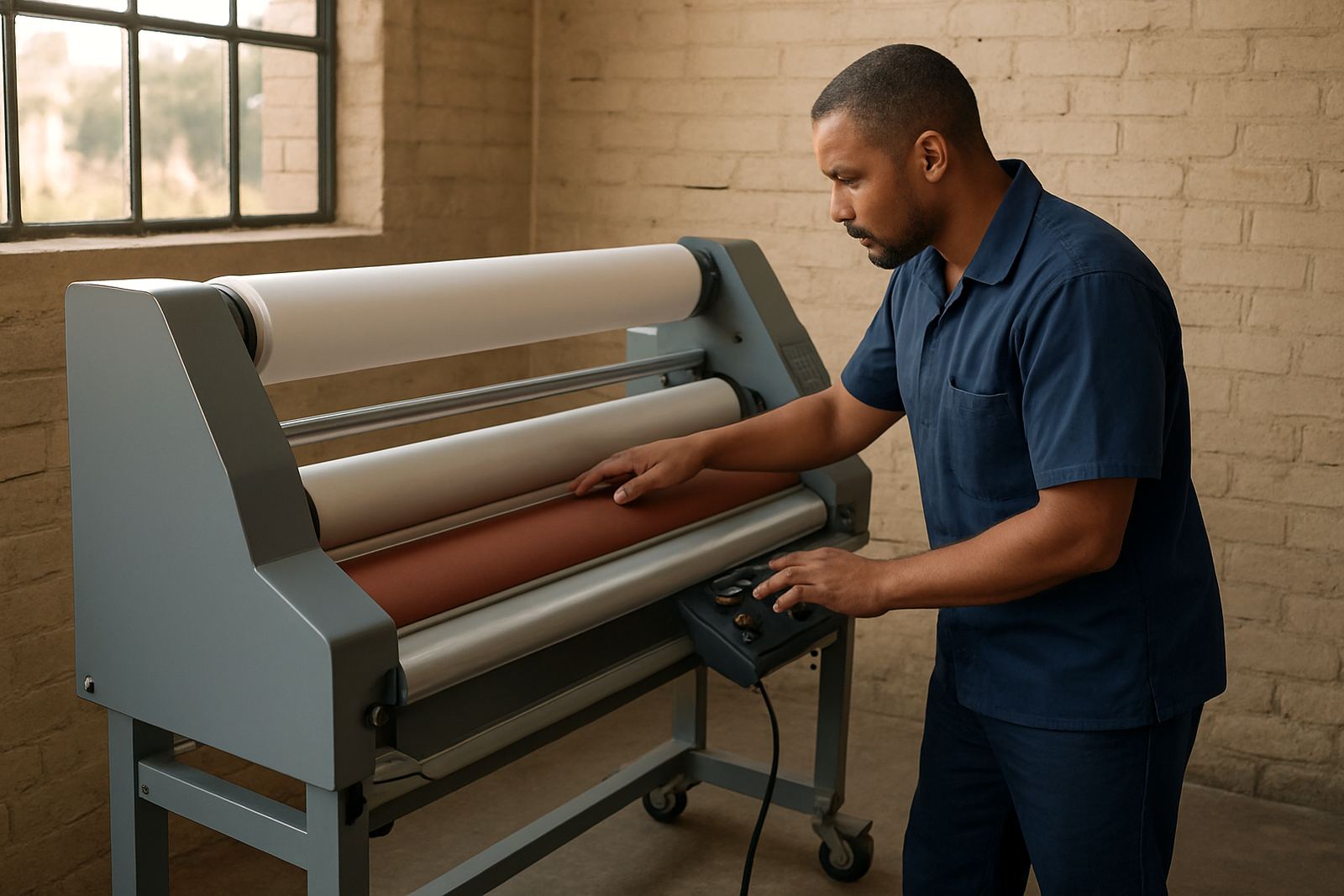
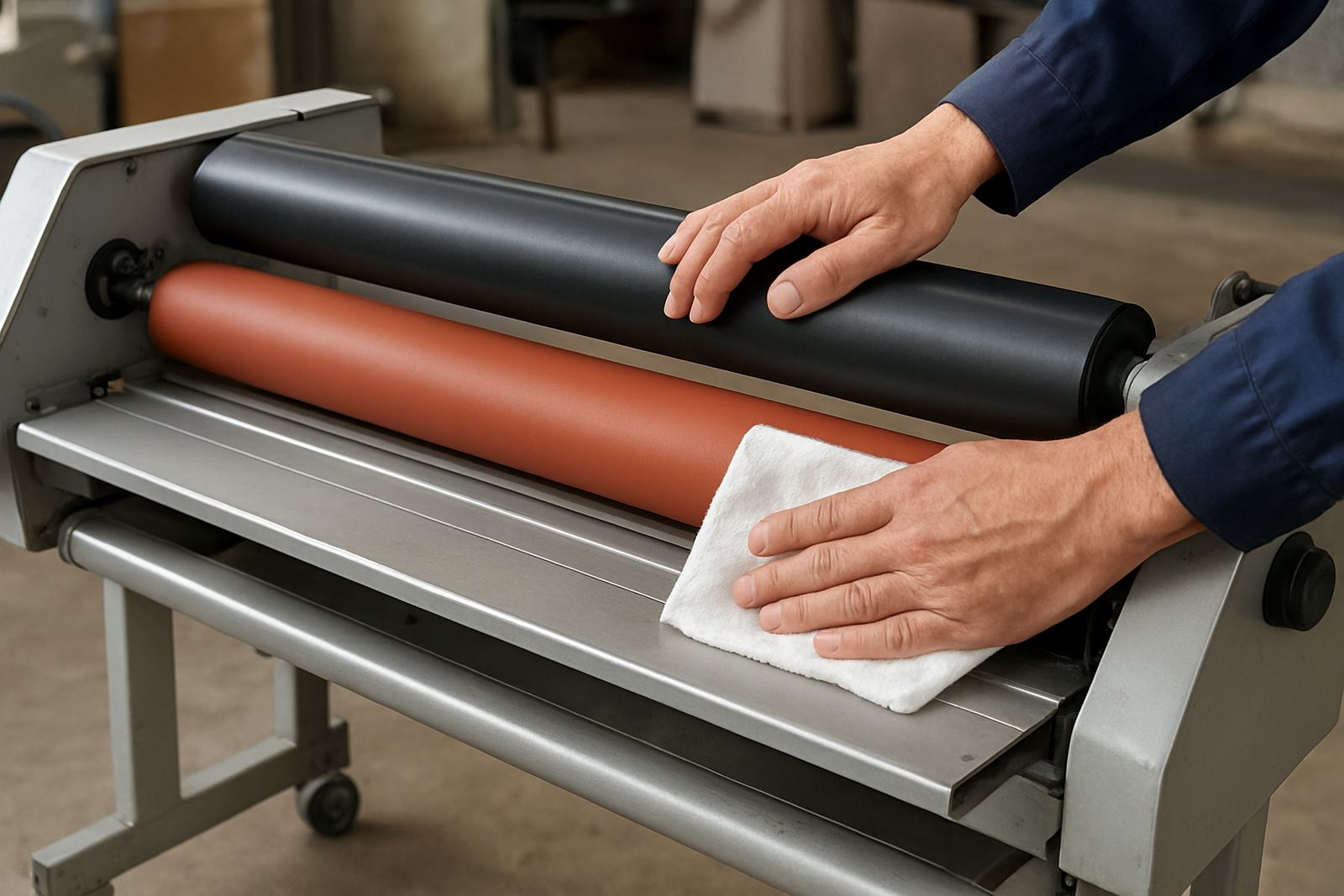
Roller cleaning is more than wiping the outer surface and hoping for the best. We clean the roller faces, inspect pressure contact points and remove adhesive, dust and film residue that can cause streaking, slip marks and uneven lamination. This service is suited to cold and hot roll laminators used by print shops, sign makers, studios and artists working with mounted prints or artwork boards.
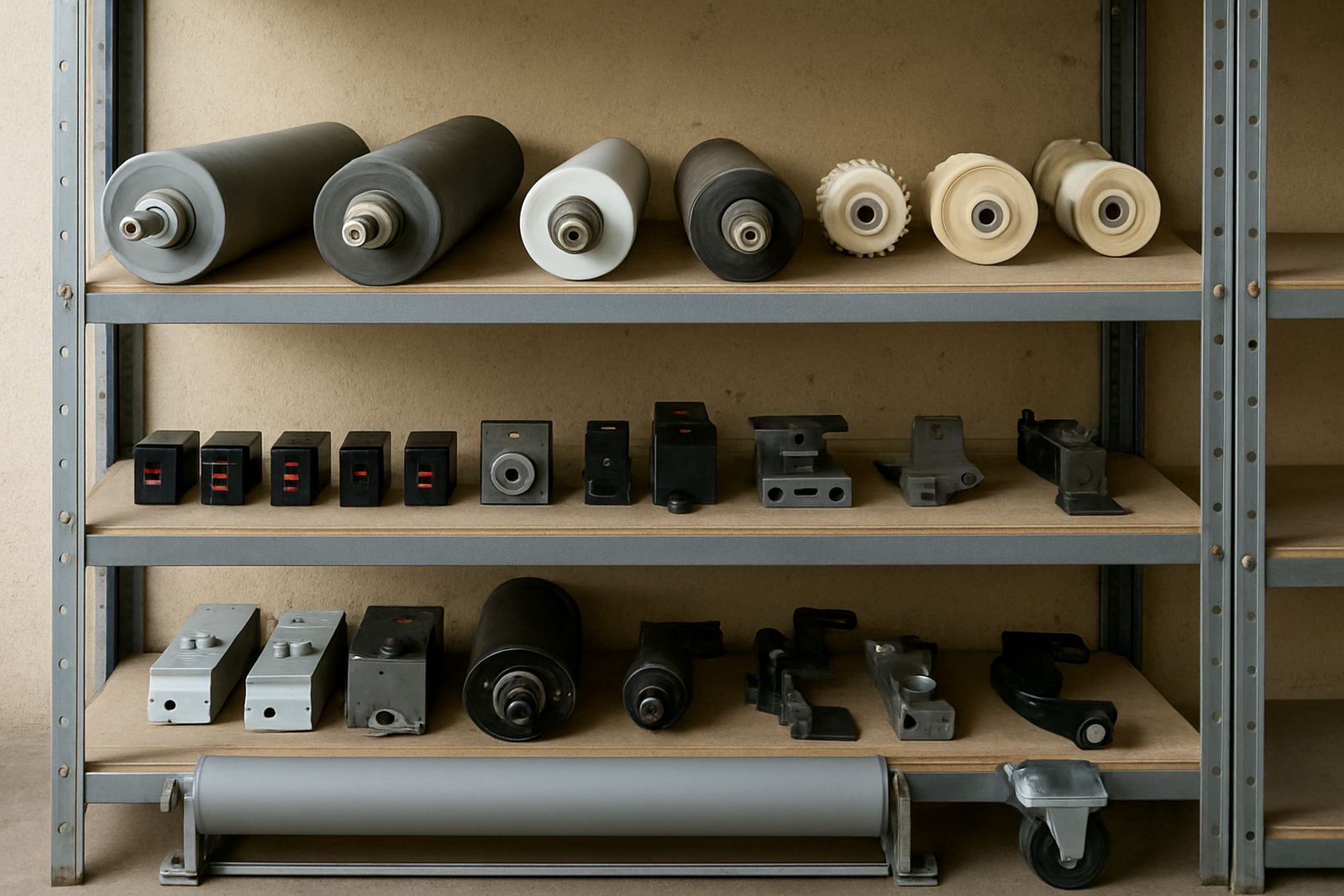
We work on machines commonly used for widths from 650 mm up to 1600 mm and larger, including entry-level and production units. Where needed, we also check roller condition for glazing, pitting or heat damage, then advise if the machine needs further attention. It saves time later, especially when the machine has been running through load-shedding restarts or long production shifts and the rollers have picked up extra grime.
- Removal of adhesive build-up and surface contamination
- Cleaning of upper and lower roller faces
- Visual check for wear, scoring and roller glaze
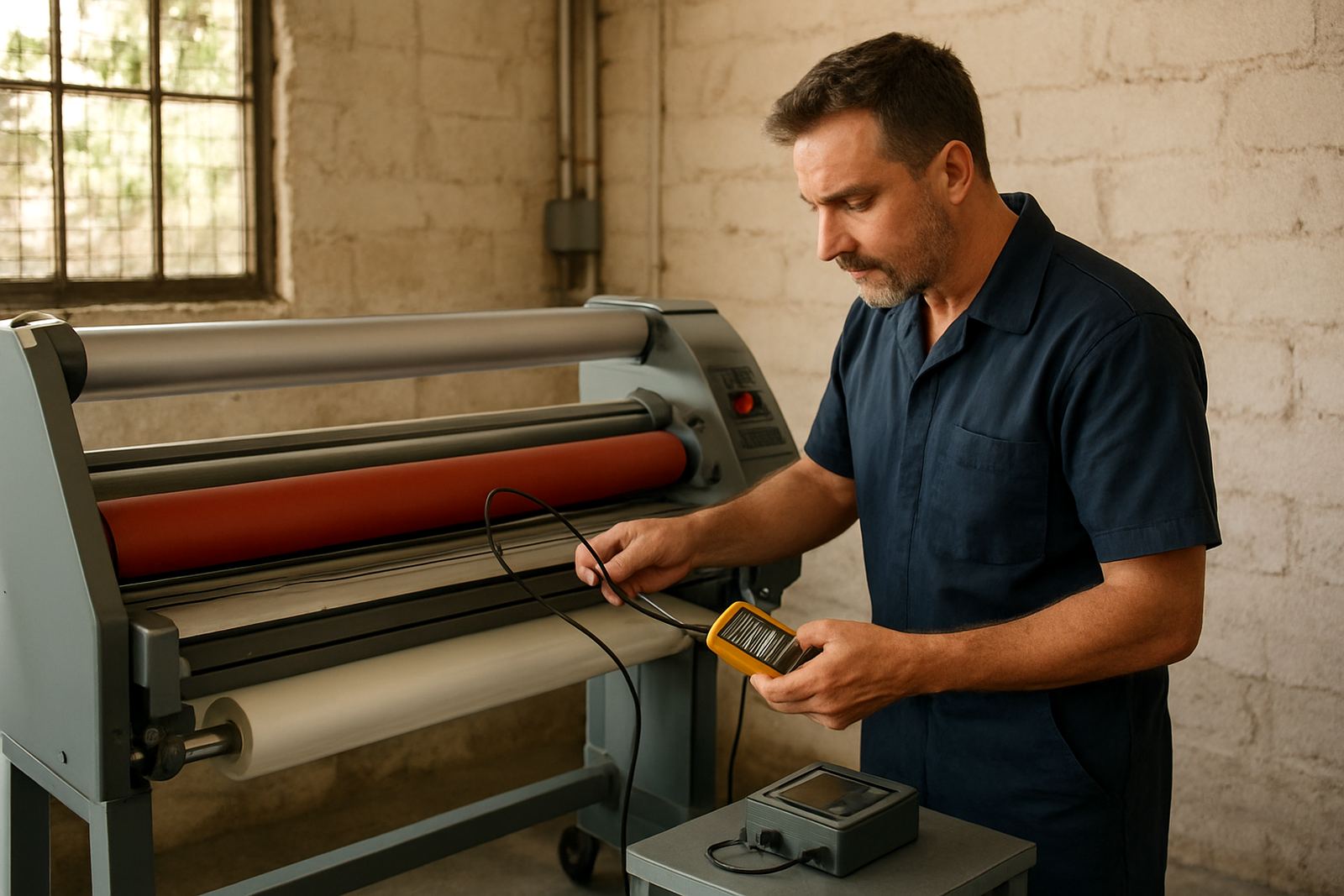
- Inspection of film tracking and pressure contact
- Advice on cleaning frequency and operator care
How We Clean Rollers Without Causing Damage
Our process is controlled and practical. We use cleaning methods matched to the roller material and the type of residue present. Some rollers need a light solvent wipe, others need careful mechanical cleaning with soft tools to avoid scratching the surface. Heat rollers are allowed to cool to a safe working range before cleaning starts, and we never force a method that could shorten roller life.
The aim is to restore a clean, even contact surface without changing the roller profile or affecting pressure settings. If a roller is already hard, glazed or marked, we flag it before the machine goes back into service. That keeps finish quality predictable, which matters when you are laminating short-run display pieces or repeat work for clients with strict colour and surface expectations.
- Machine isolation and safe access setup
- Residue type assessment before cleaning begins
- Careful roller surface cleaning and wipe-down
- Post-clean check for pressure evenness and tracking
Typical Turnaround For Johannesburg And Nationwide Jobs
For sites in Kya Sand, Randburg, Sandton, Midrand, Pretoria and the East Rand, roller cleaning is often completed on-site in a single visit if the machine is accessible and the build-up is moderate. More heavily contaminated rollers, or machines that need extra inspection, may need a longer booking. We also assist customers outside Gauteng on scheduled service routes and can plan around production windows to keep downtime low.
Turnaround depends on machine size, condition and access. A compact 650 mm unit may take under two hours, while a larger wide-format system with deeper contamination can take longer. If parts or extra repairs are needed, we will say so upfront. No one wants a half-clean machine and a second call-out next week.
- Small to mid-size units: same-day service where possible
- Larger production machines: allow more time for inspection and cleaning
- Nationwide bookings: scheduled according to route and site availability
Pricing That Matches Machine Condition
We price roller cleaning according to the machine type, roller width, contamination level and whether the job is part of a routine service or a breakdown call-out. This is the fairest way to quote because a lightly used studio machine and a busy print shop unit do not need the same labour time. If the rollers are heavily glazed or the adhesive has been left to harden, the job takes longer and needs more care.
Quotes are clear and practical, with no guesswork after the work is done. If we find related issues such as pressure drift, heater inconsistency or drive vibration, we will separate those items so you can decide what to approve. It keeps your maintenance spend under control and helps avoid surprise stoppages later on.
When To Book Roller Cleaning
Most customers benefit from regular cleaning at set intervals rather than waiting until the finish starts to look patchy. For busy commercial users, a clean every 1 to 3 months is common, especially where adhesive-backed media, frequent short runs or high ambient dust levels are part of daily use. In coastal conditions or humid areas, residue can build up faster and attract more contamination.
If you are seeing bubbles, dull bands, film slip, edge lift or uneven gloss, the rollers are probably due. Another sign is when the same settings suddenly give different results from one job to the next. If you are not sure, we can inspect the unit and advise on the right interval for your usage. A quick clean now is usually cheaper than replacing a damaged roller later.
- Every 4 to 12 weeks for active commercial use
- Every 3 to 6 months for lighter studio use
- Immediately after adhesive contamination or poor finish reports
Maintenance Tips Between Service Visits
Good operator habits help the rollers stay cleaner for longer. Wipe the rollers only with approved materials, keep the work area dust controlled and avoid feeding contaminated media through the machine. Let hot units cool properly before closing down for the day, and don’t leave adhesive films sitting on the rollers overnight. That small habit makes a bigger difference than most people expect.
We also recommend checking pressure settings after long idle periods, power interruptions or transport between sites. If the machine was moved between branches in Johannesburg or sent to another province, the roller alignment can shift just enough to affect finish. Keeping a simple service record helps too, especially where more than one operator uses the same machine and not everyone handles it the same way.
- Use clean media and keep trims free of loose adhesive
- Switch off and cool down correctly after hot lamination
- Record cleaning dates and operator issues
- Arrange a check after any power-related shutdown or relocation
Key facts
| Service type | On-site roller cleaning for cold and hot roll laminators |
|---|---|
| Common machine widths | 650 mm to 1600 mm and larger production units |
| Coverage | Kya Sand, Randburg, Sandton, Midrand, Pretoria, East Rand, nationwide installs and service |
| Typical turnaround | Same-day where possible for local jobs, longer for heavy contamination or large machines |
| Maintenance interval | Every 1 to 3 months for busy commercial use, 3 to 6 months for lighter use |
| Support contact | Contact form |