
What a heat system check covers
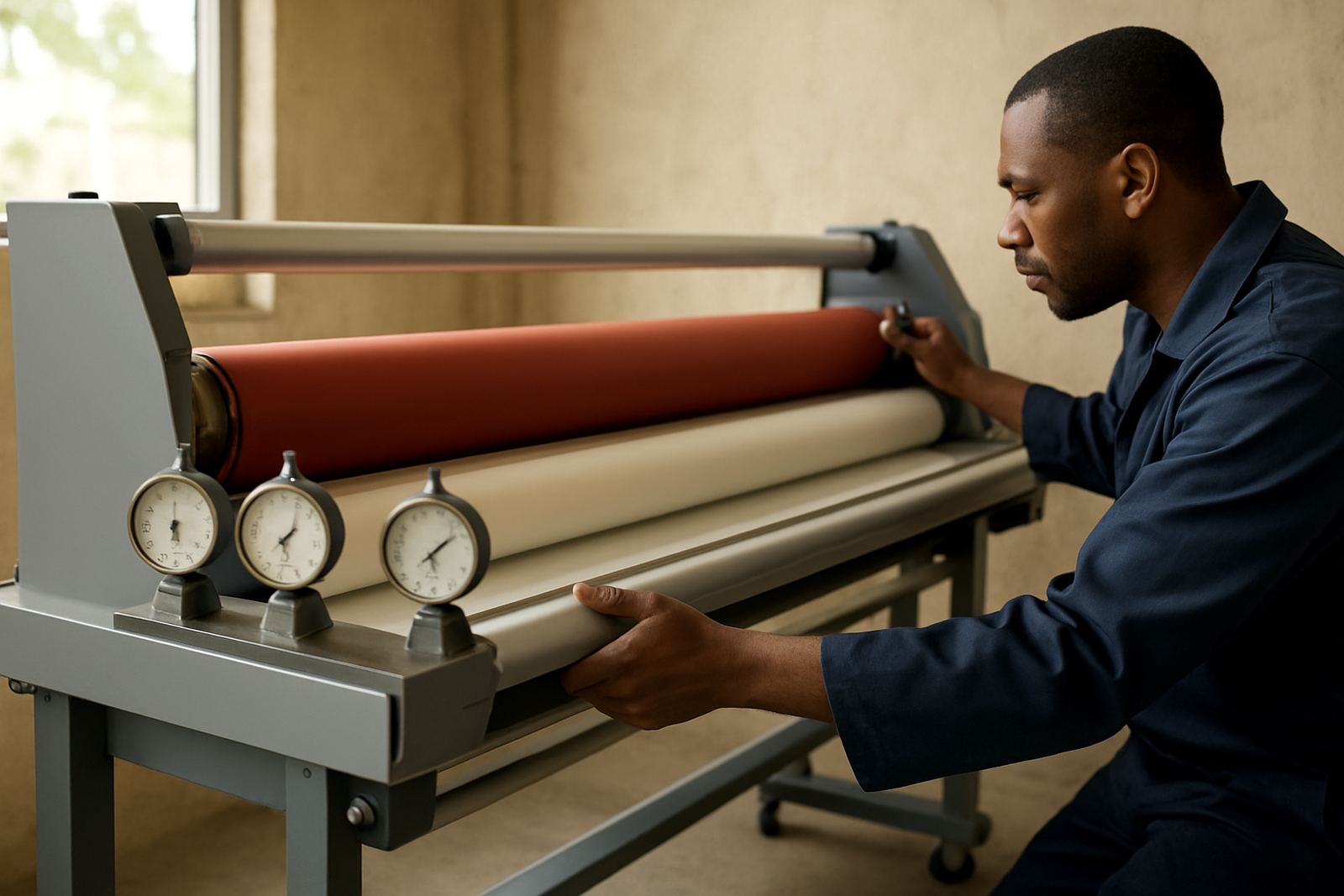
A proper heat system check goes beyond a quick look at the machine. We inspect how the heating elements, sensors, controls and roller surfaces work together so the laminator reaches the right temperature and keeps it there through a full job. That matters on long runs, especially where print rooms are busy and staff need predictable results from the first metre to the last.
For businesses in Kya Sand, Randburg, Sandton, Midrand, Pretoria and the East Rand, we see a lot of issues caused by dust, power interruptions, worn parts and operator settings that drift over time. In coastal areas, humidity can also affect warm-up behaviour and film handling, so the checks are adjusted to suit the site and the machine type.
- Heated roller temperature test across the working width
- Thermostat and sensor response check
- Safety cut-out and overheat protection inspection
- Heater wiring and terminal condition review
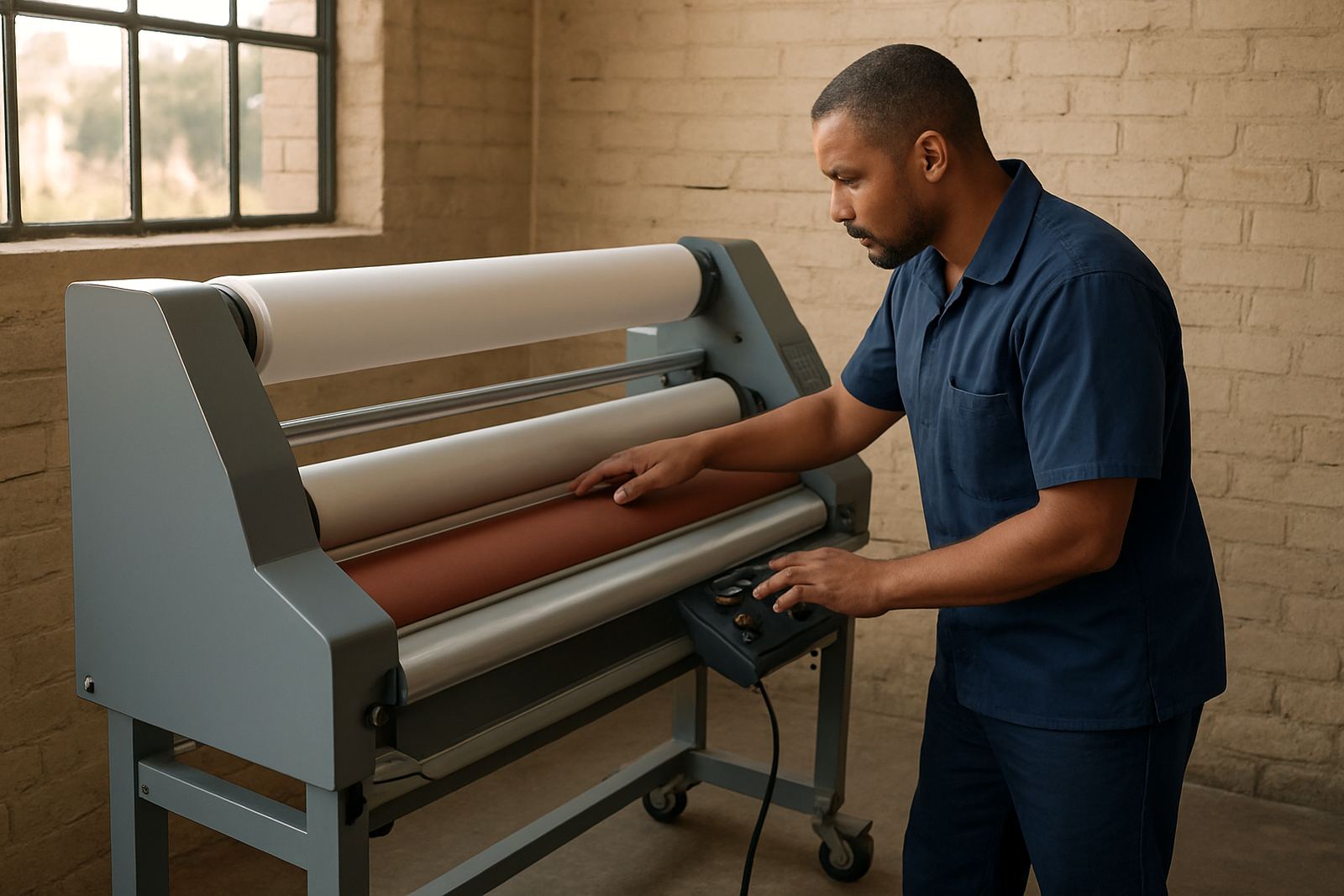
- Control panel function test and error code review
Signs your laminator needs a heat check
If your output is curling, silvering, bubbling or changing colour at the edges, the heat system may not be holding steady. Some machines warm up slowly, then overshoot the setpoint. Others show a temperature reading but the actual roller surface is cooler than it should be. That can lead to patchy adhesion and waste on every sheet or metre.
Common warning signs include uneven gloss, distorted prints, a burnt smell, tripping during warm-up or staff having to run the same job twice. If a machine is used daily, even small changes in temperature can have a big effect on film bonding and print finish. It is worth checking before a rush period rather than after a breakdown.
- Uneven finish from left to right
- Frequent temperature drift during long jobs
- Machine tripping when heat is switched on
- Visible wear around heated roller ends
- Operators compensating by slowing the feed too much
Our inspection process at your site or in Kya Sand
We start by listening to the symptoms and checking the machine history, including recent power issues, cleaning practices and any previous repairs. Then we test the heat system under working conditions, not just at idle. That gives a clearer picture of how the laminator behaves once the rollers are carrying film and substrate through at production speed.
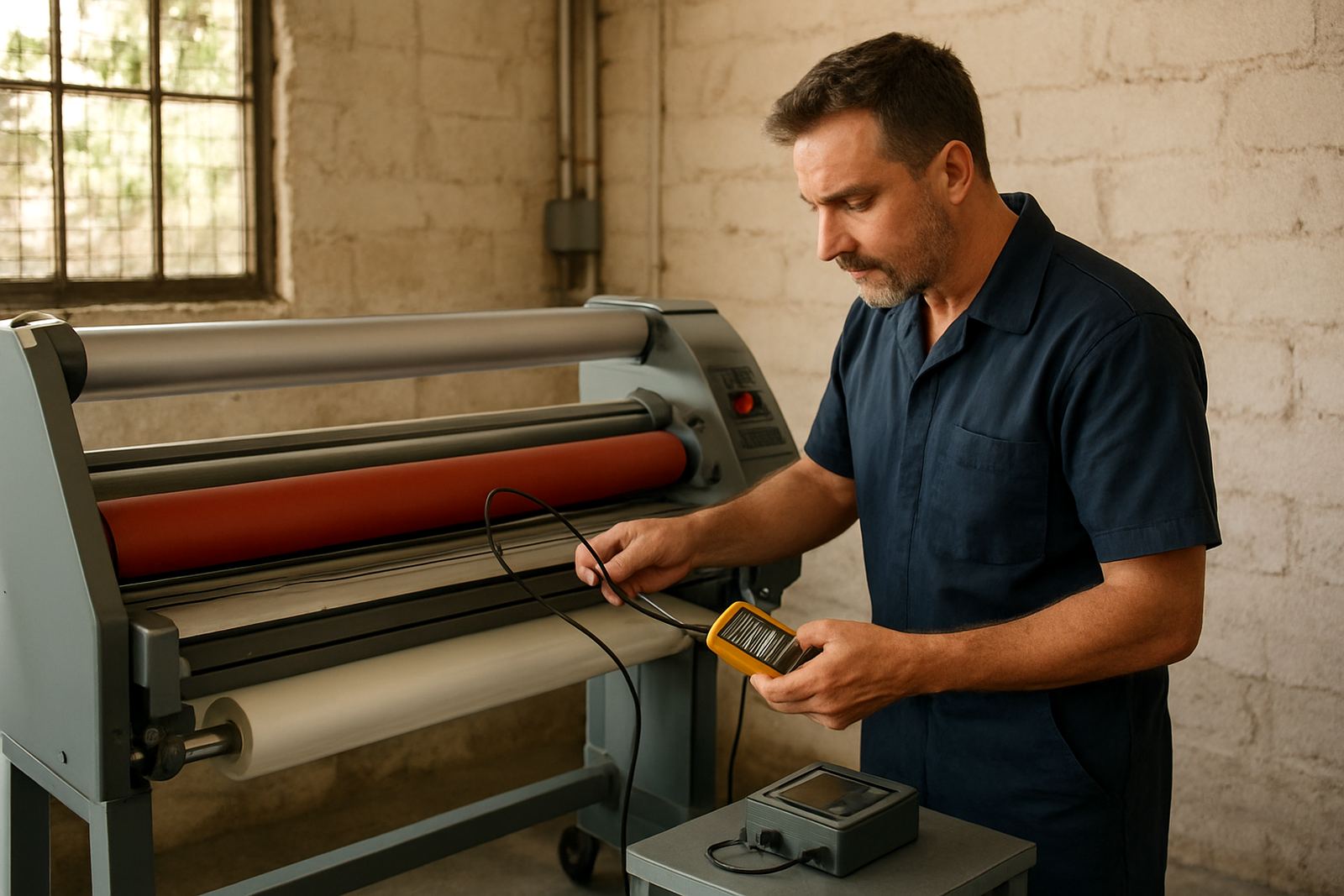
Where possible we measure the set temperature, surface response and stability over time. We also check safety functions, because a heating fault is not only a quality issue, it can become a risk to staff and stock. If the machine needs more than a heat check, we will say so plainly and quote the next step before any work goes ahead.
- Initial fault discussion and visual inspection
- Temperature reading and stability test
- Safety control and shut-off check
- Wiring, connectors and sensor inspection
- Report with findings and recommended action
What is included in the service
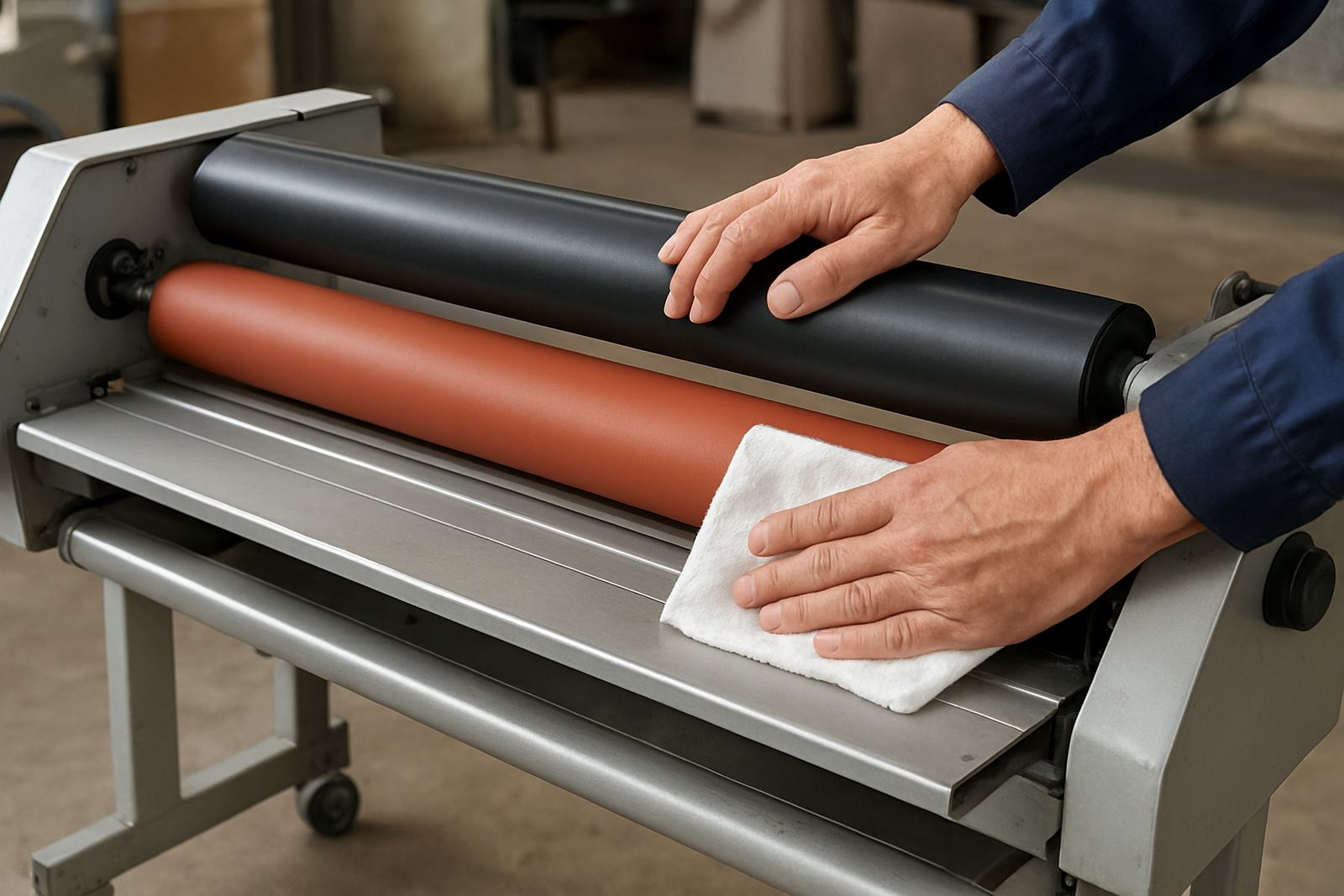
The service covers the main heat-related parts that affect output and safety. For many machines that includes cleaning accessible components, checking sensor placement, testing the heater circuit and confirming that the roller surface is heating evenly. If a part is worn or faulty, we will identify it and source a suitable replacement through our spare parts support process.
We also check how the machine behaves after warm-up, because some faults only appear once the unit has been running for a while. That is common in older equipment or in machines that operate through load-shedding cycles and repeated start-ups. We look at the practical side of keeping the unit usable, not just the numbers on the display.
- Heated roller performance inspection
- Temperature stability verification
- Overheat protection and emergency stop checks
- Heat-related electrical fault finding
- Basic operator guidance on safe warm-up and cool-down
Turnaround, pricing and planning around production
Turnaround depends on the machine condition and whether the issue is a simple adjustment or a deeper repair. A standard heat system check is usually arranged quickly in the Johannesburg area, and on-site visits can be booked for businesses that cannot stop production for long. If a part has to be ordered, we will give you the likely lead time up front so you can plan around client deadlines.
Pricing is quoted according to the machine type, the level of testing needed, travel for on-site work and any parts that may be required. We keep the approach practical and transparent. A routine check costs far less than a damaged run, and it is better to address heat drift early than to keep wasting film and print stock on repeat jobs.
- Quoted after machine type and symptom assessment
- Travel included where applicable for local sites
- Parts quoted separately if replacement is needed
- Urgent breakdowns handled where scheduling allows
Recommended maintenance intervals for South African use
For print shops using a laminator daily, we recommend a heat system check every 6 to 12 months, with shorter intervals if the machine runs hard or sits in a dusty environment. In areas with unstable electricity or frequent power interruptions, it is sensible to check the heat controls sooner. Machines used less often may still need an annual inspection because idle periods can hide faults until the next busy week.
Regular servicing also helps staff spot changes early. A simple habit of checking warm-up time, surface evenness and safety functions can prevent a bigger repair later. If your team has changed recently, a refresher on correct temperature settings and safe shutdown is a good idea too.
- Heavy daily use: every 6 months
- Moderate use: every 9 to 12 months
- After power faults or tripping: immediate check
- Before busy season production: recommended
Key facts
| Service focus | Heated roller performance, temperature stability and safety functions |
|---|---|
| Machine types | Wide-format cold and hot roll laminators |
| Service area | Kya Sand, Johannesburg and installs nationwide |
| Typical check points | Sensors, heaters, wiring, controls, safety cut-outs |
| Turnaround | Same-week where scheduling and faults allow |
| Support options | On-site breakdowns, spare parts support and operator refresher training |