
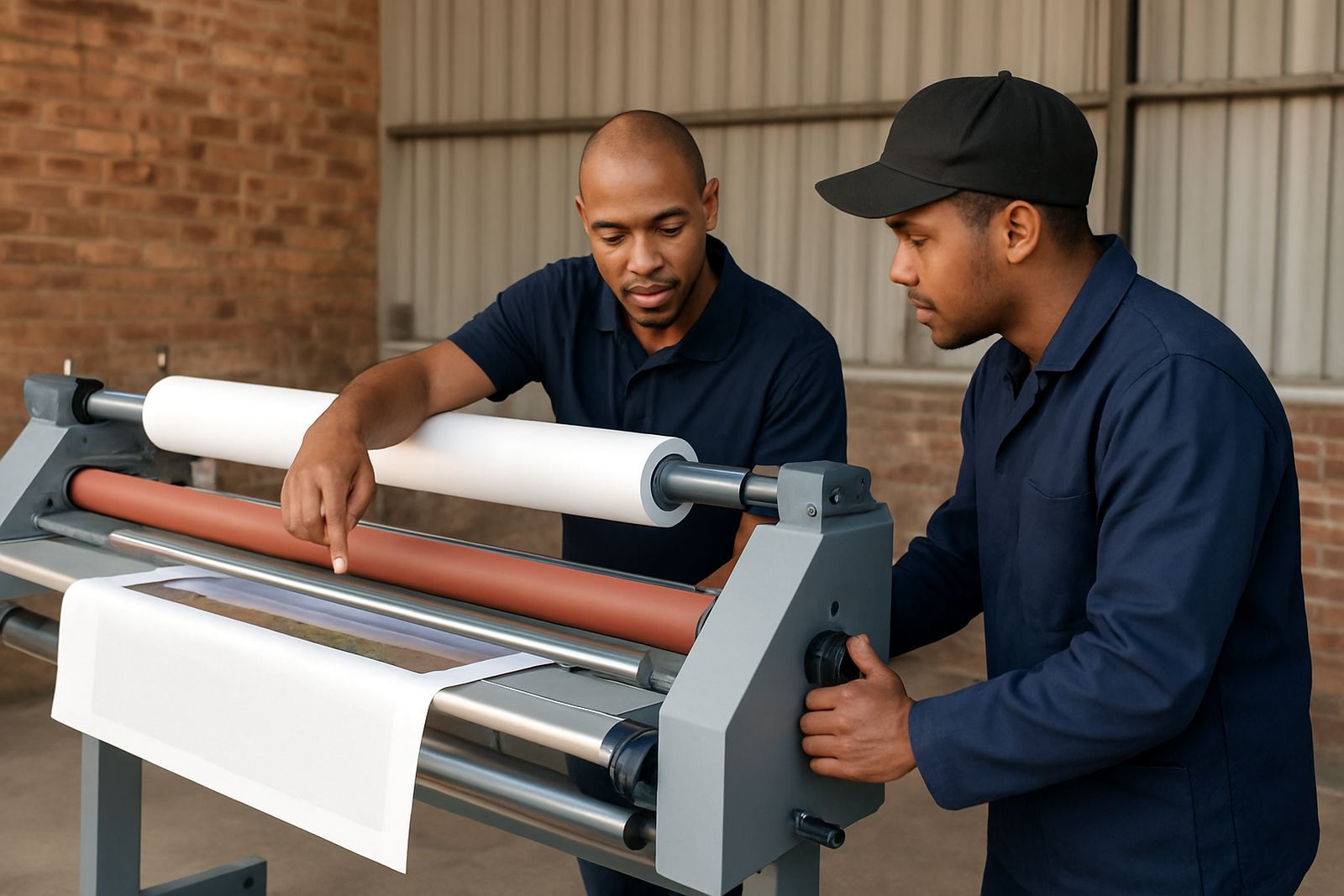
What the refresher training covers
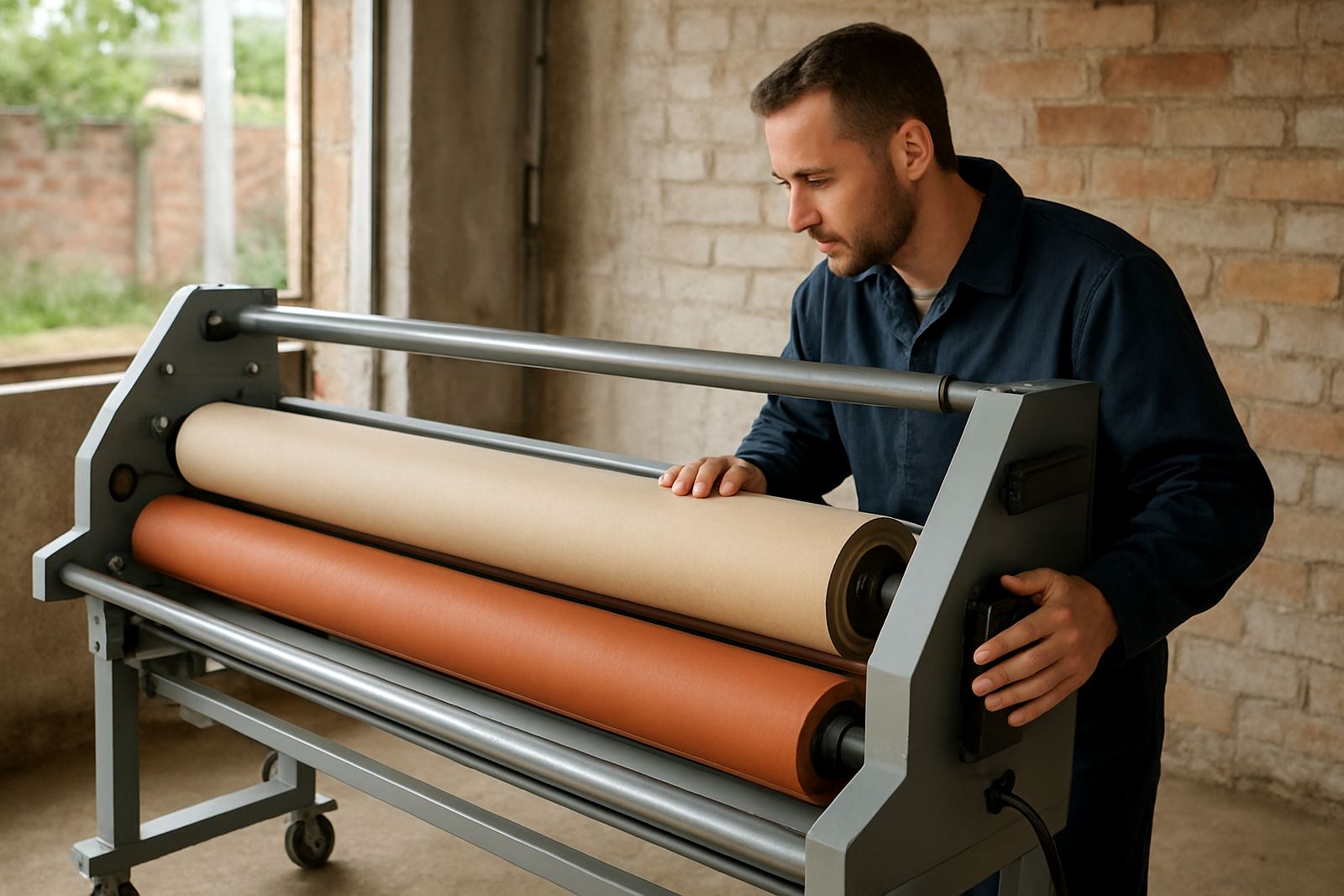
Our operator refresher training is built for print shops, design studios, sign makers and in-house production teams that already use a wide-format cold or hot roll laminator but want better results from day to day. We focus on the real issues that affect output, such as feed alignment, pressure setting, temperature control, film handling, mounting order and safe shutdown. The aim is simple: fewer rejects, less downtime and more consistent finishing across jobs.
Training is matched to the machine on site, whether you are running 1 300 mm, 1 600 mm or 1 800 mm wide equipment, with single or dual heated rollers, manual nip control or motor-driven take-up. We also cover the practical differences between cold lamination for print protection and hot lamination for more demanding finishing work. For teams in busy environments, this kind of retraining often pays for itself quickly because operators stop guessing and start working from clear steps.
- Setup checks for rollers, pressure and temperature
- Correct feeding for vinyl, print media and mounting boards
- Safe use of knives, guides and take-up systems
- Basic fault spotting before a job is wasted
How we run an operator refresher session
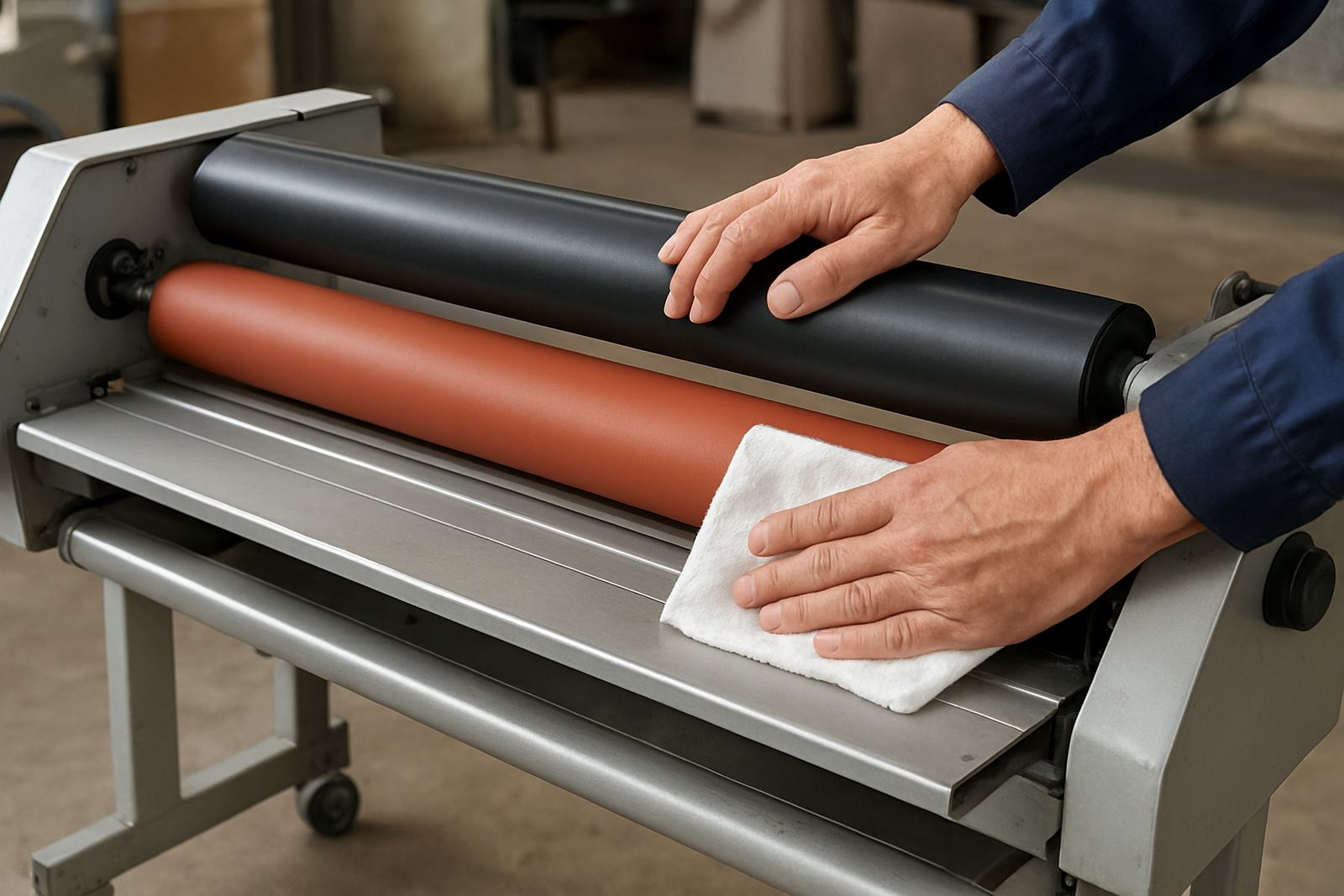
We keep the process practical and hands-on. After booking, we confirm the laminator model, current pain points and the level of the operators attending. On arrival we inspect the machine, run through the current setup, and identify any issues that should be corrected before training begins. If the machine needs roller cleaning, pressure calibration or an electrical check, we can fold that into the visit where possible.
The session then moves into guided operation. We demonstrate correct loading of film, paper and printed graphics, show how to avoid skewing and tunnelling, and explain how to adjust speed for different substrates. Operators then repeat the steps while we observe and correct technique. This is usually where bad habits show up, and that is useful because it gives the team a proper reset instead of just a talk.
- Pre-training inspection and machine walk-through
- Live demonstration on the actual equipment
- Supervised operator practice with corrections
- Questions and job-specific problem solving
Safety, quality control and better output consistency
Refresher training is not only about making the machine easier to use. It also reduces risk. Laminators run with heated parts, moving rollers and pinch points, so operators need a clear routine for guarding, emergency stop use and safe material handling. We also cover how to keep fingers, loose clothing and tools clear of the nip area, which remains one of the most common causes of accidents in small production spaces.
On the quality side, we show operators how to spot early signs of misfeed, wrinkling, edge curl, silvering and poor adhesion. In humid areas such as Johannesburg after summer rain, or coastal jobs sent through from KZN and the Western Cape, film behaviour can change quickly, so the team needs to know how to adjust. Better habits mean fewer reprints and fewer jobs coming back from clients with bubbles or uneven finish.
- Emergency stop and safe stop procedures
- Heat awareness for hot roll models
- Checking finished sheets for bubbles, lift and skew
- Simple humidity and storage controls for films and prints
Who should attend and when retraining helps
This service is useful for new staff, long-serving operators who have not had formal training, and supervisors who need to understand the machine well enough to manage output. It also helps after a machine move, after a major service, or when a team changes shift patterns. If your laminator is being used for short-run signage, photo work, vehicle graphics or mounted presentation boards, even small setting errors can create scrap fast.
We usually recommend refresher training when operators are seeing repeated faults, when the machine has been idle for a while, or when output quality varies between shifts. If load-shedding has caused repeated abrupt shutdowns, it is worth retraining the team on restart checks too, because power interruptions can affect heat cycles and alignment. A short session now can prevent a week of avoidable damage later, and that saves real money.
- New operator handover sessions
- Annual or six-monthly skill refreshers
- After-service or after-move retraining
- Training after repeated waste or quality complaints
Turnaround and service area
We are based in Kya Sand, Johannesburg and support businesses in Randburg, Sandton, Midrand, Pretoria and the East Rand, with nationwide installs and on-site visits where needed. Refresher bookings are scheduled according to location and travel. In Gauteng, many sessions are completed in a single visit, especially when the machine is already on site and operating conditions are straightforward.
Where there are larger teams or more than one machine, we can extend the session or split it into practical blocks. If a machine requires parts or repair work before the training can be completed properly, we will say so upfront rather than push through with a half-finished setup. It is better to train on a machine that is actually ready to run, not one limping along.
- Gauteng visits usually scheduled within a few working days
- Nationwide support available on request
- Single-machine sessions often completed in one visit
- Extended training available for multi-operator teams
Pricing, checks and maintenance intervals
Our pricing is quoted according to the machine type, travel distance, number of operators, and whether the visit includes inspection or minor corrective work. We keep pricing practical and transparent, with no need for a one-size-fits-all rate because a 1 300 mm cold laminator in a small Randburg studio is very different from a heated 1 800 mm line in a busy Pretoria print room. If you want training linked to a service visit, we can bundle the work where it makes sense.
For maintenance, we normally advise operator refresher training every 6 to 12 months, or sooner if the team changes, the machine starts producing uneven results, or the business is handling more complex jobs. That interval also gives supervisors a chance to reset routines around cleaning, shutdown and basic checks. A clean machine and a trained operator are usually worth more than fancy kit sitting idle because no one wants to touch it.
- Quoted by machine, travel and scope of work
- Optional add-on inspection during the same visit
- Recommended refresher interval: every 6 to 12 months
- Short follow-up support available after training
Key facts
| Training format | On-site, hands-on refresher for existing operators |
|---|---|
| Machine types | Cold roll and hot roll wide-format laminators |
| Common widths covered | 1 300 mm, 1 600 mm, 1 800 mm |
| Typical duration | 2 to 4 hours per machine, longer for multi-user teams |
| Support area | Kya Sand, Johannesburg and nationwide |
| Booking contact | Contact form | Lunga Tshabangu and team |