Fast help when production stops
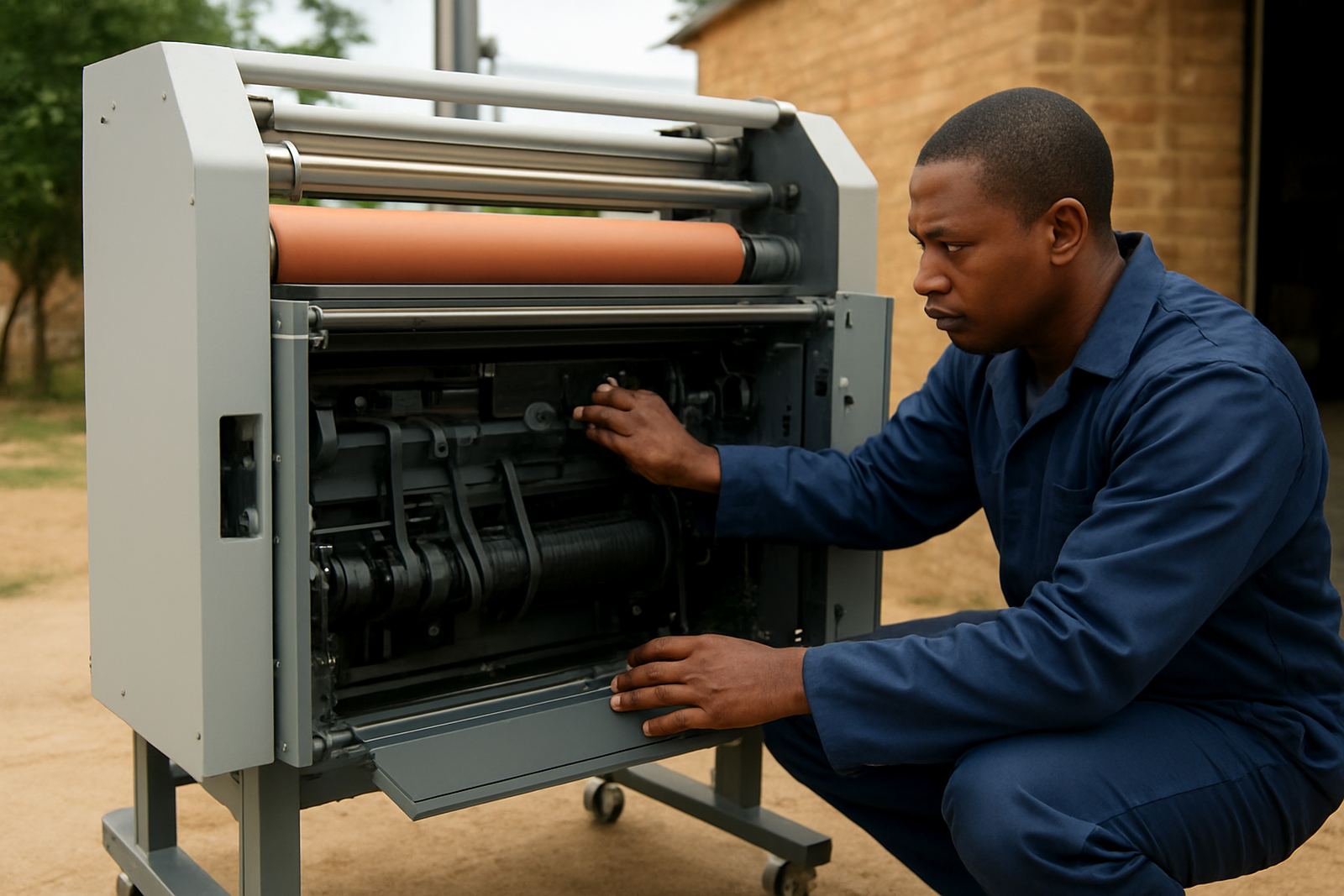
On-site breakdown call-outs are for urgent faults that cannot wait for workshop scheduling. If your machine has stopped feeding, is heating unevenly, tripping on power-up, making unusual noise, or leaving bubbles and wrinkles on film, our team will assess the fault at your premises and work to get you moving again. We support cold and hot roll laminators used for sign work, print finishing, artwork protection and short-run production.
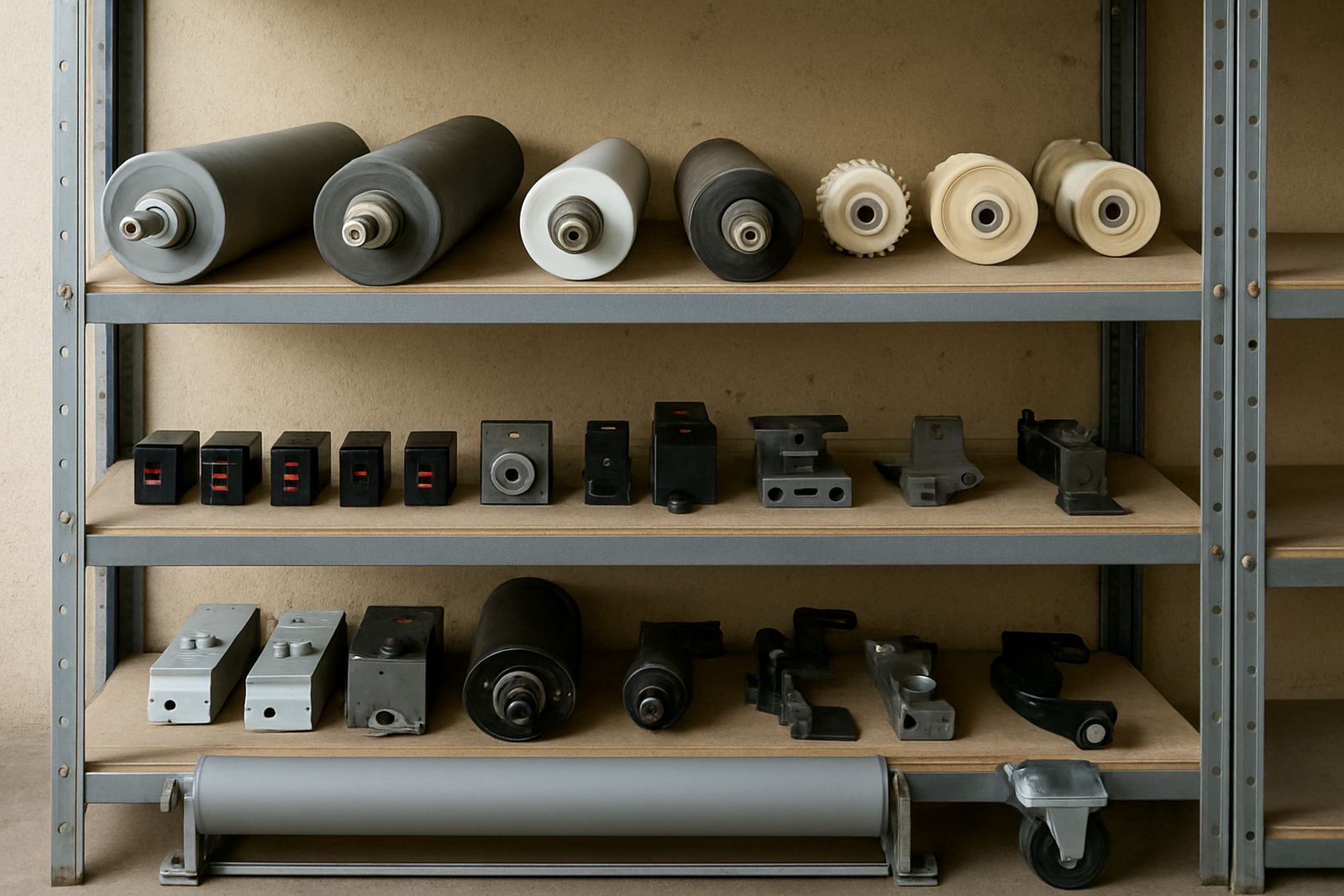
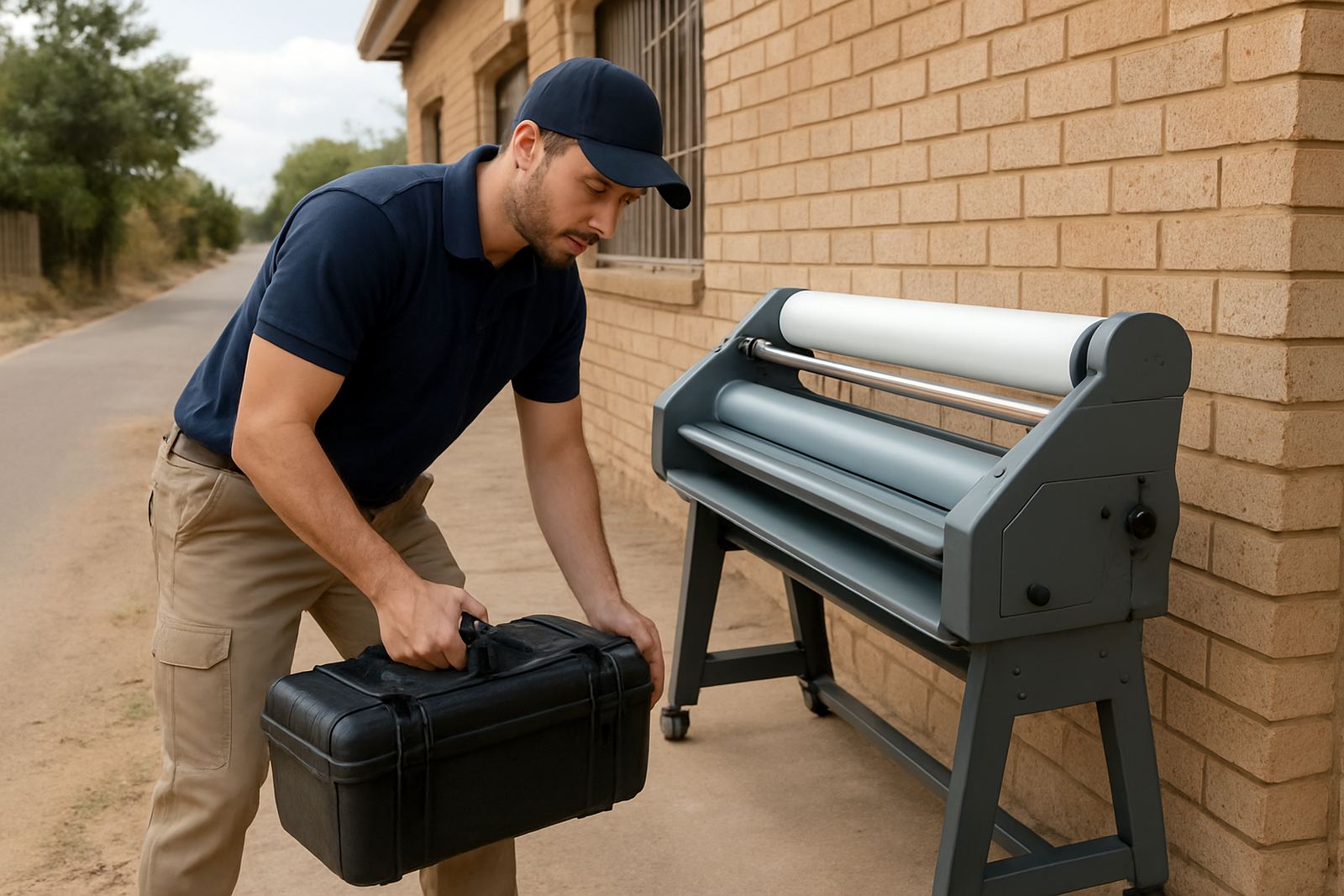
Most breakdowns happen at the worst time, often after load-shedding, during a deadline rush, or when a machine has been pushed through long hours without a proper service. Our technicians carry common spares, test instruments and basic service consumables so we can handle many faults on the first visit. Where a part must be sourced, we will isolate the issue, advise on safe running limits, and give a clear next step.
What the breakdown visit includes
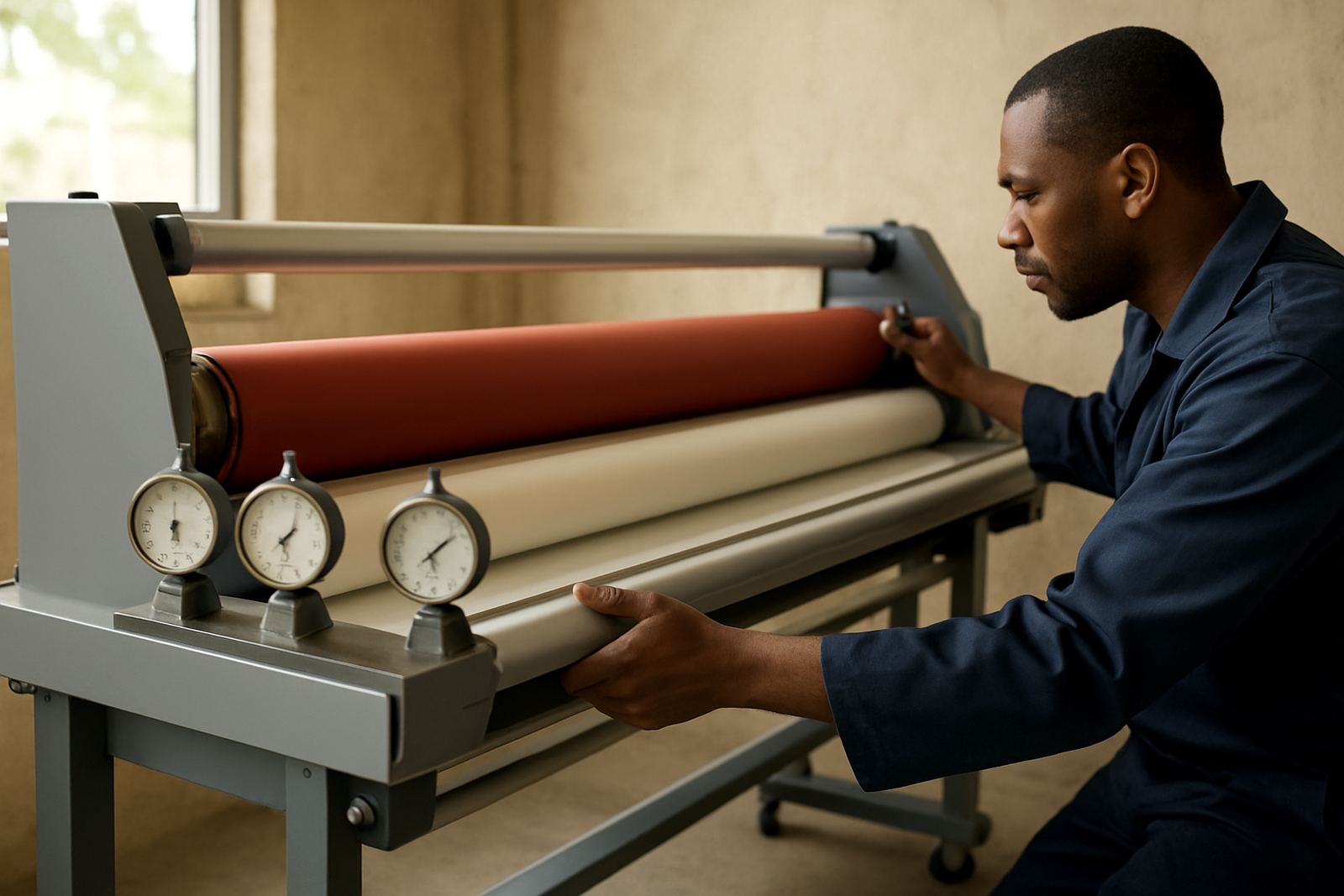
An on-site breakdown visit is more than a quick look. We inspect the machine safely, identify the cause, and test the main systems in sequence so the real problem is found not just the symptom. The visit can include mechanical checks, electrical fault finding, roller condition assessment, heat system checks, drive system inspection, pressure calibration and operator guidance after the repair.
- Initial fault verification and safety isolation
- Checking mains supply, plugs, isolators and control circuits
- Drive, feed and roller inspection
- Temperature and pressure checks on hot roll units
- Basic alignment and tension review
- Advice on immediate operating limits if full repair must wait
If the machine has been damaged by a power spike, incorrect film setup or worn rollers, we will explain what can be done immediately and what needs follow-up. This helps you avoid repeat stoppages and protects expensive prints from further waste.
How the call-out process works
The process starts with a phone call or message from your site. We will ask for the machine make, model, serial number if available, fault symptoms, the size of the laminator and whether the problem is electrical, mechanical or heat-related. A few photos or a short video often saves time on site. That first triage helps us bring the correct tools and likely spares, which improves the chance of same-day progress.
- Log the fault and confirm the machine type
- Assess urgency, location and access requirements
- Dispatch a technician from Kya Sand or arrange the nearest route
- Inspect, test and isolate the fault on site
- Repair where possible or quote the required parts and follow-up work
- Run a test feed and hand over practical operating notes
For facilities in Randburg, Sandton, Midrand, Pretoria and the East Rand, we schedule according to urgency and technician availability. For further sites, we coordinate nationwide installs and repairs by road or through planned site visits. Communication is kept direct so your team knows when the technician will arrive and what to prepare.
Typical faults we handle on site
Wide-format laminators have a few common failure points, and many can be diagnosed quickly with the right checks. We routinely attend machines that are losing pressure across the rollers, running too hot, feeding unevenly, slipping on the drive, or tripping from electrical faults after a surge or outage. In coastal conditions, humidity can also affect film handling and electrical parts, while dust from busy production floors builds up around switches and rollers.
- Worn or contaminated rollers causing poor bond quality
- Temperature control problems on hot lamination units
- Drive motor or gearbox faults
- Electrical faults, loose connections and tripping issues
- Pressure imbalance and feed skew
- Film tracking problems after operator setup errors
Where possible we restore safe production at once. If the machine needs roller replacement, electrical parts or a deeper strip-down, we will make that clear on the first visit and keep your team informed on timelines. A tidy, accurate fault report also helps when an insurer or asset manager asks for supporting notes.
Turnaround times and pricing approach
Urgent breakdowns are handled as quickly as schedule and travel allow, with call-outs prioritised for active production stops. In the Johannesburg area, many jobs can be attended on the same day or next business day depending on traffic, parts and workload. Outside Gauteng, timing depends on route planning and site density, but we still aim to reduce your downtime fast and keep transport costs sensible.
Pricing is quoted with clarity before the visit wherever possible. A breakdown call-out normally involves a site fee, labour time, travel and any parts required. If the fault turns out to be minor, you pay for the attendance and repair time only. If extra work is needed, we explain the next cost before proceeding. That way there are no surprises on the invoice.
For busy print shops, this approach is often cheaper than losing a day of production. It is also better than running a machine in poor condition and damaging film, paper, artwork or the rollers themselves.
Prevent repeat stoppages with planned servicing
Most breakdowns are linked to wear that has been building for weeks or months. To reduce urgent call-outs, we recommend routine servicing every 6 months for moderate use, or every 3 to 4 months for heavy daily production. Sites with long operating hours, high dust levels or frequent power interruptions may need shorter intervals.
A good maintenance plan usually includes roller cleaning, pressure calibration, heat system checks, drive system inspection and electrical testing. After a repair, we often advise a follow-up check after 2 to 4 weeks if the machine has been running hard or if new parts were fitted. This helps catch early drift in pressure or temperature before it becomes a stoppage again.
Our team also offers operator refresher training after a breakdown, which is useful where the issue was caused by incorrect threading, heat settings or poor shutdown practice. A short session can save a lot of time and scrap, and it keeps the machine in proper working order.
Key facts
| Service area | Kya Sand, Johannesburg and nationwide |
|---|---|
| Response type | On-site fault finding and repair |
| Machine types | Cold roll and hot roll wide-format laminators |
| Common visit time | Same-day or next-business-day in Gauteng, subject to route and parts |
| Pricing model | Call-out fee plus labour, travel and parts where required |
| Recommended service interval | Every 3 to 6 months for busy print shops running wide-format laminators |