
What Drive System Repairs Cover
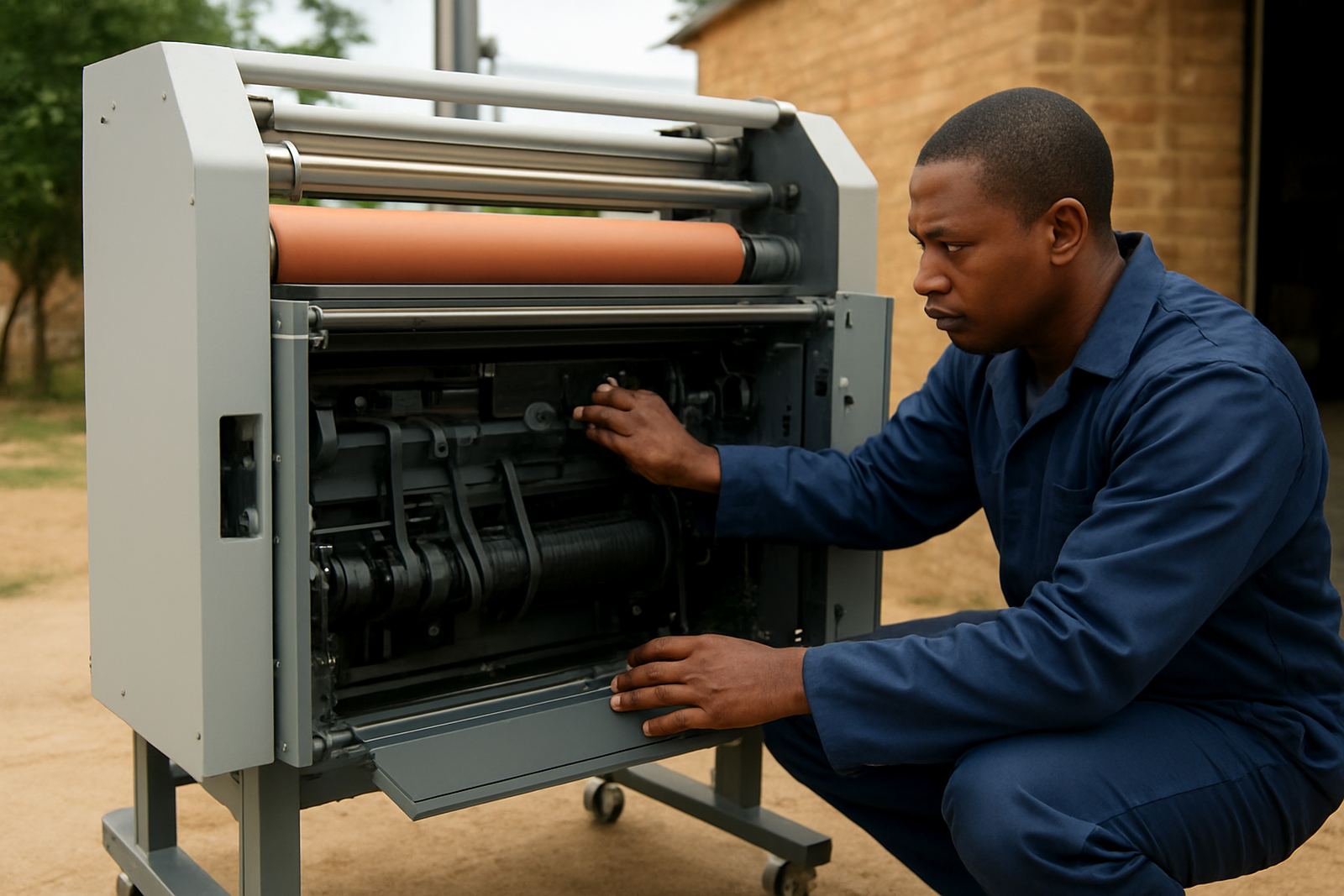
Our drive system repair service deals with the parts that move the machine through its working cycle, including feed rollers, drive belts, gear trains, motors, couplings, shafts and control components linked to movement. If the machine is pulling stock at an angle, stopping mid-cycle, or making a grinding or ticking sound, we inspect the full drive path rather than only replacing the visible part.
This service is commonly needed on print shop equipment running long hours in Johannesburg, Pretoria, Sandton and Midrand, as well as in coastal towns where humidity can affect belts and bearings. We work on both cold and hot roll laminators used for signage, finishing, photo work and artwork protection.
- Feed issues and skewed entry
- Slipping rollers under pressure
- Irregular machine movement or stalling
- Noisy bearings, worn gears or loose couplings
- Motor, relay and wiring faults linked to drive performance
Signs The Drive System Needs Attention
Do not keep forcing jobs through a unit that is hesitating or pulling unevenly. That can damage rollers, stretch belts and put extra load on the motor and controller. A lot of breakdowns start small, such as a machine that takes longer to reach speed, or one side of the sheet feeding ahead of the other. Left too long, the issue can spread into heat alignment and pressure problems as well.
Common warning signs include a hot motor casing, repeated tripping after load-shedding recovery, marks on the film path, and a machine that sounds normal at idle but struggles once a wide sheet enters. If the unit is installed in a dusty area like Kya Sand or near a busy print floor, fine paper dust can build up fast and cause extra wear.
- Machine starts but loses speed under load
- Uneven pull across the width of the rollers
- Burning smell, vibration or chatter
- Stops and starts without command
- Repeated fault codes related to movement
Our Repair Process From Inspection To Handover
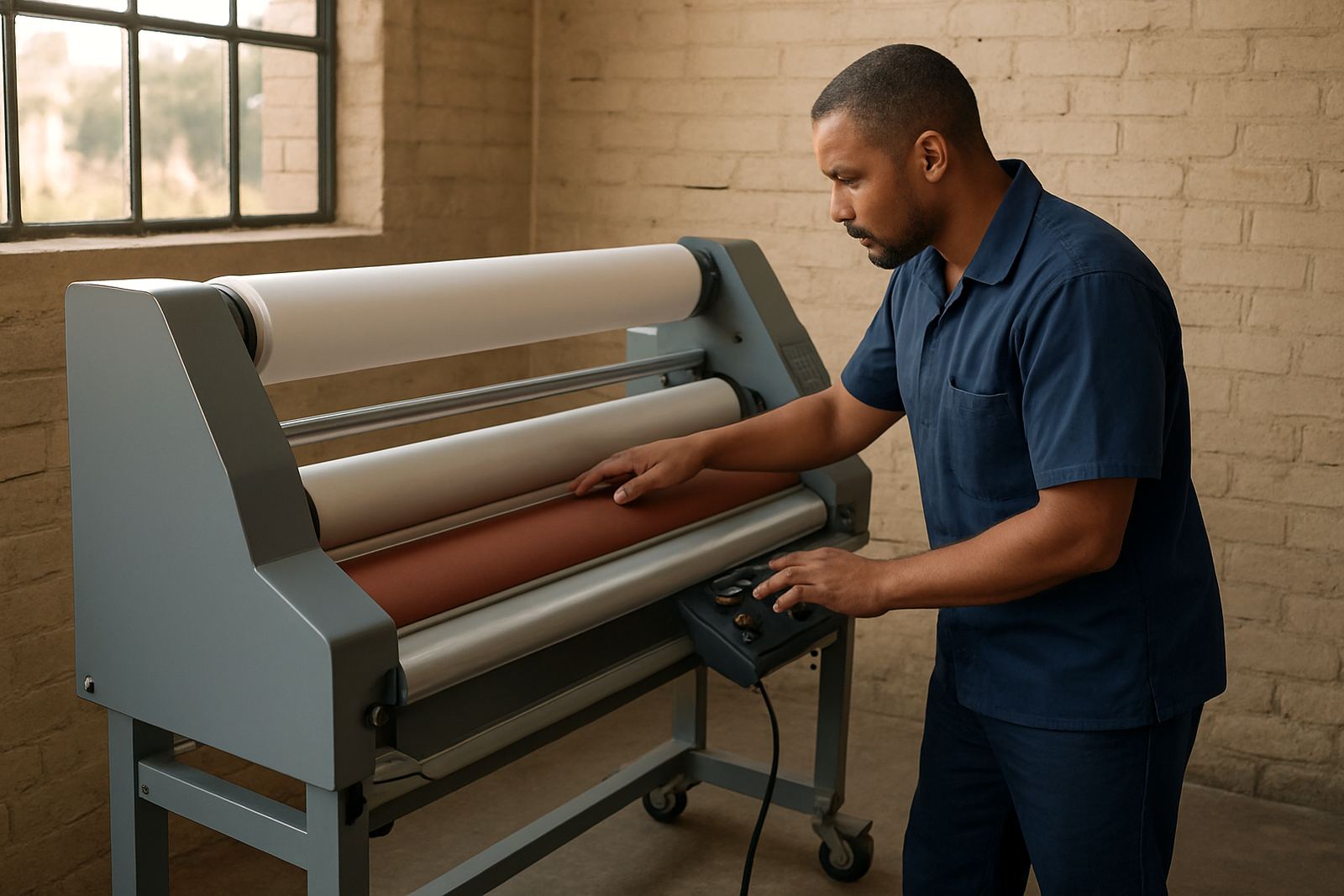
We begin with a practical fault check and speak to the operator about what the machine is doing, when the fault appears and whether it happens on specific material sizes. Then we test the drive system under controlled conditions, checking roller movement, belt condition, motor output, electrical signals and the condition of any linked sensors or switches.
Once the fault is confirmed, we provide a repair plan that explains what can be fixed on site and what needs workshop attention. If parts are required, we match the machine spec carefully so you are not left with a temporary fix that fails again in a few weeks. After repairs, we test feed speed, pressure and running stability before signing off the job.
- Fault interview and visual inspection
- Mechanical and electrical testing
- Repair quote and parts confirmation
- Repair work, alignment and calibration
- Final run test with your material size where possible
Typical Specs We Check During A Drive Repair
Every machine is different, but a proper repair should always include checks against the correct operating specs. We verify the drive system against the width, load capacity and speed range of the laminator, not just whether the machine turns on. For wide-format units, small differences in roller pressure or drive balance can affect the finish across the full working width.
We commonly check feed width on 650 mm, 900 mm, 1 300 mm and 1 600 mm machines, and confirm that the unit is handling stock thickness within the manufacturer’s normal operating range. Where relevant, we also look at temperature stability on hot roll systems because excess heat can affect belt life and drive consistency.
- Working width and feed alignment
- Motor condition and current draw
- Belt tension and pulley wear
- Gear mesh, shaft play and bearing noise
- Running speed consistency across the full width
Turnaround Times And On-Site Support
For businesses in Kya Sand, Randburg, Sandton, Midrand, Pretoria and the East Rand, we can usually get to simpler drive faults quickly if the issue is diagnosed early in the day. Some repairs are completed on site, especially belt changes, adjustments and wiring faults. More involved work, such as motor replacement or gear damage, may need workshop time and parts sourcing.
Nationwide installs and repairs are available by arrangement. For branches outside Gauteng, we plan the visit around access, downtime and the availability of spare parts so your team is not waiting around longer than needed. If the machine is used for client jobs every day, tell us up front and we will work to the shortest practical turnaround.
In many cases we can also advise on safe temporary operation while waiting for parts, provided the fault does not risk further damage.
Pricing Approach And What Affects The Quote
We price drive repairs according to the fault found, the parts required and whether the work can be done on site or in the workshop. A belt adjustment costs less than replacing a worn motor or repairing damaged gearing, so we prefer to inspect first and quote properly rather than guess. That saves time and avoids repeat call-outs.
The final price can be affected by machine size, access at the installation site, urgency, and whether the issue was caused by lack of servicing or by power fluctuations after load-shedding. If your unit has had regular maintenance, repairs are often faster and cheaper because the main parts are easier to inspect and the machine has not been run into the ground.
- Fault diagnosis before repair approval
- Clear parts and labour breakdown
- No unnecessary replacement work
- Options for on-site or workshop repair
Keeping The Drive System Healthy Between Services
For most busy print shops, a drive system check every 6 to 12 months is sensible, with shorter intervals if the machine runs daily or works in a dusty environment. In coastal areas, or where the laminator sits near open doors and air movement, we suggest closer attention to belts, bearings and rollers because moisture can shorten service life.
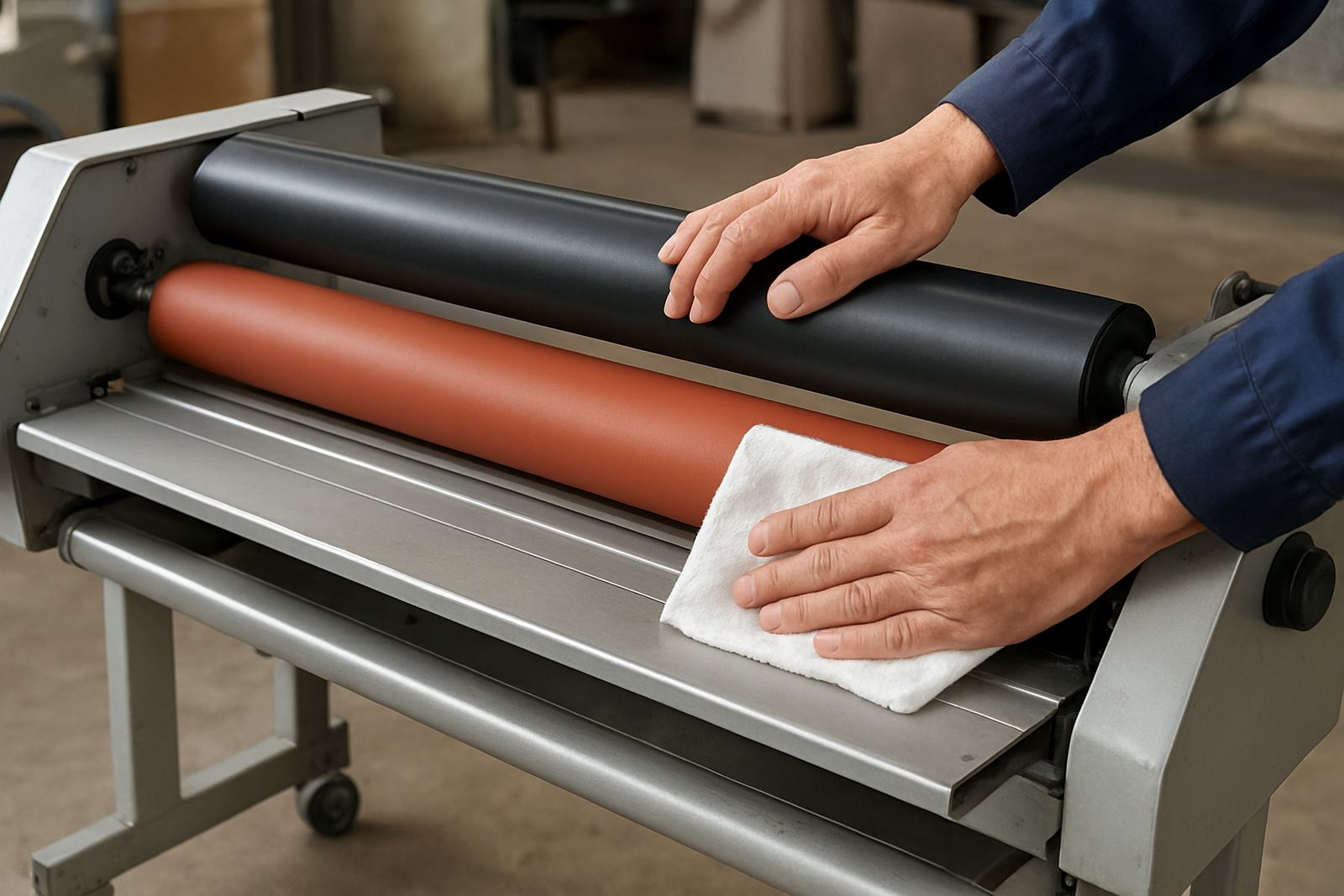
A clean machine lasts longer and feeds more evenly. Wipe down exposed surfaces, keep the feed path free of adhesive buildup, and avoid forcing stock that is outside the recommended thickness. If your machine has a history of slipping after power cuts, book a preventative inspection rather than waiting for another stoppage. It is cheaper than emergency repair, plain and simple.
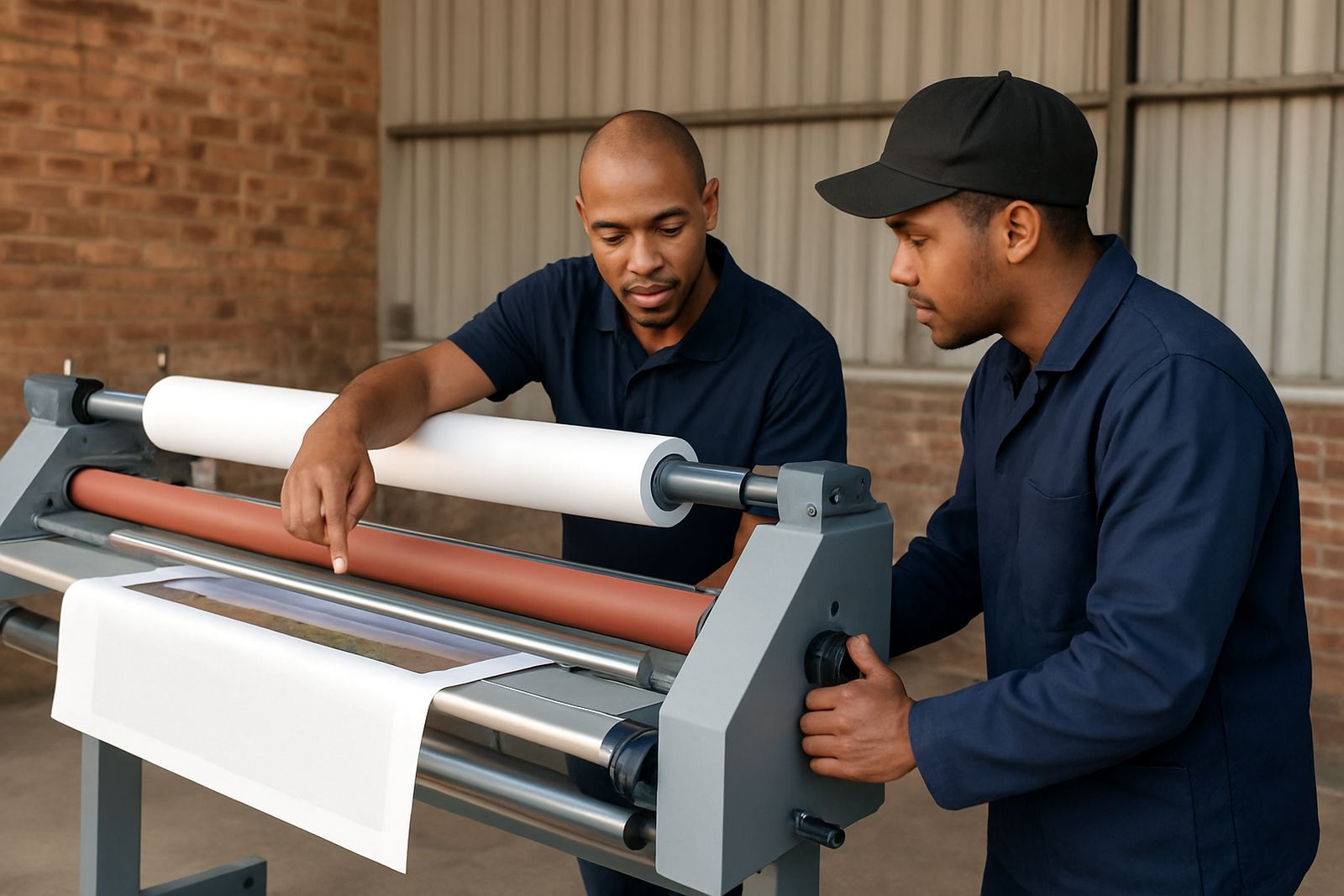
We also offer operator refresher training so staff understand start-up, shutdown and basic daily checks. That helps prevent small faults from becoming major drive failures.
Key facts
| Service type | Drive system repairs for wide-format cold and hot roll laminators |
|---|---|
| Common faults | Feed issues, slipping rollers, irregular movement, motor strain |
| Support area | Kya Sand, Johannesburg, Gauteng and nationwide |
| Machine widths | Typical checks on 650 mm, 900 mm, 1 300 mm and 1 600 mm units |
| Turnaround | Same day where possible for simple faults, workshop time for major repairs |
| Maintenance interval | Every 6 to 12 months, shorter for high-use or dusty sites |