What We Check On A Faulty Laminator
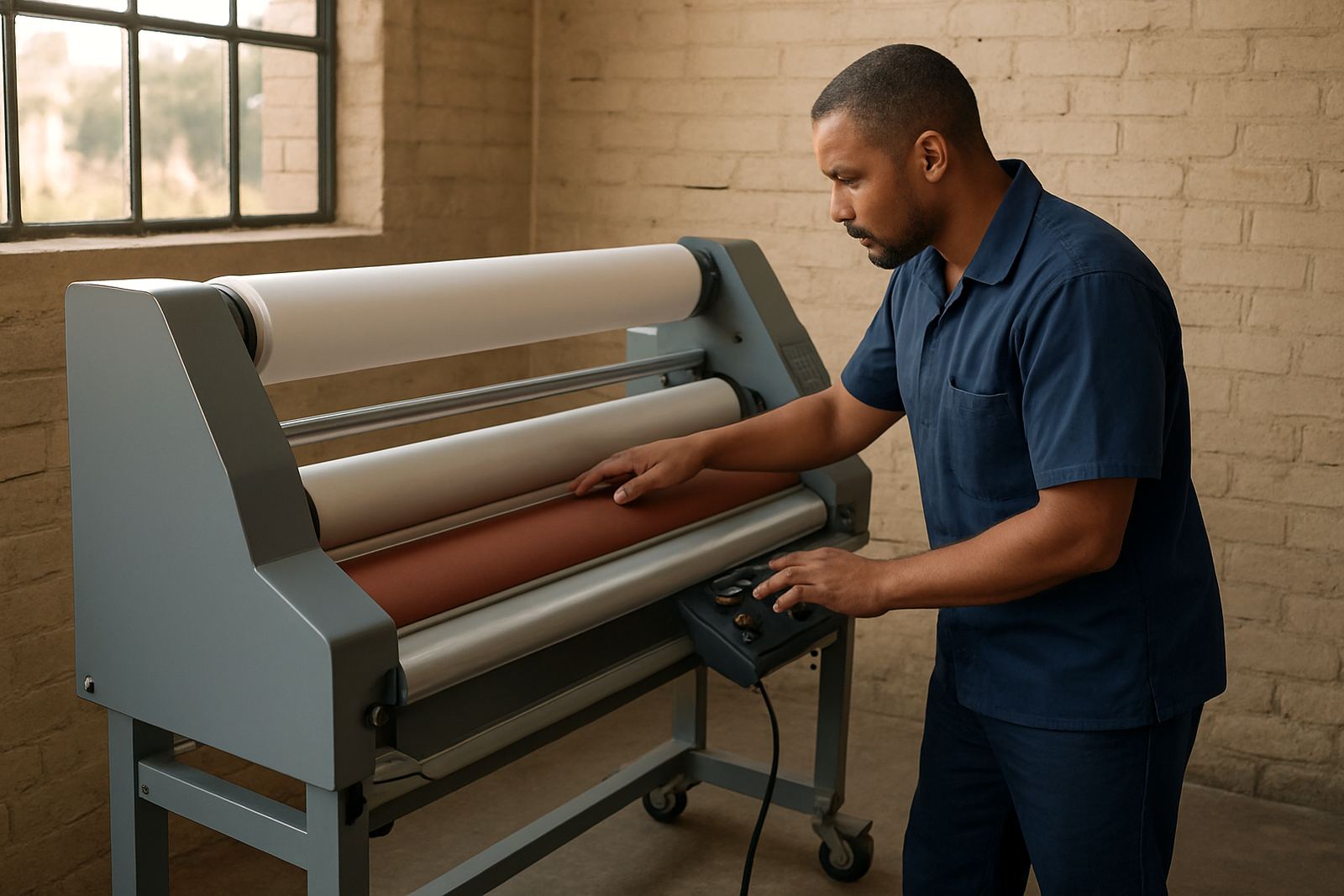
Electrical fault finding starts with a full check of the machine state, symptoms and operating conditions. We look at the control panel, power input, safety circuits, heater controls, motor drive signals, temperature feedback and sensor readings to pinpoint what is stopping normal operation. On many machines the fault is not one part only, it can be a loose connection, failing relay, damaged sensor cable or a heater circuit that is drawing the wrong current.
We work on wide-format roll laminators used in print shops, schools, sign makers and studios across Johannesburg, Pretoria, the East Rand and further afield. Machines running from single phase or three phase supply are tested according to their installed spec, so the diagnosis matches the real site conditions and not just bench readings.
- Control board and panel checks
- Power supply and isolation tests
- Sensor, thermostat and encoder diagnosis
- Motor, drive and relay testing
- Safety stop and interlock inspection
Common Electrical Problems We Diagnose
Some faults show up as complete failure to start, while others appear only after warm-up or during longer production runs. A laminator may heat slowly, overheat, trip the supply, or run one side hotter than the other. In humid coastal conditions and dusty workshop spaces, terminals can oxidise and boards can pick up contamination that leads to intermittent faults. Load-shedding and power spikes can also leave a machine with damaged components that look fine at first glance.
We regularly trace issues such as blown fuses, burnt terminal blocks, faulty contactors, weak power supplies, damaged probes, bad limit switches and motor control errors. When a machine keeps stopping mid-sheet, or the display shows an error code with no clear cause, we test the full path from supply to load so the repair is based on evidence not guess work.
- Machine not powering up
- Trips the breaker or earth leakage device
- Temperature does not match the setpoint
- Drive motor hesitates or stops
- Intermittent alarms and error codes
Our Diagnosis Process From Callout To Report
We start with a short fault interview so we know what the machine is doing, when the problem appears and whether there has been recent servicing, a power event or part replacement. From there, our technician checks the machine on site or at our Kya Sand base, depending on the fault and access. Basic safety isolation is done first, then live measurements are taken where required with proper load conditions.
Once the problem has been found, we explain the cause in plain language and confirm the next step, whether that is a repair, a spare part, or a deeper inspection of the heater system or drive system. Where useful, we also give advice on operator use, cleaning and power protection so the same issue does not come back.
- Initial call and fault triage
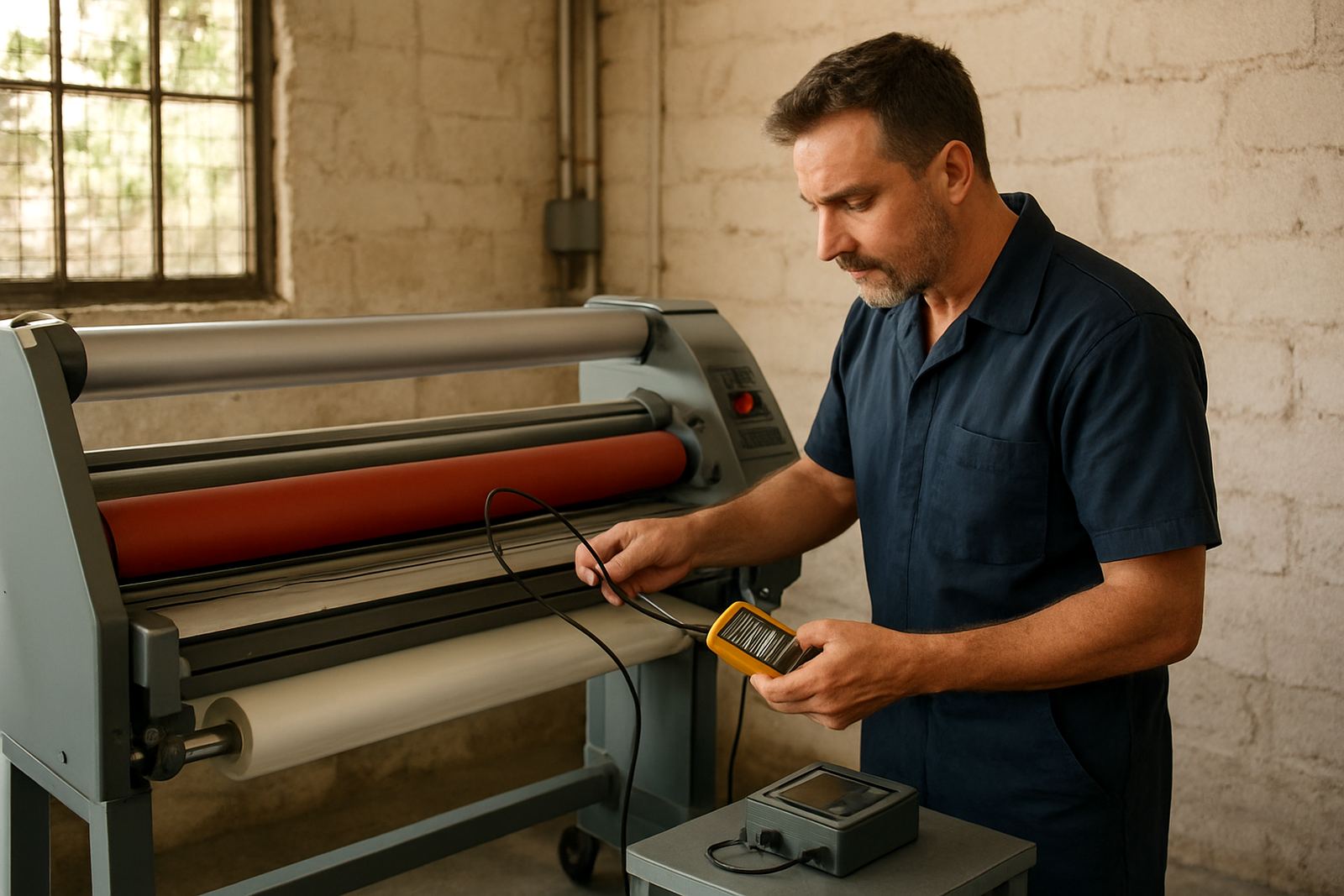
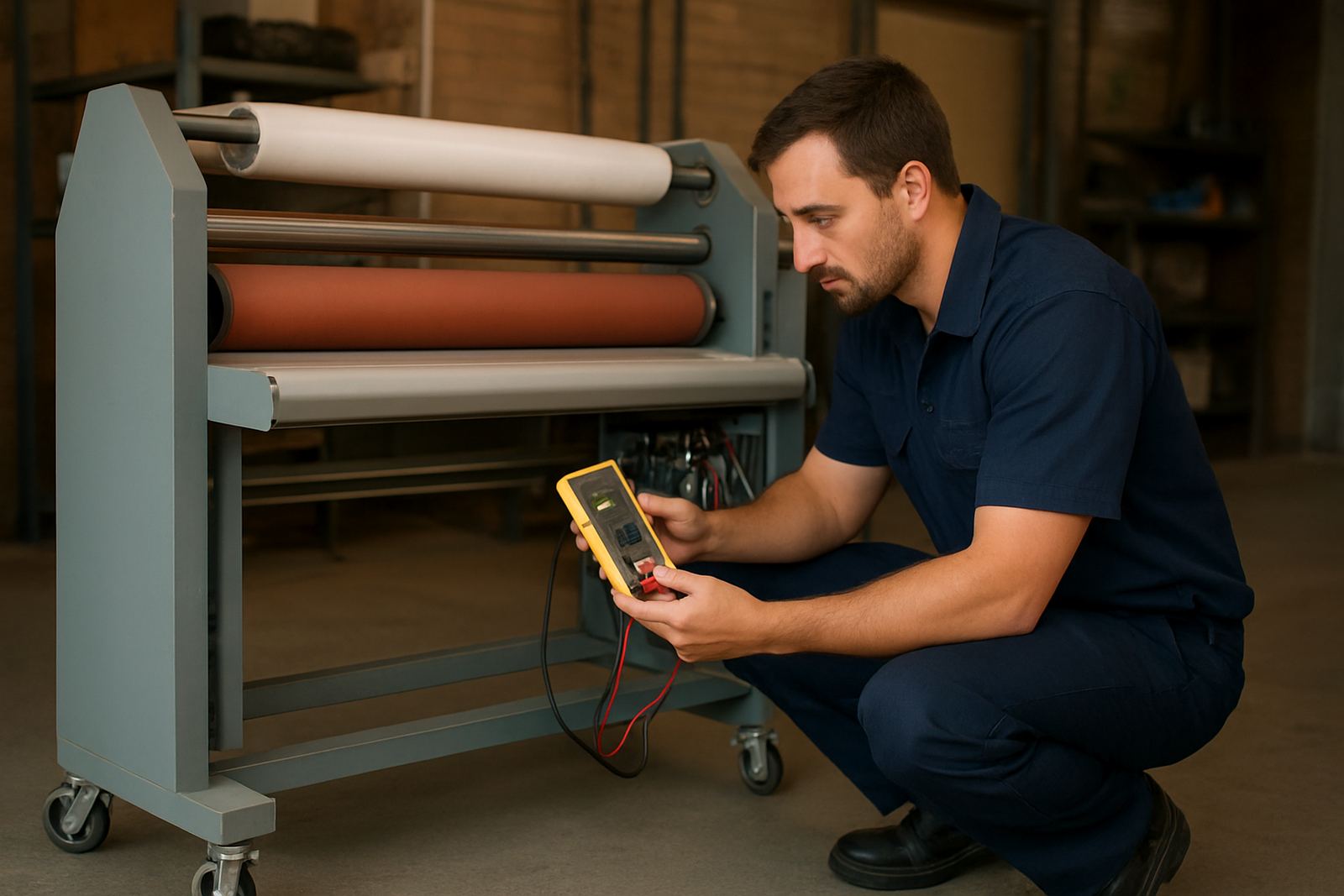
- Visual and electrical testing
- Component isolation and measurement
- Fault explanation and repair plan
- Post-repair operational test
Turnaround Times And On-Site Support
Turnaround depends on the fault type and the machine access, but many electrical issues can be diagnosed during the first visit. Simple problems such as loose wiring, failed sensors or a damaged switch may be sorted the same day if the parts are available. More complex faults involving boards, heaters or drive components can take longer, especially if we need to source a special part or complete a full bench test before returning the machine.
For Johannesburg, Randburg, Sandton, Midrand, Pretoria and the East Rand, we can arrange on-site attendance quickly. Nationwide installs and support are available by arrangement, and for urgent breakdowns we prioritise machines that are holding up production. If the fault is electrical and the machine is unsafe to run, we will advise you to stop use immediately rather than risk a bigger repair.
Pricing Approach And Parts Supply
Our pricing is quoted after we understand the fault, because electrical work can range from a minor connection repair to a full circuit issue. Callout, diagnosis, labour and parts are discussed upfront so you know what is included before work continues. Where a simple adjustment is all that is needed, we keep the cost tight. If parts must be replaced, we give options where possible and explain the difference between a quick fix and a longer-term repair.
We keep support practical for businesses that cannot afford long downtime. If your laminator needs a spare relay, sensor, heater element or control component, we will advise on availability and compatibility. This helps reduce repeat failures and avoids fitting parts that do not suit the machine's load or voltage requirement.
- Diagnosis quoted before major work
- Labour and parts separated clearly
- Options provided where more than one repair is possible
- Support for genuine machine-compatible spares
Stopping repeat electrical faults early
Most electrical problems do not happen in isolation. They build up from dust, heat, loose terminations, worn insulation, poor supply quality or missed servicing intervals. We usually recommend a check every 6 to 12 months for busy print environments, and sooner if the machine runs daily, travels between sites, or works in a warm room with unstable power. After a fault repair, it is worth monitoring the machine for a few shifts to confirm the readings stay steady.
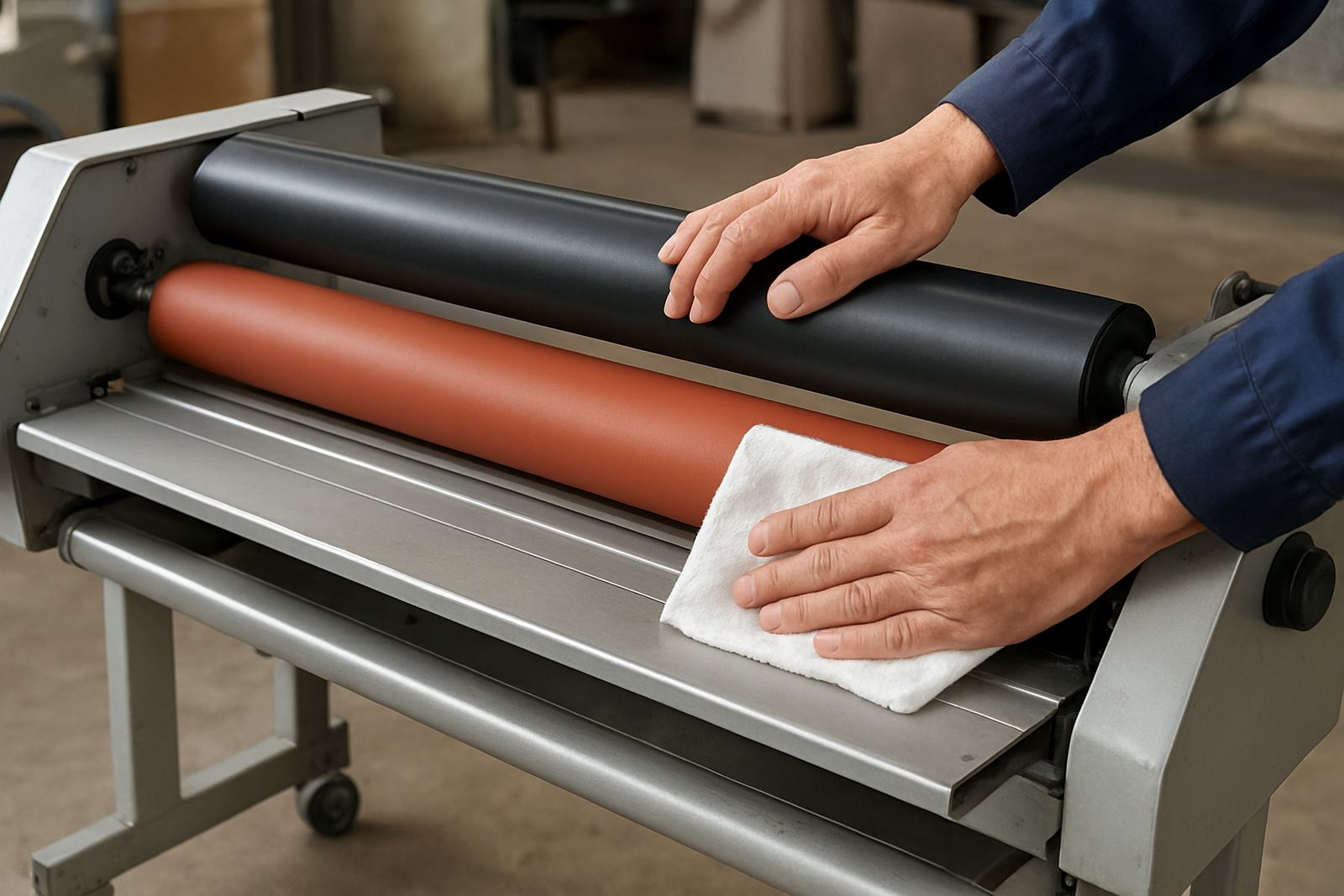
Regular servicing should include terminal tightening, fan and vent cleaning, sensor verification, heater checks and drive inspection. If your site experiences frequent outages or voltage dips, power protection and a controlled shutdown process can make a noticeable difference. Small habits help too, like keeping liquids away from the control area and avoiding repeated start-stop cycles when the machine is still cold.
- 6 to 12 month electrical inspection intervals
- Earlier checks for high-volume sites
- Clean dust from vents and control panels
- Use stable supply and shutdown practice
Key facts
| Service type | Electrical fault finding for cold and hot roll laminators |
|---|---|
| Fault coverage | Control, power, sensor, heater and drive related issues |
| Area | Kya Sand, Johannesburg and nationwide support |
| Machine formats | Wide-format roll laminators used in print shops, studios and sign production |
| Contact | Contact form |