Extra width for signage, posters and display work
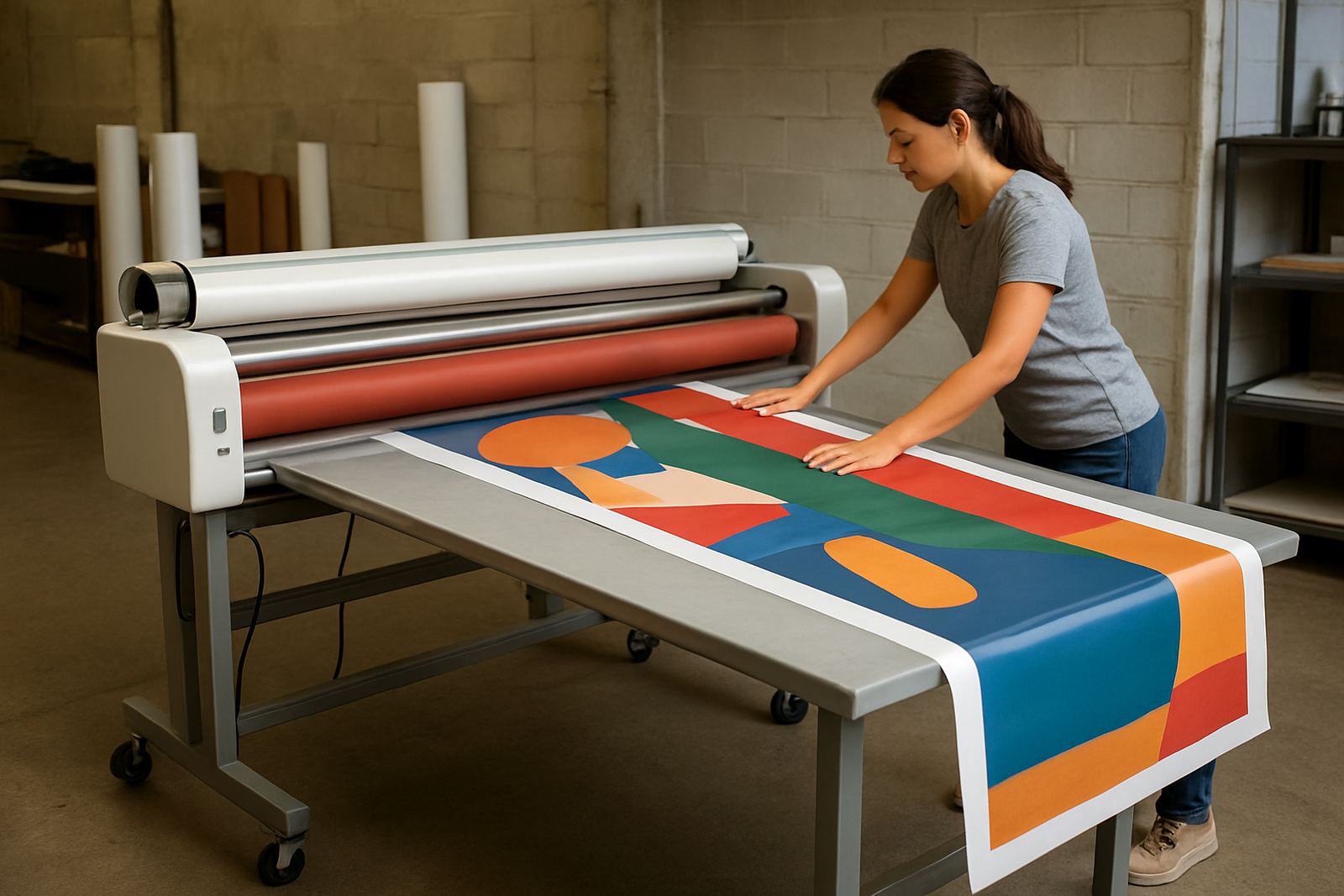
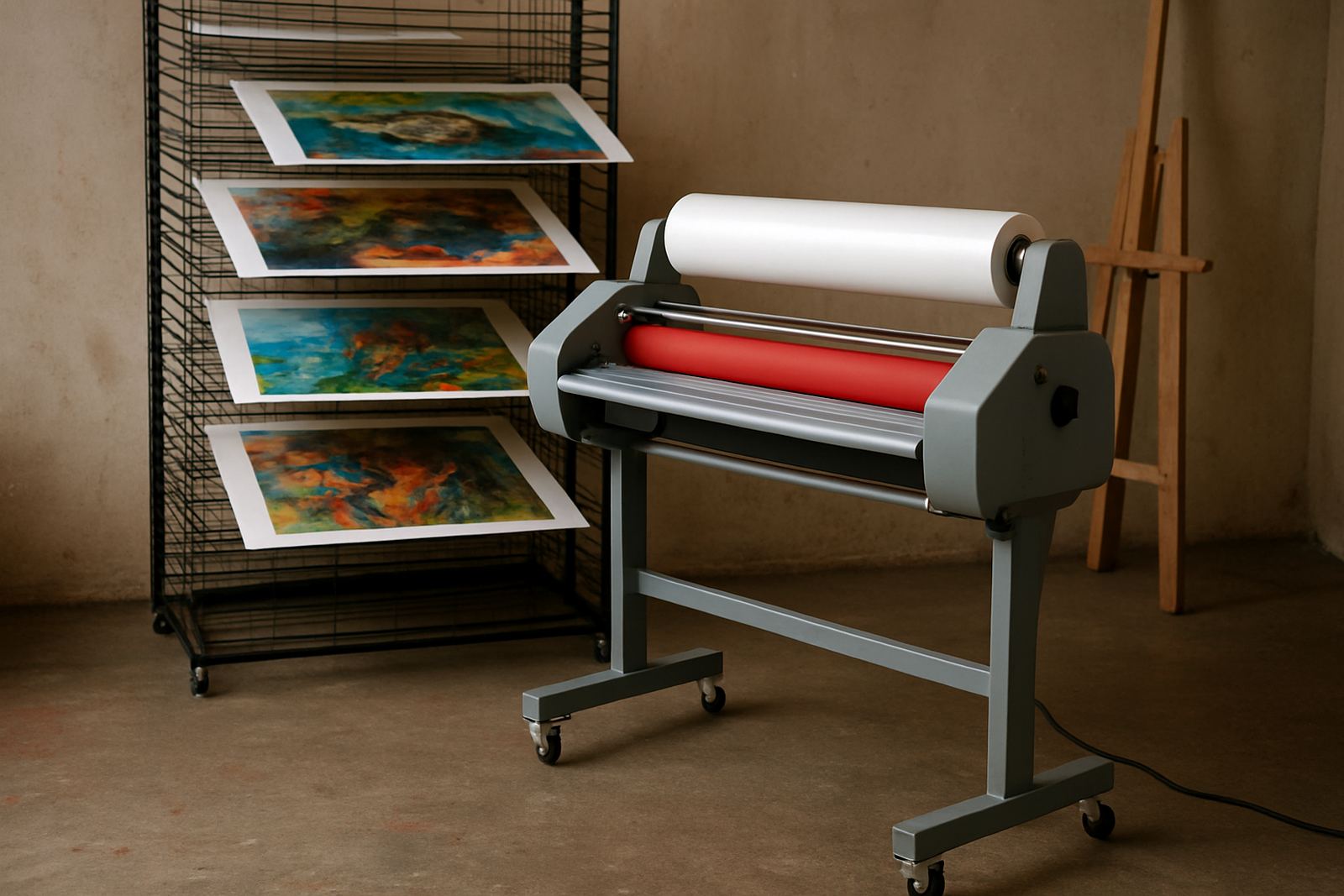
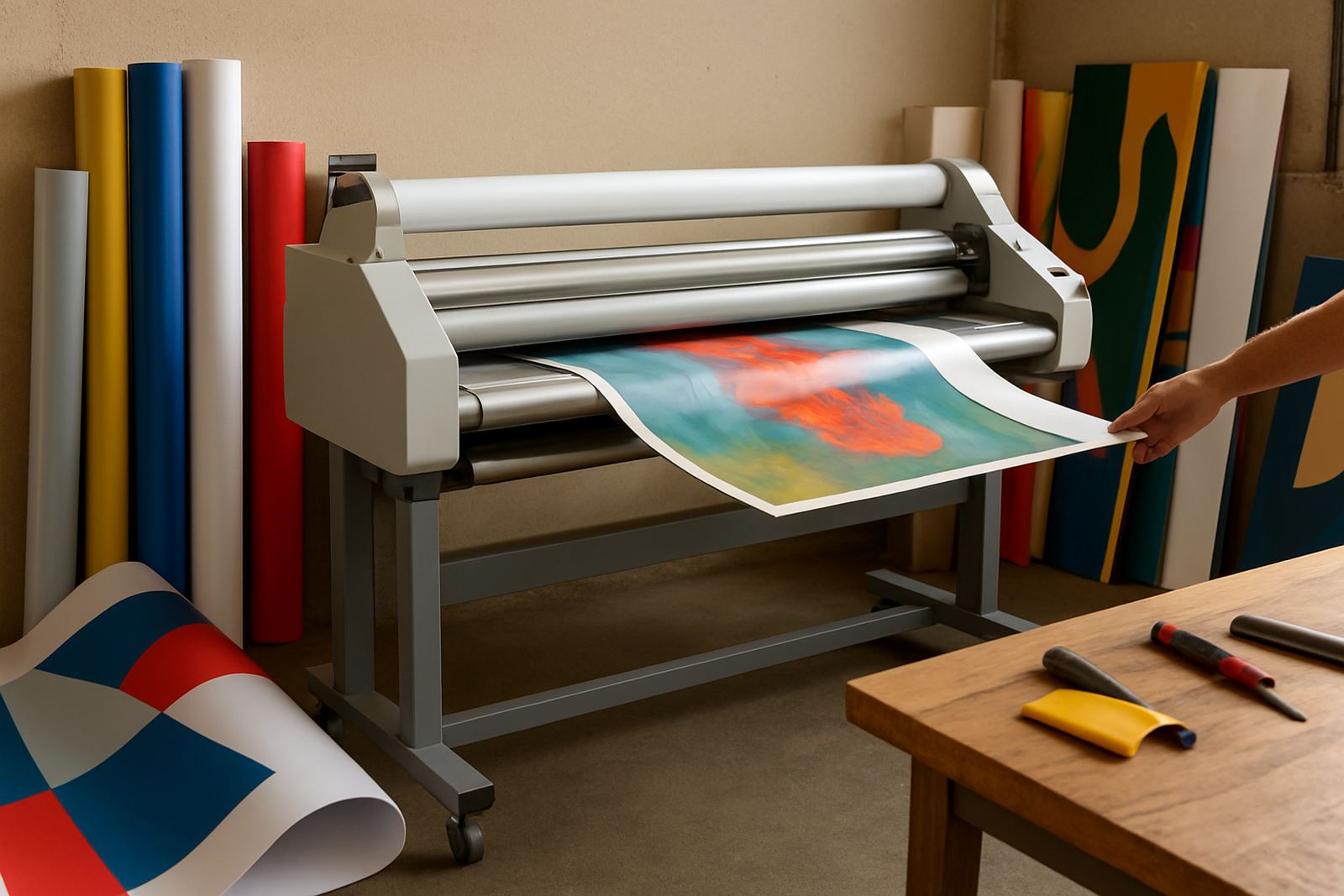
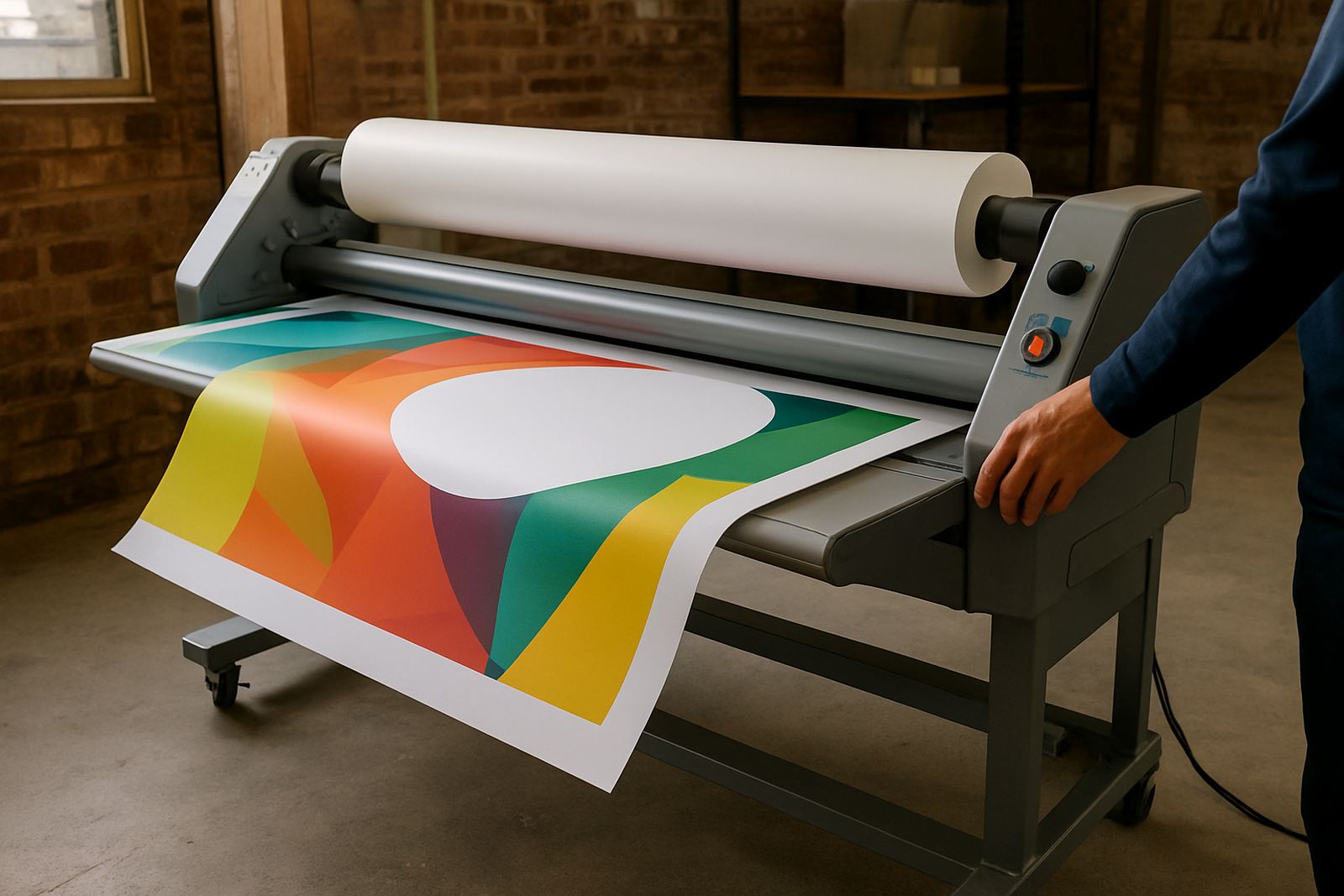
The Signshop Cold 1800 is built for wider prints that need protection without heat. It is a practical choice for shops handling sign panels, exhibition graphics, wall displays and poster runs where the finished job must stay flat and present well. With a wide working format, it handles the kind of jobs that smaller laminators can struggle with, especially when customers bring in oversized artwork or paired panels that must line up properly.
Cold roll laminating is useful when you are working with heat-sensitive media, adhesive vinyls, photo prints and mounted display graphics. It helps protect against scuffing, handling marks and day-to-day wear. For businesses in Johannesburg, Pretoria, Midrand and the East Rand, that matters because signage often moves from production to site quickly and the final look has to hold up in transport, sun and dust.
Key sizes and operating options
This model suits wider-format work where a standard tabletop laminator is simply too small. It is commonly selected for posters, maps, directional boards, exhibition panels and retail display pieces. The wider feed area also gives more room for batching jobs, so operators can move from one panel to the next without constant trimming and re-feeding.
- Wide-format roll lamination for larger signs and posters
- Cold operation for heat-sensitive prints and films
- Suitable for single-sided protective lamination
- Can be set up for different film thicknesses depending on the job
- Works well for repeated production in busy print rooms
If you are producing for clients in Sandton, Randburg or Kya Sand, the extra width saves time on finishing and helps reduce waste. It also makes it easier to keep edge alignment neat on longer boards. The machine is a sensible fit for shops that want a mid to high-output unit without moving to a full industrial line.
Where the Signshop Cold 1800 fits best
This laminator suits sign makers, print shops, design studios and artists who need better surface protection on larger work. It is often used on retail promotions, school displays, estate agent boards, short-run exhibition pieces and customer presentation graphics. If your work includes frequent reprints or short deadlines, the machine helps you finish jobs in house rather than sending them out.
It also works well for businesses that need a more controlled finish in humid areas near the coast or in spaces where dust can be a problem. A proper laminate layer helps protect against fingerprints and light moisture, and it gives the print a more polished look for delivery. For some customers, the real value is simply consistency, the same pressure and finish from the first sheet to the last.
- Print shops handling sign boards and promotional graphics
- Graphic designers finishing presentations and display pieces
- Artists protecting prints and limited runs
- Retail and property teams producing internal display material
- Schools, churches and offices with recurring poster work
Installation, power and site requirements
For reliable use, the machine needs a level floor, enough working space at the infeed and outfeed, and a clean area where rolls and finished pieces can be handled safely. It is best positioned where operators can walk around the machine, load media comfortably and trim finished work without crowding. In many Johannesburg and Pretoria workshops, this means planning around cutters, tables and storage so the workflow stays practical.
Power requirements depend on the exact configuration, but the unit is generally installed on a standard workshop electrical supply with proper protection and a clean earth. Since this is a cold laminator, there is no gas connection needed and no warm-up delay for heat. That makes it useful in load-shedding conditions too, because when power returns you can get back to work without waiting for temperature recovery. A steady supply is still important for dependable drive movement and pressure control, so the electrical installation should be checked by a competent technician.
For on-site installs nationwide, we normally look at access, floor space, lift access if needed, and where the machine will be positioned for safe roll changing. If the site is in a busy area like Midrand or East Rand, it helps to plan for delivery times and secure offloading. Small details can save a lot of trouble later, especially with wider machines.
Care, servicing and day-to-day upkeep
Routine care keeps the rollers clean and the pressure even. Adhesive build-up, dust and debris can mark the film or leave lines on the finished surface, so regular roller cleaning is worth doing. Operators should check alignment, inspect the drive movement and keep the feed path clear of offcuts and backing paper. On busier days, a quick wipe-down between jobs can prevent minor issues from becoming service calls.
We support routine servicing, roller cleaning, pressure calibration, heat system checks where fitted, drive system repairs, electrical fault finding, on-site breakdowns, spare parts support, operator refresher training and pre-purchase inspections. That mix is useful for print rooms that cannot afford long downtime. If the machine starts pulling unevenly or the pressure feels off, do not just force the job through, it normally means something needs checking.
- Clean rollers on a set schedule
- Check pressure settings before long runs
- Keep the feed area free of dust and trim
- Inspect drive belts and bearings for wear
- Book servicing before peak season if possible
Checks to make before ordering laminate film
Before ordering, confirm the widest sheet or panel you plan to run, the typical film thickness you use, and whether your work is mostly print protection or display finishing. It also helps to know your daily output, because a machine that suits a small design studio may not be enough for a sign shop handling repeated jobs. If you work with longer panels, check the available floor space and how the infeed and outfeed will be managed.
You should also confirm the media types you want to laminate, whether you need cold-only operation, and whether your team needs training on setup and alignment. For many buyers, the real question is not just the size, but how the machine will fit into the workshop flow. If the unit has to sit between a cutter and a packing bench, the layout matters just as much as the spec sheet.
We can help you compare the machine against your current workload and advise whether it suits posters, sign boards or mixed production. If you are in Kya Sand, Randburg, Sandton, Midrand, Pretoria or the East Rand, collection and local support can be arranged more quickly. Nationwide installs are also available for sites outside Gauteng.
Key facts
| Model | Signshop Cold 1800 |
|---|---|
| Machine type | Wide-format cold roll laminator |
| Working width | 1800 mm class |
| Power | Standard workshop electrical supply, no gas required |
| Best use | Posters, sign panels, display graphics and artwork finishing |
| Support | Routine servicing, installs, training and breakdown assistance nationwide |