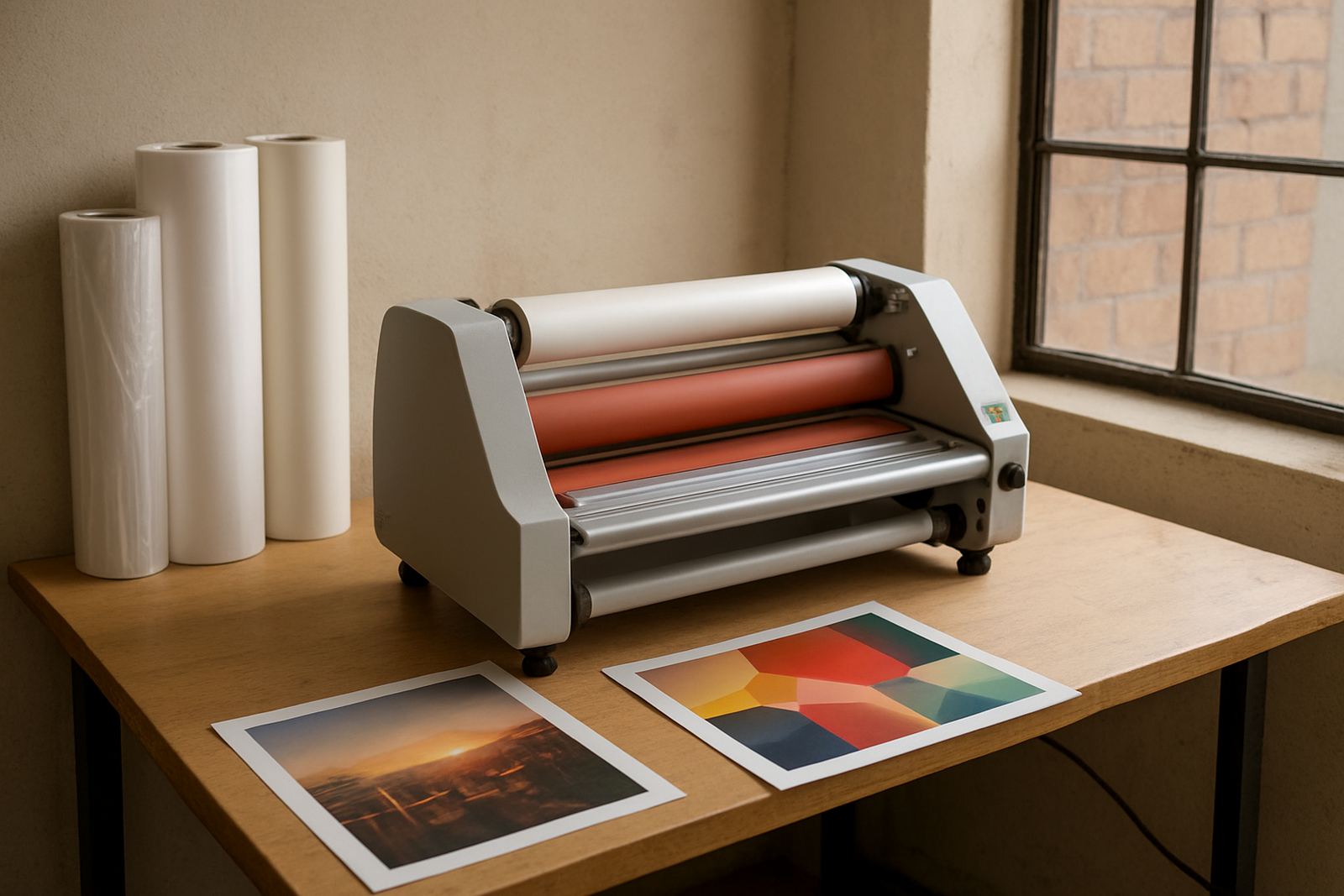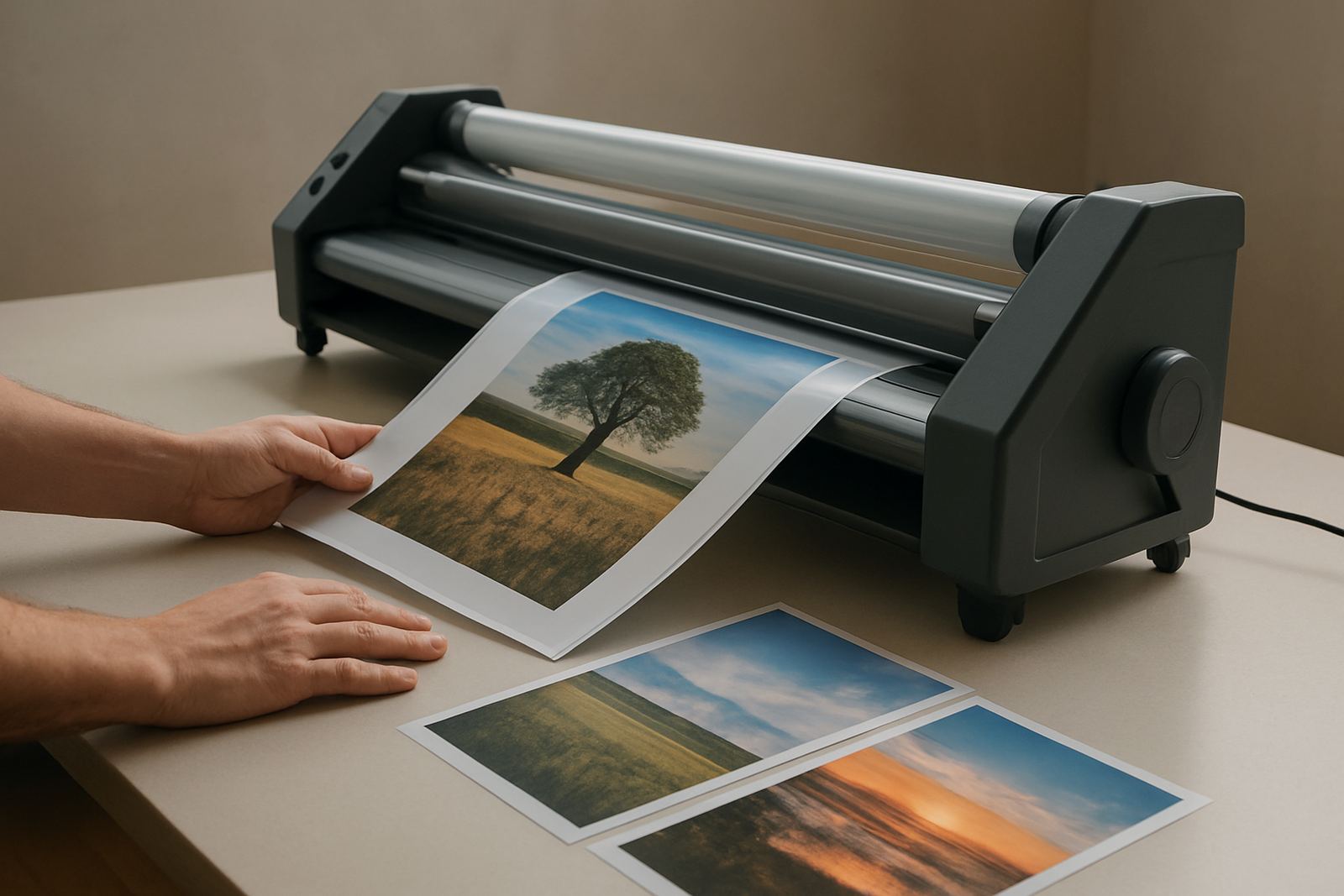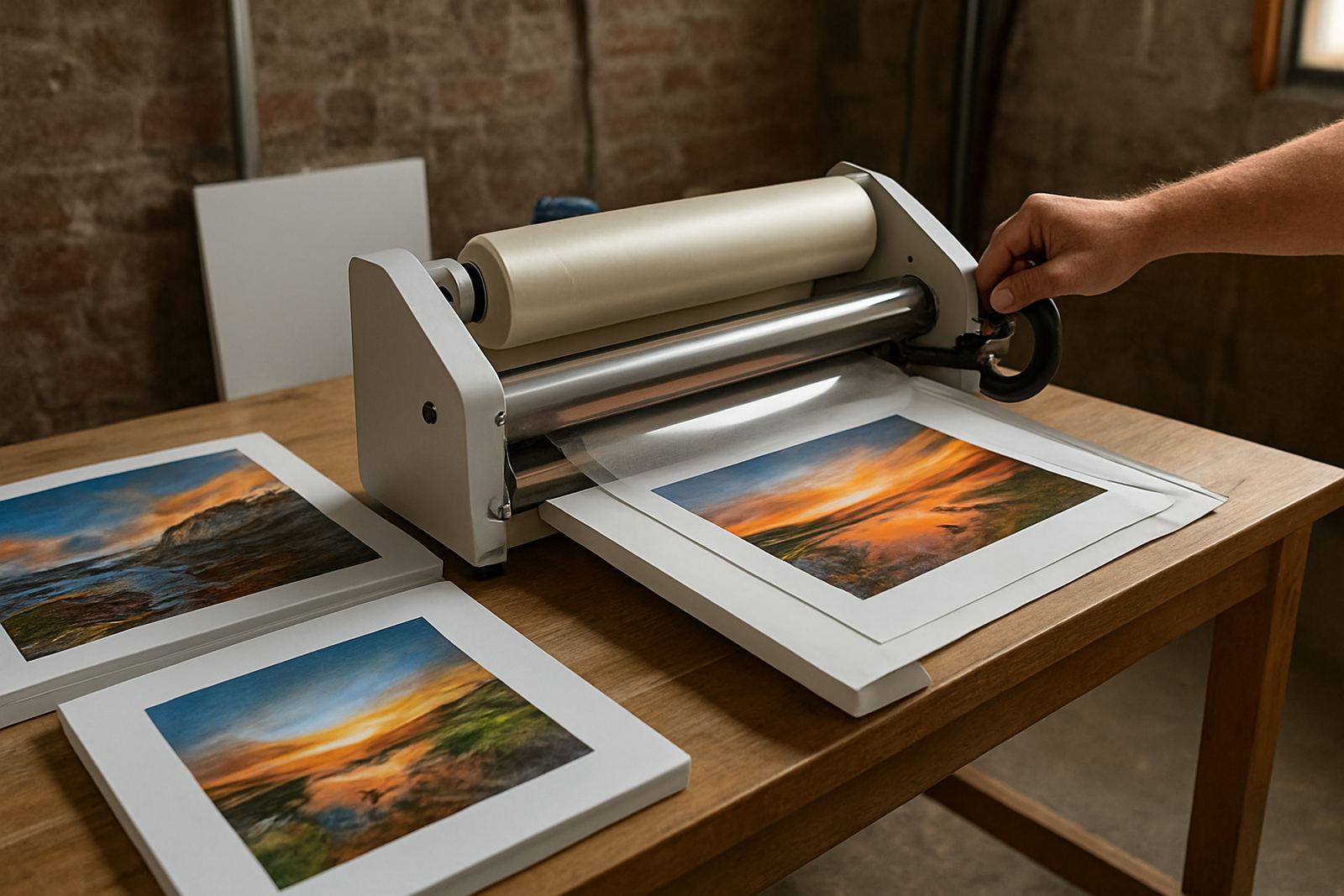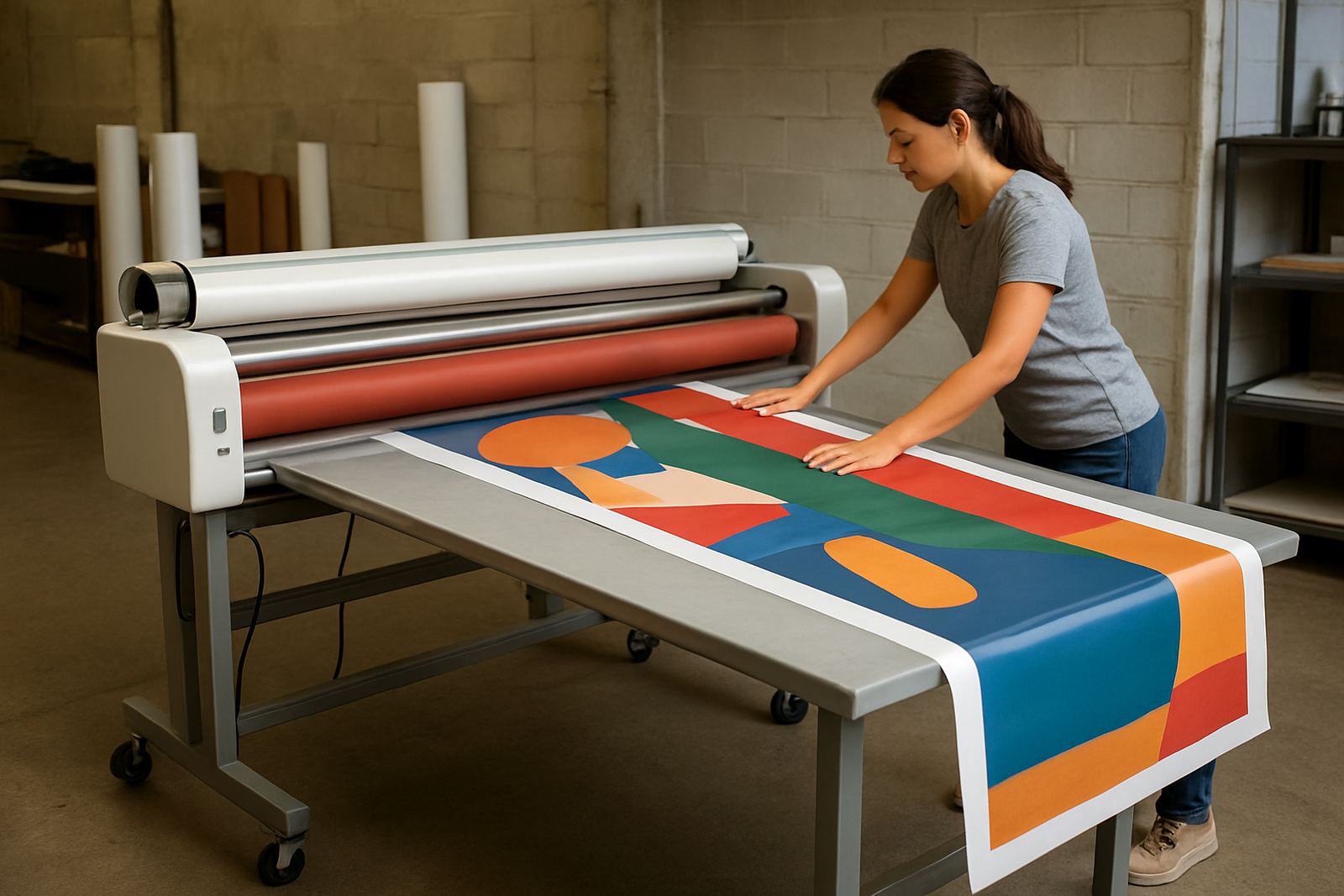
Built for wider production runs
The Electric Cold 1800 is made for shops that laminate posters, self-adhesive graphics, exhibition panels and mounted prints at scale. With an 1800 mm working width, it handles broad-format work in one pass, which helps reduce joins and keeps finishing more consistent on larger jobs.
Cold lamination is a good choice when you want to protect printed graphics without adding heat to the material. That makes it suitable for pressure-sensitive films, decals and artwork on substrates that can warp, shrink or react badly to warm rollers. It is a practical fit for sign makers, print houses, studios and in-house production teams that need dependable output through the week.
Sizes, widths and working options
This model is aimed at high-volume users who need a wider machine for production work. The 1800 mm width gives enough space for common wide-format signage, display boards and full-size print panels, while the roller system allows controlled feeding for one-off pieces or repeat jobs.
- Working width: 1800 mm
- Suitable for roll-to-roll and sheet-fed cold lamination jobs
- Manual feed control for steady alignment
- Forward and reverse operation for positioning and correction
- Pressure adjustment for different media thicknesses
For smaller shops, this width is still useful because it gives room to grow into larger work. If you do vehicle graphics, POP display or trade show panels, the extra width helps when trimming margins or working with oversize sheets that are awkward on narrower machines.
Where the Electric Cold 1800 fits best
This laminator suits production spaces in Johannesburg, Randburg, Sandton, Midrand, Pretoria and the East Rand, as well as coastal and inland businesses that deal with changing humidity and temperature. It is commonly used in sign shops, digital print rooms, display fabricators and branding companies that need to protect printed work from scratches, handling and dust.
It also works well for teams that do short-run jobs with different media types each day. If your work includes event graphics, retail signage, labels, maps or artwork for frames and boards, the cold process keeps the finish clean and avoids heat marks or curl. In humid areas like Durban or Gqeberha, that control matters more than many people expect.
Installation, power supply and site readiness
Installation should be planned with enough floor space for feed, discharge and operator movement. A clear, level area makes a big difference to alignment and safety, especially in busy print rooms where material movement is constant. We handle installs nationwide and can advise on positioning before delivery so the unit is set up to suit your workflow.
- Standard electrical supply required for the motor and controls
- Dedicated power point recommended to avoid shared-load issues
- Stable floor surface with enough working room around the machine
- Good lighting for alignment and finish checks
- Uninterrupted workflow planning for load-shedding periods if you use backup power
The machine does not require gas. For businesses in areas with load-shedding or unstable supply, it is worth checking your backup setup before ordering so the laminator and any supporting equipment can run safely together. A little planning here saves a lot of downtime later.
Care, servicing and day-to-day upkeep
Like any production machine, the Electric Cold 1800 works best when rollers are kept clean and pressure is checked regularly. Dust, adhesive build-up and poor handling can affect finish quality, so routine care should be part of normal shop maintenance rather than a fix after problems start.
Our support includes routine servicing, roller cleaning, pressure calibration, drive system repairs, electrical fault finding and spare parts support. We also assist with on-site breakdowns and operator refresher training, which is useful where staff changes over time or the machine is shared between shifts. Lunga Tshabangu and the team can help you plan service intervals based on your output levels.
- Clean rollers to reduce marks and adhesive transfer
- Check pressure settings when changing media thickness
- Inspect feed alignment before long runs
- Keep the area clear of dust and offcuts
- Arrange servicing before peak campaign periods
What to check before ordering
Before you place an order, it helps to match the laminator to the work you actually do. The right machine should suit your average sheet size, output volume and material types, not just the biggest job you hope to finish one day. If you are unsure, we can go through the details with you and advise on the best fit.
- Maximum print width you need to process
- Whether you need hot lamination as well as cold options
- Roll diameter and media thickness you will run
- Available floor space and access for delivery
- Electrical supply and backup power arrangements
- Frequency of use and expected daily output
Pre-purchase inspections are available for buyers who want a practical check before committing. That is especially useful if you are expanding production, replacing older equipment or setting up a second site. We can also help with spare parts support and operator training after installation so the machine keeps working the way it should.
Key facts
| Model | Electric Cold 1800 |
|---|---|
| Type | Wide-format cold roll laminator |
| Working width | 1800 mm |
| Operation | Electric powered roller drive with manual control |
| Application | Print protection, graphics finishing, artwork and display work |
| Service area | Johannesburg, Gauteng and nationwide installs |