
Hand-operated laminating for controlled finishing
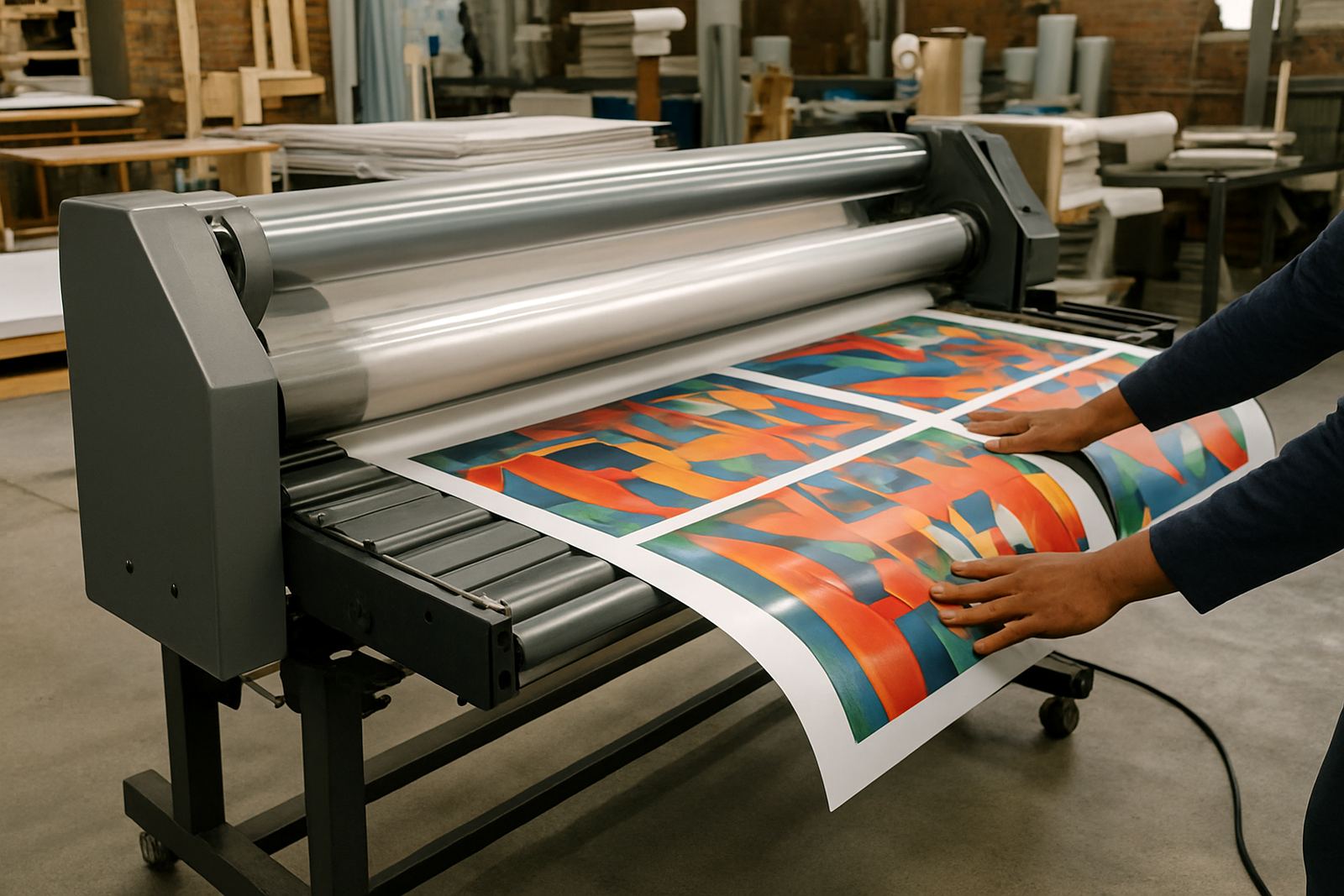
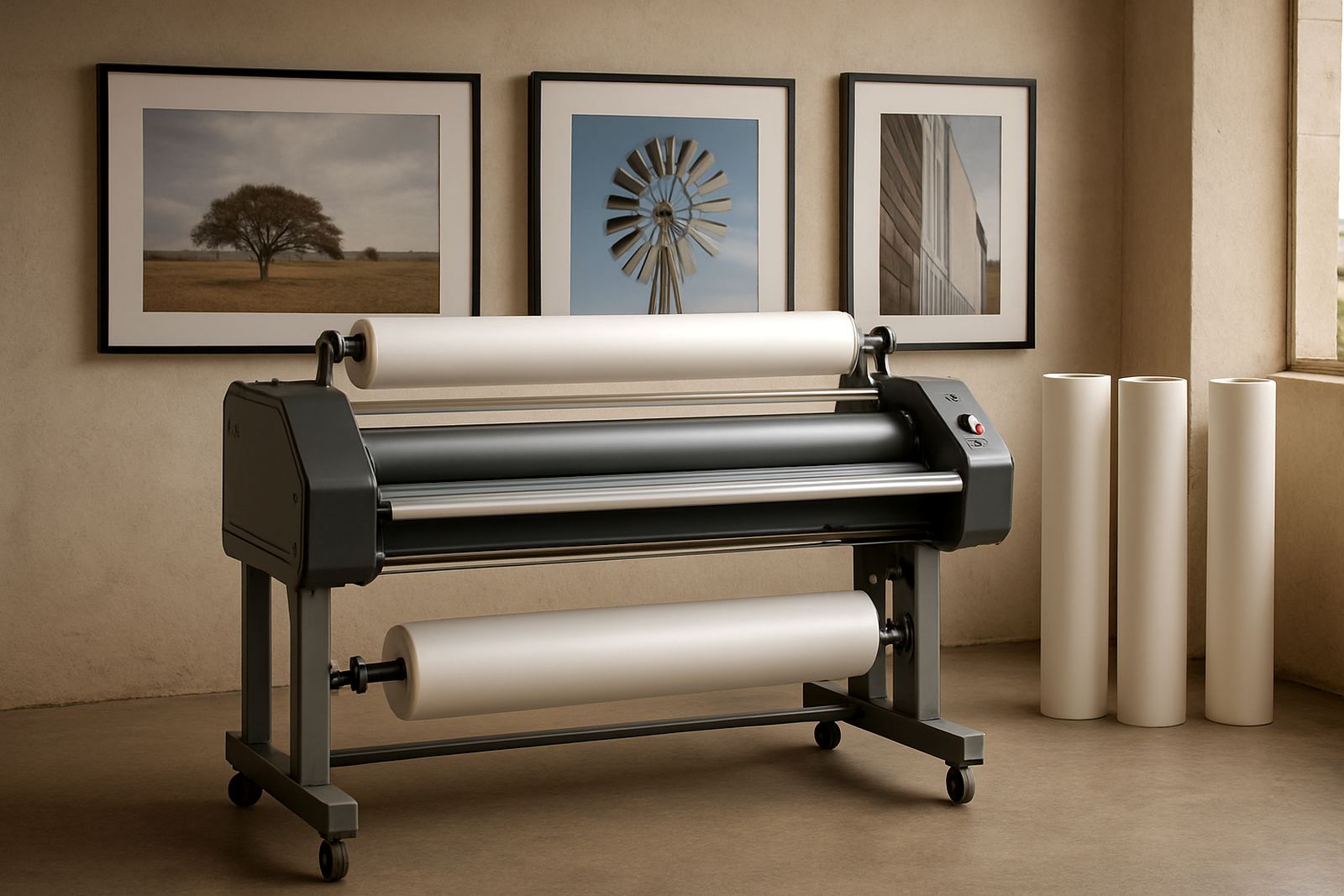
The Manual Cold 1300 is built for work that needs a steady feed and close control. It is a cold roll laminator, so it does not use heat to bond the film. That makes it a practical choice for pressure-sensitive films, mounted prints, posters, artwork and short-run signage where you want to avoid curling or heat related distortion.
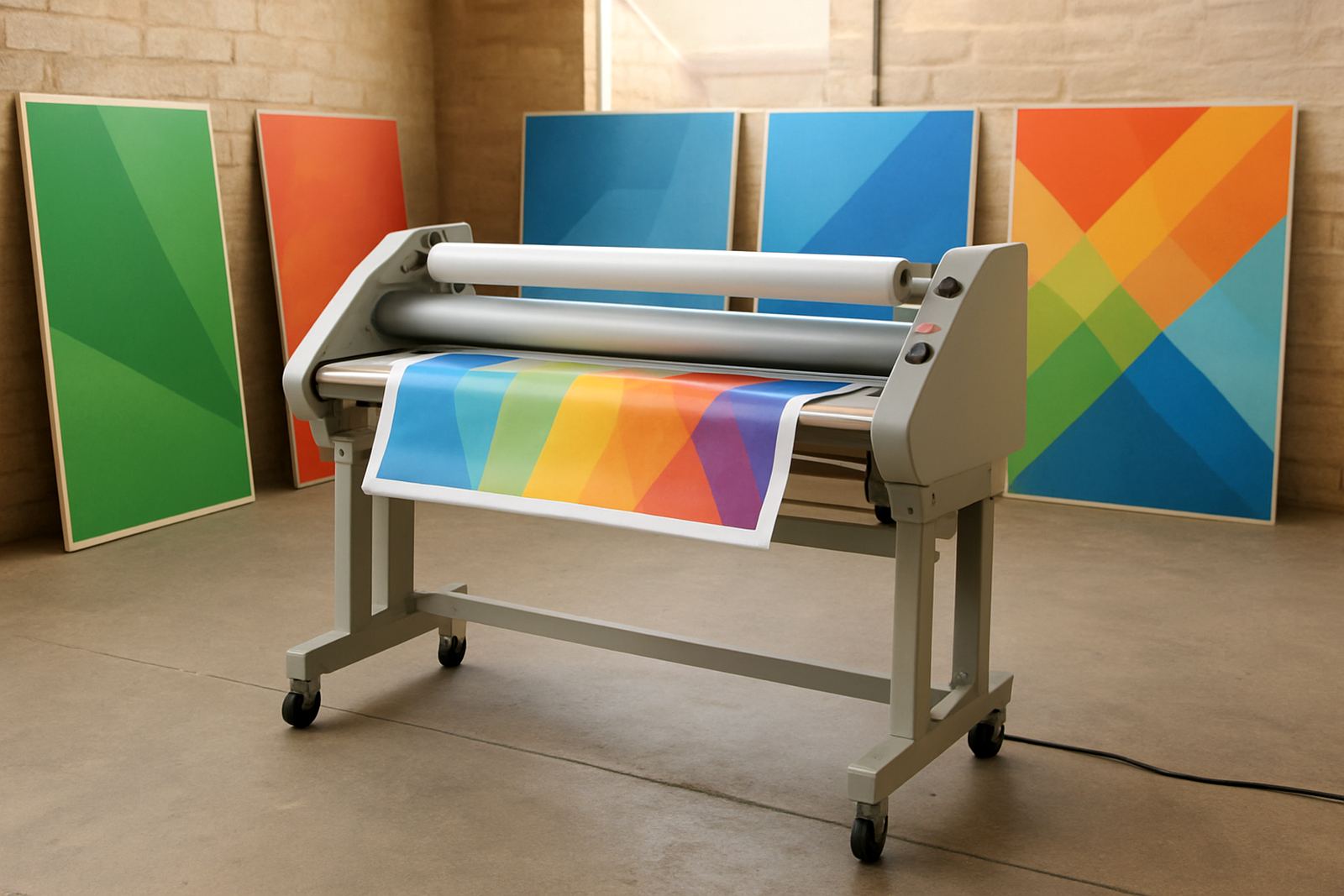
With a 1300 mm working width, it handles common South African print sizes with room to spare. In a smaller shop in Kya Sand or a studio in Sandton, it can manage day-to-day finishing without taking up the same floor space as a large powered unit. It is especially useful when you are doing careful one-off jobs or small batches and do not need continuous production speed.
- Hand-operated feed for more direct control
- Cold lamination only, no warm-up time
- Suited to low-volume finishing and mounting
- Useful for prints, posters, boards and artwork
Where the Manual Cold 1300 fits best
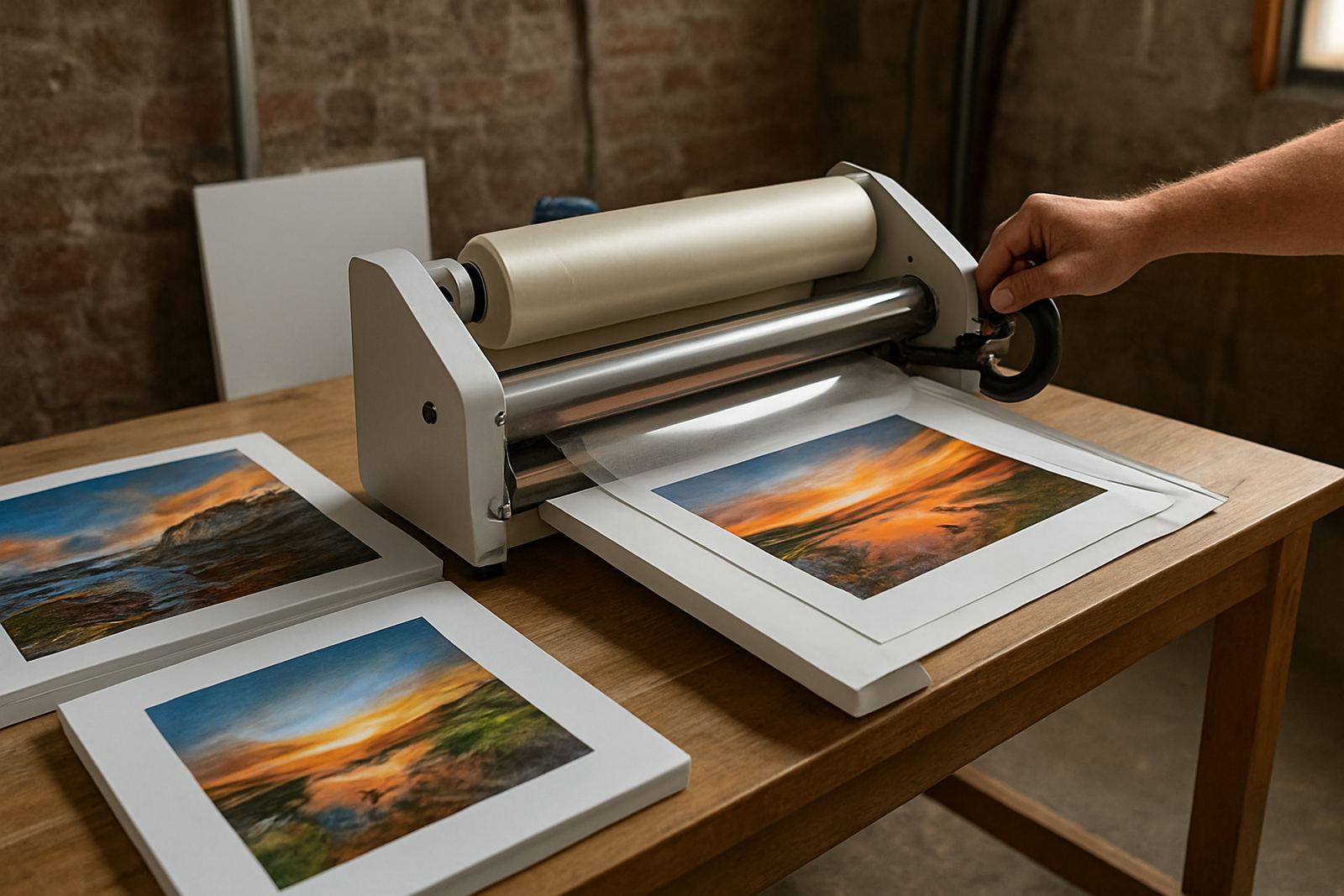
This model suits businesses that do not want a motor-driven laminator but still need decent width and proper pressure across the full work area. It is a good fit for print shops in Randburg, design studios in Midrand and framing or display workshops around Pretoria and the East Rand. It also works well for artists who want to protect limited-edition pieces before delivery or exhibition.
Because the operator controls the feed, the machine is well suited to work that needs attention at the leading edge. That can include mounted graphics, foam board presentation pieces and smaller display panels. If your daily output is modest but the finish must look neat every time, this format makes sense.
- Print and copy shops with mixed finishing jobs
- Graphic designers handling presentation boards
- Artists and framers protecting artwork
- Sign makers doing small mounting runs
Sizes, film types and practical options
The 1300 mm width is the main working size, which is a useful middle ground for many local businesses. It gives enough coverage for A0 and wider-format jobs, while still being manageable for smaller work. The unit is intended for cold roll film and mounting applications, and it performs best when the substrate is flat, clean and correctly trimmed.
Depending on your work, you can use different film thicknesses and adhesive-backed materials. For coastal businesses in Durban or Gqeberha, cold systems are often preferred because there is no heater to fight humidity with, although good storage of film still matters. In Johannesburg, where dust and temperature changes can affect finish quality, a clean feed path and careful roller setup are important.
- Working width: 1300 mm
- Cold lamination with pressure-sensitive materials
- Suitable for prints, posters, boards and display work
- Can be used for light mounting applications
Installation, space and power requirements
The Manual Cold 1300 is simple to place and does not need a heavy electrical supply or gas connection. Because it is hand-operated, you do not need to plan for motor load, heating elements or special ventilation. That makes it easier to install in a back room, finishing bay or small production area where power availability may be limited during load-shedding.
Allow enough clear space in front of and behind the machine to feed sheets safely. A level floor and a stable stand or bench are important so the rollers stay aligned. The machine is easier to use when the operator can move around the sides without bumping against storage racks or cutting tables. In smaller premises, this sort of planning saves time and reduces damage to film and artwork.
- No electrical power required for operation
- No gas supply needed
- Best installed on a stable, level surface
- Needs clear infeed and outfeed space
Care, servicing and day-to-day upkeep
Cold roll machines last longer when the rollers are cleaned properly and pressure is checked regularly. Dust, adhesive residue and paper fibres can build up over time, which affects finish quality and can mark sensitive prints. A light routine of roller cleaning and visual checks goes a long way, and it is worth doing before busy periods so you do not lose time on rework.
For businesses with regular finishing work, routine servicing helps keep the rollers aligned and the feed action even. We can assist with roller cleaning, pressure calibration, spare parts support and pre-purchase inspections. If the machine is used near the coast or in a workshop with constant dust, more frequent checks are a good idea. Small problems like uneven pressure or a sticky roller usually show up early if you watch the finish closely.
- Keep rollers free of dust and adhesive build-up
- Check pressure settings before long jobs
- Inspect rollers for wear or glazing
- Use operator refresher training when staff change
What to check before you order
Before ordering, confirm the widest sheet size you need to handle and whether you are laminating film only or also doing mounting work. Check the thickness of the boards or prints you use, because that affects how much pressure and gap control you need. It is also worth looking at your daily volume. If you only do a few jobs a week, a manual unit may suit better than a powered machine.
Ask about the condition of the rollers, feed alignment and any spare parts that may be recommended for your workload. If the machine will be used by more than one operator, training is useful so everyone feeds sheets square and keeps tension consistent. For buyers in Johannesburg, Pretoria, Midrand and the East Rand, we can help with practical guidance before collection or on-site delivery arrangements. A quick pre purchase inspection can save a lot of hassle later.
- Largest sheet size you need to laminate
- Type of film or mounting material used
- Daily volume and operator experience
- Space available for feed and finished output
Key facts
| Product | Manual Cold 1300 |
|---|---|
| Working width | 1300 mm |
| Operation | Hand-operated roll laminator |
| Lamination type | Cold pressure-sensitive application |
| Power | No electrical power required for operation |
| Best use | Low-volume prints, artwork and mounting |
| Support area | Kya Sand, Johannesburg with installs nationwide |