Built for steady production work
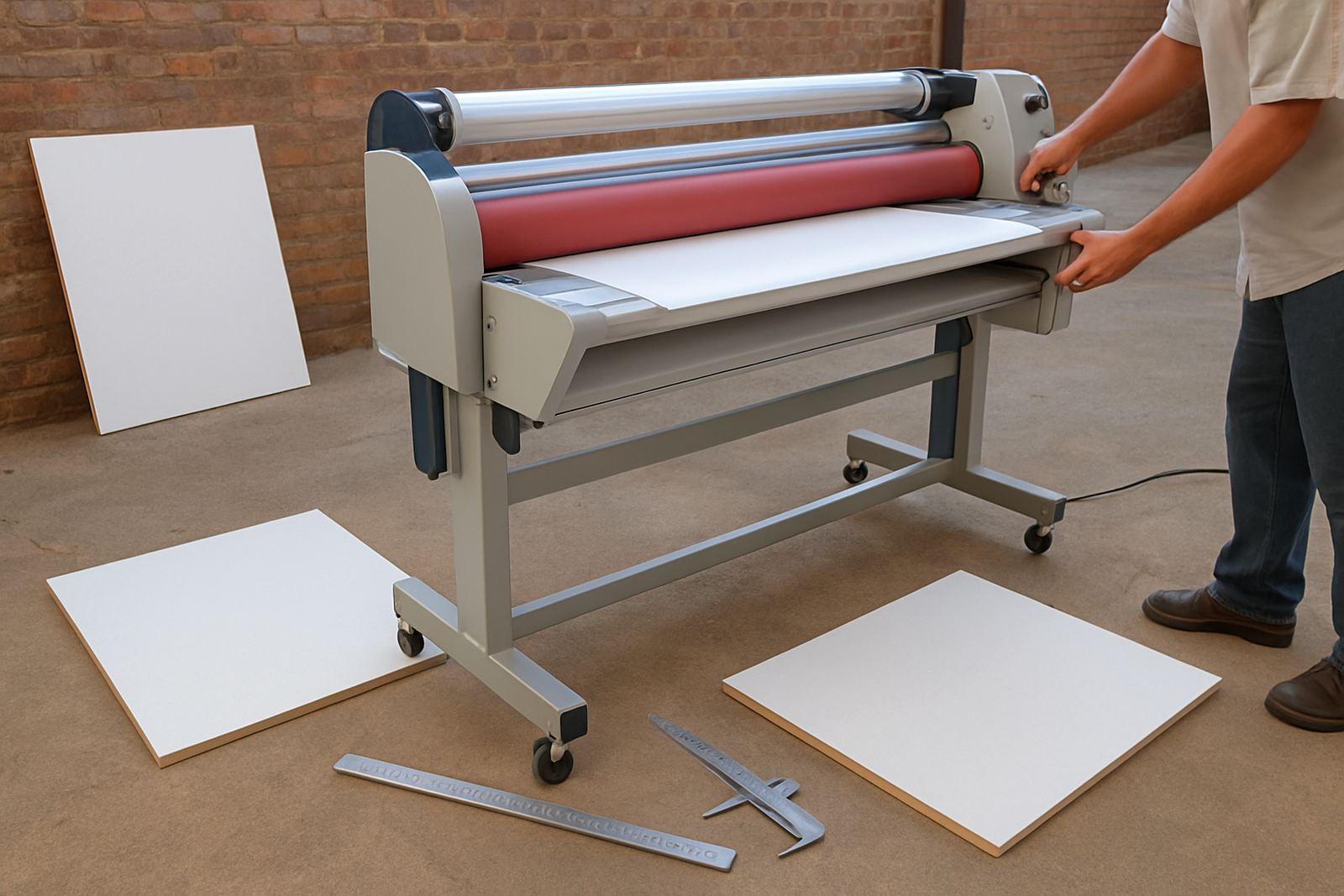
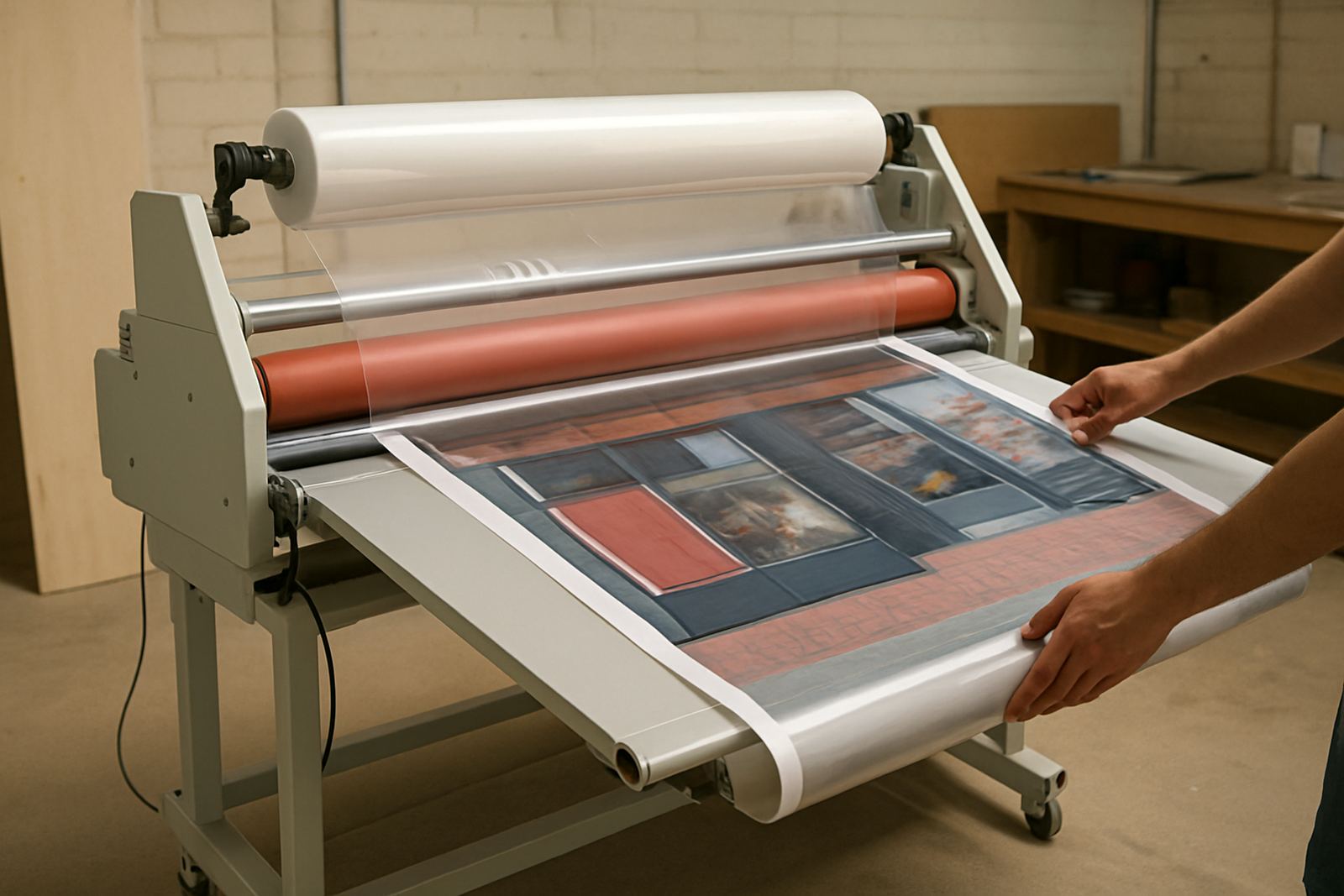
The Printshop Hot 1800 is a wide-format roll laminator made for sustained output, not occasional use. It is suited to shops that run laminated posters, menus, exhibition graphics, school material and presentation boards through the day, where consistent pressure and even heat are important for a clean result.
This model is typically chosen by print rooms that need a dependable machine for repeated jobs on the same media sizes. It helps reduce bubbles, edge lift and uneven gloss, which matters when you are handing over work for retail, signage or framed display pieces. In a fast paced shop, that kind of consistency saves rework and keeps orders moving.
- For hot roll lamination on printed sheets and mounted work
- Suitable for repeat jobs with the same finish requirements
- Useful where operator confidence and simple control are important
Sizes and working options
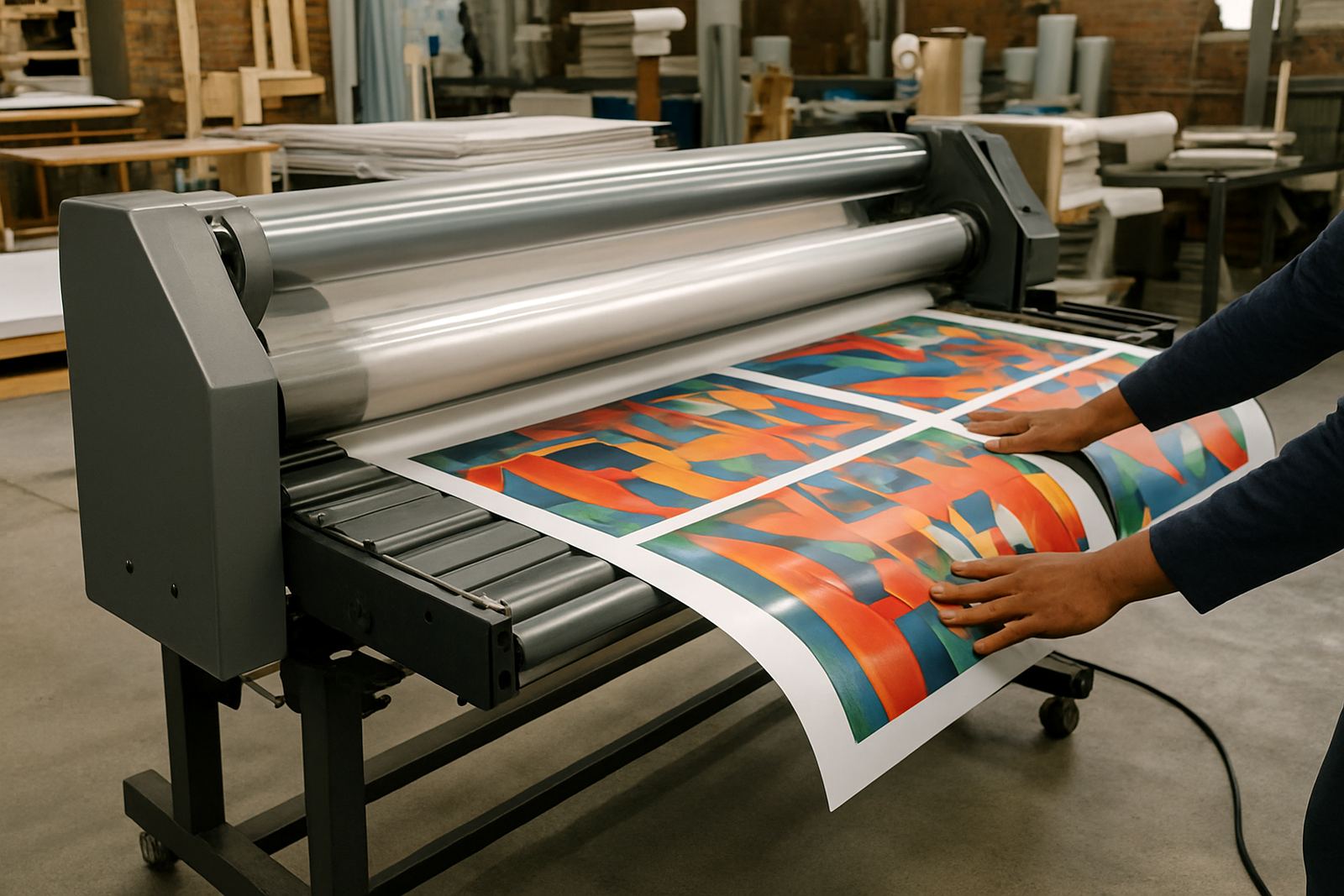
The Printshop Hot 1800 is a wide-format unit with an 1800 mm working width, so it can handle common production sizes without constant trimming and piecing. That gives you room for A0 posters, larger graphic panels and multiple smaller jobs arranged across the width of the film. It is a practical size for printshops in Kya Sand, Randburg and Midrand that need one machine to do a broad range of work.
Depending on the setup, the machine can be used for single-sided lamination, mounting work and finishing on a range of media thicknesses. Temperature and speed settings let the operator match the job to the film and print stock, which helps when switching between coated prints, heavier boards and more sensitive material. It is important to check the exact roller width and feed clearance needed for your typical jobs.
- Working width: 1800 mm
- Suitable for posters, panels and display graphics
- Adjustable settings for different films and media types
Where this machine suits best
This unit is a good fit for printshops, signage producers, graphic studios and in-house marketing departments that handle regular lamination. It is also practical for artists and framers who need protective finishing on prints, but the real value shows in production environments where the machine runs often and the finish must look consistent from one job to the next.
Across Gauteng, coastal regions and inland towns, humidity and dust can affect print finishing. A proper hot laminator helps protect against handling marks and makes output more presentable for retail counters, office interiors and event use. In places with load-shedding, shops should plan for stable power and safe shutdown procedures, because heat systems and drive parts do not like sudden cuts.
- Printshops handling regular commercial orders
- Signage and display work for indoor use
- Studios needing a reliable finish on artwork and presentations
Power, heat and installation checks
Before ordering, it is worth checking the electrical supply at your premises and the physical space where the machine will stand. Hot roll laminators need enough room for feeding, receiving and safe movement around the unit, especially when larger sheets are being handled. The floor should be level and able to carry the machine weight without movement during use.
Power needs should be matched to the machine rating and the local supply available at your site. Many commercial workshops use dedicated circuits for finishing equipment so the operator can avoid tripping other machines. If you are in a building with sensitive electrical compliance rules, ask about installation positioning, isolation and cable routing before delivery. A tidy setup makes daily use easier and safer.
- Check dedicated power supply and circuit capacity
- Allow clear space at feed and exit ends
- Confirm access for delivery through doors and passages
Care that keeps output consistent
Like any production laminator, this machine needs routine attention if you want the finish to stay even. Roller cleaning, pressure calibration and heat system checks all matter, because dust, adhesive build-up and poor setting control can show up on the finished job. A machine that is left without service may still run, but the result can look patchy or start lifting at the edges.
In busy shops, it helps to set a servicing routine rather than waiting for a fault. Regular operator checks should include film tracking, roller condition and drive movement. If the machine starts to sound different, run hotter than normal or produce wrinkling, it should be inspected before the next job goes through. That small pause can prevent expensive spoilage later.
- Routine servicing for production reliability
- Roller cleaning and pressure calibration
- Heat and drive system checks to prevent uneven output
What to confirm before you order
When ordering the Printshop Hot 1800, check your most common sheet sizes, the type of work you do and whether you need hot lamination only or a machine that suits mixed finishing tasks. It is also useful to know the film widths you buy most often, the daily volume you expect and whether your operators need refresher training. This keeps the handover practical and avoids buying a unit that is too small or larger than your workflow needs.
For buyers in Johannesburg, Pretoria, the East Rand and nationwide, it is smart to confirm installation timing, access for delivery and after-sales support before payment. Ask about spare parts support, on-site breakdown help and pre-purchase inspections if you are comparing options. If you are replacing an older machine, measure your existing worktable height and feed clearance so the new unit slots into place without a redesign.
- Typical job sizes and daily output
- Film widths and finish types used most often
- Power supply, delivery access and service support needs
Key facts
| Model | Printshop Hot 1800 |
|---|---|
| Working width | 1800 mm |
| Machine type | Wide-format hot roll laminator |
| Use case | Production lamination for printshops and graphics work |
| Control features | Adjustable heat, speed and pressure settings |
| Support | Installation, servicing, fault finding and spare parts support |