
Powered cold lamination for cleaner, more even output
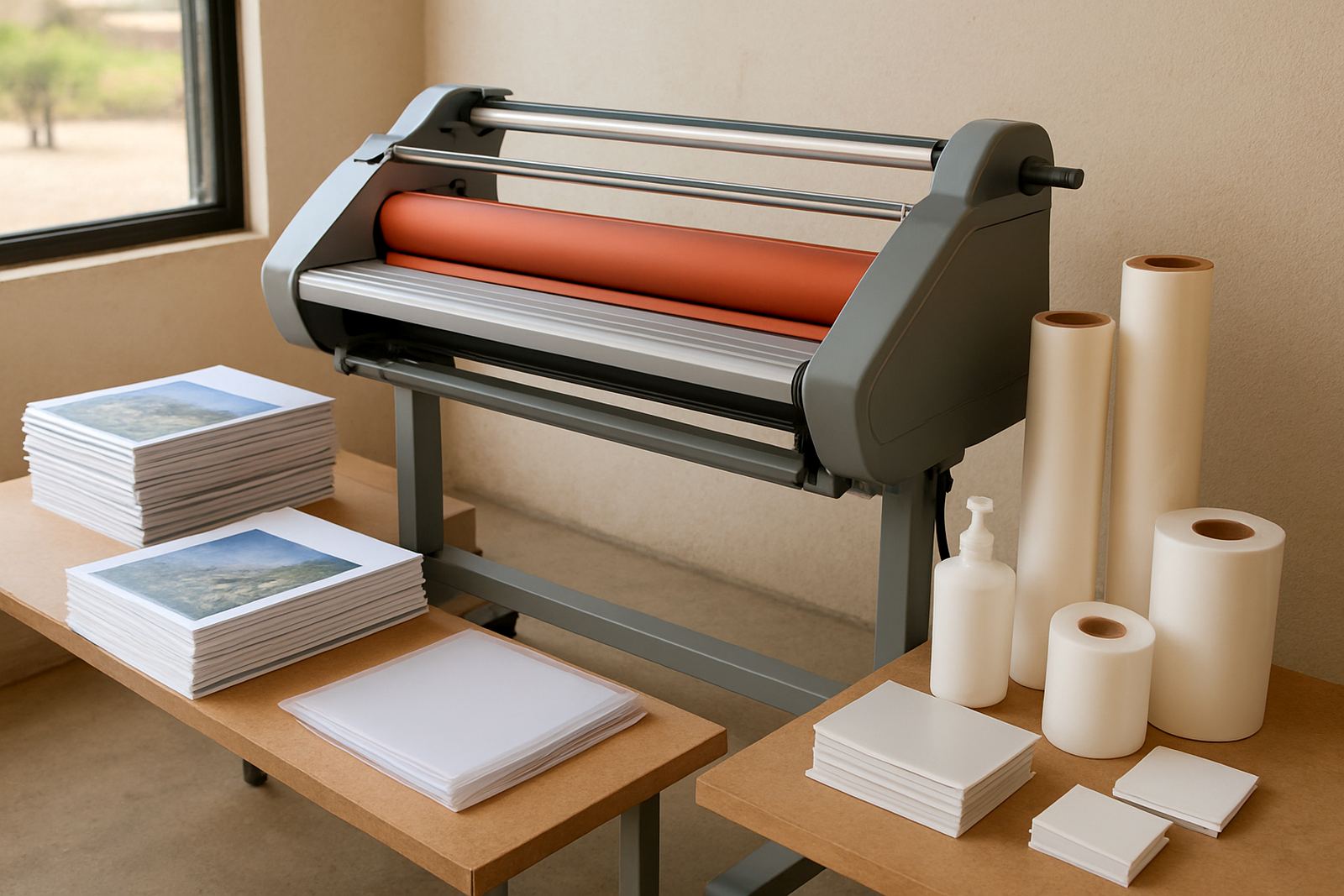
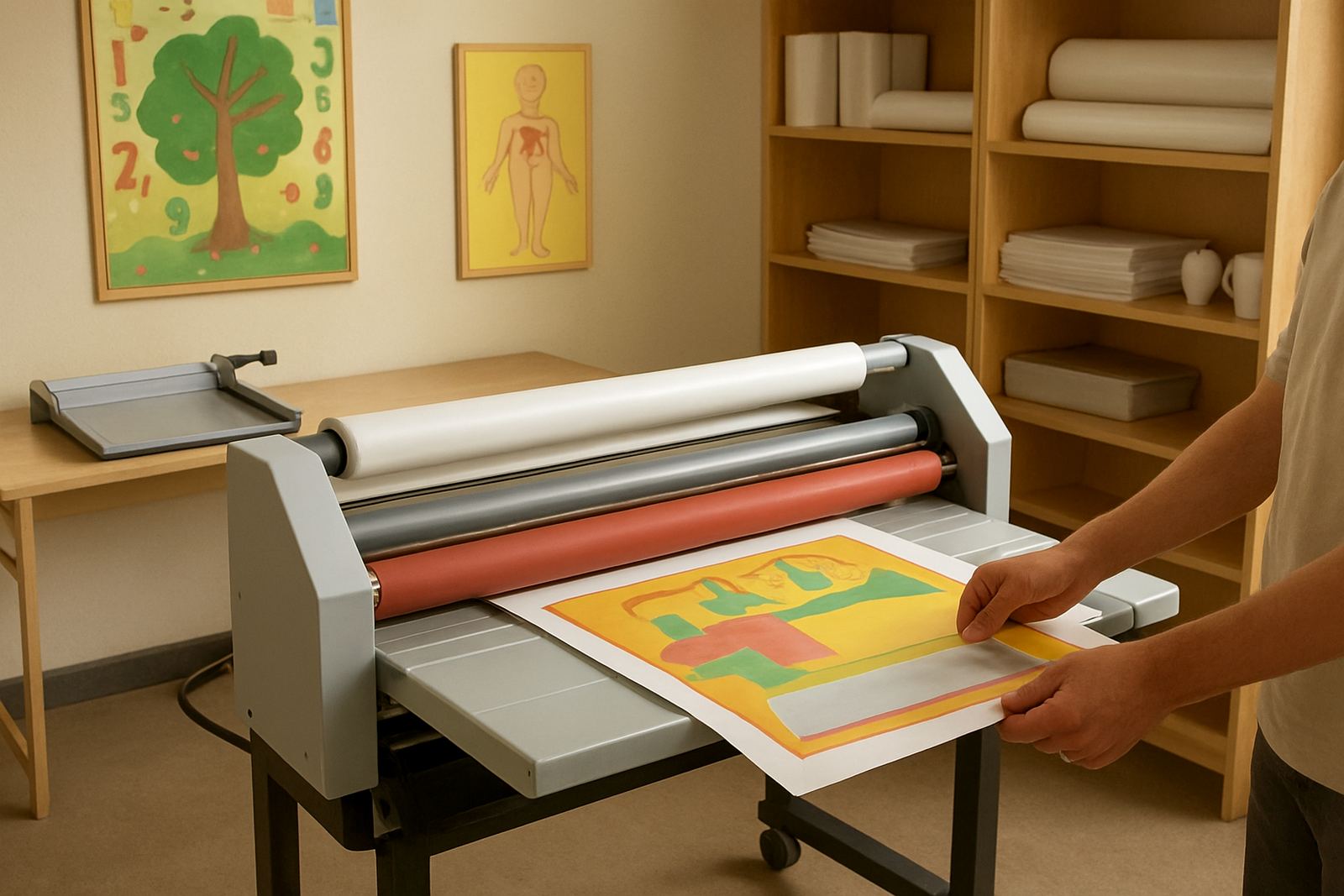
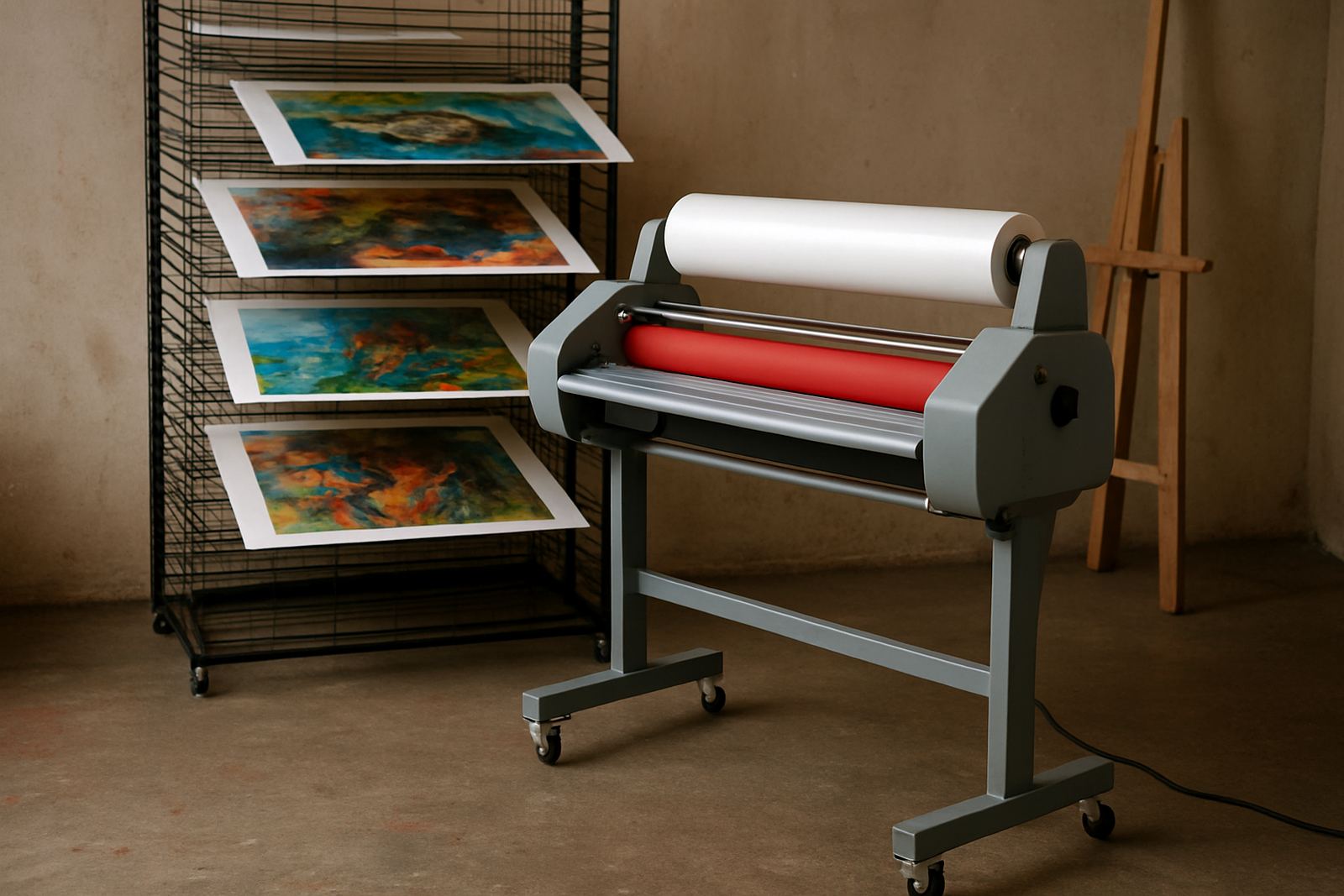
The Electric Cold 1600 is built for businesses that want faster handling and steadier pressure on wide media without adding heat to the job. It is a powered cold roll laminator, so the rollers do the work while the operator keeps control of feed, alignment and finish. That makes it a practical choice for prints that cannot take heat, including vinyl graphics, mounted boards, photographic work, decals and sensitive artwork.
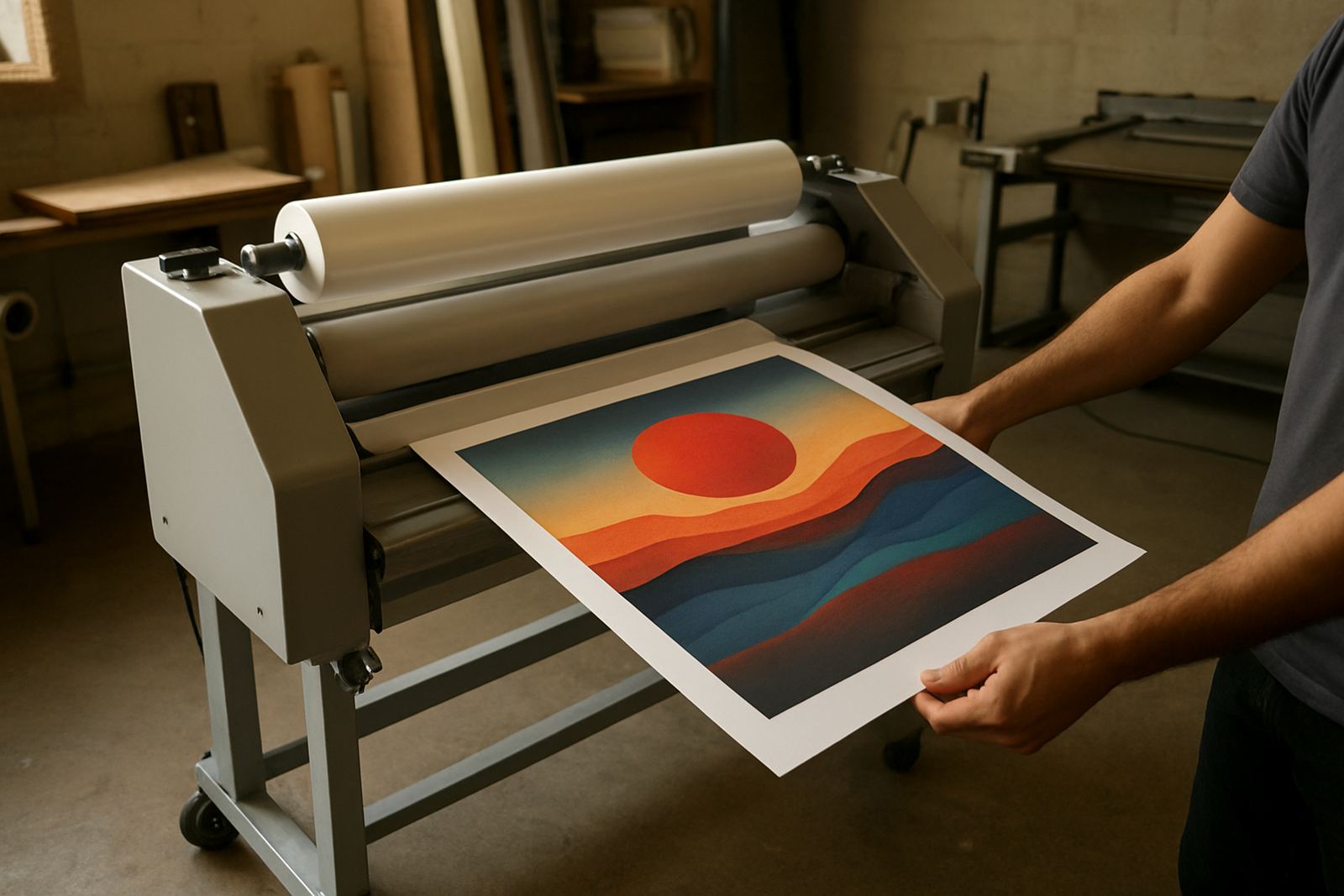
Because the machine is powered, it helps reduce the stop-start effort that comes with hand-fed laminating. The result is more consistent throughput and a neater finish across repeat jobs. For shops in Johannesburg, Pretoria and the East Rand handling daily short runs and larger panels, that can save real time during peak periods and load-shedding planning.
The 1600 class width is suited to common South African sign and print formats. It gives you enough working span for standard sheets, posters and wider production panels without moving into a machine that is too large for a medium workshop. If your team is doing mixed work, this size is often a good middle ground.
Where the 1600 fits best in South African workshops
This model suits print shops, graphic designers, photographers, artists and display producers who want a dependable cold laminating option. It works well in Kya Sand production spaces, Sandton corporate print rooms, Midrand trade counters and Pretoria sign workshops where clean presentation matters. It is also a solid fit for coastal branches or clients in Durban and Cape Town where humidity can affect finishing and storage, because the process avoids heat stress on delicate media.
It is commonly used for:
- Vinyl graphics and decals
- Poster protection and artwork finishing
- Mounted print face protection
- Short-run signage and display panels
- Retail point-of-sale graphics
- Vehicle or exhibition graphics that need a smooth top layer
If you need to protect prints from handling, dust and everyday wear, cold lamination gives a practical layer without changing the look of the image too much. It is especially useful for jobs that must remain flat and clean after cutting or trimming.
Sizes, build options and working width
The Electric Cold 1600 is centred on a working width of about 1600 mm, which is a useful size for many South African production environments. That span handles a wide mix of sheet sizes, from narrow runs through to larger display pieces. For many businesses, the benefit is not only width but control, since a powered unit helps keep feed moving evenly across the rollers.
Depending on the setup, options may include a take-up arrangement, foot control, adjustable speed and pressure control, and different roller surface finishes suited to general print work. Some users prefer a stand with locking castors for easier placement in tighter rooms, while others want a fixed production position near cutter tables and finishing benches. The exact layout should match your workflow and floor space.
When comparing options, check the practical details, not just the headline size. Ask how the roller pressure is adjusted, whether the feed path is easy to clean, and if the machine has a stable frame for regular use. A unit that is simple to align will usually give fewer problems for operators during busy shifts, and less waste on material.
Installation, power and workshop setup
This is an electrically powered machine, so installation should allow for a proper power supply and enough room around the infeed and outfeed areas. In most workshops, a dedicated 220 V to 240 V single-phase supply is suitable, but the final requirement depends on the exact specification supplied with the unit. You should also allow for correct earthing, a stable socket point and clean cable routing away from walkways.
Because the unit is powered, it does not need gas. It also does not need special ventilation in the way that heated process equipment might, though a clean, dust-controlled room helps protect the rollers and the finished work. If your site is on a commercial estate in Kya Sand or a busy shared workshop in Randburg, make sure the floor is level and there is enough space for long boards or rolls to move straight through without snagging.
- Allow space for loading at the front and receiving at the rear
- Keep the machine away from direct sun and damp edges near roller doors
- Check plug points and voltage before delivery day
- Plan for safe storage of films and substrates near the unit
Where power interruptions are common, many businesses schedule heavier production around generator or inverter availability so the machine is ready when the lights are on. It helps to map your workday around that, rather than trying to push a full queue at the last minute.
Care, servicing and long-term output quality
Like any production machine, the Electric Cold 1600 performs best when the rollers stay clean and the pressure settings are checked regularly. Dust, adhesive residue and liner scraps can affect the finish over time. A quick daily wipe and a more thorough routine clean will help keep the feed consistent and reduce marking on the film or print surface.
Our support team handles routine servicing, roller cleaning, pressure calibration, drive system repairs, electrical fault finding, on-site breakdowns, spare parts support and operator refresher training. For businesses with multiple shifts or new staff, refresher training can make a real difference to waste levels and finished quality. A machine may be in good condition, but if the operator is not setting tension or pressure correctly, the results will drift.
In coastal areas, extra care with storage and cleaning is worth it because humidity can affect some consumables and attract grime to the working surfaces. In dusty industrial areas, more frequent checks are needed. A proper service schedule is cheaper than waiting until a roller starts slipping or a drive component begins to fail, which often happens at the worst possible time.
Points to confirm before ordering this laminator
Before ordering, confirm the exact material widths you run most often, the daily volume you expect, and whether your jobs are mostly flat sheets, mounted panels or roll-fed work. That will help us match the machine to your production needs instead of overselling size. It is also worth checking access points at your premises, especially if the unit must move through a narrow loading bay, stairwell or tight doorway.
Ask these points before you buy:
- Working width and maximum media thickness
- Power supply and plug requirements
- Speed control and pressure adjustment range
- Stand, take-up and accessory options
- Service access for cleaning and maintenance
- Delivery, installation and operator training needs
If you are comparing machines for a new shop or a replacement unit, a pre-purchase inspection is a sensible step. It gives you a clearer view of how the laminator is set up, whether it suits your workload, and what support parts may be needed later on. For buyers in Johannesburg, Pretoria, Sandton, Midrand, Randburg and the East Rand, we can assist locally and install nationwide.
Key facts
| Product type | Powered cold roll laminator |
|---|---|
| Working width | 1600 mm class |
| Lamination method | Cold, pressure-based roller system |
| Power supply | 220 V to 240 V single-phase, subject to final specification |
| Best for | Print shops, sign makers, designers and artwork finishing |
| Support | Installation, servicing, parts, training and breakdown response |