Built for school print rooms and display work
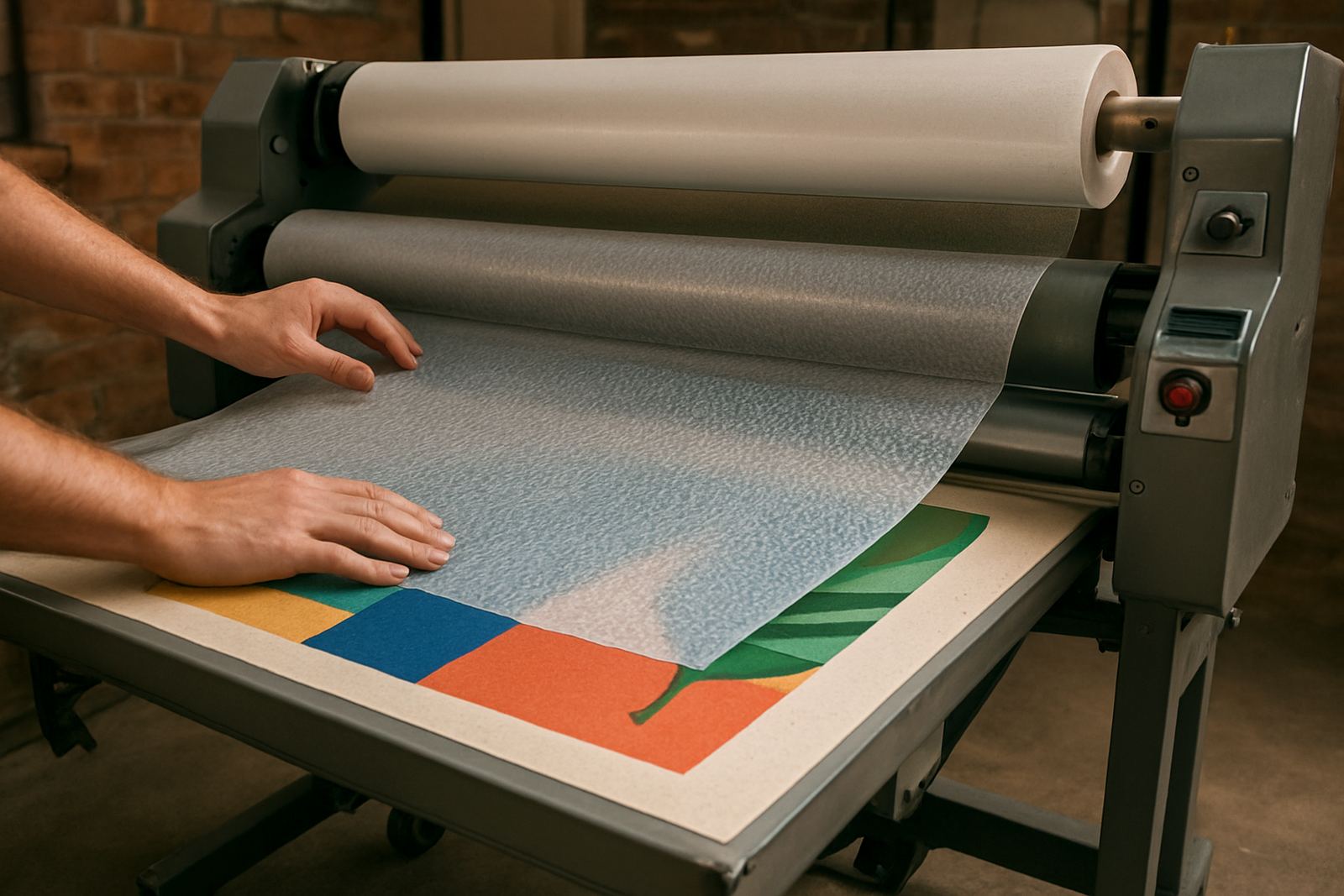
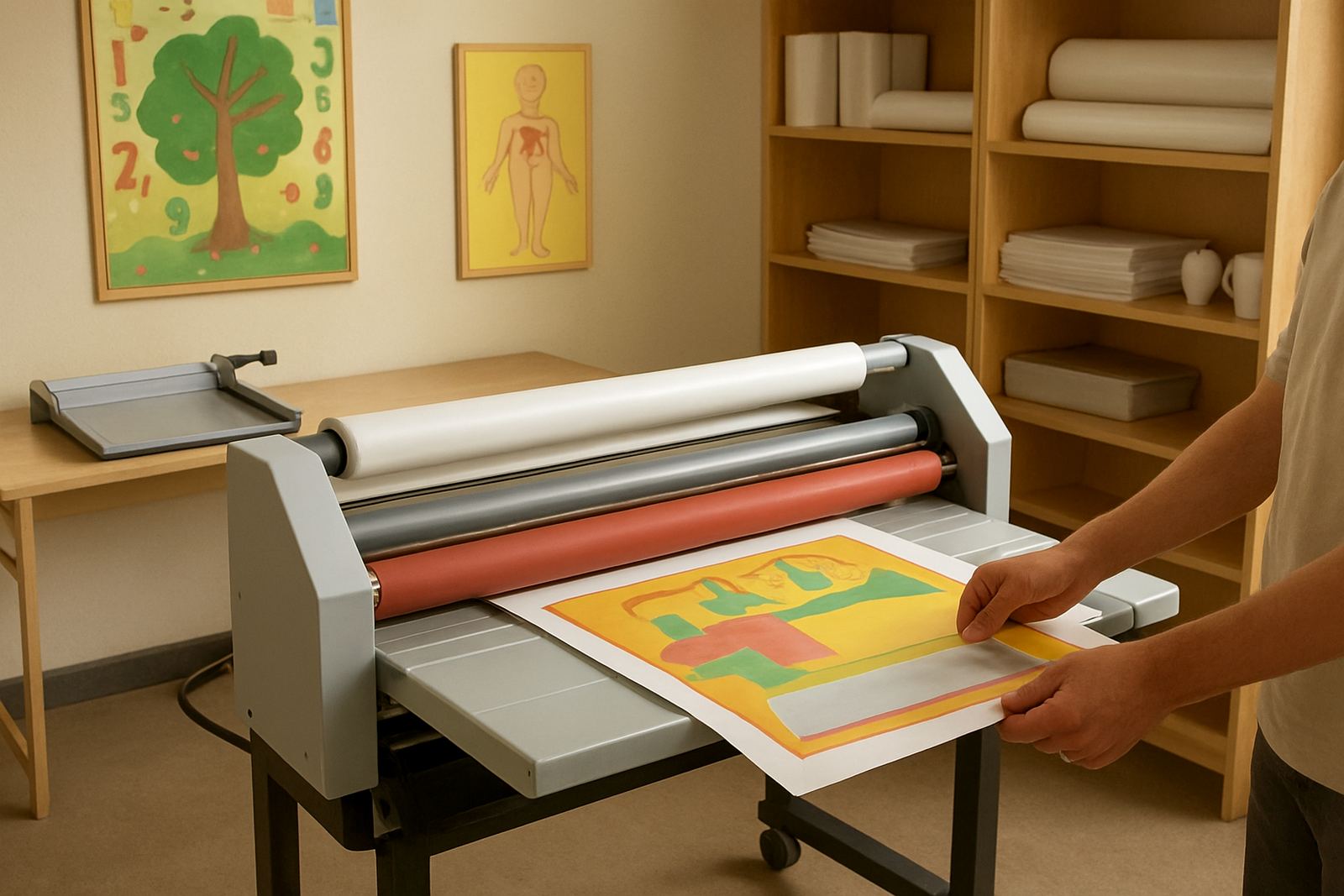
The School Print 1400 is a practical wide-format laminator for education spaces that handle posters, classroom charts, library notices and event graphics. It gives a neat, consistent finish on work that is handled often, pinned up in corridors or moved between classrooms and administration blocks. For schools in Johannesburg, Pretoria, Midrand and surrounding areas, it is a straightforward way to protect printed material from scuffing, moisture and general wear.
It is also useful for print rooms that support multiple departments, because one machine can cover teaching aids, assembly banners, maps, safety notices and student artwork. The feed is simple to manage, which helps when different staff members use the machine during the day. It is not a complicated unit to learn, and that makes a real difference when a print room is busy.
Sizes, film options and finished output
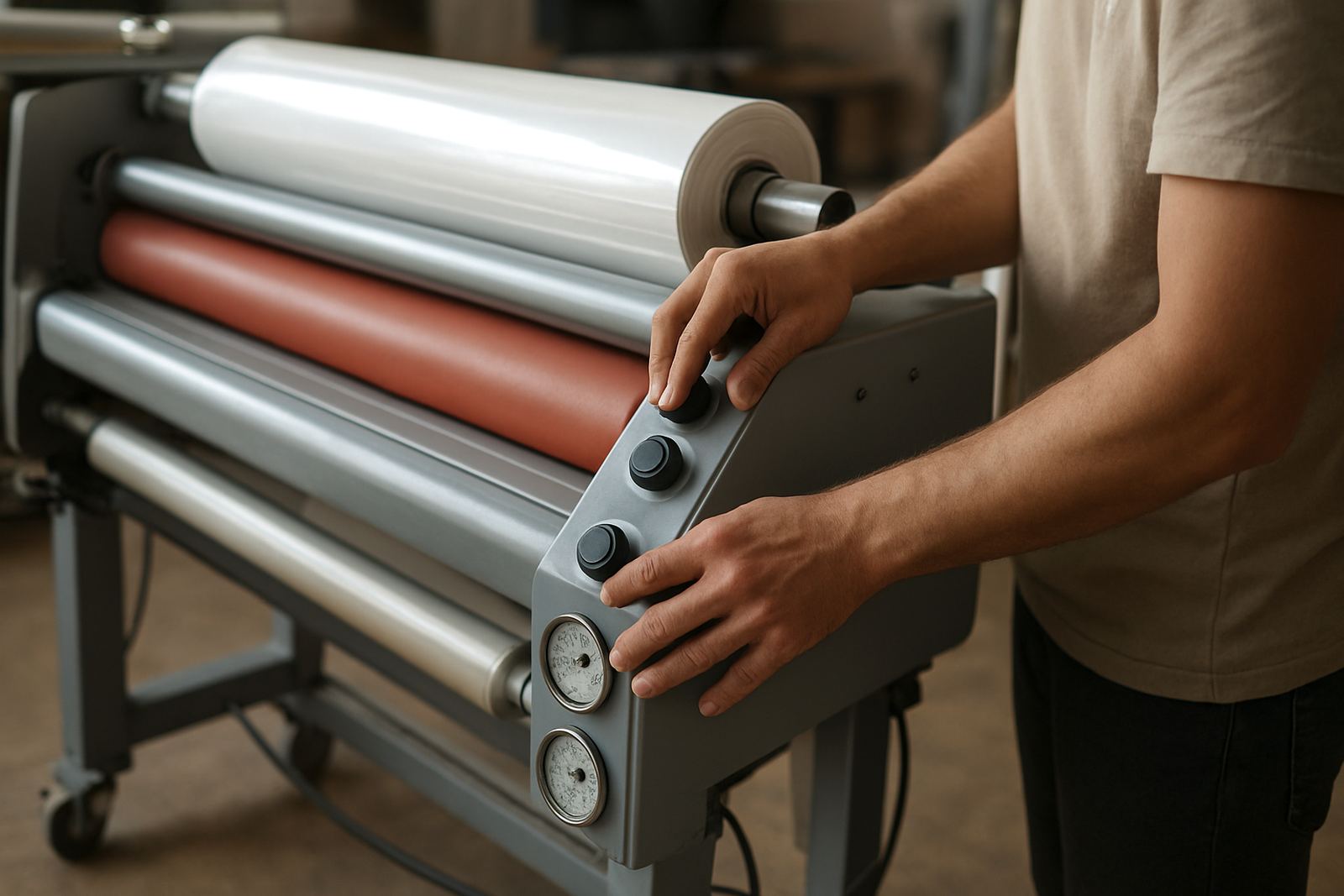
The School Print 1400 is aimed at medium-wide work, with a working width of up to 1400 mm. That gives enough room for standard poster sizes, school signage and many classroom graphics without having to join sections. It can be used for hot roll and cold roll applications depending on the material being processed and the finish required.
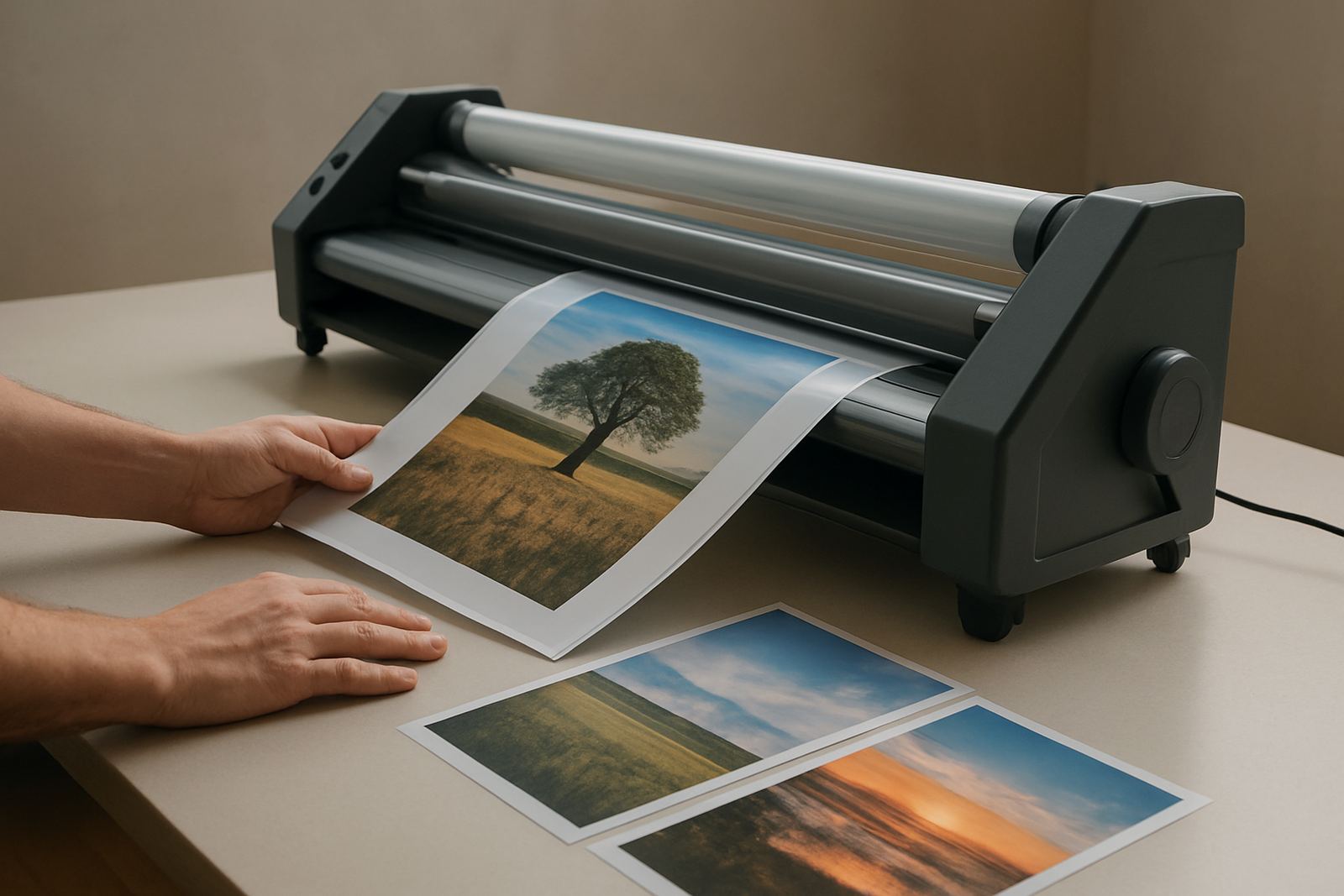
Customers often choose a clear gloss film for bright colour work, or a matt finish where reflection from classroom lights is a problem. For notice boards and teaching charts, matt can make reading easier. For display artwork and fundraiser posters, gloss can sharpen the colour. If your team handles mixed jobs, it helps to keep more than one roll type on site so you are not waiting on stock.
- Working width: up to 1400 mm
- Suitable for hot and cold roll laminating
- Handles print room work, graphics and educational displays
- Compatible with common clear laminating films
Where it suits best in schools and colleges
This model suits school print rooms, TVET colleges, art departments, admin offices and campus marketing teams. It works well for educational displays that need regular handling, such as timetables, campus maps, room notices and induction material. It is also handy for art teachers and student exhibitions where presentation matters and the print must stay flat and clean.
In coastal areas such as Durban, Port Elizabeth and East London, lamination adds useful protection against humidity that can curl paper or dull prints. In inland areas like Gauteng, the main benefit is durability for high-use notices and the ability to keep work looking tidy for longer. It can also support community projects and school events where posters go up and come down week after week.
- School print rooms
- Campus notice graphics
- Library and admin signage
- Art and exhibition work
- Safety and induction displays
Installation, power and site requirements
The School Print 1400 needs a stable, level floor space and enough room for feeding and receiving wide sheets. A clear working area of at least 2 m in front and behind is sensible, especially if long boards or wide posters are being processed. For installation in Kya Sand, Randburg, Sandton, Midrand, Pretoria or East Rand, we can plan the setup around your room layout so operators are not fighting for space.
Power needs should be checked before delivery. Heat-based models need a suitable electrical supply, and the site must be able to support the load without tripping during warm-up or use. If your campus has generator backup or an inverter arrangement for load-shedding, that should be discussed early because not every supply suits every machine. In some sites a dedicated circuit is best, and on older buildings it is worth checking the distribution board first. A bit of planning saves trouble later.
- Level floor and enough feed space
- Check electrical supply and breaker capacity
- Consider generator or backup power if required
- Plan access for servicing and roller cleaning
Care, servicing and day-to-day use
Like any laminator, the School Print 1400 gives better results when it is cleaned and checked regularly. Rollers should be kept free of adhesive build-up, and pressure settings must stay even across the width of the machine. Heat systems should be checked if the finish becomes uneven, and drive parts need attention if the feed starts to drift or pull. We have seen many machines lose quality simply because nobody booked routine servicing on time, then the prints start showing marks.
For schools, this usually means setting a basic maintenance plan with roller cleaning, pressure calibration and a quick electrical check at regular intervals. If the machine is used daily, a monthly visual inspection is sensible. If it is used less often, a pre-term service may be enough. In humid coastal conditions, a little extra attention to film storage and roller condition helps keep output consistent.
- Routine Servicing
- Roller Cleaning
- Pressure Calibration
- Heat System Checks
- Drive System Repairs
- Electrical Fault Finding
What to confirm before placing an order
Before you order, check the maximum width you need, the type of work you will laminate and whether you need hot or cold processing. It is also worth confirming the sheet thickness, film type and the daily volume expected. A school that laminates a few posters a week does not need the same setup as a print room turning out displays for multiple campuses. If you are not sure, we can help you match the unit to the work, rather than overselling a machine that is too much or too small.
You should also check where the machine will sit, who will operate it and whether staff need refresher training. If you are replacing an older unit, it helps to note the old machine size, electrical supply and any recurring faults. That makes it easier to arrange pre-purchase inspections, spare parts support or on-site breakdown assistance if needed. The right order starts with the right questions, not just the price.
- Required working width and daily volume
- Hot roll or cold roll preference
- Available electrical supply and backup power
- Operator experience and training needs
- Space for installation and maintenance access
Support from Kya Sand to schools nationwide
Laminator is based in Kya Sand, Johannesburg, and we support schools, colleges and print rooms across South Africa. Our team includes Lunga Tshabangu, Lethabo Hlungwani, Herman Snyman, Naledi Moeketsi, Yusuf Ismail and Leshni Dookhi, so you have people available for sales, technical support, installation and service coordination. That matters when a machine is needed on site before term starts or when a breakdown cannot wait till next week.
We work with clients in Randburg, Sandton, Midrand, Pretoria and the East Rand as well as nationwide installs. If a unit needs spare parts, an on-site breakdown visit or operator refresher training, we can organise it around your school calendar. For print rooms under pressure, having a supplier who understands load-shedding, municipal power interruptions and tight term schedules makes the job a lot easier.
Key facts
| Model | School Print 1400 |
|---|---|
| Working width | Up to 1400 mm |
| Lamination type | Hot roll and cold roll use |
| Best suited to | School print rooms, campus displays, notice graphics and artwork |
| Power needs | Electrical supply must be confirmed before installation |
| Service support | Routine servicing, roller cleaning, calibration, repairs and training |