What Window Film 1600 does on the job
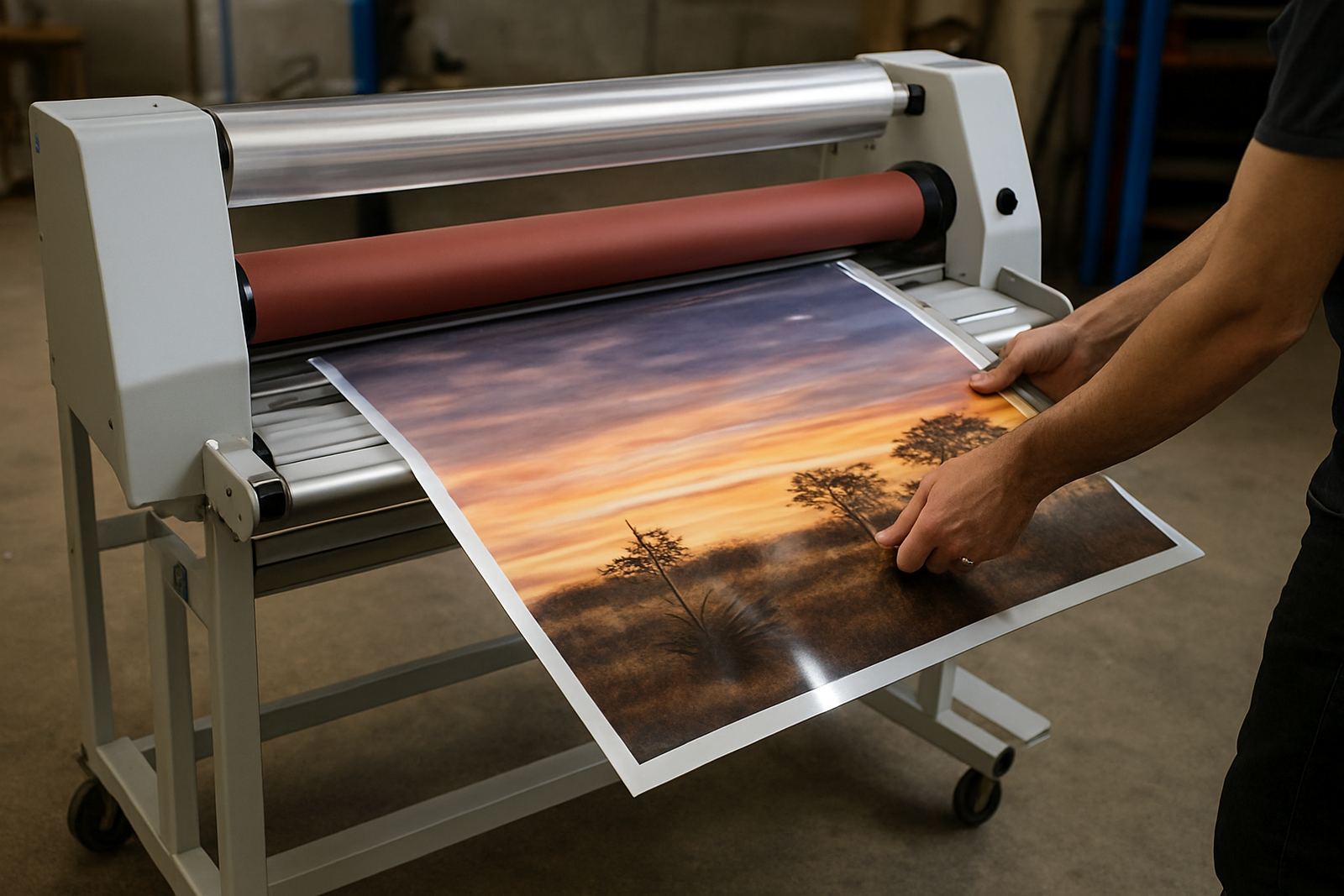
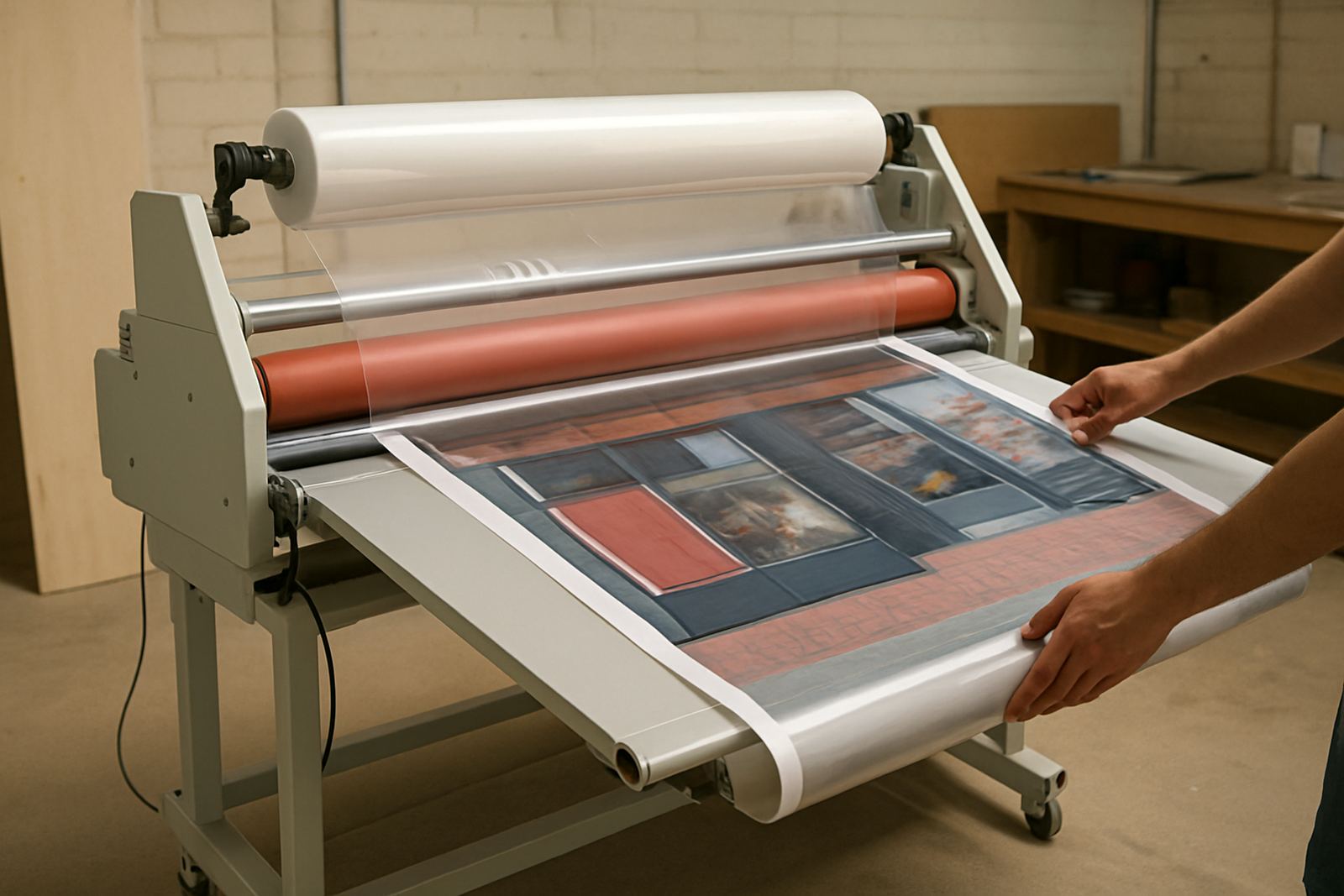
Window Film 1600 is made for controlled film application where clean edges and even pressure matter. It is used for window graphics, display films, print protection and similar flat-sheet work, giving the operator more control than hand application on larger pieces. For Johannesburg, Durban coastal humidity or inland sites with dust in the air, that control helps reduce bubbles, wrinkles and wasted material.
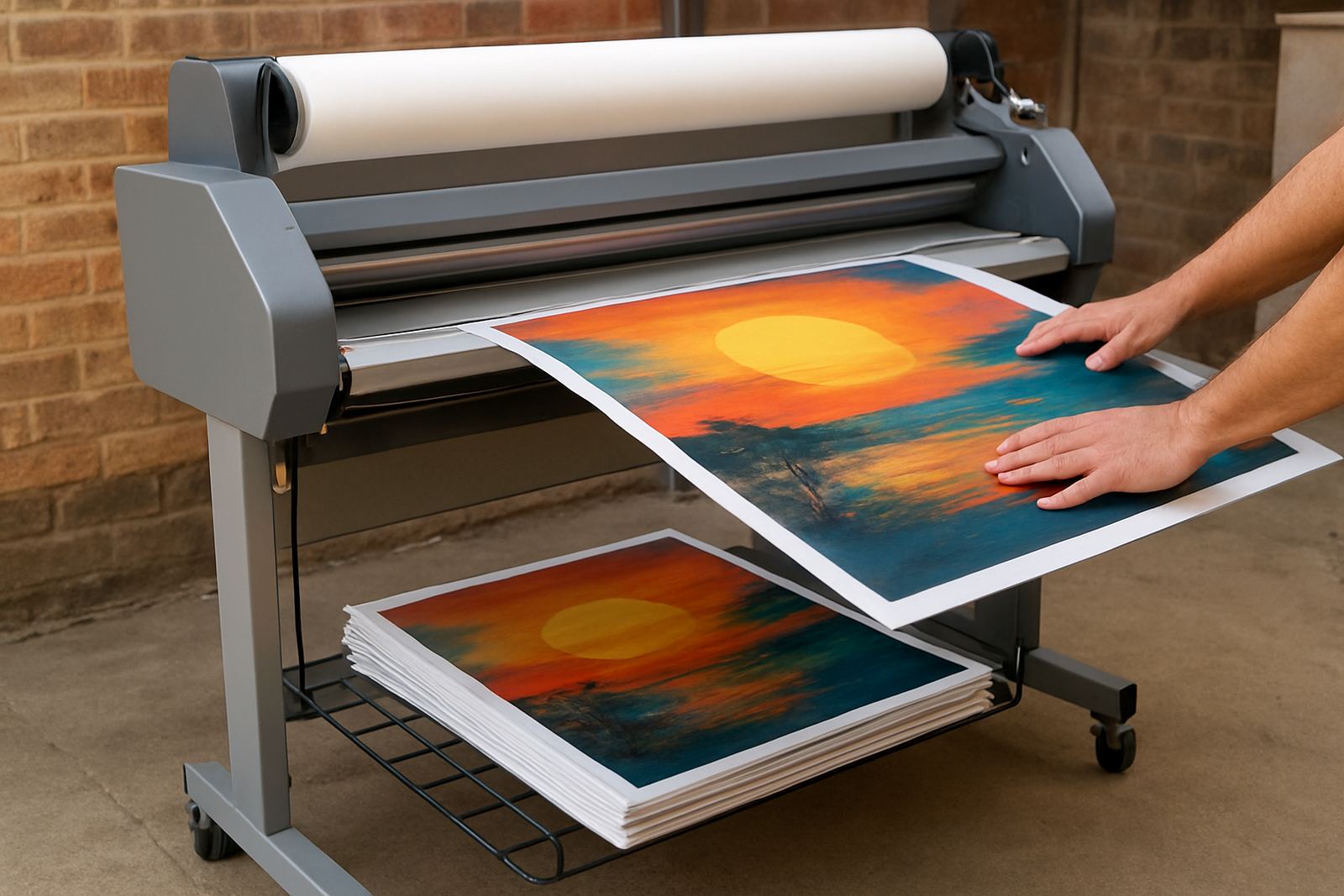
The unit is suited to businesses that handle regular sign finishing, retail promos, exhibition graphics and artwork protection. It helps when a job needs steady feed, repeatable pressure and a neat finish across wide pieces up to 1600 mm. If your work includes one-off art pieces or repeated shopfront runs, the machine keeps the process tidy and less tiring.
- Suitable for window film, self-adhesive print media and display laminating tasks
- Designed for controlled application on wide-format sheets
- Helps reduce handling marks and uneven film laydown
Sizes and setup choices to consider
The 1600 mm width suits most standard wide-format print work without forcing you to split jobs into smaller sections. It is a good fit for print shops in Kya Sand, Sandton and Midrand where traffic needs are mixed and space is usually at a premium. If you often work on smaller pieces, ask for guidance on whether this size is enough for your peak job widths.
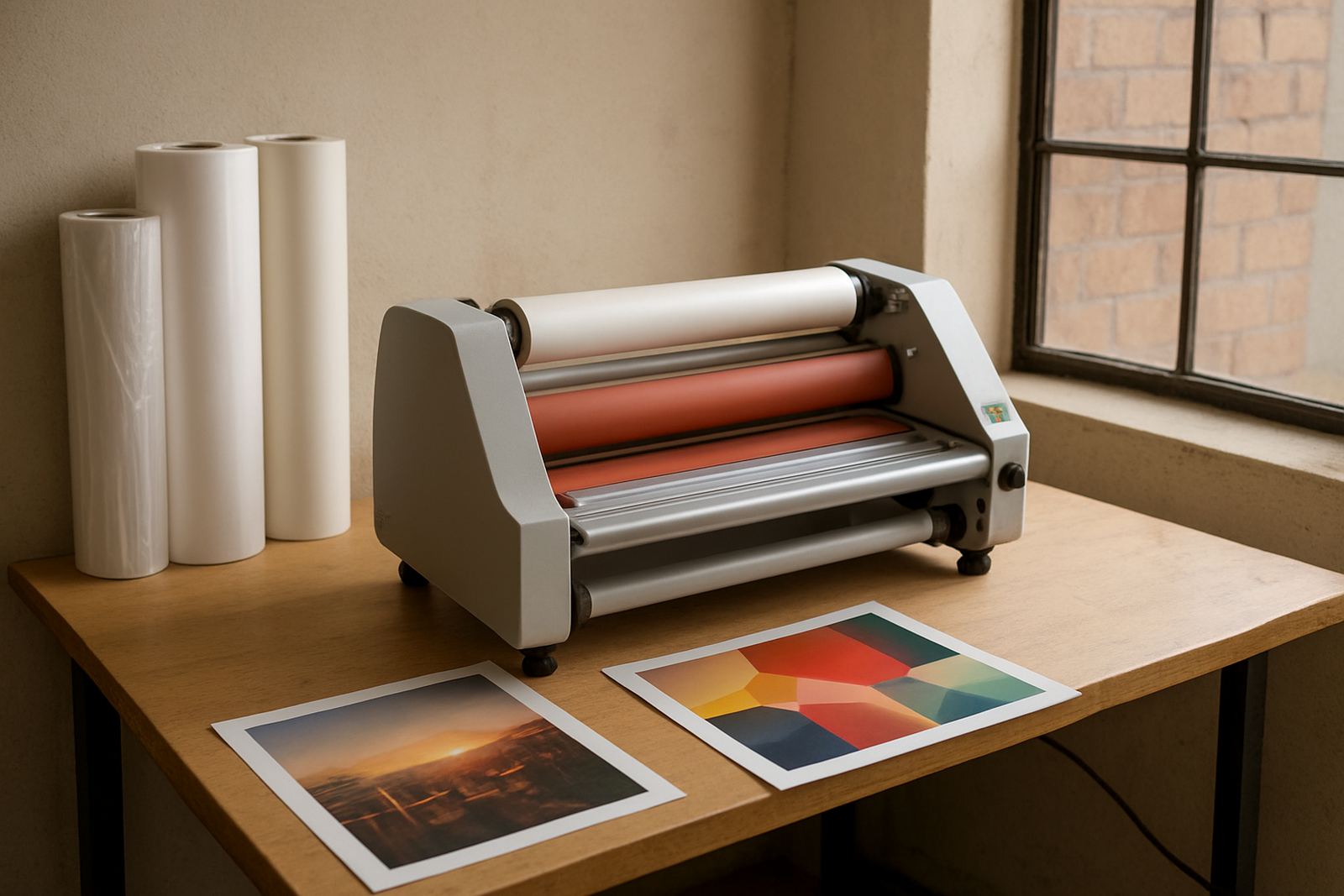
When choosing the setup, check the working width, roll handling and the type of material you will run most often. Some users focus on window graphics only, while others also want to handle artwork mounting or display film. The right setup depends on thickness, sheet size and how often the machine will run through the week.
- Working width: 1600 mm for larger sheets and panels
- Best for print shops, graphic studios and display installers
- Ask about compatibility with your common film thicknesses
Where the unit suits best
Window Film 1600 suits businesses that need clean output for retail windows, internal office glass, promotional displays and short-run artwork finishing. It is also useful for installers who do on-site work and want consistent results back at base before heading out. In busy areas like Randburg, Pretoria and the East Rand, this kind of repeatable finish saves time on rework.
It is a practical choice for teams that want better control over delicate films and printed surfaces. If your customers expect a neat professional finish, especially on visible glass or branded panels, the unit supports that standard without making the process complicated. It is a straightforward machine, not fussy and easy to train staff on.
Installation space, power and site needs
Allow a level floor area with enough room to load sheets from the front and side. For comfort and safe handling, leave space around the machine for operator movement and finished stock. A clear area with dry storage nearby is important, especially where humidity can affect films and paper backing.
Power needs are simple compared with gas-heated equipment, as this unit is an electrically powered system and does not require gas. Make sure the supply is stable and suitable for the unit on site, and plan for load-shedding with the right backup if your production cannot stop. For many shops in Gauteng, that means checking inverter or generator support before delivery day.
- Level floor and clear loading space required
- Electrical connection only, no gas supply needed
- Backup power should be considered where outages affect production
Care, cleaning and service routines
Regular care keeps the film path, rollers and drive parts in better shape. Dust, adhesive residue and small bits of backing paper can build up, so routine cleaning matters. A simple weekly check goes a long way, and it is worth keeping the machine covered when not in use if your work area is open to dust.
We recommend scheduled servicing that includes roller cleaning, pressure calibration, heat system checks where relevant and drive system inspection. If the machine starts to pull unevenly or leaves marks, do not keep pushing jobs through it. A quick check can prevent avoidable downtime and costly waste.
- Keep Window Film 1600 rollers clean and clear of adhesive residue
- Check pressure settings after heavy use or moving the machine
- Arrange service before a busy production run, not after a fault
What to confirm before placing an order
Before ordering, confirm your usual maximum sheet size, the materials you run most often and whether your team needs operator refresher training. It also helps to know if you will use the unit for film application only or for broader finishing work. That way the setup matches your day to day jobs instead of sitting underused.
Share your site location, access details and any power concerns so installation can be planned properly. If the unit is going into a workshop in Kya Sand, a studio in Sandton or a branch further out, the delivery route and access width should be checked in advance. A quick pre-purchase inspection of your intended space can save a lot of back and forth later.
- Confirm maximum working width needed
- List the films and media you use most often
- Check power, access and floor space before delivery
Key facts
| Product | Window Film 1600 |
|---|---|
| Working width | 1600 mm |
| Application type | Cold and hot roll film application |
| Power requirement | Electrical supply, no gas required |
| Typical use | Window graphics, display films, print finishing |
| Support | Installation, servicing, spare parts and training across South Africa |