
What Gloss Film 1600 does on the job
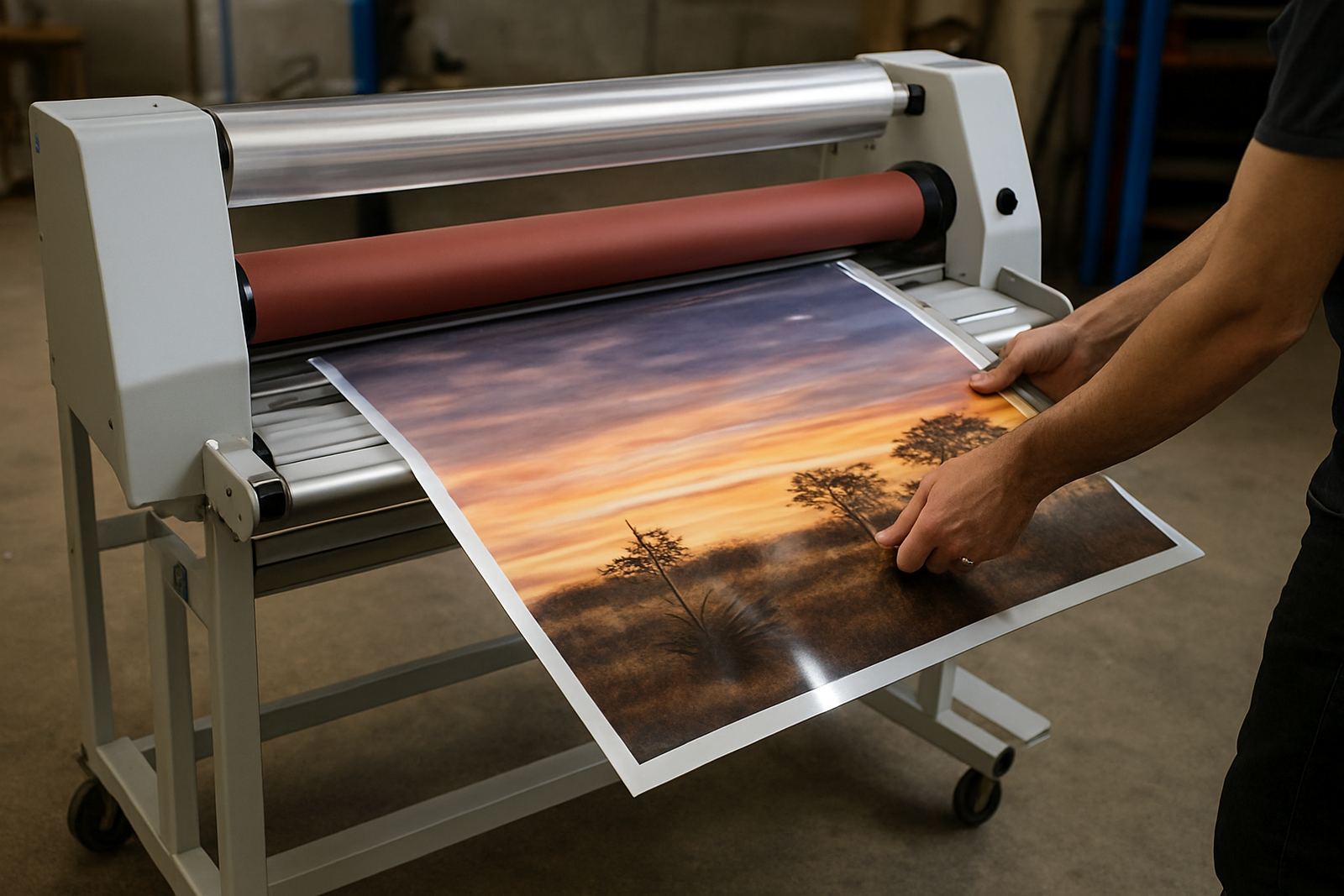
Gloss Film 1600 is a wide-format laminating film used to seal and finish printed work with a clear glossy surface. It adds a sharper colour pop, helps protect against scuffs and handling, and gives posters, signage and display graphics a neater presentation. For work going out to malls, offices, schools or exhibition sites, that extra layer can make a real differance when prints are moved, mounted or cleaned.
This film is suited to cold and hot roll laminators depending on the adhesive type and the machine settings. In practical terms, it is a good match for print shops in Kya Sand, Randburg, Sandton, Midrand, Pretoria and the East Rand where turnaround times are tight and output needs to look consistent from one job to the next. It also helps in coastal humidity where prints can curl or pick up surface marks while being handled.
- Gloss finish for brighter colour response
- Protection from light abrasion and fingerprints
- Suitable for wide-format promotional work
- Clean presentation for indoor display pieces
Sizes and roll options to match your laminator
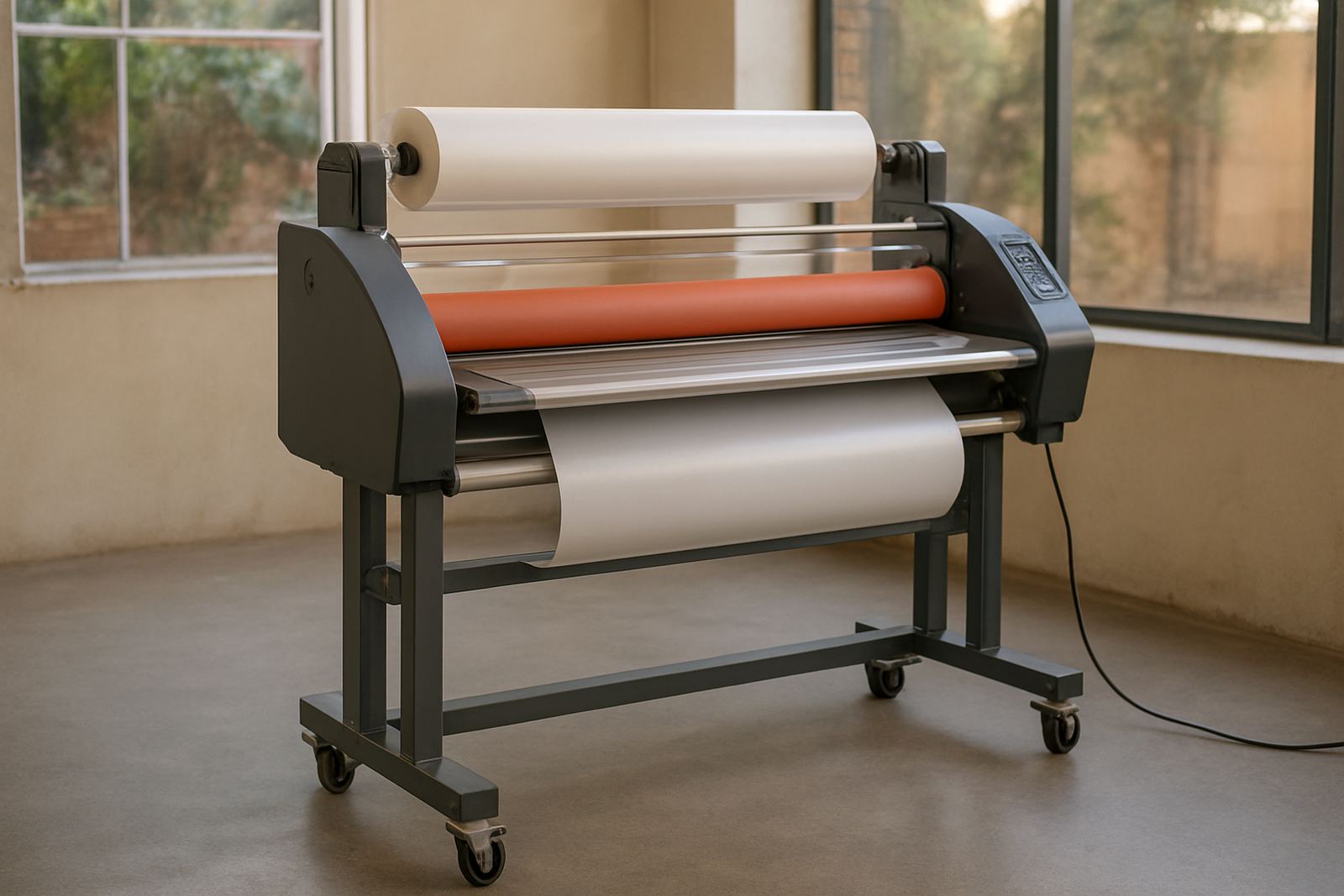
Gloss Film 1600 is typically specified for 1 600 mm wide-format machines, which makes it practical for poster runs, retail graphics and larger artwork. The right roll format depends on the laminator throat width, core size and the work you push through each week. If your operator is finishing mixed jobs, it helps to keep a few roll lengths on hand so you are not stopping for changeovers every second hour.
When ordering, check the print width as well as the usable laminate width. A 1 600 mm film is not much use if your machine can only take 1 300 mm, and narrow jobs can still be done if the machine is set up with side guides and proper tension. For smaller studios the best option is often a wider film that can cover multiple job sizes, instead of stocking several short rolls.
- Width: 1 600 mm class rolls
- Core size and roll length vary by specification
- Compatible with suitable cold and hot roll laminators
- Best for medium to high-volume wide-format output
Where this gloss film suits best
This film suits any business producing graphics that need a neat visual finish and basic surface protection. It is commonly used on posters, retail point-of-sale work, indoor exhibition panels, event graphics, educational charts and artwork reproductions. Gloss is the right call when colour needs to stand out and the printed image must look clear under office or showroom lighting.
It is less suited to very matte, low-reflection presentation work, so if the brief is for a soft finish you would rather select another surface type. For glossy photo prints, brand boards and sales material, though, this film is a practical choice. It works well where the client wants the print to look a bit richer without changing the original colour balance too much.
- Print shops with poster and signage output
- Graphic designers finishing presentation pieces
- Artists protecting prints and limited editions
- Schools, offices and retail sites needing display graphics
Installation, power and site requirements
Most wide-format laminating work needs a level floor, enough infeed and outfeed space, and a stable electrical supply. If the laminator uses heat, the machine should be placed where airflow is decent and the operator can monitor temperature and pressure without crowding the unit. In Johannesburg and Pretoria, where load-shedding can interrupt a job, many shops plan runs around the power schedule and avoid starting a large roll when there is only a small window available.
Gloss Film 1600 itself does not need gas, but the laminator may require standard single-phase or three-phase power depending on the model. Before installation, check the machine rating, breaker capacity and earthing. On-site breakdowns usually come down to heat fluctuation, worn rollers or feed issues, so a clean setup with correct tension saves time later. If the machine is moved between branches or rooms, re-level it and check calibration again before full production starts.
- Allow clear infeed and outfeed space
- Confirm power supply, voltage and breaker size
- Keep the machine level for even pressure
- Plan around load-shedding where heat is involved
Care, servicing and keeping output consistent
Film quality only stays good when the laminator is looked after properly. Dust on rollers, uneven pressure or temperature drift can leave haze, silvering or small feed marks on finished work. Routine servicing should include roller cleaning, pressure calibration, heat system checks and drive system inspection. If you are running a busy shop in Sandton or Midrand, a quick weekly clean saves a lot of rework and wasted material.
For businesses near the coast or storing stock in a warm back room, keep rolls sealed and away from damp and direct sun. Film should be stored flat or upright as recommended by the supplier, and older stock should be rotated first. If the machine starts pulling unevenly, or if the laminate is not bonding across the full width, get the pressure and temperature checked before running more orders. Small faults become expensive fast if they are left too long.
- Clean rollers on a regular schedule
- Check tension and pressure settings
- Store rolls away from moisture and heat
- Book servicing before output quality drops
Checks to make before ordering laminate film
Before ordering Gloss Film 1600, confirm the machine model, roll width, core size and whether your workflow uses cold or hot lamination. Also check the type of prints you run most often, because solvent, UV and digital prints may behave differently under heat or pressure. If you are unsure, a pre-purchase inspection or technical check can prevent the common mistake of buying film that is technically right but awkward in practice.
It also helps to think about volume. A print shop doing a few dozen posters a week has different needs to a production house pushing signage every day. Ask whether the film is intended for indoor display only, how it behaves on heavy coverage artwork, and whether the machine can handle the roll length without frequent reloading. If your team is still training on the laminator, operator refresher training can reduce waste and keep the finish cleaner from the start.
- Check machine width, core and film type
- Match the film to your print process
- Confirm roll length against weekly volume
- Ask about training if more than one operator uses the machine
Key facts
| Product | Gloss Film 1600 |
|---|---|
| Finish | High-gloss clear laminate |
| Working width | Up to 1 600 mm |
| Machine type | Cold or hot roll laminators, depending on film spec |
| Use | Indoor signage, posters, artwork, display graphics |
| Support | Supply, installs, servicing and technical support from Kya Sand, Johannesburg |