
Built for Bigger Jobs and Longer Runs
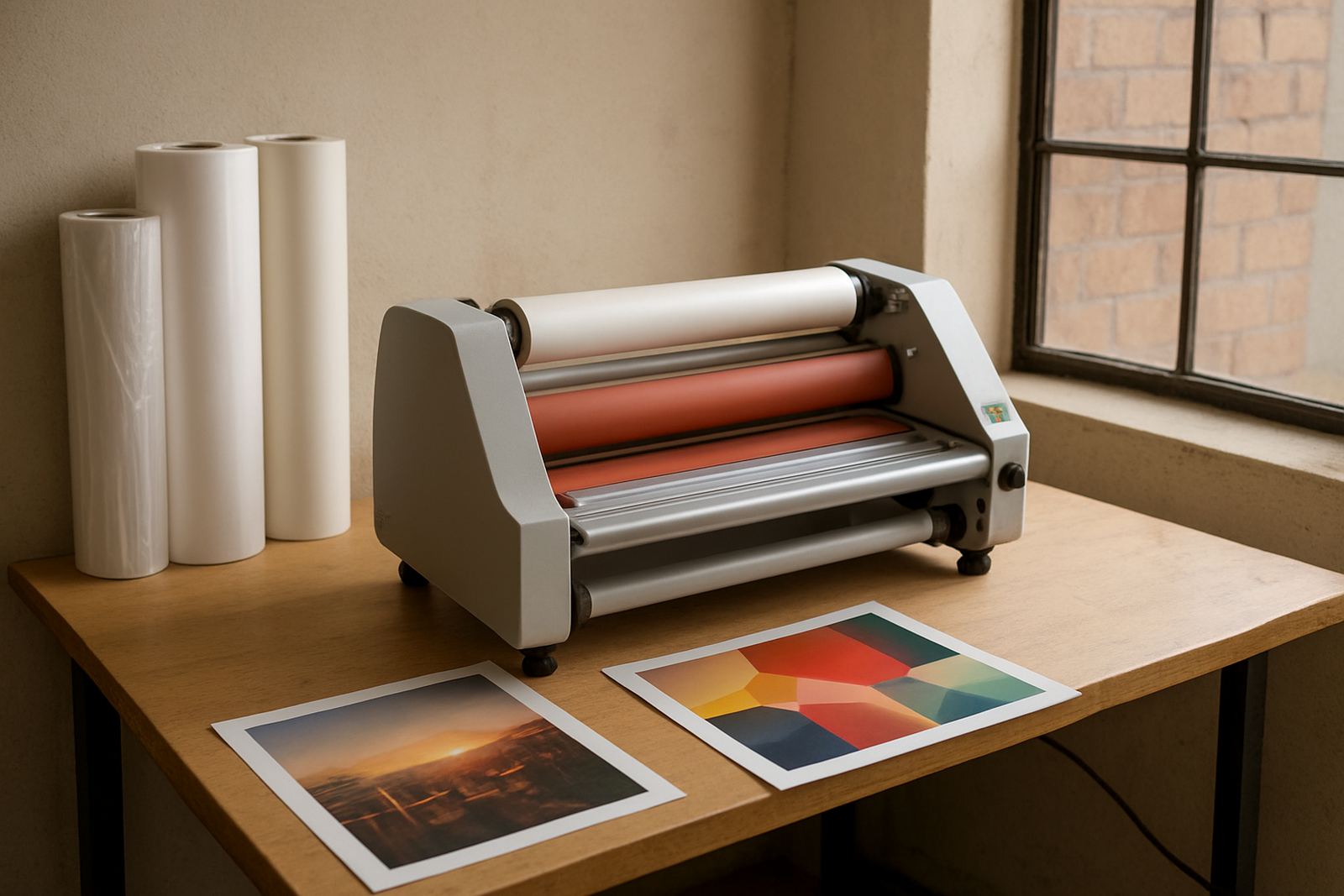
The Heavy Duty 1800 is made for wide-format finishing where smaller machines become too slow or too narrow. It handles continuous production on posters, maps, exhibition graphics, display work and mounted print runs that need a consistent finish across the full width. For busy print shops in Johannesburg, Pretoria and Midrand it is a practical choice when turnaround times matter and the machine must keep pace with the rest of the workflow.
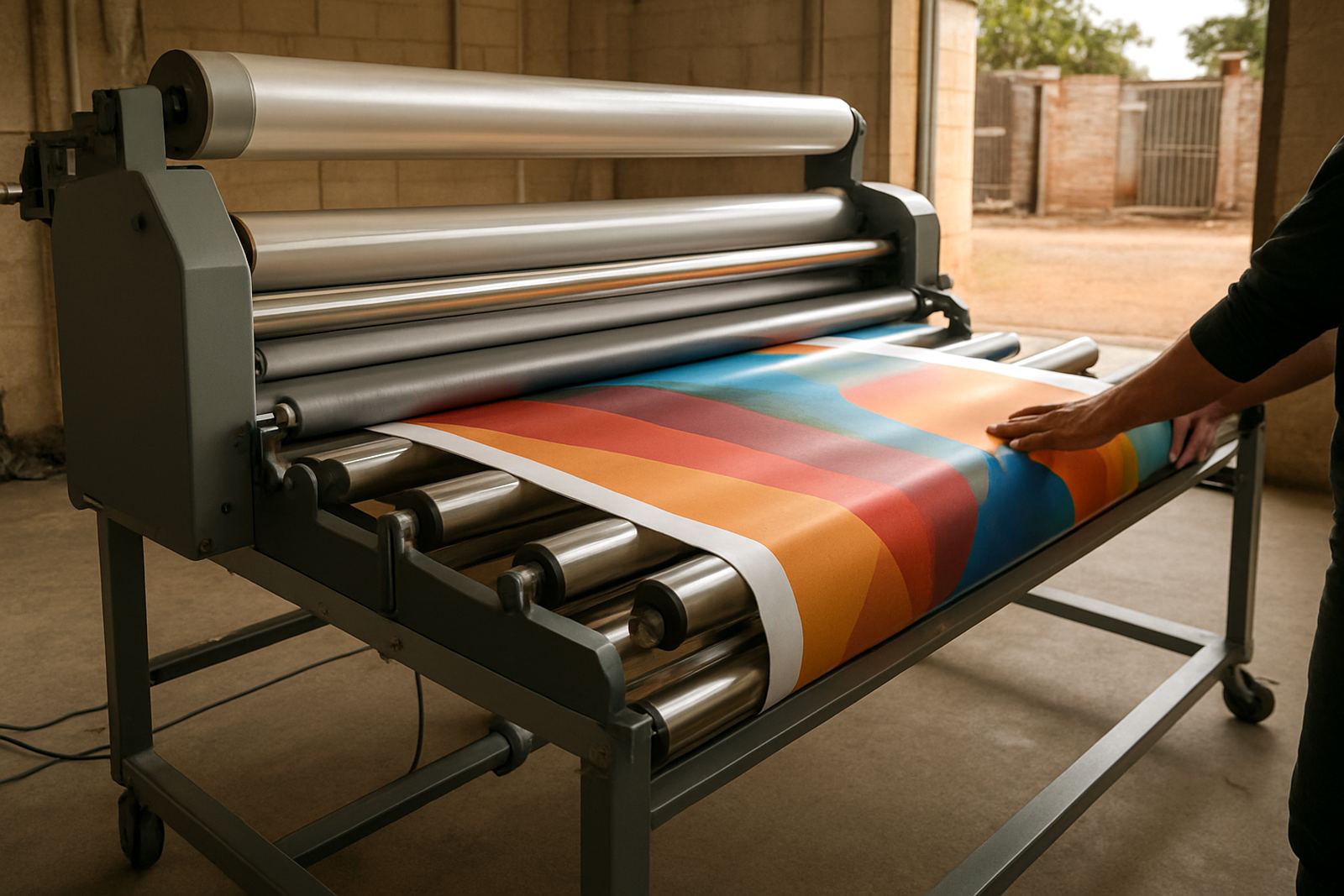
Because the unit is designed for repeated use, it suits teams that laminate in batches rather than one sheet at a time. The feed system supports stable entry and exit, which helps reduce wrinkling, edge curl and silvering on pressure-sensitive film. If you are working with coated boards, photographic prints or short-run display material, the 1800 gives more room to work and less chance of bottlenecks.
Format, Width and Working Options
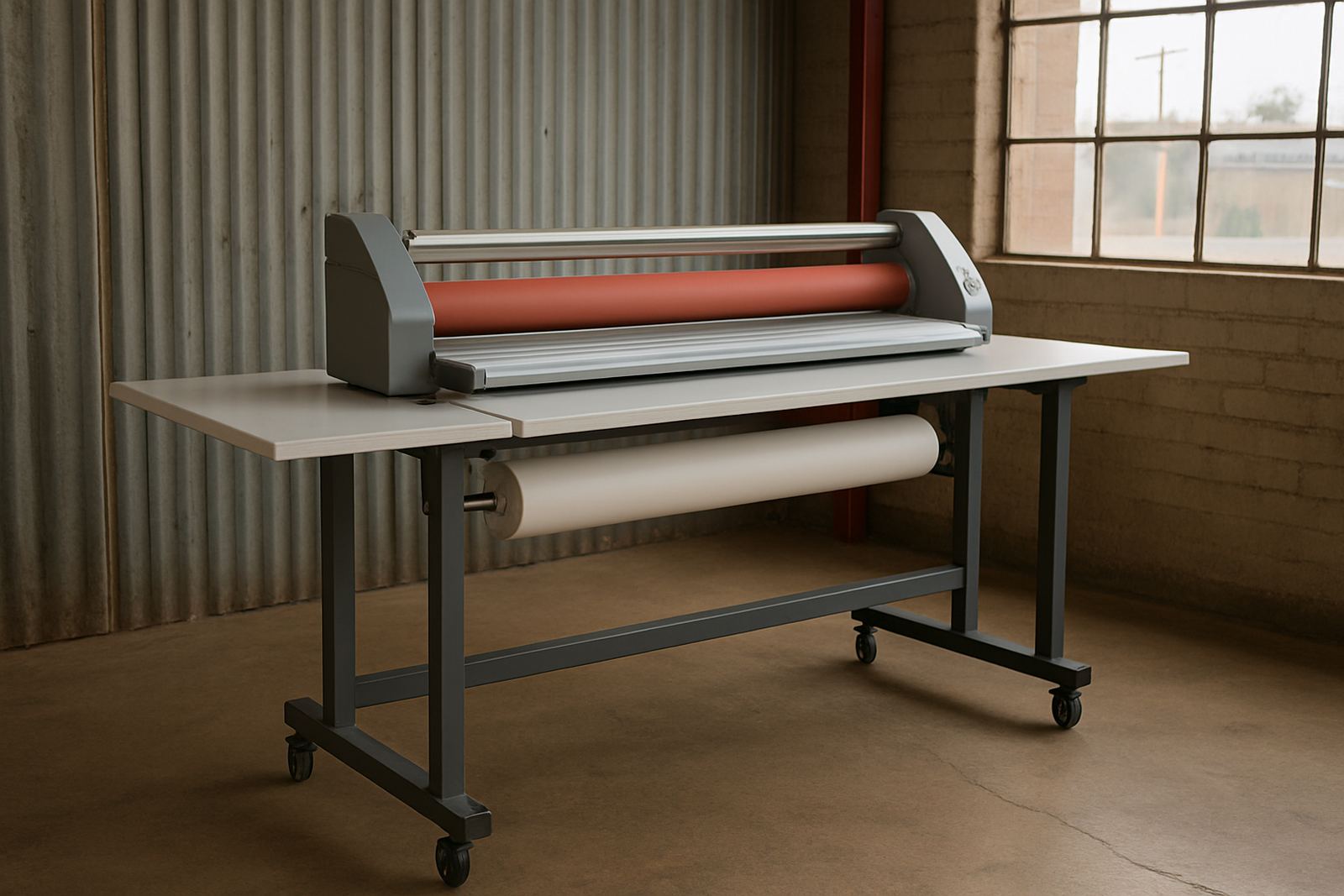
The 1800 class is intended for larger graphics, so the key point is working width. It is available as a wide-format roll laminator for jobs up to 1800 mm, which gives enough coverage for common signage sizes and larger artwork panels. Depending on your setup, you can specify cold lamination for pressure-sensitive films or hot lamination for films that need heat-assisted bonding.
- Working width up to 1800 mm
- Suitable for cold roll film and hot roll film, depending on model configuration
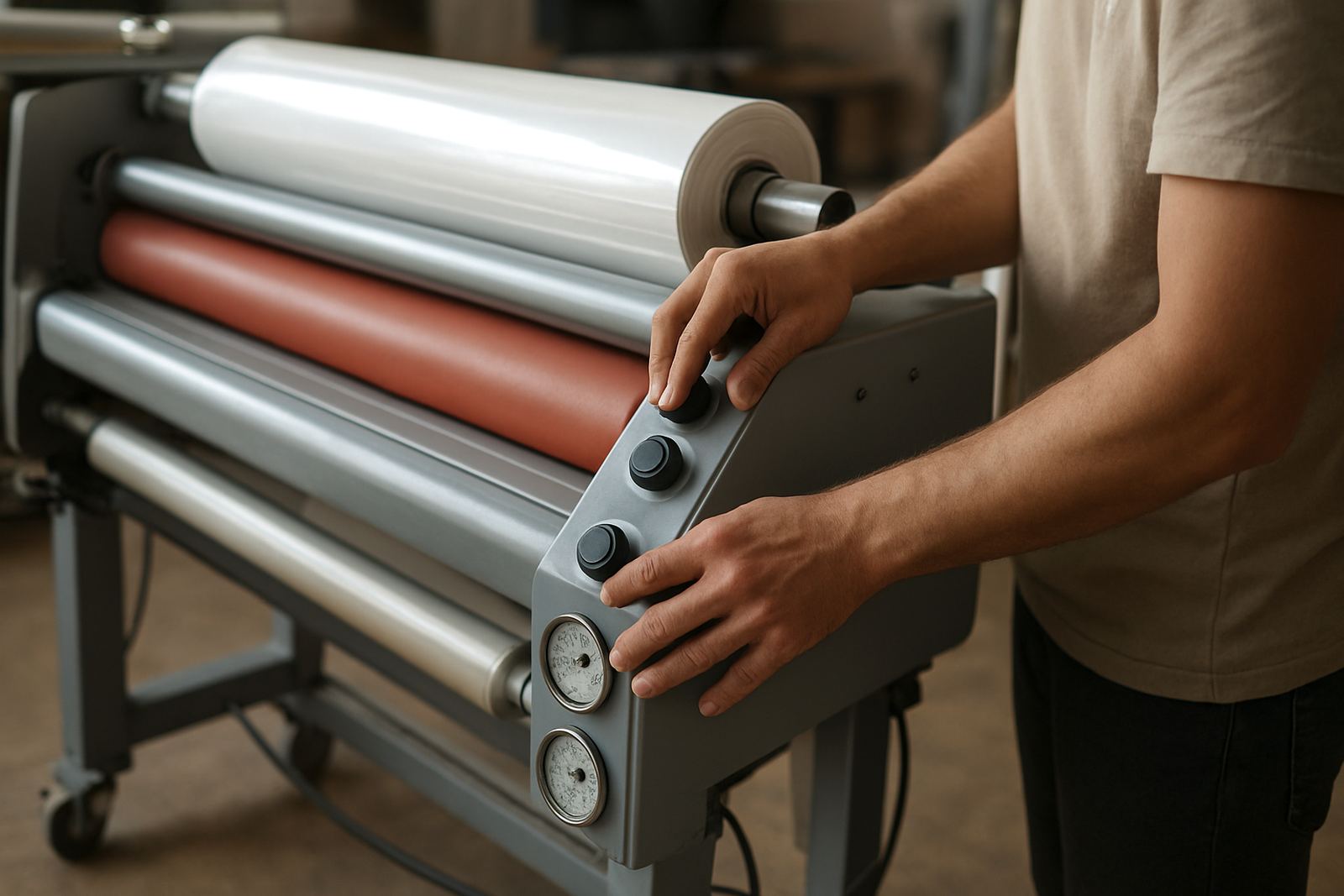
- Adjustable pressure for different media thicknesses
- Forward and reverse feed for setup and correction
- Rear unwind support for roll handling on production runs
For print businesses that work with mixed media, the practical benefit is flexibility. One day may be vinyl graphics and the next may be photo prints or presentation boards. A machine in this class can be set up to handle a range of jobs without constant changeover, which saves time on the floor and keeps operators focused on output.
Where the Heavy Duty 1800 Fits Best
This model suits print shops, sign makers, graphic studios, production houses and artists who need larger sheet handling with a professional finish. It is often used for retail graphics, school and corporate displays, museum pieces, maps, indoor wayfinding and short-run poster finishing. In Gauteng, where many shops run through load-shedding and tight delivery windows, the machine is useful because it is simple to plan around and does not need constant manual intervention once correctly set.
It also works well for businesses serving coastal clients where humidity can affect film and print handling. The wider format helps when you need to laminate larger pieces in fewer passes, which can reduce handling marks on sensitive media. If your work is often sent to Sandton offices, Pretoria institutions or East Rand sign installations, the Heavy Duty 1800 offers the scale needed for that kind of output.
- Print shops with regular wide-format turnaround
- Design studios producing presentation boards and exhibition pieces
- Signage workshops finishing display graphics
- Artists and photographers needing archival-style protection
- Corporate and education suppliers handling larger formats
Installation, Power and Workshop Setup
Installation is normally arranged on site so the machine can be levelled, checked and commissioned in the space where it will be used. That matters for wide-format equipment because feed alignment and operator access affect the finished result. In Kya Sand and surrounding areas like Randburg and Midrand, workshop access, roller clearance and enough room for roll storage should be planned before delivery.
Power requirements depend on the heating configuration, but the unit should always be installed on a stable electrical supply with proper earthing and enough capacity for steady operation. If you are in an area with frequent outages or voltage swings, a protected supply and a sensible shutdown routine are important. We can advise on placement, start-up checks and what to prepare before the machine arrives.
- Allow clear in-feed and out-feed space on both sides
- Keep the unit on a level floor with enough room for roll changes
- Check available electrical supply before ordering
- Plan for safe storage of rolls, film and backing material
- Make sure operators can move around the machine without obstruction
Care, Servicing and Day-to-Day Reliability
Wide-format laminators work best when the rollers stay clean and the pressure settings are checked regularly. Dust, adhesive residue and trimmed film build-up can all affect the finish if they are left too long. Routine servicing should include roller cleaning, pressure calibration, heat system checks where relevant and drive system inspection so the machine stays steady under load.
For busy sites in Johannesburg, Sandton or Pretoria, it is worth scheduling maintenance before peak season rather than waiting for a breakdown. We support on-site breakdowns, spare parts supply and operator refresher training, which helps teams spot early warning signs such as uneven feed, poor bond or temperature drift. If a machine is used daily, a short weekly check and a proper service interval will usually save more time than it costs.
What to Check Before You Order
Before placing an order, it helps to match the machine to the real work you do now, not only the jobs you hope to take on later. A lamination unit that is too narrow or too slow will create a bottleneck, while one that is oversized for your volume may tie up cash and floor space. The best choice is the one that suits your average sheet size, daily run length and finishing standard.
When you speak to our team, have these details ready so we can advise properly.
- Maximum media width and typical job size
- Cold or hot lamination requirement
- Daily or weekly production volume
- Power supply available at your premises
- Space available for delivery and operation
- Whether you need installation, training or pre-purchase inspection
If you are comparing units for a print shop in Kya Sand or a satellite site in the East Rand, we can help you weigh up speed, width, servicing access and operator comfort so the right model lands in the right place.
Key facts
| Model | Heavy Duty 1800 |
|---|---|
| Working width | Up to 1800 mm |
| Application | Wide-format cold and hot roll laminating |
| Typical use | Large graphics, signage, posters, artwork and display work |
| Service support | Routine servicing, on-site breakdowns, spare parts support and operator training |
| Location | Kya Sand, Johannesburg with installs nationwide |