Built for long shifts in busy South African workshops
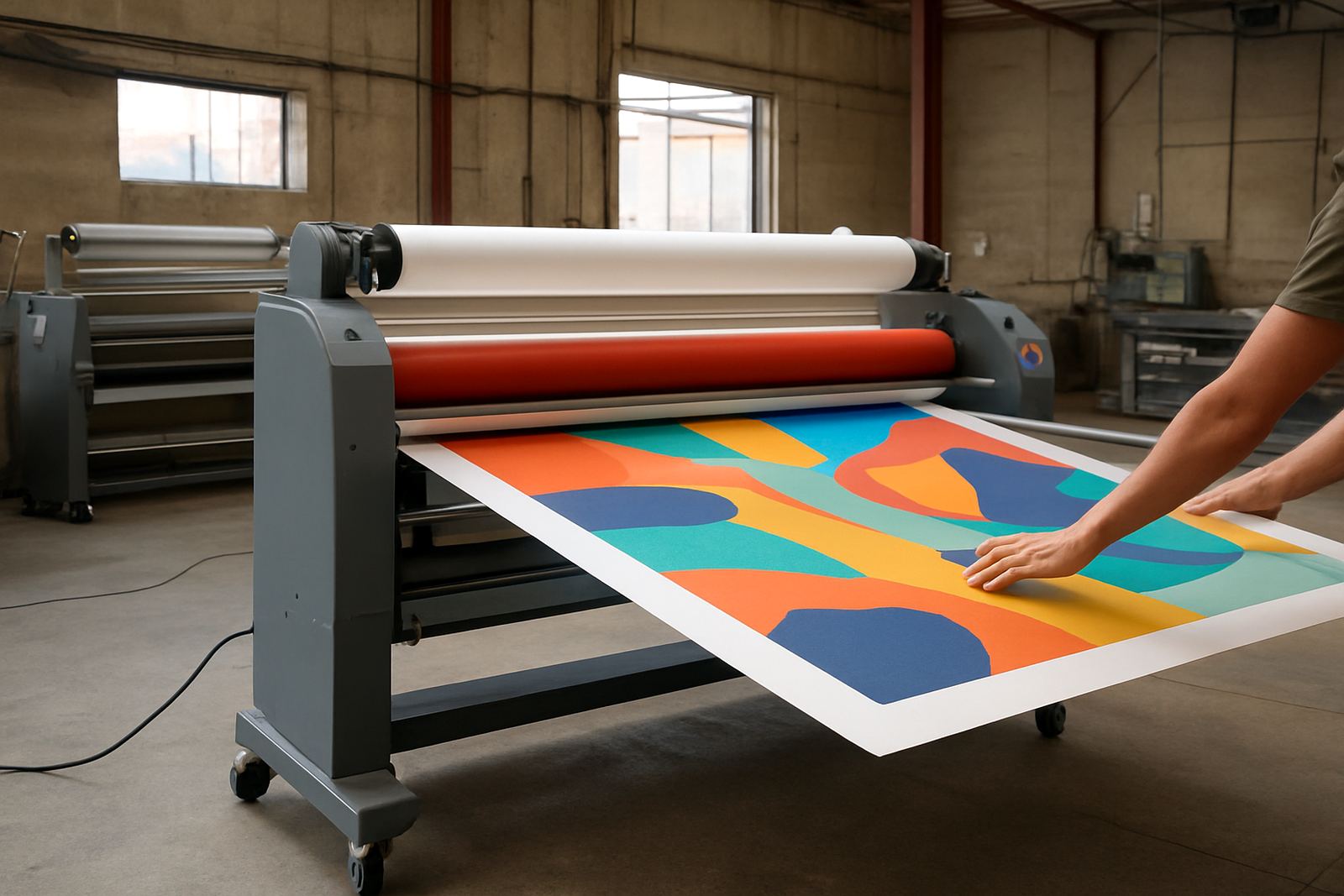
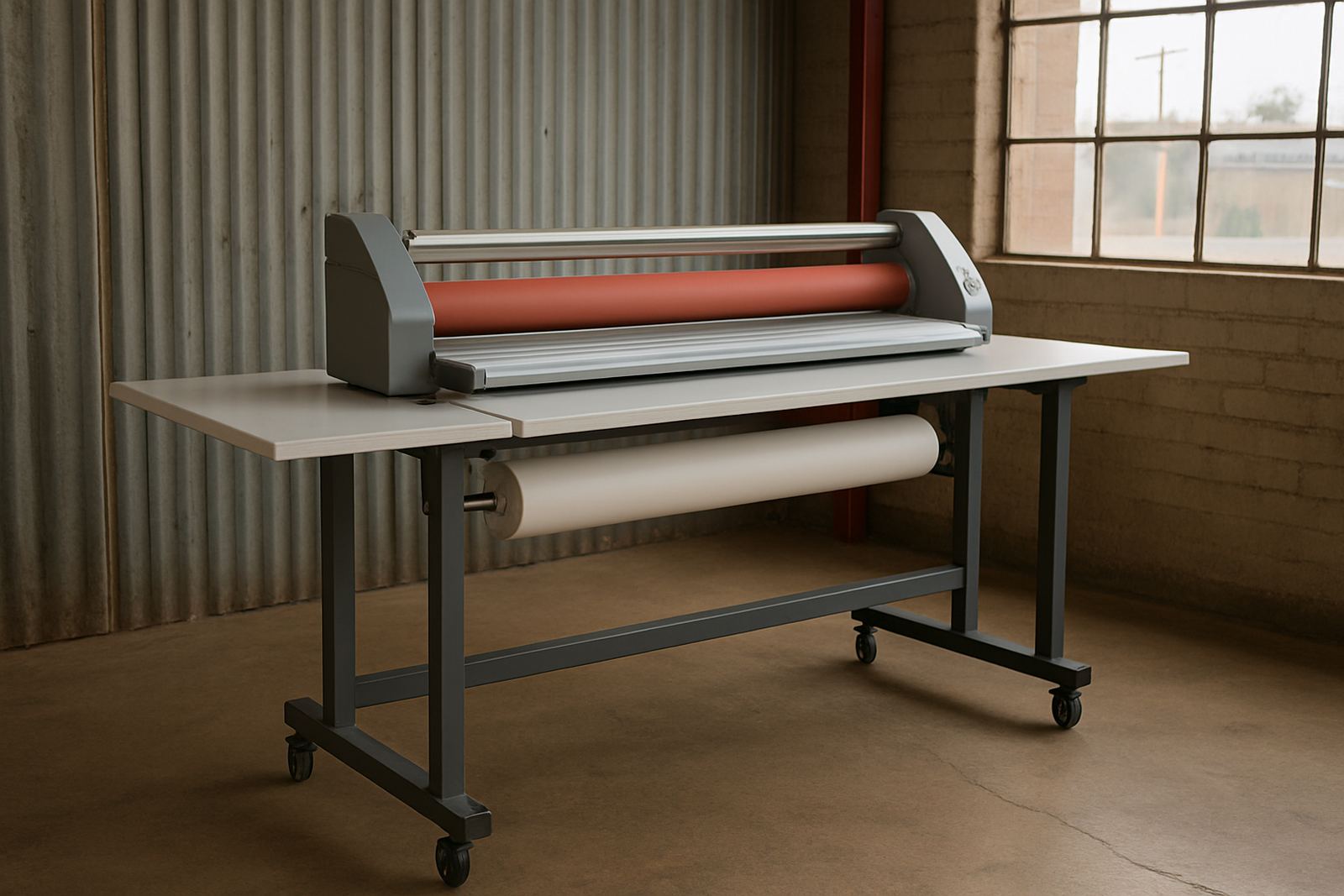
The Heavy Duty 1600 is a wide-format roll laminator made for regular use where jobs come in back to back. It suits busy teams in Johannesburg, Pretoria, the East Rand and coastal towns too, where humidity and dust can affect film handling and finished print quality.
This model is a good fit when you need dependable output for posters, maps, menus, signage, display boards and mounted artwork. The machine is sized for production spaces that want a practical unit with strong feed control and consistent pressure throughout the day.
- Suitable for print shops and sign workshops
- Handles everyday production runs and repeat jobs
- Useful for both commercial print and creative work
Sizes, formats and operating options
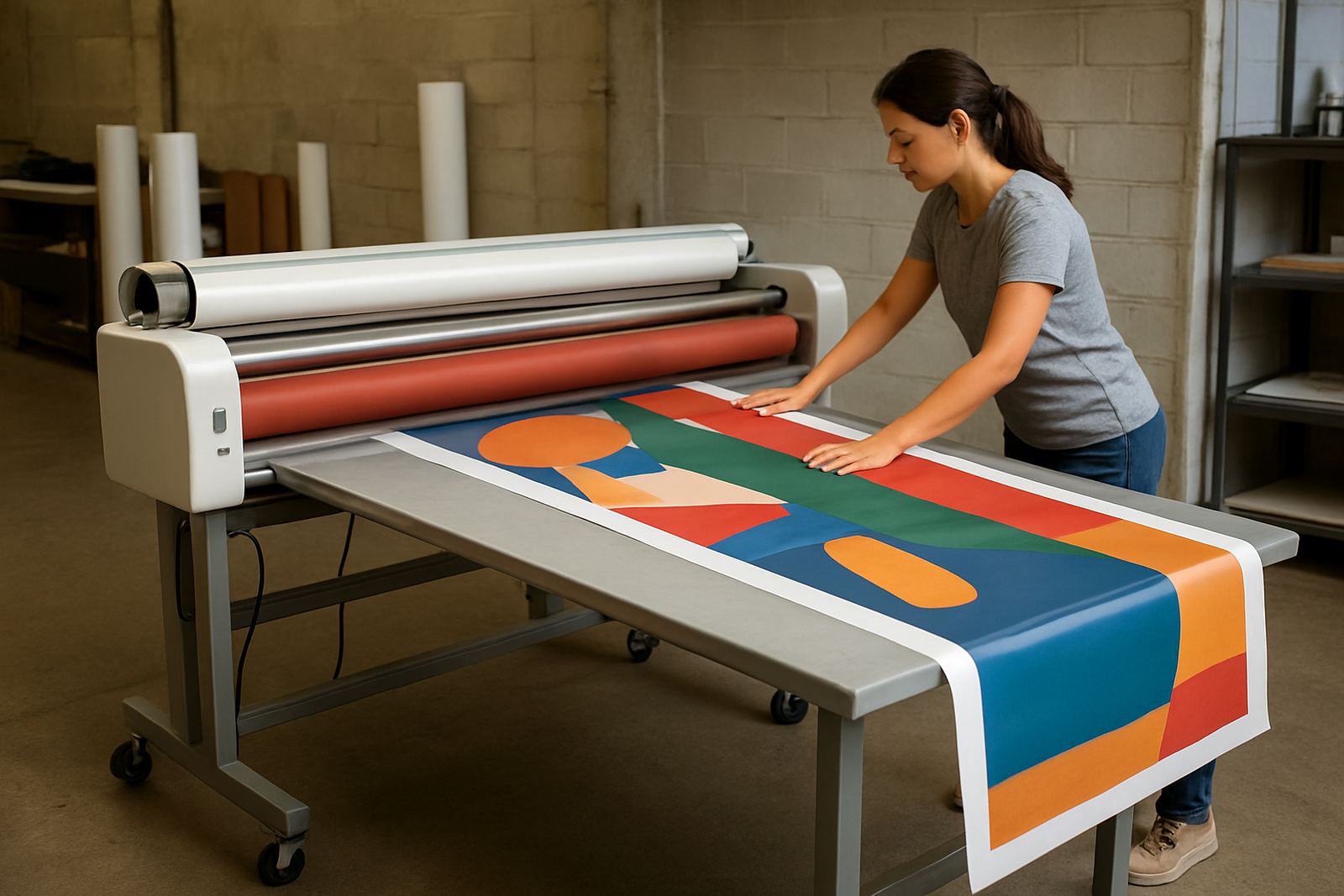
The Heavy Duty 1600 is designed around a 1600 mm working width, which gives useful capacity for common South African wide-format jobs. It can take a range of film thicknesses depending on the application, from lighter presentation work through to heavier protective finishes.
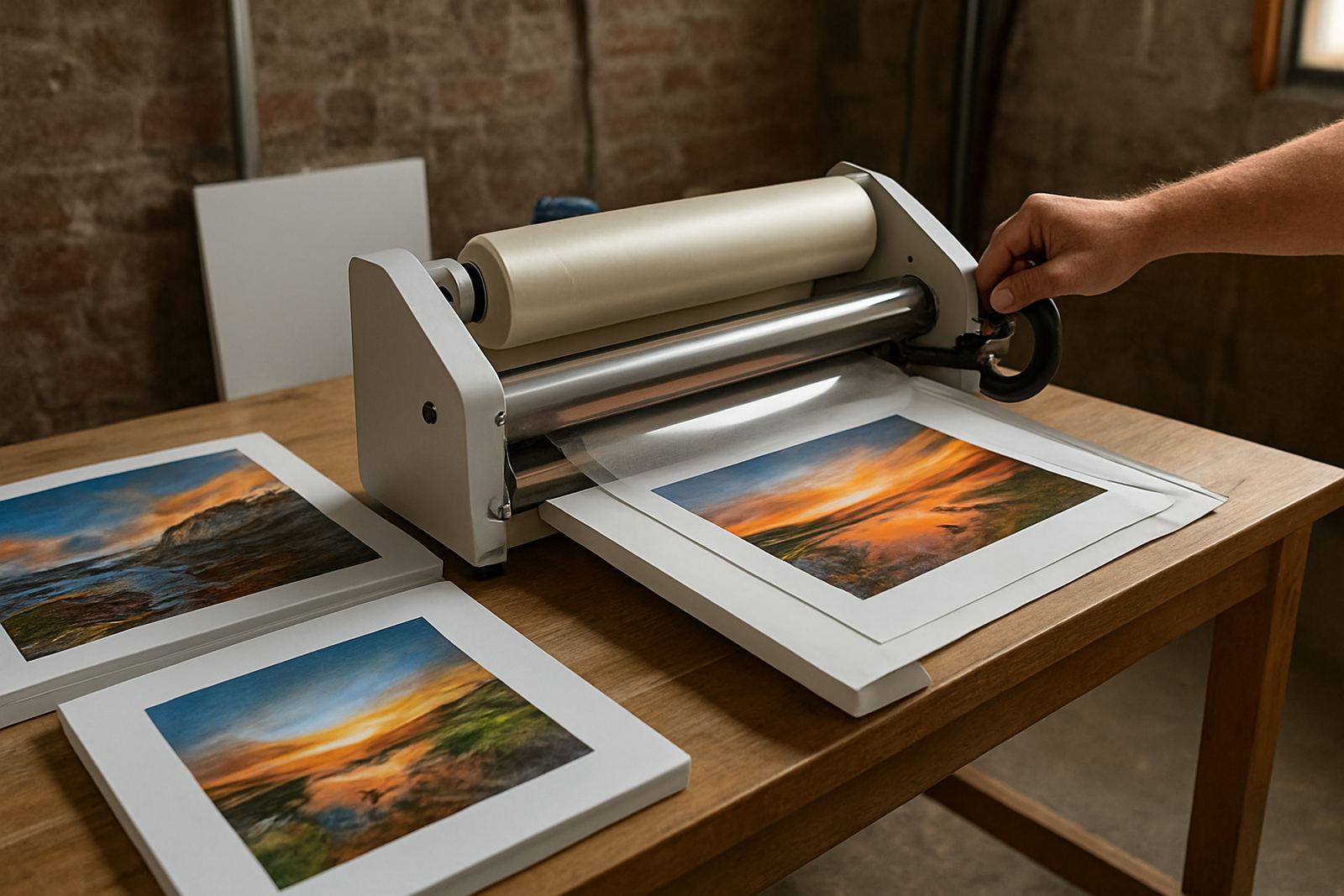
Operators can work with hot or cold laminating methods, depending on the media and the finish required. That makes it practical for coated prints, photographs, exhibition graphics and artwork that must stay flat and clean. If your shop handles mixed work, this flexibility saves time and reduces the need for separate machines.
- Working width: 1600 mm
- Suitable for roll film applications
- Hot and cold operation options depending on setup
Where the Heavy Duty 1600 suits best
This machine is a solid choice for businesses that produce laminated output every day and need a reliable finish for clients. It suits print houses in Sandton and Midrand, signage teams in Randburg and Kya Sand, and installation crews that need prepared graphics ready for trimming or mounting.
It is also a practical option for artists and designers who work with exhibition pieces, retail displays or limited print runs. The wider bed helps when handling longer sheets and repeated jobs, so the machine keeps up without constant adjustments.
- Print shops with high daily volume
- Graphic studios and signage teams
- Artists, framers and display producers
Power, setup and site preparation
Before installation, check that the site has enough floor space, clear access around the machine and a stable surface. A unit like this should be placed where operators can feed material safely and where finished work can be collected without bending or scraping the print.
Electrical supply should be confirmed before delivery. Most workshop installations require a proper dedicated supply and protection against power fluctuations, especially in areas affected by load-shedding or unstable municipal supply. If your site has backup power, it should be checked for compatibility with the laminator’s load requirements before commissioning.
- Allow clear space for feed, exit and maintenance access
- Check voltage, current draw and protection at the board
- Plan for backup power where production must continue during outages
Care, servicing and workshop upkeep
To keep output consistent, the rollers should be cleaned regularly and pressure settings checked as part of routine maintenance. Heat system checks and drive system inspections help prevent uneven lamination, wrinkling and feed problems that can waste film and slow production.
In humid coastal conditions, films and finished sheets should be stored properly before use. In dry inland workshops, dust control matters just as much because small particles can mark the surface or lift under the laminate. A good service routine keeps the machine dependable, and avoids sudden stoppages when the queue is already long.
- Routine servicing for busy production schedules
- Roller cleaning and pressure calibration
- Electrical fault finding and drive repairs when needed
What to confirm before you order
Before placing an order, confirm the type of work you do most often, the widest sheet size you need to run and whether you want hot, cold or mixed use. That helps match the machine to your real workload instead of choosing a unit that is too small or more complex than necessary.
It is also worth checking your available power, workshop access and operator experience. If the team is new to wide-format lamination, refresher training can save film and reduce waste from the start. For sites in Pretoria, the East Rand or around Kya Sand, an on-site check can help before final installation and commissioning.
- Working width and film thickness needs
- Power supply and backup arrangements
- Operator training, spare parts support and maintenance plan
Local support from Kya Sand, Johannesburg
Laminator works from Kya Sand, Johannesburg and supports customers across South Africa with installation, servicing and breakdown assistance. The team handles pre-purchase inspections, spare parts support, operator refresher training and on-site fault finding, so your workshop can keep moving when production matters.
If you are comparing options for a busy shop, the Heavy Duty 1600 offers a practical mix of size, control and day-long reliability. For advice on suitability, setup or maintenance planning, contact the team on our contact form.
Key facts
| Model | Heavy Duty 1600 |
|---|---|
| Working width | 1600 mm |
| Type | Wide-format roll laminator |
| Operation | Hot and cold laminating capability |
| Use case | Busy production workshops and print environments |
| Support | Installation, servicing and breakdown assistance nationwide |