What the Production Hot 1800 is built to do
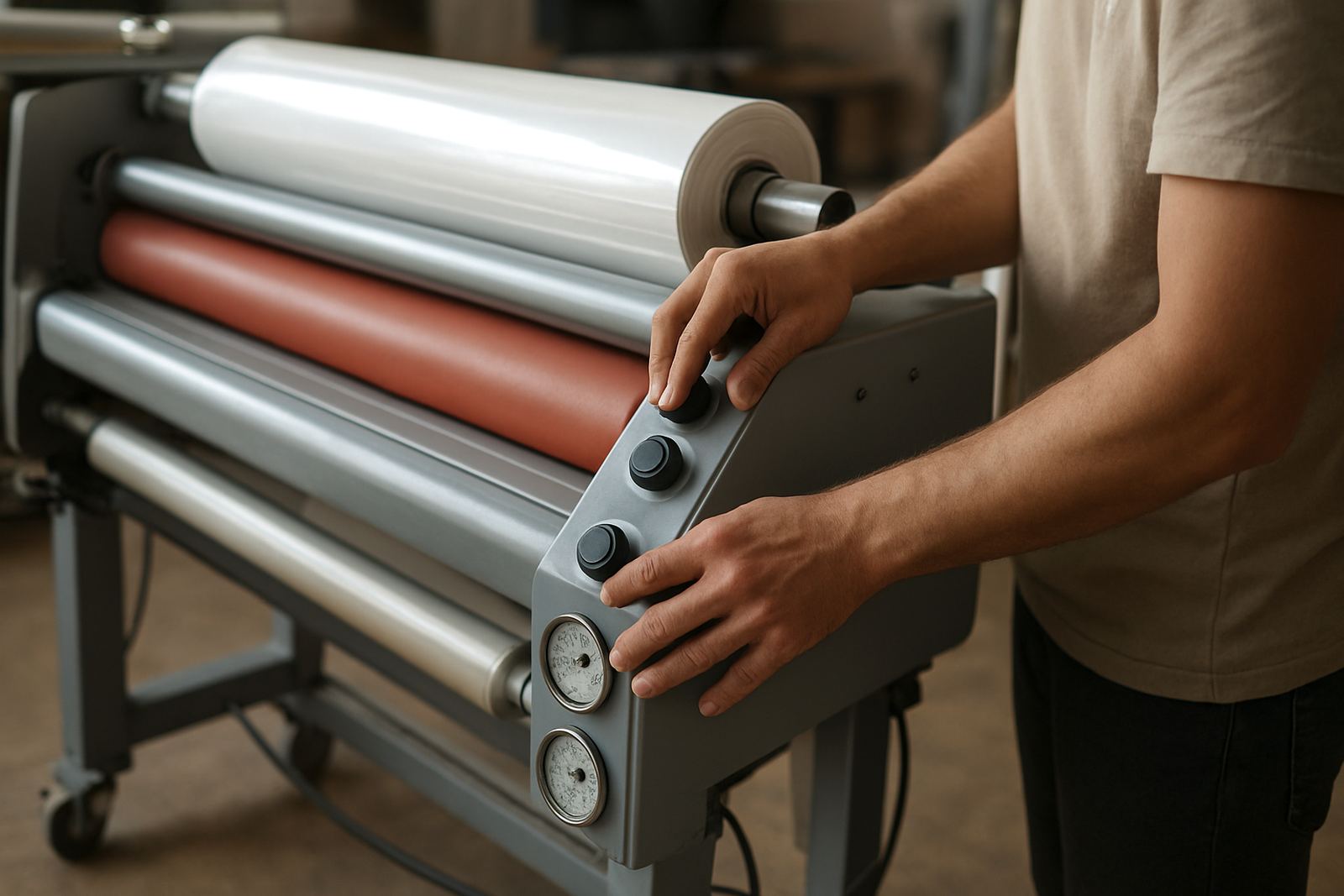
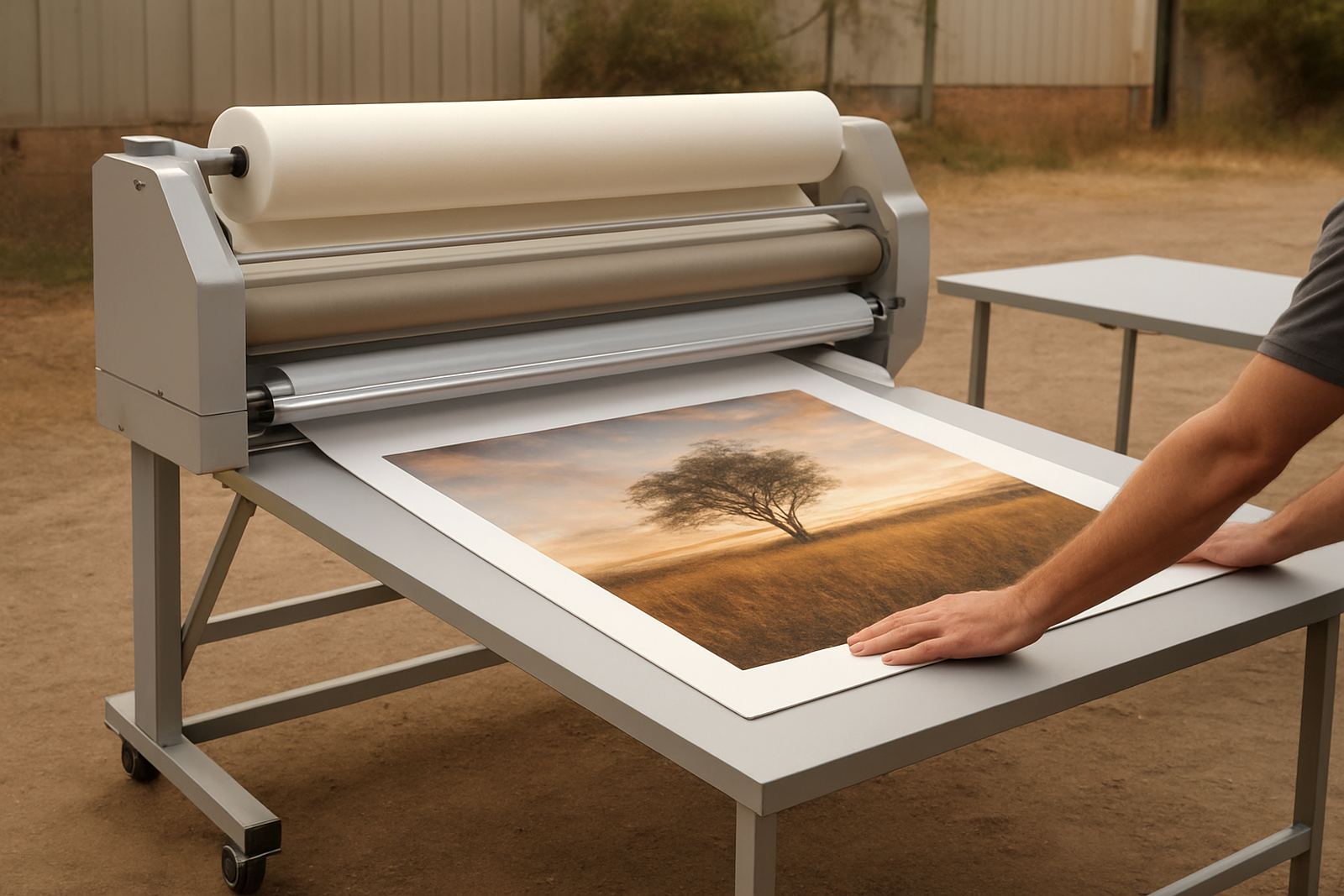
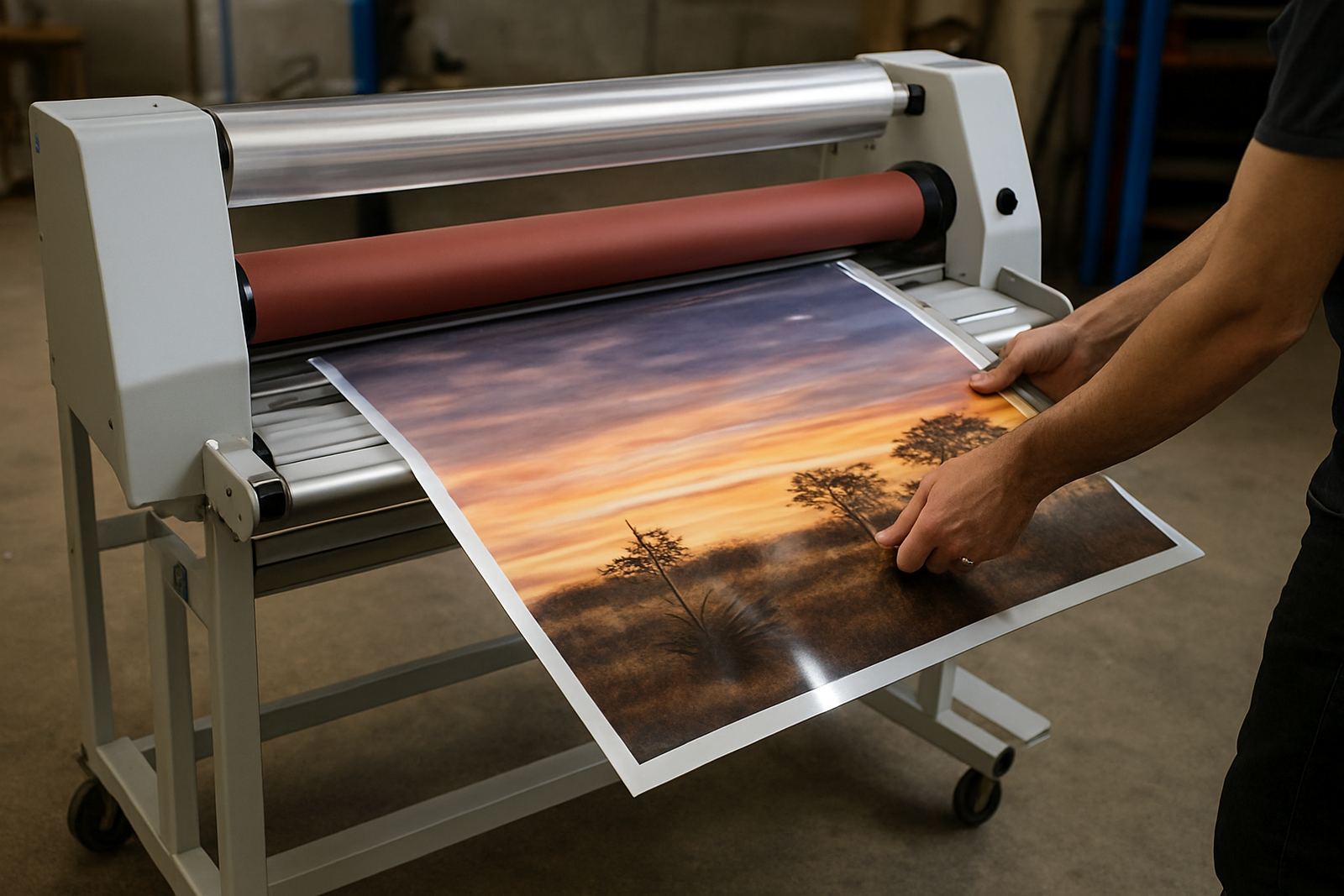
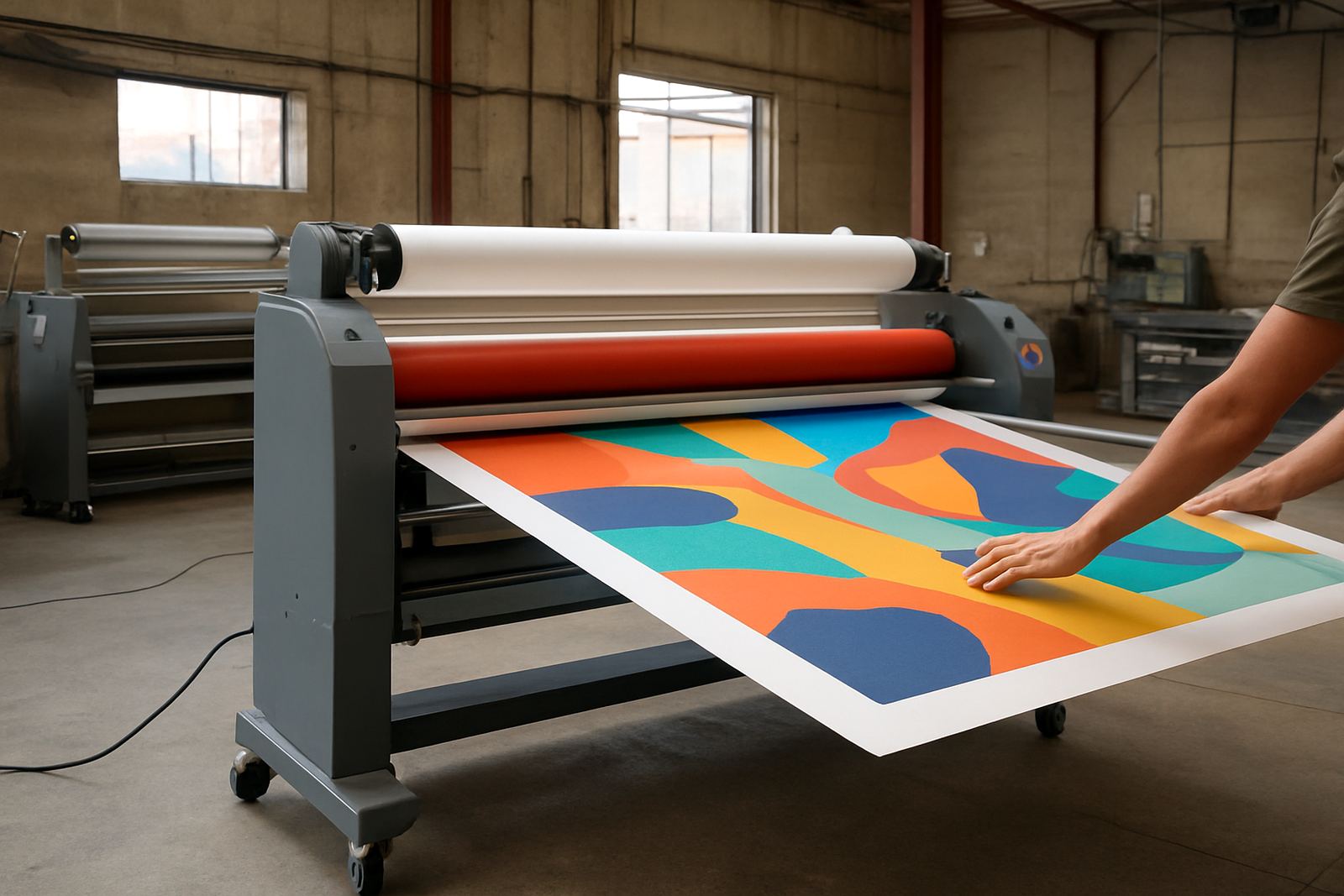
The Production Hot 1800 is a heated roll laminator for wide-format work where film adhesion, surface protection and a clean finish matter. It is used for posters, graphics, exhibition panels, retail signage and artwork that must stand up to handling, transport and repeated display.
For Johannesburg print rooms, it is a practical choice when jobs are too large for small benchtop units and too frequent to send out. The heated roller helps the film settle more evenly on coated prints and heavier media, which can reduce silvering and improve consistency on bigger sheets.
If your team handles short turnaround jobs for Sandton offices one day and municipal or school work the next, this type of machine gives you more control over finish quality and it handles the bigger format without fuss.
Sizes, format limits and production options
The Production Hot 1800 is set up for wide-format output, with an 1800 mm working width for large graphics and long panels. That width is useful for sign shops, display houses and designers working on oversize prints that need a single pass across the full face.
Options can vary by configuration, but buyers should usually confirm these points before ordering:
- Working width and roller length for the largest print you run
- Hot lamination temperature range for your film type
- Forward and reverse operation for setup and corrections
- Variable speed control for different media thicknesses
- Adjustable roller pressure for lighter or heavier substrates
- Take-up and feed arrangement if you do repeated production runs
On busy weeks, the right speed and pressure settings matter more than people expect. A good setup keeps the film tracking straight and helps avoid waste on expensive wide sheets.
Where this machine fits best in South African workrooms
This model suits print shops in Kya Sand, Randburg, Midrand and the East Rand that deal with signage, point of sale boards, photographic enlargements and presentation graphics. It is also a solid fit for Pretoria studios and production houses that need one machine to cover both everyday lamination and larger project work.
It is especially useful where prints move out to sites, because a protected finish helps with dust, fingerprints and moisture. In coastal humidity the result can be even more important, since film and print stock need more careful handling after finishing.
- Large-format print finishing
- Display graphics and exhibition panels
- Artwork protection for galleries and studios
- Retail and interior signage
- Short-run production with frequent size changes
If your operation has load-shedding, plan for proper power back-up or schedule heating cycles around available supply. Heat-based equipment needs stable conditions, otherwise you get slower warm-up and inconsistent output.
Installation, power and site requirements
Because this is a production machine, installation should be planned around floor space, access, ventilation and a suitable electrical supply. The machine must sit level, with enough room at the front and back to feed and collect larger sheets safely. In a tight room, even a small misalignment can make handling awkward.
Most installations for this class of equipment need a dedicated power point and a properly protected circuit. Exact electrical requirements should be confirmed before delivery, especially if the site has older wiring, shared boards or generator switchover. No gas connection is required on standard heated roll laminators, so the main concern is power stability and safe heat management.
Our team can assist with on-site installation nationwide, from Johannesburg and Pretoria to regional towns where access and power conditions differ. We also check that the operator can reach the controls, feed path and safety stops without crowding the machine.
Keeping heat rollers clean and accurate
Regular care keeps the machine ready for long jobs and helps prevent common faults. Roller surfaces should be cleaned on schedule, pressure settings checked after heavy use and the heat system tested if output starts changing. Dust, adhesive build-up and film residue are the usual culprits when a laminator starts marking work.
For production teams, servicing is not just about fixing breakdowns. It is also about keeping the machine predictable from one week to the next, especially if you switch between different media thicknesses. A machine that is set correctly saves time and reduces reprints, which can get expensive fast.
- Routine servicing and roller cleaning
- Pressure calibration and heat system checks
- Drive system repairs and electrical fault finding
- On-site breakdown response where access allows
- Spare parts support and operator refresher training
If the machine starts feeding unevenly, the film wrinkles or the temperature climbs too slowly, it is worth checking it early instead of pushing through another shift. Small issues can turn into bigger ones when staff keep forcing a production run.
Points to confirm before ordering this laminator
Before ordering, check the widest sheet you need to run, the type of film you use and whether your work is mainly hot lamination or mixed hot and cold finishing. It also helps to know your daily volume, because a machine that handles five sheets a day is not the same as one that must work through a full production list.
Ask for the exact electrical requirement, the footprint, delivery access and any setup needs for your premises. If you are in a shared industrial unit in Kya Sand or an upper-floor studio in Sandton, access can affect delivery planning more than people expect.
- Largest media width and thickness
- Voltage and circuit requirements
- Heating method and temperature control range
- Delivery access, stairs, doors and loading bay height
- Whether you need installation, operator training or pre-purchase inspection
Our sales and technical team can talk you through the details and help match the machine to the type of work you actually produce. That saves time, and usually a bit of money too.