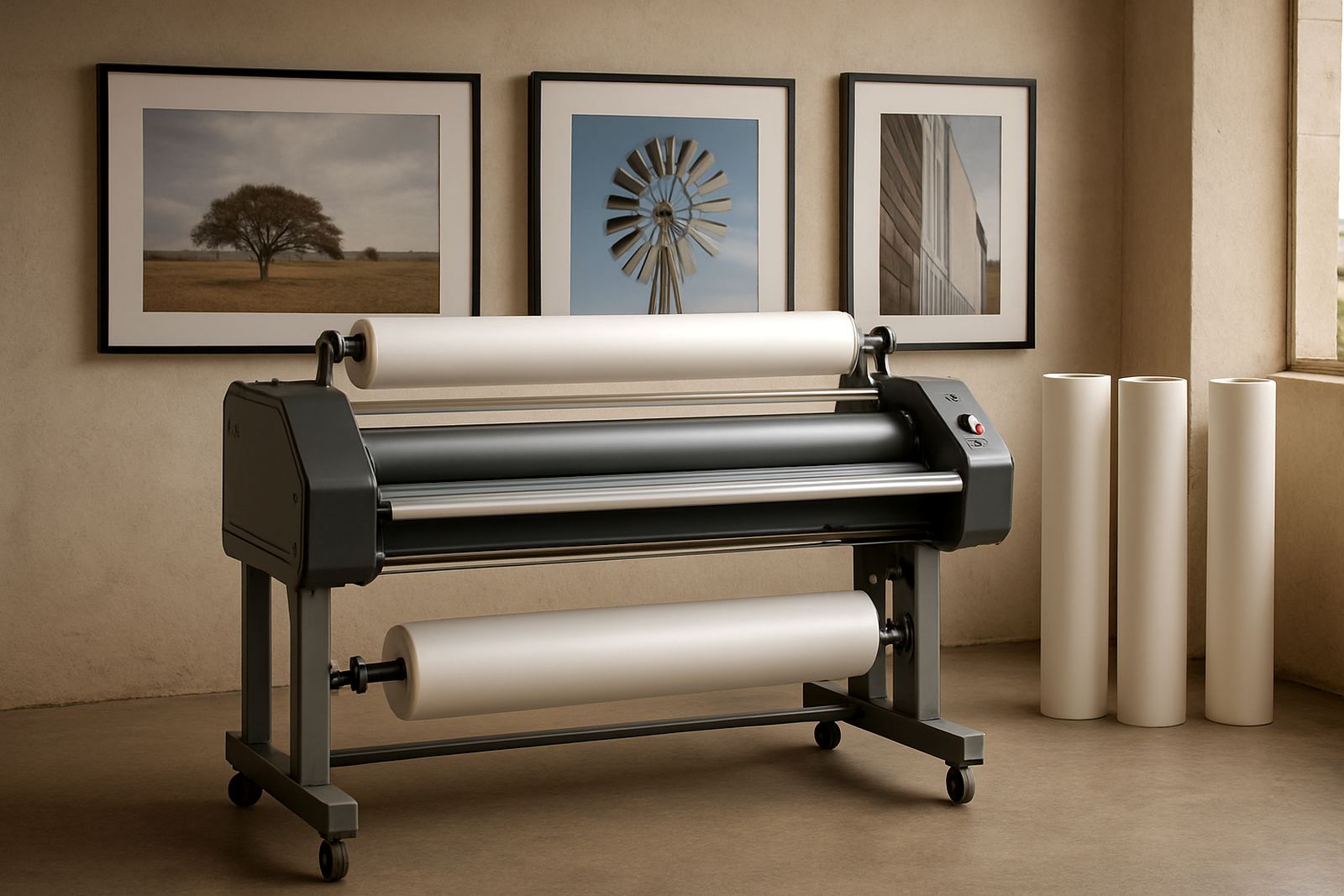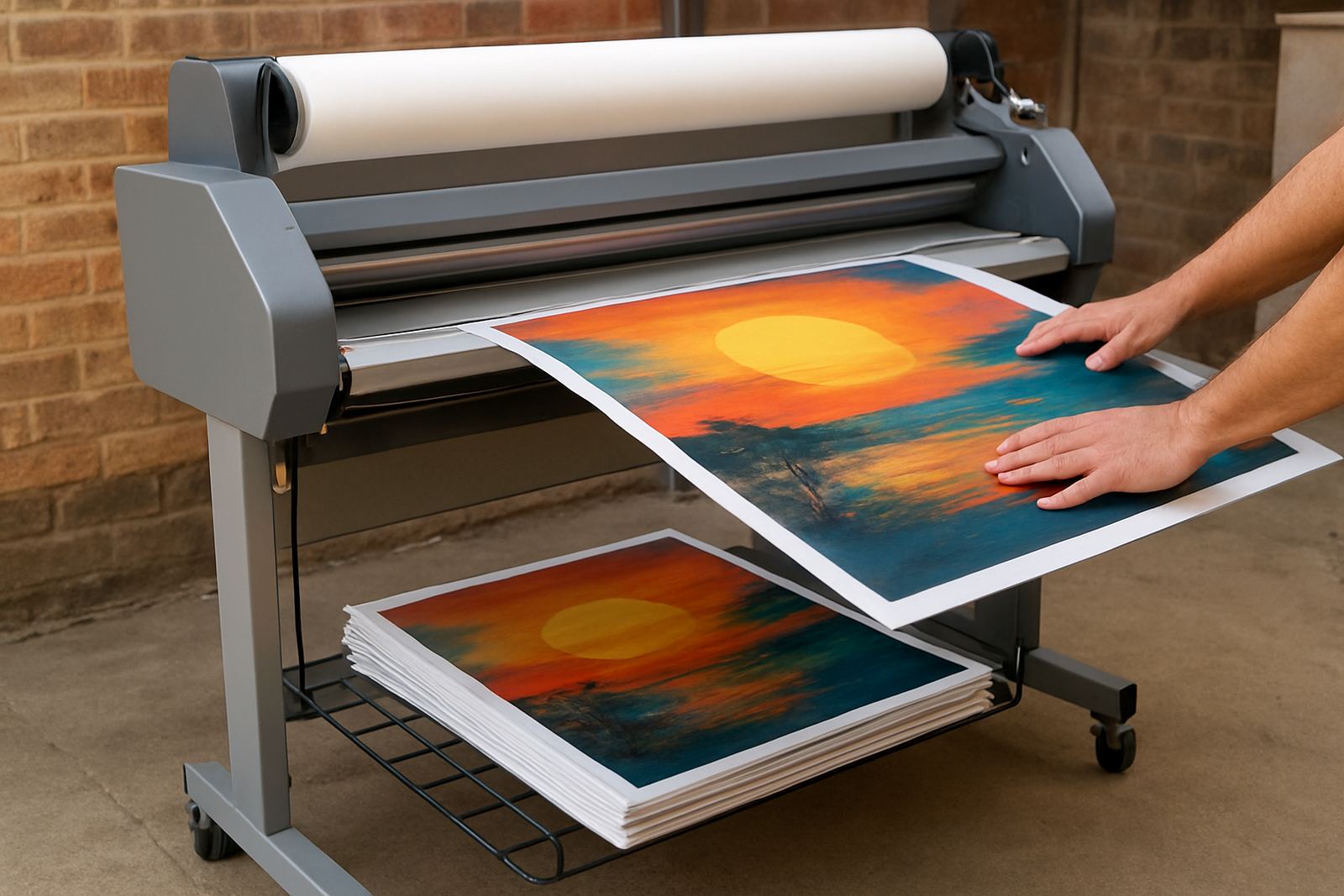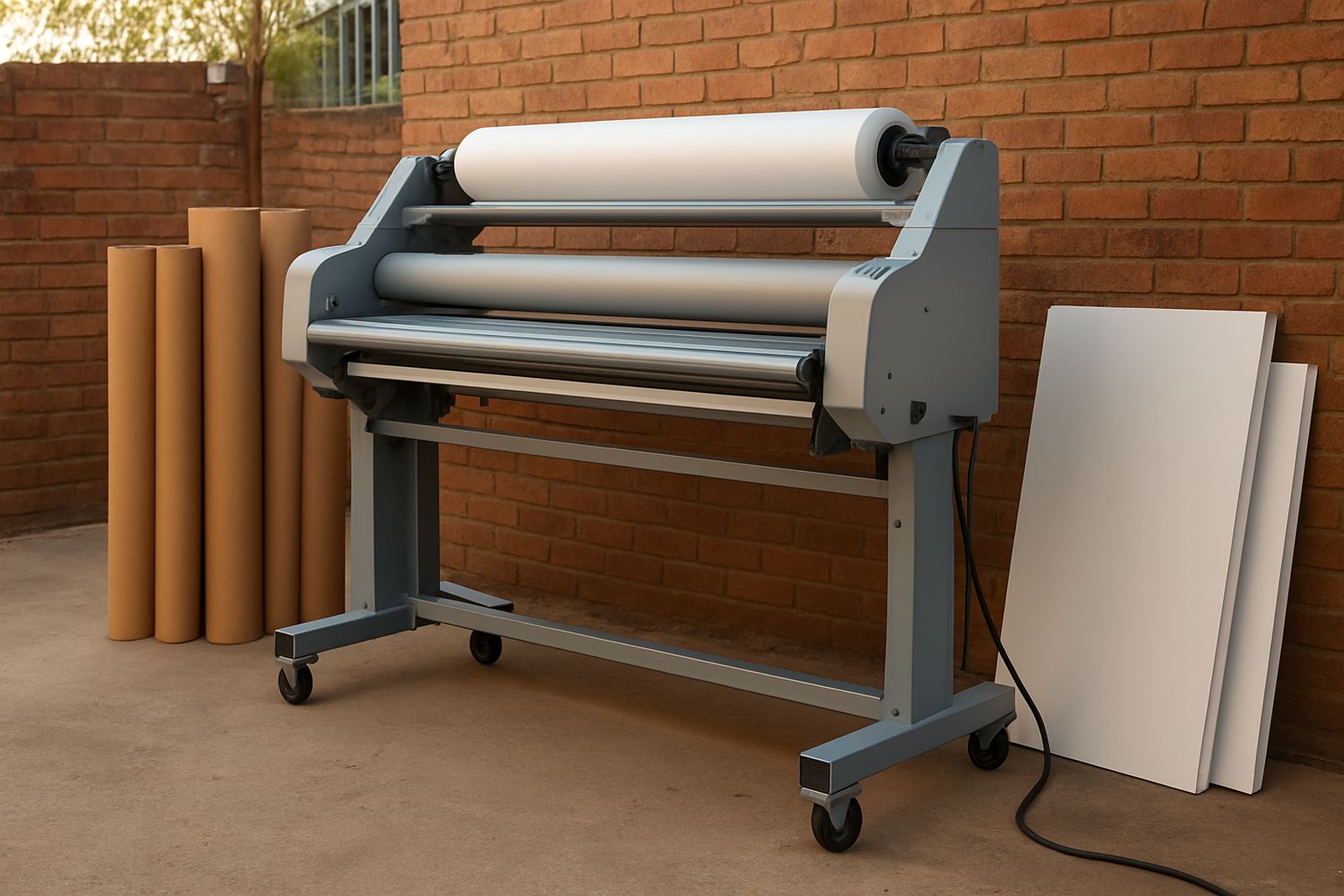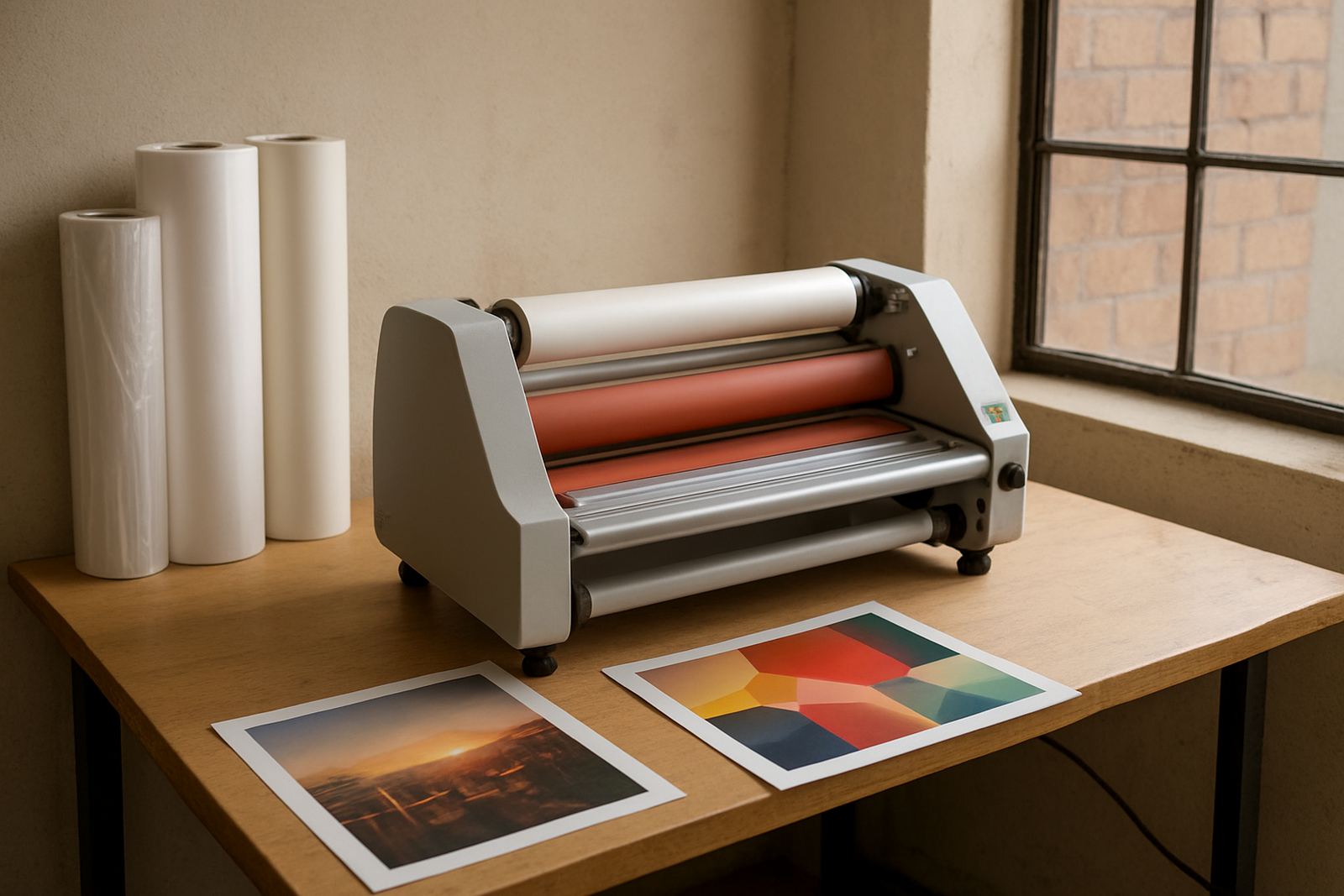
A practical 1400 mm cold laminator for everyday finishing
The Entry Cold 1400 is built for smaller production spaces that still need proper finishing quality. It takes sheets up to 1400 mm wide, so it is a good fit for A0, SRA and most standard sign and print work, with enough width for side-by-side smaller jobs when you are batching work for clients in Johannesburg, Pretoria or the East Rand.
Because it is a cold roll machine, there is no warm-up period and no heat setting to manage. That makes it useful for vinyl mounting, print protection films and artwork finishing where heat could affect the print, warp a board or soften adhesive. It is a sensible choice for a studio that wants dependable output without needing a heavy industrial unit.
- Suitable for startups and small print rooms
- Compact footprint for limited floor space
- Good for daily, low to medium volume work
- Helps finish jobs faster than hand application
Where the Entry Cold 1400 suits best
This model suits print shops that handle posters, display graphics, short-run signage and mounted artwork. It also works well for designers and artists who want to protect prints before framing, exhibition use or client delivery. If you are producing work for offices, schools, churches or local events, the machine gives you a neat finish without needing a large operator team.
In humid areas like parts of the coast, cold lamination is useful because it avoids extra heat around moisture-sensitive media. In Gauteng, where busy production rooms often deal with dust and load-shedding interruptions, the Entry Cold 1400 can be kept ready for short jobs and switched into the workflow as needed. It is not the machine for every task, but for light daily finishing it does the job well.
- Print shops with steady but not heavy volume
- Graphic studios finishing customer artwork
- Schools and training centres with display work
- Artists preparing work for sale or transport
Sizes, feed width and ordering options to confirm
Before ordering, check the widest job you expect to run and the film or mount media you plan to use. A 1400 mm working width gives you enough room for most everyday South African print sizes, but you still need to confirm the usable feed width, roller opening and roll holder spacing. If you are planning to laminate board, mount prints or apply adhesive film to rigid sheets, tell the supplier the thickest media you use.
It is also worth confirming whether you need single side or double side pressure support, how the take up is handled, and whether the setup will suit your preferred film roll sizes. For a studio in Sandton or Midrand, the right options can save time on repeat jobs. One small detail matters here: check your roll core size, not just the film width, because the wrong core creates unnecessary hassle later.
- Working width: 1400 mm class
- Confirm maximum media thickness
- Check roll core compatibility
- Ask about supply and take up arrangement
- Match the machine to your daily job size
Installation, power needs and workspace planning
The Entry Cold 1400 is straightforward to install, but the room around it matters. Leave enough space for feeding sheets cleanly from the front and for collecting finished work at the back. A level floor, clean power supply and a dry indoor area are important, especially in Kya Sand, Randburg and other busy workshop areas where dust and movement can affect alignment.
Cold roll laminators are easier to place than heated systems because they do not need a gas supply or heating clearance. For power, confirm the standard electrical requirements before delivery so your point of use is ready. If you are working through load-shedding with a generator or inverter backup, check that the machine is on a stable circuit with suitable protection. An electrician should verify the outlet and isolation setup if there is any doubt.
- No gas supply needed
- Requires a suitable electrical connection
- Best installed on a level, clean floor
- Allow space for feed and exit areas
- Keep the unit away from excessive moisture
Care, roller cleaning and servicing for reliable output
Like any finishing machine, the Entry Cold 1400 gives better results when the rollers stay clean and the pressure is checked regularly. Dust, adhesive residue and board fibres can mark film or create uneven feed. A simple cleaning routine after busy days helps prevent avoidable faults, and it also keeps the finish looking consistent for repeat customers.
Routine servicing should include roller cleaning, pressure calibration, drive checks and a look at electrical connections. If the machine starts to pull unevenly, leaves bubbles or struggles with consistent feed, do not push through a full production run before checking it. On site breakdown support can save a deadline, but planned care is cheaper than emergency repairs. That is true whether you are in Pretoria, the East Rand or further afield.
- Clean rollers regularly
- Check pressure settings before key jobs
- Watch for adhesive build up
- Book servicing before faults grow
- Keep spare consumables on hand
Checks to make before placing the order
When ordering an Entry Cold 1400, start with the work you actually produce each week. Confirm your widest print size, the thickness of your board or film, and whether you need the machine mainly for protective lamination, mounting or both. If you are a new business, it helps to think about growth too, because buying too small can slow you down within months.
Ask about installation support, operator refresher training, spare parts access and pre-purchase inspection if you are comparing options. If you already have a machine in a studio and want to add another line, make sure the operator flow works in the room. A good fit should let one person load, run and collect work without cramped movement or constant stoppages. The right choice is not only about width, its about daily use.
- Your typical widest job size
- Media thickness and film type
- Electrical setup at the premises
- Need for installation or training
- Access to local service and parts
Key facts
| Working width | 1400 mm |
|---|---|
| Machine type | Cold roll laminator |
| Best for | Light daily finishing, prints and artwork |
| Power | Electric, confirm site requirements before installation |
| Heating | No heat system required |
| Use case | Vinyl mounting, protective lamination and presentation work |