
Wide-format finishing for large visuals
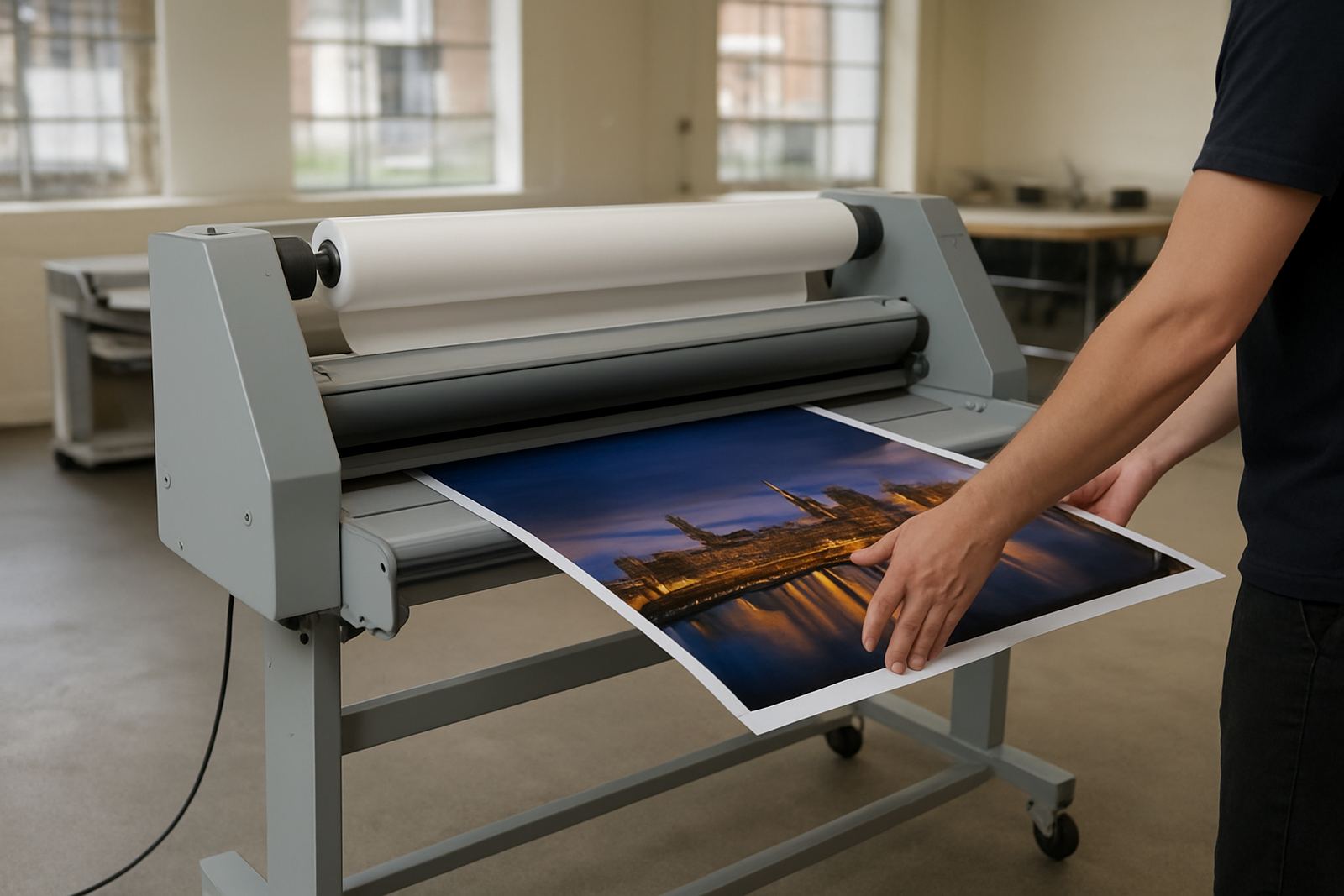
The Photo Finish 1600 is a 1600 mm class roll laminator made for wider sheets, mounted graphics and presentation pieces that need an even finish across the full width. It is a practical choice for print shops in Johannesburg, Sandton, Midrand and Pretoria that handle posters, display boards and fine art reproductions, as well as coastal operators who need help protecting work from humidity and handling wear.
It is used to apply cold laminate films or, where the job calls for it, heat-assisted films on compatible media. That makes it suitable for photographic prints, exhibition panels, maps, retail graphics and artwork that must look neat from edge to edge. The feed path is designed for straight tracking and controlled pressure, so the film lays down properly and the final surface looks consistent, not patchy or stretched.
For teams doing short runs or repeat jobs, this format saves time because you can process bigger pieces in fewer passes. It is also a sensible match for businesses in Kya Sand and Randburg that need a machine they can use daily without fuss.
Sizes, configuration and working setup
The main working width is 1600 mm, which gives enough capacity for standard large format sheets and many gallery-style prints with room for handling. Depending on the model configuration, users can specify hot or cold roll operation, variable speed control and adjustable nip pressure. Some setups are better for everyday mounting and overlaminating, while others are chosen for delicate artwork or heavier board work.
- Working width: 1600 mm
- Roll format: single or paired rolls depending on setup
- Speed control: variable for slower detailed work or faster production runs
- Pressure control: adjustable for different film and substrate types
- Feed support: front or rear support table options on some installations
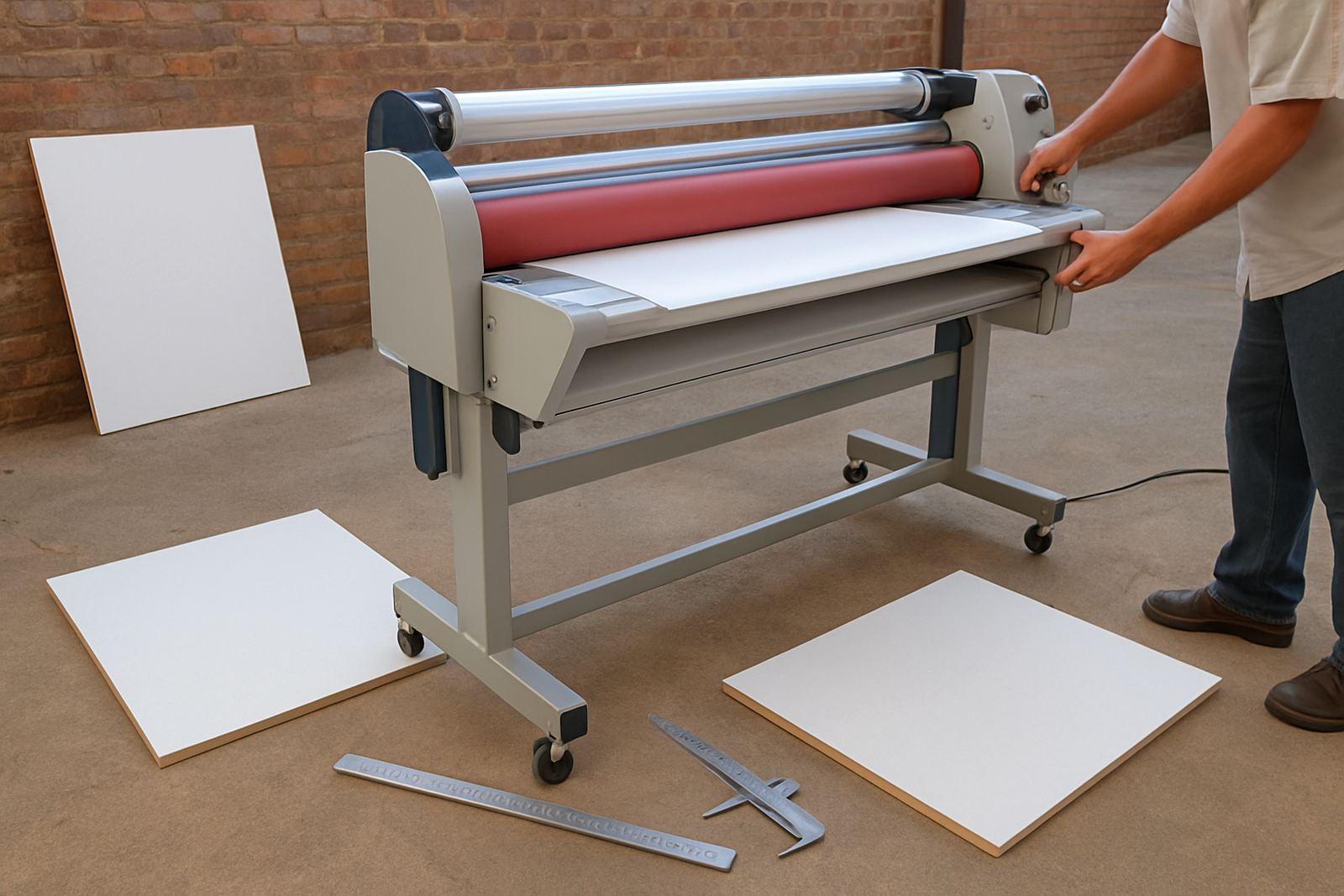
In practical terms, the machine suits print rooms that handle posters, foam board, PVC sheet, photographic paper and display graphics. If you are working with art prints, colour consistency matters as much as adhesion, and the wider bed helps avoid join lines on bigger pieces. A good setup also gives the operator enough space to align the leading edge properly, which is where many jobs go wrong if the table area is too small.
Best uses across print, art and display work
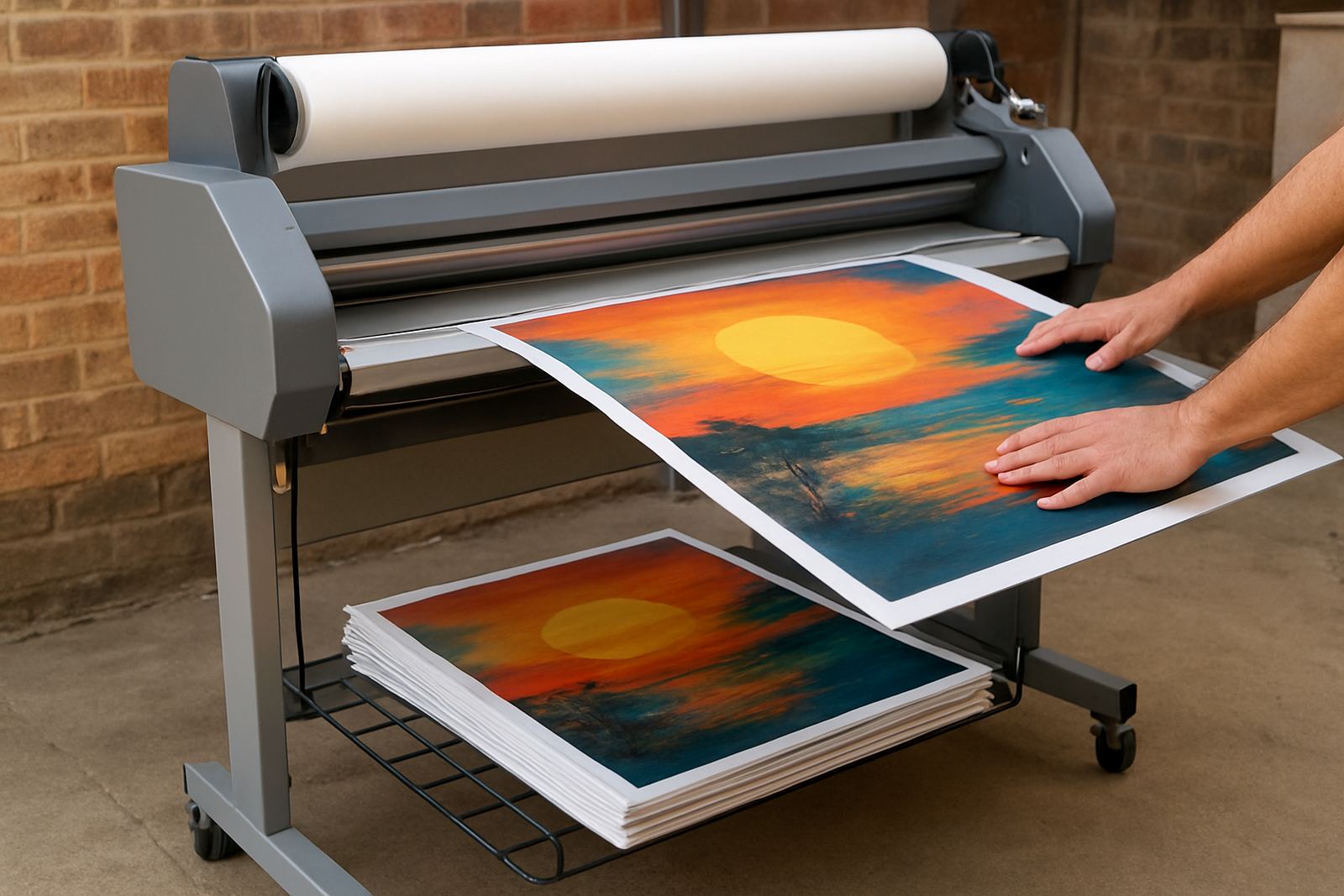
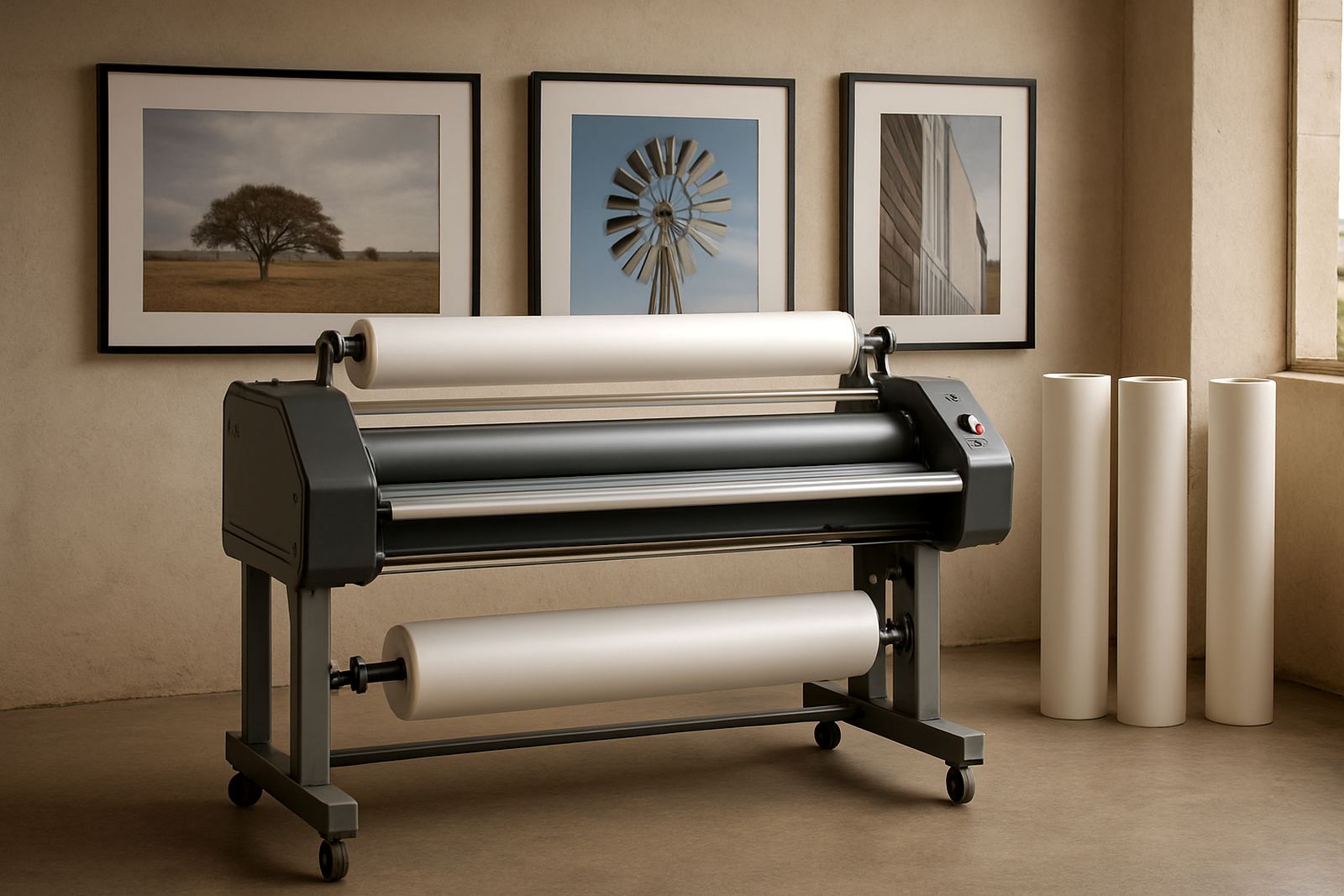
Photo Finish 1600 is a strong fit for print shops, graphic designers, photographers and artists who want a cleaner final presentation. It is often used on gallery reproductions, exhibition signage, framed displays, menu boards, museum-style panels and point-of-sale graphics. For work going into malls, event venues or reception areas, the film adds handling protection and helps the print look finished when installed.
The machine also works well for teams doing client presentations and portfolio pieces. If you produce work for corporate offices in Sandton or Midrand, the difference between a plain print and a properly laminated finish is noticeable. The surface resists scuffing from transport, fingerprints and regular handling, which matters when materials move between office, installer and customer several times.
- Gallery reproductions and photo enlargements
- Retail and indoor promotional graphics
- Mounted panels and display boards
- Artwork protection for transport and hanging
- Corporate presentation pieces and wayfinding panels
For shops near the coast, laminating can also help reduce the effects of moisture on the finished piece, especially when prints are stored before installation. It wont stop poor substrate choice, but it does give better day-to-day protection than an unprotected print.
Installation, power and on-site readiness
A laminator install needs to be planned around room size, power supply and clear operator movement. The machine needs a level position, enough run-up space at the front and clear room at the rear for taking up finished work. For a 1600 mm unit, the team should allow space for loading rolls, trimming film and feeding larger sheets without bending corners. A tight room can slow production and increase waste.
Power requirements depend on the exact configuration, especially if the machine includes heated rollers. In many South African workshops the key issue is not only supply, but load-shedding planning. If you rely on heat-assisted production, a backup power plan or scheduling around outages is worth sorting before install day. For cold lamination only, the electrical load is simpler, but you still need stable supply for motors and control systems.
- Level floor with enough operator clearance
- Dedicated power point and checked earthing
- Access for film loading and safe trimming
- Space for incoming and finished sheets
- Backup plan for outages if heat is used
For sites in Pretoria, the East Rand or further afield, installation can be arranged on site, with basic commissioning, alignment and operator handover included where required. If the machine is going into a busy production room, the installer should also confirm the traffic flow around cutters, tables and storage racks so sheets do not get damaged on the way through.
Care, servicing and daily handling
Like any roll laminator, the Photo Finish 1600 needs routine cleaning and checks to stay accurate. Roller cleaning removes adhesive build-up and paper dust, while pressure calibration helps keep the nip even across the width. Heat system checks, where fitted, reduce the risk of uneven bonding or film distortion. If a roller starts marking work, or the film begins to drift, it is usually a sign that the machine needs attention rather than a full overhaul.
Daily care is straightforward. Keep the machine free of offcuts, store films in a dry area and make sure operators do not force curled material into the feed. In humid months, especially near Durban or on the coast, film and prints should acclimatise before use. That small habit saves a lot of rework. Also check the drive system now and then, because a slipping feed can throw off registration on large pieces.
- Routine servicing for production machines
- Roller cleaning and pressure calibration
- Electrical fault finding and drive repairs
- On-site breakdown support where needed
- Operator refresher training for new staff
Regular service intervals are a good idea if the machine runs most days. A quick inspection can pick up worn parts before they cause stoppages, and that matters when jobs are due for collection the same afternoon.
What to confirm before you order
Before placing an order, check the widest size you actually need, not only the biggest job you had last month. Measure your common print formats, board sizes and finishing margins. If you work with gallery pieces, confirm whether you need cold lamination only or a hot and cold setup. It is also worth checking whether you need single-side finishing, double-sided control or a machine that can handle thicker media without buckling.
You should also confirm operator skill level, maintenance access and installation conditions. A machine with the right width but the wrong setup can still slow a production room. Ask what spare parts are recommended for the first year, and whether your team needs a refresher session on pressure settings, film loading and safe trimming. Small errors there can waste film and spoil the print, so better to sort it early.
- Maximum print width and substrate thickness
- Cold only or hot and cold requirement
- Available floor space and power supply
- Need for onsite installation and training
- Expected daily volume and service access
If you are comparing machines for a print shop in Kya Sand or a studio servicing clients nationwide, the Photo Finish 1600 gives you a sensible balance of width, control and finish quality. For a proper match, it helps to know the jobs you run most often, not just the one-off pieces.
Key facts
| Model | Photo Finish 1600 |
|---|---|
| Working width | 1600 mm |
| Operation | Cold roll and hot roll options |
| Speed control | Variable speed settings |
| Pressure adjustment | Manual nip pressure calibration |
| Typical uses | Gallery prints, display graphics, mounted boards and presentation pieces |