
One machine for hot and cold finishing
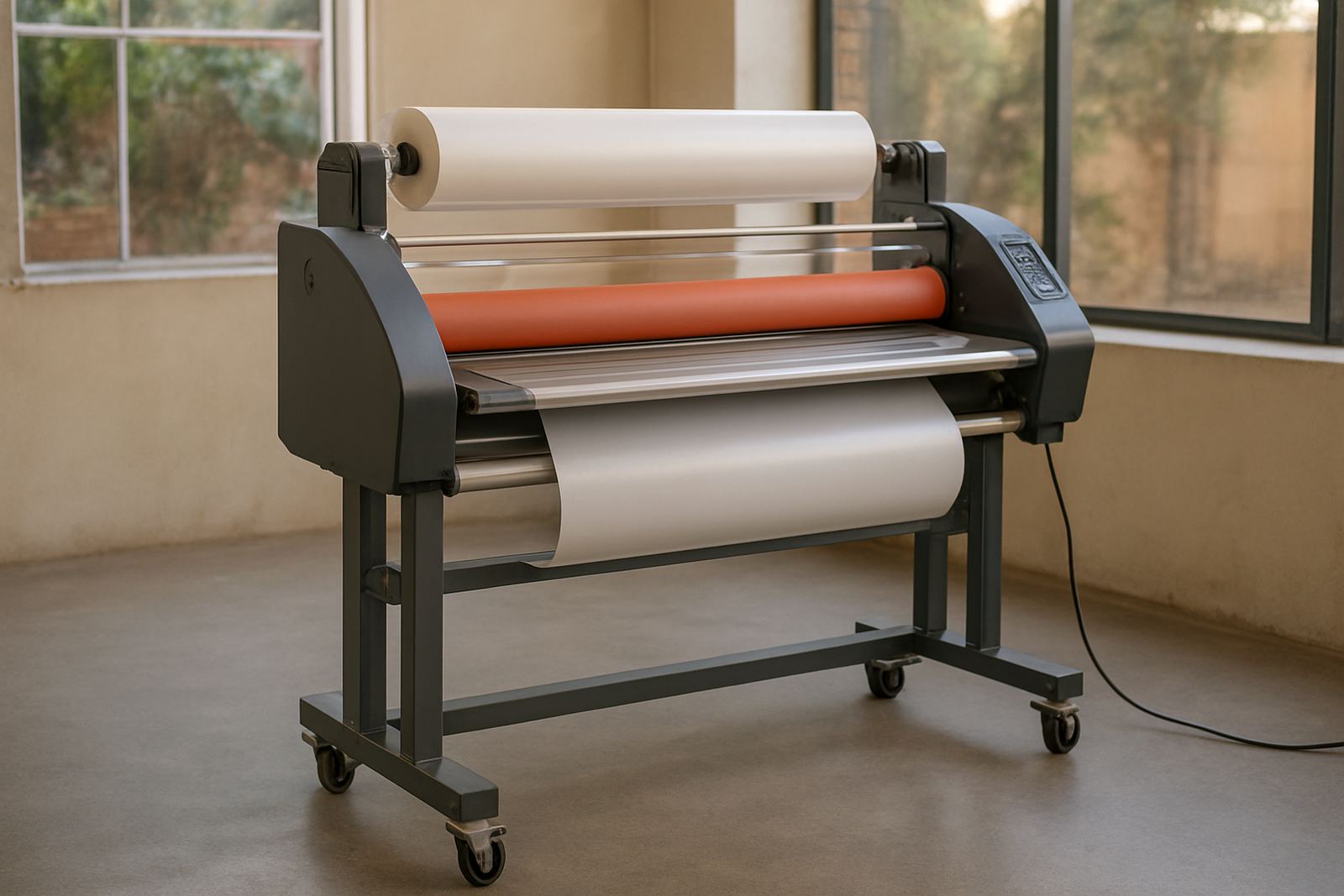
The Hot Cold 1600 is built for businesses that need more than basic cold lamination. It handles pressure sensitive films for everyday print protection, and it also handles heat assisted work when a stronger bond or a flatter finish is needed. That makes it practical for print shops, sign makers, graphic studios and artists who move between short run jobs and larger production pieces.
The 1600 mm working width suits common wide-format jobs without forcing you to split panels in the middle. It is a sensible size for stores in Johannesburg, Pretoria, Randburg and Sandton, and it also works well for clients in coastal towns where humidity can affect media and adhesive performance. If your work includes posters, mounted prints, canvas protection, menus, retail graphics or presentation boards, this machine covers most of the day to day finishing jobs without needing two separate units.
Where the 1600 mm width helps most
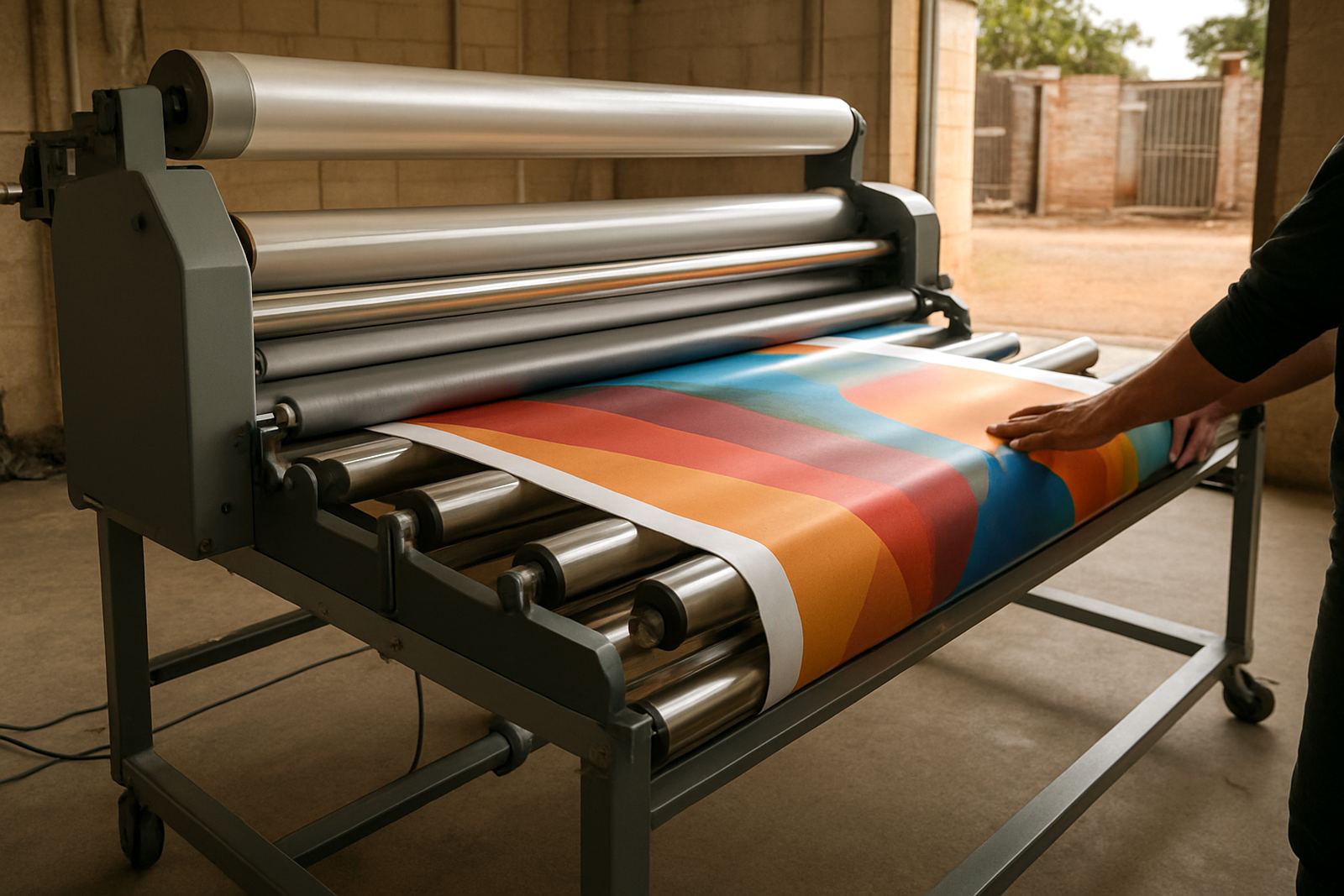
Width matters once you start handling bigger graphics. A 1600 mm laminator gives you enough room for wider print rolls, paired sets of smaller prints and jobs that need margin allowance for trimming. It is also useful where the final piece needs to be handled in one pass instead of joined after lamination.
- Print shops doing posters, indoor signage and exhibition graphics
- Design studios finishing presentation boards and sample panels
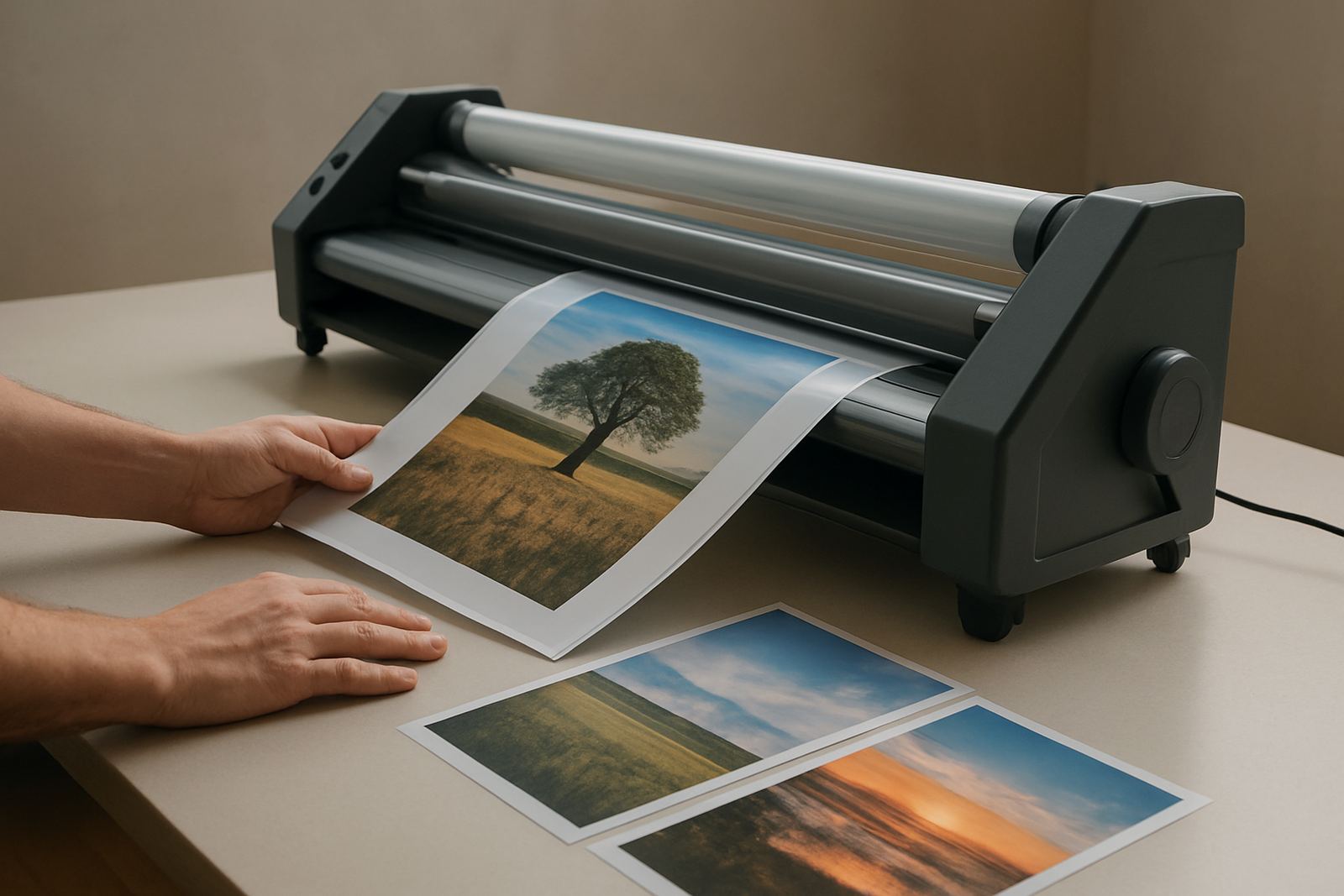
- Artists protecting prints, photographs and mixed media pieces
- Signage teams wrapping, mounting or over laminating display work
- Busy production rooms needing a machine that can do regular daily output
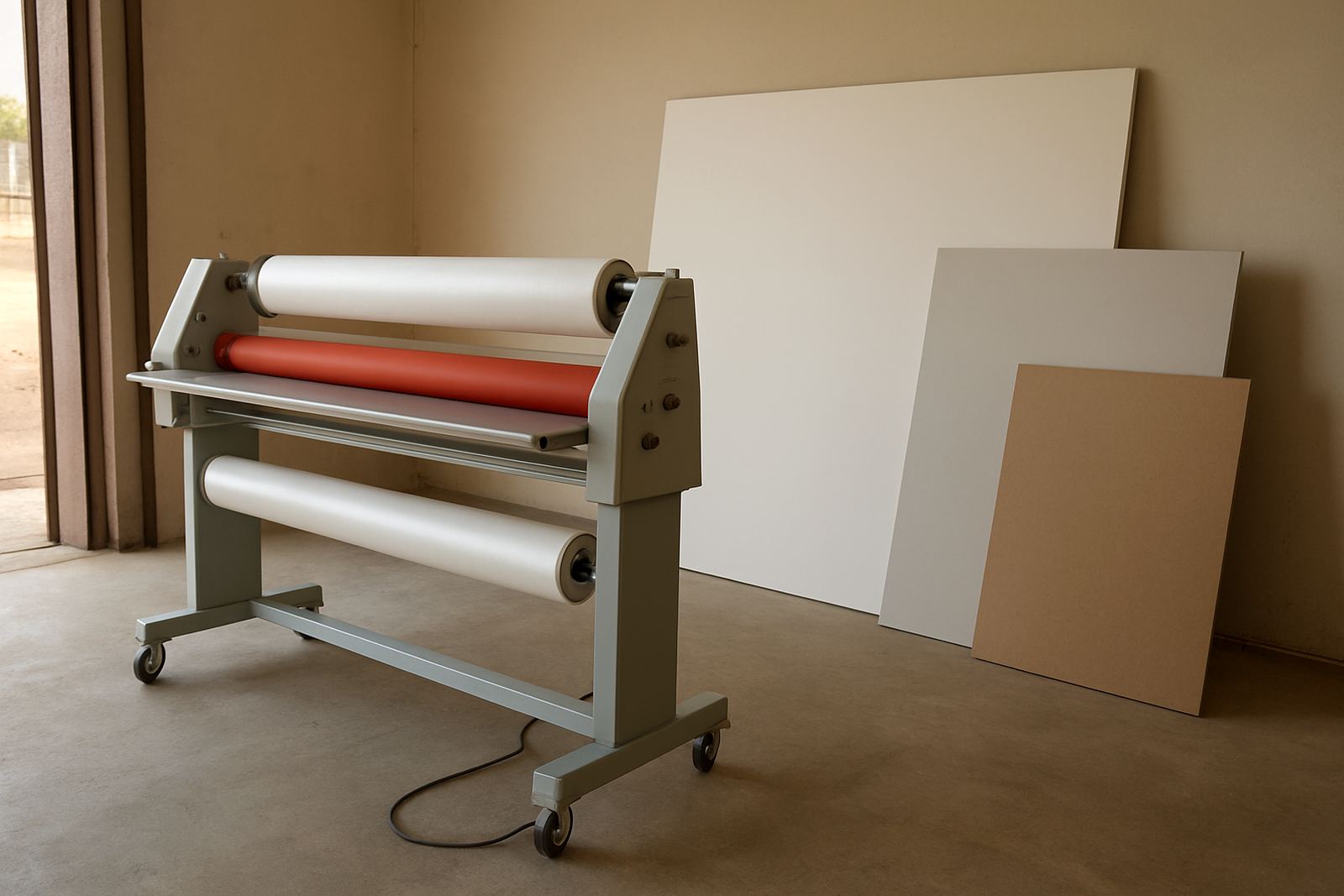
For many customers, the real value is not only the width but the control it gives over finish. You can run cold film for sensitive print and heat assisted film for tougher substrates, so one unit handles a wider spread of work. If you are in a smaller shop space, it still fits a realistic production layout without taking over the whole room.
Practical specifications and operating features
The Hot Cold 1600 is set up for steady roll feeding and controlled pressure over wide-format media. It is suited to South African workshops that need dependable day shift use, with proper setup before the first roll and routine checks after heavy output. Exact configuration can vary, so the final order should always be matched to the films, board thickness and daily volume you expect to run.
- Working width: 1600 mm
- Lamination types: hot and cold roll finishing
- Use: wide-format prints, graphics, artwork and display panels
- Controls: adjustable pressure and temperature settings
- Feed system: roll based with controlled take-up and alignment guidance
- Output profile: suited to regular production work and mixed media finishing
The machine suits operators who need clear control over heat and pressure rather than a simple one setting approach. That matters when you switch between gloss film, matt film and pressure sensitive material, or when you are working with lighter media that can warp if the settings are too high.
Installation, power and site readiness
Installation should be planned around the machine footprint, operator access and the power supply available at the premises. In Kya Sand and other industrial areas around Johannesburg, we often check the route in, the worktable position and whether the room has enough clear space for loading rolls safely. On larger jobs, a site inspection before delivery saves time and avoids fitment problems on the day.
For the electrical side, the machine should be connected to a stable supply that matches the final specification supplied with the unit. If your workshop is affected by load-shedding, plan for safe shutdowns and restart procedures, and make sure the circuit protection is correct. Some sites also need improved ventilation and dust control, especially where the machine sits near cutting tables or finishing presses. There is no gas requirement for standard use, but the hot side does depend on proper electrical heating and clean power.
- Check doorway width, floor space and roller access before delivery
- Confirm the electrical supply and protection for the machine rating
- Keep the unit on a level floor with enough working room at both ends
- Allow space for film rolls, trim bins and finished stock handling
Care, servicing and daily operator habits
A laminator lasts longer when the rollers stay clean and the machine is warmed up and cooled down properly. Adhesive build-up, dust and uneven pressure are the main reasons for finish problems. If you are running the machine every day, a simple cleaning routine after work will help more than waiting for faults to appear. It is also worth training operators to watch film tracking, edge alignment and tension before a long run starts.
Our servicing support includes roller cleaning, pressure calibration, heat system checks, drive system repairs, electrical fault finding and spare parts support. We also assist with on-site breakdowns and operator refresher training. For busy shops in Sandton, Midrand and the East Rand, planned servicing is usually better than emergency call outs because it keeps production moving and helps avoid late deliveries to clients.
In coastal humidity, films can behave a little differently, so storage conditions matter as much as the machine itself. Keep rolls sealed where possible and store them flat and dry. A small mistake like dust on the lead edge or a loose tension setting can waste a good print fast.
What to confirm before you order
Before placing an order, it helps to match the laminator to the type of work you actually do. A lot of problems come from buying a machine by width alone and not looking at film type, daily output or the thickness of boards and prints you plan to run. If you are unsure, a pre-purchase inspection or a short technical discussion usually clears that up quickly.
- Maximum working width needed for your largest regular job
- Hot, cold or mixed use and how often each mode will be used
- Available power supply and any backup arrangements for outages
- Space for installation, feed area and finished stock handling
- Film types, core sizes and the media thickness you want to run
- Training needs for new operators and shift staff
We supply from Kya Sand, Johannesburg and install nationwide, with support across Randburg, Sandton, Midrand, Pretoria and the East Rand. If you need a laminator for a print shop, studio or finishing room that handles wider work, the Hot Cold 1600 gives you a practical balance of size, control and service support.
Key facts
| Model | Hot Cold 1600 |
|---|---|
| Working width | 1600 mm |
| Function | Hot and cold roll lamination |
| Typical use | Wide-format prints, artwork, signage and display boards |
| Installation | Nationwide with site readiness check |
| Support | Servicing, repairs, training and spare parts support |