What the Mount Board 1700 does on busy print floors
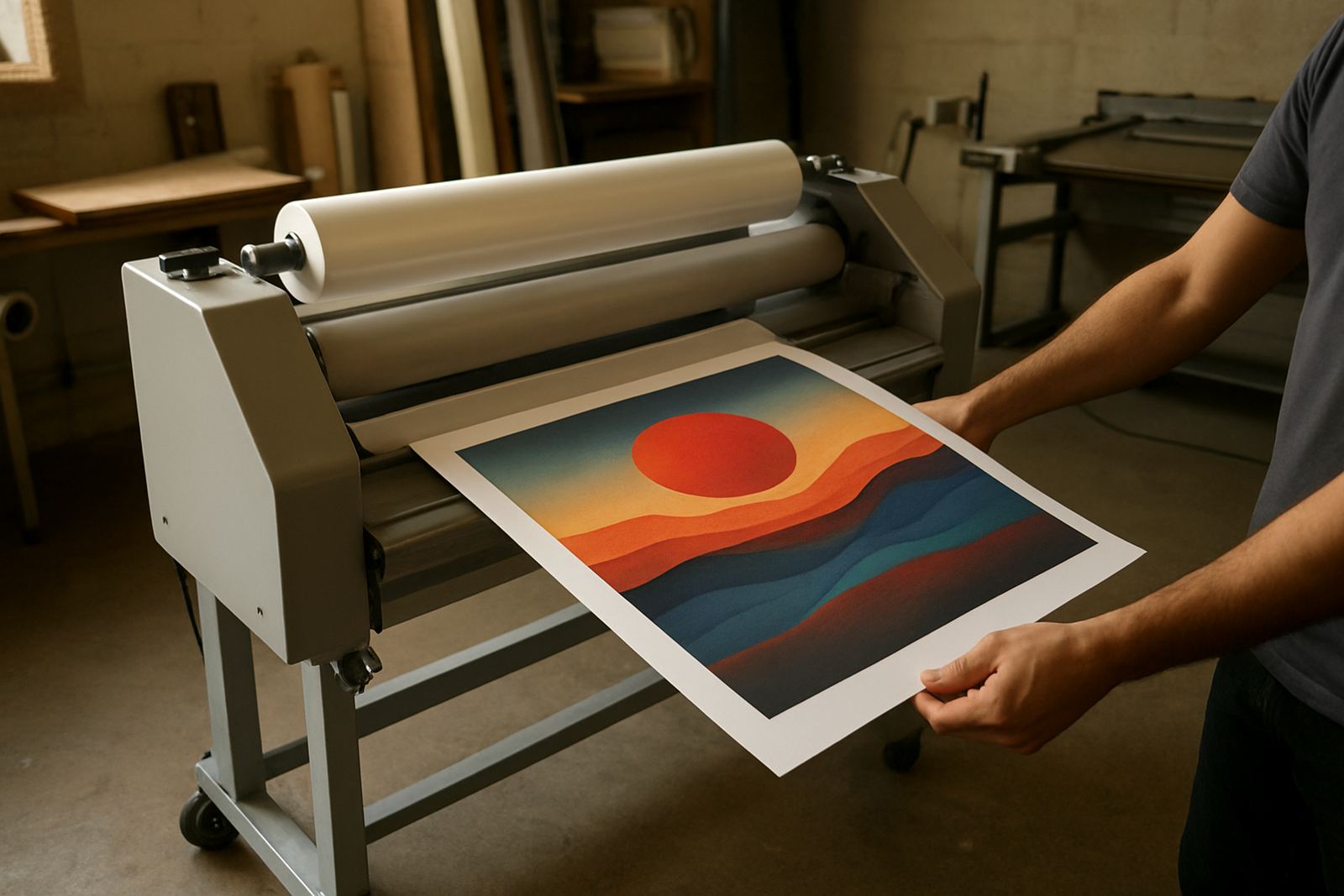
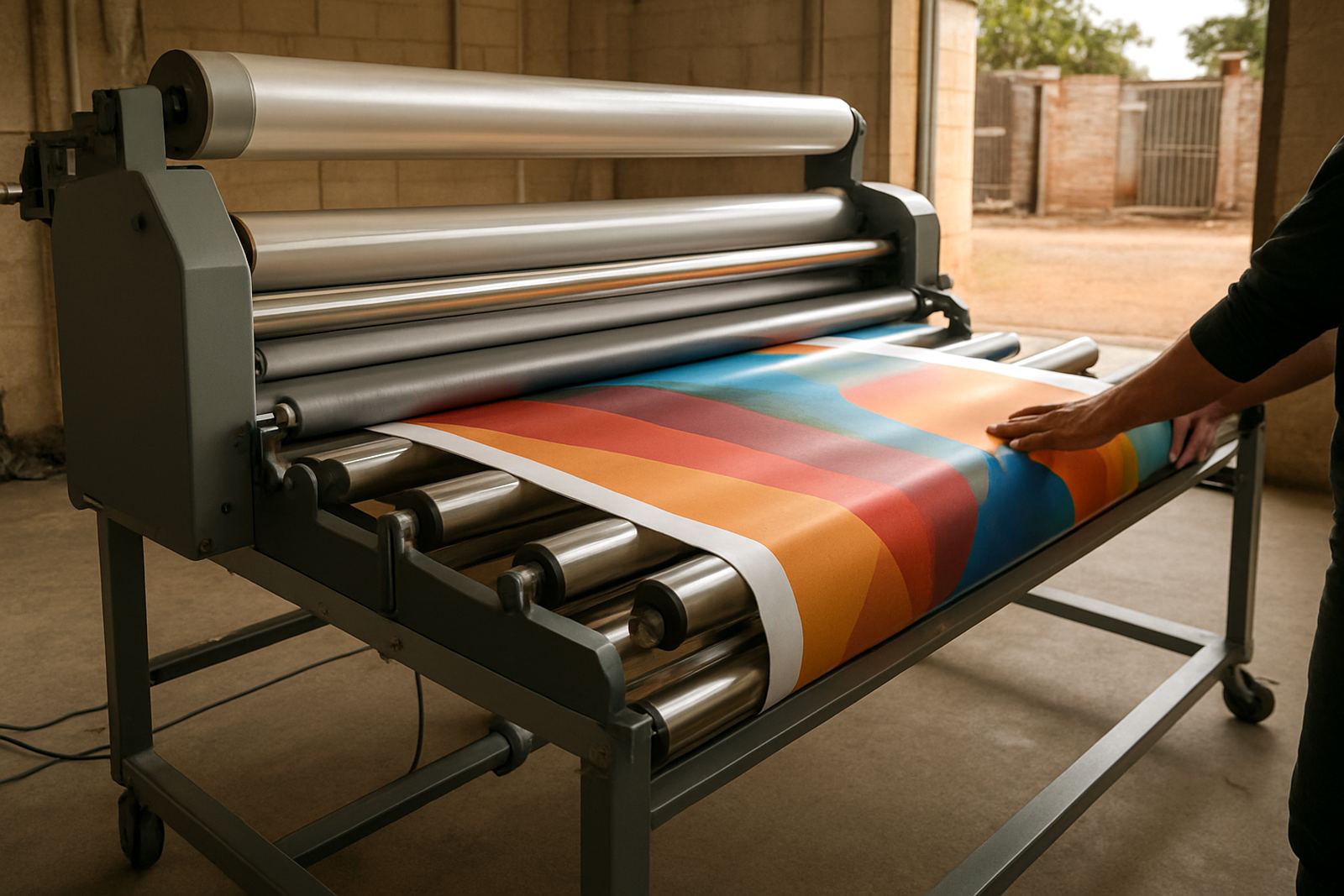
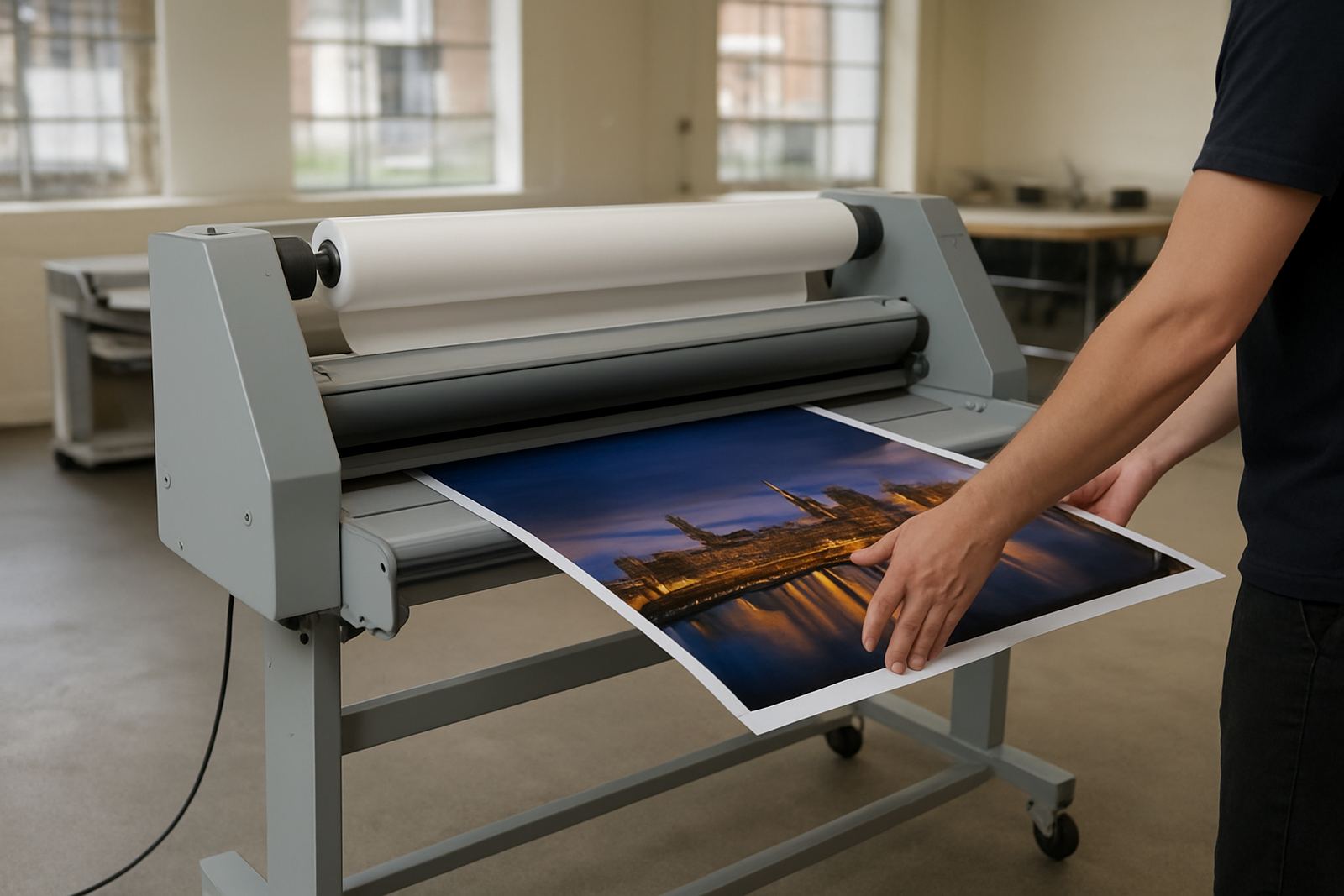
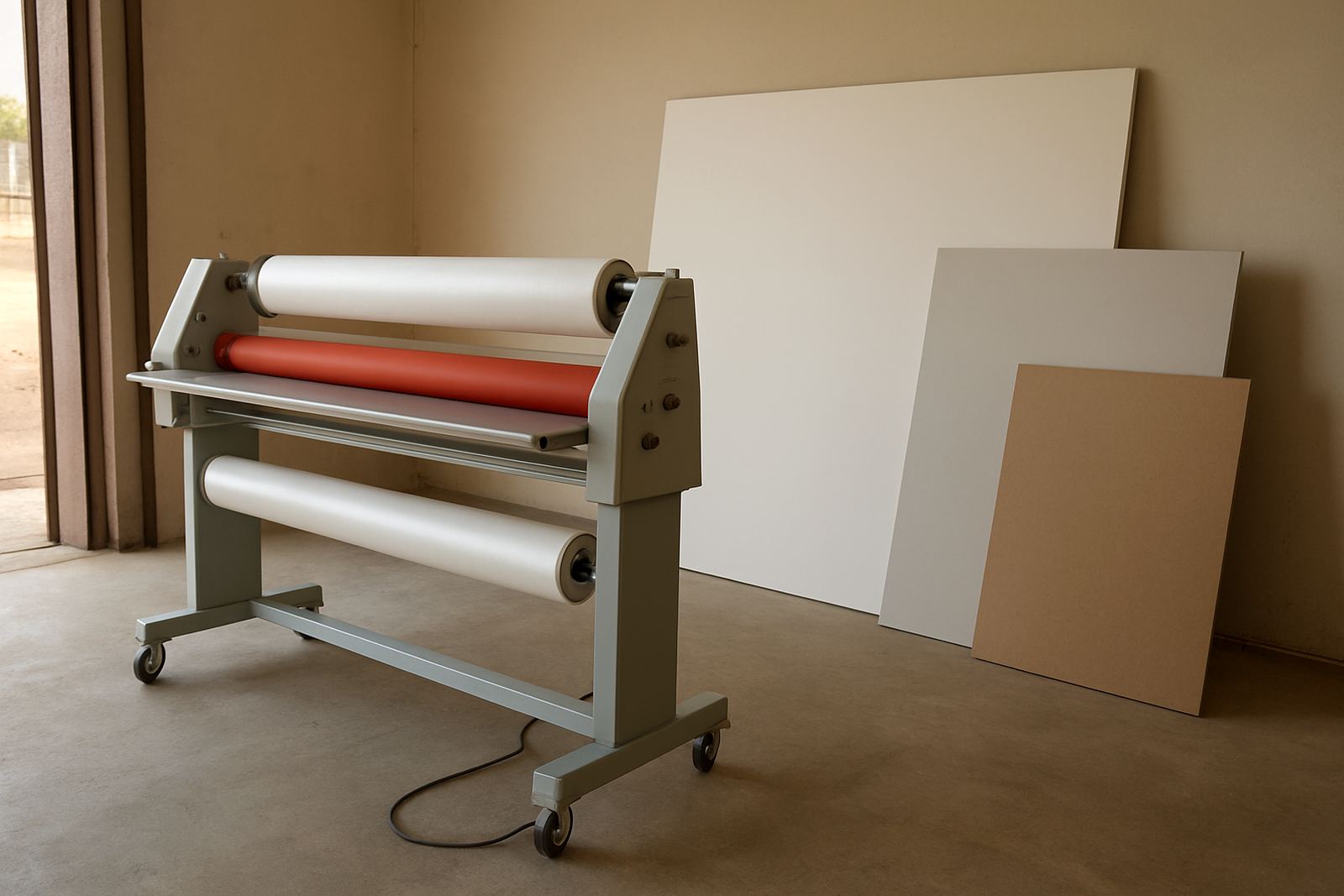
The Mount Board 1700 is a wide-format cold and hot roll laminating solution used for mounting, protecting and finishing printed boards up to 1700 mm wide. It suits shops that produce presentation boards, retail point-of-sale panels, exhibition graphics and framed artwork where a flat, tidy surface matters. The extra width helps when a job is too big for standard A1 or A0 equipment, and it reduces the need to join panels after the fact.
For businesses in Johannesburg, Pretoria, Sandton and the East Rand, this kind of machine is useful when turnaround times are tight and you need consistent results from one board to the next. It can handle short runs or repeat work, and the feed path is set up for controlled pressure so your material stays aligned. If you work with foam board, display board or similar rigid substrates, the machine needs to be set correctly for thickness and roller pressure.
Sizes, width and finish options to ask for
The main figure to check is the working width. On this model range, the focus is 1700 mm capacity, which gives enough space for large mounted prints and wider event pieces. Depending on the job, you may need cold mounting for heat sensitive prints or hot lamination where a heated system helps with bonding and finish. Some users want a gloss result for bright retail graphics, while others prefer matte to cut glare under office or shop lighting.
- Working width: 1700 mm
- Suitable for mounted prints, boards and wide graphics
- Cold and hot roll options depending on application
- Adjustable pressure for different board thicknesses
- Feed and take-up control for cleaner alignment
When you are comparing options, ask how thick the board can be, what roller diameter is fitted and whether the machine is better suited to pressure mounting or film lamination. Those details matter when you are running mixed work and dont want to re-run a board because the finish was too heavy or the pressure uneven.
Where this laminator works best in South Africa
This product suits print shops, sign makers, graphic studios, photographers and artists who produce larger display pieces. It is also a practical fit for event companies making branded boards, exhibition panels and directional signage for indoor use. In coastal areas like Durban or Gqeberha, operators should store media in a dry room because humidity can curl board edges and affect adhesion. In dry inland conditions like Pretoria or Midrand, static and dust can be the bigger issue, so regular cleaning helps.
If your work includes municipal displays, school boards, retail promotion or gallery mounting, a wider machine saves time and keeps the finish more even. It is useful where presentation matters but the job still has to move through the shop quickly. For smaller teams, one capable operator can usually handle the set-up, but training is still worth it when different board stocks come through the door.
- Print shops handling daily board finishing
- Graphic studios with artwork mounting work
- Retail and POS suppliers
- Exhibition and event graphics teams
- Artists and photographers producing larger presentation pieces
Installation, power supply and site checks
Before installation, check the floor space, doorway width and the route from receiving area to final position. A 1700 mm machine needs proper clearance for loading rolls and for operator access on both sides. It should stand on a level surface and have enough room for safe board handling, especially when larger sheets are being fed through. If the site has lift access or tight stairwells, measure carefully before delivery.
Power requirements depend on the model and whether heating is included, so confirm the supply before ordering. Heated units usually need a stable electrical feed and should be placed where ventilation is adequate. No gas supply is normally required for this kind of equipment. In Johannesburg and surrounding industrial areas, load-shedding planning matters too, because incomplete heat-up or abrupt shutdowns can affect set-up and output consistency.
- Measure access routes before delivery
- Allow space for front and rear board handling
- Check power supply for heated models
- No gas connection usually needed
- Plan around load-shedding if the unit uses heat
Care, roller cleaning and servicing that keep output even
Roller surfaces must stay clean if you want even pressure and a clear finish. Dust, adhesive residue and board fibres can build up over time, especially when the machine is used every day. Routine servicing should include roller cleaning, pressure calibration, heat system checks on heated models, and drive system inspections so feed speed stays steady. If a unit starts tracking off centre or marks begin to show, it is usually a sign that the rollers need attention.
Our team supports customers in Kya Sand, Randburg, Sandton, Midrand, Pretoria and the East Rand, with installs and on-site breakdown response nationwide. Spare parts support and operator refresher training are useful when staff change or when a machine has not been used for a while. A short service visit can prevent bigger faults later, and it is cheaper than stopping a run mid job because a roller picked up debris.
- Routine Servicing
- Roller Cleaning
- Pressure Calibration
- Heat System Checks
- Drive System Repairs
- Electrical Fault Finding
- On-Site Breakdowns
Checks to make before ordering laminate film
Before ordering, confirm the widest job you need to process, the board thickness range and whether your main work is cold mounting or heat assisted laminating. It is also worth checking the daily volume, because a machine that is fine for occasional artwork may not be ideal for retail production running all week. Ask for the roller configuration, speed range and the type of control system so you know what your operators will be working with.
If you are buying for a new department or replacing older equipment, a pre-purchase inspection can help you compare build condition, alignment and service history. Ask about training on start-up, the spare parts that should be kept on site, and how long a typical service call takes. The right match is the one that handles your most common jobs cleanly, not just the largest sheet on paper.
- Maximum board width and thickness
- Cold or hot working method
- Daily volume and shift pattern
- Power availability at the site
- Training and support after install
Key facts
| Product name | Mount Board 1700 |
|---|---|
| Working width | 1700 mm |
| Application | Mounting, laminating and finishing wide boards and graphics |
| Finish options | Cold mount or hot lamination, depending on model |
| Typical users | Print shops, studios, artists, sign and event graphics teams |
| Support area | Kya Sand, Randburg, Sandton, Midrand, Pretoria, East Rand and nationwide installs |