
What Textured Film 1600 Does on the Floor
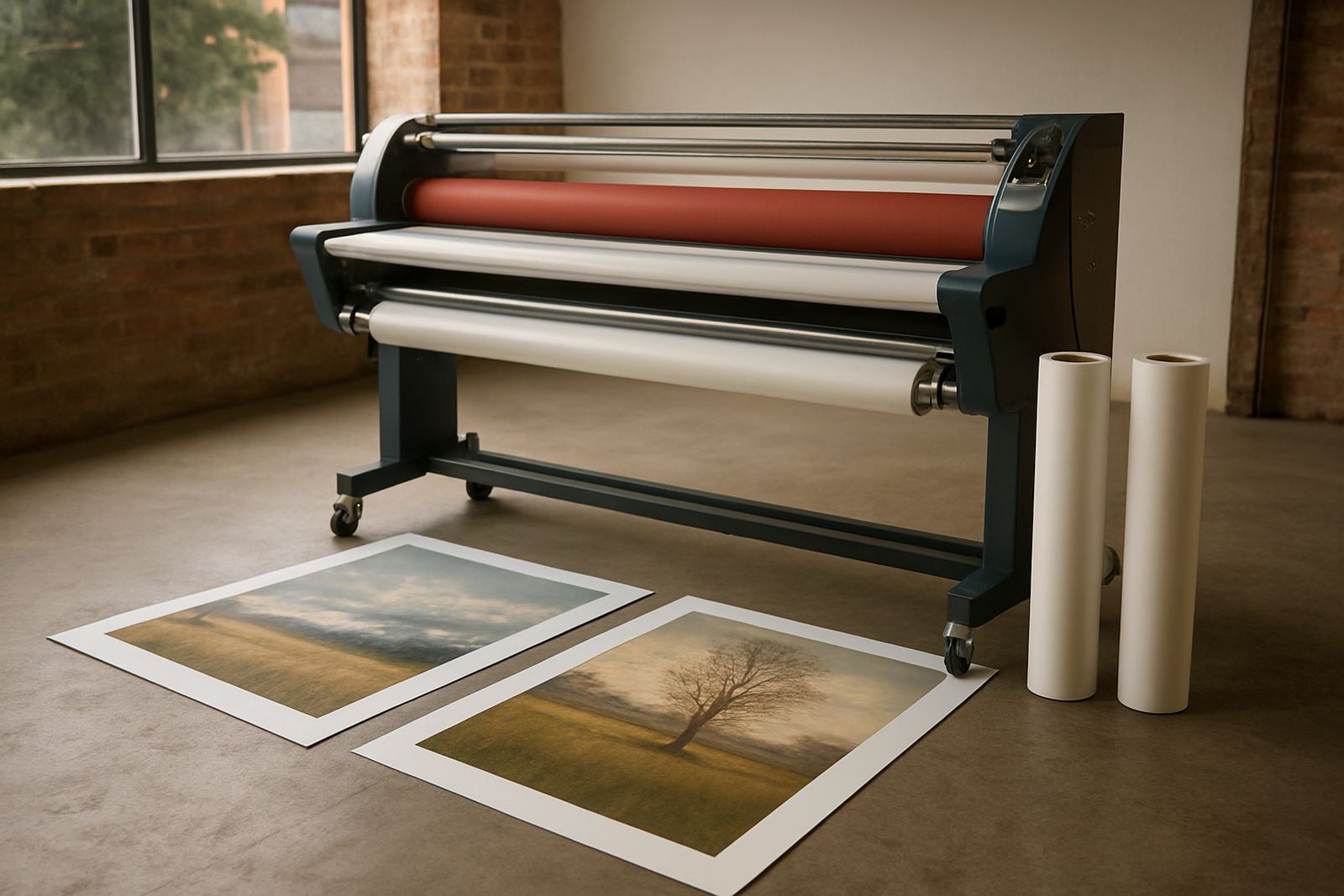
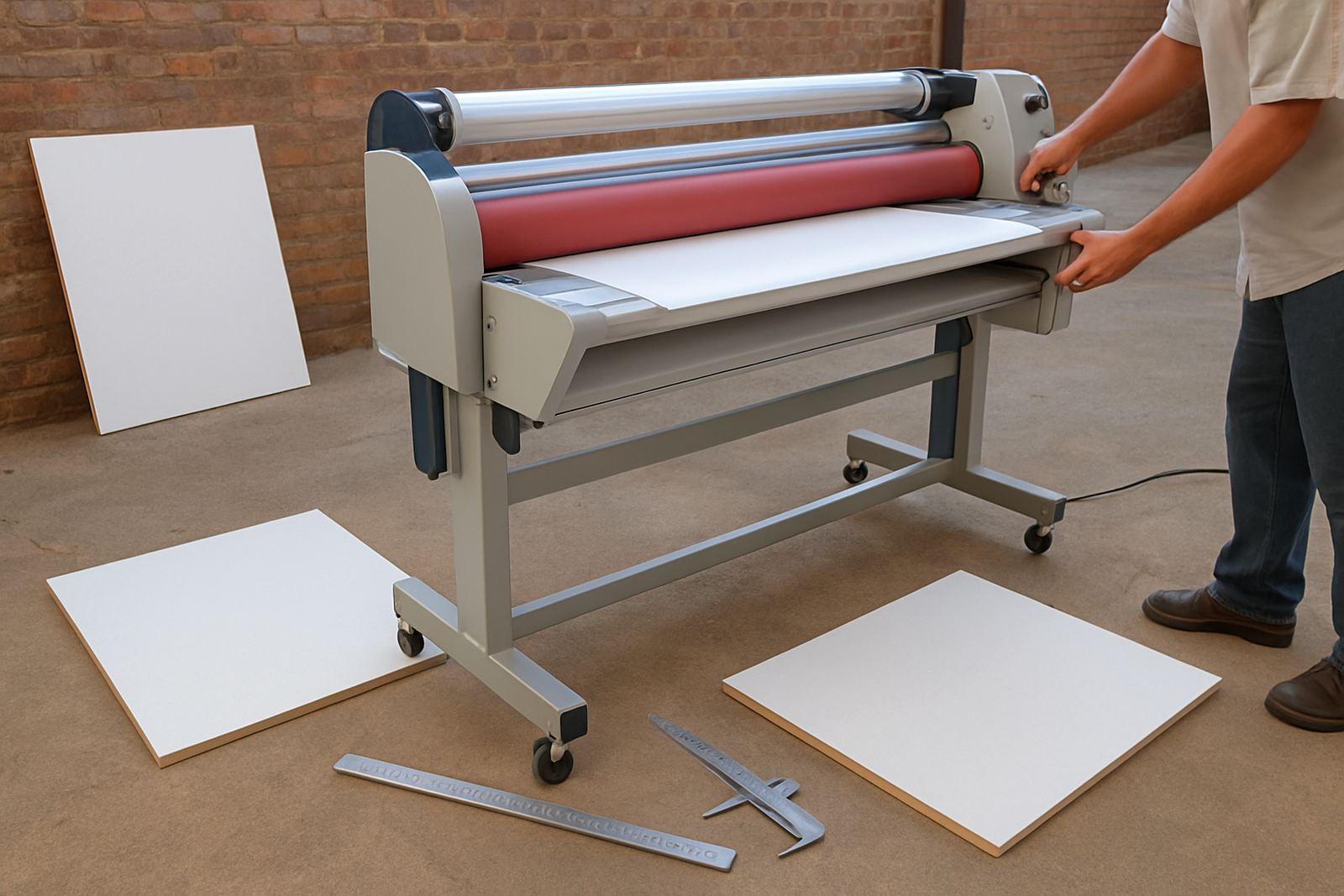
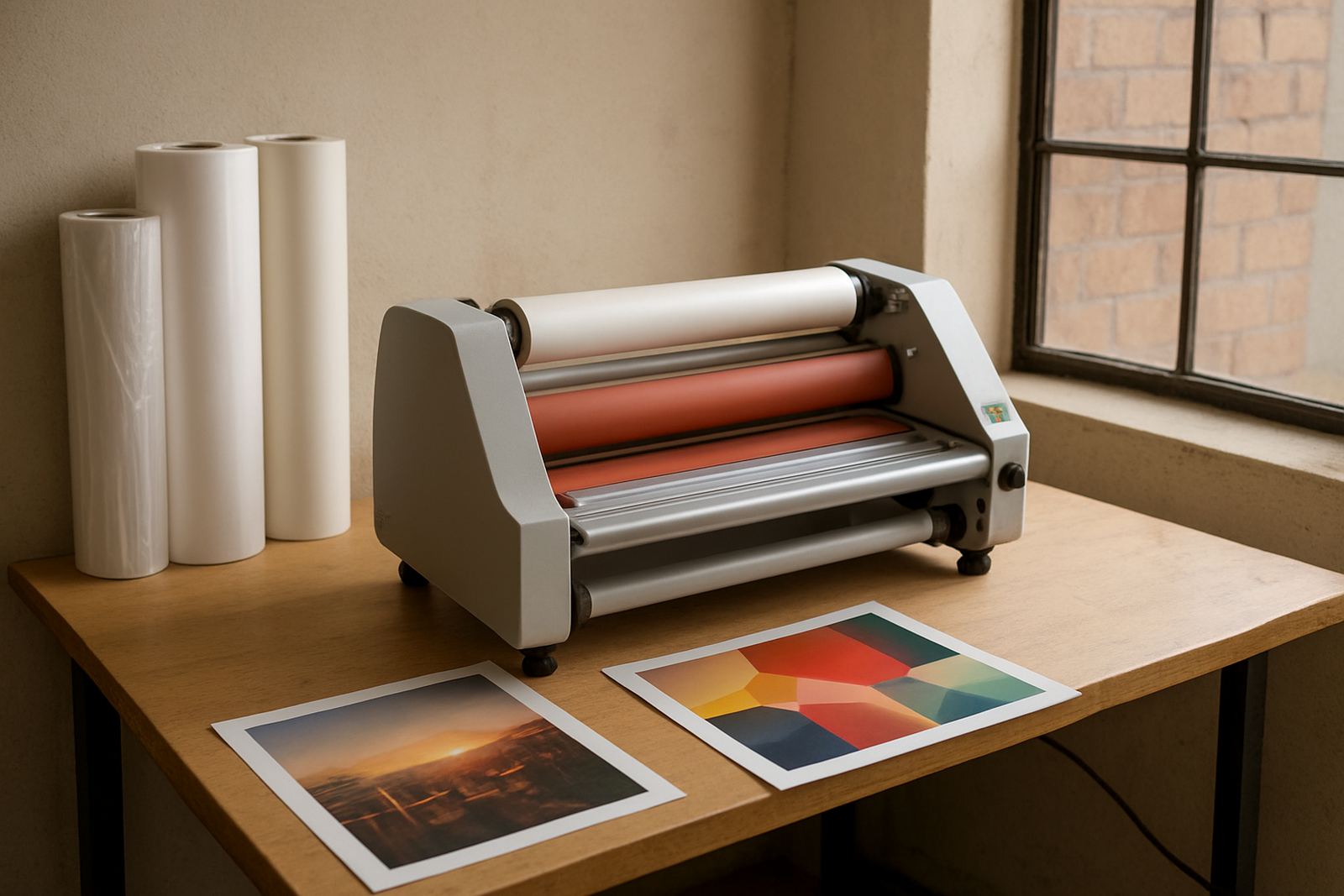
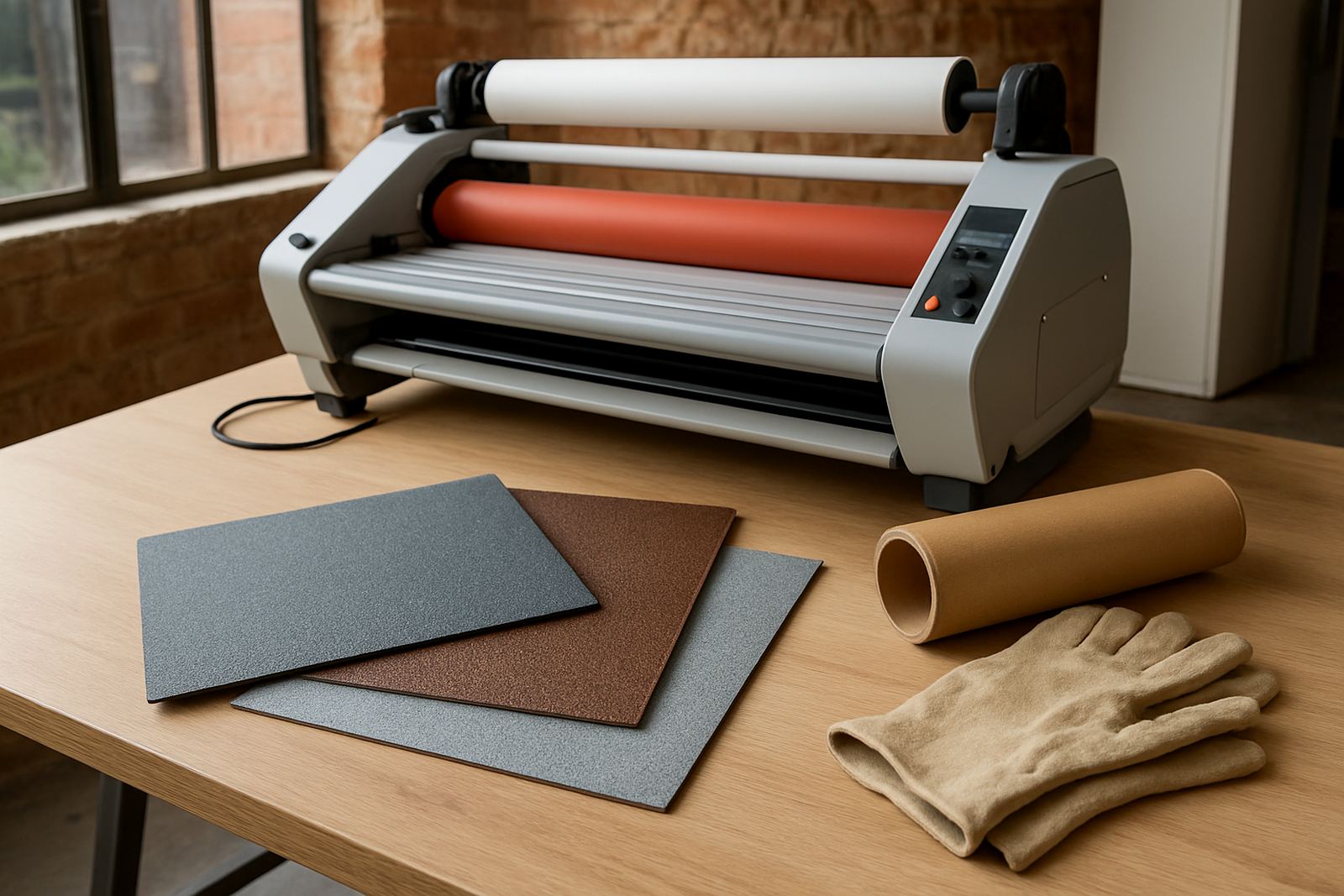
Textured Film 1600 is a wide-format finishing unit for applying specialty laminating films that change the feel and look of a print without covering the image detail. It is commonly used on posters, point of sale work, exhibition graphics, packaging samples, presentation boards and art prints where a smooth gloss is not the right finish. The film can add a fine texture, soft grip or a more decorative surface, depending on the stock chosen.
This model is suited to businesses that need repeatable output and a neat edge to edge finish. It handles the sort of work that comes through busy print rooms in Johannesburg, Pretoria, Sandton, Midrand and the East Rand, where clients often want a fast turnaround and a presentable result the same day.
The 1600 format gives you a working width up to 1600 mm, so it can manage most common wide-format sheets and rolls without constant trimming. For shops that do mixed work, it is a practical machine for both promotional pieces and finer artwork runs.
Sizes, Film Types and Output Options
The unit is set up for wide-format roll work, with the main choice being film width and core size to suit your current stock holding. If you already use standard roll lengths in your shop, the 1600 format makes it easier to keep the same workflow across different jobs. It can be supplied to suit hot or cold finishing requirements, depending on the film and the substrate being used.
- Working width: up to 1600 mm
- Suitable for textured, matte and specialty finishing films
- Roll-fed operation for repeated production
- Manual feed or assisted feed depending on setup
- Adjustable pressure for thinner and heavier media
- Compatible with mounted prints, board and flexible sheet stock
For shops handling both artwork and signage, the main benefit is consistency. A textured film on a customer proof should look the same on the final run, with even pressure across the width and no patchy adhesion. If you are working on premium menus, photo prints, display boards or interior graphics, that matters.
Where It Suits Best
This product suits print shops that do a lot of finishing for retail clients, corporates and creatives. It is also a good fit for framing suppliers, schools, exhibition builders and artists who want more control over the final feel of the work. In coastal areas, a proper textured laminate can help protect prints from humidity and handling, especially when pieces move between venues and storage areas.
It is often chosen for:
- Poster finishing for shops and events
- Artwork protection for galleries and studios
- Menu boards and presentation panels
- Short-run display graphics
- Sample boards for architects and interior suppliers
- Retail signage that needs a non-reflective surface
For businesses in Kya Sand and Randburg servicing clients accross Gauteng, the machine gives you a neat option for jobs that must look more refined than standard lamination. It is also practical where staff are handling multiple media types in the same shift.
Installation, Power and Site Needs
Textured Film 1600 is straightforward to place in a workshop, but it should still be positioned on a stable, level floor with enough room at the feed and exit sides. Allow space for roll changes, trimming and operator movement. In a busy production room, it should not be squeezed against a wall or near a delivery path where rolls may be damaged.
Power requirements depend on the configuration supplied, but the machine is normally connected to standard single or three-phase workshop power depending on the heating and drive setup. For clients in areas affected by load-shedding, it is wise to plan production around stable power windows or backup supply where needed. Electrical protection should be fitted cleanly, and any site wiring must meet local safety rules.
No gas connection is required. Where heat is used, the system relies on electrical heating elements and controlled temperature settings, so the main site concerns are power quality, earthing and ventilation. A dry, dust-controlled room will always help maintain better finish quality.
Care, Servicing and Day-to-Day Use
Like any roll finishing machine, Textured Film 1600 performs best when the rollers stay clean and the pressure settings are checked regularly. Film residue, dust and adhesive build-up can affect the finish and lead to uneven results on longer runs. A short cleaning routine at the end of the day is usually enough to keep the unit in good order.
Recommended support from our team includes routine servicing, roller cleaning, pressure calibration, heat system checks, drive system repairs, electrical fault finding, on-site breakdowns, spare parts support, operator refresher training and pre-purchase inspections. For busy shops, that support helps reduce downtime and keeps jobs moving without guesswork.
- Wipe rollers after adhesive heavy jobs
- Check pressure before changing film type
- Keep spare consumables on hand
- Let heated parts cool before cleaning
- Train new operators before they run client work
If the machine starts leaving marks, creasing the film or pulling unevenly, it is usually better to stop and inspect it early rather than push through the job. Small issues often show up first on textured finishes because the surface detail makes faults easier to see.
What to Confirm Before You Order
Before placing an order, check the width of the largest jobs you handle, the film types you plan to use, and whether your shop needs hot, cold or mixed finishing capability. It also helps to know whether your team prefers manual control or assisted feed, because that affects speed and operator comfort on longer runs. If you are finishing artwork or premium display work, the repeatability of pressure and heat settings matters more than raw speed.
Useful checks before ordering include:
- Largest usable width required
- Roll core size and film supply format
- Available workshop power supply
- Floor space around the machine
- Type of substrate and adhesive being used
- Whether staff need training on setup and changeover
If you are fitting out a new production room in Sandton, Midrand or Pretoria, or replacing older finishing equipment in East Rand, we can help assess the right setup before delivery. That avoids mismatched stock, wasted material and the stop-start work that costs time during a busy week.
Local Support for Johannesburg and Nationwide Installs
Laminator is based in Kya Sand, Johannesburg and supports clients across South Africa with installs, servicing and after-sales help. Our team works with print rooms in Kya Sand, Randburg, Sandton, Midrand, Pretoria and the East Rand, as well as businesses further afield that need practical setup advice and dependable follow-up.
We deal with people who need straight answers, proper commissioning and support after the machine is in place. Whether you are buying your first finishing unit or replacing a machine that no longer holds pressure correctly, the aim is the same: get the right fit for your work and keep it productive.
Key facts
| Product | Textured Film 1600 |
|---|---|
| Working width | Up to 1600 mm |
| Film compatibility | Textured, matte and specialty finishing films |
| Application type | Roll-fed wide-format finishing |
| Power | Electric workshop supply, configuration dependent |
| Support | Install, servicing and operator training available nationwide |