
A sensible wide-format machine for daily finishing
The Hot Cold 1650 is made for businesses that need one machine to handle common finishing jobs without fuss. It suits laminated posters, graphics, maps, menus, artwork and presentation pieces that must look sharp and hold up better in handling. In a busy shop, that means less time reworking bubbles, edge lift or crooked feeds.
It is a balanced option when you want more control than a small desktop unit can give, but do not need a large industrial line. For many Johannesburg and Pretoria print rooms, it becomes the everyday machine for film application, cold lamination and controlled heat-assisted work on suitable media.
What the Hot Cold 1650 handles best
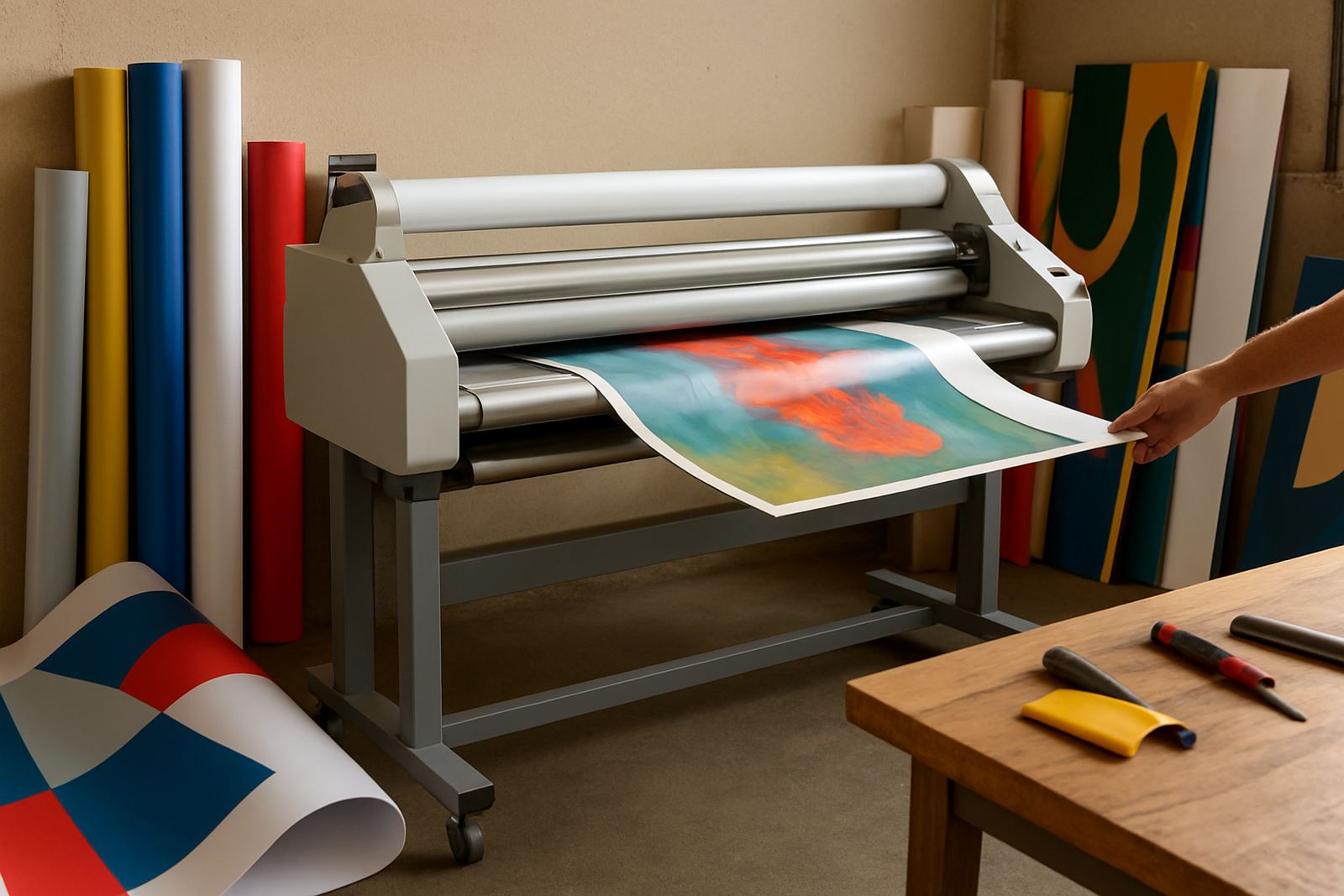
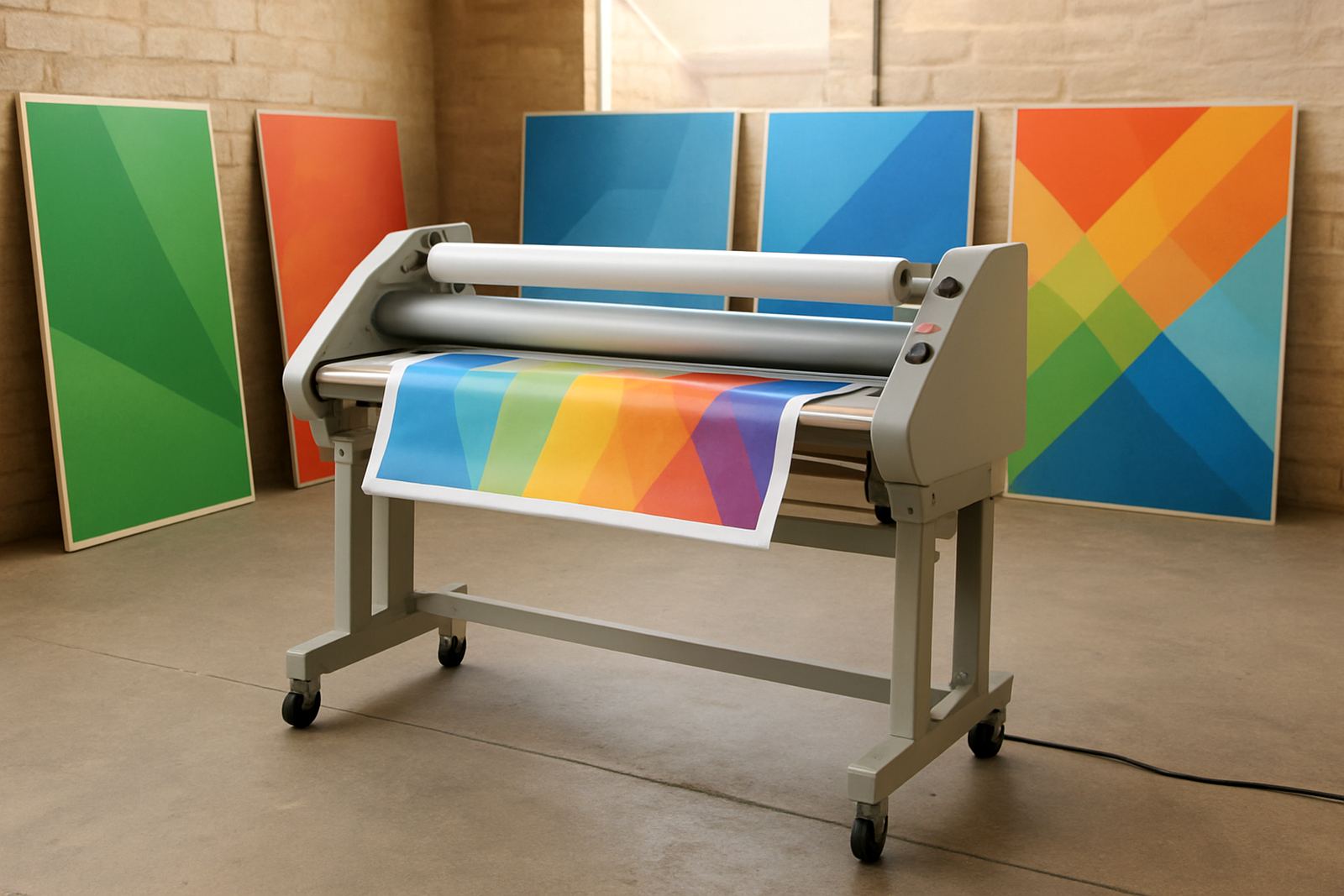
This model is aimed at print enhancement where a neat finish matters more than speed alone. It works well for photo prints, signage panels, mounted artwork, display boards and general protective film application. The 1650 working width gives enough room for standard wide-format jobs while still fitting into a practical production space.
- Cold lamination for heat-sensitive prints and graphics
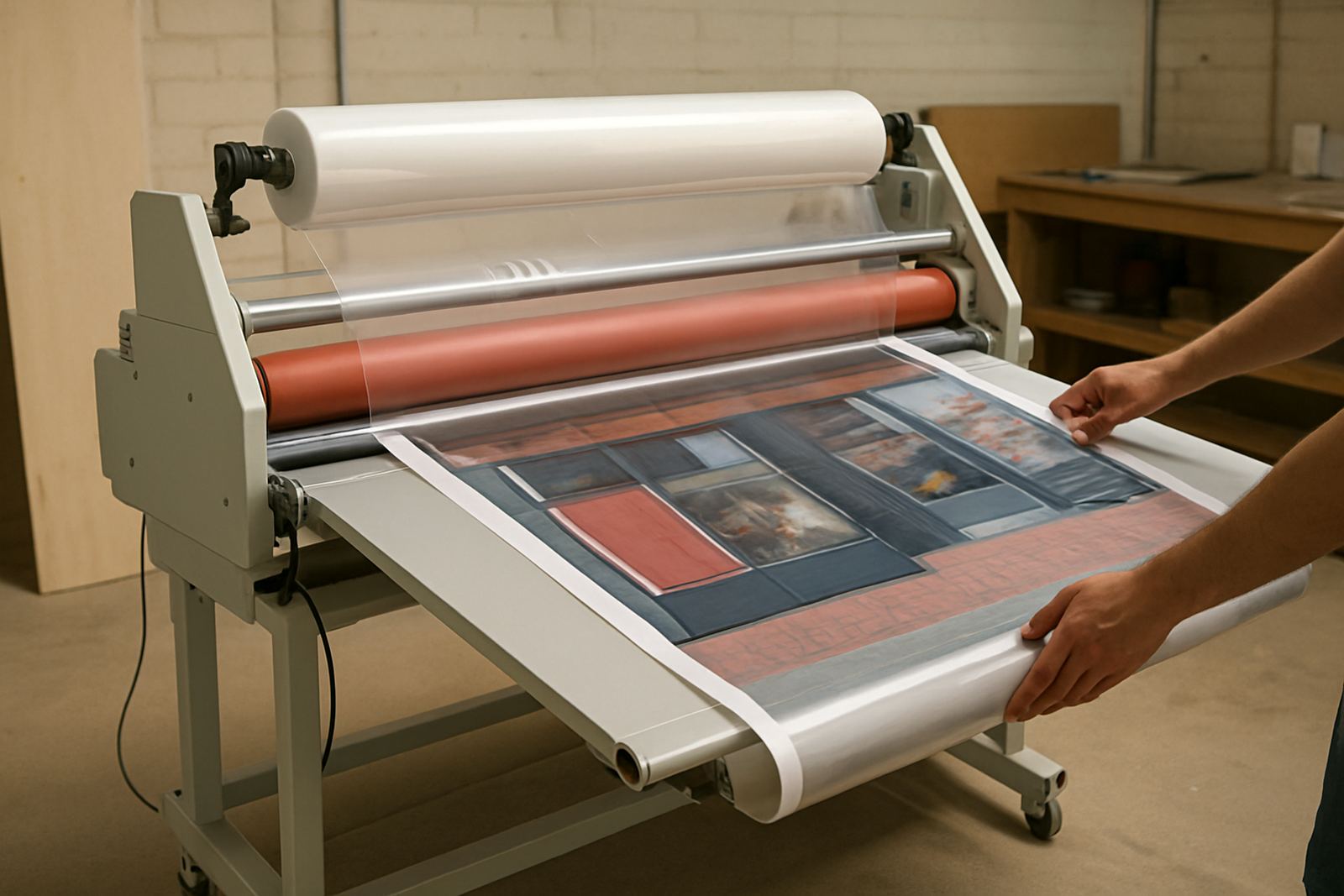
- Hot lamination where the film and media call for heat support
- Encapsulation and protective finishing on approved materials
- Film application for signage, displays and presentation work
- Day-to-day shop use in print studios and sign businesses
If your work includes posters for retail, school displays, estate agents, exhibitions or artwork protection, this machine is a solid fit. It also helps with coastal humidity in places like Durban or East London, where finished prints can suffer if they are left unprotected.
Sizes, working width and ordering choices
The key figure on this model is the 1650 mm working width, which is roughly 1.65 metres. That gives enough space for common wide-format output and allows sensible margin on the sides during feeding. For many users, that is the point where a laminator becomes useful every day instead of only for special jobs.
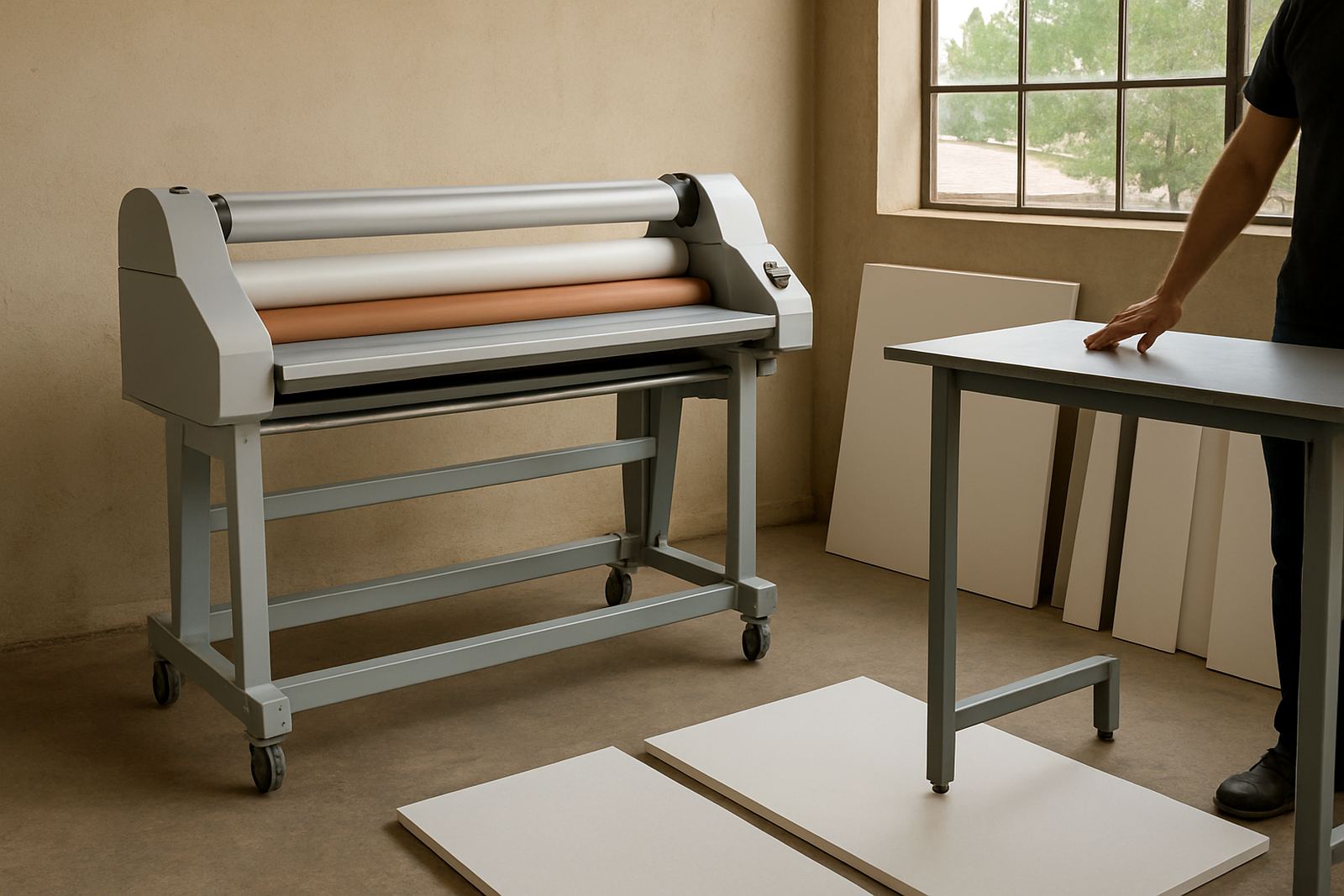
When ordering, check the usable width, the maximum media thickness and whether your main work needs cold-only use or regular hot and cold operation. Also confirm whether your team needs manual feed control, a rear take-up arrangement or the extra support of a stand and castors for easier positioning in the shop.
- Working width: 1650 mm
- Suitable for wide-format prints and boards within machine limits
- Useful for shops handling mixed jobs across the week
- Can be matched to your film type and finishing workflow
Power, installation and workshop fit
Before installation, plan the floor space, access path and power point carefully. A machine of this class should stand on a level surface with enough room at the infeed and outfeed sides for straight feeding. In tighter Kya Sand or Randburg units, it helps to measure door widths and turning space before delivery day, because a machine that fits on paper can still be awkward through a narrow workshop door.
Power needs depend on the heating setup and the installed configuration, so confirm the supply before purchase. Many workshops run with power protection because load-shedding and voltage dips can affect heating consistency and control components. If your site uses a generator or inverter backup, check that the supply is suitable for the laminator’s load and starting requirements.
- Level floor space with clear infeed and outfeed room
- Suitable electrical supply confirmed before installation
- Power protection advised for Gauteng and coastal sites
- On-site installation available nationwide
Care, roller cleaning and servicing intervals
Regular care keeps the finish even and the machine easier to run. Rollers should be kept clean so adhesive transfer, dust and film residue do not mark the output. Heat system checks are important where the machine is used often, and pressure calibration should be checked if you notice uneven bonding or edge lines.
For shops that run the machine most days, routine servicing is worth planning into the calendar rather than waiting for a breakdown. That usually includes roller cleaning, drive system checks, electrical fault finding and a general inspection of wear parts. If a problem starts as a slight tracking issue or a change in temperature, deal with it early and you will often avoid bigger down-time later.
- Clean rollers regularly to prevent film marking
- Check pressure and temperature settings often
- Keep spare parts support in mind for production sites
- Use operator refresher training for new staff or seasonal staff
Points to confirm before ordering this laminator
It helps to check a few details before ordering so the machine suits your work from day one. Start with the widest print you need to finish, then look at film thickness, operating temperature range and whether your jobs are mostly cold or heat-assisted. If you handle both artwork and sign boards, make sure the machine matches the heaviest material you expect to feed through it.
You should also consider who will use the machine. If it is for a team in Sandton, Midrand or the East Rand, ask about handover and operator training so the first jobs go smoothly. For buyers comparing options, a pre-purchase inspection can be useful, especially if you are replacing older equipment or adding a second line for growing work.
Laminator supports customers from Kya Sand, Randburg, Sandton, Midrand, Pretoria and across South Africa, with installs nationwide and technical help where needed.
Key facts
| Model | Hot Cold 1650 |
|---|---|
| Working width | 1650 mm |
| Operation | Hot and cold roll lamination |
| Use case | Print enhancement, encapsulation and film application |
| Installation | On-site setup available nationwide |
| Support services | Servicing, cleaning, calibration, repairs and training |