
Built for everyday signmaking work
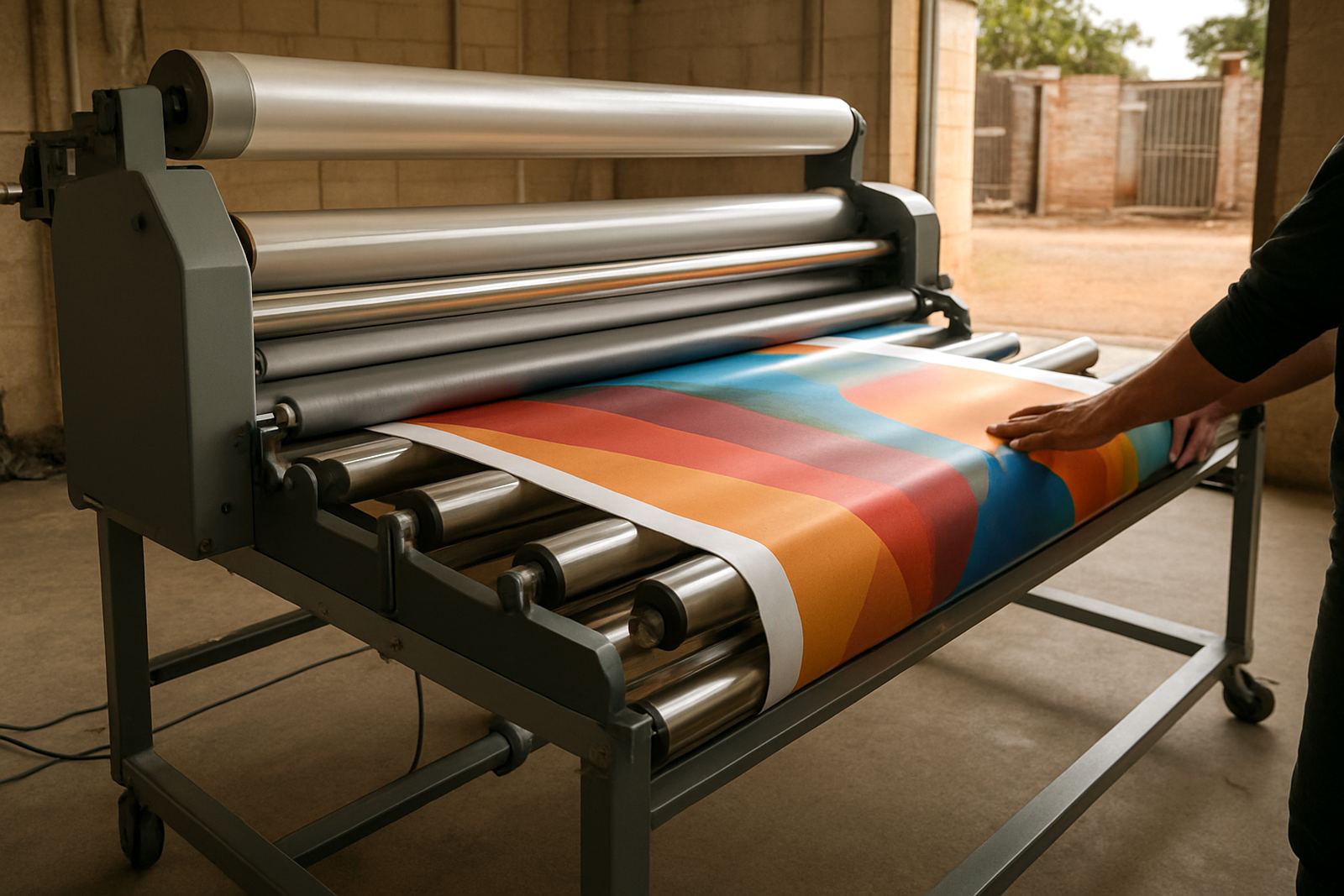
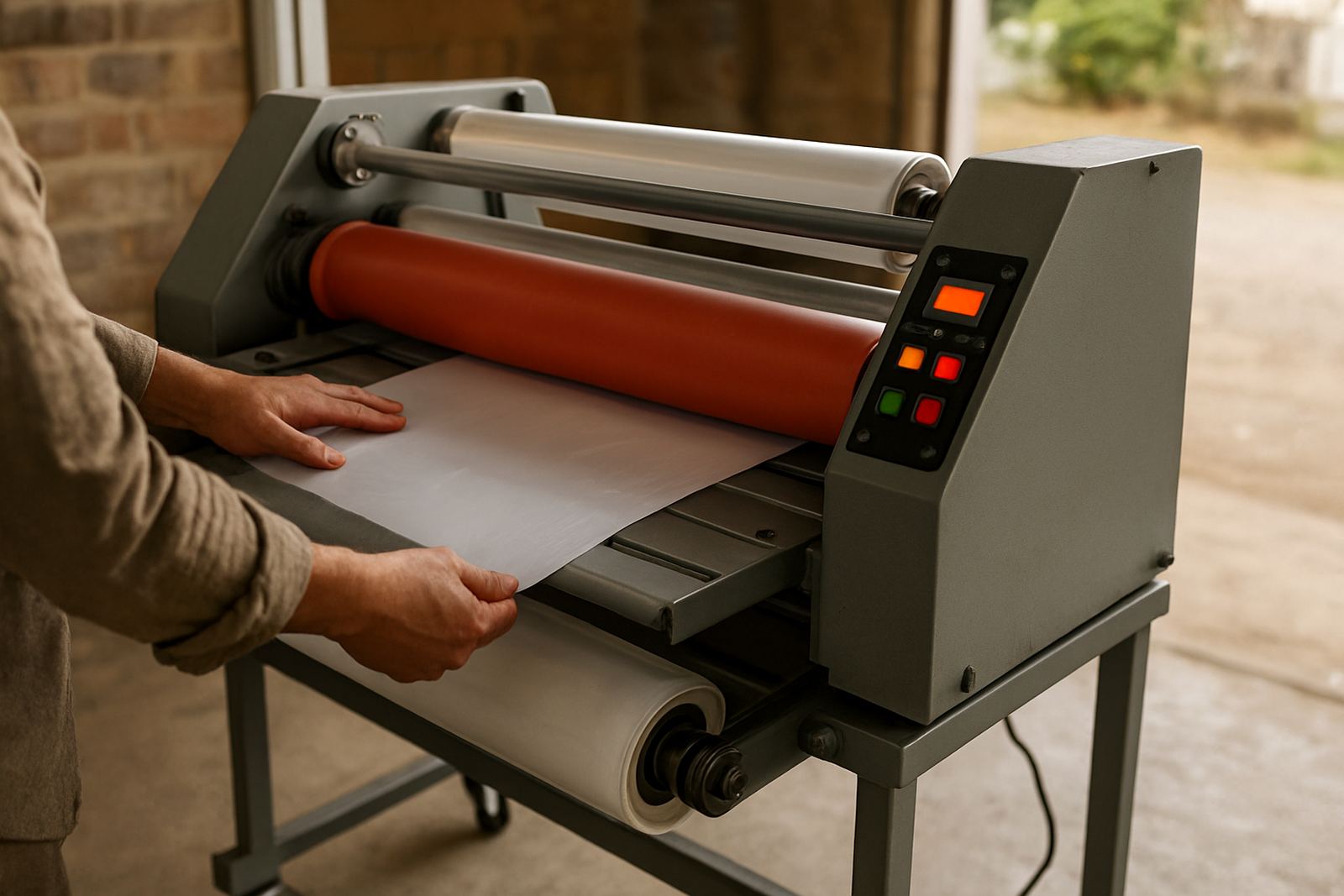
The Signshop Cold 1600 is a wide-format cold roll laminator made for shops that work with vinyl prints, posters, graphics and mounted panels. It gives you controlled pressure across the rollers so films go down evenly, with less risk of bubbling, silvering or edge lift. For busy shops in Johannesburg, Sandton, Midrand and Pretoria, that means faster turnaround and fewer reworks.
Because it is a cold unit, there is no warm-up delay and no heating cycle to manage. That makes it a practical choice for jobs that need pressure-only application, including overlamination, encapsulation with compatible films, and mounting onto boards. If your work changes from day to day, the machine helps keep pace without adding extra steps.
- Cold lamination for prints, graphics and signage panels
- Mounting onto boards and display substrates
- Even roller pressure for cleaner application
- Suitable for short runs and repeat production
Sizes and options to suit your output
The 1600 in the name refers to the working width, which is suited to material up to about 1600 mm wide. That covers most sign shop and print shop requirements for roll-fed graphics, exhibition pieces and retail display work. If your team often finishes narrower jobs, the width still gives useful margin for alignment and trimming.
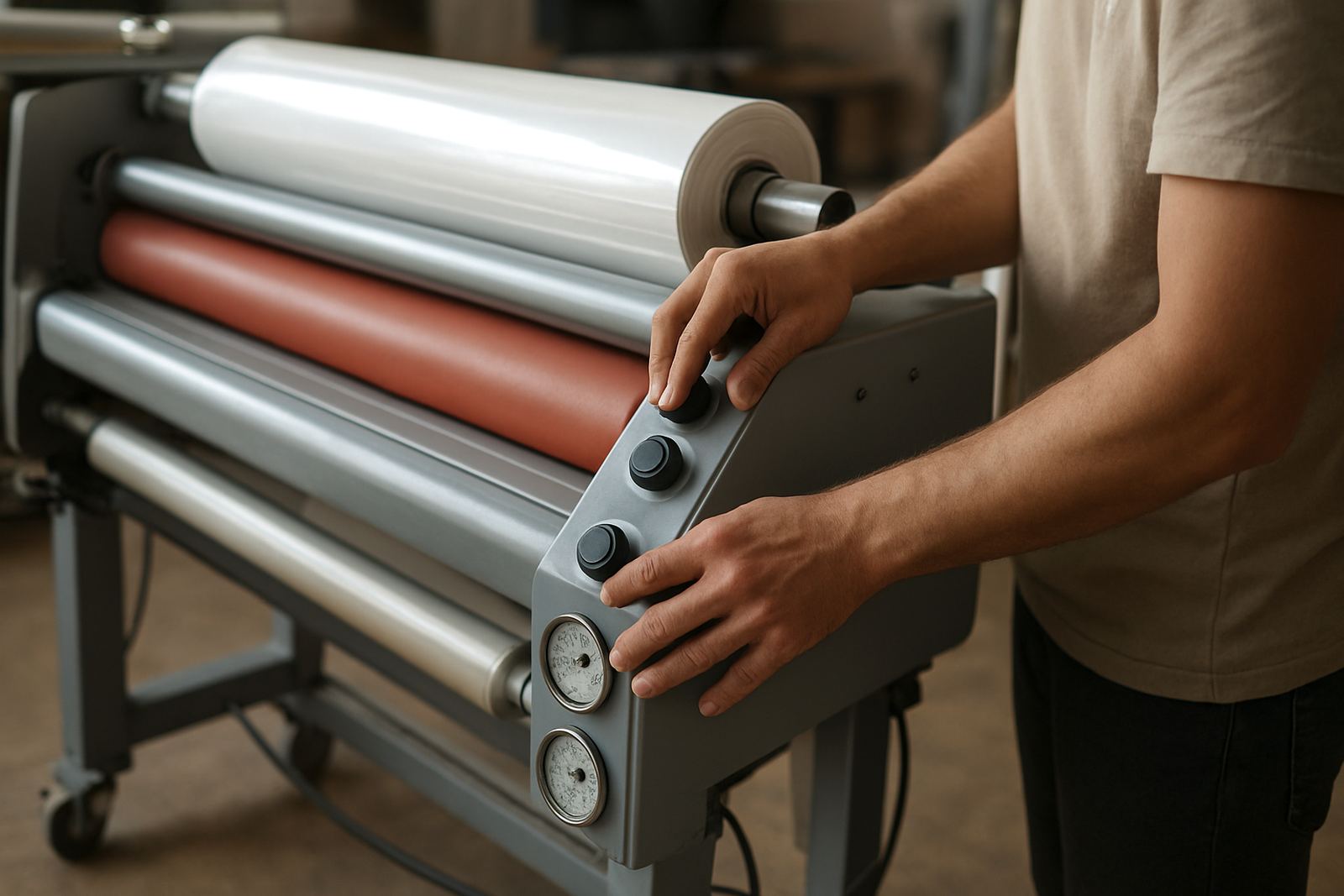
Typical setups include a floor-standing frame, foot pedal or hand control, adjustable pressure control and feed support for rolls. Some shops prefer a stand with castors so the unit can be moved during cleaning or layout changes. A manual reverse function is also worth having for setup work and correcting feed before the adhesive bites.
- Working width: up to 1600 mm
- Roller pressure adjustment for different media thicknesses
- Optional stand and media support bars
- Forward and reverse control for safer setup
Where this laminator suits best
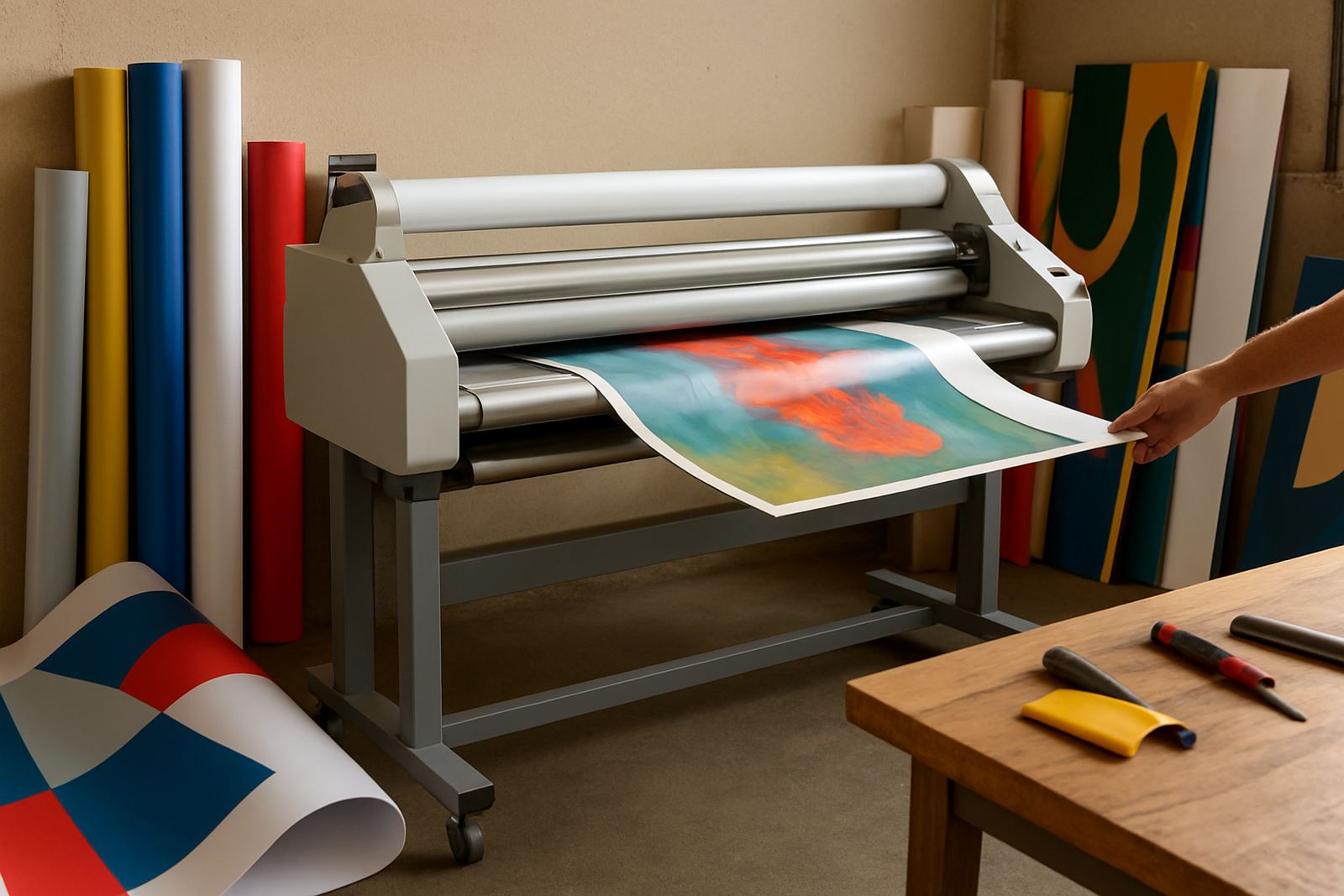
This model suits businesses that already handle regular finishing and want a machine that can keep up with signs, point-of-sale graphics, event boards and decorative prints. It is a good fit for Kya Sand, Randburg and the wider Johannesburg north areas where print shops often work on fast lead times and mixed job types. It also makes sense for designer studios and artists who prepare presentation pieces for clients and galleries.
Cold lamination is especially useful in coastal and humid areas such as Durban, Gqeberha and parts of KwaZulu-Natal and the Eastern Cape, where finished prints need protection from moisture handling during transport and installation. For indoor signage, retail graphics and exhibition work, the clean finish helps the job hold up better in use.
- Print shops with daily finishing work
- Signmakers doing boards, stickers and display graphics
- Design studios and artists needing neat presentation
- Retail and exhibition teams with frequent short runs
Installation and site requirements
The Signshop Cold 1600 is normally installed on a level floor with enough space at the front and back for feeding long sheets. You need clear working space for roll loading, alignment and trimming, and it helps to have good lighting over the feed area. If the machine is going into a small production room in Midrand or an upstairs workshop in Randburg, check doorway widths and turning space before delivery.
Power needs are straightforward because a cold laminator does not need gas and does not rely on a heating system. A standard 230V single phase supply is generally suitable, though the final electrical set-up should always be checked against the unit supplied and the load on the circuit. If the site is affected by load-shedding, a stable power backup plan or controlled shutdown procedure helps protect the drive and controls.
- No gas connection required
- Standard single phase power for the drive system
- Level floor and clear feed space needed
- Backup power or shutdown plan recommended during load-shedding
Care, servicing and long-term use
Like any pressure laminator, this machine works best when the rollers are kept clean and the pressure is checked regularly. Dust, adhesive build-up and trimming debris can all affect finish quality over time. In South African workshops, especially where boards and printed media are stored in warm rooms, keeping the feed area clean also helps reduce contamination from grit and paper fibres.
Routine servicing should include roller cleaning, pressure calibration, drive checks and electrical fault finding when needed. If the machine starts tracking unevenly, leaves marks or hesitates under load, that is usually the point to book a technician before the issue becomes a bigger repair. We also recommend operator refresher training so staff keep consistent settings and handle different media correctly.
- Clean rollers and feed paths on a set schedule
- Check pressure calibration after heavy use
- Watch for drive noise, drag or uneven feed
- Keep a service record for site managers and production teams
Points to confirm before ordering this laminator
Before you order, check the widest material you plan to laminate, the thickness of the board or print, and how often the machine will run each day. It also helps to know whether your team needs mainly cold lamination, mounting, or a mix of both. A print shop doing 20 to 30 jobs a day will have different needs from a studio that finishes a few presentation pieces each week.
Ask for the feed width, roller pressure range, stand height, control layout and electrical specification so the unit matches the site. If you are replacing an older machine, compare the space available in the workshop and how the current team works around it. We can also assist with pre-purchase inspections and advice on spare parts support, which is useful when equipment must stay in service without delays.
- Maximum media width and thickness
- Daily workload and type of material
- Available floor space and access routes
- Electrical supply and backup power plan
Key facts
| Model | Signshop Cold 1600 |
|---|---|
| Working width | 1600 mm |
| Machine type | Cold roll laminator |
| Power | 230V single phase |
| Application | Cold lamination and mounting |
| Typical use | Print shops, signmakers, designers and artists |