Why dual heat matters on wider work
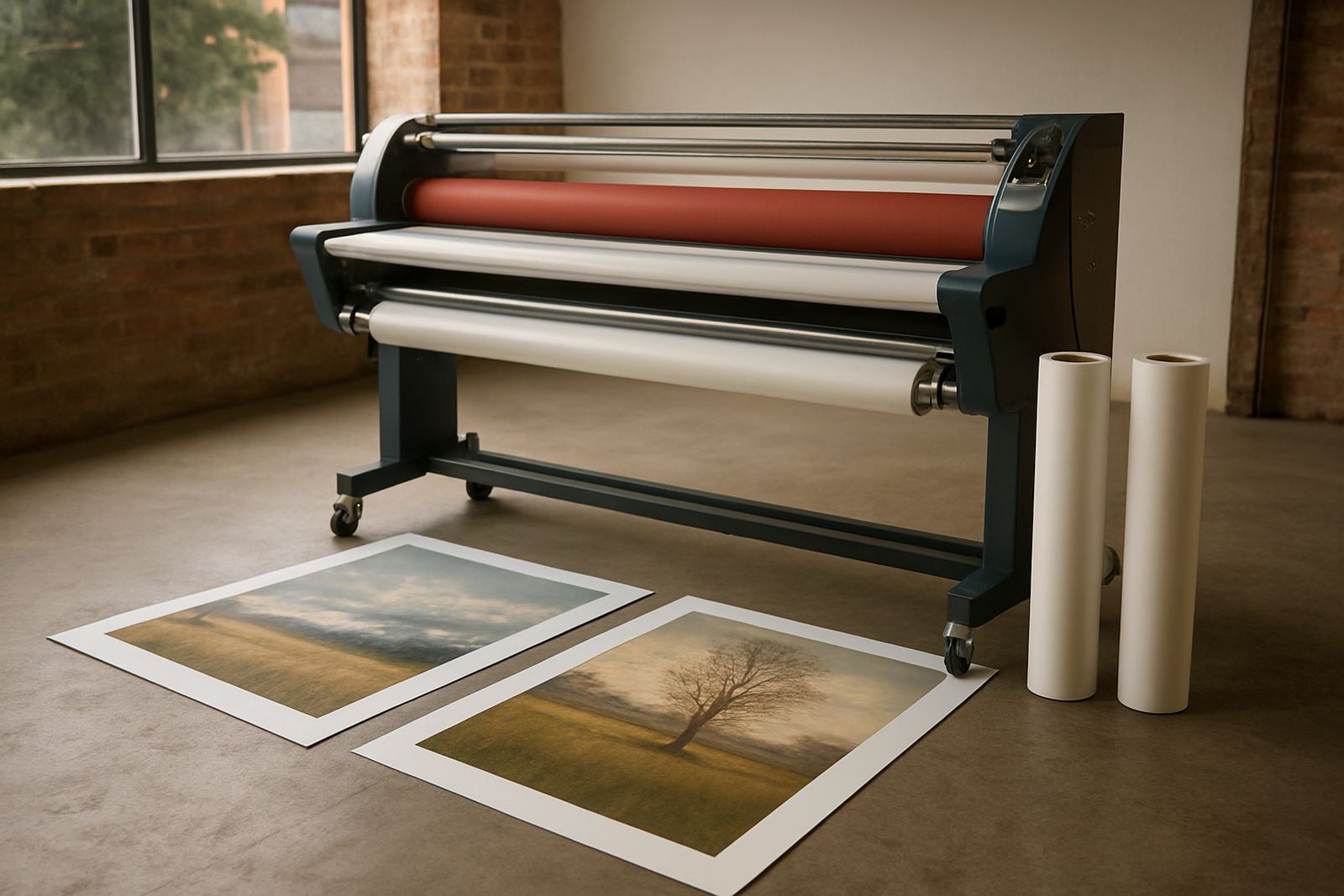
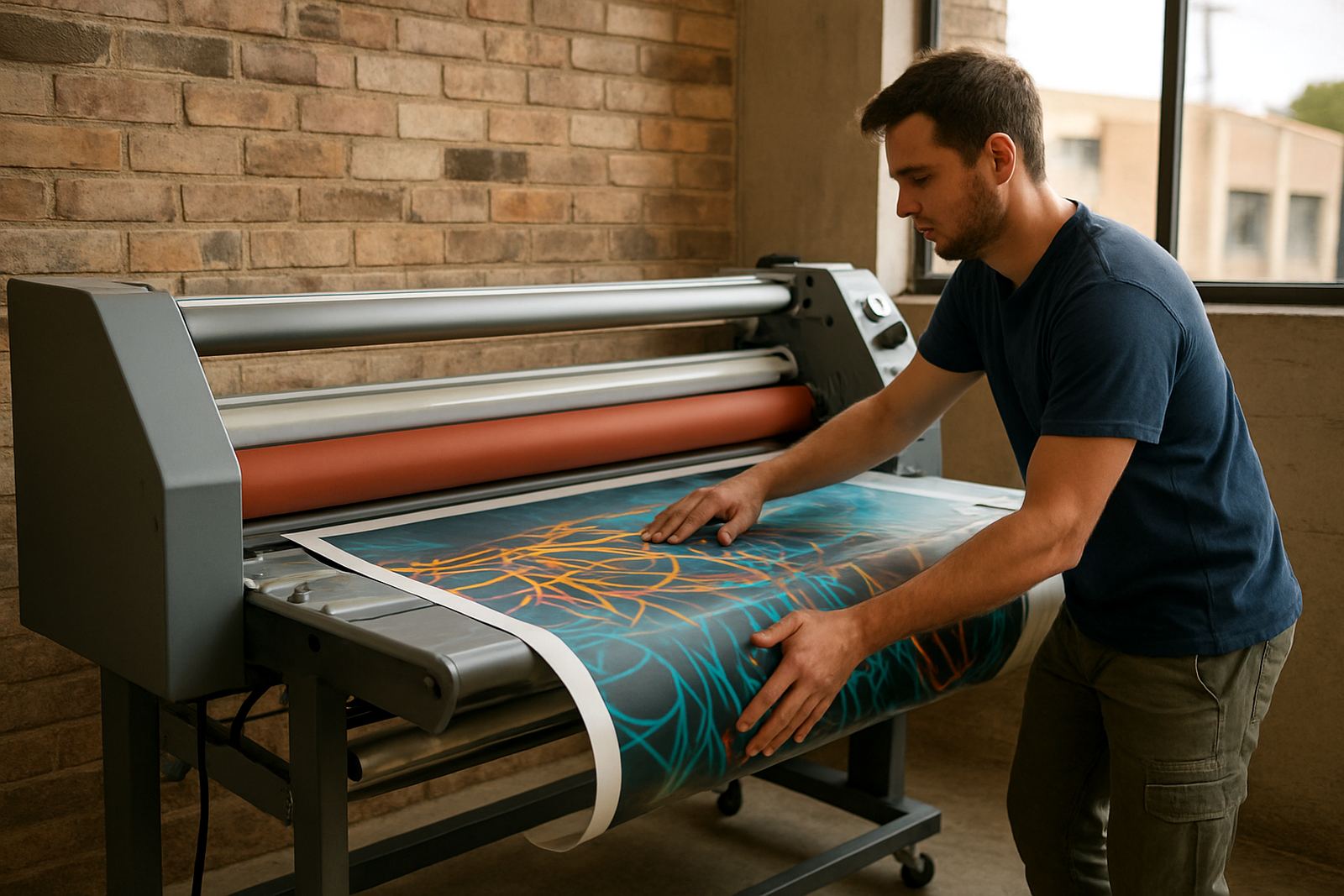
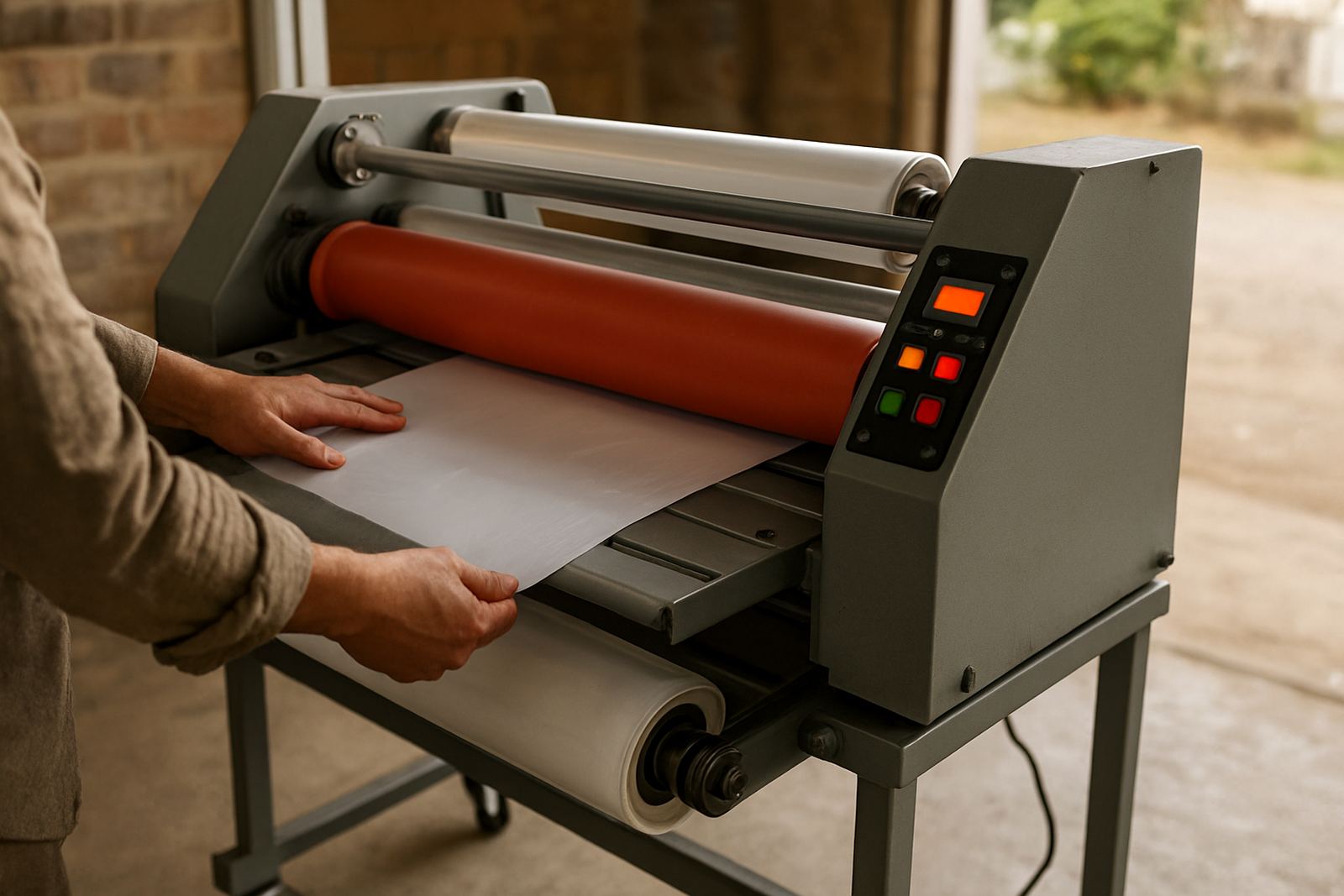
The Dual Heat 1600 uses heated rollers to keep temperature more consistent across the full 1600 mm working width. That matters when you are laminating long runs of graphics, presentation panels, school artwork or retail signage where uneven heat can show up as bubbles, cloudy patches or lifting at the edges.
For busy print shops in Johannesburg, Sandton, Randburg and Midrand, this kind of control helps when jobs move between different media types during the day. It gives more even bonding on films that can be temperamental, especially where the print has heavier coverage, fine detail or a smooth gloss finish that shows defects quickly.
It is also a practical choice for teams working in coastal humidity or in air conditioned rooms where material conditions change from one delivery to the next. Dual heat does not replace correct setup, but it gives the operator a more forgiving process and a steadier result.
Typical applications and where it suits
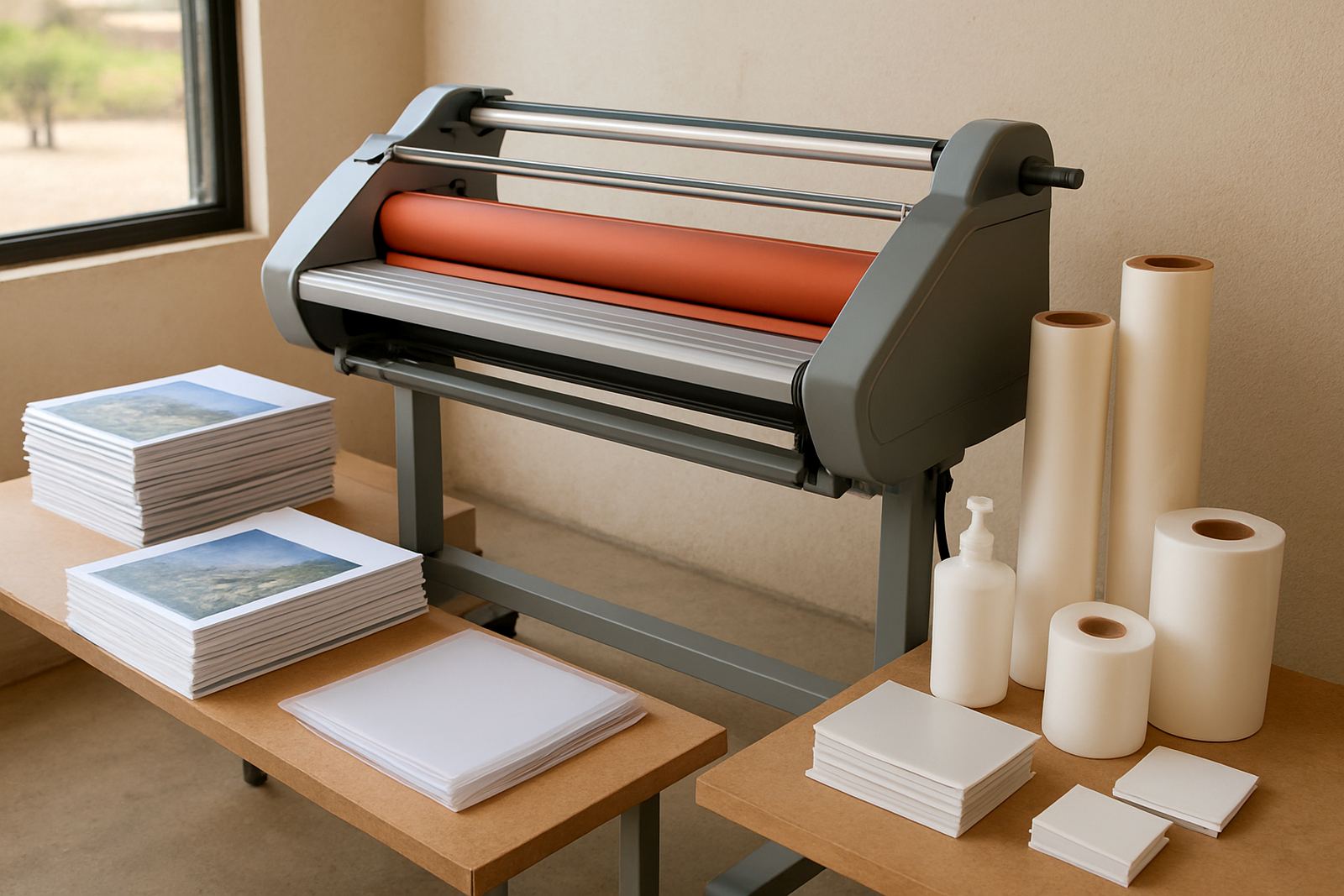
This model suits print businesses and studios that handle medium to high volume laminating, especially where finish quality has to stay consistent from job to job. It is commonly used for mounted prints, decals, display boards, POS graphics, artwork protection and short to medium production runs for sign makers and graphic designers.
- Wide-format print shops finishing indoor and outdoor graphics
- Art studios protecting prints, illustrations and photographic work
- Sign makers preparing boards, labels and retail displays
- Schools, repro houses and training centres handling presentation material
- Businesses that need cleaner output on sensitive films and coated media
It is a solid fit where operators need better process control but do not want an oversized machine taking up unnecessary floor space. If your work includes regular turnarounds, the machine helps keep finishing on schedule without relying on repeated rework.
Sizes, options and practical setup choices
The Dual Heat 1600 is a 1600 mm class roll laminator, which makes it suitable for most wide-format print applications used in South Africa. That width gives enough room for common sheet sizes and larger panels, while still fitting into a controlled production area in Kya Sand, Pretoria, the East Rand or a smaller branch workshop.
Available options can vary by configuration, but operators normally look at feed direction, roller pressure control, temperature adjustment and take-up or unwind arrangement depending on the type of work. Some teams need a simple finish station for laminate application only, while others want a setup that can handle more varied jobs across a day.
- Working width: 1600 mm
- Roller heating arrangement: dual heated rollers
- Application types: cold and hot roll work depending on media and film
- Control needs: temperature, pressure and feed consistency
- Use case: indoor graphics, mounted prints and sensitive film lamination
If you are unsure which option will suit your workflow, it helps to match the machine to the biggest regular job rather than the one-off oversized project. That keeps the machine practical and easier to train staff on.
Installation, power and site requirements
Before installation, the site should have enough clear space for loading, feeding and finished output handling. A level floor, good lighting and a clean work area make a real difference, especially where operators are moving wide sheets in and out without damaging corners or trapping dust under the film.
Power requirements should be checked against the actual machine specification and the site supply before delivery. Where premises experience load-shedding, it is wise to plan for safe shut-down procedures and surge protection. If the unit is being installed in a shared production space or small factory, the team should confirm distribution board capacity, socket type and the distance to the machine position.
- Allow enough clearance for long sheets and operator access
- Check supply voltage and phase before handover
- Plan for backup power only if the full load can be supported safely
- Keep the machine away from direct dust, moisture and open wash areas
- Confirm whether extraction or extra ventilation is needed for the job types
For sites near the coast or in higher humidity conditions, keeping material stored correctly and allowing media to acclimatise before use helps reduce wrapping and edge lift. Installation should be done with the end use in mind, not just where the machine happens to fit on the day.
Care, servicing and day-to-day reliability
Roll laminators last better when the rollers stay clean and the heating system is checked at proper intervals. Dust, adhesive build-up and operator habits can all affect finish quality, so routine care should be part of the production schedule rather than an afterthought.
Our support team handles routine servicing, roller cleaning, pressure calibration, heat system checks, drive system repairs and electrical fault finding. For businesses with several operators, refresher training helps keep settings consistent and prevents avoidable damage caused by wrong tension, poor threading or excess heat.
- Clean rollers regularly to avoid marking or adhesive transfer
- Check pressure settings before changing media types
- Inspect heat response if the machine starts producing inconsistent finishes
- Keep spare parts support in mind for wear items and scheduled replacement
- Book on-site breakdown support if the machine is due back in production quickly
A well maintained unit is usually easier to run, uses less time on rework and gives a more predictable finish across longer jobs. That matters when deadlines are tight and the next delivery is already booked.
What to confirm before you order
When ordering a Dual Heat 1600, confirm the exact media types you use, the widest sheet you expect to run and whether you need cold, hot or mixed operation. It also helps to know your production speed, operator experience and the amount of space available for loading and unloading.
You should also check the following points before finalising the order:
- Largest sheet size and regular daily volume
- Type of laminate film and print surfaces used
- Available power supply at the premises
- Whether installation will be in Kya Sand or on-site elsewhere in South Africa
- Need for training, service cover or pre-purchase inspection
- Space for rollers, stands and finished output handling
For print shops in Johannesburg, Sandton, Midrand, Pretoria and further afield, getting these details right upfront avoids delays and helps the machine arrive ready for the actual work. If you need guidance, our team can help match the specification to the job mix so you do not overbuy or end up short on capacity.
Key facts
| Model | Dual Heat 1600 |
|---|---|
| Working width | 1600 mm |
| Heated system | Dual heated rollers |
| Application | Cold and hot roll laminating |
| Primary use | Wide-format print finishing and artwork protection |
| Support | Installation nationwide from Kya Sand, Johannesburg |