
Low-glare finishing for larger print work
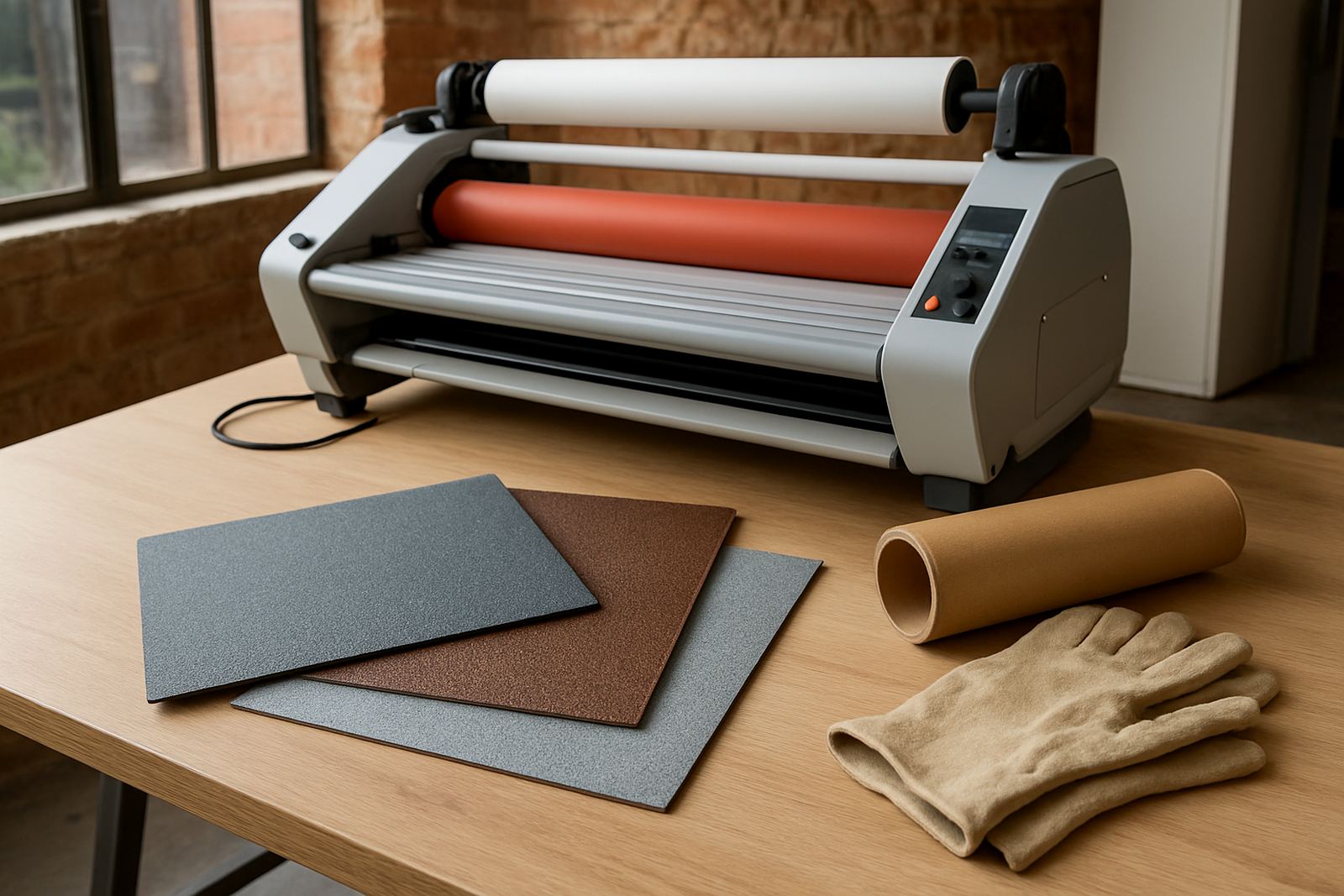
Matte Film 1600 is a wide-format lamination film used to protect printed work while cutting glare across the face of the print. The matte finish helps reduce reflections from indoor lighting, sunlight and retail display lights, which makes it a practical choice for posters, presentation boards, photographic enlargements and exhibition pieces. It gives the job a softer look without adding gloss, so text stays readable and images keep a natural finish.
In Johannesburg, Pretoria and coastal areas where light levels change through the day, matte film is often preferred for artwork and display graphics that are viewed up close. It is also useful where fingerprints and small scuffs need to be less obvious. For busy print environments the main benefit is simple: a cleaner finish that holds up better in handling, and less time spent reworking sheets.
Sizes and roll options for busy production rooms
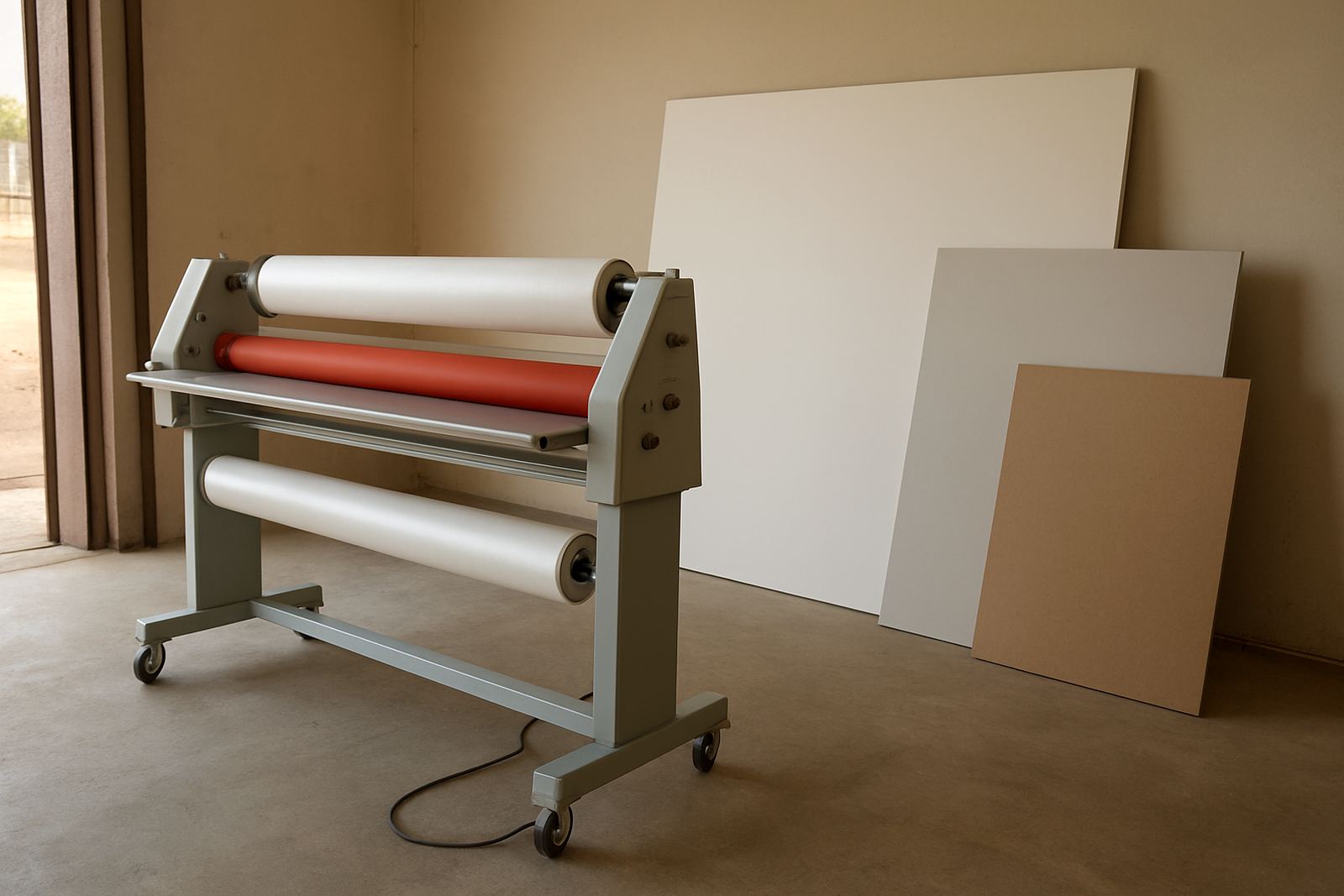
This product is supplied for wide-format use and is normally selected by roll width to match the machine and the print size. The 1600 format is suited to equipment with a 1 600 mm working width, which allows a good range of poster sizes, mounted displays and long-run sheets. Roll length and core size should be checked before ordering so the film loads correctly and runs true from the first metre.
- Wide-format roll for laminating posters, artwork and display graphics
- Matte surface for low reflection under indoor lighting
- Suitable for single-sided finishing of printed sheets
- Can be used on short runs or higher-volume jobs depending on machine capacity
- Works well for print shops, sign shops and photographic studios
If you are matching film to an existing laminator, confirm the maximum working width, roller temperature range and whether the machine is set up for hot or cold application. A roll that is too narrow wastes edge space, while a roll that is too wide can cause tracking issues and uneven tension. It is a small check but it saves time later.
Where matte film suits best
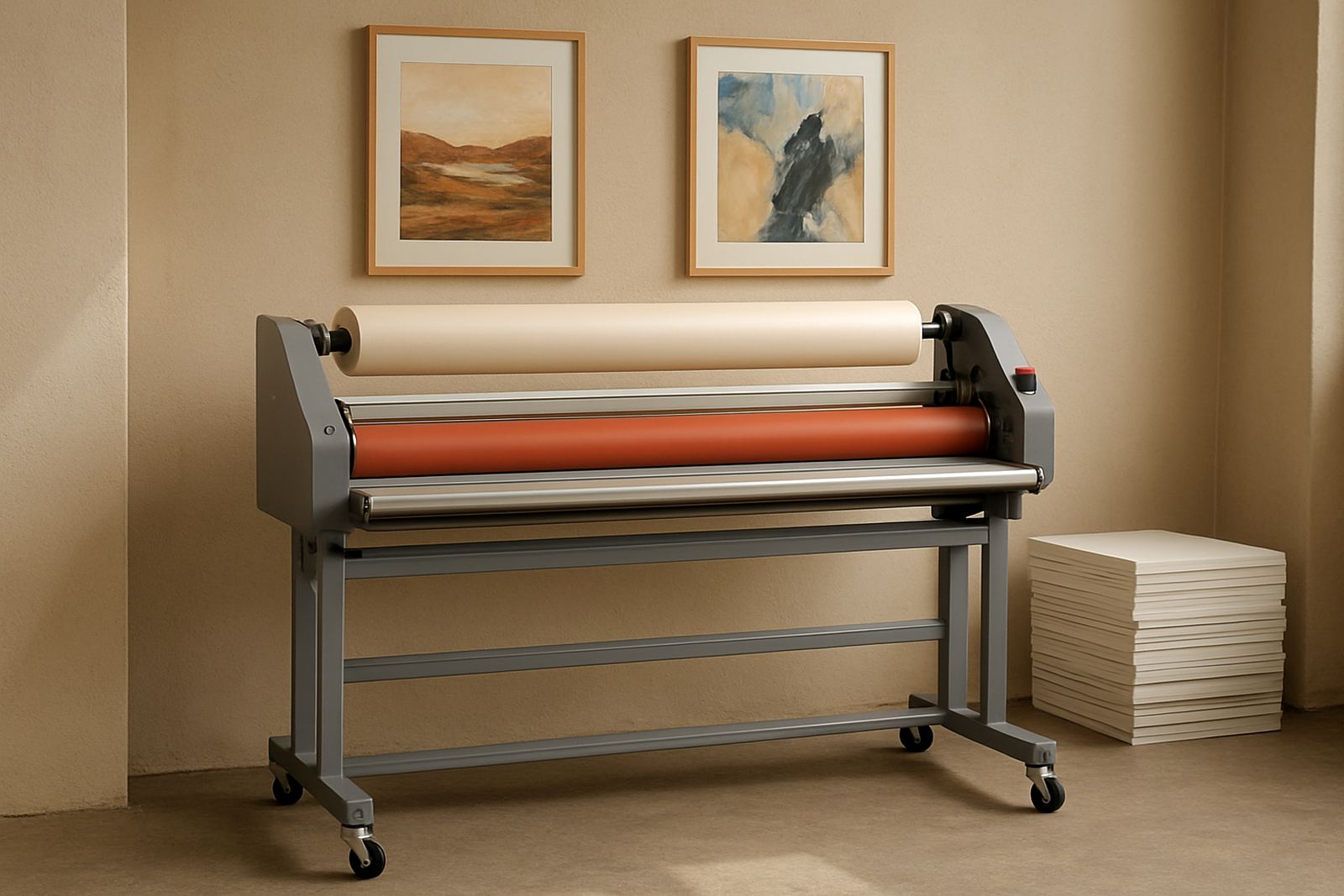
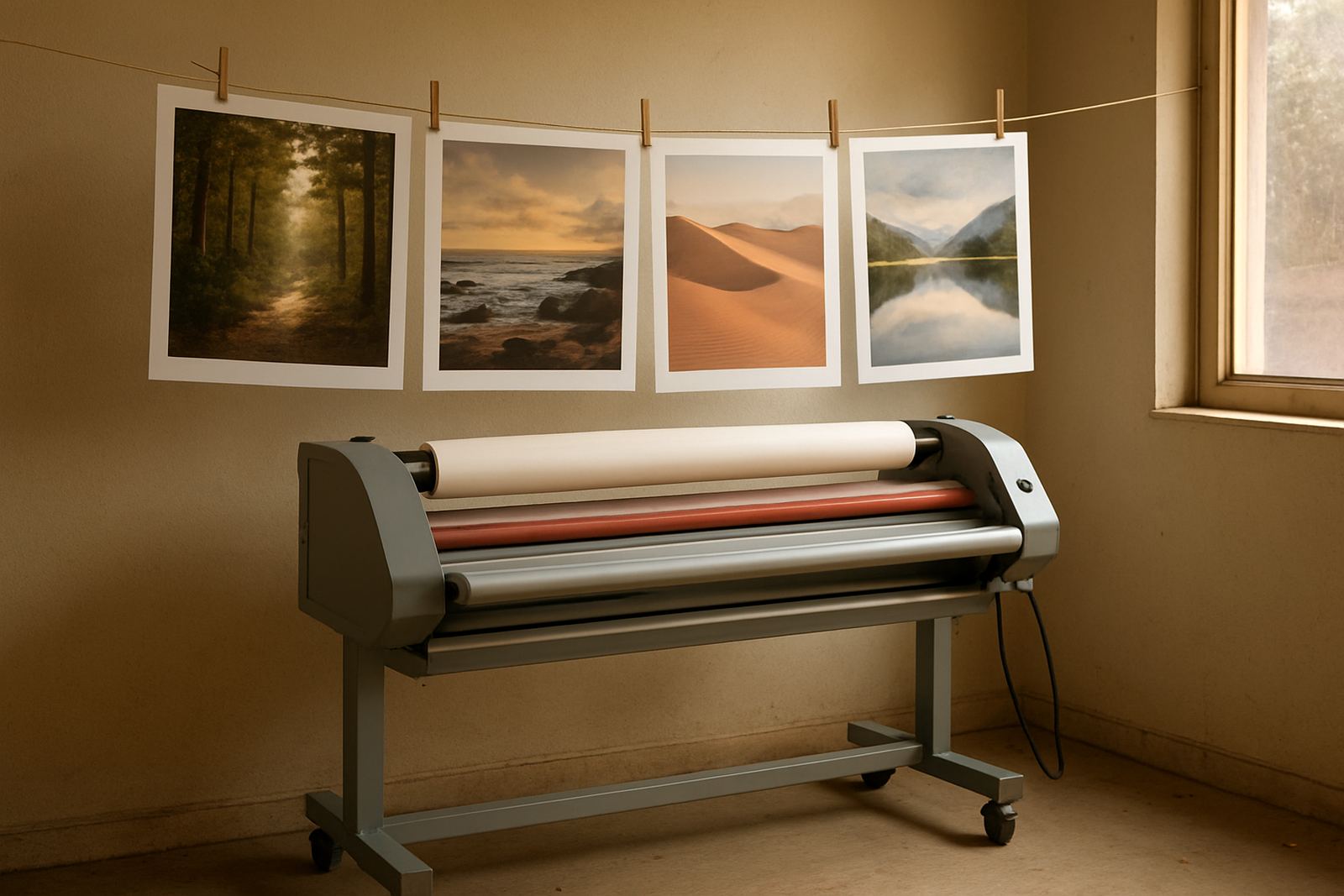
Matte Film 1600 suits projects that are meant to be seen rather than touched all day. It is a strong fit for educational posters, retail display panels, interior signage, photographic prints and framed presentation work. In schools, clinics and offices it helps reduce glare from fluorescent lighting. In galleries and studios it gives prints a more controlled finish with less shine across darker areas.
For sign writers and print operators, the matte surface can also help hide minor surface marks on the print itself. That does not replace good print quality, of course, but it does give a more forgiving finish on jobs where colour consistency and legibility matter. If the work is going into a humid coastal area, the added protective layer can help keep the surface in better condition during handling and transport.
- Posters and point-of-sale displays
- Photographic enlargements
- Presentation boards and artwork
- Indoor signage and exhibition material
- Short-term and medium-term protected prints
Installation needs, power and workshop setup
Whether the film is applied by a cold roll laminator or a heated roll machine depends on the print stock, adhesive type and the finish you want. Cold application is often used for heat-sensitive material and photographic prints, while hot roll systems can help with certain adhesive films and production workflows. The machine must be set up level, with even roller pressure and clean feed paths. If the rollers are out, the film can trap air or track off centre.
For powered equipment, check the electrical supply before installation. Many wide-format units need a stable single-phase supply and a plug point that is correctly rated for the machine load. In areas affected by load-shedding, a surge protector and proper shut-down routine are worth having. If you run a production room in Kya Sand, Randburg, Sandton, Midrand, Pretoria or the East Rand, keep enough clearance around the machine for loading and trimming, plus space for finished sheets to cool or rest flat.
- Stable electrical supply and safe earthing
- Clear floor space for roll changes and sheet handling
- Level bench or stand for accurate feed
- Clean, dust-free area to limit specking under the film
- Good ventilation for heated systems
Care, cleaning and servicing for steady output
Matte film itself needs little maintenance, but the laminator does. Clean rollers, correct pressure and regular checks keep the finish even across the full width. Dust, adhesive build-up and worn pressure settings can all show up as lines, silvering or poor edge bond. That is where routine servicing helps, especially if the machine is used every day. A short check every week is better than waiting for a fault to show up in the middle of a rush job.
In our Johannesburg base we assist with roller cleaning, pressure calibration, heat system checks, drive system repairs, electrical fault finding, on-site breakdowns and spare parts support. We also offer operator refresher training and pre-purchase inspections. If a machine starts to hesitate on feed, or the film is not laying down evenly, it is usually a sign that something basic needs attention not something dramatic.
- Wipe down feed areas and keep dust off the rollers
- Do not run damaged or curled sheets through the machine
- Check temperature and pressure settings before a new batch
- Allow heated units to cool properly before cleaning
- Book servicing before quality drops on production work
What to check before you order
Before ordering Matte Film 1600, confirm the width of your laminator, the roll core size, the direction of feed and whether you need one-sided or matching top and bottom film. It is also worth checking the type of print media you use most often. Glossy photo paper, coated posters and heavier display boards can behave differently under pressure, so the correct film choice matters. If the job will be trimmed after lamination, leave enough margin for accurate cutting.
Ask about the finish expected by your client too. A matte surface is ideal where glare must be controlled, but if a design depends on deep shine or high colour pop, matte may change the look more than planned. We often tell customers to test one sample first, especially on high-value artwork or retail work with strict colour requirements. Once the sample is right, the rest of the run is usually straightforward.
- Working width of the laminator
- Roll core size and roll length
- Cold or hot application requirement
- Type of print stock being laminated
- Final use, handling and display conditions
- Whether trimming margins are needed after lamination
Key facts
| Product type | Wide-format matte laminating film |
|---|---|
| Working width | 1600 mm class for compatible roll laminators |
| Finish | Low-glare matte surface |
| Typical use | Posters, displays, photographic output and artwork |
| Application | Suitable for cold or hot roll systems depending on setup |
| Best fit | Print shops, sign makers, studios and display work |
| Support area | Kya Sand, Johannesburg with installs nationwide |