A practical 1600 mm cold laminator for day-to-day finishing
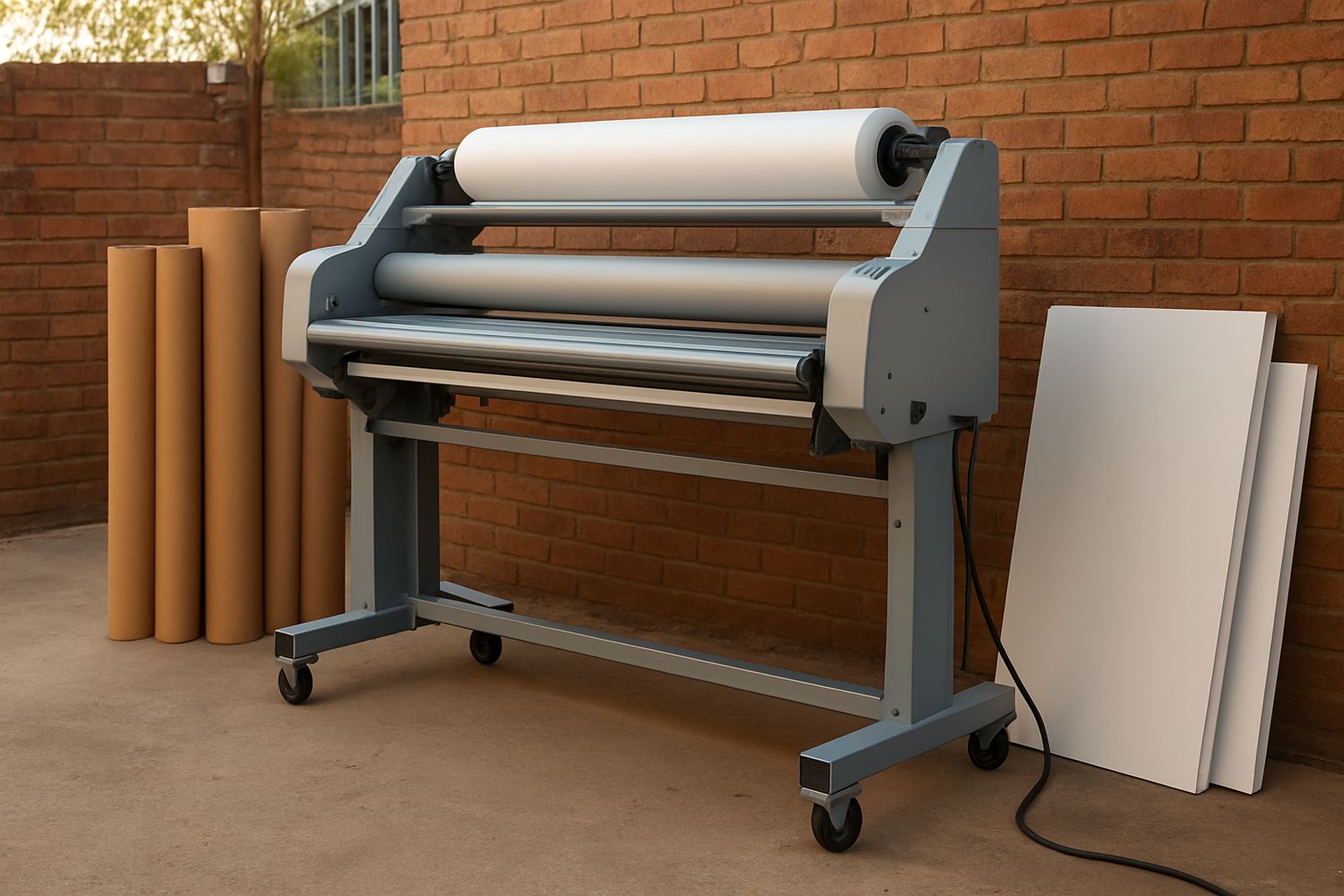
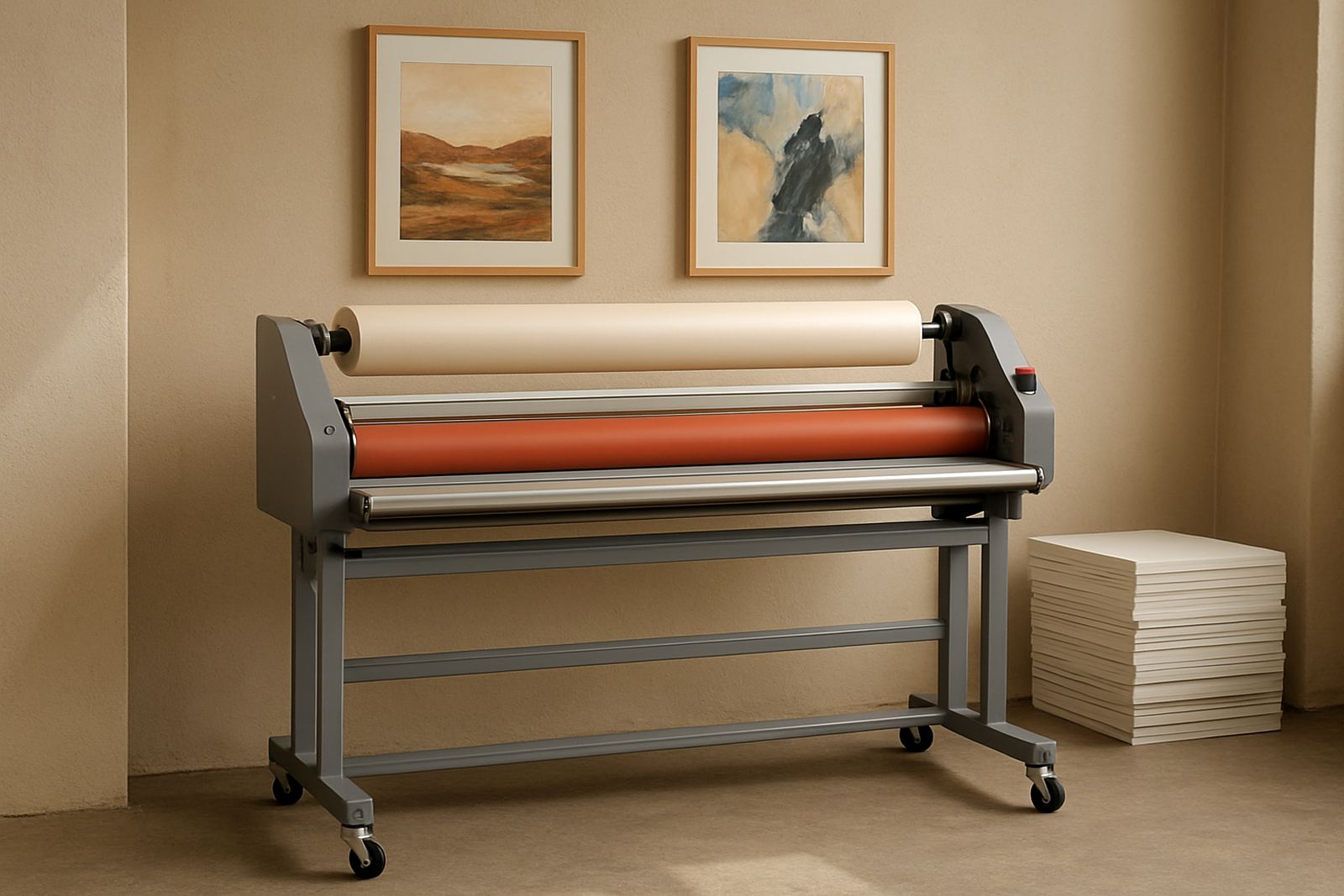
The Manual Cold 1600 is built for wider sheets where a smaller bench unit is too limiting, but a fully motorised machine is not needed. It gives you manual control over feed and pressure, which suits businesses that do occasional laminating, mounting and protective finishing on posters, signage, artwork and presentation boards.
Because it is a cold system, there is no heating section to wait for and no thermal load on delicate prints. That makes it a good option for solvent, eco-solvent, latex and digitally printed work, as well as photographs and artwork that can be affected by heat. In a busy print room, it is also easier to run during load-shedding since the lamination process itself does not depend on heated rollers.
Where this model suits best
This unit is a solid fit for print shops in Johannesburg, Sandton, Randburg and Midrand that handle wider jobs from time to time, but do not need a high-volume automatic line. It also works well for signage makers in Pretoria and the East Rand who mount prints onto board for exhibitions, shopfitting, in-store campaigns and short-run display work.
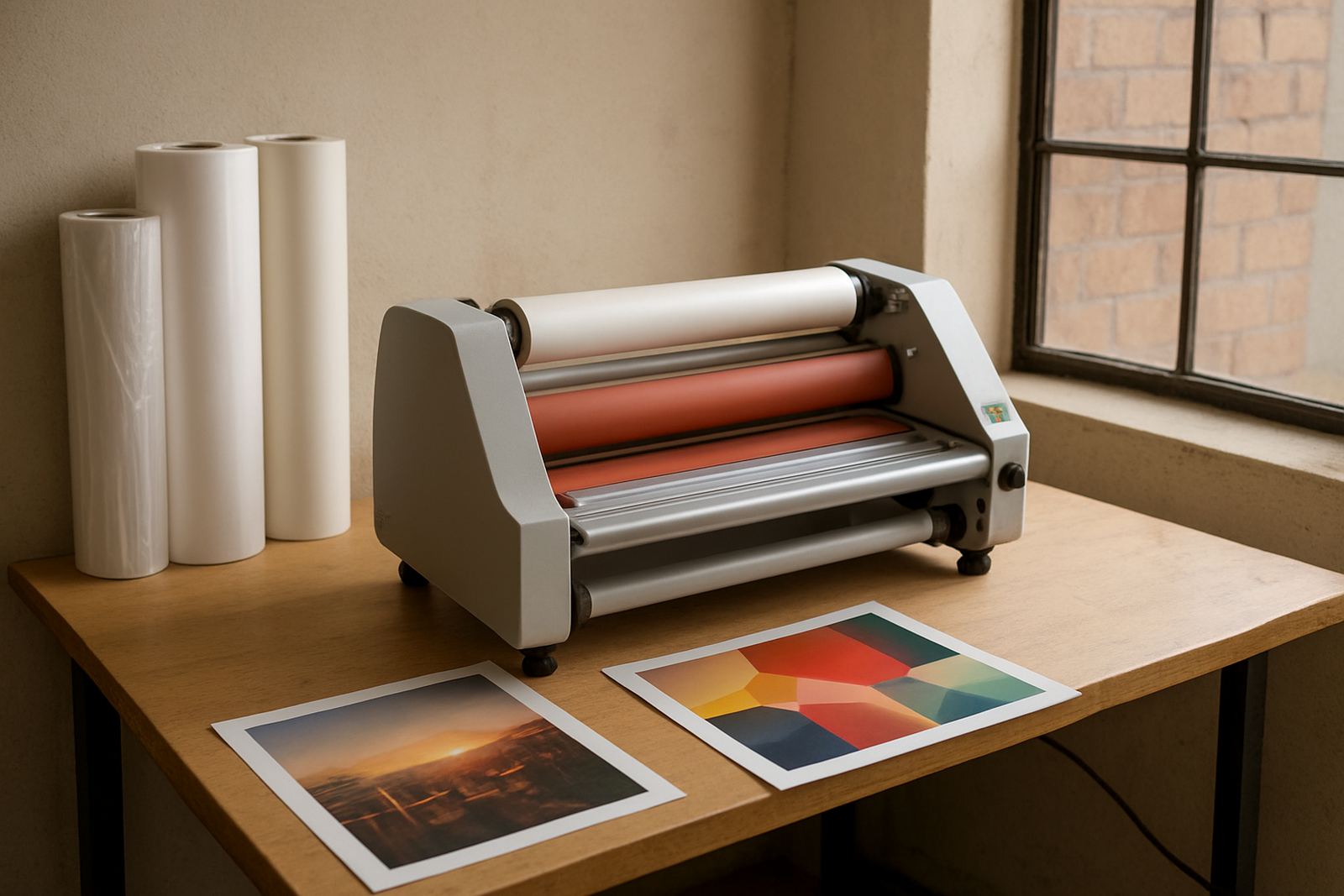
Artists and graphic studios use it for protecting prints, photo enlargements and fine art pieces. If your work includes one-off boards for schools, offices or events, the Manual Cold 1600 keeps labour simple and the finish tidy without taking up the space of a larger production line.
- Short-run wide-format lamination
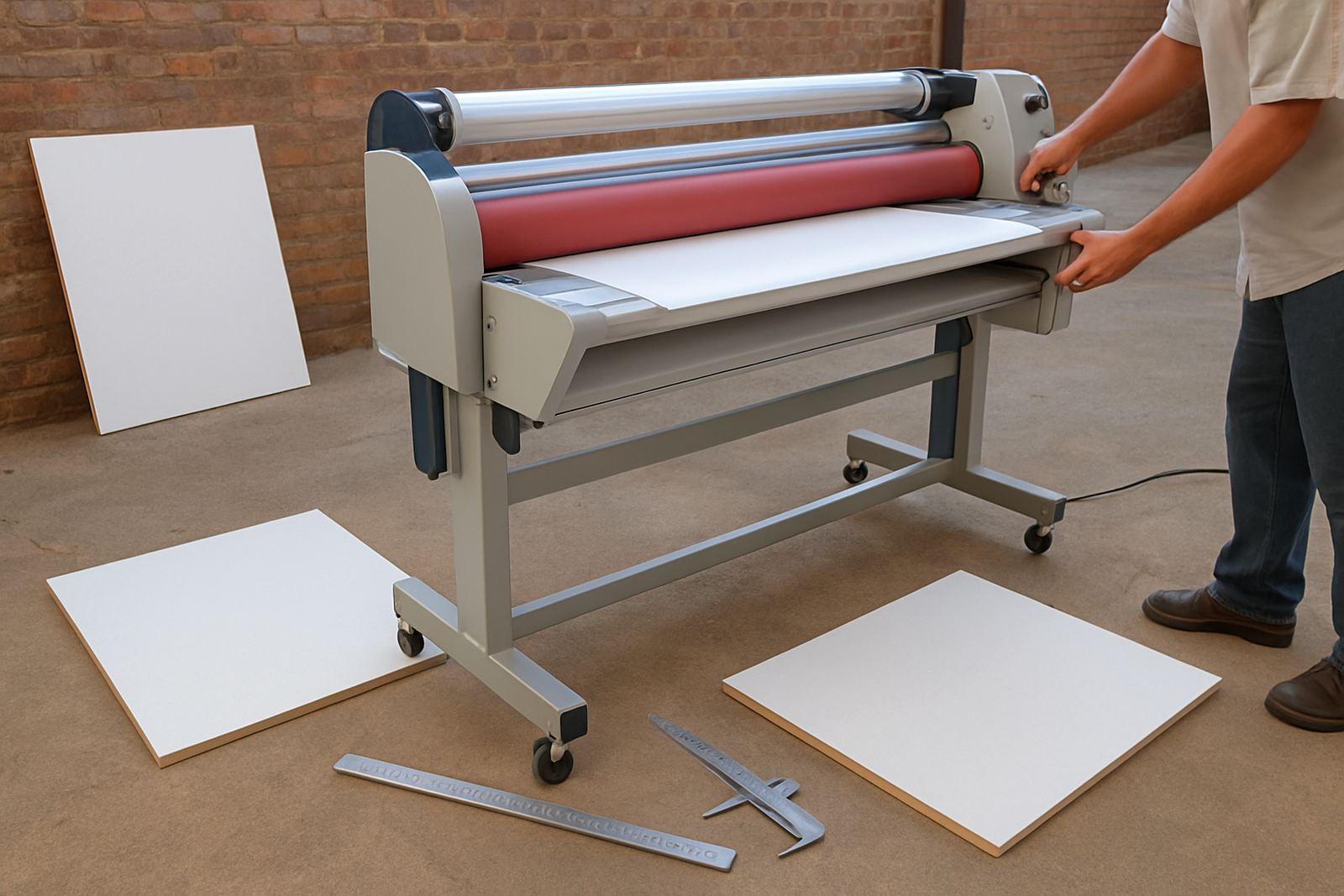
- Mounting prints to foam board or rigid panels
- Protective over-lamination for posters and graphics
- Artwork finishing where heat is not suitable
Sizes, options and working format
The main working width is 1600 mm, which gives you enough room for most standard signage and display jobs while still staying manageable in a small to medium workshop. Exact overall dimensions depend on the stand and accessory set, but you should allow enough floor space for feeding, trimming and safe handling of completed sheets.
Common options include a floor stand, take-up aids, adjustable pressure control and accessory kits for different media thicknesses. If you regularly work with heavier boards or long runs, ask for the right roller setup and table arrangement before ordering. A manual unit needs proper operator access on both sides, so layout matters more than people often expect.
- Working width: 1600 mm
- Manual feed and pressure control
- Suitable for rolls and sheet-fed finishing
- Cold application for heat-sensitive media
Power, installation and site requirements
As a cold manual machine, the main unit does not require a heated lamination circuit. Depending on the final configuration, you may still need a standard single-phase electrical supply for any auxiliary functions or shop power, but the work itself is not tied to high heat demand. That helps keep operating costs lower and reduces strain during municipal outages.
Installation is straightforward, but the unit should sit on a level floor with enough room for handling long boards and rolls. In Kya Sand or other industrial areas with dust and fluctuating humidity, we recommend keeping the machine in a clean dry room and away from open loading bays. Coastal humidity is less of a concern inland, but moisture still affects adhesive films and board flatness, so storage matters.
- Level floor and clear infeed and outfeed space
- Standard workshop power for any accessory needs
- No gas supply required
- Clean, dry storage for media and film
Care, servicing and operator training
Manual cold laminators need less intensive servicing than heated equipment, but they still need regular attention if you want even pressure and clean results. Rollers should be cleaned to remove adhesive build-up and dust. Pressure settings must be checked often, especially if different operators use the machine or if media thickness changes between jobs.
We support routine servicing, roller cleaning, pressure calibration, drive system repairs where applicable, electrical fault finding, on-site breakdowns and spare parts support. If your team is new to wide-format finishing, operator refresher training is useful for avoiding wrinkles, trapped air and skewed feeding. That saves material, which matters when film and board prices keep climbing.
- Keep rollers clean and free of dust
- Check pressure before each new media type
- Store film flat and sealed against moisture
- Book pre-purchase inspections if comparing units
Details to confirm before placing the order
Before ordering the Manual Cold 1600, check the widest job you plan to run, the thickness of your boards, and whether you will mostly laminate loose sheets or mount onto rigid panels. Also confirm the size of your workshop doorways, final machine footprint and the space needed for safe feeding. A machine can fit in theory but still be awkward in a tight room.
It is also worth confirming operator skill level, expected daily output and whether you need a stand or extra handling support. If the unit will be installed at a client site outside Johannesburg, ask about access, stairs, lifts and delivery points so the install goes smoothly. For schools, agencies and franchise work, you should also check whether the finished boards need specific fire or display requirements under local municipal or site rules.
- Maximum material width and thickness
- Stand, feed table or accessory needs
- Power access and room layout
- Delivery access for Kya Sand or nationwide installs
Key facts
| Working width | 1600 mm |
|---|---|
| Machine type | Manual cold roll laminator |
| Application | Wide-format lamination and mounting |
| Power requirement | Standard workshop supply for accessories, no heating circuit |
| Typical use | Print shops, signage, studios and artwork finishing |
| Install area | Kya Sand, Johannesburg with installs nationwide |