Built for everyday wide-format finishing
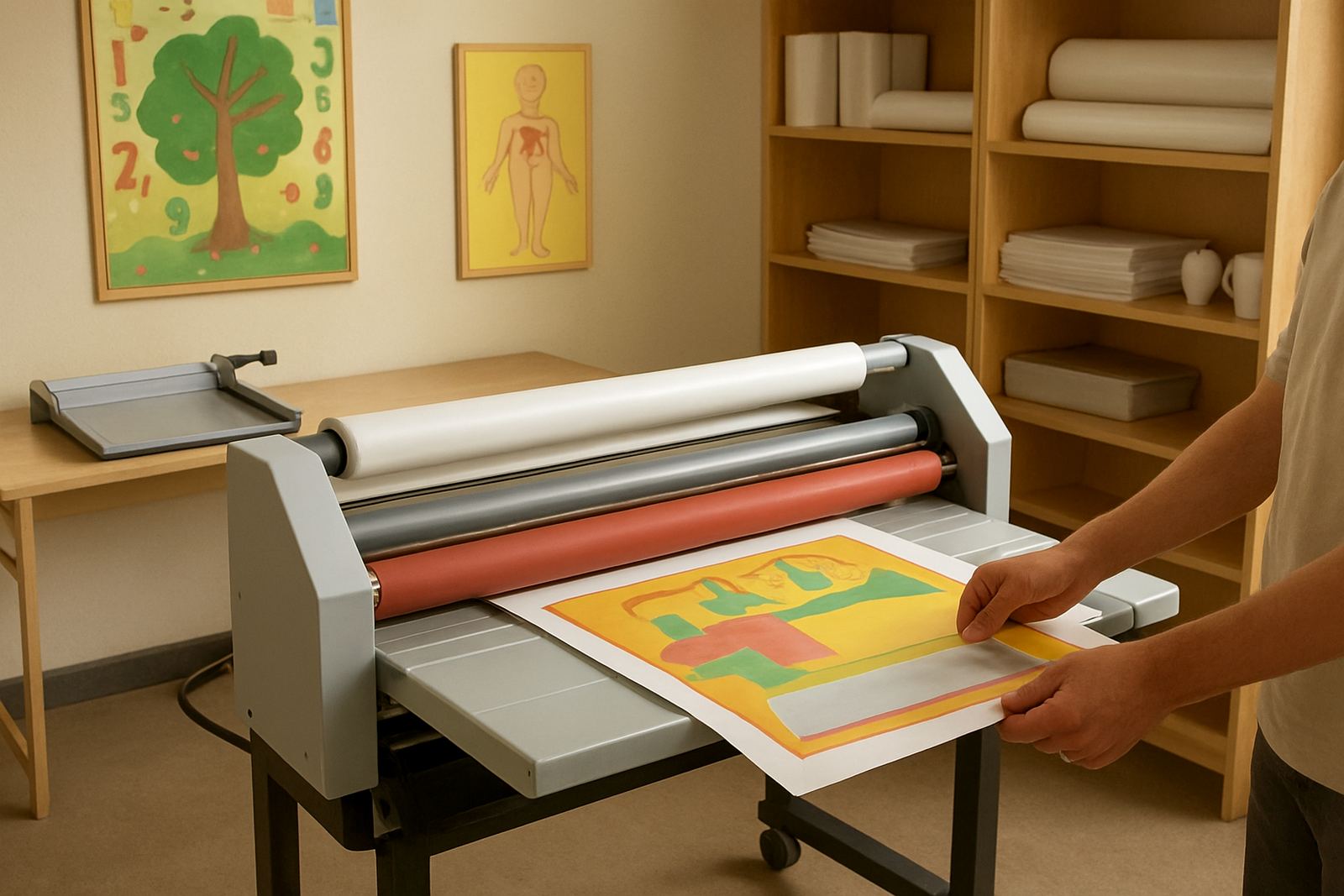
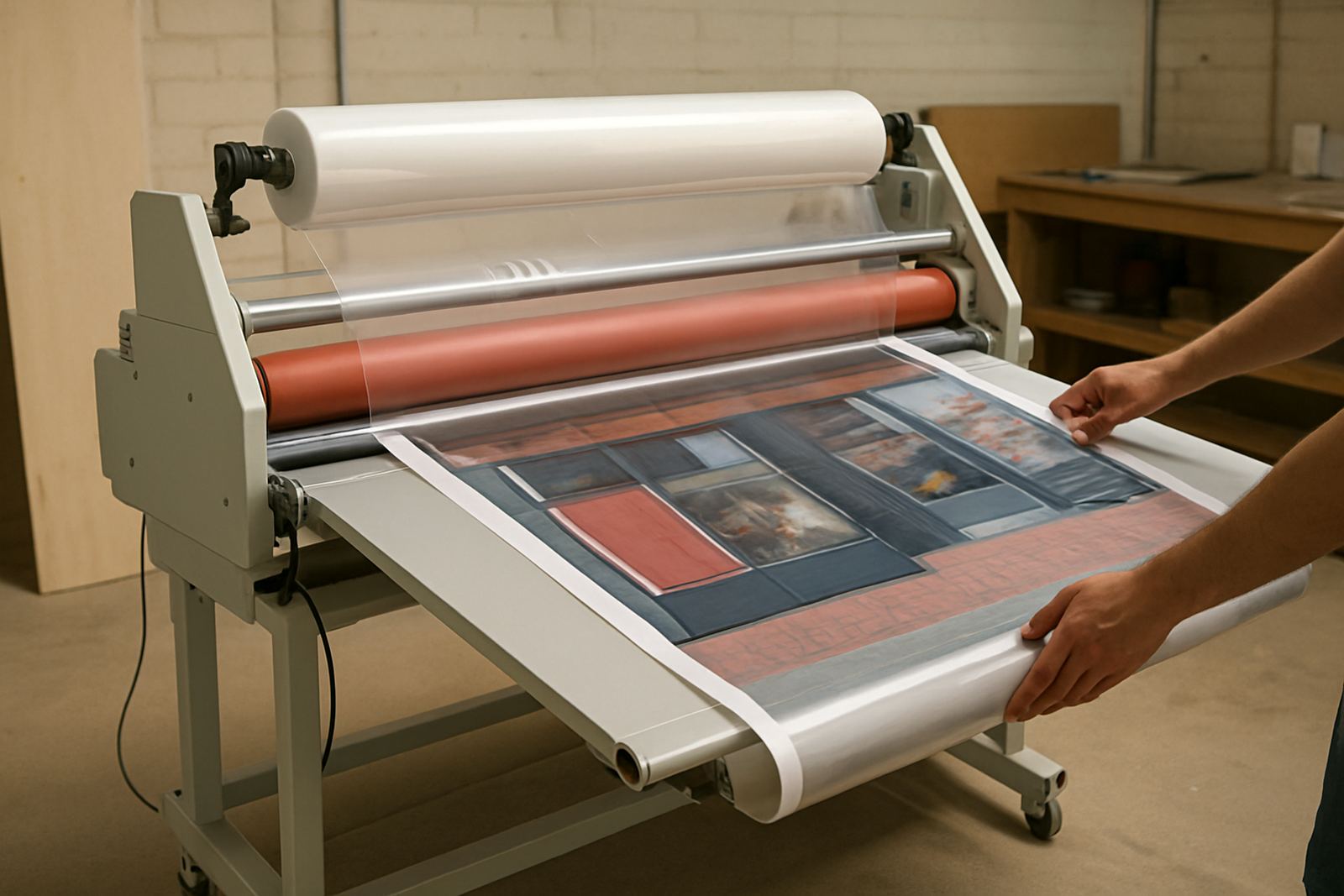
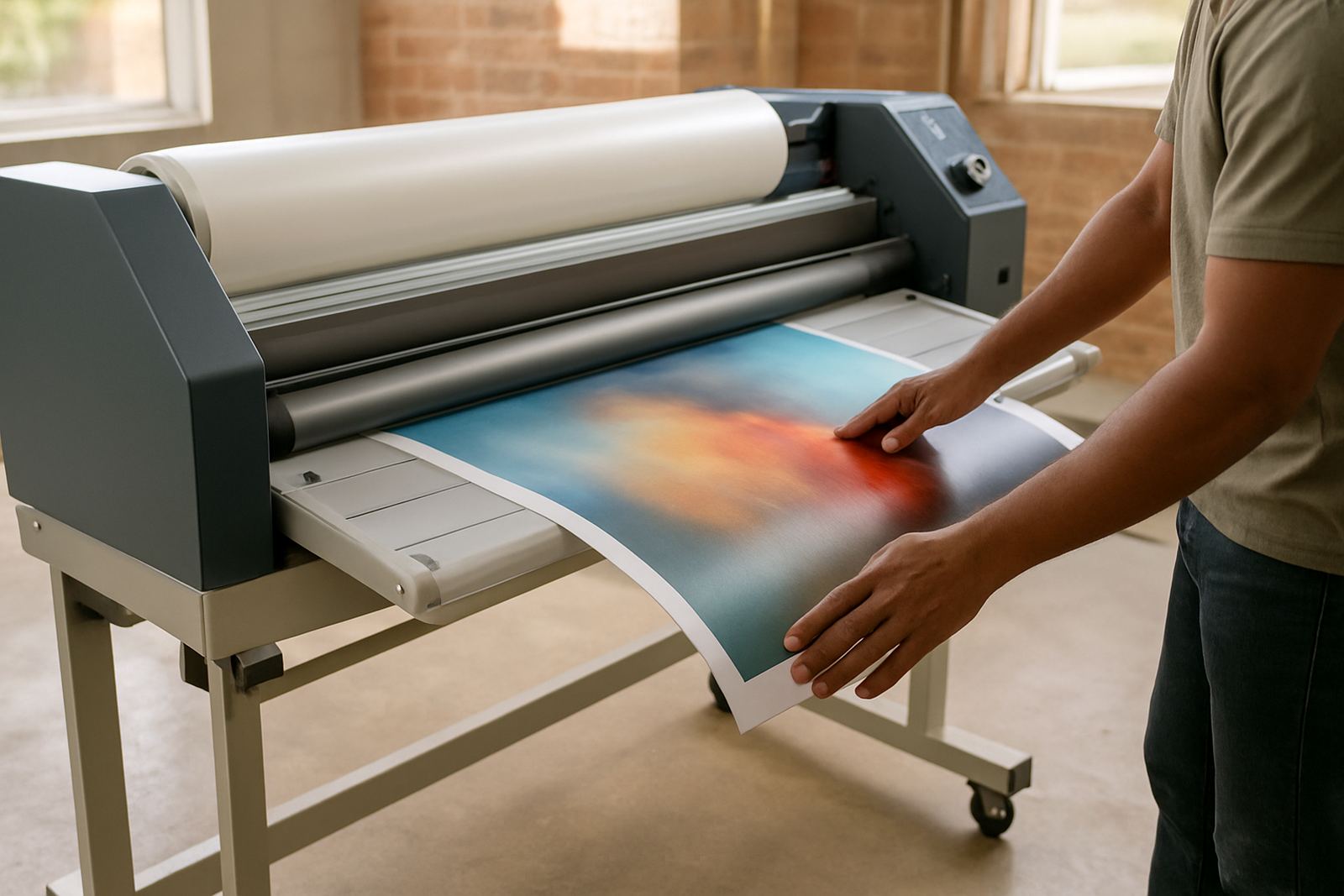
The Hot Cold 1700 is aimed at print shops, sign studios, designers and artists who handle regular wide-format work and need consistent results without moving into heavy industrial equipment. It is a practical choice for laminating posters, photographic prints, maps, exhibition boards and mounted graphics where finish quality matters and turnaround times are tight.
At 1700 mm working width, it gives enough capacity for most common signage and artwork sizes, while still fitting into a workshop or production room in Kya Sand, Randburg, Sandton, Midrand, Pretoria or the East Rand. For sites that deal with coastal humidity, dust or frequent handling, it helps protect prints from scuffing and moisture damage after production.
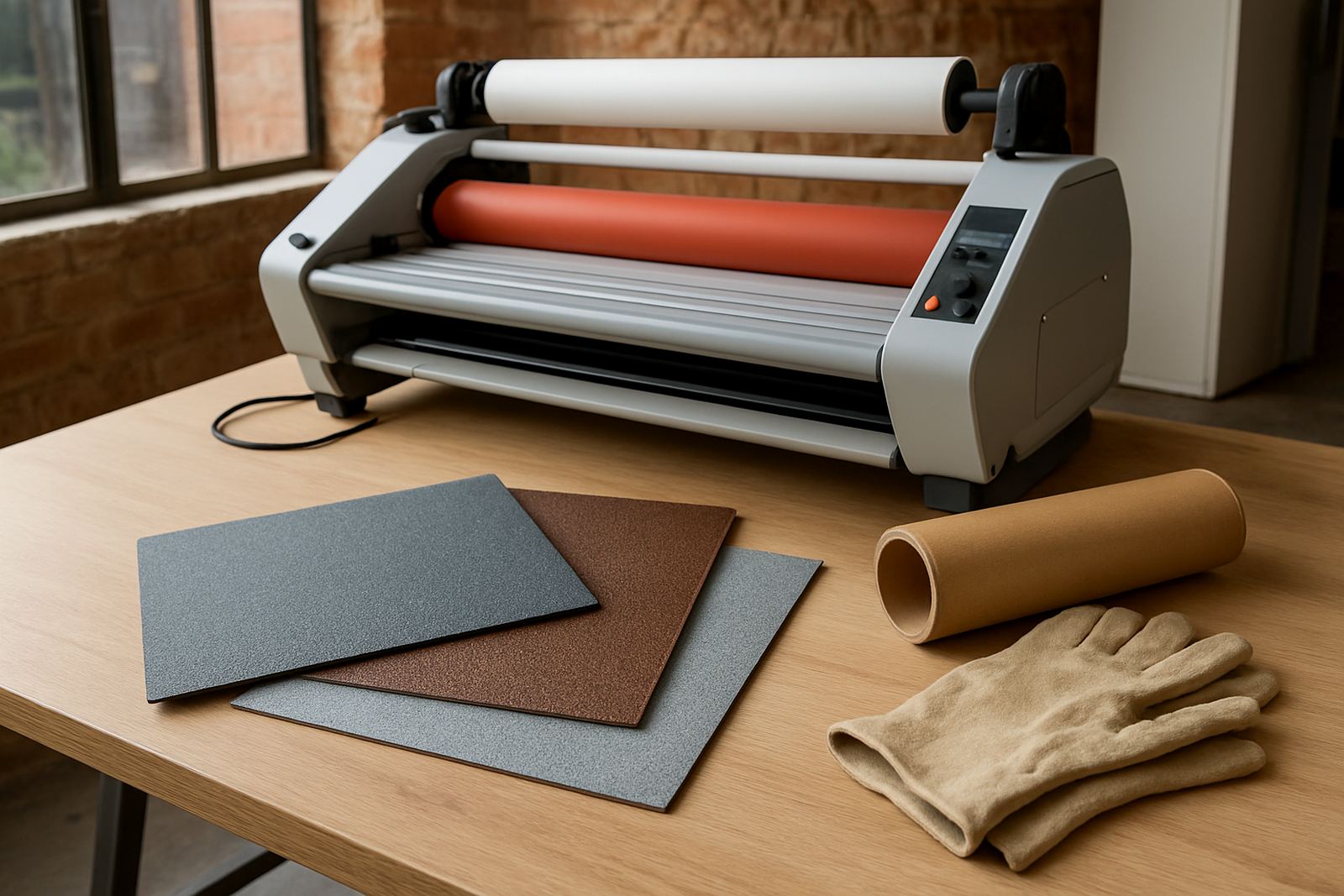
The machine is available in hot and cold roll configuration, so operators can choose the right process for the material. Cold lamination is useful for heat-sensitive prints and self-adhesive films, while hot lamination helps with stronger bonding on compatible media and mounting work.
Sizes, film types and finishing options
This model is suited to shops that work with standard wide-format media rolls and need more control than a basic entry-level laminator. It handles common laminating films used for display work, point-of-sale material and presentation graphics. Depending on your workflow, it can be used for gloss, matt or satin finishes, plus mounting tasks where pressure and alignment must be steady.
- Working width: 1700 mm for wide-format sheets and rolls
- Hot and cold operation for mixed production needs
- Variable roller pressure for different substrates
- Forward and reverse feed for setup corrections and jam recovery
- Suitable for print protection, mounting and encapsulation work
If your work includes long runs of event graphics or retail signage, the extra width reduces joins and handling. For smaller studios, it still offers flexibility because it can process shorter sheets without wasting much film, which helps keep costs under control.
Where the Hot Cold 1700 suits best
This laminator fits businesses that need dependable output on a regular basis, but do not want a machine that takes up too much floor space or draws unnecessary power. It suits busy print rooms, trade finishers, schools with in-house reprographics, and artists or framers who want a cleaner final presentation for prints and limited editions.
It is also a sensible option for companies that do on-site work for corporate offices, schools, retail stores and municipal clients. In those settings, the finish must look professional and hold up during transport, hanging and cleaning. A steady laminator helps avoid edge curl, silvering and pressure marks on the final output.
For shops near industrial areas or high-dust environments, routine cleaning is important because dust tracks show up quickly on film. In humid conditions, correct storage of rolls and media matters too, especially in summer months. The Hot Cold 1700 gives you the control needed to keep output consistent, even when the work mix changes from week to week.
Installation, power and site checks
Before installation, the machine should be placed on a level surface with enough space at the front and rear for feeding long boards and catching finished work. A clear run of at least 2 m on either side is advisable if you are processing larger graphics. For a shop in Johannesburg or Pretoria, it also helps to keep the unit away from direct sunlight and from open doors that pull in dust.
Power requirements should be confirmed before ordering so the machine can be matched to the site supply and electrical protection. In many workshops, a dedicated circuit is preferred to reduce nuisance tripping during busy periods or load-shedding changeovers. If the site has unstable power, ask for a proper electrical check and make sure the machine is protected from surges.
- Confirm single-phase or three-phase supply before dispatch
- Check available amperage and socket type on site
- Allow space for safe roll loading and trimming
- Make sure the floor is level and vibration-free
- Plan for backup power where production cannot stop
There is no gas requirement for this machine. If hot operation is being used, the important check is electrical stability, ventilation and correct temperature setup for the film being run.
Care, servicing and operator training
Like any roll laminator, the Hot Cold 1700 performs best when the rollers are kept clean and pressure is checked regularly. Dust, adhesive build-up and worn rollers all affect finish quality, so routine servicing should be built into the production plan rather than left until a fault appears. That saves material and avoids downtime.
Laminator offers support that includes roller cleaning, pressure calibration, heat system checks, drive system repairs, electrical fault finding, on-site breakdown response, spare parts support and operator refresher training. For a team that changes shifts or brings in new staff, refresher training can prevent the common setup mistakes that waste film and create wrinkles.
- Clean rollers on a scheduled basis to stop adhesive transfer
- Check heat settings before every hot run
- Keep film and printed media sealed from humidity
- Inspect drive components if feed speed becomes uneven
- Book pre-purchase inspections for used equipment
If a unit starts slipping, overheating or pulling unevenly, stop the run and have it checked. Catching a small fault early is usually cheaper than replacing damaged rollers or scrapped prints later.
What to confirm before you order
When ordering the Hot Cold 1700, it helps to confirm the type of work you do most often. A shop focused on signage and presentation boards may want stronger pressure control, while an artwork studio may care more about temperature accuracy and surface finish. The right setup depends on film type, board thickness and daily volume.
You should also confirm the maximum media width you actually use, the roll core sizes you stock, and whether your team needs hot and cold operation from the same machine. If the unit will be moving between branches in Sandton, Midrand or the East Rand, ask about installation access, lifting arrangements and floor loading before delivery.
Our team in Kya Sand can help you compare the machine to your output, site conditions and maintenance plan. Lunga Tshabangu and the support team work with print businesses across Johannesburg and nationwide installs, so the advice is practical and based on real production needs, not just brochure specs.
Key facts
| Working width | 1700 mm |
|---|---|
| Operation | Hot and cold roll laminating |
| Feed direction | Forward and reverse |
| Pressure control | Adjustable roller pressure |
| Power | Site-specific electrical supply, confirm before order |
| Best suited to | Wide-format prints, mounting and protective finishing |