Which laminator type suits my work?
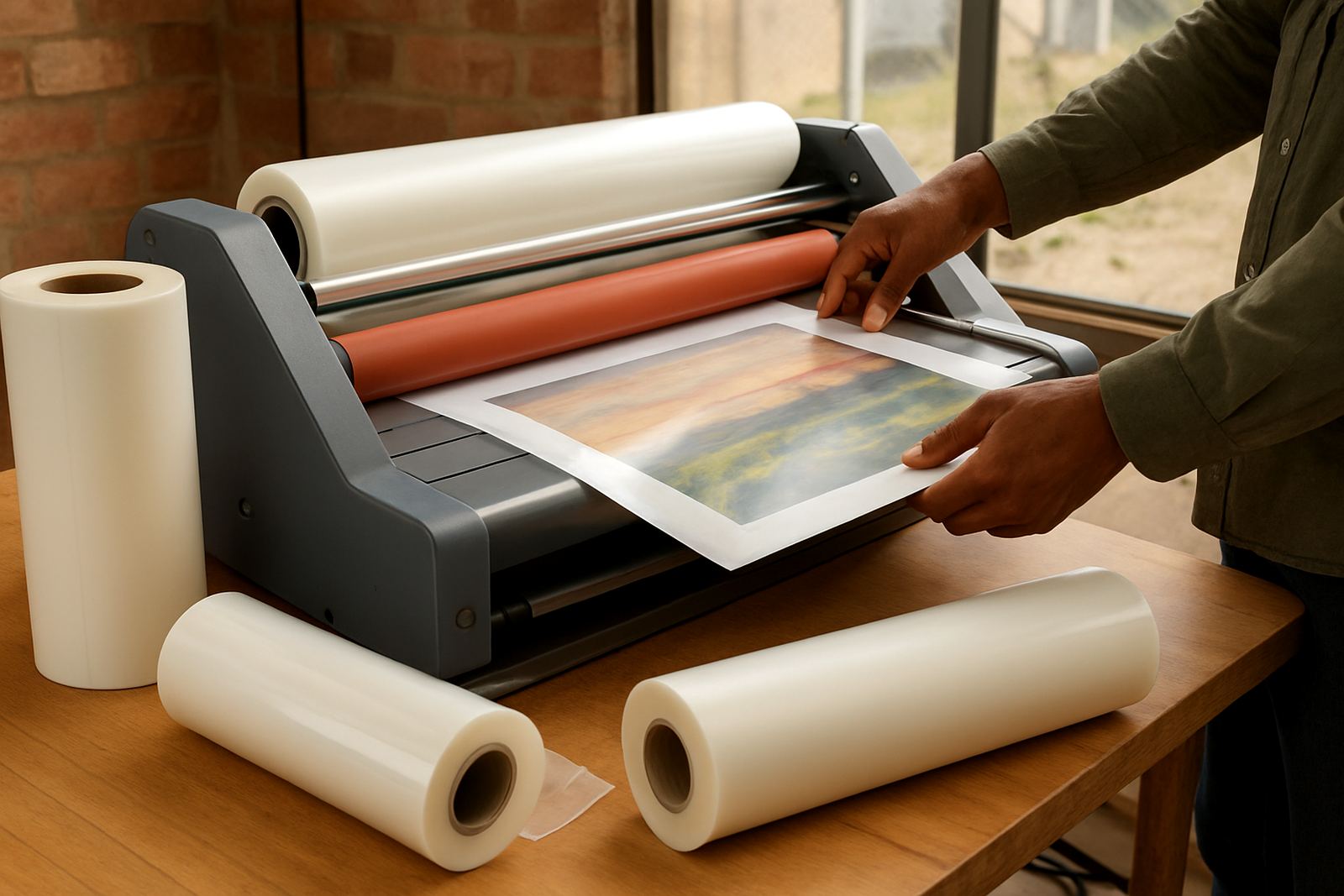
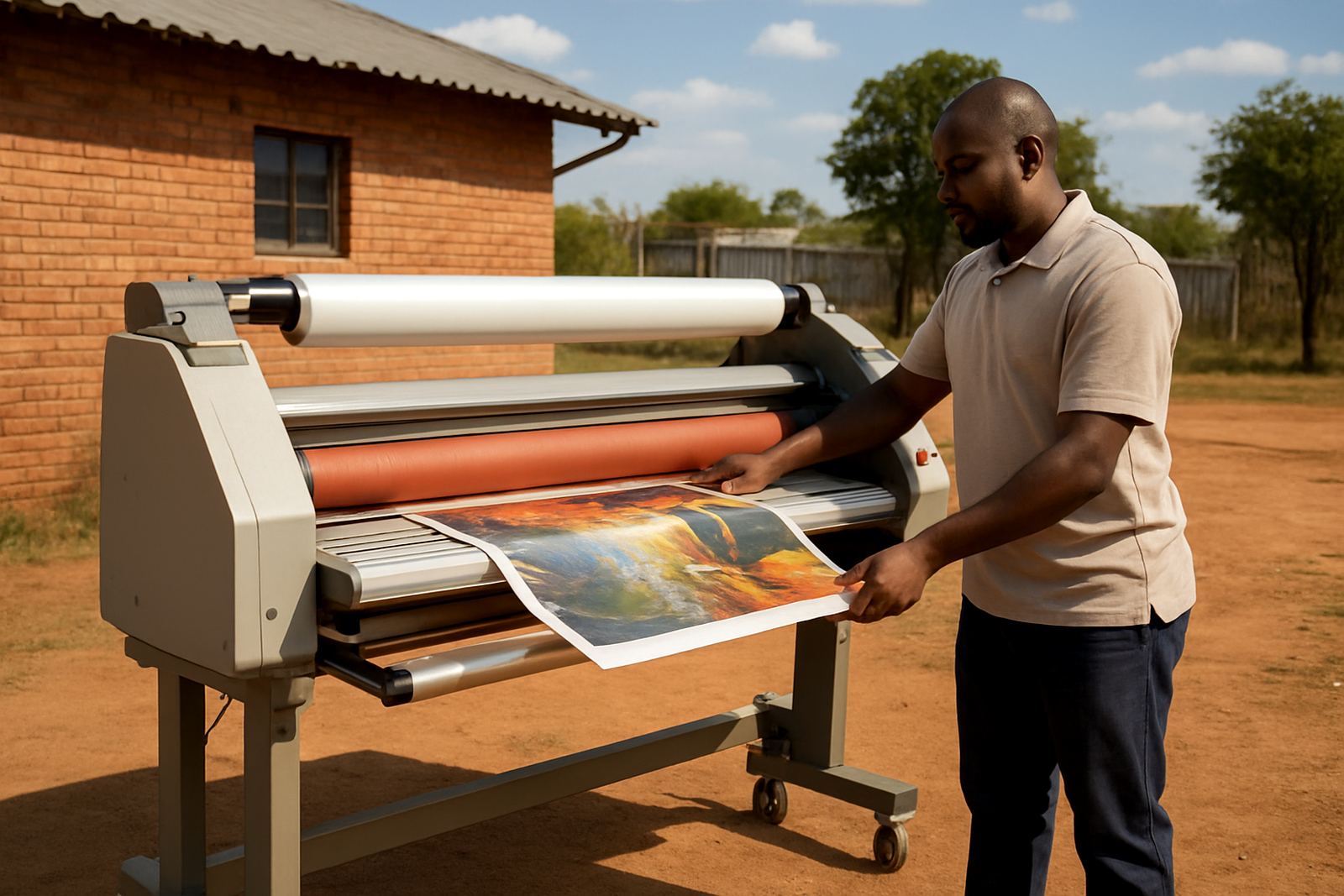
The right machine depends on what you produce most often. Cold roll laminators are a practical choice for pressure-sensitive films, mounted graphics and jobs where heat is not wanted. Hot roll laminators are better for applications that need heat-assisted bonding, and they are often chosen for heavier production schedules. If you are working with photographic prints, signage, posters or artwork, the finished result should be clean, flat and easy to handle.
As a rule, start with the widest sheet or print size you use most often, then allow space for the media path and side clearance. A shop in Sandton doing short runs all day will need a different setup from an artist in Pretoria who laminates occasionally. If you are unsure, ask for a pre-purchase inspection and a recommendation based on your output, floor space and power supply.
How do I order a laminator from Kya Sand?
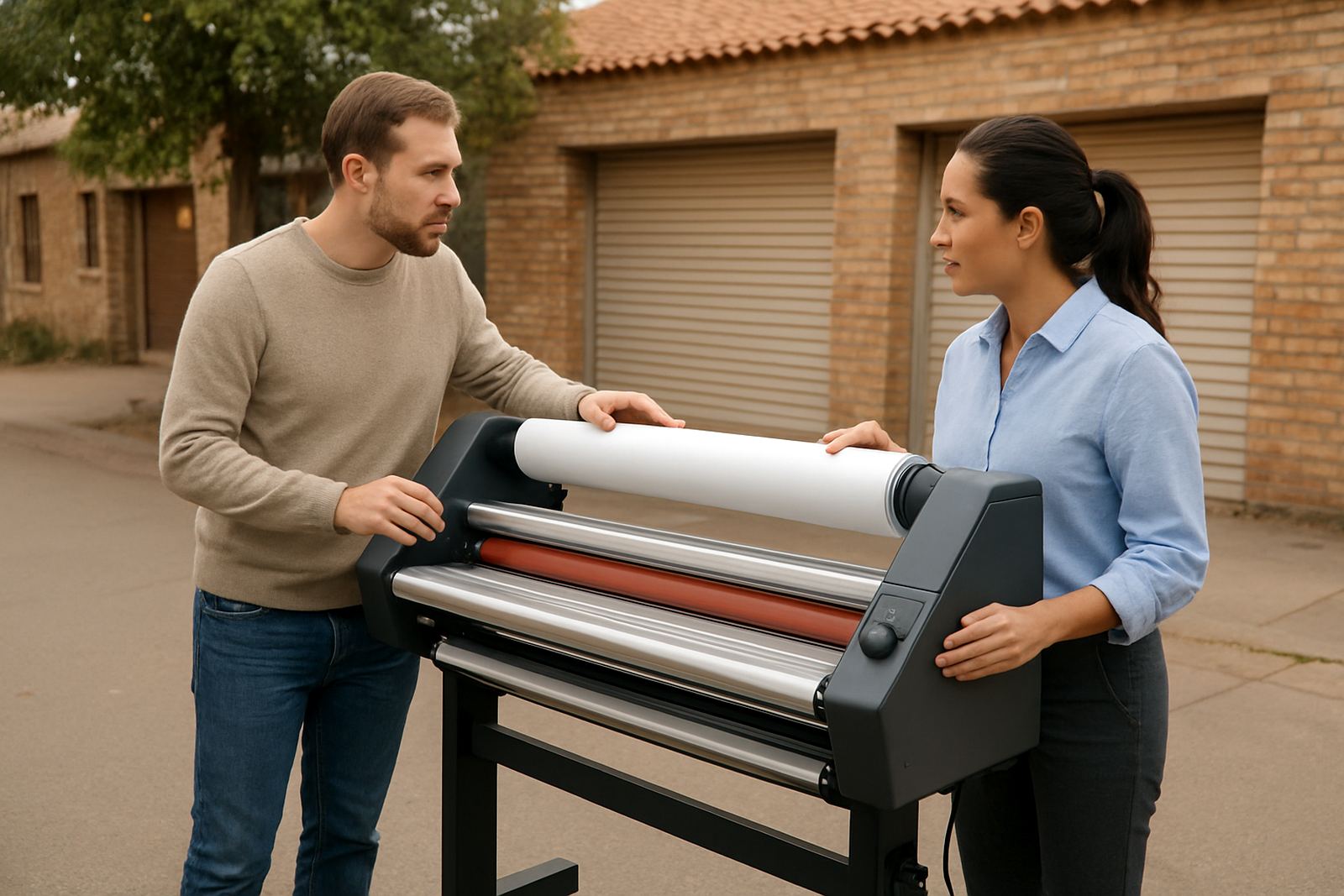
Ordering is straightforward and can be handled through our contact form or phone follow-up. We start by confirming the width you need, the material types you use, and whether you want cold or hot operation. After that, we check the electrical setup, operator access and delivery location so the machine arrives ready for site conditions in Johannesburg, Randburg, Midrand or further afield.
- Send your size requirements and the work you produce most often.
- Share photos of the installation area if you have them.
- Confirm whether you need routine servicing, training or spare parts support.
- We then guide you on the best option and next steps for delivery.
For businesses in busy industrial areas like Kya Sand and the East Rand, it helps to plan install timing around receiving hours and site access. If your team works around load-shedding, mention that early so we can advise on heat system use and safe shutdown steps.
What should I know about delivery and installation?
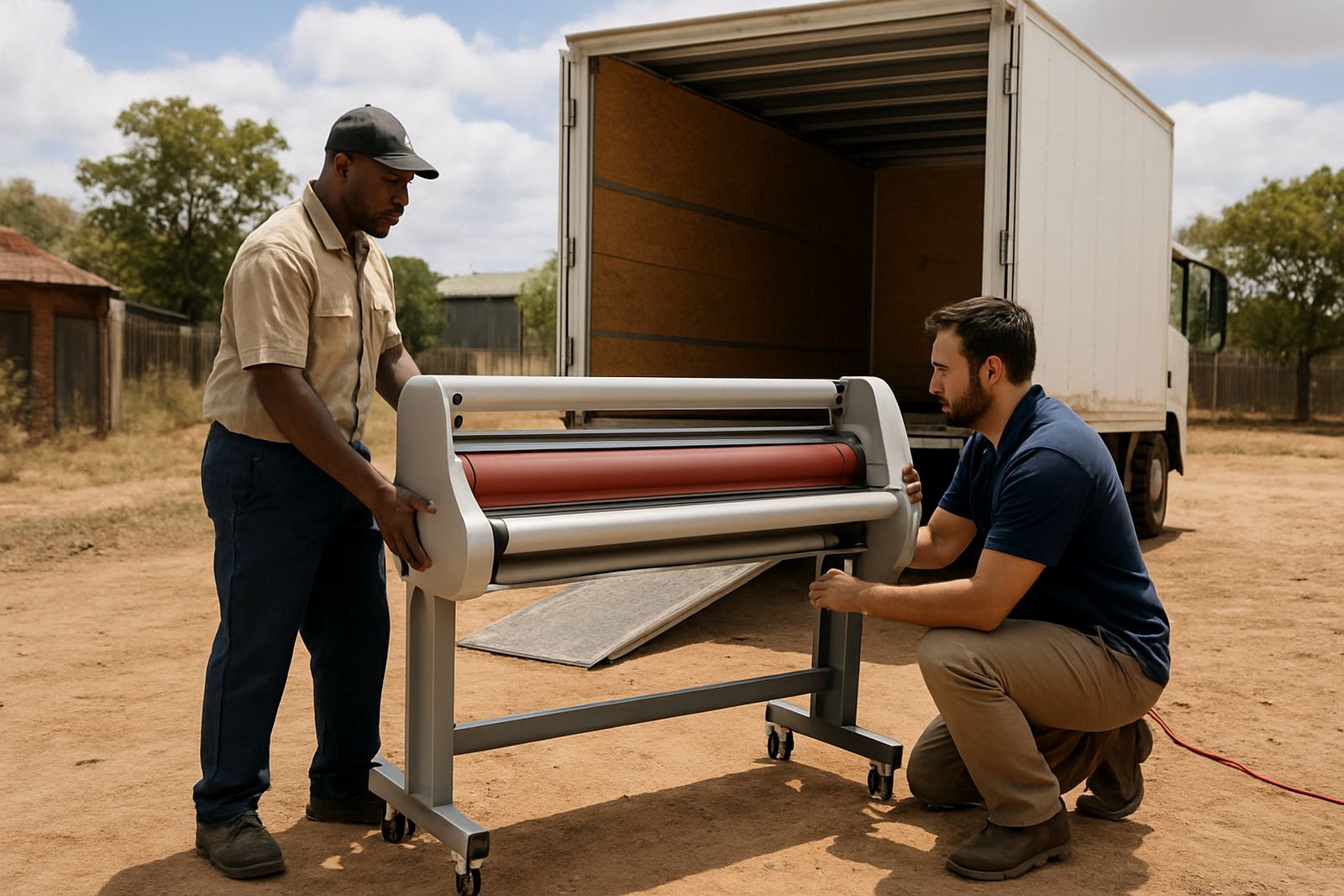
We install nationwide and regularly work across Gauteng, including Johannesburg, Sandton, Randburg, Midrand and Pretoria. Delivery timing depends on location, access and whether the unit needs to be moved through narrow doors, stairs or shared loading bays. If your premises are in a building with municipal or estate rules, let us know before dispatch so the team can plan properly.
At installation we check positioning, level placement, basic electrical setup and the first test run. We also confirm the pressure, heat and feed settings before the machine goes into production. For coastal areas with higher humidity, we may also talk through storage and roller care, because damp conditions can affect media handling and finish quality.
- Keep the installation area clear for unpacking and first setup.
- Make sure the power point matches the machine requirements.
- Have the main operator present for the handover.
- Allow time for a short test job before full production starts.
How does support and servicing work after purchase?
Support is not limited to a phone call after delivery. We assist with routine servicing, roller cleaning, pressure calibration, heat system checks, drive system repairs and electrical fault finding. If a breakdown happens on site, we can arrange an on-site visit where practical, and if parts are needed we help identify the correct spares first time.
For shops running daily production, a planned service can prevent wasted film, uneven pressure and feed issues. If your operator changes often, refresher training is useful as it keeps setup consistent. Many teams only need a short session to avoid common mistakes like incorrect tension, poor alignment or running a job too fast for the film being used.
What are the signs that my laminator needs attention?
Most machines give early warning signs before a serious fault. If the film starts wrinkling, the pressure feels uneven or the finished sheet is curling at the edges, the rollers or heat settings may need checking. A slow drive, unusual noise or repeated stopping points to a mechanical or electrical issue that should be inspected sooner rather than later.
Look out for these common signs:
- Uneven finish across the width of the print.
- Traces of dirt or residue on the rollers.
- Heat not reaching the normal working range.
- Feed problems with thicker or wider media.
- Breaker trips or intermittent power loss during use.
If you spot one of these issues, stop the job and contact support before the fault spreads to other parts. A short delay now usually costs less than replacing damaged media and print stock later.
Can I get help before I buy a machine?
Yes, and it is often the best time to ask questions. A pre-purchase inspection helps you compare a machine against your real work, not just the brochure spec. We look at width, roller condition, power needs, service access and how easy it will be for your team to operate day to day.
If you are buying for a print shop, design studio or art practice, send a note with your main jobs, average sheet size and expected daily use. That lets us guide you clearly and avoids buying a machine that is too small, too slow or hard to maintain. For many businesses in Johannesburg and Pretoria, the best choice is the one that fits the room, the workload and the operator skill level, not the biggest unit on the market.